
A TODOS NUESTROS VISITANTES Y AMIGOS ALREDEDOR DEL MUNDO.

TO ALL OUR VISITORS AND FRIENDS AROUND THE WORLD.

A TODOS NUESTROS VISITANTES Y AMIGOS ALREDEDOR DEL MUNDO.
TO ALL OUR VISITORS AND FRIENDS AROUND THE WORLD.

GLORIA ESTEFAN, LA REAL HISTORIA DE ” LA REINA DEL POP LATINO”. VIDEOS / PHOTOS.
Gloria María Milagrosa Estefan nacida el 1 de septiembre de 1957 es una cantante, actriz y empresaria cubano-estadounidense.
Estefan ha ganado ocho premios Grammy, recibió la Medalla Presidencial de la Libertad y ha sido nombrada una de las 100 mejores artistas de todos los tiempos por VH1 y Billboard. Las ventas de discos de Estefan superan los 100 millones en todo el mundo, lo que la convierte en una de las cantantes femeninas con más ventas de todos los tiempos.
Muchas de las canciones de Estefan se convirtieron en éxitos internacionales que encabezaron las listas, entre ellas «1-2-3», «Don’t Wanna Lose You», «Coming Out of the Dark», «Turn the Beat Around» y «Heaven’s What I Feel». Otros éxitos incluyen «Bad Boy», «Rhythm Is Gonna Get You», «Get On Your Feet» y «You’ll Be Mine (Party Time)».
Estefan comenzó su carrera como contralto como cantante principal de Miami Latin Boys, que luego pasó a llamarse Miami Sound Machine. Ella y Miami Sound Machine obtuvieron éxito mundial con su sencillo de 1985 “Conga”, que se convirtió en la canción insignia de Estefan y llevó a Miami Sound Machine a ganar el gran premio del 15.º Festival Anual de Música de Tokio en 1986. En 1988, ella y Miami Sound Machine lograron su primer éxito número uno con “Anything for You”.
En marzo de 1990, Estefan tuvo un grave accidente en su autobús turístico. Hizo su regreso en marzo de 1991 con una nueva gira mundial y un álbum llamado Into the Light. Su álbum en español de 1993, Mi Tierra, ganó el primero de sus tres premios Grammy al Mejor Álbum Latino Tropical. Fue el primer álbum número uno en la lista Billboard Top Latin Albums, establecida cuando fue lanzado. También fue el primer disco de Diamond en España. Muchas de sus canciones, como “Rhythm Is Gonna Get You”, “1-2-3”, “Don’t Wanna Lose You”, “Get On Your Feet”, “Here We Are”, “Coming Out of the Dark “,” Bad Boy “,” Oye! “,” Party Time “y una nueva versión de” Turn the Beat Around “se convirtieron en éxitos internacionales. Las ventas de discos de Estefan superan los 75 millones en todo el mundo, lo que la convirtió en una de las artistas musicales más vendidas de todos los tiempos.
Ha ganado tres premios Grammy y recibió una estrella en el Paseo de la Fama de Hollywood y el Paseo de la Fama de Las Vegas. En 2015, recibió la Medalla Presidencial de la Libertad por sus contribuciones a la música estadounidense y recibió el Kennedy Center Honors en diciembre de 2017 por sus contribuciones a American Culture Life. Estefan también ganó un MTV Video Music Award, fue honrado con el American Music Award por su trayectoria y fue nombrado compositor del año por BMI. Fue incluida en el Salón de la Fama de los Compositores y ha recibido múltiples premios Billboard. También está en las listas de los 100 mejores artistas de todos los tiempos de VH1 y Billboard.
EDUCACION.
Estefan se crió como católico y asistió a la escuela St. Michael-Archangel y a la academia Our Lady of Lourdes en Miami. Se graduó de la universidad en 1979 con un B.A. en psicología, con especialización en francés, de la Universidad de Miami. Cuando Estefan estudiaba en la universidad, trabajaba como traductora de inglés / español / francés en el Departamento de Aduanas del Aeropuerto Internacional de Miami y, debido a sus habilidades lingüísticas, la CIA se le acercó una vez como posible empleada.
RESUMEN DE SU CARRERA.
En 1975, Gloria y su prima Mercedes “Merci” Navarro (1957-2007) conocieron a Emilio Estefan, Jr. mientras actuaban en un ensayo de conjunto de la iglesia. Emilio, quien había formado la banda Miami Latin Boys a principios de ese año, se enteró de Gloria a través de un conocido mutuo. Mientras los Miami Latin Boys se presentaban en una boda cubana en el Dupont Plaza Hotel, Gloria y Merci (quienes eran invitados a la boda) interpretaron dos estándares cubanos improvisados. Impresionaron tanto a los Miami Latin Boys que fueron invitados a unirse a la banda de forma permanente y el nombre de la banda cambió a Miami Sound Machine. Gloria, que en ese momento asistía a la Universidad de Miami, solo accedió a presentarse durante los fines de semana para que sus estudios no fueran interrumpidos.
A partir de 1977, Miami Sound Machine comenzó a grabar y lanzar varios álbumes y 45s en el sello Audiofon Records en Miami. El primer álbum de 1977 se tituló Live Again / Renacer y fue lanzado con dos versiones diferentes. Después de varios lanzamientos más en el sello Audiofon, así como en el sello RCA Victor y el sello propio de Miami Sound Machine, MSM Records, la banda firmó con Discos CBS International y lanzó varios álbumes, 45 y 12 a partir del homónimo de 1978. Miami Sound Machine. Creciendo en popularidad tanto en los Estados Unidos como en todo el mundo, el grupo continuaría grabando y publicando varios trabajos para Discos CBS International hasta 1985. También fue en 1978 que Gloria se casó con Emilio Estefan, Jr. después de dos años de Fechado.
En 1989, se eliminó el nombre del grupo y desde entonces Estefan ha sido acreditado como solista. En 1988, después del éxito mundial del single “Anything for You”, su álbum Let It Loose fue reempaquetado como Anything for You.
ACCIDENTE CERCANO A LA MUERTE.
Mientras estaba de gira en apoyo de Cuts Both Ways el 20 de marzo de 1990, cerca de Scranton, Pensilvania, Estefan resultó gravemente herido y sufrió una fractura en la columna cuando un camión se estrelló contra el autobús turístico en el que estaba durante una tormenta de nieve. Estefan regresaba de una reunión con el presidente George Bush para discutir la participación en una campaña antidrogas. La llevaron a la Unidad de Cuidados Intensivos del Centro Médico Comunitario y al día siguiente la llevaron en helicóptero a la ciudad de Nueva York, donde los cirujanos del Hospital de Enfermedades de las Articulaciones en el Centro Médico Langone de la NYU le implantaron permanentemente dos varillas de titanio para estabilizar su columna vertebral. Su rehabilitación requirió casi un año de fisioterapia intensiva y señaló que “hubo momentos en que el dolor era tan intenso que recé para desmayarme”. Sin embargo, logró una recuperación completa y regresó a una gira internacional 10 meses después de la colisión.
1998-2001: ¡GLORIA! y ALMA CARIBEÑA.
El 2 de junio de 1998, lanzó su octavo álbum en solitario (vigésimo primero en general si se considera su trabajo con Miami Sound Machine) Gloria !. El álbum mezclaba música disco con percusión de salsa y sabor latino. El álbum alcanzó el puesto 23 en el Billboard 200 [44] y alcanzó la certificación Gold. El single “Oye!” alcanzó el puesto número 1 en las listas Hot Dance Music / Club Play y Hot Latin Tracks. Los otros lanzamientos de sencillos de gran éxito fueron “Don’t Let This Moment End” (que alcanzó el puesto número 76 en el Billboard Hot 100) y “Heaven’s What I Feel” (que alcanzó el puesto 27 en el Hot 100).
Estefan lanzó la grabación en español 90 Millas el 18 de septiembre de 2007. El álbum fue producido por Emilio Estefan y Gaitan Bros (Gaitanes) y compuesto por Emilio Estefan, Gloria Estefan, Ricardo Gaitán y Alberto Gaitán. El título alude a la distancia entre Miami y Cuba. El álbum se disparó al número 1 en la lista Billboard Top Latin Albums. Salió al mercado el primer single llamado “No llores”. La canción se posicionó en Estados Unidos en las categorías latinas de Billboard. El álbum logró posicionarse número en Holanda. En los Estados Unidos, ocupó el puesto 25 en la lista Billboard 200, vendiendo 25.000 unidades en su primera semana. En España, debutó en el número 3 y fue galardonado con un disco de oro por sus altas ventas. En 2008, ganó dos premios Grammy Latinos por Mejor Álbum Tropical Tradicional y Mejor Canción Tropical (“Pintame de Colores”).
GLORIA ESTEFAN EN LA CASA BLANCA EN 2009
Durante la temporada de Acción de Gracias, Estefan apareció en el especial de televisión de Rosie O’Donnell, Rosie Live, cantando a dúo con O’Donnell titulado “Gonna Eat for Thanksgiving”, una versión alternativa de “Gonna Eat for Christmas” del álbum de O’Donnell A Rosie Christmas. . En 2009, Estefan anunció planes para su “gira de despedida” por Latinoamérica y Sudamérica. La gira continuó con un concierto en Guadalajara en México, como parte de un programa diseñado para mejorar el turismo en México, y una serie de apariciones en festivales de música en toda Europa, incluida la presentación en el Summer Pops Music Festival en Liverpool el 27 de julio de 2009.
Performance at the Obama Foundation.
El mismo año, Estefan inauguró el “In Performance en la Casa Blanca: Fiesta Latina 2009” con “No Llores”. Además, al final, Estefan junto con Jennifer Lopez, Thalía, Marc Anthony, José Feliciano, interpretaron una versión de su clásico en español, “Mi Tierra”.
2010-2011: MISS LITTLE HAVANA.
Estefan comenzó el 2010 con un sencillo benéfico: ella y su esposo, el productor Emilio Estefan, Jr., invitaron a artistas a grabar “Somos El Mundo”, una versión en español de la canción de Michael Jackson “We Are the World”. La canción, escrita por Estefan y aprobada por Quincy Jones, fue grabada y estrenada durante El Show de Cristina el 1 de marzo de 2010. Todo el dinero procedente se destinó a la ayuda de Haití.
El 24 de marzo de 2010, Estefan encabezó una marcha por la Calle Ocho de Miami en apoyo de Las Damas de Blanco de Cuba. Las Damas de Blanco es un movimiento de oposición en Cuba que consiste en esposas y otras mujeres parientes de disidentes encarcelados. Desde 2003, las mujeres han protestado por los encarcelamientos asistiendo a misa todos los domingos con vestidos blancos y luego caminando silenciosamente por las calles con ropa blanca. Más tarde ese mismo año, Estefan participó en las “Obras de 24 horas” de Broadway en las que actores, escritores y directores colaboran para producir y realizar seis obras de un acto en 24 horas a beneficio de Urban Arts Partnership. Actuó junto a los actores Elijah Wood, Diane Neal y Alicia Witt en la obra I Think I’ll Love This One, escrita por Elizabeth Cruz Cortes, ganadora de 20 años del proyecto de escritores de Montblanc.
En noviembre de 2011, Estefan comenzó a presentar Latin Beat de Gloria Estefan, una serie de siete partes para BBC Radio 2 en el Reino Unido que explora la historia de la música latina.
En abril de 2014, Gloria y su esposo Emilio fueron homenajeados en el “Evento Poder del Amor para Mantener Viva la Memoria” en Las Vegas, donde grandes nombres de la industria musical como Ricky Martin, Rita Moreno ofrecieron a la pareja un homenaje a su música. . Gloria se unió a Carlos Santana en su nuevo álbum Corazón en una canción llamada “Besos de lejos”. Estefan lanzó Soy Mujer, en Sony Latin el 23 de junio de 2015. El álbum consta de los mayores éxitos en español de Estefan.
2020: BRAZIL305
Estefan anunció que estaba trabajando en regrabar su catálogo musical con ritmos brasileños y cuatro nuevas canciones en un álbum titulado Brazil305. Lanzó el primer sencillo del álbum, “Cuando Hay Amor”, el 12 de junio de 2020.
En abril de 2020, Estefan lanzó “Put on Your Mask”, una parodia de su canción de 1989 “Get on Your Feet” con la letra cambiada para reflejar la importancia de usar mascarillas durante la pandemia de COVID-19. En mayo de 2020, Gloria escribió y lanzó “We Needed Time” como una pieza musical para reflejar los sentimientos y emociones que el mundo estaba experimentando en torno a la pandemia global de COVID-19. La génesis de la canción provino de una conversación nocturna que Gloria tuvo con su hijo Nayib, quien le exclamó a Gloria que aunque no habría pedido una pandemia, le había regalado un tiempo precioso para pasar con su esposa e hijo. Tomando esta idea, Gloria escribió la letra y compuso la melodía. El video de la canción fue filmado en y alrededor de la propiedad de Gloria en Star Island Miami por directores de fotografía socialmente distanciados que usaron cámaras de drones para capturar la hermosa tranquilidad que había creado la pandemia. La canción estuvo disponible para descargar de forma gratuita desde el sitio web oficial de Gloria y todas las buenas plataformas de transmisión.
VIDA PERSONAL.
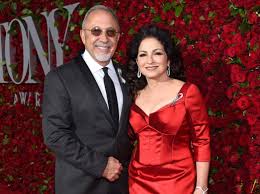
Gloria y Emilio Estefan en el Festival Internacional de Cine de Miami 2014
Estefan se involucró sentimentalmente con el líder de la banda de Miami Sound Machine, Emilio Estefan, en 1976. Como ella reveló más tarde, “él fue mi primer y único novio”. Se casaron el 2 de septiembre de 1978 y tienen un hijo, Nayib (nacido el 2 de septiembre de 1980) y una hija, Emily (nacida el 5 de diciembre de 1994). La familia vive en Star Island.
“Oye Mi Canto”.
Emily es una artista de grabación. Nayib es un aspirante a cineasta y propietario del Nite Owl Theatre en Miami, Florida. [108] [109] El 5 de junio de 2010, Nayib se casó con Lara Diamante Coppola en el patio trasero de la casa de sus padres. El 21 de junio de 2012 nació el primer nieto de Estefan: el nieto Sasha Argento Coppola Estefan. Gloria Estefan dijo que “Sasha Argento”, que significa “benefactor de la humanidad” en árabe, era un posible nombre que ella y Emilio pensaron en nombrar a su hijo Nayib. [Cita requerida]
ALGUNOS DE SUS PREMIOS.
En 2018, Estefan se convirtió en el primer cubanoamericano en ser nombrado uno de los Kennedy Center Honors. El 14 de marzo de 2019, Estefan y su esposo recibieron el Premio Gershwin de Canción Popular de la Biblioteca del Congreso 2019. Son la primera pareja casada y la primera de ascendencia hispana en recibir el Premio Gershwin.
DISCOGRAFÍA.
Últimas actuaciones.
Los estándares (2013)
Brasil305 (2020)
FILMOGRAFÍA.
Últimas actuaciones.
Grabación de 2010: La historia de la música grabada en sí misma Documental
2017 Un cambio de corazón Dr. Farjado
TELEVISIÓN.
Últimas actuaciones.
2016 Jane the Virgin misma
2018 Q85: Una celebración musical para la propia Quincy Jones cantando un tributo a Quincy Jones
2018 Kennedy Center se honra a sí misma como anfitriona del evento.
2019 Un día a la vez Mirtha
Coronavirus disease (COVID-19)
Get the latest information.
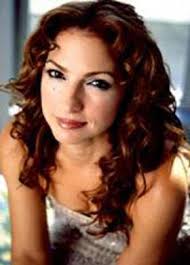
GLORIA ESTEFAN, THE REAL STORY OF “THE QUEEN OF LATIN POP”. VIDEOS / PHOTOS.
Gloria María Milagrosa Estefan born September 1, 1957 is a Cuban-American singer, actress and businesswoman.
Estefan has won eight Grammy Awards, received the Presidential Medal of Freedom and has been named one of the 100 Greatest Artists of All Time by VH1 and Billboard. Estefan’s record sales exceed 100 million worldwide, making her one of the best-selling female singers of all time.
Many of Estefan’s songs became international hits that topped the charts, including “1-2-3,” “Don’t Wanna Lose You,” “Coming Out of the Dark,” “Turn the Beat Around” and “Heaven’s What I Feel.” Other hits include “Bad Boy,” “Rhythm Is Gonna Get You,” “Get On Your Feet,” and “You’ll Be Mine (Party Time).”
Estefan began her career as a contralto as the lead singer of Miami Latin Boys, which was later renamed Miami Sound Machine. She and Miami Sound Machine gained worldwide success with their 1985 single “Conga,” which became Estefan’s signature song and led to Miami Sound Machine winning the grand prize at the 15th Annual Tokyo Music Festival in 1986. In 1988, she and Miami Sound Machine scored their first number-one hit with “Anything for You.”
In March 1990, Estefan was in a serious accident on her tour bus. She made her comeback in March 1991 with a new world tour and an album called Into the Light. Her 1993 Spanish-language album, Mi Tierra, won the first of her three Grammy Awards for Best Tropical Latin Album. It was the first number-one album on the Billboard Top Latin Albums chart, established when it was released. It was also Diamond’s first record in Spain. Many of its songs, such as “Rhythm Is Gonna Get You,” “1-2-3,” “Don’t Wanna Lose You,” “Get On Your Feet,” “Here We Are,” “Coming Out of the Dark,” “Bad Boy,” “Oye!,” “Party Time,” and a new version of “Turn the Beat Around” became international hits. Estefan’s record sales exceed 75 million worldwide, making her one of the best-selling music artists of all time.
She has won three Grammy Awards and received a star on the Hollywood Walk of Fame and the Las Vegas Walk of Fame. In 2015, she was awarded the Presidential Medal of Freedom for her contributions to American music and received the Kennedy Center Honors in December 2017 for her contributions to American Culture Life. Estefan has also won an MTV Video Music Award, was honored with an American Music Award for lifetime achievement, and was named BMI’s Songwriter of the Year. She has been inducted into the Songwriters Hall of Fame and has received multiple Billboard awards. She is also on both VH1 and Billboard’s Top 100 Artists of All Time lists.
Awards
Main article: List of awards received by Gloria Estefan
In addition to her three Grammy Awards, Estefan has received many other awards. In May 1993, she received the Ellis Island Medal of Honor, which is the highest award that can be given to a naturalized U.S. citizen. She has won the Hispanic Heritage Award, an MTV Video Music Award,[126] and the 1993 National Music Foundation’s Humanitarian of the Year award. She is the recipient of the American Music Award for Lifetime Achievement.
She also has a star on the Hollywood Walk of Fame. Her husband, Emilio, a world-renowned music impresario, received a star which is adjacent to his wife’s on the Hollywood Walk of Fame in 2005.
Estefan was awarded an honorary doctoral degree in music from the University of Miami in 1993. She was a member of the Board of Trustees of the University of Miami. In April 2014, Estefan was tapped into the Iron Arrow Honor Society, the University of Miami’s highest honor society. In 2002, Barry University in Miami bestowed upon her an honorary law degree. She and her husband received honorary doctoral degrees in music from the Berklee College of Music in Boston in 2007. She delivered the commencement address to the 2007 graduating class.
In 2002, she received the Congressional Hispanic Caucus Institute Medallion of Excellence for Community Service. The singer was Musicares Person of the Year in 1994. She founded the Gloria Estefan Foundation, which promotes education, health and cultural development. In 1997, she received the Golden Plate Award of the American Academy of Achievement.
She has been honored twice by the Songwriters Hall of Fame. In 1992, she served as a public member of the U.S. Delegation to the 47th Session of the United Nations’ General Assembly Opening Plenary.
Estefan received the Latin Recording Academy Person of the Year award at the Latin Grammy Awards in November 2008 in recognition of her twenty-five-year singing career.[140] She is the first female singer to receive this award. She also received the Latin Grammy Award for Best Traditional Tropical Album for 90 Millas, and the Latin Grammy Award for Best Tropical Song for her single “Píntame De Colores”. This established the first occasion for Estefan to ever win the Grammy Award for a song (either Latin or non-Latin). On 12 March 2009, Estefan was honored as a BMI Icon at the 16th annual BMI Latin Awards. Her catalog includes 22 BMI Latin and Pop Awards, along with 11 BMI Million-Air Awards.
In April 2010, Estefan and her husband received a star in the “Walk of Stars” in Las Vegas for their contribution to music industry. On 28 April 2011, at the Latin Billboard Awards, Estefan was honored with the Billboard Spirit of Hope Award for her philanthropic work for the second time, the first being in 1996.
In 2014, Estefan and her husband received a Caribbean American Mover and Shakers Lifetime Achievement Award, for their contributions to the Hispanic, and multicultural community. In November 2015, it was announced Estefan, along with her husband, would be awarded the Presidential Medal of Freedom by President Barack Obama for her contributions to American music.
In 2017, Estefan was made an honorary member of Sigma Alpha Iota International Music Fraternity, a music Greek organization for women with over 115 years of supporting music in their universities, organization and the world. She was initiated at the Sigma Chi Chapter at University of Miami.
In 2017, Estefan became the first Cuban-American to be named as one of the Kennedy Center Honors. On 14 March 2019, Estefan and her husband were awarded with the 2019 Library of Congress Gershwin Prize for Popular Song. They are the first married couple and first of Hispanic descent to receive the Gershwin Prize.
In 2022, Estefan was inducted into the Women Songwriters Hall of Fame.
In June 2023, Estefan was inducted into the Songwriters Hall of Fame, becoming the first Hispanic to do so.
In 2023 for her philanthropic commitment the 44th annual Common Wealth Awards of Distinguished Service honored Estefan for her Public Service.
(READ MORE IN THE SPANISH SECTION ABOVE)
Agencies/ Wiki/ Extractos/ Excerpts/ Internet Photos/ YouTube/ Arnoldo Varona.
TheCubanHistory.com
THE CUBAN HISTORY, HOLLYWOOD.


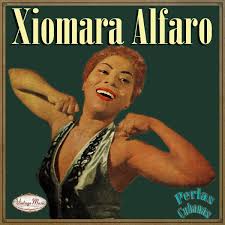
XIOMARA ALFARO, “LA ALONDRA DE LA CANCION”, UNA DE LAS MEJORES CANTANTES CUBANAS DE TODOS LOS TIEMPOS. VIDEOS / PHOTOS.
Xiomara Alfaro, famosa cantante Cubana nació el 11 de mayo de 1930 y fue una soprano coloratura cubana. Su interpretación de “Siboney” del pianista cubano Ernesto Lecuona fue la favorita del compositor, una estrella del panorama musical cubano en la década de los años 1950s y despues en el plano internacional durante muchos años.
Se hizo famosa como cantante de boleros en parte debido a la forma en que los cantaba con su voz de soprano. Fue conocida como ‘El ruiseñor de la canción’ y como ‘La alondra de la canción’.
Alfaro fue considerada una de las cantantes más famosas de la isla de todos los tiempos. Comenzó a cantar de niña en reuniones familiares y eventos comunitarios en su barrio de Marianao. Como era costumbre en ese momento, los jóvenes cantantes que deseaban iniciar una carrera profesional se sumaban a los concursos de talentos que se realizaban en diversas emisoras de radio de La Habana. La joven Xiomara fue la ganadors de uno de esos concursos en Radio Suaritos y se convirtió en una asidua de sus transmisiones. El compositor y pianista Obdulio Morales la escuchó cantar en la radio y quedó tan impresionado con ella que la invitó a formar parte del elenco de su revista musical “Batamú”, que se estrenó en el Teatro Martí en 1951.
XIOMARA ALFARO ESTILO ÚNICO
Marcando su estilo en la canción popular cubana, con su repertorio de boleros en su voz de coloratura soprano de impresionantes agudos, artista contemporánea de Olga Guillot, Celia Cruz, Omara Portuondo e Yma Sumac. Se inició en revistas de música en la década de 1950 y en espectáculos de cabaret, actuó en el Tropicana y realizó numerosos espectáculos en varios países del mundo. Casada con el pianista panameño Rafael Benítez, quien fue su arreglista artístico y director trabajando en la grabación de sus discos.
Tras consagrarse ya como cantante se inició en revistas musicales en los años 50 y espectáculos de cabaret, actuó en el Tropicana y realizó numerosos espectáculos en varios países del mundo, grabó poco más de 28 discos, algunos de ellos con la colaboración de el gran Bebo Valdés o Ernesto Duarte Brito, entre otros. Por su fina voz de soprano, por estos agudos agudos, se le conocio como “El ruiseñor de la Cancion”.
El famoso bolero “Siboney” del reconocido y Gran Maestro Ernesto Lecuona, fue muy popular en su voz, y la interpretación que le gustó al autor, en varias ocasiones expresó. Participó en la película italiana Mambo con Silvana y Vittorio Gassman, dirigida por Robert Rossen en 1954.
XIOMARA ALFARO SALIDA DE CUBA
Con la llegada de la revolución cubana en 1959, a Xiomara no le agradaron estos hechos y, como muchos otros artistas cubanos de su talla, huyó del país en 1960 para no volver jamás. Como era conocida internacionalmente, continuó su carrera sin problemas.
Xiomara realizó una gira por Europa una vez más y tuvo una larga residencia en París. En Londres, le pidieron que cantara en la despedida de soltera de la princesa Margarita y fue invitada de la familia real. Posteriormente, realizó una gira por Sudamérica y Centroamérica donde fue ídolo, y continuó grabando. Aunque tenía una voz extraordinaria y podía haber cantado ópera, prefería la música popular, especialmente los boleros románticos. Su repertorio siempre incluyó lo mejor de los cancioneros latinoamericanos, así como los estándares franceses e italianos. Los críticos siempre señalaron que Alfaro creó un estilo de canto nuevo y original en la música popular que nunca podría ser igualado por otros cantantes.
Fue cantante y bailarina con la compañía de gira Katherine Dunham y actuó en el coro en lugares de Las Vegas como ~ the Flamingo. Su hermana, la fallecida Olympia Alfaro u Omí Sanyá, era sacerdotisa o “apuón” en la comunidad religiosa Lukumí Orisha, interpretando un tipo de música gospel particular para estos seguidores. En los años 70, fue ordenada por su hermana en la fe Oshún. Actuó y grabó música latina y, a menudo, participa en talleres y eventos educativos con su esposo.
La cantante cubana Xiomara Alfaro falleció en Cape Coral, Florida, el 24 de junio del 2018 a la edad de 88 años por insuficiencia respiratoria.
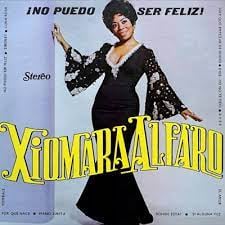
XIOMARA ALFARO, “THE SONG LARK”, ONE OF THE BEST CUBAN SINGERS OF ALL TIME. VIDEOS / PHOTOS.
Xiomara Alfaro, famous Cuban singer was born on May 11, 1930 and was a Cuban coloratura soprano. Her interpretation of “Siboney” by Cuban composer and pianist Ernesto Lecuona was the composer’s favorite, a star of the Cuban music scene in the 1950s and then internationally for many years.
She became famous as a bolero singer in part because of the way she sang them with her soprano voice. She was known as ‘The Nightingale of Song’ and as ‘The Lark of Song’.
Alfaro was considered one of the most famous singers of the island of all time. She began singing as a child at family gatherings and community events in her Marianao neighborhood. As was customary at the time, young singers who wanted to start a professional career would join talent contests held on various radio stations in Havana. Young Xiomara was the winner of one of these contests on Radio Suaritos and became a regular on its broadcasts. The composer and pianist Obdulio Morales heard her sing on the radio and was so impressed with her that he invited her to join the cast of his musical revue “Batamú,” which premiered at the Teatro Martí in 1951.
Xiomara Alfaro was born in Havana, Cuba on May 11, 1930, and was considered one of the most famous singers on the island of all time. She began singing as a child at family gatherings and community events in her Marianao neighborhood. As was customary at the time, young singers wishing to start professional careers would join talent shows to be held on various radio stations in Havana. The young Xiomara was the winner of one of those contests on Radio Suaritos and became a regular on their broadcasts. Composer and pianist Obdulio Morales heard her sing on the radio and was so impressed by her that he invited her to join the cast of her musical magazine “Batamú,” which premiered at the Martí Theater in 1951.
XIOMARA ALFARO UNIQUE STYLE
Scoring her style in the Cuban folk song, with its repertoire of boleros in his voice of coloratura soprano of impressive treble, artist contemporary of Olga Guillot, Celia Cruz, Omara Portuondo, and Yma Sumac. She started in music magazines in the 1950s and cabaret shows, she appeared at the Tropicana and performed numerous shows in various countries of the world. Married Panamanian pianist Rafael Benítez, who was her artistic arranger and conductor working in the recording of their albums.
After being already consecrated as a singer started in musical revues in the 1950s and cabaret shows, performed at the Tropicana, and performed numerous shows in various countries around the world, she recorded a little more than 28 albums, some of them with the collaboration of great Bebo Valdes or Ernesto Duarte Brito, among others. For her fine soprano voice, by these acute highs, she recorded was called “La Alondra de la song” or “The Nightingale of the bail,” knowing is more with this last adjective.
The famous bolero “Siboney” of the renowned and Grand Master Ernesto Lecuona, was very popular in his voice, and the interpretation that he liked the author, on several occasions expressed. He participated in the Italian film Mambo with Silvana and Vittorio Gassman, directed by Robert Rossen in 1954. Recalls that his debut was back in the year 1951, in the musical Revue “Batamú”, presented at the Havana Teatro Martí by the author, composer, and director Obdulio Morales.
XIOMARA ALFARO LEAVE CUBA
With the arrival of the Cuban revolution in 1959, Xiomara did not like these events and, like many other Cuban artists of her stature, she fled the country in 1960 never to return. As she was known internationally, she continued her career smoothly.
Xiomara toured Europe once more and had a long residence in Paris. In London, she was asked to sing at Princess Margaret’s bachelorette party and she was a guest of the royal family. Later, she toured South and Central America where she was an idol, and she continued recording. Although she had an extraordinary voice and could have sung opera, she preferred popular music, especially romantic boleros. Her repertoire always included the best of Latin American songbooks, as well as French and Italian standards. Reviewers always noted that Alfaro created a new and original singing style in popular music that could never be matched by other singers.
She was a singer and dancer with the touring Katherine Dunham troupe and performed in the chorus at Las Vegas venues such as ~the Flamingo. Her sister, the late Olympia Alfaro or Omí Sanyá, was a priestess or “apuón” in the Lukumí Orisha religious community, performing a type of gospel music particular to this following. In the ’70s, she became ordained by her sister in the Oshún faith. She performed and recorded Latin music and often takes part in workshops and educational events with her husband.
Cuban singer Xiomara Alfaro passed away in Cape Coral, Fla. on June 24, 2018, at the age of 88 from respiratory failure.
Agencies/ Chadbourne/ XiomaraAlfaroBio./ Extractos/ Excerpts/ Wiki / Internet Photos/ YouTube/ Arnoldo Varona/ www.TheCubanHistory.com
THE CUBAN HISTORY, HOLLYWOOD.
