
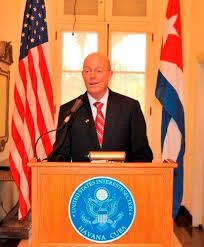
< (OPINION) If History is Indication, the New Cuban Inmigrants will be Accomodated in the United States.

download (2)(OPINIÓN) SI LA HISTORIA ES UNA INDICACIÓN, LOS NUEVOS INMIGRANTES CUBANOS SERÁN ACOMODADOS EN LOS ESTADOS UNIDOS.

A lo largo de la Quinta Avenida en La Habana, las antiguas casas señoriales ahora son embajadas. En estos días se destacan no solo por sus banderas y sellos, sino por la multitud de solicitantes de visas que intentan desesperadamente encontrar una salida de Cuba. Las multitudes más grandes solían formarse frente a la embajada estadounidense, pero no desde que Estados Unidos suspendió el procesamiento de visas después de que los diplomáticos sufrieran enfermedades de salud inexplicables. Las dificultades económicas de Venezuela han reducido en gran medida la oferta de envíos de petróleo crudo con descuento a Cuba y todos casi eliminados los lucrativos negocios. El impacto se ve en la escasez de combustible y alimentos, incluso para aquellos residentes que poseen pesos convertibles, la moneda cubana sustituye al dólar.

Los Estados Unidos también han restringido a los visitantes estadounidenses y han prohibido las paradas de cruceros en la isla, reduciendo en gran medida otra fuente importante de divisas. Los cubanos están recordando el infame “período especial” después del colapso de la Unión Soviética cuando el corte en la ayuda soviética causó una severa contracción en la economía cubana. Los visitantes perciben una creciente preocupación por el futuro, una impaciencia ante el estrés económico y una burocracia comunista inflexible. Muchos cubanos, especialmente los jóvenes, creen que la única forma de mejorar sus vidas es emigrar fuera de la isla.

Hoy en día, hay un continuo goteo de cubanos que viajan a Venezuela, Colombia, Ecuador y Perú, uniéndose a corrientes más grandes en América Central y México, y se dirigen a la frontera sur. Después de los hondureños, guatemaltecos y salvadoreños, los cubanos forman el siguiente grupo más grande de personas que buscan asilo en los Estados Unidos. Cuba tiene una larga tradición de utilizar la emigración como una válvula de vapor para el descontento popular. Después de la Revolución Cubana en la década de 1950, los Vuelos de la Libertad trajeron a decenas de miles de refugiados descontentos con Fidel Castro y su imposición del comunismo. En 1980, las tensiones por un incidente que involucró a cubanos que buscaban refugio en la embajada peruana llevó a Castro a anunciar que todos los cubanos podían irse.

El resultado fue el alzamiento de Mariel que trajo a 120,000 cubanos a los Estados Unidos en un mes. Las tensiones internas durante el “período especial” en la década de los 90 llevaron a una crisis de la viga cubana que llevó a miles de refugiados más a la costa de Florida hasta que la Guardia Costera interceptó vigas en el mar y los detuvo en la Base Naval de la Bahía de Guantánamo. Las negociaciones con Cuba llevaron a la política de “pie seco con el pie mojado”, por la cual las vigas cubanas interceptadas en el mar fueron devueltas a la isla, mientras que los pocos que sobrevivieron y llegaron a las costas estadounidenses pudieron quedarse. Los Estados Unidos también acordaron aceptar 20,000 inmigrantes cubanos al año, un flujo reducido desde que la embajada estadounidense dejó de procesar sus visas.

Las tensiones sociales y económicas actuales dentro de Cuba, combinadas con el aumento de las sanciones económicas estadounidenses en la isla, están creando las condiciones para un nuevo éxodo masivo. El anciano primer ministro del Partido Comunista, Raúl Castro, y el joven cohorte político listos para asumir el poder saben por la historia que la migración masiva de cubanos a los Estados Unidos no solo alivia la tensión doméstica sino que obliga a los Estados Unidos a concentrarse en las preocupaciones cubanas. Esta vez, sin embargo, es probable que las vigas salgan del oeste de Cuba hacia la Península de Yucatán en México, en lugar de cruzar los estrechos de Florida directamente a los Estados Unidos. Si Cuba se niega a aceptarlos de nuevo, volvería a provocar un gran éxodo. Estos refugiados cubanos estarían esperando en la frontera sur a los pocos días de su llegada.

El gobierno de los Estados Unidos podría enfrentar una decisión crítica sobre cómo responder si la cantidad de refugiados cubanos aumenta a decenas de miles. Si la historia es un indicio, esta nueva ola de inmigrantes cubanos también se alojará en los Estados Unidos. La Ley de Ajuste Cubano de 1966 permite a los cubanos solicitar la residencia permanente legal después de un año de presencia física en los Estados Unidos. A diferencia de los centroamericanos, estos refugiados cubanos tendrán una comunidad cubanoamericana poderosa política y económicamente que siempre les ha dado la bienvenida en el pasado.

download AUTOR: John Caulfield es el ex jefe de la sección de intereses de Estados Unidos en La Habana. Es el fundador de la Fundación Innovadores, una organización estadounidense sin fines de lucro que apoya a los empresarios de tecnología en Cuba.

logo

imagesIF HISTORY IS ANY INDICATION, THE NEW CUBAN IMMIGRANTS WILL BE ACCOMMODATED IN THE UNITED STATES.

Along Fifth Avenue in Havana, the old stately homes are now embassies. These days they stand out not only because of their flags and seals, but because of the throngs of visa applicants desperately trying to find a way out of Cuba. The biggest crowds used to form in front of the American embassy, but not since the United States suspended visa processing after diplomats suffered unexplained health ailments. The economic difficulties of Venezuela have greatly reduced the supply of discounted crude oil shipments to Cuba and all but eliminated lucrative business deals. The impact is seen in the shortage of fuel and food, even for those residents who hold convertible pesos, the Cuban currency substitute for the dollar.

The United States has also restricted American visitors and banned cruise ship stops on the island, greatly reducing another major source of foreign exchange. Cubans are recalling the infamous “special period” after the collapse of the Soviet Union when the cutoff in Soviet aid caused a severe contraction in the Cuban economy. Visitors perceive a rising concern about the future, an impatience with economic stress, and an inflexible communist bureaucracy. Many Cubans, especially the young, believe that the only way to improve their lives is to migrate away from the island.

Today, there is a steady trickle of Cubans who are traveling to Venezuela, Colombia, Ecuador, and Peru, joining larger streams in Central America and Mexico, making their way to the southern border. After Hondurans, Guatemalans, and El Salvadorans, Cubans form the next largest group of those seeking asylum in the United States. Cuba has a long tradition of using emigration as a steam valve for popular discontent. After the Cuban Revolution in the 1950s, the Freedom Flights brought tens of thousands of refugees unhappy with Fidel Castro and his imposition of communism. In 1980, tensions over an incident involving Cubans seeking refuge in the Peruvian embassy led Castro to announce all Cubans were free to leave.

The result was the Mariel boatlift bringing 120,000 Cubans to the United States in a month. Internal tensions during the “special period” in the 1990s led to a Cuban rafter crisis that brought thousands of more refugees to the Florida coast until the Coast Guard interdicted rafters at sea and detained them at the Guantanamo Bay Naval Base. The negotiations with Cuba led to the “wet foot dry foot” policy whereby Cuban rafters interdicted at sea were returned to the island while the few who survived and reached American shores were allowed to stay. The United States also agreed to accept 20,000 Cuban immigrants a year, a flow reduced since the American embassy has ceased visa processing.

The current social and economic strains within Cuba, combined with the ratcheting up of American economic sanctions on the island, are creating the conditions for a new mass exodus. The aging Communist Party First Secretary Raul Castro and the younger political cohort poised to assume power know from history that mass migration of Cubans to the United States not only eases domestic tension but forces the United States to focus on Cuban concerns. This time, however, the rafters will more likely depart western Cuba for the Yucatan Peninsula in Mexico, rather the cross the Florida Straits directly to the United States. If Cuba refuses to accept them back, it would again set off a major exodus. These Cuban refugees would be waiting at the southern border within just days of their arrival.

The United States government could face a critical decision of how to respond if the number of Cuban refugees swells to tens of thousands. If history is any indication, this new wave of Cuban immigrants will also be accommodated in the United States. The Cuban Adjustment Act of 1966 allows Cubans to apply for lawful permanent residence after a year of physical presence in the United States. Unlike the Central Americans, these Cuban refugees will have a politically and economically powerful Cuban American community that has always welcomed them in the past.

download (1) AUTHOR: John Caulfield is the former chief of the United States interests section in Havana. He is the founder of the Innovadores Foundation, an American nonprofit organization that supports technology entrepreneurs in Cuba.

Agencies/ The Hill/ John Caulfield, Opinion Contributor/ Internet Photos/ Arnoldo Varona/ www.TheCubanHistory.com
THE CUBAN HISTORY, HOLLYWOOD.

cuba-hero-banner-2

logo

< EDWIN "Trompoloco" Fernández, Well Known Actor of Cuban TV and Cinema. VIDEOS.

downloadEDWIN ” TROMPOLOCO” FERNANDEZ, CONOCIDO ACTOR DE LA TV Y EL CINE CUBANO.

Edwin Juventino Fernández Sánchez, mas conocido solamente como Edwin Fernández nació el 29 de enero de 1928, en la provincia de Camagüey. Actor cubano de la radio, la televisión, el cine y el circo. Inmortalizó el personaje del payaso ‘Trompoloco’. Dirigió, escribió y actuó en numerosos programas infantiles.

Durante sus estudios de bachillerato incursionó en algunas obras teatrales bajo la dirección de Luis Martínez Casado, quien luego sería figura relevante del teatro y los medios de comunicación cubanos. Ingresó a la Universidad de La Habana para estudiar arquitectura, pero abandonó la carrera por seguir sus inquietudes artísticas. En esa etapa se incorporó al grupo Teatro Universitario, donde consolidó sus recursos histriónicos.

En la década de los años cuarenta se unió a las misiones culturales que promovía el Ministerio de Educación para llevar representaciones teatrales, conciertos y exposiciones por toda la Isla. Entre las actuaciones de Erdwin Fernández en el medio radial de entonces se recuerda al personaje de “Simplicio Bobadilla y Comejaibas”, que interpretaba en el programa La Tremenda Corte, estrenado el 7 de enero de 1942 por RHC Cadena Azul. El personaje encarnaba a un muchacho de múltiples quehaceres, algo torpe y de baja estatura, tan mañoso como el mismo “Tres Patines”. A veces participaba como acusador, y en otras ocasiones como acusado, en complicidad con “Tres Patines”.

https://youtu.be/-R19Y8tOux0

El autor de la idea original y guionista del espacio fue Castor Vispo, luego prolífero escritor para el medio televisivo. La calidad de sus libretos, junto con los altos estándares de actuación del elenco, le valieron a La Tremenda Corte el calificativo de mejor comedia radiofónica producida en Latinoamérica. Ese espacio fue heredero de toda la influencia del teatro bufo cubano.

En 1951, Erdwin Fernández comenzó a trabajar en pequeños papeles en espacios televisivos, como el programa Televisión General Electric, donde hizo papeles de gángster, junto al también joven actor Enrique Almirante. En los propios inicios de la década, cuando ya se había enfrentado a buen número de desafíos dramatúrgicos, creó el inolvidable payaso que lo colocaría en alto puesto dentro de la cultura cubana y lo dotara de inmensa popularidad. Se trataba de un clown clara blanca, cuyos relatos destacaban la esencia de lo humano, confundiendo la tristeza y la ternura como dicotomía central de su personalidad.

El personaje vio la luz en un programa infantil de la CMQ llamado ‘Chiquilín’. Poco a poco se consolidó hasta llegar a llamarse ‘Trompoloco’; pero alcanzó notoriedad varios años más tarde. Su mayor mérito fue la aceptación que tuvo entre los niños, su capacidad de adaptar lo circense a la pequeña pantalla y la habilidad para escribir sus propios textos e improvisar.

150px-Trompoloco2

A finales de la década de los sesenta se incorporó a Teatro Estudio, emblemático grupo de teatro cubano -considerado como la experiencia teatral más fecunda del siglo XX, y al que se recuerda como un importante centro formador de directores, actores y dramaturgos. Entre las obras más recordadas del paso de Erdwin Fernández por esa compañía teatral están Los cuentos del Decamerón y La última carta de la baraja, ambas dirigidas por Raquel Revuelta.

En 1962 creó y dirigió el espacio infantil ‘Amigo y sus amiguitos’, donde, junto a Nilda Collado, su compañera en la vida, y Consuelito Vidal, ponía voz a los personajes e interpretaba canciones. Ese espacio gozó de amplia popularidad entre el público televidente. En el espacio Teatro ICR, creado por Marcos Behmaras con la intención de promover obras de la literatura mundial en adaptaciones para la televisión, actuó en Yerma, de Federico García Lorca, estrenada en 1964. En ella actuaron además Sergio Corrieri y Consuelo Vidal, bajo la dirección de Amaury Pérez García. La puesta en escena fue rodada íntegramente en el Estudio No. 19 del edificio Focsa, en lo que constituyó la primera película de 16 mm filmada en Cuba, realizada específicamente para la televisión.

hqdefault (1)

Otro programa de la televisión en el que participó como actor fue el humorístico ‘Si no fuera por mamá’, en el que también trabajaron otras figuras relevantes de la cultura cubana como Eloísa Álvarez Guedes, Martha del Río y Reinaldo Miravalles. En ese espacio interpretó el papel de “Paco”, un abuelo jubilado que había sido obrero ferroviario.

Su incursión en el cine fue breve, pero memorable. En 1967 actuó, junto con Julio Martínez, en la película de Julio García Espinosa ‘Las aventuras Juan Quin Quín’, inspirada en la novela de Samuel Feijóo ‘Juan Quin Quín en Pueblo Mocho’. En esa cinta interpretó el personaje de “Jarecho”, cercano compañero del protagonista. Según los especialistas, el filme marcó un punto de giro en la obra de su director, y del cine cubano en general. Varios galardones lo distinguieron, entre ellos una Mención de Honor en el II Encuentro Internacional de Cine Iberoamericano, celebrado en Barcelona, España, en 1966; el Premio de dirección Apsara de Oro, en el II Festival de Phnom Penh, Cambodia (1969) y el Certificado al mérito del I Festival de Guyana (1976).

A partir de 1977 Erdwin Fernández formó parte del elenco de uno de los programas más populares de la radio cubana: Alegrías de Sobremesa. En ese espacio llegó a interpretar tres personajes: “Adolfito”, un niño que lograba con maestría cuanto quería, y al que distinguía su voz infantil; “Gervasio Escobar y Campanario” (nombres de tres calles de la Habana, que daban amplia posibilidad para los chistes), y un anciano dicharachero que jugaba todo el tiempo con el doble sentido y la picardía. Edwin en el medio radial, además, desarrolló una admirable carrera como director.

Entre sus trabajos dedicados al público infantil se encuentra el largometraje de dibujos animados Elpidio Valdés contra dólar y cañón, de Juan Padrón, donde dobló al personaje de “Oliverio”, un inventor alocado que sorteaba las carencias de las tropas mambisas solamente con su ingenio.

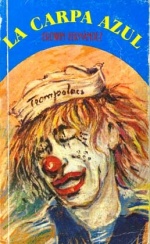
En la década de los años ochenta hizo una gira por varios países de América Latina, con el Circo Nacional de Cuba. A su regreso, reunió las experiencias vividas en su recorrido, que la Editorial Extramuros publicó con el título Cuentos de payasos. Otros títulos de su autoría fueron ‘La carpa azul’ (Editorial Letras Cubanas, 1998) y ‘Las dos botellas’ (Editorial Extramuros, La Habana, 2002).

Erdwin Fernández falleció en La Habana, el 23 de octubre de 1997.

logo

Trompoloco1EDWIN “TROMPOLOCO” FERNANDEZ, KNOWN ACTOR OF TV AND CUBAN CINEMA.

Edwin Juventino Fernández Sánchez, better known only as Edwin Fernández was born on January 29, 1928, in the province of Camagüey. Cuban actor of radio, television, cinema, and circus. Immortalized the character of the clown ‘Trompoloco’. He directed, wrote and acted in numerous children’s programs.

During his high school studies, he ventured into some plays under the direction of Luis Martínez Casado, who would later become a relevant figure of Cuban theater and media. He entered the University of Havana to study architecture but abandoned the race to follow his artistic interests. In that stage, he joined the group Teatro Universitario, where he consolidated his histrionic resources.

In the decade of the forties, he joined the cultural missions promoted by the Ministry of Education to bring theatrical performances, concerts, and exhibitions throughout the island. Among the performances of Edwin Fernandez in the radio then reminds the character of ” Simplicio Bobadilla y Comejaibas “, which he played in the program La Tremenda Corte, premiered on January 7, 1942, by RHC Cadena Azul. The character embodied a boy of multiple tasks, somewhat clumsy and short, as crafty as the same “Three Skates”. Sometimes he participated as an accuser, and on other occasions as a defendant, in complicity with “Tres Patines”.

400_teatrotuyo_p

The author of the original idea and screenwriter of the space was Castor Vispo, then a prolific writer for the television medium. The quality of his librettos, together with the high standards of performance of the cast, earned La Tremenda Corte the title of best radio comedy produced in Latin America. That space was the heir of all the influence of Cuban buffo theater.

In 1951, Edwin Fernández began working in small roles in television spots, such as the program General Electric Television, where he played gangster roles, along with the young actor Enrique Almirante. In the very beginning of the decade, when he had already faced a number of dramaturgical challenges, he created the unforgettable clown that would place him in a high position within Cuban culture and endow it with immense popularity. It was a clear white clown, whose stories highlighted the essence of the human, confusing sadness and tenderness as the central dichotomy of his personality.

The character was born in a children’s program of the CMQ called ‘Chiquilín’. Little by little, it consolidated until it was called ‘Trompoloco’; but it reached notoriety several years later. His greatest merit was the acceptance he had among the children, his ability to adapt the circus to the small screen and the ability to write his own texts and improvise.

erdwin-fernandez3

At the end of the 1960s, he joined Teatro Estudio, an emblematic Cuban theater group -considered the most fertile theatrical experience of the 20th century, and which is remembered as an important training center for directors, actors, and dramatists. Among the most remembered works of the passage of Edwin Fernandez by that theater company are The Tales of the Decameron and The Last Card of the deck, both directed by Raquel Revuelta.

In 1962 he created and directed the children’s space ‘Amigo y sus amiguitos’, where, together with Nilda Collado, his partner in life, and Consuelito Vidal, he put a voice to the characters and performed songs. That space enjoyed wide popularity among the viewing public. In the Teatro ICR space, created by Marcos Behmaras with the intention of promoting works of world literature in adaptations for television, he performed in Federico Garcia Lorca’s Yerma, premiered in 1964. In it, Sergio Corrieri and Consuelo Vidal also performed, under the address of Amaury Pérez García. The staging was filmed entirely in Studio No. 19 of the Focsa building, in what was the first 16 mm film filmed in Cuba, made specifically for television.

Another television program in which he participated as an actor was the humorous ‘If it were not for Mama’, in which other relevant figures of Cuban culture such as Eloísa Álvarez Guedes, Martha del Río and Reinaldo Miravalles also worked. In that space, he played the role of “Paco”, a retired grandfather who had been a railway worker.

hqdefault

His foray into the cinema was brief but memorable. In 1967 he performed, along with Julio Martínez, in Julio García Espinosa’s film ‘Las aventuras Juan Quin Quín’, inspired by Samuel Feijóo’s novel ‘Juan Quin Quín in Pueblo Mocho’. In that tape, he played the character of “Jarecho”, a close companion of the protagonist. According to specialists, the film marked a turning point in the work of its director, and of Cuban cinema in general. Several awards distinguished him, including an Honorable Mention at the II International Meeting of Ibero-American Cinema, held in Barcelona, ​​Spain, in 1966; the Apsara de Oro Management Award, at the II Phnom Penh Festival, Cambodia (1969) and the Merit Certificate of the I Guyana Festival (1976).

From 1977 Edwin Fernández was part of the cast of one of the most popular Cuban radio programs: Alegrías de Sobremesa. In that space he came to interpret three characters: “Adolfito”, a boy who masterfully achieved what he wanted, and who distinguished his childish voice; “Gervasio Escobar and Campanario” (names of three streets of Havana, which gave ample opportunity for jokes), and a witty old man who played all the time with double meaning and mischief. In addition, Edwin developed an admirable career as a director.

Among his works dedicated to children is the animated film Elpidio Valdés against dollar and cannon, by Juan Padrón, where he dubbed the character of “Oliverio”, a crazy inventor who avoided the shortcomings of the mambisas troops only with his wit.

In the decade of the eighties, he toured several countries in Latin America, with the National Circus of Cuba. Upon his return, he gathered the experiences lived in his journey, that the Extramuros Publishing House published with the title Cuentos de clowns. Other titles of his authorship were ‘La carpa azul’ (Editorial Letras Cubanas, 1998) and ‘Las dos botellas’ (Editorial Extramuros, La Habana, 2002).

Erdwin Fernández died in Havana on October 23, 1997.

Agencies/ Wiki/ Extractos/ Excerpts/ Internet Photos/ YouTube/ Arnoldo Varona/ www.thecubanhistory.com
THE CUBAN HISTORY, HOLLYWOOD.
La Habana morro

logo

< TRIBUTE with "Celia Cruz, El Musical" to the Queen of Salsa in México. VIDEOS.

Celia+3HOMENAJE CON “CELIA CRUZ, EL MUSICAL” A LA REINA DE LA SALSA EN MEXICO.

Con música, anécdotas y ritmos caribeños, Celia Cruz, la llamada “Reina de la Salsa”, recibió un homenaje póstumo este domingo en la Ciudad de México, donde su legado sigue vivo a través de sus interpretaciones.

Con un recorrido por sus temas icónicos, el público mexicano disfrutó de una velada en la que imperó la alegría. Una orquesta en vivo acompañó el espectáculo Celia Cruz, el musical, que recibió el aplauso de los asistentes al Teatro Metropolitan, precisó un reporte de Excelsior.

Lucrecia

Los fans llegaron a tiempo al recinto capitalino mexicano para disfrutar de esta única fecha del show que ya ha recorrido otros países.
El concierto incluyó más de 20 melodías en donde se conjugaron juegos de luces y el carisma de la cantante Lucrecia, quien durante dos horas encarnó a Celia Cruz. La intérprete conmovió al público con anécdotas de la infancia de la estrella cubana que murió en 2003: desde su juventud, sus inicios en la música, el clímax de su carrera, hasta momentos antes de su muerte.

LUCRECIA.

Lucrecia cantó “La vida es un carnaval”, “Que le den candela” y “Yemayá” entre los primeros temas del recital. Le siguieron “Drume negrita”, “El yerberito”, entre otros.

“Gracias por estar conmigo esta noche, por el amor que me han dado tantos y tantos años, quiero decirles aquí que hay Celia para rato, ustedes son los que me mantienen viva, esta negra está entera caballeros”, expresó la actriz recordando a la destacada gloria de Cuba.

“Cucala”, “Nostalgia habanera”, “Bemba colorá”, “La dicha mía” y “La negra tiene tumbao” fueron otras piezas que también sonaron en el Teatro Metropolitan.

https://youtu.be/0qMQ5fUgUKs

“Celia” recordó que la decisión más difícil que tuvo fue dejar su patria para siempre en 1960, y rememoró sus giras por México y su visita a Nueva York, en busca de nuevas oportunidades. Allí “se estaba armando un movimiento musical que quería fusionar diferentes ritmos, a lo que le querían llamar salsa”.

En el último bloque la cantante utilizó las pelucas coloridas de Celia Cruz, vestidos con los colores de la bandera de Cuba y otro africano, en canciones como “Ríe y llora”, así como “Yo viviré”, que se escuchó después de que se mostraran fotografías de su funeral.

logo

Celia-690x310TRIBUTE WITH “CELIA CRUZ, EL MUSICAL” TO THE QUEEN OF SALSA IN MEXICO.

With music, anecdotes and Caribbean rhythms, Celia Cruz, the so-called “Queen of Salsa”, received a posthumous tribute this Sunday in Mexico City, where her legacy lives on through her performances.

With a tour of its iconic themes, the Mexican public enjoyed an evening in which joy reigned. A live orchestra accompanied the show Celia Cruz, the musical, which received the applause of those attending the Metropolitan Theater, said an Excelsior report.

74C45C2C-4C79-4718-93E4-B41A4B0585A3

The fans arrived in time to the Mexican capital to enjoy this unique date of the show that has already traveled to other countries.
The concert included more than 20 melodies in which games of lights were combined and the charisma of the singer Lucrecia, who during two hours played Celia Cruz. The interpreter moved the audience with anecdotes from the childhood of the Cuban star who died in 2003: from her youth, her beginnings in music, the climax of her career, until moments before her death.

https://youtu.be/D9_KNK6Kbww

LUCRECIA

Lucrecia sang “La vida es un carnival”, “Que la den candela” and “Yemayá” among the first songs of the recital. They followed him “Drume negrita”, “El yerberito”, among others.

“Thank you for being with me tonight, for the love that you have given me so many years, I want to tell you here that there is Celia for a while, you are the ones who keep me alive, this black woman is full knights”, said the actress recalling the outstanding glory of Cuba.

“Cucala”, “Nostalgia habanera”, “Bemba colorá”, “La felicidad mía” and “La negra tiene tumbao” were other pieces that also played at the Metropolitan Theater.

09fd44b0-e7ff-11e8-9aa1-3dda9c965bad-rimg-w526-h275-dc0a1946-gmir

“Celia” recalled that the most difficult decision she had was to leave her homeland forever in 1960, and recalled her tours of Mexico and her visit to New York, in search of new opportunities. There “a musical movement was being assembled that wanted to merge different rhythms, to what they wanted to call salsa”.

In the last block, the singer used the colorful wigs of Celia Cruz, dressed in the colors of the flag of Cuba and another African, in songs such as “Laugh and cry”, as well as “I live”, which was heard after They will show photographs of his funeral.

Agencies/ DDC/ Extractos/ Excerpts/ Internet Photos/ YouTube/ Arnoldo Varona/ www.TheCubanHistory.com
THE CUBAN HISTORY, HOLLYWOOD.

Cuba01 (1)

logo