< JACQUES DE SORES "The Exterminator Angel" (1555) Razed La Havana.

images (2)JACQUES DE SORES “EL ANGEL EXTERMINADOR” (1555) ARRASA A LA HABANA.

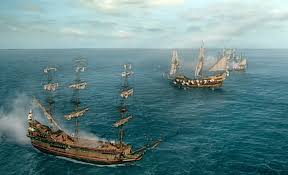
A mediados de los años 1500s el puerto de La Habana era un punto importante del arribo de los barcos llenos de tesoros que desde los confines de toda la región arribaban para conformar un sistema de flotas custodiado por buques de guerra, con el fin de emprender el cruce del Atlántico hacia la metrópoli. La conquista y explotación del continente americano, de donde fluyó a sus puertos un torrente de oro, plata y otras riquezas arribaban en galeones para estimular la ambición de los tradicionales enemigos de España: Inglaterra, Francia y Holanda que no tardaron en tratar de apoderarse de tan extraordinario botín.

Desde entonces, la guerra se trasladó a los mares del nuevo mundo, en el cual piratas y corsarios se convirtieron durante más de 300 años en depredadores de esas fortunas en mar y tierra, extraídas de los pueblos originarios en nombre del derecho divino de su majestad el rey de España.

JAQUES DE SORES “EL ANGEL EXTERMINADOR”.

Jacques de Sores conocido por todos como “El Angel Exterminador” era un diestro pirata francés en abordar las embarcaciones hispanas, aventuras que compartió con su compatriota Frances le Clerg, conocido como Pata de Palo, por una extremidad perdida en un combate, y ambos detentaban la negra leyenda de haber arrasado ciudades costeras del Caribe, América del Sur y Canadá, entre ellas Santiago de Cuba y los asentamientos de Puerto Príncipe, Trinidad, Baracoa, San Juan de los Remedios, Manzanillo y Bayamo.

4013-la-habana-jaques-acn

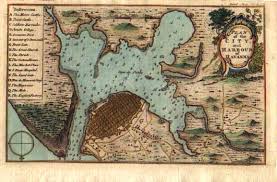
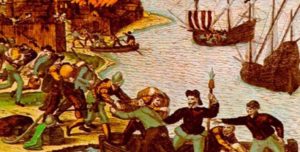
Pero el mayor trofeo para la jauría de piratas que asolaban el Caribe era La Habana, y Jacques de Sores probablemente junto con Pata de Palo, después de tomar Puerto Príncipe y llevarse todo lo de algún valor desembarcaron el 10 de julio de 1555 en la Ensenada de San Lázaro, al frente de 200 hombres armados con arcabuces y protegidos con petos y cascos para ocupar la villa habanera, según narraciones de la época.

El único resguardo de la urbe antaño era una improvisada fortaleza de madera y piedra alzada en el mismo lugar que hoy ocupa el Castillo de la Real Fuerza, que era defendida por el vecino y Regidor del Cabildo Don Juan de Lobera, con alrededor de 20 hombres y con solo un cañón de 47 quintales de peso, llamado “el salvaje”, y seis piezas de pequeño calibre.

No obstante, el bravo jefe declinó rendirse y luchó hasta que fue destruido el baluarte y sus armas de fuego y ballestas quedaron inutilizadas, por lo cual bajo la presión de su diezmada tropa se rindió a los galos. Mientras, el Gobernador de la Isla, Gonzalo Pérez de Ángulo, huyó junto a su familia y se refugió en el entonces cacicazgo de indios de Guanabacoa ante las primeras noticias del desembarco. Aunque al parecer, tratando de redimir su cobardía, organizó un grupo de habitantes, junto a indios, para sorprender a los piratas, pero el ruido de la improvisada cuadrilla puso en alerta a los piratas que repelieron el ataque.

download (3)

En represalia, los invasores franceses asesinaron a 31 prisioneros, incendiaron la Villa y robaron todo lo que encontraron y por fin el seis de agosto se reembarcaron.

Paradójicamente, Jaques de Sores le perdonó la vida al valiente defensor de la comarca, Don Juan de Lobera, pero el gobernador Pérez de Ángulo fue enviado a España y enfrentó un proceso por cobardía que no concluyó porque murió antes del juicio.

LA HABANA CENTRO DE DEFENSA.

A pesar del ataque, La Habana permaneció durante siglos como lugar de reunión de la flota que llevaba las riquezas a la Corona evadiendo los ataques de piratas y corsarios, lo cual influyó en el desarrollo de la localidad que desplegó una economía de servicio al comercio marítimo y con astilleros donde en el siglo XVIII fueron construidas grandes embarcaciones.
images

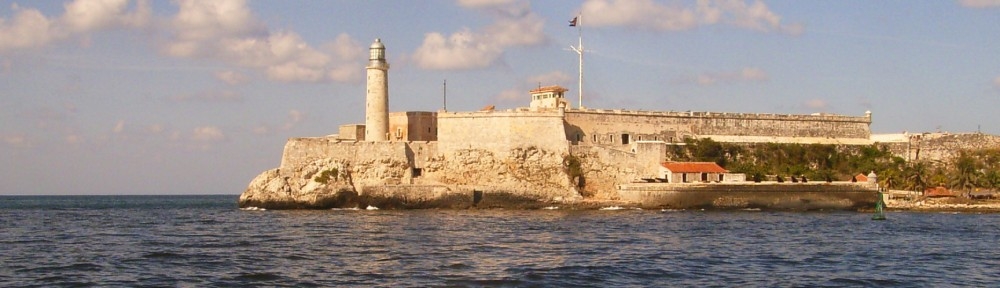
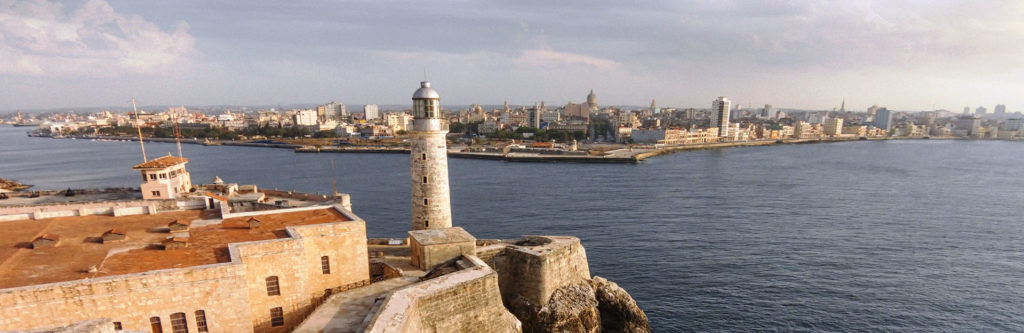
El ataque de Jacques de Sores también influyó en la arquitectura de la ciudad, que fue reconstruida con mejor orden e incluyó el fortalecimiento de su defensa con la edificación del Castillo de La Real Fuerza sobre la fortaleza destruida, al que seguiría el de los Tres Reyes del Morro y el de San Salvador de la Punta, fortificaciones que han perdurado intactas frente al paso del tiempo.

El 16 de noviembre de este año al celebrar en el aniversario 500 de su fundación, La Habana recordará igualmente los difíciles tiempos de la iniciación de la Ciudad Maravilla cuando fue presa de desalmados piratas.

logo

images (3)JACQUES DE SORES “THE EXTERMINATOR ANGEL” (1555) RAZED LA HAVANA.

In the mid-1500s the port of Havana was an important point of arrival of the ships full of treasures that from the ends of the entire region arrived to form a fleet system guarded by warships, in order to undertake the crossing of the Atlantic towards the metropolis. The conquest and exploitation of the American continent, from where a torrent of gold, silver, and other riches flowed into their ports, arrived in galleons to stimulate the ambition of Spain’s traditional enemies: England, France, and the Netherlands, who soon seized the opportunity to seize So extraordinary booty.

Since then, the war moved to the seas of the new world, in which pirates and corsairs became for more than 300 years in predators of these fortunes in sea and land, extracted from the original peoples in the name of the divine right of his majesty the king of Spain.

JAQUES DE SORES “EL ANGEL EXTERMINADOR”.

Jacques de Sores known to all as “The Angel Exterminator” was a skilled French pirate in boarding the Spanish boats, adventures he shared with his compatriot Frances le Clerg, known as Pata de Palo, for a limb lost in a fight, and both held the black legend of having devastated coastal cities of the Caribbean, South America and Canada, including Santiago de Cuba and the settlements of Port-au-Prince, Trinidad, Baracoa, San Juan de los Remedios, Manzanillo and Bayamo.

818611

But the greatest trophy for the pack of pirates that ravaged the Caribbean was Havana, and Jacques de Sores probably along with Pata de Palo, after taking Port-au-Prince and taking everything of any value landed on July 10, 1555 in the Ensenada of San Lazaro, in front of 200 men armed with arquebuses and protected with breastplates and helmets to occupy the Havana villa, according to narrations of the time.

The only shelter of the city was once an improvised fortress of wood and stone raised in the same place that today occupies the Castle of the Royal Force, which was defended by the neighbor and Councilor of the Cabildo Don Juan de Lobera, with about 20 men and with only one cannon of 47 quintals of weight, called “the savage”, and six pieces of small caliber.

However, the brave chief declined to surrender and fought until the bulwark was destroyed and his firearms and crossbows were rendered useless, so under the pressure of his decimated troop he surrendered to the Gauls. Meanwhile, the Governor of the Island, Gonzalo Pérez de Angulo, fled with his family and took refuge in the then Guanabacoa Indians’ Cacicazgo at the first news of the landing. Although apparently trying to redeem his cowardice, organized a group of inhabitants, along with Indians, to surprise the pirates, but the noise of the improvised squad alerted the pirates who repelled the attack.
4013-la-habana-jaques-acn

In retaliation, the French invaders killed 31 prisoners, burned down the Villa and stole everything they found and finally on the 6th of August they were re-embarked.

Paradoxically, Jaques de Sores spared the life of the brave defender of the region, Don Juan de Lobera, but Governor Pérez de Angulo was sent to Spain and faced a process of cowardice that did not end because he died before the trial.

THE HAVANA DEFENSE CENTER.

Despite the attack, Havana remained for centuries as a meeting place for the fleet that carried the wealth to the Crown, evading the attacks of pirates and corsairs, which influenced the development of the town that deployed an economy of service to maritime trade. and with shipyards where large vessels were built in the 18th century.
La Habana morro

The attack of Jacques de Sores also influenced the architecture of the city, which was rebuilt with better order and included the strengthening of its defense with the construction of the Royal Force Castle on the destroyed fortress, which would follow that of the Three Kings del Morro and San Salvador de la Punta, fortifications that have remained intact in the face of time.

On November 16 of this year, when celebrating on the 500th anniversary of its foundation, Havana will also remember the difficult times of the initiation of the Wonder City when it was the prey of soulless pirates.

Agencies/ ANC/ Jorge W.Cobo/ Internet Photos/ Extractos/ Excerpts/ Arnoldo Varona/ www.TheCubanHistory.com
THE CUBAN HISTORY, HOLLYWOOD.


Cuba01 (1)

logo

< CUBAN WORKERS Association (ASIC) Condemns Support of Trade Union Sectors to Cuba.

emiliogottardi0619 (1)ASOCIACION DE OBREROS CUBANOS (ASIC) CONDENA APOYO DE SECTORES SINDICALES A CUBA

La Asociación Sindical Independiente de Cuba (ASIC) manifestó su preocupación ante la Alternativa Democrática Sindical de las Américas (ADS) por el “apoyo sin reservas” de sectores del movimiento sindical internacional al régimen cubano, “violador sistemático de los derechos humanos y laborales fundamentales, que persigue, hostiga y encarcela a los activistas del sindicalismo independiente”.

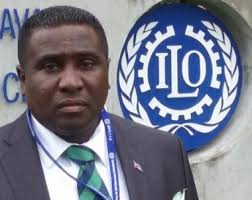
Durante una reunión en la 108 Conferencia Internacional del Trabajo en Ginebra, Emilio Gottardi, miembro del Ejecutivo de la ASIC, se refirió a La Habana como “un régimen que ha creado para el control social, un sindicalismo oficial, brazo ortodoxo e implacable del estado y que actúa como un departamento estructural de Partido Comunista de Cuba, contra las libertades políticas y sindicales”.

“Más concretamente, condenamos la complicidad que, con regímenes como el cubano, nicaragüense y venezolano, manifiesta de manera ostensible y militante la Confederación Sindical de las Américas, CSA. Organización que pretende imponer su anacrónica ideología, a contracorriente del sentimiento de la gran mayoría de los trabajadores y sus organizaciones en Las Américas”, se pronunció Gottardi.

Denunció “que la represión y la persecución” contra la ASIC “se ha arreciado en intensidad y en amplitud”, con “atropellos y detenciones arbitrarias (que) se multiplican y amenazas (que) incluyen con frecuencia a los hogares de los activistas. Aquí deberían estar presentes Iván Hernández Carrillo, secretario general de la ASIC y Alejandro Sánchez Zaldívar, vicesecretario general. Sobre el primero existe la prohibición expresa y absoluta de salida del país desde hace más de cuatro años y a Sánchez Zaldívar es la tercera vez que en el propio aeropuerto le impiden abordar el avión para cumplir tareas sindicales internacionales, Esto es práctica común, pero no deja de sorprender el cinismo y el descaro de prohibirle viajar, violando los más elementales principios de la libertad sindical, para participar en esta Conferencia y en la conmemoración de los 100 años de la (Organización Internacional del Trabajo) OIT”, añadió.

CubaGayMarch-330x228

Para Gottardi, el régimen imperante en Cuba “llevó a los más altos niveles de pobreza y represión a los que se pueden someter a una nación” y condenó que “una Isla que tiene todos los recursos humanos y naturales para estar en los más altos niveles de desarrollo de la región, fue sometida a la miseria y a la dependencia”.

Se refirió a cómo el desastre en Venezuela ha repercutido otra vez en la economía de la Isla, debido a la dependencia de La Habana de su aliado. “El pueblo nuevamente enfrenta el desabastecimiento, penurias y opresión (…), la crisis del modelo cubano, sus fracasos económicos, el ejercicio totalitario del poder, el cercenamiento de las libertades con estructurales e intrínsecos al régimen. Nada varía con paños calientes (…)”, se procura reeditar la guerra fría y se le impone un guión idéntico a Venezuela y a Nicaragua. Se radicaliza y se estimula la megalomanía de Putin y el expansionismo chino. Buscan aliados como los de las satrapías de Turquía e Irán y se les llama a establecerse en el país con la pretensión de convertir El Caribe en el teatro de operaciones del conflicto entre potencias, con el fin de mantenerse en el poder y conservar sus groseros privilegios”, expresó.

Asimismo, denunció que “se desacata las conclusiones y recomendaciones de la OIT (…) y se burlan de los organismos garantes de los derechos humanos, ciudadanos y laborales, regionales y mundiales”.

Gottardi llamó a la comunidad internacional “a que no siga dando las espaldas al drama cubano” y urgió a “que todo acuerdo de cooperación o comercial bilateral o regional con (el Gobierno de) Cuba, se haga bajo la estricta exigencia de la plena vigencia de los derechos del pueblo y los trabajadores, no es verdad que pueda conseguirse la apertura del régimen dándole concesiones, sin condicionamientos”, alertó.

03C8B8C1-7D5A-4F1C-B1B1-1640562A5E18_cx0_cy0_cw74_w650_r1_s

“Denunciamos a las empresas multinacionales con operaciones financieras y económicas en Cuba, que en sus países de origen y en otros países industrializados donde operan, observan los derechos humanos, laborales y ambientales, publican y proclaman sus compromisos con la sustentabilidad y la responsabilidad social, pero en Cuba lucran de manera grotesca”, declaró.

Para la ASIC, se aprovechan y asocian “con las empresas estatales castristas, en base a leyes y reglas laborales discriminadoras, esclavistas y violadoras de derechos tan elementales como el salario, el cual le es sustraído literalmente del bolsillo al trabajador para aumentar las arcas del régimen y de sus aparatos represivos. Pero también para el lucro de las empresas y sus accionistas, las grandes cadenas hoteleras que allí operan, lo hacen bajo condiciones de discriminación racial y política, con reglamentos disciplinario que penalizan sumariamente a cualquier trabajador por mínimas circunstancias”, señaló.

“Muchos celebran con razón el avance social que han significado los 100 años de existencia de la OIT, nosotros no podemos sino enardecernos al comprobar que esos derechos, esos avances laborales y sociales generados por la OIT, no han cruzado en 60 años las fronteras de nuestra Isla”, deploró. “Lamentamos también la hipocresía que pretende hacer de Cuba una especie de nación mutante, donde esos sagrados derechos se expresan curiosamente de otra manera, que su sistemática violación no es tal, sino que allí los derechos universalmente reconocidos, tienen otro significado”, agregó.

“Defendemos la universalidad de las normas del trabajo y el derecho inalienable de luchar por vivir en libertad, obtener condiciones de trabajos y remuneración decente y adecuada, por la justicia social y por el fin de los privilegios de la elite gobernante”, concluyó Gottardi.

logo

download (1)ASSOCIATION OF CUBAN WORKERS (ASIC) CONDEMNS SUPPORT OF TRADE UNION SECTORS TO CUBA

The Independent Trade Union Association of Cuba (ASIC) expressed its concern about the Trade Union Democratic Alternative of the Americas (ADS) for the “unreserved support” of sectors of the international trade union movement to the Cuban regime, “systematic violator of fundamental human and labor rights , that persecutes, harasses and imprisons the activists of independent unionism “.

During a meeting at the 108th International Labor Conference in Geneva, Emilio Gottardi, member of the Executive of ASIC, referred to Havana as “a regime that has created for social control, an official unionism, orthodox and implacable arm of the state and that it acts as a structural department of the Communist Party of Cuba, against political and union liberties. ”

“More specifically, we condemn the complicity that, with regimes such as the Cuban, Nicaraguan and Venezuelan, manifests ostensibly and militantly the Trade Union Confederation of the Americas, CSA, an organization that seeks to impose its anachronistic ideology, against the current of the majority of workers and their organizations in the Americas, “said Gottardi.

He denounced “that the repression and persecution” against the ASIC “has intensified in intensity and amplitude”, with “abuses and arbitrary detentions (that) multiply and threats (which) often include the homes of the activists. Iván Hernández Carrillo, general secretary of the ASIC and Alejandro Sánchez Zaldívar, deputy secretary general, should be present, over the former there is an express and absolute ban on leaving the country for more than four years, and Sánchez Zaldívar is the third time in his own The airport prevents him from boarding the plane to carry out international union tasks. This is common practice, but it does not stop surprising the cynicism and the impudence of forbidding him to travel, violating the most basic principles of freedom of association, to participate in this Conference and in the commemoration. of the 100th anniversary of the (International Labor Organization) ILO, “he added.

download

For Gottardi, the prevailing regime in Cuba “led to the highest levels of poverty and repression that can be submitted to a nation” and condemned that “an island that has all the human and natural resources to be at the highest levels development of the region, was subjected to misery and dependency.
 
He referred to how the disaster in Venezuela has reverberated again in the economy of the Island, due to the dependency of Havana on its ally. “The people again face shortages, hardship and oppression (…), the crisis of the Cuban model, its economic failures, the totalitarian exercise of power, the curtailment of freedoms with structural and intrinsic to the regime. ) “, it is tried to reedit the cold war and an identical script is imposed to him to Venezuela and Nicaragua. Putin’s megalomania and Chinese expansionism are radicalized and stimulated. They look for allies like those of the satrapies of Turkey and Iran and are called to settle in the country with the intention of turning the Caribbean into the theater of operations of the conflict between powers, in order to stay in power and keep their rude privileges “he said.

He also denounced that “the conclusions and recommendations of the ILO are disregarded (…) and make fun of the organizations that guarantee human rights, citizens and labor, regional and global.”

ivan-hernandez-carrilo-intervien-330x186

Gottardi called on the international community “not to keep turning its back on the Cuban drama” and urged “that any bilateral or regional cooperation or commercial agreement with (the Government of) Cuba, be made under the strict requirement of full force of the rights of the people and workers, it is not true that the opening of the regime can be achieved by granting concessions, without conditions, “he warned.

“We denounce multinational companies with financial and economic operations in Cuba, which in their countries of origin and in other industrialized countries where they operate, observe human, labor and environmental rights, publish and proclaim their commitments to sustainability and social responsibility, but in Cuba they profit in a grotesque way, “he declared.

For the ASIC, they take advantage of and associate “with the Castro state companies, based on discriminatory laws and labor rules, slavers and violators of basic rights such as salary, which is literally stolen from the worker’s pocket to increase the coffers of the worker. regime and its repressive devices, but also for the profit of companies and their shareholders, the large hotel chains that operate there, do so under conditions of racial and political discrimination, with disciplinary regulations that summarily criminalize any worker for minimal circumstances ” , he pointed.

“Many rightly celebrate the social progress that the 100 years of existence of the ILO have meant, we can not help but be proud of the fact that those rights, those labor and social advances generated by the ILO, have not crossed the borders of the world in 60 years. our Island “, he deplored. “We also regret the hypocrisy that seeks to make Cuba a kind of mutant nation, where those sacred rights are expressed curiously in another way, that their systematic violation is not such, but there universally recognized rights have another meaning,” he added.

“We defend the universality of labor standards and the inalienable right to fight to live in freedom, obtain working conditions and decent and adequate remuneration, for social justice and for the end of the privileges of the ruling elite,” concluded Gottardi.

Agencies/ DDC/ Extractos/ Excerpts/ Internet Photos/ Arnoldo Varona/ www.TheCubanHistory.com
THE CUBAN HISTORY, HOLLYWOOD.
Cuba01 (1)

logo

< EVANGELICAL Churches Founded New Coalition in Cuba. Photos.

imagesIGLESIAS EVANGELICAS FUNDAN NUEVA COALICION RELIGIOSA EN CUBA.

Siete iglesias fundaron este miércoles en Placetas, Villa Clara, la Alianza de Iglesias Evangélicas Cubanas (AIEC), porque “las denominaciones que la integran no se sienten representadas delante de las autoridades y el pueblo cubano por el Consejo de Iglesias de Cuba” (CIC), calificado con frecuencia de oficialista.

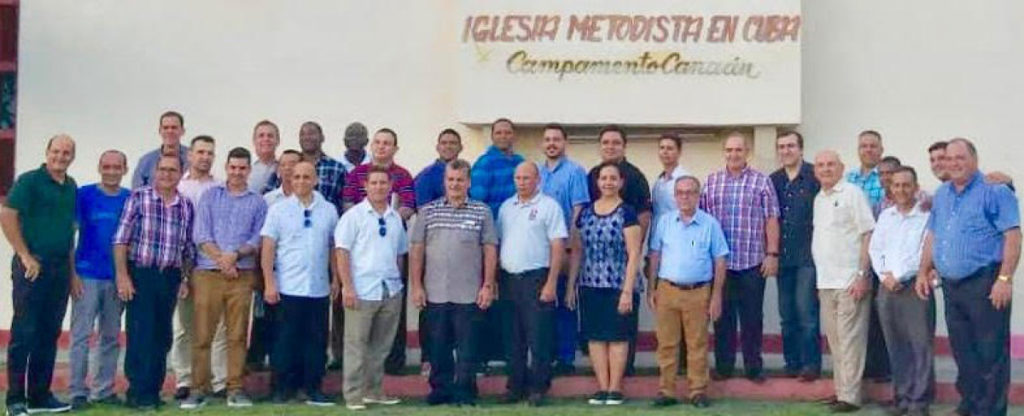
El acta fundacional, rubricada en el Campamento Metodista Canaán, reúne las firmas de 28 líderes de la Liga Evangélica de Cuba (LEC), las convenciones Bautista Occidental y Oriental, las iglesias Buenas Nuevas, Metodista, Asambleas de Dios y Evangélica Betel.

El CIC, nacido en 1941 como Concilio de Iglesias Evangélicas, ha sufrido varias transformaciones, entre ellas la introducción del ecumenismo en los años 70, que en 1989 posibilitó a instituciones no cristianas ser incluidas como asociados fraternales, por ejemplo, la Comunidad Hebrea y la Asociación de Autorrealización Yoga.

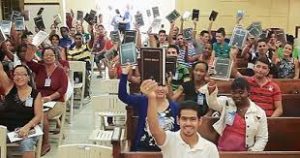
El control al que está sometido el CIC por parte del Estado cubano le ha hecho perder prestigio dentro de la comunidad creyente nacional, al igual que sus continuas intervenciones en la entrada y distribución de Biblias en el país.

260px-Iglesia_cristiana_pentecostal_de_cuba

A la AEIC pertenecen asociaciones religiosas no adscritas al CIC, que “se sienten motivadas a trabajar unidas en la defensa de los valores bíblicos”, argumentó la recién fundada alianza en una declaración.

En lo que va de año, la Liga Evangélica de Cuba y otras denominaciones han informado de la negación de visas religiosas a varios invitados internacionales a actividades eclesiales. Tales acciones del Gobierno suceden tras la “aprobación” de la nueva Constitución cubana, cuando cayeron a niveles inéditos en la historia revolucionaria los votos favorables a la propuesta estatal, en lo que fue decisiva la actuación de la comunidad cristiana nacional.

121217-dios-te-ama

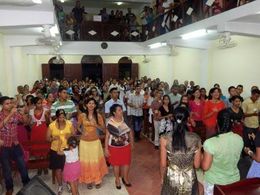
Los líderes evangélicos se negaron reiteradamente a ceder a las presiones del Partido Comunista para que apoyaran el texto constitucional y miles de feligreses rechazaron públicamente ese documento.

Los creyentes pidieron cambios en el texto constitucional, entre ellos un reconocimiento más explícito de la libertad de conciencia, mayor libertad de expresión y el mantenimiento del matrimonio como la unión de un hombre y una mujer. En ese empeño fueron el grupo que mayor enfrentamiento tuvo con el Estado.

multitud-iglesia-758x426

“No puedo votar a favor de algo que va en contra de muchos de mis principios. Es triste, pero es una realidad”, aseguró a The Associated Press la pastora Álida León, presidenta de la Liga Evangélica de Cuba.

Los cristianos (tanto católicos como evangélicos) son uno de los sectores más fuertes y mejor organizados dentro de la sociedad civil cubana. Por ese motivo, en décadas pasadas a sus miembros se les prohibía acceder a carreras como Periodismo y Pedagogía. Hoy aún se les impide acceder a los medios de comunicación.

logo

images (1)EVANGELICAL CHURCHES FOUNDED NEW RELIGIOUS COALITION IN CUBA.

Seven churches founded this Wednesday in Placetas, Villa Clara, the Alliance of Evangelical Cuban Churches (AIEC), because “the denominations that make it up do not feel represented in front of the authorities and the Cuban people by the Council of Churches of Cuba” (CIC ), often described as an official.

The foundation act, initialed in the Canaán Methodist Camp, gathers the signatures of 28 leaders of the Evangelical League of Cuba (LEC), the Western and Eastern Baptist conventions, the Good News, Methodist, Assemblies of God and Evangelical Bethel churches.

The CIC, born in 1941 as a Council of Evangelical Churches, has undergone several transformations, including the introduction of ecumenism in the 70s, which in 1989 made it possible for non-Christian institutions to be included as fraternal associates, for example, the Hebrew Community and the Yoga Self-Realization Association.

The control to which the CIC is subjected by the Cuban State has made it lose prestige within the national believing community, as well as its continuous interventions in the entry and distribution of Bibles in the country.

AEIC belong to religious associations not attached to the CIC, which “feel motivated to work together in the defense of biblical values,” argued the newly founded alliance in a statement.

religion130619

So far this year, the Evangelical League of Cuba and other denominations have reported the denial of religious visas to several international guests for ecclesial activities. Such actions of the Government happen after the “approval” of the new Cuban Constitution, when the favorable votes to the state proposal fell to unprecedented levels in the revolutionary history, in what was decisive the action of the national Christian community.

Evangelical leaders repeatedly refused to yield to Communist Party pressures to support the constitutional text and thousands of parishioners publicly rejected that document.

The believers asked for changes in the constitutional text, among them a more explicit recognition of the freedom of conscience, greater freedom of expression and the maintenance of marriage as the union of a man and a woman. In that effort, they were the group that had the greatest confrontation with the State.

260px-Liga
 
“I can not vote for something that goes against many of my principles, it’s sad, but it’s a reality,” Pastor Álida León, president of the Evangelical League of Cuba, told The Associated Press.

Christians (both Catholics and Evangelicals) are one of the strongest and best-organized sectors within Cuban civil society. For that reason, in past decades its members were forbidden access to careers such as Journalism and Pedagogy. Today they are still prevented from accessing the media.

Agencies/ CDC/ Yoe Suarez, La Habana/ Extractos/ Excerpts/ Internet Photos/ Arnoldo Varona/ www.TheCubanHistory.com
THE CUBAN HISTORY, HOLLYWOOD.

cayo-santa-maria-copia

logo