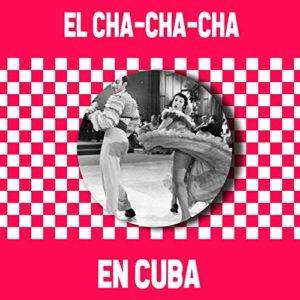
 ENRIQUE JORRÍN, EL CHA-CHA-CHÁ Y “LA ENGAÑADORA”. SU HISTORIA. VIDEOS.
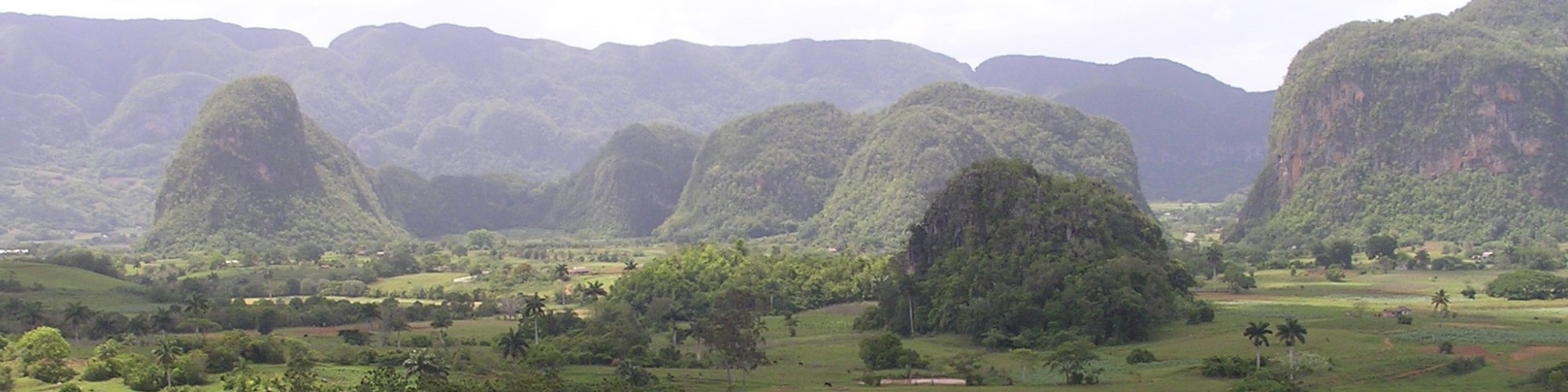
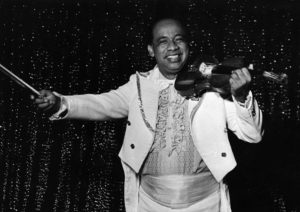
Enrique Jorrín, un violinista de la charanga cubana, compositor y director musical es nacido en Candelaria, Pinar del Río un Diciembre 25 de 1926 y es considerado el inventor de el Cha-Cha-Chá un popular estilo de música y ritmo proveniente del danzón cubano.
Desde sus comienzos como músico se destaco por su sentido agudo de los ritmos nacionales, pero donde surgió al momento de la fama fue cuando inventó ese pegajoso y principalmente número musical que fué su mayor éxito…”La Engañadora”, desde entonces el ritmo Cha-Cha-Cha cruzó todos los continentes… Aquí su historia…
El experimento se gestó en la famosa esquina habanera, en las asociaciones “Prado y Neptuno” y “Silver Star”, en uno de sus salones de baile, “Amores de Verano”. Es precisamente en esta sala donde por primera vez se ejecuta la pieza musical que comenzaría toda una época del fenómeno rítmico.
“La Engañadora”, el primer número musical en cha-cha-chá escrito por Jorrín, deja en pocos meses impreso en los anales nacionales, y después en todo el mundo, el sello propio de esta gloria de la música cubana que fuera Enrique Jorrín.
“LA ENGAÑADORA” CON ENRIQUE JORRIN.
“A Prado y Neptuno
iba una chiquita
que todos los hombres la tenían que mirar
Estaba gordita,
muy bien formadita,
era graciosita,
en resumen, colosal”.
Un ritmo pegajoso y atractivo el cha-cha-chá, según explica el mismo Jorrín… En él “combiné figuras simples, como las negras, blancas y corcheas en compás de 2/4. Suprimo el cinquillo, convirtiendo el ritmo básico del género al esquema no sincopado ejecutado por el guayo, el cencerro y la tumbadora”.
A medio siglo del triunfo mundial del cha-cha-chá, echemos una ojeada sobre este ritmo popular que recorrió el mundo e inmortalizó a una de las esquinas más famosas de La Habana, y que puso a La Habana otra vez en la cadencia musical de sus intérpretes y bailadores desde Buenos Aires hasta Tokio, donde el maestro Enrique Jorrín lleva su música.

¿Quién fue la Engañadora..?
¿De dónde salía aquella mujer que puso el mundo a gozar y convirtió a la famosa esquina Prado y Neptuno en el foco musical de toda una época..? ¿Cuál es el origen de la Engañadora..?
Según algunas fuentes, el maestro Jorrín se inspiró en una muchacha que un día pasó ante él y un grupo de hombres que conversaban en la esquina de las calles Infanta y Sitios, en La Habana. Ante el desprecio con que la muchacha les miró, uno de los admiradores le dijo: “Tanto cuento y cuando viene a ver son de goma”. En otra ocasión en que Jorrín se encontraba en el desaparecido salón de bailes situado en la esquina de Prado y Neptuno, entró una muchacha delgadita pero que ostentaba un voluminoso trasero. Una moda artificial muy usual en la época. Enseguida le pasó por la mente la pregunta: “¿Esta será otra engañadora? ¿Usará postizos?”.
“LA ENGAÑADORA”.
Otras fuentes dan como inspiración de “La Engañadora” a Manolo Maylán (un famoso travesti cubano). Maylán fue objeto en la ciudad de Miami de un “incidente de confusión” por parte de un ciudadano norteamericano que, cultivado por sus “virtudes femeninas”, le propuso matrimonio. Al enterarse de la verdad, el confundido pretendiente la quiso emprender a tiros contra Maylán… Simplemente se trataba de “un hombre confundido”, manifestó Maylán ante preguntas de los periodistas de la prensa habanera que recogieron el incidente como “un drama pasional”.
Lo cierto de todo esto es que el ritmo y “La Engañadora” conquistarían en poco tiempo todo el continente, el mundo bailaba el majestuoso cha-cha-chá, que hoy se mantiene saludable, lleno de vida y de energía como sólo un ritmo del trópico y la creación del maestro Jorrín pudieran alcanzar.
“CACHITA” La Aragon y La America.
Hasta hace solo unos pocos años vivia aún en Pueblo Nuevo, La Habana, Agueda Álvarez, a quien se le considera la bailarina que inventó los pasos del cha-cha-chá: uno, dos, tres; cha… cha… chá, y que sirvió como la primera modelo de “La Engañadora”, acompañando en teatros y salones de baile alrededor del mundo a la Orquesta América y a Enrique Jorrín.
“Pero todo en esta vida,
Se sabe, sin siquiera averiguar,
Se ha sabido que sus formas,
Rellenos tan sólo hay.
Qué bobas son las mujeres
que nos quieren engañar.
Me dijiste.
Ya nadie las mira,
Ya nadie suspira,
Ya sus almohaditas
Nadie las quiere apreciar.
En aquel entonces en Cuba había 10.000 vitrolas, alrededor de 100 emisoras de radio, varios canales de televisión —por donde se emitían magníficos programas como “El Cabaret Regalías” de la CMQ— y un sinnúmero de locales y establecimientos donde se reunía el pueblo para escuchar música y bailar.
“SILVER STAR” (Ninón Mondejar)
“La Engañadora” fue el primer triunfo del maestro Jorrín grabado con el sello Panart, compañía que pasaba por problemas financieros en esos momentos. La grabación traía del otro lado “Silver Star”, que acompañó triunfalmente también al nacimiento del nuevo ritmo.
Al igual que Jorrín, muchos intérpretes de la música cubana ya no están entre nosotros, pero los recuerdos de su herencia musical para siempre estarán aquí. Nuevas generaciones ocuparán nuestros puestos bailables, es precisamente para que esto continúe sucediendo, motivo principal de este sentido y merecido homenaje a la memoria del maestro Enrique Jorrín.

* RECOMIENDENOS A SUS AMISTADES * PREFIERA A NUESTROS SPONSORS. *

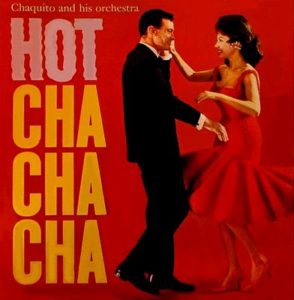 ENRIQUE JORRÍN, EL CHA-CHA-CHA AND “LA ENGAÑADORA”. MUSICAL STORY. VIDEOS.
Enrique Jorrín, a violinist of the Cuban charanga, composer and musical director is born in Candelaria, Pinar del Río on December 25, 1926, and was and is considered the inventor of the Cha-Cha-Cha, a popular style of music and rhythm coming of the Cuban danzón.
From his beginnings, as a musician, he stood out for his sense of national rhythms, but where he emerged at the sensational moment of fame was when he invented that sticky and mainly musical compass that was his greatest success … “La Engañadora”, since then the rhythm Cha-Cha-Cha crossed all continents … Here its story …
The experiment was organized in the famous Havana corner, in the “Prado and Neptune” and “Silver Star” associations, in one of its dance halls, “Amores de Verano”. It is precisely in this room where for the first time the musical piece is played that would begin an entire era of the rhythmic phenomenon.
“La Engañadora”, the first musical number in cha-cha-chá written by Jorrín, leaves in a few months printed in the national annals, and then worldwide, the hallmark of this glory of Cuban music that was Enrique Jorrín.
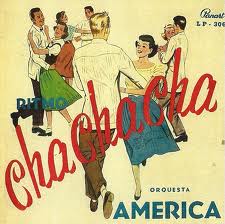
“To Prado and Neptune
It was a little girl
that all men had to look at her
She was chubby,
very well-formed,
She was funny,
in short, colossal. ”
A sticky and attractive rhythm the cha-cha-chá, as Jorrín himself, explains … In it “I combined simple figures, such as black, white and eighth notes in 2/4 measures. I suppress the cinquillo, converting the basic rhythm of the genre to the non-syncopated scheme executed by the guayo, el cencerro and the tumbadora ”.
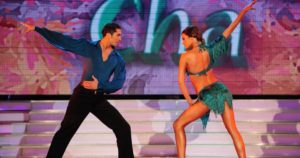
Half a century after the world triumph of cha-cha-chá, let’s take a look at this popular rhythm that traveled the world and immortalized one of the most famous corners of Havana, and that put Havana again in the musical cadence of its interpreters and dancers from Buenos Aires to Tokyo, where maestro Enrique Jorrín takes his music.
Who was the Deceiver (La Engañadora) ..?
Where did that woman who put the world to enjoy and turned the famous Prado and Neptune corner into the musical focus of an era …? What is the origin of the Deceiver (La Engañadora)..?
According to some sources, the teacher Jorrín was inspired by a girl who one day passed before him and a group of men who talked in the corner of Infanta and Sites streets, in Havana. Faced with the contempt with which the girl looked at them, one of the fans said: “So much story and when it comes to seeing are rubber.” On another occasion when Jorrín was in the missing ballroom located at the corner of Prado and Neptune, a thin girl entered but had a bulky butt. A very usual artificial fashion at the time. The question immediately came to mind: “Will this be another deceiver? Will you use hairpieces? ”
Other sources give as inspiration from “La Engañadora” to Manolo Maylán (a famous Cuban transvestite). Maylán was the subject of a “confusion incident” in the city of Miami by a US citizen who, cultivated for his “female virtues,” proposed marriage. Upon learning the truth, the confused suitor wanted to take a shot against Maylan … It was simply “a confused man,” Maylan said to questions from journalists in the Havana press who picked up the incident as “a passion drama”.
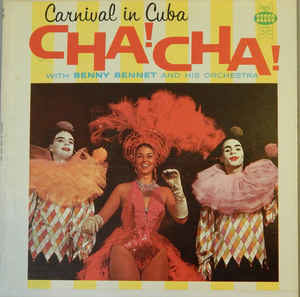
The truth of all this is that the rhythm and “The Deceiver” would soon conquer the entire continent, the world danced the majestic cha-cha-chá, which today remains healthy, full of life and energy as just a rhythm of the Tropic and the creation of Master Jorrín could reach.
Until just a few years ago I still lived in Pueblo Nuevo, Havana, Agueda Álvarez, who is considered the dancer who invented the steps of the cha-cha-chá: one, two, three; cha … cha … chá, and that served as the first model of “La Engañadora”, accompanying the America Orchestra and Enrique Jorrín in theaters and dance halls around the world.
En aquel entonces en Cuba había 10.000 vitrolas, alrededor de 100 emisoras de radio, varios canales de televisión —por donde se emitían magníficos programas como “El Cabaret Regalías” de la CMQ— y un sinnúmero de locales y establecimientos donde se reunía el pueblo para escuchar música y bailar.
“La Engañadora” fue el primer triunfo del maestro Jorrín grabado con el sello Panart, compañía que pasaba por problemas financieros en esos momentos. La grabación traía del otro lado “Silver Star”, que acompañó triunfalmente también al nacimiento del nuevo ritmo.
Al igual que Jorrín, muchos intérpretes de la música cubana ya no están entre nosotros, pero los recuerdos de su herencia musical para siempre estarán aquí. Nuevas generaciones ocuparán nuestros puestos bailables, es precisamente para que esto continúe sucediendo, motivo principal de este sentido y merecido homenaje a la memoria del maestro Enrique Jorrín.
Agencies/ Wiki/ Vereda Tropical/ Internet Photos/ YouTube/ Arnoldo Varona / www.TheCubanHistory.com
THE CUBAN HISTORY, HOLLYWOOD.
* RECOMIENDENOS A SUS AMISTADES * PREFIERA A NUESTROS SPONSORS. *