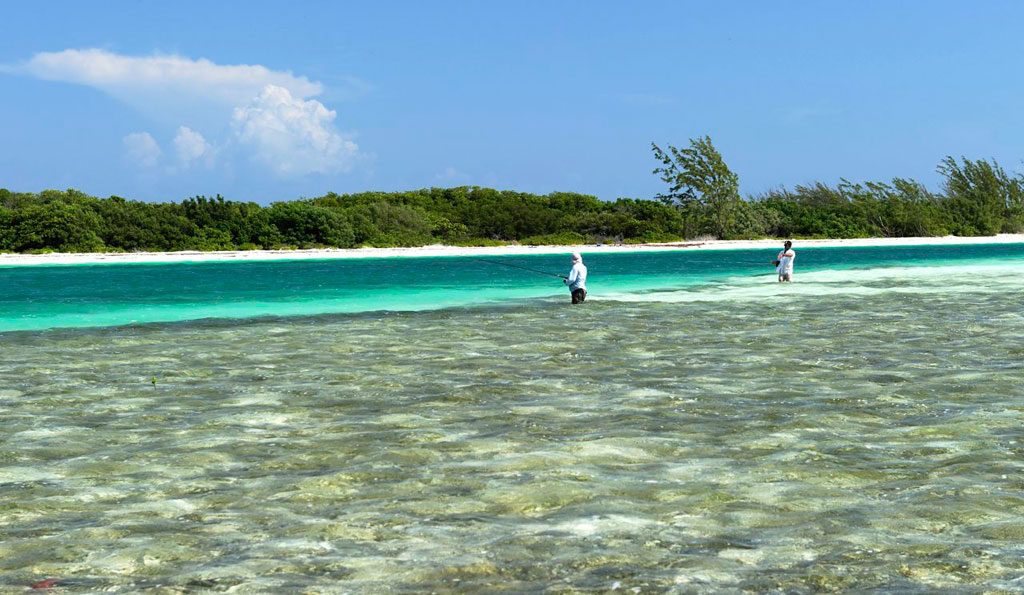
– UNKNOWN CUBA: Cay Paredón Grande, a Hidden Paradise. PHOTOS.

Cayo-ParedónCUBA DESCONOCIDA: CAYO PAREDÓN GRANDE, UN PARAÍSO ESCONDIDO. FOTOS.

Cayo Paredón Grande es una pequeña isla de solo 8,7 km2. Las islas cercanas son Cayo Romano (770 km2), Cayo Coco (370 km2) y Cayo Guillermo (13 km2). Estas islas están ubicadas en el archipiélago de los Jardines del Rey (Jardines del Rey). Este pequeño paraíso está ubicado al norte de la isla más grande del archipiélago, Cayo Romano, en la provincia de Camagüey en Cuba. Cayo Romano no es una isla, sino un grupo de muchas islas pequeñas reunidas bajo el mismo nombre.

Paredón Grande, es uno de los islotes que conforman el archipiélago Jardines del Rey y se encuentra entre los cayos casi vírgenes de la costa norte de la región central de Cuba.

Según una revisión publicada en Radio Habana Cuba, es una infraestructura de construcción cero y el pequeño ajetreo humano la convierte en un lugar de naturaleza pura, donde viven unas cien especies del reino animal, incluido un gran grupo de aves migratorias y residentes.
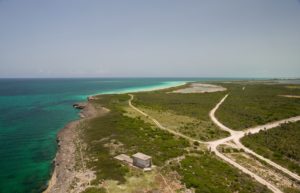
Cayo_Paredón_Grande_CF9A4811_Cuba

Con hermosos paisajes tropicales y rica biodiversidad, destaca por sus playas de origen coralino, de las cuales Los Pinos destaca por su arena fina, sus aguas cálidas y transparentes, sus pocas laderas submarinas y sus suaves corrientes.

Una gran laguna natural prevalece en la parte sur y sirve como refugio durante la etapa de invierno para variedades de plumas que llegan desde el norte de los Estados Unidos y Canadá.

Paredón Grande debe su nombre a los altos acantilados que bordean sus extremos y al mismo tiempo funcionan como guardianes costeros.

En este pequeño cayo existe desde hace muchos años el nombre “el Faro Paredón” del faro ubicado en el sector norte de la isla. También nombró a Faro Diego Velázquez, el primero en explorar estas islas frente a la costa norte de Cuba en 1514. A una altura de 40 metros (130 pies), su construcción comenzó en 1857 y terminó en 1859. Este faro todavía está en uso.

CayoParedon-Camaguey-Cuba

LLEGANDO AL CAYO PAREDON GRANDE.

Para llegar a Cayo Paredón, solo hay un camino desde la vecina isla de Cayo Coco. Primero debes tomar un puente que divide Ciego de Ávila y Camaguey, luego dos puentes más pequeños para finalmente llegar a la isla de Cayo Paredón.

La isla de Cayo Coco está conectada al continente por una calzada «pedraplen» en el mar inaugurada en 1988. Antes de la construcción del aeropuerto en la isla de Cayo Coco, los viajeros llegaron al aeropuerto internacional de Ciego de Avila (AVI). Desde allí, tuvieron que tomar el autobús durante una hora y media en coche a los hoteles de Cayo Coco y dos horas a Cayo Guillermo.

Estamos constantemente buscando nuevos desarrollos en Cuba. La mayoría de nuestros sitios son destinos en los Jardines del Rey. Seguiremos de cerca el desarrollo de este pequeño paraíso.
cuba

* RECOMIENDENOS A SUS AMISTADES  *  PREFIERA A NUESTROS SPONSORS. *

* RECOMIENDENOS A SUS AMISTADES * PREFIERA A NUESTROS SPONSORS. *
logo

cayo-paredon-grandeUNKNOWN CUBA: CAYO PAREDÓN GRANDE, A HIDDEN PARADISE.

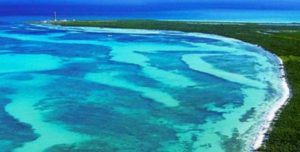
Cayo Paredon Grande is a tiny island of only 8.7 km2. The islands nearby are Cayo Romano (770 km2), Cayo Coco (370 km2) and Cayo Guillermo (13 km2). These islands are located in the King’s Gardens archipelago (Jardines del Rey). This little paradise is located north of the largest island of the archipelago, Cayo Romano, in the province of Camagüey in Cuba. Cayo Romano is not one island, but a group many small islands gathered under the same name.

Paredón Grande, is one of the islets that make up the Jardines del Rey archipelago and is among the almost virgin keys on the north coast of the central region of Cuba.

According to a review published in Radio Habana Cuba, it’s zero construction infrastructure and the little human hustle turn it into a place of pure nature, where someone hundred species of the animal kingdom live, including a large group of migratory and resident birds.
Cayo-Paredon-696x463

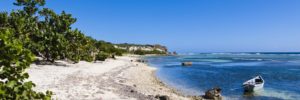
With beautiful tropical landscapes and rich biodiversity, it stands out for its beaches of coral origin, of which Los Pinos stands out for its fine sand, its warm and transparent waters, its few underwater slopes and gentle currents.

A large natural lagoon prevails in the southern part and serves as a refuge during the winter stage to varieties of feathers that arrive from the north of the United States and Canada.

Paredón Grande owes its name to the high cliffs that border its ends and at the same time function as coast guardians.
Paredon1

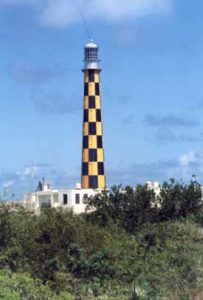
In this small cay exist for many years “el Faro Paredon” name of the lighthouse located in the north sector of the island. It also named Faro Diego Velazquez, the first to explore these islands off Cuba’s north coast in 1514. At a height of 40 meters (130 feet), its construction began in 1857 and ended in 1859. This lighthouse is still in use.

REACHING PAREDON GRANDE CAY.

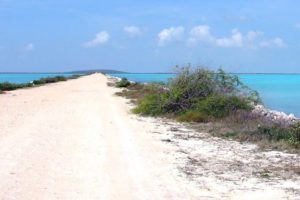
To reach Cayo Paredon, there is only one road from the neighboring island of Cayo Coco. You must first take a bridge that divides Ciego de Avila and Camaguey, then two smaller bridges to finally arrive on the island of Cayo Paredon.

The island of Cayo Coco is connected to the mainland by a causeway «pedraplen» in the sea inaugurated in 1988. Before the construction of the airport on the island of Cayo Coco, travelers arrived at the international airport of Ciego de Avila (AVI). From there, they had to take the bus for an hour and a half drive to the hotels of Cayo Coco and two hours for Cayo Guillermo.
iStock_000015569301_LargeCubaBeachofCaboCruz_800x2400 (1)

We are looking for a new little paradise around our island. We will closely monitor the development of this little paradise.

Agencies/ Wiki/ RadioEnciclop./ Juan B. Rodríguez/ Internet Photos/ Arnoldo Varona/ www.TheCubanHistory.com
THE CUBAN HISTORY, HOLLYWOOD.

18

* RECOMIENDENOS A SUS AMISTADES  *  PREFIERA A NUESTROS SPONSORS. *

* RECOMIENDENOS A SUS AMISTADES * PREFIERA A NUESTROS SPONSORS. *

logo

– CUBAN MUSIC: Pedrito Martínez Group Singing :”Tuve Una Revelación”. VIDEOS.

81nBKpkdwxL._SY355_EL GRUPO MUSICAL DE PEDRITO MARTÍNEZ INTERPRETAN “TUVE UNA REVELACIÓN”. VÍDEO.

Pedrito Martínez es un percusionista, baterista, cantante, bailarín, director de orquesta, compositor, compositor y educador cubano. Nació y creció en La Habana, Cuba. Es un conguero cubano que interpreta rumbas cubanas clásicas, música folclórica y religiosa afrocubana. Es sacerdote de la santería.

Llegó a los Estados Unidos de América desde La Habana en 1998. Toca el tambor Batá, la conga, el cajón, el timbal y el bongó, entre otros instrumentos de percusión. Pedrito aprendió su oficio en las calles de La Habana, Cuba. Ha actuado con Paquito D’Rivera, Arturo O’Farrill, Brian Lynch y Bruce Springsteen. Se instaló en la ciudad de Nueva York – Nueva Jersey en 1998.

52275b0da7c06.image

Pedrito Martínez ha reunido a su alrededor músicos que lo están ayudando a hacer la música que escucha en su cabeza. Como oirás, está lleno de giros y vueltas y paradas inesperadas que se resuelven en surcos tan feroces que es difícil resistirse a mover todo tu cuerpo con aprecio.

Esta actuación particular en Tiny Desk se destaca por un impresionante solo de conga no acompañado que deslumbró tanto a los neófitos como a los fanáticos de la música afrocubana desde hace mucho tiempo.

Músicos: Pedrito Martinez: percussion, lead vocals; Sebastian Natal: electric bass, vocals; Jhair Sala: percussion, vocals; Issac Delgado Jr.: keyboard, vocals.

5.Volunteer+Vacations+in+Cuba

* RECOMIENDENOS A SUS AMISTADES  *  PREFIERA A NUESTROS SPONSORS. *
* RECOMIENDENOS A SUS AMISTADES * PREFIERA A NUESTROS SPONSORS. *

logo

81aCe1I+WML._SX355_CUBAN MUSIC:PEDRITO MARTINEZ GROUP SINGS “TUVE UNA REVELACION”. VIDEO.

Pedrito Martinez is a Cuban percussionist, drummer, singer, dancer, bandleader, songwriter, composer, and educator. He was born and raised in Havana, Cuba. He is a Cuban Conguero performing classic Cuban Rumbas, Afro-Cuban folkloric and religious music. He is a Santería priest.

He came to the United States of America from Havana in 1998. He plays the Batá drum, conga, cajón, timbale, and bongo drums, among other percussion instruments. Pedrito learned his craft from the streets of Havana, Cuba. He has performed with Paquito D’Rivera, Arturo O’Farrill, Brian Lynch, and Bruce Springsteen. He settled in the New York City – New Jersey area in 1998.

maxresdefault

Pedrito Martinez has gathered around him musicians who are helping him make the music he hears in his head. As you’ll hear, it’s full of twists and turns and unexpected stops that resolve into grooves so ferocious it’s hard to resist moving your entire body in appreciation.

This particular performance at the Tiny Desk is highlighted by a stunning, unaccompanied conga solo that dazzled both neophytes and long-time fans of Afro-Cuban music.

MUSICIANS:
Pedrito Martinez: percussion, lead vocals; Sebastian Natal: electric bass, vocals; Jhair Sala: percussion, vocals; Issac Delgado Jr.: keyboard, vocals.

Agencies/ NPR/ Felix Contreras/ YouTube/ Internet Photos/ Arnoldo Varona/ www.TheCubanHistory.com
THE CUBAN HISTORY, HOLLYWOOD.

1-Destino

* RECOMIENDENOS A SUS AMISTADES  *  PREFIERA A NUESTROS SPONSORS. *

* RECOMIENDENOS A SUS AMISTADES * PREFIERA A NUESTROS SPONSORS. *

logo

– AFRO-CUBAN Version of Freemasonry: The Abakua Society. Photos.

001LA VERSIÓN AFRO-CUBANA DE LA MASONERIA: LA SOCIEDAD ABAKUA.

La Sociedad Abakuá, también conocida a veces como Nañigo, es una fraternidad iniciática de hombres afrocubanos o sociedad secreta, que se originó a partir de asociaciones fraternales en la región de Cross River en el sureste de Nigeria y el suroeste de Camerún.

Conocido generalmente como Ekpe, Egbo, Ngbe o Ugbe entre los grupos multilingües de la región, se creía que los Ñáñigos, como se les conoce a los miembros, podrían transformarse en leopardos para acechar a sus enemigos. En el Haití contemporáneo, donde las sociedades secretas se han mantenido fuertes, una rama de élite del ejército que se creó para infundir miedo en las masas inquietas se llamaba Los Leopardos. Entre los actos de venganza menos místicos de Ñáñigo estaba la capacidad de entregar a las personas a esclavistas. En África, eran operadores notorios que habían hecho tratos regulares para obtener ganancias con los esclavistas.

Se cree que el término cubano creolizado Abakuá se refiere al área de Abakpa en el sureste de Nigeria, donde la sociedad estaba activa. Las primeras sociedades de este tipo fueron establecidas por africanos en la ciudad de Regla, La Habana, en 1836. Esta sigue siendo el área principal de implantación de Abakuá, especialmente el distrito de Guanabacoa en el este de La Habana, y en Matanzas, donde la cultura afrocubana es vibrante.

El Abakua reconoce la virilidad, la respeta y la exalta. Quizás eso explica los preceptos sociales que acompañan la aceptación para la iniciación en esa sociedad masculina. El juramento parece ser hoy un fenómeno social que se fortalece en los hombres jóvenes; La decisión de hacerlo es gratuita y voluntaria.

002

PRINCIPIOS QUE GOBIERNAN A UN ABAKUA.

Para ser aceptado, se requiere un patrocinador que jure que el candidato de iniciación mantiene los principios que gobiernan un abakua: ser un hombre, un buen hijo y un buen amigo. Además, la persona está sujeta a un proceso de verificación de su comportamiento social y familiar y sus principios morales.

Después de ser aceptado formalmente, el individuo (así es como se llama al solicitante de ser abakuá), debe pagar un costo de 200 CUC por el derecho de iniciación.

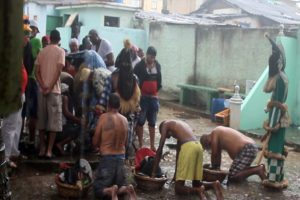
Después de la ceremonia de iniciación, que consiste en el juramento, los solicitantes son consagrados como obonekue o eco, luego llega la fiesta que termina con la procesión y se come la carne de cabra.

007

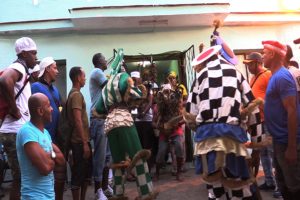
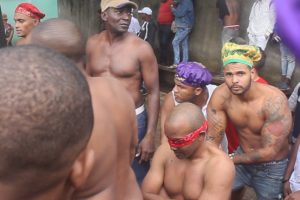
El pequeño diablo, un personaje enigmático, dirige la procesión, baila y purifica el ambiente para ahuyentar a los espíritus malignos; Detrás de él está Isué, el sacerdote, que sostiene con sus dientes la cresta de un gallo y en sus manos el tambor eribo. Le siguen tres grandes dignatarios de la sociedad, mientras que un oficiante extiende un poco de agua bendita con ramas de albahaca que eliminarán cualquier negatividad del lugar.

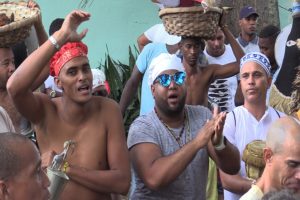
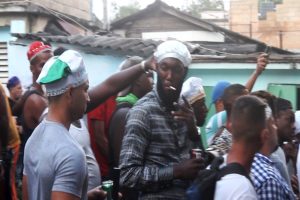
Estos ritos atraen la atención de muchos, quienes se acercan para compartir la música, los bailes y las bebidas. Otros, temerosos, no quieren que se les informe sobre estos hombres catalogados como diabólicos. Rechazan esa liturgia porque, según afirman, siempre termina con violencia o criminalidad.

18

logo

010AFRO-CUBAN VERSION OF FREEMASONRY: THE ABAKUA SOCIETY.

The Abakuá Society, also sometimes known as Nañigo, is an Afro-Cuban men’s initiatory fraternity or secret society, which originated from fraternal associations in the Cross River region of southeastern Nigeria and southwestern Cameroon.

Abakuá has been described as “an Afro-Cuban version of Freemasonry”.

Known generally as Ekpe, Egbo, Ngbe, or Ugbe among the multi-lingual groups in the region, it was believed that Ñáñigos, as the members are known, could be transformed into leopards to stalk their enemies. In contemporary Haiti, where secret societies have remained strong, an elite branch of the army that was set up to instill fear in the restless masses was named The Leopards. Among the less mystical Ñáñigo acts of revenge was the ability to turn people over to slavers. In Africa, they were notorious operators who had made regular deals for a profit with slavers.

The creolized Cuban term Abakuá is thought to refer to the Abakpa area in southeast Nigeria, where the society was active. The first such societies were established by Africans in the town of Regla, Havana, in 1836. This remains the main area of Abakuá implantation, especially the district of Guanabacoa in eastern Havana, and in Matanzas where Afro-Cuban culture is vibrant.

009

The Abakua recognizes manhood, respects and exalts it. Perhaps that explains the social precepts that accompany acceptance for initiation into that masculine society. Being sworn in seems today to be a social phenomenon that takes strength in young men; the decision to do so is free and voluntary.

PRINCIPLES THAT GOVERN AN ABAKUA.

In order to be accepted, a sponsor is required who swears that the initiation candidate keeps the principles that govern an abakua: being a man, a good son and a good friend. In addition, the person is subjected to a verification process on his social and family behavior and his moral principles.

After being formally accepted, the indísime (this is how the applicant to be an abakuá is termed), must pay a cost of 200 CUC for the right to initiation.

005

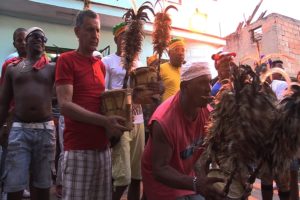
After the initiation ceremony, consisting of the oath, the applicants are consecrated as obonekue or echo, then comes the party that ends with the procession and the goat meat is eaten.

The little devil, an enigmatic character, directs the procession, dances and purifies the environment to scare away evil spirits; Behind him is Isué, the priest, who holds with his teeth the crest of a rooster and in his hands the eribo drum. He is followed by three great dignitaries of the society, while an officiant spreads some holy water with basil branches that will take away any negativity from the place.

006

These rites attract the attention of many, who approach to share the music, dances, and drinks. Others, fearful, do not want to be told about these men cataloged as diabolical. They reject that liturgy, because, they claim, it always ends with violence or criminality.

Agencies/ Wiki/ HavanaTimes/ Elio Delgado/ Internet Photos/ Arnoldo Varona/ www.TheCubanHistory.com
THE CUBAN HISTORY, HOLLYWOOD.

296 (1)

logo