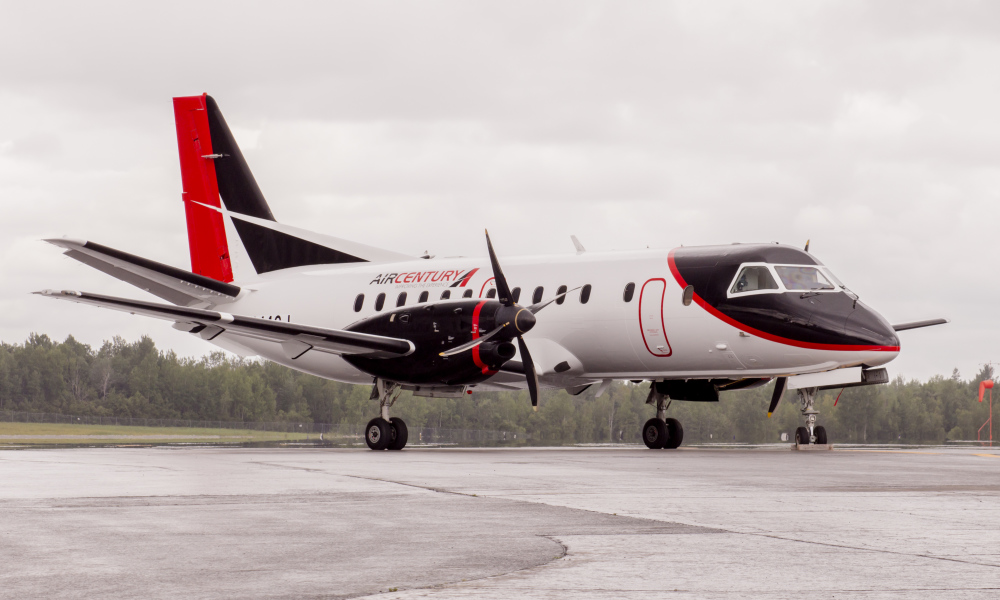
La aerolínea Air Century anunció que a partir del próximo 18 de marzo incorporará una nueva ruta desde el Aeropuerto Internacional La Isabela (Santo Domingo) hacia Santiago de Cuba, ofreciendo a sus clientes más opciones de destinos.
“Con la adición de Santiago de Cuba a nuestra red de rutas, damos respuesta a la creciente demanda de nuestros clientes por mas destinos en el Caribe. De esta manera, Air Century reafirma su posición como la aerolínea líder en servicios al Caribe de República Dominicana. Cubrimos ya ocho destinos: Puerto Príncipe, San Juan, La Habana, Santiago en Cuba, Curaçao, St. Maarten y Aruba”, aclaró Arantxa Chahin, funcionaria de la empresa.
Desde diciembre de 2018 esta compañía volaba jueves y domingo de la capital de República Dominicana a la oriental provincia cubana. La nueva ruta será los martes. Con el inicio de la ruta, la aerolínea incorpora a su flota un tercer Jet CRJ200, con 50 asientos disponibles en cada tramo, y así satisfacer el aumento de la demanda.
Air Century ha sido calificada por las autoridades aeronáuticas como una de las líneas aéreas de mayor crecimiento entre nacionales e internacionales y la primera línea aérea por volumen de vuelos del país caribeño.
Es una empresa aérea netamente dominicana, fundada en 1992 por su CEO y presidente, capitán piloto Omar Chahin. Tiene su base de operaciones en el Aeropuerto Internacional La Isabela, Dr. Joaquín Balaguer (JBQ), de la ciudad de Santo Domingo. Actualmente ofrece servicios regulares fundamentalmente en el Caribe.
Hace apenas tres días la aerolínea de bajo coste Viva Aerobus anunció que también en marzo abrirá una ruta semanal entre Cancún y Santiago.
* RECOMIENDENOS A SUS AMISTADES * PREFIERA A NUESTROS SPONSORS. *
The airline Air Century announced that as of March 18 it will incorporate a new route from La Isabela International Airport (Santo Domingo) to Santiago de Cuba, offering its customers more options for destinations.
“With the addition of Santiago de Cuba to our route network, we respond to the growing demand of our customers for more destinations in the Caribbean. In this way, Air Century reaffirms its position as the leading Caribbean services airline in the Dominican Republic. We already cover eight destinations: Port-au-Prince, San Juan, Havana, Santiago in Cuba, Curaçao, St. Maarten and Aruba, ”said Arantxa Chahin, a company official.
Since December 2018, this company was flying Thursday and Sunday from the capital of the Dominican Republic to the eastern Cuban province. The new route will be on Tuesdays. With the start of the route, the airline incorporates a third CRJ200 Jet into its fleet, with 50 seats available in each section, and thus meet the increased demand.
Air Century has been rated by the aeronautical authorities as one of the fastest-growing airlines between national and international and the first airline by volume of flights of the Caribbean country.
It is a purely Dominican airline company, founded in 1992 by its CEO and president, pilot captain Omar Chahin. It has its base of operations at the La Isabela International Airport, Dr. Joaquín Balaguer (JBQ), in the city of Santo Domingo. It currently offers regular services primarily in the Caribbean.
Just three days ago, the low-cost airline Viva Aerobus announced that it will also open a weekly route between Cancun and Santiago in March.
Agencies/ ADNCuba/ Internet Photos/ Arnoldo Varona/ www.TheCubanHistory.com
THE CUBAN HISTORY, HOLLYWOOD.
* RECOMIENDENOS A SUS AMISTADES * PREFIERA A NUESTROS SPONSORS. *
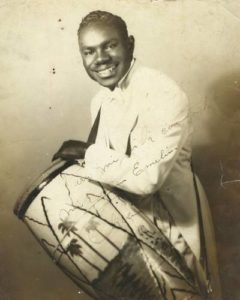
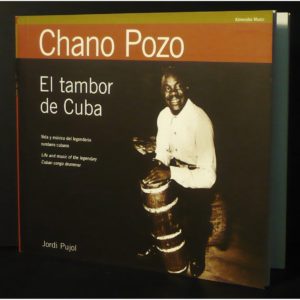
El paso del tiempo no ha podido borrar la trascendencia rítmica y musical del talentoso Luciano Pozo González, conocido profesionalmente como Chano Pozo, nacido el 7 de enero de 1915 en La Habana. Fue un percusionista, cantante, bailarín y compositor cubano de jazz. A pesar de vivir solo hasta los 33 años, jugó un papel importante en la fundación del jazz latino. Co-escribió algunas de las composiciones con sabor latino de Dizzy Gillespie, como “Manteca” y “Tin Tin Deo”, y fue el primer percusionista latino en la banda de Gillespie. Pozo fue y sera el excepcional orgullo como tamborero y compositor de Cuba y del mundo por muchos años.
Desde muy pequeño sintió la música muy cercana, bebió de ella en medio de las celebraciones que casi a diario se realizaban en la comunidad marginal de La Timba, muy cerca de la Loma de los Catalanes, cerca de donde está la hoy conocida como la Plaza de la Revolución. Allí creció, logrando emocionarlo e inspirarlo de forma permanente, hasta que aprendió a tocar en los solares, de manera espectacular y autodidacta, la tumbadora y el tambor llamado conga, sus preferidos, siendo calificado con toda justeza como El Tambor de Cuba.
Todos le profesaban gran cariño y admiración por su arte y maestría con el bongó, que formaba parte inseparable de él, y así transcurrió la infancia de Chano Pozo, la misma de los niños negros en aquellos años de la Cuba republicana.
Su sentido rítmico lo hizo ir más allá y se formó también como bailador, cantante y compositor, dejando en los primeros años juveniles su impronta en las comparsas de los carnavales capitalinos, a las que se vinculó con gran entusiasmo y entrega. De su autoría, todavía los cubanos tararean su conocida interpretación de “… siento un bombo, mamita me está llamando”, retomada después por otros reconocidos músicos.
https://youtu.be/sw0Da7ERvH0
Su vida fue muy corta, apenas 33 años, pero le bastaron para convertirse en un genio de la percusión y la composición, con un talento natural y espontáneo, siendo trascendente su contribución a la cultura musical cubana y al jazz, desbordando su cubanía en cualquier escenario.
Precisamente sus inicios se recuerdan en la emisora de radio RHC Cadena Azul, donde encontró el ámbito propicio para mostrar con libertad todas sus facultades, ingenio y destreza interpretativa. El son y la guaracha fueron géneros musicales cultivados por él no solo como fecundo creador, sino también como intérprete brillante de la tumbadora desde las filas de su Conjunto Azul.
Sus incursiones a partir de 1946 en la ciudad norteamericana de Nueva York lo convirtieron en un hito dentro del convulso y original panorama del jazz en Norteamérica, logrando la imbricación de los elementos afrocubanos con este género de la música que allí se hacía y ese fue básicamente su aporte a lo que luego se definiría como latin jazz o jazz afrocubano, a partir de su encuentro con el famoso trompetista Dizzi Gillespie y la integración a su banda, quien consideró a Chano Pozo como “el más grande tamborero que he oído en mi vida”.
En esa etapa brilló como uno de los músicos cubanos más extraordinarios, haciendo gala también del conocimiento profundo de las raíces africanas. Podía tocar seis tambores de congas al mismo tiempo y desarrollar una gran capacidad para la improvisación.
En apenas dos años revolucionó el jazz americano, aportó con amplitud al tejido rítmico del Afro Cuban Jazz e insertó plenamente el baile de su rumba sobre todo en una tonalidad muy rápida, llamada la jiribilla, y teniendo como compañero a su propio tambor, al cual hacia girar de manera vertiginosa, arrancando los aplausos incesantes del público.
Resulta impresionante la rica trayectoria musical que en tan poco tiempo desarrolló Chano. La lista de sus obras como compositor es extensa, así como la relación de sus grabaciones y reediciones de las obras, de su discografía como intérprete principal y músico de sesión, en un amplio recorrido de sus grabaciones en Cuba y los Estados Unidos. Baste recordar que fue el autor de unas 112 melodías, entre ellas la pieza clásica del jazz afrocubano Manteca. Supo enseñar a los percusionistas de jazz la ejecución de la polirritmia cubana, lo cual elevó su reconocimiento y fama.
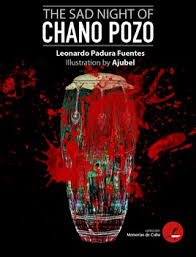
Chano Pozo fue asesinado a tiros el 2 de diciembre de 1948 en El Rio Bar en 111th St y Lenox Avenue en Harlem. El Rio Bar ya no existe, incluso se ha eliminado el pequeño bloque triangular donde estaba ubicado. El asesino de Pozo era un corredor de apuestas local llamado Eusebio “Cabito” Muñoz. Pozo había acusado a Cabito de venderle marihuana de mala calidad y Cabito tomó represalias.
Pozo está enterrado en el cementerio de Colón, La Habana.
* RECOMIENDENOS A SUS AMISTADES * PREFIERA A NUESTROS SPONSORS. *
The passage of time has not been able to erase the rhythmic and musical significance of the talented Luciano Pozo González, professionally known as Chano Pozo, born on January 7, 1915, in Havana. He was a Cuban percussionist, singer, dancer and jazz composer. Despite living alone until age 33, he played an important role in the foundation of Latin jazz. He co-wrote some of Dizzy Gillespie’s Latin-flavored compositions, such as “Manteca” and “Tin Tin Deo,” and was the first Latin percussionist in the Gillespie band. Pozo was and will be the exceptional pride as drummer and composer of Cuba and the world for many years.
From a very young age he felt the music very close, he drank from it in the midst of the celebrations that were held almost daily in the marginal community of La Timba, very close to the Loma de Los Catalanes, near where is now known as the Plaza of the Revolution. There he grew up, getting him excited and inspiring him permanently, until he learned to play on the lots, in a spectacular and self-taught way, the tumbadora and the drum called conga, his favorites, being qualified with all fairness as El Tambor de Cuba.
All professed great affection and admiration for his art and mastery with the bongó, which was an inseparable part of him, and thus passed the childhood of Chano Pozo, the same of black children in those years of Cuba Republicana.
His rhythmic sense made him go further and he also trained as a dancer, singer, and composer, leaving his imprint in the early years of the capitals of the carnivals of the capital, to which he linked with great enthusiasm and dedication. From its authorship, Cubans still hum their well-known interpretation of “… I feel a hype, mamita is calling me”, later resumed by other renowned musicians.
His life was very short, just 33 years, but it was enough to become a genius of percussion and composition, with a natural and spontaneous talent, his contribution to Cuban musical culture and jazz being transcendent, overflowing his Cubanness in any stage.
Precisely its beginnings are remembered on the radio station RHC Cadena Azul, where he found the right environment to freely display all his faculties, ingenuity, and interpretive skills. The son and the guaracha were musical genres cultivated by him not only as a fruitful creator but also as a brilliant interpreter of the tumbadora from the ranks of his Blue Ensemble.
His incursions from 1946 in the North American city of New York made it a milestone in the turbulence and original panorama of jazz in North America, achieving the imbrication of Afro-Cuban elements with this genre of music that was made there and that was basically his contribution to what would later be defined as Latin jazz or Afro-Cuban jazz, from his encounter with the famous trumpeter Dizzi Gillespie and the integration to his band, who considered Chano Pozo as “the greatest drummer I’ve heard in my life ”
At that stage, he shone as one of the most extraordinary Cuban musicians, also displaying a deep knowledge of African roots. He could play six drums of congas at the same time and develop a great capacity for improvisation.
In just two years he revolutionized American jazz, contributed broadly to the rhythmic fabric of Afro Cuban Jazz and fully inserted the dance of his rumba especially in a very fast tone, called the jiribilla, and having as his partner his own drum, which He turned vertiginously, tearing the ceaseless applause from the public.
The rich musical trajectory that Chano developed in such a short time is impressive. The list of his works as a composer is extensive, as well as the list of his recordings and reissues of the works, of his discography as a principal performer and session musician, in an extensive tour of his recordings in Cuba and the United States. Suffice it to recall that he was the author of about 112 melodies, including the classic Afro-Cuban jazz piece Manteca. He knew how to teach jazz percussionists the execution of Cuban polyrhythmic, which raised his recognition and fame.
Chano Pozo was shot dead on December 2, 1948, at El Rio Bar on 111th St and Lenox Avenue in Harlem. The Rio Bar no longer exists, even the small triangular block where it was located has been removed. Pozo’s killer was a local bookmaker called Eusebio “Cabito” Muñoz. Pozo had accused Cabito of selling poor quality marijuana and Cabito retaliated.
Well is buried in the cemetery of Colon, Havana.
Agencies/ Wiki/ Radio Encyclop./ Ana R. Perdomo/ Internet Photos/ YouTube/ Arnoldo Varona/ www.TheCubanHistory.com
* RECOMIENDENOS A SUS AMISTADES * PREFIERA A NUESTROS SPONSORS. *
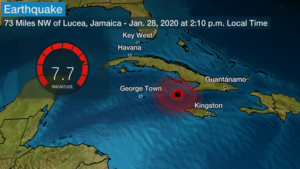
Con el sismo de 7.7 que sacudió parte de Cuba y llegó hasta los Estados Unidos y Centro America viene a nuestra atención el peligro mayor que la peligrosa depresión al sur de la provincia de Oriente significa para el riesgo inmediato y mediato de un gran terremoto que venga acompañado de un gran Tsuname o una ola de grandes proporciones que ponga en peligro a la republica cubana. Esta vez, el terremoto y las réplicas posteriores abrieron sumideros en las Islas Caimán y sacudieron los edificios desde Jamaica hasta el centro de Miami.
Horas más tarde, ocurrió una fuerte réplica de magnitud 6,1 al sur de las Caimán, indicó el USGS.
Sin dudas, Santiago de Cuba es una de las provincias de nuestro país que con mayor frecuencia sufre eventos sísmicos. Según las investigaciones, así ha sucesido y sucede desde épocas pasadas: la prensa refiere inundaciones, penetraciones del mar y fuertes terremotos que dejaron la región devastada.
Tales condiciones meteorológicas han provocado el imaginario popular: muchas leyendas se sustentan en catástrofes y malos augurios. Así sucedía con los viejos marinos. A ellos, que tantos días se pasaban navegando, casi nadie los contradecía y la tradición oral se encargó de que esos miedos llegaran hasta nuestros tiempos. Además, la advertencia se sustentaba en la desaparición de las embarcaciones durante las tormentas, la violenta marea, la fuerza de las olas…
Con los avances de la ciencia se ha sabido que los fenómenos sísmicos, conocidos como terremotos o temblores son los resultados de inestabilidades en las fallas geológicas de la tierra.
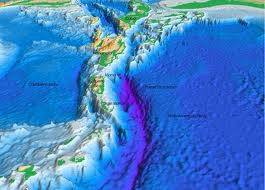
Lo cierto es que la Fosa de Bartlett o Fosa de las Caimán, situada frente a las costas de Oriente cubano cuenta con una amplia variedad de leyendas y creencias populares que la distinguen como una zona peligrosa.
La fosa posee una profundidad máxima de 7,686 metros; siendo el punto más profundo del mar Caribe. Según los estudios científicos es una depresión submarina de mil 400 kilómetros de largo y se extiende desde la isla Caimán hasta República Dominicana. Por supuesto, la costa suroriental de Cuba está incluida en este perímetro. Frente a la ciudad de Santiago de Cuba se encuentra lo que se conoce como el accidente geográfico conocido como promontorio, que son las zonas menos profundas de la fosa de Bartlett. Las zonas más profundas de este accidente geográfico encuentran frente al Pico Turquino”.
Con unos 2.000 Km. de longitud y una anchura media de unos 200 Km. se extiende bajo las aguas del mar Caribe o de las Antillas, Se extiende desde el Paso de los Vientos, cruzando al sur de la Sierra Maestra en Cuba hacia Guatemala. El accidente geográfico continúa en tierra firme, allí se lo denomina falla de Motagua que atraviesa Guatemala y se penetra en el Océano Pacífico donde interseca la zona de subducción de la fosa Mesoamericana. Esta fosa es relativamente angosta y corre en dirección este-noreste a oeste-suroeste. Dentro de la fosa se desarrolla lentamente una elevación submarina en dirección Norte-Sur, la cual podría haber sido producto de una falla de 420 km de longitud aproximadamente montada sobre la falla principal.
La Fosa de las Caimán, conocida también con el nombre de hoya de Bartlett, en honor al marino norteamericano que la descubrió en 1880. La misma forma parte de la frontera tectónica entre la placa de Norte América y la placa del Mar Caribe, formando una zona compleja de fallas transformantes, sobre esta depresión se encuentran las islas Caimán, una dependencia del Reino Unido en ultramar formada por tres pequeñas islas coralinas, bajas y llanas.
En Cuba, el Centro Nacional de Investigaciones Sismológicas (CENAIS) se encarga de estudiar y avizorar estos fenómenos. Sus trabajadores aseguran que Santiago de Cuba es la provincia de mayor peligro sísmico en el país, por su cercanía al sistema de falla Bartlett-Caimán.
With the earthquake of 7.7 that shook part of Cuba and reached the United States and Central America comes to our attention the danger greater than the dangerous depression south of the province of Oriente means for the immediate and mediate risk of a major earthquake that comes accompanied by a great Tsunami of great proportions that endanger the Cuban republic. This time the earthquake and ensuing aftershocks opened sinkholes on the Cayman Islands and swayed buildings from Jamaica to downtown Miami.
Hours later, there was a strong 6.1 magnitude replica south of the Cayman, the USGS said.
Undoubtedly, Santiago de Cuba is one of the provinces of our country that most often suffers seismic events. According to the investigations, this is what has happened since the past: the press refers to floods, penetrations of the sea and strong earthquakes that left the region devastated.
Such meteorological conditions have provoked the popular imagination: many legends are based on catastrophes and bad omens. So it was with the old sailors. To them, who spent so many days sailing, almost no one contradicted them and oral tradition took care that these fears reached our times. In addition, the warning was based on the disappearance of the boats during the storms, the violent tide, the force of the waves …
With the advances of science, it has been known that seismic phenomena, known as earthquakes or earthquakes, are the results of instabilities in the geological faults of the earth.
The truth is that the Bartlett Pit or Cayman Trench, located off the coast of eastern Cuba has a wide variety of legends and popular beliefs that distinguish it as a dangerous area.
The pit has a maximum depth of 7,686 meters; being the deepest point of the Caribbean Sea. According to scientific studies, it is a submarine depression of 1,400 kilometers long and extends from Cayman Island to the Dominican Republic. Of course, the southeast coast of Cuba is included in this perimeter. In front of the city of Santiago de Cuba is what is known as the geographical feature known as the promontory, which are the shallowest areas of the Bartlett pit. The deepest zones of this geographical feature face the Turquino Peak “.
With a length of 2,000 km and an average width of about 200 km, it extends under the waters of the Caribbean Sea or the Antilles. It extends from the Paso de Los Vientos, crossing south of the Sierra Maestra in Cuba to Guatemala. The geographical feature continues on the mainland, where it is called the Motagua fault that crosses Guatemala and penetrates into the Pacific Ocean where it intersects the zone of subduction of the Mesoamerican trench. This pit is relatively narrow and runs east-northeast to west-southwest. Within the pit, a submarine elevation slowly develops in a North-South direction, which could have been the product of a fault of approximately 420 km in length mounted on the main fault.
Trench of the Caymans, also known as the Hoya de Bartlett, in honor of the North American sailor who discovered it in 1880. It forms part of the tectonic boundary between the North American plate and the plate of the Caribbean Sea, forming an area complex of transformative faults, on this depression are the Cayman Islands, a dependency of the United Kingdom overseas formed by three small coral islands, low and flat.
In Cuba, the National Center for Seismological Research (CENAIS) is responsible for studying and envisioning these phenomena. Its workers say that Santiago de Cuba is the province with the highest seismic danger in the country, due to its proximity to the Bartlett-Cayman fault system.
Agencies/ Rad.Enciclop/ Wiki/ Various/ Internet Photos/ Arnoldo Varona/ www.TheCubanHistory.com
THE CUBAN HISTORY, HOLLYWOOD.


 ANUNCIA AEREOLINEA DOMINICANA AIR CENTURY COMENZARÁ VUELOS SANTO DOMINGO-SANTIAGO DE CUBA.


 DOMINICAN AIRLINE AIR CENTURY ANNOUNCES NEW FLIGHT SANTO DOMINGO-SANTIAGO DE CUBA.