– EL GRAN Archipielago Natural que es Nuestra Isla. PHOTOS.

download (1)

EL GRAN ARCHIPIELAGO NATURAL QUE ES NUESTRA ISLA.

La República de Cuba es un archipiélago constituido por la isla mayor de las Antillas llamada Cuba, la Isla de la Juventud (antes Isla de Pinos) y 4.195 cayos, islotes e islas. Está ubicada en el Mar Caribe, cerca de las costas de los Estados Unidos y México. La superficie de Cuba es de 109.884 kilómetros cuadrados, pero si se incluyen las aguas costeras y territoriales sería de 110.860 kilómetros cuadrados. La isla de Cuba tiene 104.556 kilómetros cuadrados y cuenta con 5.746 kilómetros de costa y 29 kilómetros de fronteras, incluyendo la Bahía de Guantánamo, donde se encuentra la base naval de la Bahía de Guantánamo de la armada de los EE.UU.

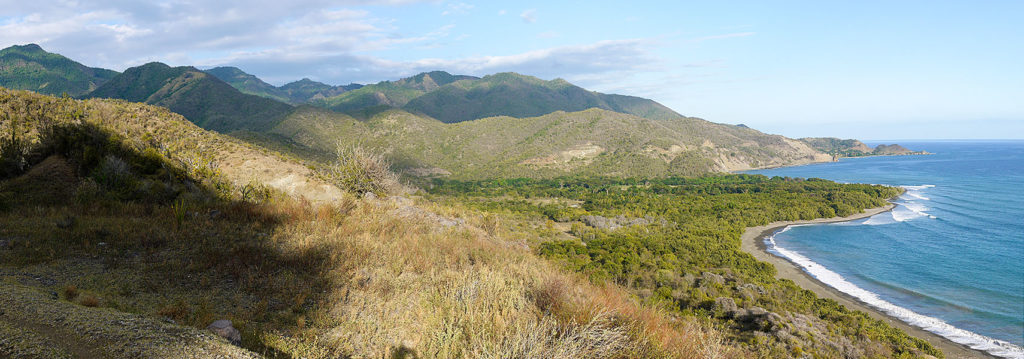
Cuba, nuestro bello “largo verde”, es un archipiélago con un gran y deslumbrante patrimonio natural; parques nacionales, reservas naturales, playas y calas.

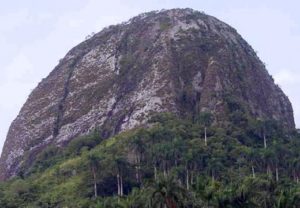
El Parque de la Sierra Maestra es uno de los mejores escenarios naturales. La Gran Piedra, una enorme roca de 70.000 toneladas y a 1.225 metros de altura, es uno de sus principales atractivos. Cuba siempre ha sido un destino amigo para el avido visitante.
1g-piedra-520x360

Lo cierto es que cuando pensamos en la isla caribeña nos viene a la mente la imagen de sus ciudades: La Habana, Santiago, Trinidad… Pero, como cuenta ‘Rumbo’, Cuba es un archipiélago con un gran patrimonio natural: parques nacionales, reservas naturales, playas y calas. Cuba central comprende las provincias de Cienfuegos, Villa Clara, Sancti Spíritus, Ciego de Ávila y Camagüey y destaca por las ciudades de Cienfuegos y Trinidad, ambas declaradas Patrimonio de la Humanidad por la Unesco.

Las Tunas, Granma, Holguín, Santiago de Cuba y Guantánamo son las cinco provincias que se sitúan en la parte oriental de la isla de Cuba. Sus ciudades más importantes son Santiago de Cuba y Baracoa.

FLORA Y FAUNA.

El tocororo (Priotelus temnurus) es el ave nacional de Cuba, que es autóctona de la isla. La flor nacional de Cuba es la “Flor de Mariposa” Hedychium coronarium, que fue importada de Indochina.​

Destacan en la fauna cubana, mamíferos como las jutías, diversos murciélagos, reptiles (Cuba alberga una población de cocodrilos mayor que muchos otros lugares), anfibios (entre ellos la rana más pequeña del mundo), peces y animales marinos. La flora, con más de 6.500 especies sólo de plantas con semilla, bosques, plantas tropicales, de río y frutales.

images (3)

La fauna cubana ha cambiado en el tiempo, pues la fauna actual dista de la del período cuaternario en Cuba. Los organismos vivos marinos abundan. Pueden ser cuevas, donde habitan peces ciegos, camarones, microorganismos y hongos. En los arrecifes de coral abundan los mismos, cuyos esqueletos calcáreos forman grandes masas. En ellas vive la carey y la caguama, dos tortugas amenazadas. Además hay peces como la guasa y otros de menor tamaño como los peces ángeles.

En tierra los suelos se llenan de insectos y en algunos sitios mamíferos insectívoros como el almiquí. En los árboles hay lagartos anolis y jutías (Capromyidae). Además de diversas aves endémicas como el tocororo (ave nacional), el zunzún y el catey. En las ciénagas habita el cocodrilo junto al mayito de ciénaga, la ferminia, la gallinuela de Santo Tomás y la garza.

colibri-cubano-el-mas-pequeño-del-mundo

Originariamente Cuba se encontraba llena de una espesa vegetación pero luego de un tiempo (principalmente durante la dominación española) ha sido degradada para desarrollar la agricultura. No obstante existen muchos programas para el cuidado y mantenimiento de estos bosques, que albergan gran diversidad. Las maderas preciosas de Cuba son muy cotizadas. Entre ellas el cedro, la caoba, la teca y otras.

Destacan en la fauna cubana, mamíferos como las jutías, diversos murciélagos, reptiles (destacando la numerosa población de cocodrilos), anfibios (entre ellos la rana más pequeña del mundo), peces y animales marinos. También abundan los insectos y mamíferos insectívoros.

original_trinidad-cuba

logo-4

images (1)

THE GREAT NATURAL ARCHIPELAGO THAT IS OUR ISLAND.

The Republic of Cuba is an archipelago made up of the largest island in the Antilles called Cuba, the Isla de la Juventud (formerly Isla de Pinos) and 4,195 cays, islets and islands. It is located in the Caribbean Sea, near the coasts of the United States and Mexico. Cuba’s surface is 109,884 square kilometers, but if coastal and territorial waters are included it would be 110,860 square kilometers. The island of Cuba has 104,556 square kilometers and has 5,746 kilometers of coastline and 29 kilometers of borders, including Guantanamo Bay, where the US Navy Guantánamo Bay naval base is located.

Cuba, our beautiful “long green”, is an archipelago with a great and dazzling natural heritage; national parks, nature reserves, beaches, and coves.

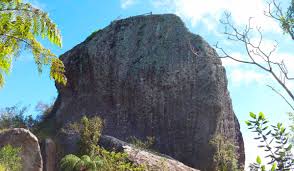
Sierra Maestra Park is one of the best natural settings. The Great Stone, a huge rock of 70,000 tons and 1,225 meters high, is one of its main attractions. Cuba has always been a friendly destination for the avid visitor.
download (3)

The truth is that when we think of the Caribbean island, the image of its cities comes to mind: Havana, Santiago, Trinidad … But, as ‘Rumbo’ says, Cuba is an archipelago with a great natural heritage: national parks, reserves natural, beaches and coves. Central Cuba includes the provinces of Cienfuegos, Villa Clara, Sancti Spíritus, Ciego de Ávila, and Camagüey and stands out for the cities of Cienfuegos and Trinidad, both declared World Heritage Sites by Unesco.

Las Tunas, Granma, Holguín, Santiago de Cuba and Guantánamo are the five provinces that are located in the eastern part of the island of Cuba. Its most important cities are Santiago de Cuba and Baracoa.

FLORA AND FAUNA.

The tocororo (Priotelus temnurus) is the national bird of Cuba, which is indigenous to the island. Cuba’s national flower is the “Butterfly Flower” Hedychium coronarium, which was imported from Indochina.

They stand out in Cuban fauna, mammals such as hutias, various bats, reptiles (Cuba is home to a population of crocodiles greater than many other places), amphibians (among them the smallest frog in the world), fish and marine animals. The flora, with more than 6,500 species of seed plants, forests, tropical plants, rivers, and fruit trees only.

Cuban fauna has changed over time, as the current fauna is far from that of the quaternary period in Cuba. Living marine organisms abound. They can be caves, where blind fish, shrimp, microorganisms, and fungi live. In coral reefs, they abound, whose limestone skeletons form large masses. The hawksbill and loggerhead live in them, two threatened turtles. There are also fish such as guasa and other smaller ones such as angelfish.

On land, the soils are full of insects and in some places insectivorous mammals such as the almiquí. On the trees, there are anole lizards and hutias (Capromyidae). In addition to various endemic birds such as tocororo (national bird), zunzún and catey. In the swamps, the crocodile lives next to the swamp mayito, the ferminia, the Santo Tomás chicken, and the heron.

download (5)

Cuba was originally full of thick vegetation but after a time (mainly during the Spanish domination) it has been degraded to develop agriculture. However, there are many programs for the care and maintenance of these forests, which are home to great diversity. Cuba’s precious woods are highly prized. Among them cedar, mahogany, teak and others.

They stand out in the Cuban fauna, mammals such as the jutías, various bats, reptiles (highlighting the large population of crocodiles), amphibians (among them the smallest frog in the world), fish and marine animals. Insects and insectivorous mammals also abound.

Agencies / Wiki/ 20 Minutos / Various/ Internet Photos / Arnoldo Varona, PJ. / www.TheCubanHistory.com
THE CUBAN HISTORY, HOLLYWOOD.

default

default

logo-4

Oth-Cuba-Havana-Malecon-2500x1045

– CUBA, UN PUEBLO que Evenejece Sin Reemplazo Generacional. PHOTOS.

7299-envejeciemiento-poblacional

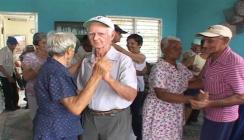
CUBA, UN PUEBLO QUE ENVEJECE SIN REEMPLAZO GENERACIONAL.

Las estadísticas de las últimas décadas confirman que desde 1978 el grado de envejecimiento de la población cubana aumenta sin que exista un reemplazo generacional, pero los datos también revelan otros fenómenos que el país enfrenta en términos de población y que no aparecen de la misma camino en todos los territorios.

La provincia con mayor grado de envejecimiento es Villa Clara. Le sigue La Habana — la capital tiene una peculiaridad: el municipio de Plaza de la Revolución es el más envejecido del país con un 28 % de adultos mayores— y después Sancti Spíritus.

En el extremo opuesto se ubica el oriente del país, donde la cifra de individuos con más de 60 años es menor. En este contexto sobresale Yateras (provincia de Guantánamo) que es el municipio menos envejecido con solo un 11 % de ancianos.

7417-ancianos-cuba

Las Nuevas proyecciones son: Se calcula que habrá para finales de este año un 22 % de adultos mayores, en el 2030 vamos a tener alrededor del 31 %, finalmente en el 2050 el pronóstico es que haya 37 % de personas con 60 años y más y estaremos entre los países más envejecidos.

ALGUNOS NUMEROS DE LA POBLACION CUBANA.

Segun datos reportados, en 1966 nacieron 266 000 niños en Cuba. Entonces había un millón menos de mujeres en edad reproductiva que en la actualidad. En ese año 2016 los nacidos fueron 117 000. «Ese año crecimos en 220 habitantes. Es un crecimiento nulo», refiere el doctor Alfonso Fraga.

Otro fenómeno interesante es que la mayoría de los adultos mayores son mujeres y la mayor parte de los que rebasan la sexta década de vida son urbanos, situación de la que se deriva un proceso igualmente interesante: en las zonas rurales se está manteniendo una población masculina, envejecida y sola.

También las cifras arrojan que en los últimos años se viene registrando un ascenso de la inmigración permanente entre los que se incluyen personas de más edad. Las expectativa de vida en Cuba creció a 79 años de edad, y actualmente el 20 por ciento de la población en el país tiene 60 años o más, lo cual ubica a la nación antillana entre los países más envejecidos de América Latina.

6126-envejecimiento-ancianos

Segun reportes gubernamentales en Cuba hay 149 Hogares de Ancianos, con 11 mil 801 camas.

Desde el 2017 hasta la fecha, no verificadas, se esperaban abririan 10 Nuevas Casas de Abuelos, de ellas cuatro en La Habana y dos en las provincias orientales de Camagüey, Granma y Santiago de Cuba, que sumarcian 385 capacidades, mientras se planifica un Hogar de Ancianos en La Habana y otro en Las Tunas.

En un contexto socio-demográfico en el que la familia tiende a ser cada día más pequeña, es precisamente este núcleo humano el sostén principal del proceso de envejecimiento y es la sociedad en su conjunto la que debe crear fórmulas para garantizar el cuidado de los adultos mayores tanto en formas estatales como no estatales. Para lograrlo el estado destina recursos financieros y humanos a las casas y círculos de abuelos, a las cátedras del adulto mayor y a las iniciativas que propicien la participación de los adultos mayores en la sociedad.

Sobre estos espacios de intercambio para la tercera edad opina el doctor Alfonso Fraga: «Esta es la gran ventaja de las casas del abuelo y de las cátedras del adulto mayor: es hacerlos participar, movilizar a nuestros abuelos en la sociedad. ¡Cuánto conocimiento y experiencia! Con eso podemos sentirnos seguros pero hay que desarrollarlo y cuidarlos». terminó diciendo.

Cuba-e1556040683458-2500x1406

logo-4

2098-adulto-mayor

CUBA, A COUNTRY THAT AGES WITHOUT A GENERATIONAL REPLACEMENT.

The statistics of the last decades confirm that since 1978 the degree of aging of the Cuban population increases without there being no generational replacement, but the data also reveal other phenomena that the country is facing in terms of population and which do not appear from the same way in all territories.

The province with the highest degree of aging is Villa Clara. It is followed by Havana – the capital has a peculiarity: the municipality of Plaza de la Revolución is the oldest in the country with 28% of older adults – and later Sancti Spíritus.

At the opposite extreme is the eastern part of the country, where the number of individuals over 60 years of age is lower. In this context, Yateras (Guantánamo province) stands out, which is the least aged municipality with only 11% of the elderly.

8161-ancianos-ejercicios

The new projections are: It is estimated that there will be 22% of older adults by the end of this year, in 2030 we will have around 31%, finally in 2050 the prognosis is that there will be 37% of people aged 60 and over and we will be among the oldest countries.

SOME NUMBERS OF THE CUBAN POPULATION.

According to reported data, in 1966 266,000 children were born in Cuba. There were a million fewer women of reproductive age then than today. In that year 2016, those born were 117,000. «That year we grew by 220 inhabitants. It is a null growth ”, refers the doctor Alfonso Fraga.

Another interesting phenomenon is that the majority of older adults are women and most of those over the sixth decade of life are urban, a situation from which an equally interesting process derives: in rural areas, a male population is being maintained. , aged and alone.

The figures also show that in recent years there has been an increase in permanent immigration, which includes older people. Life expectancy in Cuba grew to 79 years of age, and currently 20 percent of the population in the country is 60 years or older, which places the Antillean nation among the oldest countries in Latin America.

According to government reports, there are 149 Nursing Homes in Cuba, with 11,801 beds.

From 2017 to date, unverified, 10 new grandparents’ houses were expected to open, four of them in Havana and two in the eastern provinces of Camagüey, Granma and Santiago de Cuba, which add up to 385 capacities, while planning a home. Elderly in Havana and another in Las Tunas.

In a socio-demographic context in which the family tends to be smaller every day, it is precisely this human nucleus that is the mainstay of the aging process and it is society as a whole that must create formulas to guarantee the care of adults. older in both state and non-state forms. To achieve this, the state allocates financial and human resources to the houses and circles of grandparents, to the chairs of the elderly and to initiatives that promote the participation of the elderly in society.

On these exchange spaces for the elderly, Dr. Alfonso Fraga says: «This is the great advantage of the grandfather’s houses and the chairs of the elderly: it is to involve them, mobilize our grandparents in society. How much knowledge and experience! With that we can feel safe but we have to develop it and take care of it ». he finished saying.

Agencies/ Wiki/ RHC/ Various/ Internet Photos/ Arnoldo Varona, PJ. / www.TheCubanHistory.com
THE CUBAN HISTORY, HOLLYWOOD.

santiago-de-cuba2 (1)

logo-4 (1)

Sierra-Maestra-Granma-Cuba (1)

– FANNIE KAUFFMAN “VITOLA”, Comediante y Actriz. VIDEOS.

download (18)

FANNIE KAUFFMAN “VITOLA”, COMEDIANTE Y ACTRIZ. VIDEOS

Fannie Kauffman, conocida por el nombre artístico “Vitola” nació en Ontario, Canadá el 11 de abril de 1924, era una actriz y comediante cubana nacida en Canadá, con solo unos pocos meses su madre se mudó a La Habana, Cuba, donde residió hasta ella tenía 22 años.

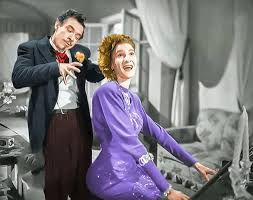
Comenzó su carrera de entretenimiento en Cuba como cantante infantil a la edad de 8 años cuando pensó en convertirse en cantante de ópera. Los padres de Kauffman la inscribieron en un concurso de radio cuando ella tenía once años y medio. El concurso buscaba a una niña que apareciera en el programa diario de radio para niños, ‘La Escuelita’. Kauffman ganó el concurso y comenzó a aparecer en la radio con el equipo cómico cubano, ‘Agapito y Timoteo’. Kuaffman se ganó su apodo de toda la vida, Vitola, mientras trabajaba en la radio cubana. Su apodo se basa en la vitola de los cigarros cubanos.

SU CARRERA ARTISTICA.

Kauffman hizo la transición a la comedia y se mudó a México en 1943, poco antes de cumplir 23 años. En 2007, Kauffman le dijo al periódico El Universal que, aunque se crió en Cuba, enfatizó que “Soy Mexicana” (soy mexicana), después de más de 60 años de residir en el país.

Debutó en México en el Teatro Arbeu de la Ciudad de México en 1943. Kauffman conoció a Germán Valdés, mejor conocido como Tin-Tan mientras trabajaba en el Teatro Arbeu. Kauffman y Tin-Tan desarrollaron una estrecha relación profesional que abarcó sus dos carreras. Los dos a menudo aparecen uno frente al otro en la pantalla y el escenario.

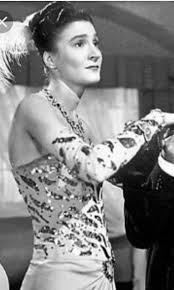
En 1946, Kauffman lanzó su carrera cinematográfica en la película de 1946, ‘Se acabaron las mujeres’, dirigida por Ramón Peón. Ella coprotagonizó la película mexicana de 1949, ‘El Rey del Barrio’, junto a Silvia Pinal y Tin-Tan. Kauffman también protagonizó o apareció en películas a lo largo de la Edad de Oro del cine mexicano, incluida la película de 1950, ‘También de Dolor se Canta’, protagonizada por Pedro Infante y películas junto a Adalberto Martínez.

Kauffman se casó tres veces, y cada matrimonio terminó en divorcio. Ella tuvo cuatro hijos y una hija durante sus tres matrimonios. Sus hijos mayores, el actor Humberto Elizondo y David, nacieron durante su primer matrimonio con el diplomático mexicano, Humberto Elizondo Alardine. Sus otros dos hijos de su segundo matrimonio, Moisés y Abraham, murieron en accidentes separados durante la década de 1980.

Kauffman se retiró de la actuación y la comedia cuando tenía 72 años. Explicó que se dio cuenta de que estaba cansada mientras esperaba subir al escenario para una actuación en la ciudad de Nueva York. Ella afirmó que decidió retirarse el mismo día que esa actuación particular de Nueva York. Kauffman también llegó a creer que el público ya no se reía de sus bromas como lo hicieron antes en su carrera.

Fannie Kauffman murió en la madrugada del 21 de febrero de 2009 por causas naturales en un hospital de la Ciudad de México a la edad de 84 años.

Kauffman había sido galardonada con el Golden Ariel 2008, el premio más alto en la industria cinematográfica mexicana, poco antes de su muerte. Fue galardonada con el Premio Ariel a título póstumo.

VIDA PERSONAL.

Le sobrevivieron tres de sus cinco hijos, incluido el actor mexicano, Humberto Elizondo.
Ella tuvo cuatro hijos y una hija durante sus tres matrimonios. Sus hijos mayores, el actor Humberto Elizondo y David, nacieron durante su primer matrimonio con el diplomático mexicano, Humberto Elizondo Alardine. Sus otros dos hijos de su segundo matrimonio, Moisés y Abraham, murieron en accidentes separados durante la década de 1980.

download (23)

FILMOGRAFIA SELECCIONADA.

Sinbad the Seasick (1950)
Oh, Darling! Look What You’ve Done! (1951)
The Viscount of Monte Cristo (1954)
Bluebeard (1955)
The Phantom of the Operetta (1960)
The Paper Man (1963)
Lola the Truck Driver (1983)
The Kidnapping of Lola (1986)

Untitled-design-27

logo-4 (1)

images (31)

FANNIE KAUFFMAN “VITOLA”, COMEDIANTE Y ACTRIZ. VIDEOS.

Fannie Kauffman, known by the stage name “Vitola” was born in Ontario, Canada on April 11, 1924, was a Canadian-born Cuban actress and comedian, with only a few months her parent moved to La Habana, Cuba where she resided until she was 22 years old.

She began her entertainment career in Cuba as a child singer at the age of 8 when she thought of becoming an opera singer. Kauffman’s parents entered her in a radio contest when she was eleven and a half years old. The contest was looking for a girl to appear on the daily children’s radio show, ‘La Escuelita’. Kauffman won the contest and began appearing on the radio with the Cuban comic team, ‘Agapito y Timoteo’. Kuaffman earned her lifelong nickname, Vitola, while working in Cuban radio. Her nickname is based on the vitola of Cuban cigars.

HER CAREER.

Kauffman transitioned to comedy and moved to Mexico in 1943, shortly before she turned 23 years old. In 2007, Kauffman told the newspaper, El Universal, that though she was raised in Cuba, she emphasized that, “Soy Mexicana” (I am Mexican), after more than 60 years of residing in the country.

download (22)

She made her Mexican debut at the Teatro Arbeu in Mexico City in 1943. Kauffman met Germán Valdés, who was better known as Tin-Tan while working at the Teatro Arbeu. Kauffman and Tin-Tan developed a close professional relationship which spanned both of their careers. The two often appearing opposite one another on screen and stage.

In 1946, Kauffman launched her film career in the 1946 movie, ‘Se acabaron las mujeres’, directed by Ramón Peón. She co-starred in the 1949 Mexican film, ‘El Rey del Barrio’, opposite Silvia Pinal and Tin-Tan. Kauffman also starred or appeared in films throughout the Golden Age of Mexican cinema, including the 1950 film, ‘También de Dolor se Canta’, starring Pedro Infante and films opposite Adalberto Martínez.

Kauffman married three times, with each marriage ending in divorce. She had four sons and a daughter during her three marriages. Her eldest sons, actor Humberto Elizondo and David, were born during her first marriage to Mexican diplomat, Humberto Elizondo Alardine. Her two other sons from her second marriage, Moisés, and Abraham, died in separate accidents during the 1980s.

download (19)

Kauffman retired from acting and comedy when she was 72 years old. She explained that she realized she was tired while waiting to go on stage for a performance in New York City. She claimed that she decided to retire on the same day as that particular New York performance. Kauffman also came to believe that audiences no longer laughed at her jokes as they once did earlier in her career.

Fannie Kauffman died in the early morning of February 21, 2009, of natural causes at a hospital in Mexico City at the age of 84.

Kauffman had been named a recipient of the 2008 Golden Ariel, the highest award in the Mexican film industry, shortly before her death. She was awarded the Ariel Award posthumously.

images (34)

PERSONAL LIFE.

She was survived by three of her five children, including Mexican actor, Humberto Elizondo.
She had four sons and a daughter during her three marriages. Her eldest sons, actor Humberto Elizondo and David, were born during her first marriage to Mexican diplomat, Humberto Elizondo Alardine. Her two other sons from her second marriage, Moisés, and Abraham, died in separate accidents during the 1980s.

(READ FANNIE KAUFFMAN FILMOGRAPHY IN THE SPANISH SECTION)

Agencies/ Wiki/ Various/ Internet Photos/ YouTube/ Arnoldo Varona/ www.TheCubanHistory.com
THE CUBAN HISTORY, HOLLYWOOD.

combinado_la_habana_playas_del_este_cayo_santa_maria_vara_playas_del_este_travelnet_cuba_01

logo-4 (1)

santiago_de_cuba_city_center_aerial_view_850x566