– LA CEIBA DEL TEMPLETE en La Habana, Continua Siendo una Deidad. PHOTOS.

5672-vuelta-ceiba

LA CEIBA DEL TEMPLETE, EN LA HABANA CONTINUA SIENDO UNA DEIDAD.

La Ceiba es considerada la casa de todos los santos. Es el árbol sagrado de la religión afrocubana, también de los mayas, de los aztecas y de los incas.

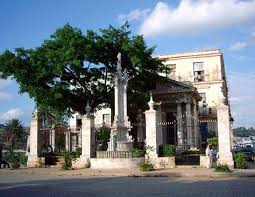
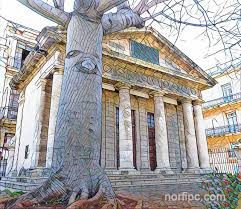
Bajo una ceiba, situada a los pies de El Templete — un singular espacio diminuto, de arquitectura neoclásica, donde según se cuenta se celebró el primer cabildo de la ciudad alredor de una planta de la misma especie el 16 de noviembre de 1519, y según la tradición, tambien se celebró la primera misa cuando en esa fecha, La Habana se asentó en ese lugar que ocupa desde entonces, se lleva a cabo una longeva tradicion popular, La Tres vueltas a la Ceiba.

LA HERENCIA DE LA CEIBA.

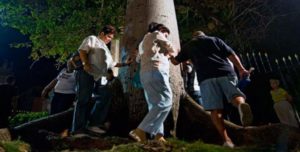
Como una herencia de siglos, cada 16 de Noviembre se dan cita alli los cubanos alrededor de la ceiba para dar tres vueltas en sentido contrario a las manecillas del reloj. La gente la acaricia una y otra vez, como si fuera una deidad. De todas partes de la capital, incluso de otras provincias, los cubanos continúan dando vida a una tradición tan antigua como la propia Villa. Algunos le echan quilos prietos, monedas, pero lo cierto es que hombres, mujeres y niños —silenciosos o no— dejan allí, a su resguardo, confidencias, deseos y aspiraciones.

Cuestiones de salud, ansias de casamiento o de viajes, y hasta solución de conflictos maritales u otros personales se le “piden” a este árbol de gran significación para algunas religiones, que en las de origen africano representa a Iroko*.
download (15)

LEYENDAS, CREENCIAS E HISTORIAS.

En siglos pasados algunos historiadores la consideraron “apócrifa”. Tal fue el caso del patriota villareño Antonio Miguel Alcover. Segun Alcover.. “los cubanos no debían reverenciar este supuesto árbol bajo cuya sombra “se habrían arrodillado, sin fe ni sentimientos nobles, algunos sátrapas de los que, como Tacón, Balmaceda y Weyler, pisaron y ensangrentaron nuestro suelo”.

Otros enfoques de la ceiba y el monumento de El Templete han existido. No obstante, el sabio etnólogo cubano Don Fernando Ortiz, según narra la literatura consultada, ofreció un giro radical en las creencias que se tenían hasta esos momentos.

En su opinión, contraviniendo a la tradición que prevalecía desde José Martín Félix de Arrate y Acosta (considerado como el primer historiador cubano), el simbolismo de la ceiba no era eminentemente religioso. “Creemos que la ceiba del Templete —afirmó categórico— fue el emblema de la municipalidad de la villa de la Habana y el más antiguo y permanente emblema de libertades ciudadanas que conservamos en Cuba”.

NUEVA CEIBA Y ANTIGUA TRADICION.

Desde entonces ha llovido mucho, más la tradición se mantiene, no solo por quienes practican alguna religión sino por todos aquellos que siembran sus esperanzas en que las tres vueltas, los deseos y el dinero depositado en sus raíces puedan dar resultados.

download (17)

Cada 16 de noviembre —fecha en que se fundó San Cristóbal de La Habana— el lugar es visitado por cientos de personas, que no siempre esperan la medianoche para realizar el ritual, y desde horas tempranas del día hacen sus ruegos con el propósito de evitar las aglomeraciones y las largas colas.

Pero apenas hace unos años una brigada de la empresa constructora Puerto Carenas, de la Oficina del Historiador de la Ciudad retiró en la mañana del martes 9 de febrero la ceiba que ya llevaba 56 años en el sitio, debido a su marcado deterioro por los estragos del comején.

Según se cuenta, la primera de estas ceibas murió a mediados del siglo XVIII, y a partir de entonces tales ejemplares han sido reemplazados varias veces desde que el gobernador el capitán Francisco Cagigal de la Vega (ortodoxo y profanador de monumentos históricos) mandara a cortar la primigenia.
download (16)

Hoy en El Templete, la ceiba todavía no muy frondosa por su “juventud”, vive la sembrada apenas unos años — luego de haber sido desenterrada la anterior—, continuará siendo sin dudas todo un ícono de la ciudad maravilla, a la cual le han cantado los más inspirados poetas y compositores.

Ahí están las ‘Sábanas Blancas’ de Gerardo Alfonso, un genuino canto a esta ciudad, que tampoco dejó a un lado el árbol mítico: “Habana, mi gran habana/Costumbre de darle una vuelta a la ceiba de noche/Y fiestas en casas de barrios modernos y pobres/de gente noble…”

El Templete y la herencia popular de los deseos a la ceiba original ya cumplieron 500 años, ambos son uno de los monumentos más visitados por cubanos y extranjeros. Parece que así ha sido siempre.

Untitled-design-27

logo-4 (1)

2334-vuelta-ceiba

LA CEIBA DEL TEMPLETE, IN HAVANA CONTINUES TO BE AN INHERITED DEITY.

La Ceiba is considered the house of all saints. It is the sacred tree of the Afro-Cuban religion, also of the Mayas, the Aztecs and the Incas.

Under a kapok tree, located at the foot of El Templete — a singular tiny space, of neoclassical architecture, where according to the accounts the first city council around a plant of the same species was held on November 16, 1519, according to tradition The first mass was also celebrated there when, on that date, Havana settled in the place it has held since then a long-standing popular tradition is carried out, La Tres Vuelta a la Ceiba..

THE HERITAGE OF LA CEIBA.

As a legacy of centuries, every November 16 Cubans gather around the ceiba to make three turns in a counterclockwise direction. People caress her over and over again as if she were a deity. From all over the capital, even from other provinces, Cubans continue to give life to a tradition as old as Villa itself. Some throw tight kilos, coins, but the truth is that men, women, and children – silent or not – leave confidences, desires, and aspirations there.

Health issues, longing for marriage or travel, and even the resolution of marital or other personal conflicts are “asked” from this tree of great significance for some religions, which in those of African origin represent Iroko *.
5672-vuelta-ceiba

LEGENDS, BELIEFS, AND STORIES.

In past centuries some historians considered it “apocryphal”. Such was the case of the Villarian patriot Antonio Miguel Alcover. According to Alcover … “the Cubans should not revere this supposed tree under whose shadow” some satraps would have knelt, without faith or noble feelings, of whom, like Tacón, Balmaceda and Weyler, stepped on and bloodied our soil. ”

Other approaches to the ceiba and the El Templete monument have existed. However, the wise Cuban ethnologist Don Fernando Ortiz, according to the literature consulted, offered a radical turn in the beliefs that were held until then.

In his opinion, contrary to the tradition that prevailed since José Martín Félix de Arrate y Acosta (considered as the first Cuban historian), the symbolism of the ceiba tree was not eminently religious. “We believe that the Ceiba del Templete,” he stated categorically, “was the emblem of the municipality of the town of Havana and the oldest and most permanent emblem of civil liberties that we preserve in Cuba.”

NEW CEIBA AND ANCIENT TRADITION.

Since then it has rained a lot, but the tradition continues, not only for those who practice any religion but for all those who sow their hopes that the three turns, the wishes and the money deposited in their roots can give results.

Every November 16 – the date on which San Cristóbal de La Habana was founded – the place is visited by hundreds of people, who do not always wait for midnight to perform the ritual, and from early hours of the day make their prayers in order to avoid crowds and long lines.

images (30)

But just a few years ago, a brigade from the construction company Puerto Carenas, from the City Historian’s Office, withdrew on the morning of Tuesday, February 9, the ceiba tree that had already been on the site for 56 years, due to its marked deterioration due to the devastation of termite.

According to accounts, the first of these ceiba trees died in the mid-eighteenth century, and since then such specimens have been replaced several times since the Governor, Captain Francisco Cagigal de la Vega (Orthodox and desecrator of historical monuments) ordered to cut the primeval.

Today in El Templete, the ceiba tree still not very leafy due to its “youth”, lives the planted just a few years – after the previous one was unearthed -, it will undoubtedly continue to be an icon of the wonder city, which has been sung by the most inspired poets and composers.

There are the ‘White Sheets’ by Gerardo Alfonso, a genuine song to this city, which did not leave aside the mythical tree either: “Havana, my great Havana / Custom of giving a tour of the ceiba tree at night / And house parties of modern and poor neighborhoods / of noble people … ”

The Templete and the popular inheritance of the wishes to the original ceiba have already completed 500 years, both are one of the most visited monuments by Cubans and foreigners. It seems that it has always been so.

Agencies/ RHC/ Alina M. Lotti /Ciro Bianchi/ Maria Calvo/ Internet Photos/ Arnoldo Varona/ www.TheCubanHistory.com
THE CUBAN HISTORY, HOLLYWOOD.
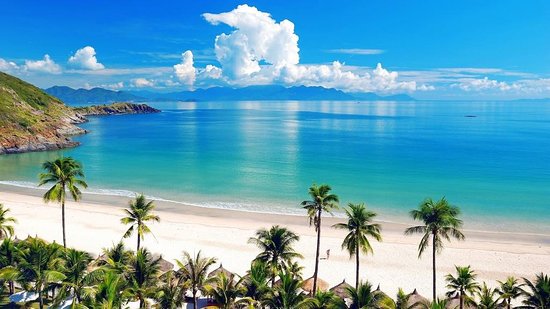
varadero-beach

logo-4 (1)

1563460057_592808_1563460424_noticia_normal

– COMO LOS CUBANOS podrán Comprar en las Tiendas solo de Dolares comenzando Julio 20.

images (29)

COMO LOS CUBANOS PODRAN COMPRAR EN LAS TIENDAS SOLO DE DOLARES COMENZANDO JULIO 20.

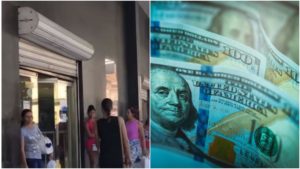
Te decimos cómo comprar en las nuevas tiendas en dólares en Cuba, que tipo de tarjetas necesitas y cuáles son las internacionales autorizadas a operar en el país. Con las nuevas medidas anunciadas todos nos estamos preguntando cómo comprar en las nuevas tientas en dólares en Cuba que abrieron este lunes 20 de julio.

No. 1 – La apertura de las nuevas tiendas en MLC se realizó para que el país recaudara divisas al mismo tiempo que proveía al pueblo de productos de primera necesidad, según argumentaron las autoridades cubanas.

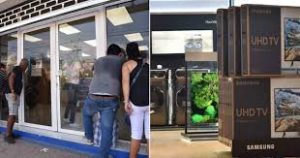
Durante la primera etapa en el mes de julio solo abrirán las tiendas de venta en dólares de alimentos y aseo personal, pero a partir del mes de agosto se prevé la apertura de otras, destinadas a la venta de calzado, ropa, muebles y útiles del hogar.

images (28)

No. 2- Para comprar en las nuevas tiendas en dólares que abrieron este lunes 20 de julio en Cuba es necesario contar con una tarjeta magnética MLC emitida por un banco cubano ya sea BPA, BANDEC o BANMET específica para este propósito.

De igual forma se podrá comprar con las tarjetas AIS-USD emitidas por FINCIMEX, así como otras tarjetas internacionales que se puedan usar en Cuba.

Por el momento, esta es la única vía por la que se puede comprar productos en las tiendas en dólares en Cuba debido a que no se aceptará efectivo en ningún caso.

Además de presentar la tarjeta magnética para realizar la compra, el cliente también deberá presentar su carnet de identidad.

No.3- En cuanto a las Tarjetas internacionales que se podrán usar para comprar en las tiendas en dólares en Cuba hay que tener en cuenta que no estén emitidas por ningún banco de Estados Unidos o alguna de sus sucursales en terceros países.

En este sentido se aceptarán pagos con tarjetas autorizadas a operar dentro del país como la VISA y MASTERCARD, siempre y cuando cumplan con el requisito descrito.

Cuba-e1556040683458-2500x1406

logo-4 (1)

download (14)

HOW CUBANS CAN BUY IN THE “SHOPPINGS” STORES ONLY IN DOLLARS STARTING JULY 20.

We tell you how to buy in the new dollar stores in Cuba, what type of cards you need and which are the international cards authorized to operate in the country. With the new measures announced, we are all wondering how to buy in the new dollar stores in Cuba that opened this Monday, July 20.

No. 1 – The opening of the new stores in MLC was carried out so that the country could collect foreign currency at the same time that it provided the people with basic necessities, according to the Cuban authorities.

During the first stage in July, only the stores selling dollars for food and personal hygiene will open, but from the month of August, the opening of others, intended for the sale of footwear, clothing, furniture and supplies from the home.

No. 2- To buy in the new dollar stores that opened this Monday, July 20 in Cuba, it is necessary to have an MLC magnetic card issued by a Cuban bank, either BPA, BANDEC or BANMET, specifically for this purpose.

Likewise, it can be purchased with AIS-USD cards issued by FINCIMEX, as well as other international cards that can be used in Cuba.

At the moment, this is the only way through which you can buy products in dollar stores in Cuba since cash will not be accepted in any case.

In addition to presenting the magnetic card to make the purchase, the client must also present their identity card.

unnamed (5)

No.3- Regarding international Cards that can be used to buy in dollar stores in Cuba, it must be taken into account that they are not issued by any United States bank or any of its branches in third countries.

In this sense, payments will be accepted with cards authorized to operate within the country such as VISA and MASTERCARD, as long as they comply with the described requirement.

Agencies/ deCUba/ Internet Photos/ Arnoldo Varona/ www.TheCubanHistory.com
THE CUBAN HISTORY, HOLLYWOOD.

Havana-Cuba-Capitolio-Teatro-Garcia-Lorca-Alicia-Alonso-oilm0vn3f2xajj7s56hzs7wjsjznap01zu0a7eofu0

logo-4 (1)

Santiago_de_Cuba_Banner

– OPINIÓN) APLICAN en Cuba Nuevas Políticas Economicas.

imagenes-de-karl-marx-friedrich-engels-vladimir-lenin-y-jose-marti-en-la-llamada-plaza-de-la-revolucion

(OPINION) APLICAN EN CUBA ‘NUEVAS POLITICAS’ ECONOMICAS.

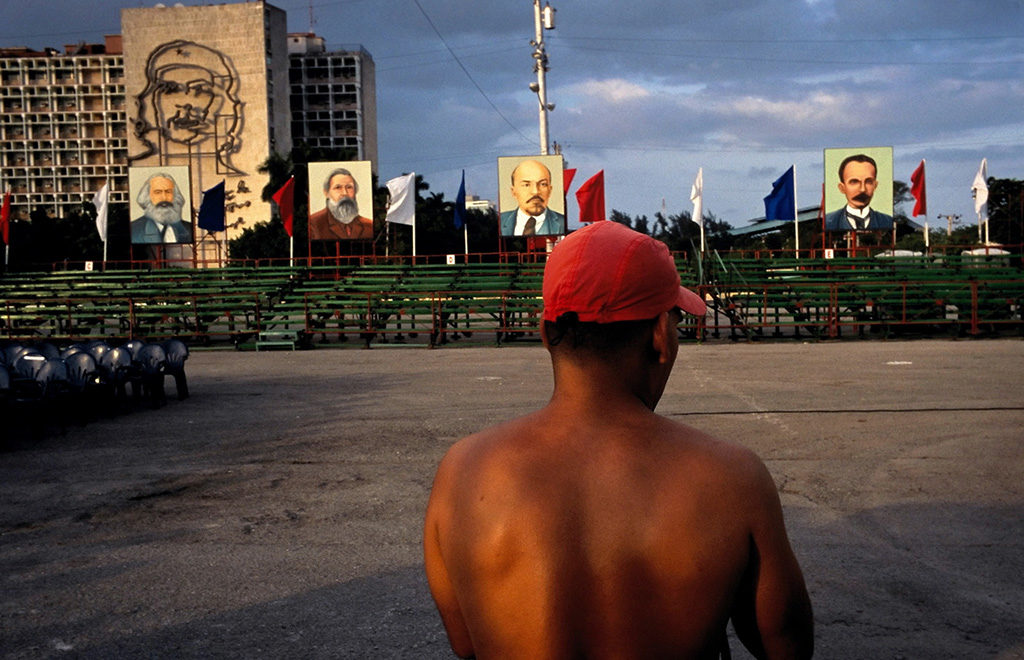
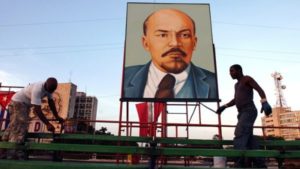
En 1921 Vladimir I. Lenin en la Unión Sovietica, después de revolución, la guerra civil y la hambruna impuso un programa urgente en la Economia Sovietica llamada ‘La Nueva Política Económica (NEP)’ (en ruso, Новая экономическая политика, НЭП, Nóvaya Ekonomícheskaya Polítika) a la que denominó «capitalismo de Estado» que permitia el establecimiento de empresas privadas, la NEP permitió que pequeñas empresas (ganaderas o tabacaleras, entre otras) volvieran a abrir para el beneficio privado, mientras que el Estado seguía controlando el comercio exterior, los bancos y las grandes industrias.​

La NEP permitio lugar de recuperar todos los bienes producidos, Esto dejó a los campesinos con un superávit comercial que podría ser vendido en privado​. Esto permitió a los campesinos arrendar y contratar trabajadores y además se les permitió mantener un excedente de producción después de pagar una determinada proporción de sus impuestos al gobierno.

Esta fue una decisión impuesta por las circunstancias, un «repliegue estratégico» en la construcción del socialismo que fue justificado por el atraso económico de Rusia entonces.

unnamed (1)

UNA COPIA DE LA NUEVA NEP EN CUBA.

Los efectos de la pandemia de coronavirus, que ha agravado dramáticamente la profunda crisis que atraviesa la isla debido a la ineficiencia del sistema productivo estatal y el recrudecimiento del embargo por la Administración del presidente Donald Trump, han obligado al Gobierno cubano a reaccionar con un plan de reformas estructurales que amplía considerablemente los márgenes de acción del sector privado, junto a una serie de medidas de urgencia, como la eliminación del gravamen al dólar, con el objetivo de aliviar la extrema falta de liquidez.

En medio de un desabastecimiento brutal, con el turismo descalabrado y la certidumbre de que el año próximo el país dispondrá de muy poco dinero para importar, La Habana por fin parece marchar en la dirección de abrir su economía y liberar unas fuerzas productivas hasta ahora sometidas al rígido corsé estatal y a la burocracia.

“No podemos seguir haciendo lo mismo en el ámbito de la economía, porque de esa manera no se obtienen los resultados que necesitamos”, dijo el presidente cubano, Miguel Díaz-Canel, al presentar el nuevo plan.

El programa da un importante espaldarazo a la iniciativa privada; nunca se había llegado tan lejos en los objetivos propuestos, al menos en las palabras. Se promete reconocer y dar personalidad jurídica a las pequeñas y medianas empresas privadas, superando el restringido marco del cuentapropismo —autorizado durante otra crisis, la del periodo especial de los años noventa, pero con muchas limitaciones—. Las pymes podrán hacer negocios y asociaciones tanto con empresas públicas como extranjeras, y tendrán capacidad legal para importar y exportar.

Sector Privado en Cuba.

Sector Privado en Cuba.

Se crearán mercados mayoristas para abastecer a estos actores económicos, una vieja demanda del sector privado, y se pondrá fin al “experimento” realizado con las cooperativas no agropecuarias, apostando ahora por impulsarlas de verdad. Además, se anuncia una mayor flexibilidad y ampliación del trabajo por cuenta propia, un sector en el que trabajan ya 600.000 cubanos, el 13% de la población empleada en la isla. Junto al llamado “redimensionamiento del sector no estatal”, que se ampliará y absorberá parte de la fuerza laboral sobrante de la economía estatal, el Gobierno cubano dará mayores márgenes de autonomía a la empresa socialista y a los Gobiernos locales para que funcionen de acuerdo al mundo real, algo vital si se pretende que la economía remonte.

Ante la situación crítica del desabastecimiento de víveres, la producción de alimentos se convierte en una tarea de seguridad nacional y para ello se pondrá en marcha un plan específico para incentivarla. Demostrado está que por los excesivos controles, el régimen de propiedad, la política de precios y las numerosas trabas, el sector agrícola cubano siempre ha funcionado mal; para reactivar hoy la producción, harán falta créditos, facilidades de todo tipo y obligatoriamente descentralizar su comercialización, y en algún momento tendrá que acabarse el sistema monopólico de acopio estatal que durante décadas ha demostrado su ineficiencia, al punto que hoy el país dedica 2.300 millones de dólares anuales a importar alimentos que podrían producirse en la isla. Además de estas reformas estructurales —que, de aplicarse con coherencia y la urgencia que el país necesita, producirían un cambio sustancial en el modelo económico cubano—, se toman otras medidas de urgencia para paliar la asfixiante falta de liquidez en moneda dura.

Estas son la eliminación del 10% de gravamen con el que hasta ahora estaba penalizado el dólar, y la apertura de mercados de alimentos y diversos artículos de primera necesidad en los que solo podrá pagarse en divisas. La supresión del gravamen, vigente desde 2004, comenzarará este lunes y pretende incentivar la compra de bienes en los establecimientos comerciales en los que solo puede pagarse en moneda libremente convertible (MLC).

J4S6VOHC2BDCZMWNB4QJ5MW7JQ

RECAUDAR DIVISAS ($).

Se trata de recaudar la mayor cantidad de divisas en momentos en que Cuba ha visto reducirse drásticamente sus fuentes de ingresos, sobre todo por el golpe al turismo y la sensible reducción de los envíos de remesas de los emigrados debido a las agresivas políticas de la Administración de Trump. Este lunes abrirán en el país 72 nuevas tiendas de alimentos y artículos de primera necesidad en MLC, que se suman a otras de electrodomésticos abiertas antes en las que solo puede pagarse con tarjetas magnéticas asociadas a cuentas bancarias respaldadas con divisas.

tiendas-cuba-dolares

Las reformas que afectan al sector privado, sobre todo en lo que se refiere a las pymes y cooperativas, eran reclamadas desde hace tiempo por numerosos economistas como imprescindibles para reactivar la productividad y evitar el colapso. En este sentido, la mayoría de los expertos consultados consideran las medidas positivas, aunque alertan: antes se adoptaron otras reformas en la buena dirección, pero se implementaron tan lentamente que no tuvieron el efecto deseado. Implementación y ritmo son dos palabras clave. Se pone como ejemplo la decisión de permitir importar a pymes, cooperativas y cuentapropistas, un importante paso de avance. Pero estas importaciones han de hacerse con la intermediación de una empresa estatal. Si esa empresa funciona mal y con largos trámites burocráticos, como ha ocurrido hasta ahora en el sector estatal, el resultado positivo puede esfumarse.

La urgencia del momento obliga, dicen, a actuar sin miedo y cuanto antes. Según el economista e investigador Juan Triana, lograr “la coherencia imprescindible y la consistencia en su aplicación es el verdadero reto. Tiene costos y hay que estar dispuestos a asumirlos. El ritmo y la secuencia son decisivos la mayoría de las veces”. De cualquier modo, dice, “bienvenidas las medidas más allá de que la actual crisis ha servido de detonante: seguir posponiendo los cambios necesarios era inmanejable”.

download (12)

EL GATO CAZA RATONES.

Según el Economista Omar Everleny “Veo pragmatismo: en el mismo espacio televisivo en el que se anunció la eliminación del gravamen al dólar, semanas antes se había dicho que no se podía eliminar en medio del recrudecimiento del bloqueo norteamericano”. Otro destacado economista cubano que reside en el exterior, Julio Carranza, señalaba: “Las medidas presentadas no son las únicas necesarias, se supone que el proceso de reforma continúa, pero lo decidido es un importante paso en la dirección correcta”. Ninguno de los dos es sospechoso de oficialismo.

Tampoco lo es un destacado emprendedor privado cubano, crítico con los ritmos gubernamentales, que indicó: “Sin llegar a Deng Xiaoping, que dijo aquello de que no importaba si el gato era blanco o negro, lo importante era que cazara ratones, lo relevante aquí es que por fin se reconoce que el gato (el sector privado) caza ratones”.

combinado_la_habana_playas_del_este_cayo_santa_maria_vara_playas_del_este_travelnet_cuba_01

logo-4 (1)

dos_obreros_trabajan_junto_a_un_cuadro_con_la_imagen_de_leninx_el_jueves_30_de_noviembrex_en_la_plaza_de_la_revolucixn_de_la_habana_-_efe.jpg_1718483347

(OPINION) APPLYING IN CUBA ‘NEW ECONOMIC POLICIES’.

In 1921 Vladimir I. Lenin in the Soviet Union, after the revolution, civil war and famine imposed an urgent program in the Soviet Economy called ‘The New Economic Policy (NEP)’ (in Russian, Новая экономическая политика, НЭП, Nóvaya Ekikaí ) which was called “state capitalism” that allowed the establishment of private companies, the NEP allowed small companies (cattle or tobacco companies, among others) to reopen for private benefit, while the State continued to control foreign trade, banks, and big industries.

The (NEP) allowed instead of recovering all the goods produced, This left the farmers with a trade surplus that could be sold privately. This allowed farmers to lease and hire workers, and they were also allowed to maintain a surplus of production after paying a certain proportion of their taxes to the government.

This was a decision imposed by circumstances, a “strategic withdrawal” in the construction of socialism was justified by the economic backwardness of Russia at the time.

images (24)

CUBA IN A COPY OF A NEW (NEP).

The effects of the coronavirus pandemic, which has dramatically aggravated the deep crisis that the island is undergoing due to the inefficiency of the state productive system and the escalation of the embargo by the Administration of President Donald Trump, have forced the Cuban Government to react with a plan structural reforms that considerably widen the margins of action of the private sector, together with a series of emergency measures, such as the elimination of the tax on the dollar, with the aim of alleviating the extreme lack of liquidity.

In the midst of a brutal shortage, with broken tourism and the certainty that next year the country will have very little money to import, Havana finally seems to be heading in the direction of opening its economy and releasing hitherto subject productive forces. the rigid state corset and the bureaucracy.

“We cannot continue doing the same in the field of the economy, because in that way the results we need are not obtained,” said Cuban President Miguel Díaz-Canel, when presenting the new plan.

The program gives an important boost to private initiative; Never before has the goal been reached, at least in words. It promises to recognize and give legal personality to small and medium-sized private companies, overcoming the restricted framework of self-employment – authorized during another crisis, that of the special period of the 1990s, but with many limitations. SMEs will be able to do business and associations with both public and foreign companies and will have the legal capacity to import and export.

download (10)

Wholesale markets will be created to supply these economic actors, an old demand from the private sector, and the “experiment” carried out with non-agricultural cooperatives will end, now betting on really promoting them. In addition, greater flexibility and expansion of self-employment are announced, a sector in which 600,000 Cubans already work, 13% of the population employed on the island. Along with the so-called “resizing of the non-state sector”, which will expand and absorb part of the surplus labor force of the state economy, the Cuban Government will give greater margins of autonomy to the socialist company and to local governments so that they work according to the world real, something vital if the economy is to rise.

Given the critical situation of food shortages, food production becomes a national security task and a specific plan will be put in place to incentivize it. It has been demonstrated that due to excessive controls, the property regime, the price policy, and the numerous obstacles, the Cuban agricultural sector has always malfunctioned; to reactivate production today, credits, facilities of all kinds will be required and its commercialization must be decentralized, and at some point, the monopoly state collection system will have to end, which for decades has shown its inefficiency, to the point that today the country dedicates 2,300 million dollars annually to import food that could be produced on the island. In addition to these structural reforms – which, if applied consistently and the urgency the country needs, would produce a substantial change in the Cuban economic model – other urgent measures are taken to alleviate the suffocating lack of liquidity in hard currency.

ET1Uuk-WsAI6U1u

These are the elimination of the 10% tax with which until now the dollar was penalized, and the opening of food markets and various essential items in which it can only be paid in foreign currency. The suppression of the tax, in force since 2004, will begin this Monday and aims to encourage the purchase of goods in commercial establishments where it can only be paid in freely convertible currency (MLC).

RAISING CURRENCIES ($).

It is about raising the largest amount of foreign currency at a time when Cuba has seen its sources of income drastically decrease, especially due to the blow to tourism and the significant reduction in remittances sent by migrants due to the Administration’s aggressive policies Trump. This Monday, 72 new food and basic necessities stores will open in the country in MLC, in addition to others of previously opened appliances, in which you can only pay with magnetic cards associated with bank accounts backed by currencies.

Reforms affecting the private sector, especially as regards SMEs and cooperatives, have long been claimed by many economists as essential to revive productivity and prevent collapse. In this sense, most of the experts consulted to consider the positive measures, although they warn: before, other reforms were adopted in the right direction, but they were implemented so slowly that they did not have the desired effect. Implementation and rhythm are two keywords. The decision to import SMEs, cooperatives and self-employed workers is given as an example, an important step forward. But these imports must be made with the intermediation of a state company. If that company malfunctions and with long bureaucratic procedures, as has happened so far in the state sector, the positive result may fade.

The urgency of the moment forces, they say, to act without fear and as soon as possible. According to the economist and researcher Juan Triana, achieving “the essential coherence and consistency in its application is the real challenge. It has costs and you have to be willing to bear them. The rhythm and the sequence are decisive most of the time ”. In any case, he says, “welcome the measures beyond which the current crisis has served as a trigger: continuing to postpone the necessary changes was unmanageable.”

THE CAT HUNTS MICE.

According to Economist Omar Everleny, “I see pragmatism: in the same television space in which the elimination of the tax on the dollar was announced, weeks before it had been said that it could not be eliminated in the midst of the intensification of the North American blockade.” Another prominent Cuban economist residing abroad, Julio Carranza, pointed out: “The measures presented are not the only ones necessary, the reform process is supposed to continue, but what has been decided is an important step in the right direction.” Neither of them is suspected of being an official.

Neither is a prominent Cuban private entrepreneur, critical of government rhythms, who indicated: “Without reaching Deng Xiaoping, who said that it did not matter if the cat was black or white, the important thing was that he hunts mice, what is relevant here is that it is finally recognized that the cat (the private sector) hunts mice ”.

Agencies/ El Pais, España/ Mauricio Vicent/ Wiki/ Arnoldo Varona/ Extractos/ Excerpts/ Internet Photos/ www.TheCubanHistory.com
THE CUBAN HISTORY, HOLLYWOOD.

santiago-de-cuba2 (1)

logo-4 (1)

1456783_w-1920_h-365_q-70_m-crop