


ORLANDO CONTRERAS, “LA VOZ ROMANTICA DE CUBA”, UN ESTELAR CANTANTE CUBANO. RECORDADO SIEMPRE. PHOTOS.
Orlando González Soto, más conocido como Orlando Contreras, nació en Cuba en el año 1930 y murió en la ciudad de Medellín el 9 de Febrero de 1994 a la edad de sesenta y cuatro años.
Su carrera comenzó en el año de 1944, a pesar de su corta edad, cantando música popular en el Conjunto “Kalamazoo”. Contreras cantaba sones y guarachas, pero su fuerte desde el principio fue el bolero, hasta el punto de hacerlo merecedor de los apelativos “La Voz Romántica de Cuba” y “El jefe del despecho”.
Cuando tenía veinte años cantó con el Trio de Atry Valdés y a los veintidós se vinculó a la Orquesta Típica Cubana de Neno González. Durante el mismo período integró también El Conjunto Casino del maestro Roberto Espi, en La Habana y después con el conjunto Musicuba. Su estilo particular comenzó a imponerse cuando grabó sus primeros éxitos: “La Serpiente”, “Amigo de Qué” y “Vendo unos Ojos Negros”.
Contreras comenzó su carrera como solista en 1957 realizando presentaciones en grandes festivales bailables y programas en Radio Progreso y en diferentes lugares de La Habana y de toda Cuba. Alternó con muchos músicos y cantantes, entre los que se cuentan Benny Moré, Orlando Vallejo, Fernando Álvarez y muchos de los cantantes de La Sonora Matancera, con la que curiosamente, y a pesar de ese contacto, no llegó a grabar.
En 1961, a los 31 años de edad, sus grabaciones lo habían ubicado en los primeros lugares de sintonía, y sus canciones ya se conocían en España y Latinoamérica. En 1965 Contreras decidió exiliarse en Miami, por lo que partió de Cuba en una de las tantas balsas en las que se han aventurado miles de cubanos desde 1960 con el propósito de llegar a territorio norteamericano.
Luego de alcanzar el objetivo que muchos no han logrado en esa arriesgada aventura, empezó a presentarse en la ciudad de Miami, donde compartió escenarios con figuras como Toña La Negra, Celia Cruz y La India de Oriente.
En 1967, Contreras se embarcó en un crucero turístico en un viaje de placer que se extendió por cuatro años. El gran bolerista cubano llegó a Medellín en los inicios de los años setenta, ciudad en la que se radicaría definitivamente hasta su muerte en 1994. Entre la gran cantidad de éxitos que le hicieron famoso en Latinoamérica mencionamos algunos como: “Amigo de qué”, “Sin Egoísmo”, “Será tu condena”, “En un beso la vida”, “Mi corazonada”, “Por borracha”, “Por un puñado de oro”, “Yo estoy desengañado”, “Mi copa está vacía”, “Dolor de hombre”, “Amarga decepción” y “Arráncame la vida”.
Visitó muchas ciudades de Colombia y países latinoamericanos antes de morir de un cáncer pulmonar (aunque existen otras versiones sobre su deceso,haciéndose énfasis de que su fallecimiento se debió a un envenenamiento tejiéndose una serie de conjeturas relacionadas con cuestiones sentimentales y de herencia, que aunque nunca quedaron muy claras por lo engorroso de los hechos que envolvieron tan nefasta circunstancia, jamas se esclarecieron ni fueron objeto de una exhaustiva investigación por parte de las autoridades competentes). Este gran cantante cubano fue acogido en Colombia como su hijo y especialmente en la Ciudad de las Flores, donde siempre será recordado y apreciado.
CARRERA
Entre sus éxitos que le dieron fama en Cuba y América Latina se encuentran: En un beso la vida, Sin egoísmo, Difícil, Amarga decepción, Por borracha, Por un puñado de oro, Dónde tu iras, Mi corazón, Muerto en vida, Dolor de hombre, Que murmuren, Un amigo mío, Amigo de que, Yo estoy desengañado, Arráncame la vida, Egoísmo, Esta tu canción, Se muy bien que vendrás y Corazón de Madera.
MUERTE
Contreras murio en Medellin, Colombia, de cancer de Pulmon.
ditar]

ORLANDO CONTRERAS, “THE ROMANTIC VOICE OF CUBA,” A STAR CUBAN SINGER. FOREVER REMEMBERED. PHOTOS.
Orlando González Soto, better known as Orlando Contreras, was born in Cuba in 1930 and died in Medellín on Febrero 9, 1994.
Despite his young age, his career began in 1944, singing popular music in the “Kalamazoo” Ensemble. Contreras sang sones and guarachas, but his strength from the beginning was the bolero, earning him the nicknames “The Romantic Voice of Cuba” and “The Boss of Spite.”
When he was twenty, he sang with the Atry Valdés Trio, and at twenty-two, he joined Neno González’s Cuban Typical Orchestra. During the same period, he also joined maestro Roberto Espi’s Conjunto Casino in Havana and later with the group Musicuba. His distinctive style began to establish itself when he recorded his first hits: “La Serpiente,” “Amigo de Qué,” and “Vendo unos Ojos Negros.”
Contreras began his solo career in 1957, performing at major dance festivals and programs on Radio Progreso and in various venues in Havana and throughout Cuba. He performed with many musicians and singers, including Benny Moré, Orlando Vallejo, Fernando Álvarez, and many of the singers from La Sonora Matancera, with whom, curiously, despite this contact, he never recorded.
By 1961, at the age of 31, his recordings had placed him at the top of the charts, and his songs were already known in Spain and Latin America. In 1965, Contreras decided to go into exile in Miami, leaving Cuba on one of the many rafts thousands of Cubans have embarked on since 1960, hoping to reach the United States.
After achieving the goal that many have failed to achieve in this risky adventure, he began performing in Miami, where he shared stages with artists such as Toña La Negra, Celia Cruz, and La India de Oriente.
In 1967, Contreras embarked on a tourist cruise on a pleasure trip that lasted four years. The great Cuban bolero singer arrived in Medellín in the early 1970s, a city where he would settle permanently until his death in 1994. Among the many hits that made him famous in Latin America, we mention some such as: “Amigo de qué” (Friend of What), “Sin Egoísmo” (Without Egoism), “Será tu condena” (It Will Be Your Sentence), “En un beso la vida” (Life in a Kiss), “Mi corazonada” (My Heart), “Por borracha” (Drunk), “Por un cuñada” (For a Handful of Gold), “Yo estoy desengñado” (I Am Disillusioned), “Mi copa está vacío” (My Cup Is Empty), “Dolor de hombre” (Man’s Pain), “Amarga decepcion” (Bitter Disappointment), and “Arráncame la vida” (Tear My Life Out).
He visited many cities in Colombia and Latin American countries before dying of lung cancer (although there are other versions of his death, emphasizing that his death was due to poisoning, giving rise to a series of conjectures related to sentimental and inheritance issues, which, although never completely clear due to the complexities of the events surrounding such a dire circumstance, were never clarified nor were they the subject of an exhaustive investigation by the competent authorities). This great Cuban singer was welcomed in Colombia as a son and especially in the City of Flowers, where he will always be remembered.

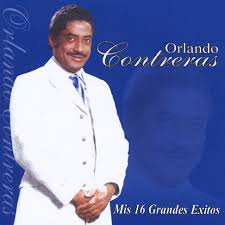
Agencies/ Wiki/ BlogdeBoleros/ catrashoo/ Extractos/ Excerpts/ Internet Photos/ Arnoldo Varona.
www.TheCubanHistory.com
THE CUBAN HISTORY, HOLLYWOOD.
