Cameron Michelle Diaz nació el 30 de agosto de 1972 en San Diego del padre cubano Emilio Díaz y la estadounidense Bellie Early. Es una actriz, escritora y ex modelo cubana estadounidense retirada. Ella ha aparecido con frecuencia en comedias a lo largo de su carrera, al tiempo que obtuvo reconocimiento crítico en películas dramáticas.
Sus galardones incluyen cuatro nominaciones al Golden Globe Award, tres nominaciones al Screen Actors Guild Award y un New York Film Critics Award. En 2013, fue nombrada la actriz mejor pagada de más de 40 años en Hollywood.
A partir de 2018, los ingresos brutos de taquilla doméstica de las películas de Díaz en los EE. UU. Suman más de $ 3 mil millones de dólares, con ingresos brutos mundiales que superan los $ 7 mil millones, convirtiéndola en la quinta actriz de taquilla nacional de mayor recaudación en los Estados Unidos.
Ahora se considera una pareja muy feliz con su esposo Benji Madden.
Cameron Díaz alcanzó un nivel de éxito en Hollywood con el que la mayoría de la gente solo puede soñar. Durante dos décadas, fue una de las actrices mejor pagadas de la industria, protagonizando éxitos como ‘Charlie’s Angels’ y ‘The Holiday’. Ahora, ella vive una vida discreta en Beverly Hills con su esposo Benji Madden.
https://youtu.be/VKtx0feUihE
Desde su último concierto, Annie de 2014, la ex estrella, de 46 años, ha estado “muy feliz de estar lejos de actuar”, una fuente nos revela exclusivamente a nosotros, señalando que Díaz ha estado “muy satisfecha en su vida” con el rockero Good Charlotte, 40. Cocinar se ha convertido en una pasión, y “siempre tiene nuevas recetas y le encanta compartir comida con las personas que la rodean”.
Díaz y Madden, que se casaron en 2015, disfrutan de la vida fuera del centro de atención. “Ella siente que pasó tantos años trabajando en un horario agotador”, dice la fuente, “solo quiere tener un ritmo lento y una rutina normal ahora. Ella ama esta vez en su vida “.
Cameron Michelle Diaz was born August 30, 1972, in San Diego from Cuban father Emilio Diaz and american Bellie Early. She is a retired Cuban American actress, writer, and former model. She has frequently appeared in comedies throughout her career, while also earning critical recognition in dramatic films.
Her accolades include four Golden Globe Award nominations, three Screen Actors Guild Award nominations, and a New York Film Critics Award. In 2013, she was named the highest-paid actress over 40 in Hollywood.
As of 2018, the U.S. domestic box office grosses of Diaz’s films total over $3 billion USD, with worldwide grosses surpassing $7 billion, making her the fifth highest-grossing U.S. domestic box office actress.
Now she considers a very happy couple with husband Benji Madden.
Cameron Diaz reached a level of success in Hollywood most people can only dream of. For two decades, she was one of the industry’s highest-paid actresses, starring in hits like ‘Charlie’s Angels’ and ‘The Holiday’. Now, she lives a low-key life in Beverly Hills with husband Benji Madden.
Since her last gig — 2014’s Annie — the former star, 46, has been “very happy being away from acting,” a source exclusively reveals to Us, noting that Diaz has been “very fulfilled in her life” with the Good Charlotte rocker, 40. Cooking has become a passion, and “she’s always coming up with new recipes and loves sharing food with the people around her.”
Diaz and Madden, who wed in 2015, are enjoying life out of the spotlight. “She feels she spent so many years working a grueling schedule,” says the source, “she just wants to have a slow pace and normal routine now. She’s loving this time in her life.”
Agencies/ Wiki/ US Weekly/ Paulina Jayne Isaac/ Internet Photos/ Excerpts/ Extractos/ Arnoldo Varona/ YouTube/ Arnoldo Varona/ www.TheCubanHistory.com
THE CUBAN HISTORY, HOLLYWOOD.
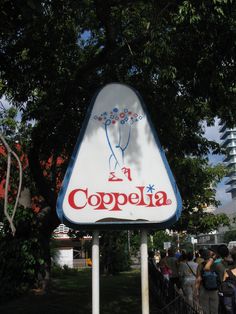
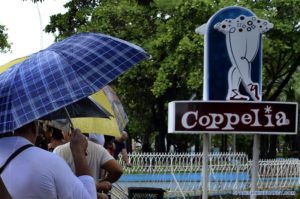
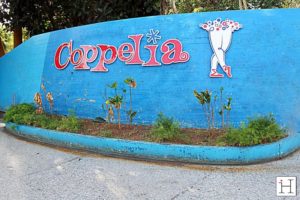
Símbolo de la ciudad y punto de reunión de muchos, Coppelia, la gigantesca heladería de La Habana, era considerada como la “catedral del helado” en Cuba. En estos días de calor y sol ardiente, miles de cubanos hacen fila frente a las cuatro entradas de la heladería más famosa de la isla, que es considerada como la “catedral del helado” en Cuba, recién remozada y con más de una decena de sabores de helado Coppelia, la marca más célebre y mejor apreciada del país.
La heladería se sitúa en uno de los sitios más céntricos de la ciudad, La Rampa, apenas a cinco cuadras del malecón, zona de constante trasiego de personas, muchas en busca de mitigar temperaturas que rondan los 35 grados Celsius.
Abierta en junio de 1966, Coppelia es una de las heladerías más grandes del mundo y su edificio fue diseñado por el prestigioso arquitecto cubano, Mario Girona (1924-2008), con notable influencia del modernismo italiano y sudamericano. En el sitio estaba desde 1886 el Hospital Reina Mercedes, demolido en 1954 con la intención de edificar otro sanatorio, pero finalmente se proyectó levantar un edificio de 50 plantas, idea que nunca se materializó.
Posteriormente, allí se erigió el parque del Instituto Nacional de la Industria Turística (INIT), un bello pabellón de promoción de la llamada industria del ocio, donde se reprodujeron pequeñas montañas, un lago artificial, un escenario flotante, surtidores de agua, cafetería, bar y un restaurante para 500 comensales.
Tras un año de exitoso funcionamiento, el parque del INIT fue desactivado y en su lugar quedó, al aprovechar algunas de sus instalaciones, el Centro Recreativo Nocturnal.
Desde su apertura, Coppelia pasó a ser un punto de atracción especial para la juventud, al imponer una tradición que aún se conserva, la de compartir mesa entre desconocidos, siempre que haya lugar libre. Buena parte del movimiento intelectual cubano tuvo y aún tiene presencia permanente en la heladería.
En el lugar eran habituales el trovador Silvio Rodríguez, los poetas Víctor Casaus y Luis Rogelio Nogueras, el salsero Juan Formell o la diva del Buena Vista Social Club, Omara Portuondo, por solo citar algunos.
Fresa y Chocolate Trailer.
La laureada película cubana “Fresa y Chocolate”, dirigida en 1993 por Tomás Gutiérrez Alea y Juan Carlos Tabío, dio realce internacional a la heladería, escenario de las primeras escenas de un filme clásico por su sensible acercamiento al complejo mundo de las relaciones interpersonales, los prejuicios y la necesidad de comunicación.
La llegada de la dura crisis económica de los 90 del pasado siglo, que en la isla denominan Período Especial, golpeó a la instalación no solo desde el punto de vista de la infraestructura, sino en los servicios y la cantidad de sabores ofertados, que descendió de manera drástica.
En abril último, la heladería fue cerrada y sometida a un profundo proceso de restauración, y de manera paralela se hizo una inversión millonaria para modernizar la fábrica de helados Coppelia, que ahora puede producir hasta 15 sabores. Los cubanos no pasaron por alto esa renovación y con la reapertura hace poco más de un mes, que coincidió con el inicio del período de vacaciones escolares, se lanzaron en masa sobre los demandados helados.
“Esta es una instalación que tiene historia de hace muchos años, que ha servido a muchas personas que vienen a enamorarse, a compartir, a degustar del sabor de un helado de alta calidad”, dijo el director de la heladería, Amaury Martínez. El directivo explicó de esa manera la constante afluencia de público que hace que cada día se atienda a más de 7.000 personas, aunque los fines de semana la cifra supera los 11.000.
La constante entrada de gente demuestra la permanencia del lugar en el gusto popular, ahora que Coppelia hace esfuerzos por recuperar su viejo lustre, pero sobre todo por seguir siendo la “catedral del helado” en Cuba.
Symbol of the city and meeting point of many, Coppelia, the gigantic ice cream shop in Havana, was considered the “ice cream cathedral” in Cuba. In these days of heat and burning sun, thousands of Cubans line up in front of the four entrances of the most famous ice cream parlor on the island, which is considered the “ice cream cathedral” in Cuba, recently renovated and with more than a dozen flavors of Coppelia ice cream, the most famous and best appreciated brand in the country.
The ice cream shop is located in one of the most central places of the city, La Rampa, just five blocks from the boardwalk, an area of constant transfer of people, many in search of mitigating temperatures around 35 degrees Celsius.
Opened in June 1966, Coppelia is one of the largest ice cream parlors in the world and its building was designed by the prestigious Cuban architect, Mario Girona (1924-2008), with a notable influence of Italian and South American modernism. The Reina Mercedes Hospital was demolished since 1886, demolished in 1954 with the intention of building another sanatorium, but it was finally planned to build a 50-story building, an idea that never materialized.
Subsequently, there was erected the park of the National Institute of Tourism Industry (INIT), a beautiful pavilion promoting the so-called leisure industry, where small mountains were reproduced, an artificial lake, a floating stage, water pumps, cafeteria, bar and restaurant for 500 people.
After a year of successful operation, the INIT park was deactivated and in its place was, by taking advantage of some of its facilities, the Nocturnal Recreation Center.
Since its opening, Coppelia became a point of special attraction for youth, by imposing a tradition that is still preserved, that of sharing a table among strangers, whenever there is a free place. A good part of the Cuban intellectual movement had and still has a permanent presence in the ice cream shop.
In the place were the troubadour Silvio Rodríguez, the poets Víctor Casaus and Luis Rogelio Nogueras, the salsa player Juan Formell or the diva of the Buena Vista Social Club, Omara Portuondo, just to name a few.
Strawberry and Chocolate Trailer.
The laureate Cuban film “Strawberry and Chocolate”, directed in 1993 by Tomás Gutiérrez Alea and Juan Carlos Tabío, gave international enhancement to the ice cream parlor, scene of the first scenes of a classic film for its sensitive approach to the complex world of interpersonal relationships, prejudices and the need for communication.
The arrival of the hard economic crisis of the 90s of the last century, which they call the Special Period on the island, hit the installation not only from the point of view of the infrastructure but in the services and the number of flavors offered, which descended drastically.
Last April, the ice cream shop was closed and underwent a deep restoration process, and in parallel, a million-dollar investment was made to modernize the Coppelia ice cream factory, which can now produce up to 15 flavors. The Cubans did not overlook that renewal and with the reopening a little over a month ago, which coincided with the beginning of the period of school vacations, they launched themselves massively on the ice cream defendants.
“This is an installation that has a history of many years ago, which has served many people who come to fall in love, to share, to taste the taste of high-quality ice cream,” said the director of the ice cream shop, Amaury Martínez. The manager explained in this way the constant influx of public that makes every day serve more than 7,000 people, although on weekends the figure exceeds 11,000.
The constant influx of people demonstrates the permanence of the place in popular taste, now that Coppelia makes efforts to recover its old luster, but above all to remain the “ice cream cathedral” in Cuba.
Agencies/Xinhua/ Raúl Menchaca/ Internet Xinhua Photos/ Excerpts/ Extractos/ Arnoldo Varona/ www.TheCubanHistory.com
THE CUBAN HISTORY, HOLLYWOOD.
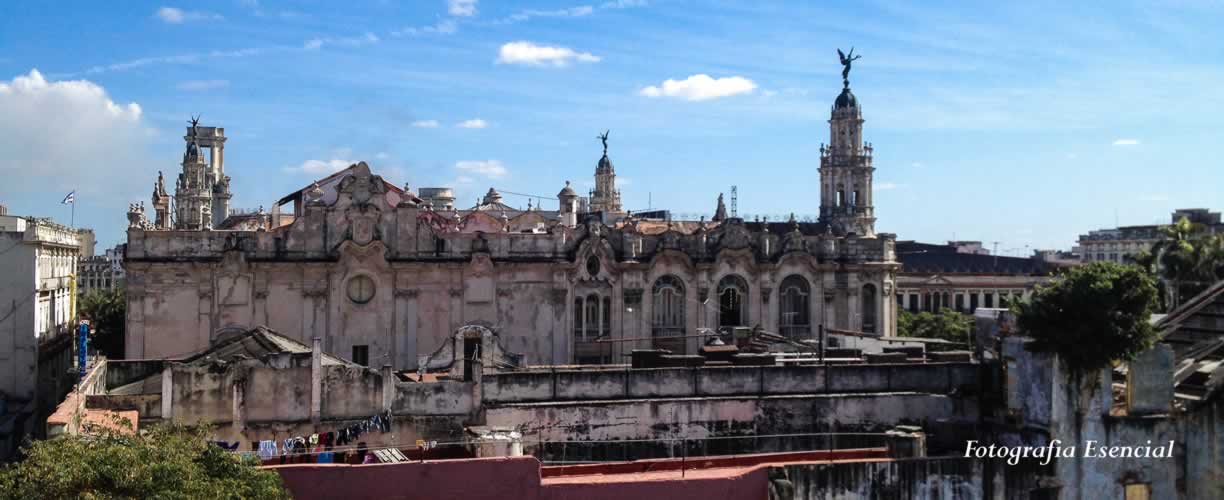
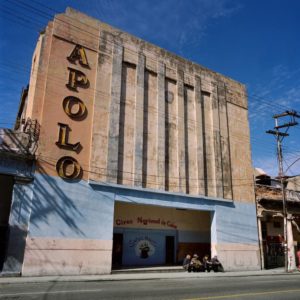
La cultura del cine ha tenido una larga historia en Cuba. Antes de que la Revolución Cubana se apoderara de la nación isleña en la década de 1950, Cuba albergaba más de 500 cines, más que la ciudad de Nueva York o París en ese momento. Poco después, el número de salas aumentó a casi 700, y muchas de ellas fueron construidas y administradas por importantes estudios de cine como 20th Century Fox, Columbia Pictures y MGM. En un momento en que los medios sociales estaban severamente limitados por un gobierno controlador, ir al cine se convirtió en un pasatiempo importante para los cubanos.
A lo largo de los años, el tiempo y la falta de fondos han afectado a estas estructuras históricas, y hoy solo unos pocos teatros permanecen en uso para su propósito original, mientras que otros han sido reutilizados o se encuentran en varios estados de descomposición.
En 1953, Cuba tenía 694 cines y teatros. La Habana sola tenía 134, más que Nueva York o París. En 2014, la fotógrafa documentalista con sede en Nueva York, Carolina Sandretto, se propuso encontrar y fotografiar, con una cámara de formato medio de la década de 1950, los cines restantes de esa época dorada. Este libro es el documento visual de su viaje.
Hubo un tiempo en que había más de 600 cines en Cuba, pero ahora solo hay 19 en funcionamiento. ¿Que pasó?
Cuando sucedió la Revolución Cubana, muchos propietarios de cines decidieron abandonar la isla. El gobierno se hizo cargo de la operación de sus negocios, pero administrar esa cantidad de cines era absolutamente imposible, por lo que el número de cines disminuyó lentamente. Los 19 que quedan se han actualizado al mundo digital actual, pero muchos de los otros han sido abandonados o convertidos en centros comunitarios, lugares para ancianos y centros para niños. A diferencia de otros países donde los cines fueron destruidos para hacer espacio [para nuevos edificios], en Cuba, debido a la burbuja histórica y al hecho de que no había dinero para gastar en [estos proyectos], muchos de los cines antiguos quedan en pie .
Cuba es un lugar muy peculiar, y ha tenido muchas influencias diferentes y diferentes tipos de arquitectura. Tienes los primeros teatros de ópera, luego los cines de principios de 1900, luego la era Art Deco y luego los años 30, 40, 50, 60 y 70, además de todas las transformaciones futuras de estos edificios. Es extremadamente interesante desde el punto de vista arquitectónico. Por ejemplo, el cine The Fenix es Art Deco, y ahora es un espacio vital. Además, The Ambassador es de la década de 1930, y fue revivido en la década de 1950. [En un momento tenía] un enorme [letrero de neón] con su nombre en la parte superior del edificio, pero eso ha sido destruido. En general, Cuba no ha tenido la oportunidad de cambiar [políticamente] durante períodos de tiempo, por lo que todas estas contaminaciones culturales diferentes [como los detalles arquitectónicos relacionados con cada época] lo convierten en un lugar muy interesante. Hay una herencia increíble allí y para ver todos estos diferentes tipos de arquitectura en un solo lugar, simplemente no puedo pensar en otro lugar en el mundo que tenga un espectro similar de arquitectura.
Cinema culture has had a longstanding history in Cuba. Before the Cuban Revolution took hold of the island nation in the 1950s, Cuba was home to more than 500 cinemas—more than New York City or Paris at the time. Soon thereafter, the number of halls increased to nearly 700, with many of them constructed and managed by major film studios like 20th Century Fox, Columbia Pictures and MGM. At a time when social outlets were severely limited by a controlling government, going to the cinema became an important pastime for Cubans.
Over the years, time and lack of funding have taken their toll on these historic structures, and today only a handful of theaters remain in use for their original purpose, while others either have been repurposed or sit in various states of decay.
In 1953, Cuba had 694 cinemas and theaters. Havana alone had 134, more than New York or Paris. In 2014, New York-based documentary photographer Carolina Sandretto set out to find and photograph, with a 1950s medium-format camera, the remaining cinemas from that golden era. This book is the visual document of her journey.
At one time there were more than 600 cinemas in Cuba, but now there are only 19 still in operation. What happened?
When the Cuban Revolution happened, a lot of cinema owners decided to leave the island. The government took over operating their businesses, but running that amount of cinemas was absolutely impossible, so the number of cinemas slowly decreased. The 19 that remain have been updated to today’s digital world, but many of the others have been abandoned or converted into community centers, places for the elderly and centers for kids. Unlike other countries where cinemas were destroyed to make space [for new buildings], in Cuba, because of the historic bubble and the fact that there was no money to be spent on [these projects], a lot of the old cinemas are left standing.
Cuba is a very peculiar place, and it has had a lot of different influences and different types of architecture. You have the first opera houses, then cinemas from the early 1900s, then the Art Deco era, and then the ’30s, ’40s, ’50s, ’60s and ’70s—plus all of the future transformations of these buildings. It’s extremely interesting from an architectural point of view. For example, The Fenix cinema is Art Deco, and it’s now a living space. Also, The Ambassador is from the 1930s, and it was revived in the 1950s. [At one time it had] a huge neon [sign] with its name on top of the building, but that has been destroyed. Overall, Cuba hasn’t had the chance to change [politically] throughout periods of time, so all of these different cultural contaminations [such as the architectural details related to each era] make it a very interesting place. There’s an incredible heritage there and to see all of these different types of architecture in one place, I just can’t think of another place in the world that has a similar spectrum of architecture.
Agencies/ SmithsonianMag/ Internet & Carolina Sandretto Photos/ Excerpts/ Extractos/ Arnoldo Varona/ www.TheCubanHistory.com
THE CUBAN HISTORY, HOLLYWOOD.


 LA ACTRIZ CUBANOAMERICANA CAMERON DIAZ FELIZ HISTORIA DE AMOR CON BENJI MADDEN.

 CUBAN AMERICAN ACTRESS CAMERON DIAZ HAPPY LOVE STORY WITH BENJI MADDEN.