© COPPELIA BIRTHDAY: 47 years in Havana (Video) * Coppelia cumple 47 años in Cuba (Video)

Coppelia, the most famous ice-cream parlor in Havana and in Cuba, turned 47 on June 4. Located on the corner of Calle 23 at L on the central avenue La Rampa, its architecture was designed by Mario Girona (1924-2008), one of the most important Cuban architects of the 20th century after his 1962 successful project baptized with the indigenous name Guamá, in the Zapata Swamp, Matanzas, about 140 kilometers southeast of the capital.

Ice cream is one of the favorite treats for Cubans of all ages and eras. The first ice-cream shop was installed in 1807. Due to a climate that averages around 30 degrees (Celsius) annually, people like to cool off with ice cream, alone or with cake, cookies and syrup. Or a milk-shake with ice.

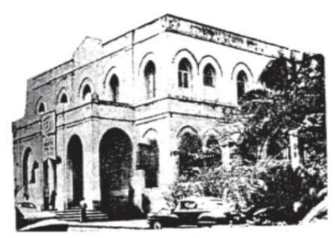
The site of Coppelia Havana was the Hospital Reina Mercedes, functioning from 1886–1954. The hospital was demolished and originally there were plans to build another hospital on the site. The idea was to erect a 50-story skyscraper, even taller than the Focsa, the tallest building on the island, with 36 floors. But the project didn’t materialize because of the arrival of Castro’s regime.
reii

Before the Castros took power, there were several prestigious brands of ice cream in Havana: Hatuey, Guarina, San Bernardo and El Gallito. They were sold in ice-cream parlors and cafes or in vehicles located in crowded spots in the city. “I preferred waiting for the seller ringing a bell in a cart with wheels or pulled by horses. For a peseta (20 cents) you could buy an iced coconut,” remembers Humberto, a retired man of 82 years. Those ice creams, produced with milk in factories, competed with the artisanal fruit ones, produced by the Chinese without milk. According to Josephine, a housewife, 70, “I have never tasted ice cream as rich as the ones made by the Chinese.”

In the sixties Fidel Castro ordered his ambassador to Canada to ship him 28 containers of Howard Johnson’s ice cream, one of each flavor. After tasting them all, Castro declared that his Cuban revolution must produce a quality ice cream of its own, another of the dictator dreams, “‘Cuba was to produce more ice cream flavors than the big American brands, the original aim, would be Coppelia to be the largest ice cream parlor in the world”, and then ordered to buy the best machines from Holland and Sweden. Fidel’s longtime secretary, Cecilia Sánchez, named Coppelia after her favorite ballet Coppélia.

When, on June 4, 1966, the Coppelia ice-cream parlor opened long lines of people took hours to enjoy a good ice cream as that one produced by Coppelia then.

Coppelia has been a major city landmark for both locals and visitors since its opening in 1966, but acquired additional fame when it was featured in one of the most widely viewed Cuban films, Strawberry and Chocolate.

With the arrival of the “Special Period,” an economic crisis that has lasted 22 years, ice cream became a luxury. And its quality diminished tremendously. In those hard years, the ice-cream parlor was open two hours a day. There were only two or three flavors, and because of a lack of milk, the ice cream was watery and tasteless.

Ice-cream resellers bought tubs of ice cream from Coppelia. And in their homes or the vicinity of hospitals and playgrounds, they sold a plastic cup of ice cream for 10 pesos. This was one of the many illegal business that existed in Havana.

With the legalization of the dollar, imported ice cream with the brand-names Word or Nestlé arrived. One Nestlé Extreme was worth 2.50 cuc (3 dollars), the 4-day salary of a worker. For hard currency you could also buy first-rate Cuban brands, like Flamingo.

Ice-cream resellers bought tubs of ice cream from Coppelia. And in their homes or the vicinity of hospitals and playgrounds, they sold a plastic cup of ice cream for 10 pesos. This was one of the many illegal business that existed in Havana.

Lines at Coppelia Ice Cream, Havana, Cuba 2004

Forty-seven years after its opening, the ice-cream parlor Coppelia is only the shadow of its former self. Few weeks ago there were only three flavors: vanilla, orange-pineapple and mint. Although ice cream is not expensive, at one peso a scoop (5 cents), its quality leaves much to be desired. Of course, the long lines continue. Once, going to the “Cathedral of Ice Cream” constituted the main week-end outing for many Havana families.

Today, weary travelers, students, workers, prostitutes, pingueros, gays, transvestites and lesbians, among others swarming around the clock by the central ice-cream parlor, form a line by sheer force of habit. There are almost never the flavors you want. Like almond or moscatel. Strawberry or chocolate.

In April 2012 the Cuban newspaper Trabajadores ran an article exposing the scarcity and poor quality of the product as well as the inattentive service at the parlor, despite the recently completed renovations. Among the problems were broken freezers.

Sources: Wiki/various/internetphotos/youtube/www.thecubanhistory.com
COPPELIA BIRTHDAY: 47 years in Havana
The Cuban History, Arnoldo Varona, Editor

doble_arco_iris (1)

Coppelia cumple 47 años in Cuba

Coppelia, la más famosa heladería en La Habana y en Cuba, volvió 47 el 4 de junio. Ubicado en la esquina de la Calle 23 en L en la céntrica avenida La Rampa, su arquitectura fue diseñada por Mario Girona (1924-2008), uno de los más importantes arquitectos cubanos del siglo 20 después de su 1962 exitoso proyecto bautizado con el nombre indígena Guamá, en la Ciénaga de Zapata, Matanzas, unos 140 kilómetros al sureste de la capital.
 
El helado es uno de los alimentos favoritos de los cubanos de todas las edades y épocas. La primera tienda de helados fue instalado en 1807. Debido a un clima que promedia alrededor de 30 grados (Celsius) al año, la gente le gusta refrescarse con helados, solo o con pasteles, galletas y jarabe. O un batido de leche con hielo.

El sitio de Coppelia La Habana fue el Hospital Reina Mercedes, que funciona desde 1886 hasta 1.954. El hospital fue demolido y originalmente había planes para construir otro hospital en el sitio. La idea era construir un rascacielos de 50 pisos, incluso más alto que el Focsa, el edificio más alto de la isla, con 36 plantas. Pero el proyecto no se materializó debido a la llegada del régimen de Castro.

reii

Antes de los Castro tomó el poder, había varias marcas de prestigio de helado en La Habana: Hatuey, Guarina, San Bernardo y El Gallito. Fueron vendidos en heladerías y cafés o en los vehículos situados en lugares concurridos de la ciudad. “Preferí esperar a que este vendedor sonar una campana en un carrito con ruedas o tirado por caballos. Para una peseta (20 centavos) se puede comprar un coco helado “, recuerda Humberto, un jubilado de 82 años. Los helados, elaborados con leche en las fábricas, compitieron con las frutas artesanales, elaborados por los chinos sin leche. Según Josephine, una ama de casa, de 70 años, “nunca he probado helado tan rico como los realizados por los chinos.”

En los años sesenta Fidel Castro ordenó a su embajador en Canadá le enviaremos 28 envases de helado de Howard Johnson, uno de cada sabor. Después de probar todos ellos, Castro declaró que la revolución cubana debe producir un helado de calidad propio, otro de los sueños dictador “,” Cuba era producir más sabores de helado que las grandes marcas estadounidenses, el objetivo inicial, sería Coppelia siendo el mayor heladería en el mundo “, y luego ordenó a comprar las mejores máquinas de Holanda y Suecia. La secretaria de Fidel desde hace mucho tiempo, Cecilia Sánchez, nombrado después de que su Coppelia Coppelia favorito ballet.

Cuando el 4 de junio de 1966, el Coppelia heladería abrió largas filas de personas tomaron horas para disfrutar de un buen helado como aquel producido por Coppelia entonces.

 Coppelia ha sido un hito importante de la ciudad para los madrileños y visitantes desde su apertura en 1966, pero adquirió fama adicional cuando apareció en una de las películas cubanas más ampliamente vistos, Fresa y Chocolate.

Con la llegada del “período especial”, una crisis económica que ha durado 22 años, el helado se convirtió en un lujo. Y su calidad disminuye enormemente. En aquellos años difíciles, la heladería estaba abierta dos horas al día. Sólo había dos o tres sabores, y debido a la falta de leche, el helado era aguados y sin sabor.

Distribuidores de helados comprados tarrinas de helado en Coppelia. Y en sus casas o en la proximidad de los hospitales y áreas de juego, se vendieron un vaso de plástico de helado por 10 pesos. Este fue uno de los muchos negocios ilegales que existía en La Habana.

Con la legalización del dólar, helados importados con marcas de fábrica o de Word Nestlé llegó. Una Nestlé Extreme valía 2.50 cuc (3 dólares), el salario de 4 días de un trabajador. Para obtener divisas también se puede comprar las marcas cubanas de primer nivel, como el Flamingo.

Distribuidores de helados comprados tarrinas de helado en Coppelia. Y en sus casas o en la proximidad de los hospitales y áreas de juego, se vendieron un vaso de plástico de helado por 10 pesos. Este fue uno de los muchos negocios ilegales que existía en La Habana.

Lines at Coppelia Ice Cream, Havana, Cuba 2004

Cuarenta y siete años después de su inauguración, la sala Coppelia helado es sólo la sombra de lo que fue. Hace unas semanas hubo sólo tres sabores: vainilla, naranja-piña y menta. Aunque el helado no es caro, a un peso una cucharada (5 centavos), su calidad deja mucho que desear. Por supuesto, continúan las largas colas. Una vez, yendo a la “Catedral del helado” constituía la principal salida de fin de semana para muchas familias de La Habana.

Hoy en día, los cansados ​​viajeros, estudiantes, trabajadores, prostitutas, pingueros, gays, travestis y lesbianas, entre otros que pululan alrededor del reloj por la heladería central, forman una línea por la pura fuerza de la costumbre. Hay casi nunca son los sabores que desee. Como almendra o moscatel. Fresa o el chocolate.

En abril de 2012 el periódico Trabajadores de Cuba publicó un artículo exponiendo la escasez y mala calidad del producto, así como el servicio desatendido en la sala, a pesar de las reformas recientemente terminados. Entre los problemas eran congeladores rotos.

Sources: Wiki/various/internetphotos/youtube/www.thecubanhistory.com
COPPELIA BIRTHDAY: 47 years in Havana
The Cuban History, Arnoldo Varona, Editor

© JOSE MARTI UNPUBLISHED Photo is shown in Havana * Se presenta en la Habana foto inédita de José Martí.

Is shown in Havana an unpublished photo of José Martí.

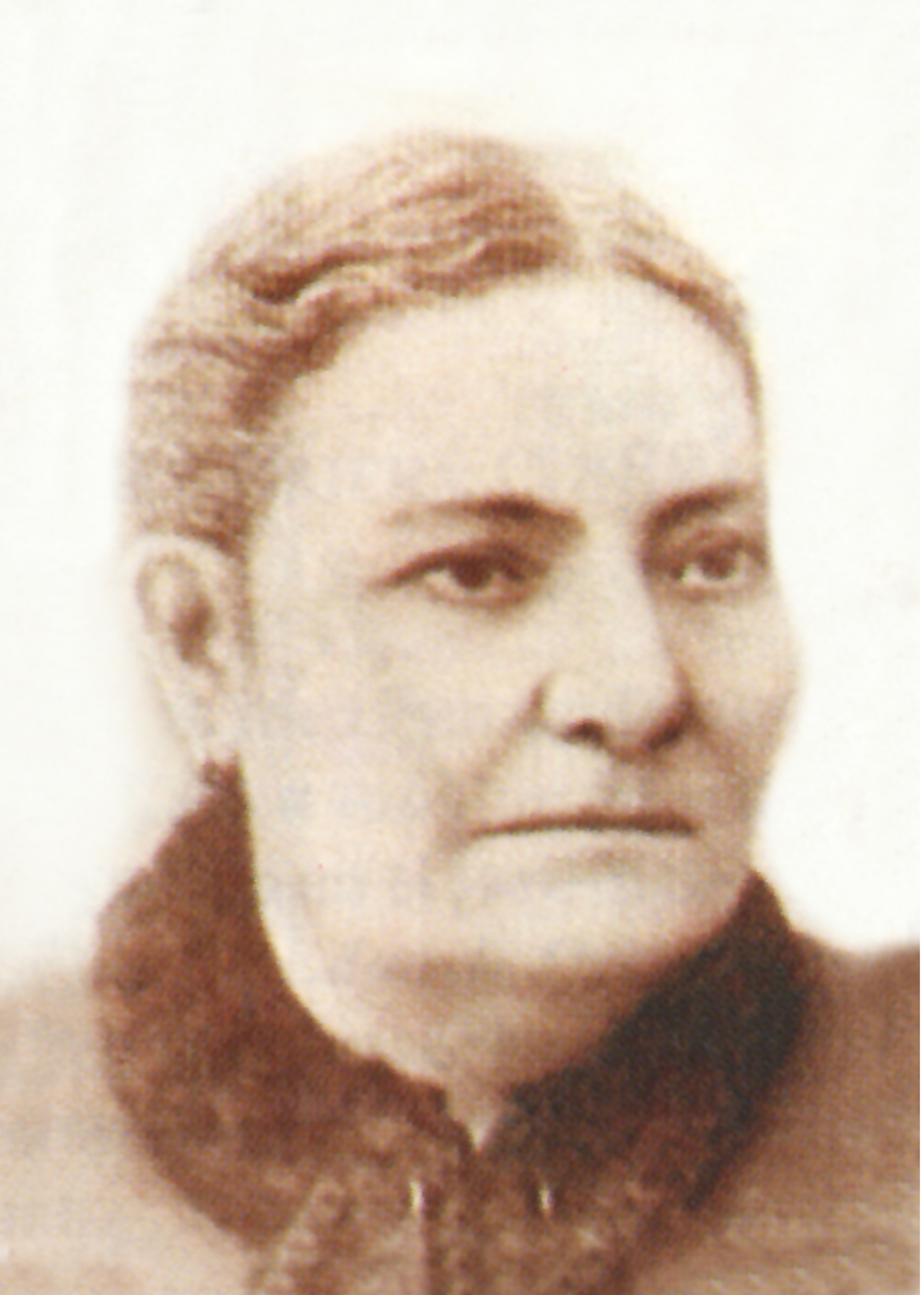
Cuban specialists discovered by an advanced process of digitizing a picture of independence hero José Martí (1853-1895), considered unpublished until today.

Marti’s photo was found in appalling conditions in the Fund at the Museum of Guanabacoa, Havana, and presented last Thursday at a cultural event at the headquarters of the institution, according to the official newspaper Granma.

According to the article, are unaware of the existence of the image until the beginning of the digital recovery work of hundreds of documents in poor condition, from the Museum of Guanabacoa.

In Martí image is 42, is sitting and can be clearly seen the iron ring. with the word Cuba, made with the shackles that had to drag on the Isle of Pines prison at the age of 16, as described by the well-known journalist Marta Rojas.

marti-display

The photo paper has a dry stamp engraved on the back with the inscription “Ramon Corral, Photographer, O’Reilly 66 High Havana”, which raises questions about where the image was taken.

The reverse features a dedication written also Leonor Pérez, mother of Marti, a niece: “Maria Luisa: This is the portrait of your cousin Pepe at age 42, a few months before losing his life victim of his fate. Take care. Keep it with the love that he had them all of you. Your Aunt Eleanor. Havana September 26. ”

So the photo had to be taken at some point between 28 January-42 date of his birthday – and the May 19, 1895, when he fell fighting in Two Rivers, in eastern Cuba. Martí landed on the island to wage war of independence on April 11, 1895.

However, the journalist and Manuel Zayas noted that the Annual Marti Studies Center, 1985 had already spoken of that picture, which prove that it is not unprecedented, but little known.

“I have not the issue before, but it would be appropriate to compare the information,” said Zayas, who lives in New York. “The concern is that a photo so be unknown to specialists and that was about to disappear impairment, which proves the great archival irresponsibility that threatens to end the Cuban historiographical legacy”.

The digitization process of the material was made possible by the latest equipment, donated by the Cultural Association of Getafe Spanish International Cooperation, chaired by Gabriel Navarrete. Other Spanish companies are also collaborating on the project.

leonor-perez-2

The brand new scanning room Guanabacoa Museum plans to transfer to new formats more than 10 000 documentary resources available to the entity. The job of scanning and cataloging of the documentary is in charge of technical Armando González, Marisol Valdes and Barbara Martinez.

The institution guanabacoense up to its 50th anniversary and has valuable heritage dating back to the seventeenth century, among which are collection of censuses, certificates of slaves, maps, plans, and documents Chapter Acts Artistic Lyceum and the Pious Schools.

The first copy of the photo was given officially to Armando Hart Davalos, director of Cuba Marti Program.

This May 19 met 118 years Martí’s death, at which Cubans paid tribute at the cemetery that holds his remains in the Cementerio Santa Iphigenia of Santiago de Cuba.

Sources: CaféFuerte / InternetPhotos / www.thecubanhistory.com
JOSE MARTI UNPUBLISHED Photo is shown in Havana
The Cuban History, Arnoldo Varona,Editor

229459_370759346338839_357116741_n

Se presenta en la Habana foto inédita de José Martí.

Especialistas cubanos descubrieron mediante un proceso avanzado de digitalización una foto del prócer independentista José Martí (1853-1895), considerada inédita hasta hoy.

La foto de Martí fue hallada en pésimas condiciones en el Fondo del Museo de Guanabacoa, en La Habana, y presentada el pasado jueves en un acto cultural en la sede de la institución, según informó el diario oficial Granma.

De acuerdo con el artículo, se desconocía la existencia de la imagen hasta el momento de iniciarse el trabajo de recuperación digital de cientos de documentos en mal estado de conservación, pertenecientes al Museo de Guanabacoa.

En la imagen Martí tiene 42 años, está sentado y se deja ver claramente la sortija de hierro. con la palabra Cuba, hecha con los grilletes que tuvo que arrastrar en la prisión de Isla de Pinos a la edad de 16 años, según describe la conocida periodista Marta Rojas.

marti-display

El papel de fotografía tiene un cuño seco, grabado al dorso con la inscripción “Ramón Corral, Fotógrafo, O’Really 66 Altos Habana”, lo que abre interrogantes sobre el lugar donde fue tomada la imagen.

En el reverso aparece también escrita una dedicatoria de Leonor Pérez, madre de Martí, a una sobrina: “María Luisa: este es el retrato de tu primo Pepe a los 42 años, unos pocos meses antes de perder su vida víctima de su destino. Cuídalo. Consérvalo con el cariño que él les tuvo a todos ustedes. Tu tía Leonor. Habana 26 de septiembre”.

De manera que la foto tuvo que ser tomada en algún momento entre el 28 de enero -fecha de su cumpleaños 42- y el 19 de mayo de 1895, cuando cayó combatiendo en Dos Ríos, en el oriente cubano. Martí desembarcó en la isla para emprender la guerra de independencia el 11 de abril de 1895.

Sin embargo, el periodista y realizador Manuel Zayas observó que el el Anuario del Centro de Estudios Martianos de 1985 se había hablado ya de esa foto, lo cual probaría que no es inédita, sino poco conocida.

“No tengo el ejemplar delante, pero sería oportuno contrastar la información”, señaló Zayas, que reside en Nueva York. “Lo preocupante es que una foto así sea desconocida por especialistas y que estuviera a punto de desaparecer por deterioro, lo cual prueba la gran irresponsabilidad archivística que amenaza con acabar con el legado historiográfico cubano”.

El proceso de digitalización del material fue posible gracias a equipos de última generación, donados por la Asociación Cultural de Cooperación Internacional española de Getafe, presidida por Gabriel Navarrete. Otras entidades españolas también colaboran en el proyecto.

leonor-perez-2

La flamante sala de digitalización del Museo de Guanabacoa prevé trasladar a nuevos formatos los más de 10 mil fondos documentales con que cuenta la entidad. El trabajo de digitalización y catalogación de los fondos documentales está a cargo de los técnicos Armando González, Marisol Valdés y Bárbara Martínez.

La institución guanabacoense arriba a su 50 aniversario y posee tesoros patrimoniales que datan del siglo XVII, entre los que se hallan colección de censos, cédulas de esclavos, mapas, planos, Actas Capitulares y documentos del Liceo Artístico y las Escuelas Pías.

La primera copia de la foto le fue entregada oficialmente a Armando Hart Dávalos, director del Programa Martiano de Cuba.

Este 19 de mayo se cumplen 118 años de la muerte de Martí, ocasión en que los cubanos le rindieron homenaje en el panteón que guarda sus restos en el Cementerio Santa Ifigenia de Santiago de Cuba.

Sources: CaféFuerte InternetPhotos/www.thecubanhistory.com
JOSE MARTI UNPUBLISHED Photo is shown in Havana
The Cuban History, Arnoldo Varona,Editor

ERNEST HEMINGWAY IN CUBA: Hotel “Ambos Mundos” Room 511 * Ernest Hemingway in Cuba: Hotel “Ambos Mundos” Habitacion 511.

If we talk about the “Ambos Mundos” Hotel, immediately, we relate it to stay on this site of the writer Ernest Hemingway. And as points out well hope García Fernández, specialist of the 511 room of the hotel facility, is really a place which is much talk and yet very little is known.

The Ambos Mundos Hotel was inaugurated on January 1, 1925. Ernest Hemingway was paying for the Room 511 a preferential price given by their owners as regular customer. Scott Fitzgerald and John Dos Passos also stayed in this Hotel.

And in one of the published guides there is an interesting fact, showing the real price of the hotel at the time and at present, very few people know. The writer’s first refuge in Cuba was this room 511 of the Hotel in the Old Havana that he chose exclusively for the privileged view of the city that could contemplate from the windows.

Hemingway invited, from Key West to Jannet Flanner on April 8, 1933, to travel to Havana. He explains that should stay at a Hotel called “Ambos Mundos” with excellent views of the city and the port. And it expresses that the rooms are very clean and that only for $2.00 could stay and work.

To compare the prices of the hotel, at that stage., hope demonstrates that a single room cost $5.00 (American Plan) and $3.00 (European Plan) and a double $9.00 (American Plan) and $5.00 (European Plan). So the price, concludes the specialist, which alludes Hemingway for $2.00 $ room per day, was with owner favoring your repeated stay in Ambos Mundos.

No one should cast doubt on the significant place that ‘Ambos Mundos’ held in the life of writer Ernest Hemingway. Is it where he writes, for the first time in Cuba, using a modest room on the fifth floor.

Rereading the important research by hope I remember that, unfortunately, in the book “Ernest Hemingway A to Z”: The Essential referrer to the Life and Work of Charles Oliver, published in 1999, on the occasion of the centenary of the birth of the writer, is a brief overview of thirty-one hotels around the world and is not mentioned at all, to Hotel Ambos Mundos. Site referred repeatedly, in the correspondence held by the writer with editors, writers, friends and recognized by researchers in the life and work of Pope. Ah! And if you do not know, the Ritz Hotel in Paris, holds many memories of Hemingway, but the key that this use is preserved at Finca Vigía, his Cuban home.

The research work tackled by the specialist of Ambos Mundos is a virtually empty space in the history of La Habana. There was very little documentation for what has been a patient work the addressed by it. Many clients hosted there, have facilitated both oral and documentary information.

The trigger to deepen and conclude the investigation broke out during the 11th International Colloquium, held in 2007. American Susan Wrynn, curator of the Hemingway collection of library and Museum President John f. Kennedy, showed digital copy of a letter in which the writer revealed that it had begun to write “For whom tolls bells” in Hotel Sevilla Biltmore. Always in Cuba managed to show the Ambos Mundos Hotel as the site that gave origin to this novel.

1320158942_3

The specialist of the Ambos Mundos, found in the biography of Martha Gellhorn, written by Caroline Moorehead, an interesting fact that this says that Hemingway rented room in the Hotel Sevilla Biltmore and at the same time in Ambos Mundos.

Even the author of this article, revealing her ordered to investigate about the dates and the journeys undertaken by Ernest Hemingway in Cuba and sites stay, before settling at Finca Vigía residence in May 1939. At that time Hemingway is famous and known throughout the world, their photos appear in all the newspapers, where do not escape the gossip.. .and some truths. In their fishing trips to Cuba he met a friend of Pauline (At that time his wife), Jane, who is married, beautiful figure and is hard drinker(another weakness of Hemingway), both become lovers. Is so much the public scandal of their love that once Ernest has to jump from the second floor of the Ambos Mundos Hotel where he was with Jane to not be surprised by Pauline that comes to the Hotel without notice. In his novel “The short and happy life of Francis Macomber” writer along with its central character portrays the story of their love with Jane.

His contacts with some relatives of the writer as Edward, Mina and Mariel Hemingway, the writer grandchildren; Hilary Hemingway, niece and Angela Hemingway, daughter-in-law. Also with family members of very close friends Ernest as Benjamin Bruce, grandson of Toby and Betty Bruce lived in Key West. I repeat, these contacts have enabled you access to digital, donated copies into the room, of various documents and many of them originated in the hotel that they reaffirm the presence of Ernest Hemingway in Hotel institution.

The writer continued to receive correspondence in both worlds much having purchased Finca Vigía in 1940. The revision of the documents section, in the Museum Ernest Hemingway corroborated this fact until 1952. Ambos Mundos was the control point. To find it in Cuba only had to send the letters to the hotel without fear that these extraviaran. Both worlds was really an extension of his residence in Cuba. In all travel to Cuba, Ernest Hemingway stayed in Ambos Mundos. Compare the dates of travel with his vast correspondence the specialist verified data provided by the author of this work. Even some of the letters sent to his friends were sent from the hotel.

In 1934, July 18, he traveled aboard “La Pilar”. 20 Stays at the hotel to 27. 21 Celebrates his birthday 35 and 22, the birthday 39 of Pauline. And, in this period 300 words added to the manuscript of the green hills of Africa.

And you can see the relationships of the writer with the employees of the hotel. For example, Francisco ‘Pancho’ Castro, Carpenter cabinetmaker, was employed by the hotel and then went on to work for Hemingway at Finca Vigía. Some of the furniture which are currently exhibited in the Museum are the work of the Cuban teacher.

The specialist also located in seventeen important letters for their research reference, one way or another, to the visits and meetings with friends was writer in Havana and the overview he gave to his friends about the hotel.

In another moment invites Henry Strater to travel with him to Africa. Writes from Havana, may 27, 1933, and she calls on her partner to send the response to Hotel Ambos Mundos.

There is a letter that was obviously written from Ambos Mundos. She spoke of a story, possibly written in the hotel. Refers to The Light of the World. This same story appears in one of the letters donated by Hilary Hemingway and the same writer referred to may have been written in Havana. The letter was addressed to Arnold Gingrich, from Havana, June 7, 1933.

Hemingway says to the latter, from Key West, the 25 may 1934, who was in Havana on holidays of may with John Dos Passos and again in July. And in December 1935, Hemingway makes an invitation to Scott Fitzgerald, to witness a professional boxing with Louis Gaztañaga match in Havana. He asserts that he could get two good seats. Both missives reiterates not only the stay of the writer in both worlds, but the repeated presence of well-known figures in American literature in the same.

September 4, 1945, addresses a letter to Mary Welsh in Finca Vigía, this send to Juan, the driver, to pick up their mail at the Ambos Mundos hotel. This letter shows that his correspondence is always kept in hotel site where collected later.

Charles Poore and from Finca Vigía, January 23, 1953, he confesses that he began writing farewell to arms in Paris, then in Havana and Key West, Piggott, Arkansas City, Mo (during the Convention of the Hoover Awards), then in Sheridan.This letter confirms that some chapters of this work were also written in the Hotel Ambos Mundos.

In the book “Hemingway á Cuban writer”, essayist and French translator, Gérard Cortanze, confirms that in the Hotel Room he carried out the review of the evidence of “Galley of death in the afternoon”, the creation of a part of “Farewell to arms”, as well as their first chronicles about Marlin fishing off the nose, and “Out in the Golf Stream” published in Esquire in 1933 and 1934, respectively.

No doubt hope Garcia could, through an in-depth review bibliographic and documentary, see persistence and presence of Ernest Hemingway not only Havana but the Hotel Ambos Mundos, his house during a good part of his life in Cuba. The specialist of the 511 room clarifies Hemingway was preferential as a regular customer of the same.

Research corroborated the repeated presence, in the hotel, Ernest Hemingway between 1928 and 1939, when that happens to reside at Finca Vigía. It also ratifies the stay in both worlds of outstanding personalities of American literature of the time, directly linked to the writer. And it helped to confirm the existing links between the Hotel Ambos Mundos and writer Ernest Hemingway from 1928 until the 1950s.

Sources: Wiki/Cubarte/Rodriguez/InternetPhotos/www.theCubanHistory.com
ERNEST HEMINGWAY IN CUBA: “Ambos Mundos” Hotel. Room 511
The Cuban History, Arnoldo Varona, Editor

521928_354109888003785_753768431_n

Ernest Hemingway en Cuba: Hotel “Ambos Mundos” Habitación 511.

Si hablamos de la “Ambos Mundos” Hotel, de inmediato, lo relacionamos con permanecer en este sitio del escritor Ernest Hemingway. Y como señala también esperan García Fernández, especialista de las 511 habitaciones de las instalaciones del hotel, es realmente un lugar que se habla mucho y sin embargo, se sabe muy poco.

El Hotel Ambos Mundos fue inaugurado el 1 de enero de 1925. Ernest Hemingway estaba pagando por la habitación 511 de un precio preferencial dado por sus dueños como cliente habitual. Scott Fitzgerald y John Dos Passos También nos alojamos en este hotel.

Y en una de las guías publicadas hay un dato interesante, que muestra el precio real del hotel en el momento y en la actualidad, muy pocas personas saben. Primer refugio del escritor en Cuba era la habitación 511 del hotel en la Habana Vieja que eligió exclusivamente para la vista privilegiada de la ciudad que pueden contemplar desde las ventanas.

Hemingway invita, de Key West a Jannet Flanner el 8 de abril de 1933, para viajar a La Habana. Explica que deben quedarse en un hotel llamado “Ambos Mundos”, con excelentes vistas de la ciudad y el puerto. Y expresa que las habitaciones son muy limpias y que solo por $ 2.00 podrían permanecer y trabajar.

Para comparar los precios de los hoteles, en esa etapa., Esperanza demuestra que una habitación individual cuesta $ 5.00 (American Plan) y $ 3.00 (Plan Europeo) y un doble $ 9.00 (Plan americano) y $ 5.00 (Plan Europeo). Así que el precio, concluye el especialista, el que alude Hemingway por $ 2.00 $ habitación por día, fue con el propietario a favor de su estancia repetido en Ambos Mundos.

Nadie debe poner en duda el importante lugar que “Ambos Mundos”, celebrada en la vida del escritor Ernest Hemingway. Es donde escribe, por primera vez en Cuba, con una modesta habitación en el quinto piso.

Releyendo la importante investigación de esperanza Recuerdo que, por desgracia, en el libro “Ernest Hemingway A a la Z”: la referencia esencial a la vida y obra de Carlos Oliver, publicado en 1999, con motivo del centenario del nacimiento de la escritor, es un breve resumen de los treinta y un hoteles en todo el mundo y no se menciona en absoluto en Hotel Ambos Mundos. Sitio de referencia en repetidas ocasiones, en la correspondencia sostenida por el escritor con editores, escritores, amigos y reconocidos por los investigadores en la vida y obra del Papa. ¡Ah! Y si usted no sabe, el Hotel Ritz de París, tiene muchos recuerdos de Hemingway, pero la clave de que este uso se conserva en la Finca Vigía, su casa cubana.

El trabajo de investigación abordado por el especialista de Ambos Mundos es un espacio prácticamente vacío en la historia de La Habana. Había muy poca documentación de lo que ha sido un trabajo paciente de la dirigida por el mismo. Muchos clientes alojados allí, han facilitado información oral y documental.

El disparador para profundizar y concluir la investigación se desató durante el 11 º Coloquio Internacional, celebrado en 2007. Estadounidense Susan Wrynn, curadora de la colección Hemingway de la biblioteca y el Museo Presidente John f. Kennedy, mostró copia digital de una carta en la que el escritor reveló que había comenzado a escribir “Por quién doblan las campanas” en el Hotel Sevilla Biltmore. Siempre en Cuba logró mostrar el Hotel Ambos Mundos como el lugar que dio origen a esta novela.

1320158942_3

El especialista del Ambos Mundos, que se encuentra en la biografía de Martha Gellhorn, escrito por Caroline Moorehead, un hecho interesante que dice que Hemingway alquila habitación en el Hotel Sevilla Biltmore, y al mismo tiempo en el Ambos Mundos.

Incluso el autor de este artículo, dejando al descubierto su ordenó investigar acerca de las fechas y los viajes realizados por Ernest Hemingway en Cuba y los sitios de estancia, antes de establecerse en Finca Vigía, residencia de mayo 1939. En ese momento Hemingway es famoso y conocido en todo el mundo, sus fotos aparecen en todos los periódicos, donde no escapan los chismes .. . Y algunas verdades. En sus viajes de pesca a Cuba se encontró con una amiga de Pauline (En ese momento su esposa), Jane, que está casado, hermosa figura y es bebedor (otra debilidad de Hemingway), ambos se convierten en amantes. Es tanto el escándalo público de su amor que una vez Ernest tiene que saltar desde el segundo piso del Hotel Ambos Mundos, donde estaba con Jane para no ser sorprendidos por Pauline que viene al hotel sin previo aviso. En su novela “La vida corta y feliz de Francis Macomber” escritor junto con su personaje central, retrata la historia de su amor con Jane.

Sus contactos con algunos familiares de la escritora como Edward, Mina y Mariel Hemingway, los nietos escritor, Hilary Hemingway, sobrina y Angela Hemingway, hija-en-ley. También con miembros de la familia de amigos muy cercanos como Ernest Benjamin Bruce, nieto de Toby y Betty Bruce vivido en Key West. Repito, estos contactos han permitido el acceso a la tecnología digital, donó ejemplares a la habitación, de diversos documentos y muchos de ellos se originó en el hotel que reafirman la presencia de Ernest Hemingway en el Hotel institución.

El escritor siguió recibiendo correspondencia de ambos mundos tanto haber comprado Finca Vigía en 1940. La revisión de la sección de documentos, en el Museo Ernest Hemingway corroborado este hecho hasta 1952. Ambos Mundos fue el punto de control. Para encontrarlo en Cuba sólo tuvo que enviar las cartas al hotel sin temor a que éstos extraviaran. Ambos mundos fue realmente una extensión de su residencia en Cuba. En todos los viajes a Cuba, Ernest Hemingway quedó en Ambos Mundos. Comparación de las fechas de su viaje con su vasta correspondencia de los datos verificados especializados proporcionados por el autor de este trabajo. Incluso algunas de las cartas enviadas a sus amigos fueron enviados desde el hotel.

En 1934, 18 de julio, viajó a bordo de “La Pilar”. 20 Estancias en el hotel a 27. 21 celebra su cumpleaños 35 y 22, el cumpleaños 39 de Pauline. Y, en este período de 300 palabras agregadas al manuscrito de las verdes colinas de África.

Y se puede ver las relaciones del escritor con los empleados del hotel. Por ejemplo, Francisco ‘Pancho’ Castro, carpintero ebanista, fue contratado por el hotel y luego pasó a trabajar para Hemingway en Finca Vigía. Algunos de los muebles que se exhiben actualmente en el Museo son obra del maestro cubano.

El especialista también se encuentra en diecisiete cartas importantes por su referencia de la investigación, de una forma u otra, a las visitas y reuniones con amigos era escritor en La Habana y la información general que dio a sus amigos sobre el hotel.

En otro momento invita a Henry Strater para viajar con él a África. Escribe desde La Habana, 27 de mayo de 1933, y se pide a su pareja para enviar la respuesta al Hotel Ambos Mundos.

Hay una carta que fue obviamente escrito de Ambos Mundos. Habló de la historia, posiblemente escrita en el hotel. Se refiere a La Luz del Mundo. Esta misma historia aparece en una de las cartas donadas por Hilary Hemingway y el mismo autor hace referencia puede haber sido escrito en La Habana. La carta fue dirigida a Arnold Gingrich, de La Habana, 7 de junio de 1933.

Hemingway dice a este último, desde Key West, de 25 de mayo de 1934, que estaba en La Habana los días de mayo con John Dos Passos y de nuevo en julio. Y en diciembre de 1935, Hemingway hace una invitación a Scott Fitzgerald, para presenciar un combate de boxeo profesional con Louis Gaztañaga partido en La Habana. Afirma que él podría conseguir dos buenos asientos. Ambas misivas reitera no sólo la estancia del escritor en ambos mundos, pero la reiterada presencia de figuras conocidas en la literatura norteamericana de la misma.

04 de septiembre 1945, dirige una carta a María galesa en Finca Vigía, la envía a Juan, el conductor, para recoger su correo en el hotel Ambos Mundos. Esta carta muestra que su correspondencia se mantiene siempre en el sitio web del hotel, donde recogidos más tarde.

Charles Poore y de Finca Vigía, 23 de enero de 1953, confiesa que empezó a escribir adiós a las armas en París, después en La Habana y Cayo Hueso, Piggott, Arkansas City, Mo (durante la Convención de los Premios de Hoover), luego en Sheridan . Esta carta confirma que algunos capítulos de este trabajo también fueron escritos en el Ambos Mundos del hotel.

En el libro “Hemingway un escritor cubano”, ensayista y traductor francés, Gérard Cortanze, confirma que en la habitación del hotel se llevó a cabo la revisión de la evidencia de la “galera de la muerte en la tarde”, la creación de una parte de “Farewell a las armas “, así como sus primeras crónicas sobre Marlin pesca en aguas de la nariz, y” Out in the Golf Stream “publicado en Esquire en 1933 y 1934, respectivamente.

Sin duda espero que García podría, a través de una revisión bibliográfica en profundidad y documentales, ver la persistencia y la presencia de Ernest Hemingway no sólo La Habana, pero el hotel Ambos Mundos, su casa durante una buena parte de su vida en Cuba. El especialista de la habitación 511 aclara Hemingway era preferencial como cliente regular de la misma.

La investigación corroboró la presencia reiterada, en el hotel, Ernest Hemingway entre 1928 y 1939, cuando eso sucede a residir en la Finca Vigía. También ratifica la permanencia en los dos mundos de personalidades destacadas de la literatura americana de la época, directamente relacionados con el escritor. Y ayudó a confirmar los vínculos existentes entre el Hotel Ambos Mundos y el escritor Ernest Hemingway desde 1928 hasta la década de 1950.

Sources: Wiki/Cubarte/Rodriguez/InternetPhotos/www.theCubanHistory.com
ERNEST HEMINGWAY IN CUBA: “Ambos Mundos” Hotel. Room 511
The Cuban History, Arnoldo Varona, Editor