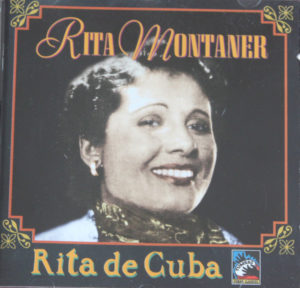
RITA MONTANER, “RITA DE CUBA”, VEDETTE, SINGER, PIANIST, AND POPULAR ACTRESS. PHOTOS/VIDEOS
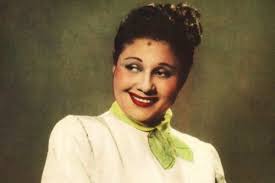
Rita Aurelia Fulcida Montaner y Facenda known as Rita Montaner was born in Guanabacoa on August 20, 1900, she was a Cuban singer, pianist and actress. In Cuban parlance, she was a vedette (a star) and was well known in Mexico City, Paris, Miami, and New York, where she performed, filmed, and recorded on numerous occasions. She was one of Cuba’s most popular artists between the late 1920s and 1950s, renowned as ‘Rita de Cuba’. Though classically trained as a soprano for zarzuelas, her mark was made as a singer of Afro-Cuban salon songs including “The Peanut Vendor” and “Siboney”.
Montaner was born into a middle-class family; she herself was short in stature, good-looking with a fine smile, and intelligent. She learned English, Italian, and French at religious school, and at 10 attended the Peyrellade Conservatory in Havana. There she studied music: solfege, theory, harmony, and piano; at 16 she started voice lessons. She graduated at the Payrellade Conservatory in Havana in piano, song, and harmony with a gold medal.
https://youtu.be/WUElr_1D038
RITA MONTANER SINGS “EL MANISERO” (VIDEOS)
Throughout her career, Montaner kept a close personal and professional relationship with two famous musicians from her hometown of Guanabacoa: pianist-singer Bola de Nieve and composer Ernesto Lecuona.
ARTISTIC CAREER
March 1922 saw the launch of Rita’s career at a concert of typical Cuban music in Havana, organized by the composer Eduardo Sánchez de Fuentes, a friend of her family. He persuaded her husband to let her appear and sing. In October, she sang on one of the first radio broadcasts in Cuba at the PWX radio station.
Her work as a singer and pianist with such maestros as Lecuona, Jorge Anckermann, Delfín, Sánchez de Fuentes, and Gonzalo Roig was successful and immensely respectable, as befitted a middle-class married woman of those times. Gradually, however, a change began as she became fully adult. She performed in popular, but slightly vulgar theater (zarzuela; bufo); traveled to other countries, and became a recording star. It became clear that performing in public was the most important thing in her life, and this was hardly compatible with her role as a bourgeois wife and mother. The first signs of change came in 1926, a year that started conventionally enough.
https://youtu.be/tZuqNSCqNOI
RITA MONTANER SINGS “MEXICO LINDO” (VIDEOS)
Back in Havana, she made her debut on stage in zarzuelas in 1927. Playing in La Niña Rita, o La Habana de 1830 (music by Eliseo Grenet and Lecuona) she sang the Congo-tango Mamá Inéz. The title role was played by Caridád Suarez, with Rita in blackface and male drag as El Calesero (the coachman). The second one-act work on the same program was the premiere of Lecuona’s La Tierra de Venus, where Rita sang “Siboney”, which is still a Latin standard.
In 1929, Montaner traveled to Madrid and Valencia, then to Paris, returning to Cuba in 1930. In 1931 she traveled to Broadway under contract to Al Jolson for his musical Wonder Bar, which was set in a Paris night-club, for which she was by now more than qualified. When she was in Cuba, Rita had a regular engagement at the Edén Concert, a nightclub right in the center of Havana (Zulueta Street, near the Parque Central).
She used to sing a very well known verse that became her own theme:
Mejor que me calle, que no diga mas, que tu sabes lo que yo se!
(Better I shut up and say no more since you know what I know!)
In 1933, she went to Mexico City, with Bola de Nieve as her accompanist. She put him on the bill under his nickname, without consulting him. “It was the greatest favor she did in my life! ” was Snowball’s perhaps ambiguous comment. Bola was already of the opinion that she was becoming unbearable. “Rita’s shows at the Teatro Iris were triumphant, but her mouth got the better of her”.

The arrival of sound in films had created new opportunities for musicians, and Montaner launched on a new career as a film performer. After a musical number in a 1934 film, she made two films in 1938. Radio, too, was developing as a mass medium that was wide open to musical talent. La Montaner was to make good use of both these opportunities. But by now her temperament was getting out of control. Gonzalo Roig detailed the story of her sacking from the Lecuona show, María la O, at the Teatro Martí. During a duet with the tenor about the rekindling of betrayed love, she began to tear his clothes off on stage! That was a step too far for the management.
In 1946 Rita signed with the Tropicana, with Bola de Nieve as an accompanist, to take part in the midnight spectacular. She reigned there as the number one figure for nearly four years: the longest-running contract of her career. Mongo Santamaría commented: “This launched the era of the Cuban cabaret super-productions”.
In the 1950s Montaner continued to do theater work whenever her radio show was off the air. In 1955 she triumphed as Madame Flora in the opera La Medium by Menotti, and in 1956 in the comedy ‘Mi Querido Charles’. Beginning in 1954, she co-starred in the comedy television program ‘Rita y Willy’ with Guillermo Alvarez Guedes. In the late 1940s and early 1950s, she acted in numerous Mexican movies of the Rumberas film genre.
PERSONAL LIFE
Montaner married entertainer Xavier Cugat in 1918–1920 before marrying lawyer Dr Alberto Fernández Díaz. They had two sons, Rolando and Alberto. The marriage lasted until his death in 1932, and she remarried twice. On 1 April 1933, she married Ernesto Estévez Navarro. He was born in Cárdenas, Cuba, but had been deported to México. They divorced in 1938 and married in 1939, for the third time, to the advocate Dr. Javier Calderón Poveda.
Rita Montaner died of cancer on April 17, 1958, in Havana. She was 57.
FILMOGRAPHY
These are the films Rita appeared in as actress or singer-pianist or both.
1934 La noche del pecado as Rita Montaner y su Conjunto Tropical. (Mexican).
1938 Sucedió en La Habana
1938 El romance del palmar
1947 María la O (co-production Cuba/Mexico)
1948 Los angelitos negros (Mexican)
1950 Ritmos del Caribe (Mexican]
1950 Pobre corazón
1950 Anacleto se divorcia
1951 Víctimas del Pecado (Mexican)
1951 Al son del mambo (Mexican)
1951 Negro es mi color (Mexican)
1952 La renegada
1952 The Only One (1952)
1954 Píntame angelitos blanco
1980 Rita. Director: Oscar Valdés, 19 minutes. Short film biography of Rita Montaner.

* RECOMIENDENOS A SUS AMISTADES * PREFIERA A NUESTROS SPONSORS.*

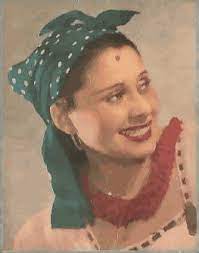
RITA MONTANER, “RITA DE CUBA”, VEDETTE, CANTANTE, PIANISTA Y ACTRIZ. VIDEOS
Rita Aurelia Fulcida Montaner y Facenda conocida como Rita Montaner nació en Guanabacoa el 20 de agosto de 1900, fue una cantante, pianista y actriz cubana. En el lenguaje cubano, era una vedette (una estrella) y era muy conocida en la Ciudad de México, París, Miami y Nueva York, donde actuó, filmó y grabó en numerosas ocasiones. Fue una de las artistas más populares de Cuba entre finales de los años veinte y cincuenta, conocida como ‘Rita de Cuba’. Aunque de formación clásica como soprano para zarzuelas, su huella la dejó como cantante de canciones de salón afrocubanas como “The Peanut Vendor” y “Siboney”.
Montaner nació en una familia de clase media; ella misma era baja de estatura, guapa, con una hermosa sonrisa e inteligente. Aprendió inglés, italiano y francés en la escuela religiosa ya los 10 años asistió al Conservatorio Peyrellade de La Habana. Allí estudió música: solfeo, teoría, armonía y piano; a los 16 empezó lecciones de canto. Se graduó en el Conservatorio Payrellade de La Habana en piano, canto y armonía con medalla de oro.
A lo largo de su carrera, Montaner mantuvo una estrecha relación personal y profesional con dos famosos músicos de su ciudad natal de Guanabacoa: el pianista-cantante Bola de Nieve y el compositor Ernesto Lecuona.
CARRERA ARTÍSTICA
Marzo de 1922 vio el lanzamiento de la carrera de Rita en un concierto de música típica cubana en La Habana, organizado por el compositor Eduardo Sánchez de Fuentes, amigo de su familia. Convenció a su esposo para que la dejara aparecer y cantar. En octubre, cantó en una de las primeras transmisiones de radio en Cuba en la estación de radio PWX.
https://youtu.be/32SACkIcQyk
RITA MONTANER CANTA “AY JOSE” (VIDEOS)
Su trabajo como cantante y pianista con maestros como Lecuona, Jorge Anckermann, Delfín, Sánchez de Fuentes y Gonzalo Roig fue exitoso e inmensamente respetable, como correspondía a una mujer casada de clase media de esa época. Poco a poco, sin embargo, comenzó un cambio cuando se volvió completamente adulta. Actuó en teatro popular, pero ligeramente vulgar (zarzuela; bufo); viajó a otros países y se convirtió en una estrella discográfica. Quedó claro que actuar en público era lo más importante en su vida, y esto no era compatible con su papel de esposa y madre burguesa. Los primeros signos de cambio llegaron en 1926, un año que comenzó de manera bastante convencional.
De regreso a La Habana, debutó en escena en zarzuelas en 1927. Actuando en La Niña Rita, o La Habana de 1830 (música de Eliseo Grenet y Lecuona) cantó el tango-congo Mamá Inéz. El papel principal lo desempeñó Caridád Suarez, con Rita en la cara negra y drag masculino como El Calesero (el cochero). El segundo trabajo en un acto del mismo programa fue el estreno de La Tierra de Venus de Lecuona, donde Rita cantó “Siboney”, que sigue siendo un estándar latino.
En 1929, Montaner viajó a Madrid y Valencia, luego a París, regresando a Cuba en 1930. En 1931 viajó a Broadway bajo contrato con Al Jolson para su musical Wonder Bar, que estaba ambientado en un night-club de París, para el cual ella estaba ahora más que calificado. Cuando estaba en Cuba, Rita tenía un compromiso regular en el Concierto Edén, una discoteca en pleno centro de La Habana (calle Zulueta, cerca del Parque Central).
https://youtu.be/d4xSqR7_hzI
RITA MONTANER COMO ACTRIZ (VIDEOS)
Solía cantar un verso muy conocido que se convirtió en su propio tema:
Mejor que me calle, que no diga mas, que tu sabes lo que yo se!
(¡Mejor me callo y no digo más ya que sabes lo que yo sé!)
En 1933 se trasladó a la Ciudad de México, con Bola de Nieve como acompañante. Ella lo puso en la factura con su apodo, sin consultarlo. “¡Fue el mayor favor que me hizo en mi vida!”, Fue el comentario quizás ambiguo de Snowball. Bola ya opinaba que se estaba volviendo insoportable. “Los espectáculos de Rita en el Teatro Iris fueron triunfantes, pero su boca se apoderó de ella”.
La llegada del sonido a las películas había creado nuevas oportunidades para los músicos, y Montaner inició una nueva carrera como intérprete de cine. Después de un número musical en una película de 1934, hizo dos películas en 1938. La radio también se estaba desarrollando como un medio de comunicación abierto al talento musical. La Montaner iba a hacer un buen uso de estas dos oportunidades. Pero ahora su temperamento se estaba descontrolando. Gonzalo Roig detalló la historia de su despido del espectáculo de Lecuona, María la O, en el Teatro Martí. Durante un dueto con el tenor sobre el reavivamiento del amor traicionado, ¡ella comenzó a arrancarle la ropa en el escenario! Eso fue un paso demasiado lejos para la gerencia.

En 1946 Rita fichó por el Tropicana, con Bola de Nieve como acompañante, para participar en el espectacular de medianoche. Allí reinó como la figura número uno durante casi cuatro años: el contrato de mayor duración de su carrera. Mongo Santamaría comentó: “Esto inauguró la era de las superproducciones de cabaret cubano”.
En la década de 1950, Montaner continuó haciendo obras de teatro cada vez que su programa de radio estaba fuera del aire. En 1955 triunfó como Madame Flora en la ópera La Medium de Menotti, y en 1956 en la comedia ‘Mi Querido Charles’. A partir de 1954, coprotagonizó el programa de televisión de comedia ‘Rita y Willy’ junto a Guillermo Alvarez Guedes. A fines de la década de 1940 y principios de la de 1950 actuó en numerosas películas mexicanas del género cinematográfico rumbera.
VIDA PERSONAL
Montaner se casó con el artista Xavier Cugat en 1918-1920 antes de casarse con el abogado Dr. Alberto Fernández Díaz. Tuvieron dos hijos, Rolando y Alberto. El matrimonio duró hasta su muerte en 1932, y ella se volvió a casar dos veces. El 1 de abril de 1933 contrae matrimonio con Ernesto Estévez Navarro. Nació en Cárdenas, Cuba, pero había sido deportado a México. Se divorciaron en 1938 y se casaron en 1939, por tercera vez, con el abogado Dr. Javier Calderón Poveda.
Rita Montaner murió de cáncer el 17 de abril de 1958 en La Habana. Ella tenía 57 años.
FILMOGRAFÍA
Estas son las películas en las que Rita apareció como actriz o cantante-pianista o ambas.
1934 La noche del pecado como Rita Montaner y su Conjunto Tropical. (Mexicano).
1938 Sucedió en La Habana
1938 El romance del palmar
1947 María la O (coproducción Cuba / México)
1948 Los angelitos negros (mexicano)
1950 Ritmos del Caribe (mexicano)
1950 Pobre corazón
1950 Anacleto se divorcia
1951 Víctimas del Pecado (mexicano)
1951 Al son del mambo (mexicano)
1951 Negro es mi color (mexicano)
1952 La renegada
1952 El único (1952)
1954 Píntame angelitos blanco
1980 Rita. Dirección: Oscar Valdés, 19 minutos. Biografía del cortometraje de Rita Montaner.
Agencies/ Wiki/ Extractos/ Excerpts/ Internet Photos/ YouTube/ Arnoldo Varona/ www.TheCubanHistory.com
THE CUBAN HISTORY, HOLLYWOOD.

* RECOMIENDENOS A SUS AMISTADES * PREFIERA A NUESTROS SPONSORS.*


 Remove the casings from the chorizo.
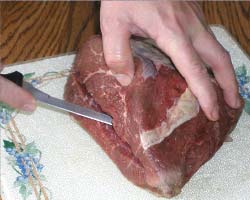 Cutting the meat/Cut a slit in the meat.
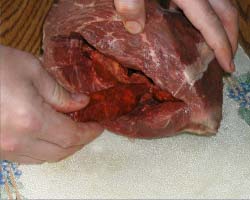 Stuffing the meat/ Insert the chorizo, and some of the mashed garlic inside.