CELINA & REUTILIO, la Música del Campo Cubano, “El Punto Guajiro”. PHOTOS/VIDEOS. * CELINA AND REUTILIO, the Cuban Country Music, “El Punto Guajiro”. PHOTOS/VIDEOS

CELINA Y REUTILIO, LA MÚSICA DEL CAMPO CUBANO, “EL PUNTO GUAJIRO”. FOTOS Y VIDEOS

Celina y Reutilio fue un dúo de música cubana integrado por Celina González y Reutilio Domínguez. Se destacaron en la música campesina de Cuba, especialmente en la guajira, la guaracha y el puntito cubano, y se caracterizaron por incluir en la letra de sus canciones rezos, nombres y palabras afines a la santería.

download (21)

CARRERA ARTÍSTICA
La cantante principal del dúo, Celina González Zamora, nació en Nueva Luisa, Jovellanos, Matanzas, el 16 de marzo de 1928. El guitarrista, cantor (segunda voz del dúo) y compositor Reutilio Domínguez Terrero nació en Guantánamo, en 1921.

Nacida de padres campesinos, cuando Celina era una niña, sus padres y hermanos cantaban en los saraos familiares de fin de semana. Ángela, tocando el tres y cantando, y Jesús, el laúd.

Celina aprende la base melódica y rítmica del cante guajiro, y la devoción de su madre, por las religiones criollas de Cuba, y por los orishas: Ochún, Babalú Ayé, Changó y Yemayá.

logoVIDEOS- Celina & Reutilio cantan “Que Viva Chango”..

Durante su infancia, su familia se trasladó a Santiago de Cuba. Gracias a la radio y su predilección por el sonido del punto cubano, comenzó a improvisar décimas y cuartetas, hacia 1943 conoció al que iba a ser el amor de su vida, Reutilio.

El dúo se dio a conocer en Santiago de Cuba. Finalmente, en 1947 debutaron en una emisora ​​de radio, la CMKR. Otro músico popular santiaguero, ya consagrado en el medio nacional, Antonio Fernández, más conocido como Ñico Saquito; autor de sones como “María Cristina”, “Adiós Compay Gato”, “Jaleo”, “No dejes el camino por vereda” y el prototipo de la canción reivindicativa “Al vaivén de mi Carreta”, los lleva a La Habana en 1948 a que aparecen en una emisora ​​regional, Radio Cadena Suaritos. Esta emisora ​​había puesto de moda la música más puramente africana del país, presentando los fines de semana toques y canciones de la religión santera con vocalistas como Celia Cruz, Mercedes Valdés y Gina Martín.

Para su debut en La Habana, Celina & Reutilio componen un tema que se convierte en el buque insignia del dúo: “A Santa Bárbara”, también conocido como “Que viva Changó”. El éxito de esta guaracha fue inmediato y rotundo.

Con esta composición Celina & Reutilio rompen con una vieja separación que existía entre la música guajira y la música afro, establecen una nueva fusión donde se mantiene la métrica, es decir, la décima hispana y el estilo del punto guajiro, pero la letra permanece. hace referencia a temas del acervo cultural del continente negro. La recepción del público se debe no sólo a la novedad de la melodía, sino quizás a varias otras razones. El dúo combinó la voz “retumbante” de Celina, como se le ha llamado, con el sonido producido por Reutilio, que parecía provenir no de una sino de dos o más guitarras. Vale la pena profundizar un poco en esto último. En los tradicionales dúos y tríos cubanos de punto y el son montuno se utilizaban generalmente dos guitarras, o una guitarra y otro instrumento de cuerda. Un músico tocaba la llamada “Miguel Matamoros en su trío, mientras que un segundo guitarrista ‘bordoneaba’, es decir, marcaba los graves, al igual que Rafael Cueto con sus famosos “tumbaos” en el Trío Matamoros. Reutilio Domínguez reunió a un desarrolló técnica, así como dedos, muñeca y antebrazo supremamente flexibles que le permitieron tocar la prima y la bordonez al mismo tiempo para que el dúo Celina & Reutilio sonara como un trío.

logoVIDEOS- Celina and Reutilio cantan “Pedacito de Mi VIda”..

CELINA Y REUTILIO EN RADIO Y TELEVISIÓN
En sus primeras presentaciones en Radio Cadena Suaritos, también contaron con el apoyo de un famoso bongosero, Marcelo González, apodado El Blanco. Nacido en el barrio habanero de Los Sitios, Marcelo ‘El Blanco’ se había ganado una justa reputación como excelente percusionista, primero en el grupo sonero Macucho del mencionado barrio, y luego, como bongosero de la Orquesta de Julio Cueva. Cuando Marcelo tocaba el bongo detrás de la guitarra de Reutilio y la voz de Celina, los oyentes pensaban que era un conjunto completo con cinco o seis integrantes.

El éxito de Celina & Reutilio en Radio Cadena Suaritos pronto les proporcionó un contrato con una emisora ​​de radio nacional, RHC, Cadena Azul, a la que se trasladaron de inmediato, comenzando también a grabar los temas favoritos del público. La primera grabación de Celina & Reutilio fue A Santa Bárbara, en la que contó con el piano del compositor y arreglista Obdulio Morales y el bongó de otro distinguido percusionista habanero conocido como Papá Gofio.

En poco tiempo Celina & Reutilio se convirtieron en favoritos nacionales. La fórmula de combinar las típicas décimas y cuartetas del canto guajiro con temas de las deidades de los panteones yoruba y congo del pasado africano tuvo una gran respuesta del público, y el dúo comenzó a producir una serie de temas similares como ” A la Reina del mar”, “El hijo de Elegua”, “A la caridad del Cobre” y otros. También grabaron un buen número de música guajira y son montunos de otros autores, como “Lágrimas negras”, “Me había amarrao con P” —compuesta por Ñico Saquito—, “El Cuarto de Tula” y muchos más.

El siguiente capítulo es el de los viajes al extranjero. Celina & Reutilio visitan Nueva York, donde actúan en el Puerto Rico Theatre en la década de 1950, acompañados de Benny Moré; luego viajan a República Dominicana, donde su música fue conocida desde que emitieron por CMKR en Santiago de Cuba, en 1947; y regresan a Nueva York en compañía del cantante de danzones Barbarito Diez.

download (18)

En Cuba aumenta su prestigio y Celina & Reutilio aparecen en dos largometrajes, “Rincón Criollo” y “Bella la Salvaje”. Cantan en programas radiales dedicados a la música guajira en varias estaciones de radio; aparecer en televisión; se destacan en actuaciones en los grandes cabarets de la capital, entre ellos el mítico Tropicana; grabaron en 1956, respaldados por una de las orquestas más cotizadas del momento, la Orquesta Sensación; Se codean con todos los demás guajiropuntos de la isla como Ramón Veloz, Coralia Fernández, Indio Naborí, Raúl y Radeunda Lima, y ​​los anunciantes les piden que graben una gran variedad de jingles para la radio.

VIAJES ARTÍSTICOS CELINA Y REUTILIO

Las tonadas de Celina & Reutilio comienzan a circular en países de la cuenca del Caribe; en particular, Colombia, Venezuela y República Dominicana. Uno de sus temas, grabado en un momento en que la música guajira daba muestras de debilidad en su popularidad, Yo soy el punto cubano, junto a A Santa Bárbara, se convirtió en otro hit mítico de Celina & Reutilio, que recorrió varios países de América Latina.

La colaboración de Celina y Reutilio duró hasta su separación en 1964. Reutilio falleció en 1972. Entre 1964 y 1980 Celina González continuó su carrera como solista. A partir de 1980 se inicia una nueva etapa en la carrera de Celina. Su hijo Lázaro Reutilio estaba terminando sus clases formales de música y madre e hijo deciden lanzar una nueva versión de Celina & Reutilio. Apoyándose en el elenco musical del programa de música campesina “Palmas y Cañas”, los nuevos Celina & Reutilio ya no son un dúo sino una agrupación moderna de música guajira y son montunos, con Celina y su hijo Lázaro Reutilio como las voces estelares.

En 1984 el dúo Celina & Reutilio viajó a Bogotá y a la Feria de Cali, y desde entonces año tras año se han presentado en las principales ciudades de Colombia: Cali, Palmira, Bogotá, Popayán, Pereira, Manizales, Cartagena, Barranquilla y Montería. . También han cantado en televisión y radio en numerosas ocasiones, presentando su repertorio, así como el de Matamoros, Saquito, Carlos Puebla, José Pinares —autor de “Viejito Cañandonga”—, Guayabero y Los Compadres.

Celina & Reutilio también triunfaron en Europa, donde triunfaron en el Reino Unido, donde fue conocida como “Reina de la Música Country Cubana”; en Suecia, Francia y Grecia. Celina ha incursionado en las canciones de la Nueva Trova, particularmente en la obra de Silvio Rodríguez, Girón; Además, ha trabajado con los grupos Manguaré y Adalberto Álvarez y su son, con quienes grabó dos álbumes de larga duración.

download (19)

Celina influyó en un número creciente de cantantes campesinos dentro y fuera de Cuba. Su impacto en la música cubana es ampliamente reconocido. Como ha escrito Alejandro Ulloa, Celina fue a la música guajira, lo que Celia Cruz fue a la guaracha y al son.

Celina, a la edad de 86 años, falleció el 4 de febrero de 2015 a causa de una enfermedad cerebrovascular prolongada.

DISCOGRAFÍA
LS-103 A Santa Bárbara: Con su Conjunto Típico Discos Meca Suaritos
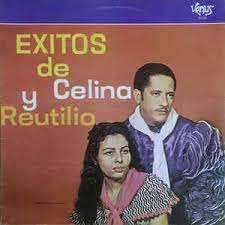
LS-108 Éxitos de Celina y Reutilio Discos Meca Suaritos
LS-110 Fiesta Santera Discos Meca Suaritos
LS-115 Quiero bailar con Celina Discos Meca Suaritos
LS-123 fiesta santera vol. 2 Discotecas Meca Suaritos

RECOMIENDENOS A SUS AMISTADES * PREFIERA A NUESTROS SPONSORS.

RECOMIENDENOS A SUS AMISTADES * PREFIERA A NUESTROS SPONSORS.

logo

CELINA AND REUTILIO, THE CUBAN COUNTRY MUSIC, “EL PUNTO GUAJIRO”. PHOTOS/VIDEOS

Celina y Reutilio was a Cuban music duo made up of Celina González and Reutilio Domínguez. They stood out in the peasant music of Cuba, especially in the guajira, the guaracha, and the Cuban dot, and were characterized by including in the lyrics of their songs prayers, names, and words related to Santeria.

download (24)

ARTISTIC CAREER
The main singer of the duo, Celina González Zamora was born in Nueva Luisa, Jovellanos, Matanzas, on March 16 ,1928. The guitarist, singer (second voice of the duo) and composer Reutilio Domínguez Terrero was born in Guantánamo, in 1921 .

Born to peasant parents, when Celina was a child, her parents and siblings sang at family weekend saraos. Angela, playing the tres and singing, and Jesus, the lute.

Celina learns the melodic and rhythmic base of cante guajiro, and her mother’s devotion, for the Creole religions of Cuba, and for the orishas: Ochún, Babalú Ayé, Changó, and Yemayá.

During his childhood, his family moved to Santiago de Cuba. Thanks to the radio and his predilection for the Cuban punto sound, he began to improvise tenths and quatrains, around 1943 he met the one who was going to be the love of his life, Reutilio.

The duo became known in Santiago de Cuba. Finally, in 1947 they made their debut on a radio station, the CMKR. Another popular musician from Santiago, already established in the national environment, Antonio Fernández, better known as Ñico Saquito; author of sounds such as ” María Cristina “, ” Adiós Compay Gato “, ” Jaleo “, ” Do not leave the road by sidewalk ” and the prototype of the protest song ” Al vaivén de mi Carreta “, takes them to Havana in 1948 to that appear on a regional station, Radio Cadena Suaritos. This radio station had made the most purely African music in the country fashionable, presenting on weekends touches and songs of the Santera religion with vocalists such as Celia Cruz, Mercedes Valdés, and Gina Martín.

For their Havana debut, Celina & Reutilio compose a number that becomes the duo’s flagship: ” A Santa Bárbara “, also known as ” Que viva Changó “. The success of this guaracha was immediate and resounding.

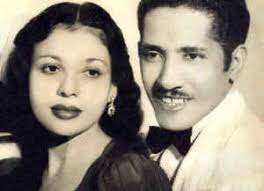
With this composition Celina & Reutilio break with an old separation that existed between Guajira music and Afro music, they establish a new fusion where the meter, that is, the Hispanic tenth and the style of the Guajiro dot, is maintained, but the lyrics remain refers to themes of the cultural heritage of the black continent. The reception of the public is due not only to the novelty of the tune but perhaps to several other reasons. The duo combined Celina’s “resounding” voice, as it has been called, with the sound produced by Reutilio, which seemed to come not from one but from two or more guitars. It is worth delving a bit into the latter. In the traditional Cuban punto duos and trios and son montuno, two guitars were generally used, or a guitar and another stringed instrument. A musician played the call “Miguel Matamoros in his trio, while a second guitarist ‘bordoneaba’, that is to say, marked the low tones, as did Rafael Cueto with his famous “tumbaos” in the Trío Matamoros. Reutilio Domínguez brought together a developed technique, as well as supremely flexible fingers, wrist, and forearm that allowed him to play the prima and bordonez at the same time so that the Celina & Reutilio duo sounded like a trio.
download (17)

CELINA AND REUTILIO IN RADIO AND TELEVISION
In their first presentations on Radio Cadena Suaritos, they also had the support of a famous bongo player, Marcelo González, nicknamed El Blanco. Born in the neighborhood of Los Sitio in Havana, Marcelo ‘El Blanco’ had acquired a just reputation as an excellent percussionist, first with the Macucho sonero group from the aforementioned neighborhood, and later, like the bongo player of the Julio Cueva Orchestra. When Marcelo played the bongo behind Reutilio’s guitar and Celina’s voice, listeners thought it was a complete ensemble with five or six members.

The success of Celina & Reutilio on Radio Cadena Suaritos soon provided them with a contract with a nationwide radio station, RHC, Cadena Azul, to which they immediately moved, also beginning to record the public’s favorite numbers. Celina & Reutilio’s first recording was A Santa Bárbara, in which they featured the piano of the composer and arranger Obdulio Morales and the bongo of another distinguished Havana percussionist known as Papá Gofio.

In no time Celina & Reutilio became national favorites. The formula of combining the typical tenths and quatrains of the Guajiro song with themes of the deities of the Yoruba and Congo pantheons of the African past had a great response from the public, and the duo began to produce a series of similar numbers such as “A la Reina del sea ​​”,” The son of Elegua “,” To the charity of Cobre “and others. They also recorded a number of guajira music and they are montuno by other authors, such as “Lágrimas negros”, “Me had amarrao con P” —composed by Ñico Saquito—, “El Cuarto de Tula” and many more.

The next chapter is that of travel abroad. Celina & Reutilio visit New York, where they perform at the Puerto Rico Theater in the 1950s, accompanied by Benny Moré; then they travel to the Dominican Republic, where their music was known since they broadcast on CMKR in Santiago de Cuba, in 1947; and they return to New York in the company of the singer of danzones Barbarito Diez.

In Cuba their prestige increases and Celina & Reutilio appear in two feature films, “Rincón Criollo” and “Bella la Salvaje”. They sing on radio programs dedicated to Guajira music on various radio stations; appear on television; they stand out in performances in the great cabarets of the capital, including the legendary, Tropicana; they recorded in 1956, backed by one of the most sought-after orchestras of the moment, the Orquesta Sensacion; They rub shoulders with all the other Guajiro Punto singers on the island such as Ramón Veloz, Coralia Fernández, Indio Naborí, Raúl, and Radeunda Lima, and are requested by advertisers to record a great variety of jingles for the radio.
download (20)

CELINA AND REUTILIO ARTISTIC JOURNEYS

Celina & Reutilio’s tunes begin to circulate in countries of the Caribbean basin; in particular, Colombia, Venezuela, and the Dominican Republic. One of its numbers, recorded at a time when Guajira music was showing signs of weakness in its popularity, Yo soy el punto Cubano, along with A Santa Bárbara, became another legendary hit by Celina & Reutilio, which toured several countries of Latin America.

The Celina & Reutilio collaboration lasted until their separation in 1964. Reutilio passed away in 1972. Between 1964 and 1980 Celina González continued her career as a soloist. Starting in 1980, a new stage in Celina’s career began. Her son Lázaro Reutilio was finishing his formal music classes and mother and son decide to release a new version of Celina & Reutilio. Relying on the musical cast of the country music program “Palmas y Cañas”, the new Celina & Reutilio is no longer a duo but a modern group of Guajira music and they are montunos, with Celina and her son Lázaro Reutilio as the stellar voices.

In 1984 the Celina & Reutilio duo traveled to Bogotá and to the Cali Fair , and since then, year after year they have performed in the main cities of Colombia: Cali , Palmira , Bogotá , Popayán , Pereira , Manizales , Cartagena , Barranquilla and Montería . They have also sung on television and radio on numerous occasions, presenting their repertoire, as well as that of Matamoros, Saquito, Carlos Puebla , José Pinares —author of “Viejito Cañandonga” -, Guayabero and Los Compadres.

Celina & Reutilio also triumphed in Europe, where they were successful in the United Kingdom, where it was known as ” Queen of Cuban Country Music “; in Sweden, France, and Greece. Celina has dabbled in the songs of the Nueva Trova, particularly in Silvio Rodríguez’s work, Girón; Furthermore, he has worked with the groups Manguaré and Adalberto Álvarez y su son, with whom he recorded two full-length albums.

download (22)

Celina influenced a growing number of peasant singers inside and outside of Cuba. His impact on Cuban music is widely recognized. As Alejandro Ulloa has written, Celina went to guajira music, what Celia Cruz was to guaracha and son.

Celina, at the age of 86, died on February 4, 2015, from prolonged cerebrovascular disease.

DISCOGRAPHY
LS-103 To Santa Bárbara: With its Typical Set Discos Meca Suaritos
LS-108 Successes of Celina and Reutilio Discos Meca Suaritos
LS-110 Santera party Discos Meca Suaritos
LS-115 I want to dance with Celina Discos Meca Suaritos
LS-123 Santera Party Vol. 2 Discos Meca Suaritos

Agencies/ Wiki/ Celina&ReutilioBio./ Extractos/ Excerpts/ Internet Photos/ YouTube/ Arnoldo Varona/ www.TheCubanHistory.com
THE CUBAN HISTORY, HOLLYWOOD.

RECOMIENDENOS A SUS AMISTADES * PREFIERA A NUESTROS SPONSORS.

RECOMIENDENOS A SUS AMISTADES * PREFIERA A NUESTROS SPONSORS.

logo

AEREOLINEA ” ICELANDAIR” se impone con Decenas de Nuevos Vuelos a Cuba. PHOTOS. * “ICELANDAIR” Airlines is Imposed with Dozens of New Flights to Cuba. PHOTOS.

AEREOLINEA “ICELANDAIR” SE IMPONE CON DECENAS DE NUEVOS VUELOS A CUBA. PHOTOS

La Aerolínea de Islandia se sale con la suya en EEUU y hará decenas de vuelos a Cuba. Esto, pese a la fuerte oposición de las empresas aeronáuticas estadounidenses que operan chárteres a la Isla.

download (16)

La aerolínea bandera de Islandia Icelandair operará decenas de vuelos chárter entre Estados Unidos y Cuba después que el Departamento de Transporte del Gobierno estadounidense aprobara los permisos necesarios el 13 de enero último.

La empresa, conocida por conectar América del Norte y Europa a través de Islandia, llevará pasajeros entre Cuba y Florida y Texas, de acuerdo con el medio Business Insider, comenzando con 170 vuelos entre el 1 de febrero y el 31 de mayo próximos.

Los vuelos serán de ida y vuelta entre La Habana, Miami y Orlando, ambas en Florida, y Houston, en Texas.

La autorización otorgada a Icelandair para entrar en el mercado de los vuelos a Cuba se produjo a pesar de la fuerte oposición de Swift Air, World Atlantic Airlines y Global Crossing Airlines, también conocida como GlobalX, tres de las aerolíneas estadounidenses que ofrecen principalmente servicios chárter utilizando aviones de pasajeros.

No obstante, según las normativas vigentes en EEUU, las aerolíneas estadounidenses y extranjeras pueden hacer ofertas para operar vuelos entre ese país y la Isla bajo el sistema público de vuelos chárter del Departamento de Transporte, que permite operar hasta 3.600 vuelos anuales a Cuba.

“La razón principal de Icelandair para buscar la aprobación de 170 vuelos adicionales durante un período de cuatro meses es imponer una dificultad económica a las actuales aerolíneas estadounidenses”, aseguró Mark Schneider, abogado de Global Crossing Airlines.

No obstante, la aerolínea islandesa respondió a esas objeciones señalando que no está quitando espacio a ninguna aerolínea y que su socio de vuelos chárter ya había descartado a otras empresas estadounidenses.

“Sin otras solicitudes de asignación del grupo ante el Departamento de Transporte, Icelandair no comprende cómo está tomando una participación de mercado en detrimento de las aerolíneas con sede en EEUU”, escribió Jonathan Fuchs, asesor general de Icelandair para las Américas.

VENTAJA DE ICELANDAIR ANTE OTRAS LINEAS AEREAS

Según la aerolínea, Icelandair señaló que su ventaja sobre las estadounidenses está en las bodegas de equipaje de su avión Boeing 757, aunque ya tuvo que dejar 54 maletas debido a limitaciones de espacio en su primer vuelo de Orlando a La Habana.

images

Las aerolíneas que operan aviones más pequeños, como las familias Boeing 737 y Airbus A320, dijo Icelandair, no podrían transportar la misma cantidad de equipaje. En el caso de los vuelos a Cuba, las cantidades de carga acompañada que llevan los pasajeros, en su mayoría emigrados cubanos residentes en EEUU, supone un reto para las empresas aeronáuticas.

Después de otorgar la autorización a la aerolínea islandesa, el Departamento de Transporte señaló que todavía había cupos adicionales abiertos para los cuales las empresas estadounidenses pueden postularse.

Las aerolíneas se han estado adaptando a la nueva realidad de los viajes que trajo la pandemia de Covid-19, la que ha obligado a Icelandair a reducir sus vuelos transatlánticos. La nueva ruta busca ofrecerle un flujo de ingresos adicional.

Icelandair es la aerolínea bandera de Islandia, con base en su capital, Reikiavik. Pertenece a Icelandair Group y opera servicios a 25 ciudades de 12 países en ambas orillas del Atlántico. Su sede principal es el Aeropuerto Internacional de Keflavík.​ También tiene centros de operaciones en los de Reikiavik y Akureyri, ambos en Islandia.

RECOMIENDENOS A SUS AMISTADES * PREFIERA A NUESTROS SPONSORS.

RECOMIENDENOS A SUS AMISTADES * PREFIERA A NUESTROS SPONSORS.

logo

“ICELANDAIR” AIRLINE IS IMPOSED WITH DOZENS OF NEW FLIGHTS TO CUBA. PHOTOS

Iceland Airlines gets away with it in the US and will make dozens of flights to Cuba. This, despite the strong opposition of the US aeronautical companies that operate charters to the Island.

Icelandair-Cuba

Iceland’s flag carrier Icelandair will operate dozens of charter flights between the United States and Cuba after the US Government’s Department of Transportation approved the necessary permits on January 13 last.

The company, known for connecting North America and Europe through Iceland, will take passengers between Cuba and Florida and Texas, according to Business Insider, starting with 170 flights between February 1 and May 31 next.

The flights will be roundtrip between Havana, Miami, and Orlando, both in Florida, and Houston, Texas.

The authorization granted to Icelandair to enter the market for flights to Cuba came despite strong opposition from Swift Air, World Atlantic Airlines, and Global Crossing Airlines, also known as GlobalX, three of the US airlines that offer mainly charter services. using passenger aircraft.

However, according to current regulations in the US, the US and foreign airlines can make offers to operate flights between that country and the Island under the Department of Transportation’s public charter system, which allows up to 3,600 annual flights to Cuba.

“Icelandair’s primary reason for seeking approval for an additional 170 flights over a four-month period is to impose an economic hardship on existing US carriers,” said Mark Schneider, a lawyer for Global Crossing Airlines.

However, the Icelandic airline responded to those objections by saying that it is not taking space from any airline and that its charter partner had already ruled out other US carriers.

“Without further allocation requests from the group before the Department of Transportation, Icelandair does not understand how it is taking market share to the detriment of US-based airlines,” wrote Jonathan Fuchs, Icelandair’s general counsel for the Americas.

ICELANDAIR ADVANTAGE OVER OTHER AIRLINES

According to the airline, Icelandair pointed out that its advantage over the Americans is in the baggage holds of its Boeing 757 plane, although it has already had to leave 54 suitcases due to space limitations on its first flight from Orlando to Havana.

blt649a5871f2ee6935

Airlines operating smaller aircraft, such as the Boeing 737 and Airbus A320 families, Icelandair said, would not be able to carry the same amount of baggage. In the case of flights to Cuba, the amounts of accompanied cargo carried by passengers, the majority of whom are Cuban émigrés residing in the US, pose a challenge for aeronautical companies.

After granting the authorization to the Icelandic airline, the Department of Transportation noted that there were still additional slots open for which US companies can apply.

Airlines have been adapting to the new reality of travel brought about by the Covid-19 pandemic, which has forced Icelandair to reduce its transatlantic flights. The new route seeks to offer you an additional income stream.

Icelandair is the flag carrier airline of Iceland, based in its capital, Reykjavík. It belongs to the Icelandair Group and operates services to 25 cities in 12 countries on both sides of the Atlantic. Its main headquarters is Keflavík International Airport. It also has hubs in Reykjavík and Akureyri, both in Iceland.

Agencies/ DDC/ Extractos/ Excerpts/ Internet Photos/ Arnoldo Varona/ www.TheCubanHistory.com
THE CUBAN HISTORY, HOLLYWOOD.

RECOMIENDENOS A SUS AMISTADES * PREFIERA A NUESTROS SPONSORS.

RECOMIENDENOS A SUS AMISTADES * PREFIERA A NUESTROS SPONSORS.

logo

NITZA VILLAPOL y su “Cocina al Minuto”, por más de Cuatro Decadas en las Pantallas Cubana. PHOTOS/VIDEOS. * NITZA VILLAPOL and her “COCINA AL MINUTO” for More than Four Decades on Cuban Screens. PHOTOS/ VIDEOS

NITZA VILLAPOL Y SU “COCINA AL MINUTO” POR MAS DE CUATRO DECADAS EN LAS PANTALLAS CUBANAS. PHOTOS/VIDEOS.

1544720429741-nitza

Nitza Villapol fue una “chef”, escritora de libros de cocina y presentadora de la televisión en Cuba. Nitza nació en Nueva York, en 1923. Diez años más tarde se radicó en la Habana con su familia, y allí hizo estudios hasta diplomarse como Doctora en Pedagogía, en 1948. En su acercamiento a la cocina hubo mucho de vocación y un poco de casualidad. Gustó siempre de compilar recetas y un día consideró que resultaría útil publicarlas. Su facilidad expositiva, su carisma y su capacidad para comunicarse, la harían sobresalir pronto entre las que realizaban la misma tarea –Ana Dolores Gómez, Nena Cuenco de Prieto, Carmencita San Miguel, María Radelat de Fontanills y María Antonieta de la Reyes Gavilán entre otras.

En la década de 1950, Villapol era famosa en Cuba por sus libros de cocina estándar sobre cocina cubana, Cocina criolla (1954) y Cocina al minuto (1958). De 1951 a 1997 tuvo su propio programa de cocina en la televisión cubana, uno de los más longevos de la historia de la televisión.

Después de 1959, se puso del lado de la revolución y durante el “Período Especial” de Cuba de principios de la década de 1990, logró demostrar en su programa cómo preparar recetas tradicionales cubanas en las difíciles circunstancias de racionamiento, pobreza y escasez.
Villapol encontró un acomodo con el comunismo cubano y logró conquistar a su audiencia cocinando dentro de las limitaciones reales del socialismo existente.

logoVIDEOS- Nitza Villapol en la Cocina de la TV…

NITZA Y SU COCINA AL MINUTO

Sus programas de radio y televisión la hicieron enormemente popular. Sus libros batieron siempre récords de venta y sus colaboraciones en la prensa escrita eran buscadas y conservadas por una infinidad de lectoras –y lectores. Pocos autores abordaron el tema de la cocina cubana con tanta extensión y profundidad como Nitza Villapol. Junto a ella se distinguió su ayudante Margot Bacallao que la acompaño durante muchos años en la composición de sus creaciones culinarias.

Su labor fue más allá de la simple recopilación y divulgación de recetas, con todo lo importante que eso pueda ser. La autora de Cocina al minuto, su libro más emblemático y difundido, enfrentó la cocina también como un problema económico y dietético que forma parte de la cultura y la nacionalidad, y lo hizo con un rigor no exento de vuelo artístico. “La cocina –aseguraba- es un arte, un arte de cada pueblo, un arte menor que forma parte de la cultura de los pueblos”.

Se dice que su programa televisivo, por las más de cuatro décadas que se mantuvo en pantalla, podría haber sido asentado en el Libro de Guinness. En un tiempo solo lo superaba, en antigüedad, Meet the Press, de la televisora norteamericana NBC. Pero si este lo aventajaba en cuatro años, Nitza, como conductora, no tuvo rivales: nadie permaneció más tiempo que ella al frente de un espacio de TV. Su contendiente más cercano sería el periodista Lawrence E. Spivak, que llevó veinte y siete años como panelista o conductor del espacio mencionado. Nitza lo hizo durante cuarenta y cuatro años.

Tan larga presencia en la pequeña pantalla impuso la imagen de una mujer simpática, meticulosa, convincente y dotada de un enorme poder de comunicación. El carisma era, sin embargo, solo una de las aristas de Nitza Villapol. Detrás de su aparente desenfado, animaba una mujer de cultura y arduos estudios. Lo demostró cuando la UNESCO le confió la encomienda de escribir el capítulo relativo a la cocina en el libro África en América, que se publicaría en varios idiomas y tiene ya diez ediciones.

logoVIDEOS- Nitza Villapol y Margot Bacallao en Cocina…

NITZA VILLAPOL EN LA CULTURA MENOR CUBANA, LA COCINA.

“Culta, inteligente, dotada de una rara capacidad de persuasión y profunda conocedora de tan complejas ramas como la nutrición y la dietética, Nitza Villapol es, sin lugar a dudas, la personalidad que más ha influido en el dinamismo y actualización de la cocina cubana, y, sobre todo, en la dificilísima tarea de modificar los hábitos alimentarios del país”, decía en 1986, el escritor Jaime Sarusky en su “Encuentro con la cocina cubana”.

Porque a Nitza le tocó acometer parte de su trabajo en épocas de grandes carencias: primero, cuando a consecuencia del bloqueo norteamericano a la Isla, el cubano se vio privado de productos y condimentos tradicionales en su cocina. Luego, cuando el derrumbe del campo socialista, cortó el suministro de renglones alimentarios que ya se habían hecho habituales en la mesa cubana.

Recordaba Sarusky en su artículo citado que Nitza, en los años 60, enseñó a preparar y a degustar platos como la merluza y la tilapia, desconocidos en la dieta del cubano promedio, lo convenció de las ventajas de cocinar con menos grasa, le reveló el secreto para prescindir de los huevos en la elaboración de un pudín y le dijo cómo empanar la carne con agua y harina como únicos ingredientes. ¿Qué escaseaba la harina para las frituras? Nitza entonces ponía la solución al alcance de la mano: bastaba, para que apareciera, con derretir un paquete de macarrones.

Cocina-cubana-2011

Es por eso que, en opinión de Sarusky, son pocos los que dudan en Cuba que con la magia y los descubrimientos culinarios de esta mujer podría llenarse un delicioso tratado sobre la infinita e inagotable inventiva de los cubanos. Pero Nitza restó siempre importancia al asunto, y en una ocasión confesó: “Sencillamente, invertí los términos. En lugar de preguntarme cuáles ingredientes hacían falta para hacer tal o cual receta, empecé por preguntarme cuáles eran las recetas realizables con los productos disponibles”.

Al desencadenarse en Cuba la crisis económica de los 90, el tema de la cocina se hizo tabú en la Isla, y el programa de Nitza Villapol desapareció del aire de la noche a la mañana. Fue un error, diría más tarde José Luis Santana, presidente entonces de la Federación Culinaria Cubana. “Desde que desapareció el programa Cocina al minuto se ha seguido cierta política errónea de no tocar el tema de la alimentación en los medios. Nuestros hogares se han visto privados de un asesoramiento, de una ayuda, y eso debía rescatarse también”, expresó el chef Santana a la prensa en 1996.

Felizmente, así fue. Pero ya Nitza se había deteriorado mucho para reaparecer en pantalla. Aun así, escribió y publicó nuevos títulos, y se vendieron con el éxito de siempre. La gente, sin embargo, la fue olvidando. Cuando murió, en 1998, solo un puñado de personas acompañó hasta la tumba a la que fue una de las mujeres más populares de Cuba.

ALGUNOS EJEMPLOS DE SUS “CREACIONES”..

Hizo un aporte decisivo al estudio de la culinaria cuando concluyó que la cocina comenzó a ser cubana cuando los garbanzos se suprimieron del ajiaco. Hasta entonces, ese sopón, que se nutre de muy variadas carnes secas y frescas, no había sido más que el encuentro del cocido español con las viandas de la Isla.

La diferencia se acentuó, sentenciaba Nitza, cuando el criado doméstico –negro o chino- asumió la cocina de los blancos. Por la vía de la esclavitud, precisamente, y de la industria azucarera, se imponen en el paladar cubano toda una serie de alimentos y condimentos y entran hábitos dietéticos que llegan hasta hoy.

download (22)

La degustación del arroz en las dos comidas diarias como cereal básico, la presencia de un guiso que “moje” ese arroz, el gusto por lo frito y la preferencia por lo dulce, son constantes en el paladar criollo, aseguró, y afirmó, además, que la gente se ata más a la forma de elaborar un alimento que al alimento mismo.

Uno de los aspectos más lentos y difíciles de modificar en cualquier cultura son los hábitos de conducta entre los cuales se encuentran los alimentarios. Para que esa modificación sea verdadera, profunda y duradera, debe partir del conocimiento de algunos de los factores que conforman esos hábitos y cuáles son las modificaciones que pueden hacerse en aras de una mejor salud”, afirmaba Nitza Villapol.

Ella lo supo muy bien e hizo su legado en más de quince títulos, miles de programas radiales y televisivos e infinidad de columnas de prensa, como la que durante años mantuvo en la revista Cuba Internacional que la tuvo hasta el final entre sus colaboradores más distinguidos. Ahora que ya no está habrá que remitirse una y otra vez a ese legado para seguir gozando de las delicias de la buena mesa y del arte y la gracia que Nitza Villapol supo imprimirles.

RECOMIENDENOS A SUS AMISTADES * PREFIERA A NUESTROS SPONSORS.

RECOMIENDENOS A SUS AMISTADES * PREFIERA A NUESTROS SPONSORS.

logo

NITZA VILLAPOL AND HER “COCINA AL MINUTO” FOR MORE THAN FOUR DECADES ON CUBAN SCREENS

nitza-villapol

Nitza Villapol was a “chef”, cookbook writer, and television presenter in Cuba. Nitza was born in New York in 1923. Nitza was born in New York in 1923. Ten years later she settled in Havana with her family and studied here until graduating as a Doctor of Pedagogy in 1948. In her approach to cooking, there was a lot of vocation and a little casually. She always liked to compile recipes and one day she thought it would be useful to publish them. Her expository ease, her charisma and her ability to communicate would soon make her stand out among those who performed the same task –Ana Dolores Gómez, Nena Cuenco de Prieto, Carmencita San Miguel, María Radelat de Fontanills and María Antonieta de la Reyes Gavilán among others.

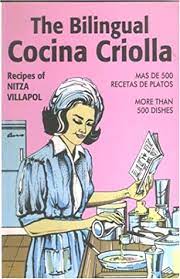
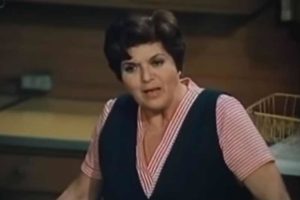
By the 1950s, Villapol was famous in Cuba for her standard cookbooks on Cuban cuisine, Cocina Criolla (1954) and Cocina al minute (1958). From 1951 to 1997 she had her own cooking show on Cuban television, one of the longest-running in television history.

After 1959, she sided with the revolution and during Cuba’s “Special Period” of the early 1990s, she managed to demonstrate on her show how to prepare traditional Cuban recipes under the difficult circumstances of rationing, poverty, and scarcity. Villapol found accommodation with Cuban communism and managed to win over her audience by cooking within the real limitations of existing socialism.

NITZA AND ITS KITCHEN TO THE MINUTE

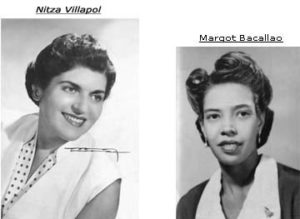
Her radio and television shows made her enormously popular. Her books always broke sales records and her collaborations in the written press were sought after and preserved by an infinity of readers –and readers. Few authors have addressed the subject of Cuban cuisine with such length and depth as Nitza Villapol. Along with her, her assistant Margot Bacallao stood out, accompanying her for many years in the composition of her culinary creations.

images (24)

Her work went beyond the simple compilation and dissemination of recipes, as important as that may be. The author of Kitchen to the Minute, her most emblematic and widespread book, also faced cooking as an economic and dietary problem that is part of culture and nationality, and she did so with a rigor not exempt from artistic flair. “Cooking -she assured- is an art, an art of each town, a minor art that is part of the culture of the towns”.

It is said that her television program, for the more than four decades, that it remained on screen, could have been settled in the Guinness Book. At one time she was only surpassed in seniority by NBC’s Meet the Press. But if he surpassed him by four years, Nitza, as a host, had no rivals: no one stayed longer than her in front of TV space. Her closest contender would be the journalist Lawrence E. Spivak, who spent twenty-seven years as a panelist or host of the aforementioned space. Nitza did it for forty-four years.

Such a long presence on the small screen imposed the image of a nice, meticulous, convincing woman endowed with an enormous power of communication. Her charisma was, however, only one of Nitza Villapol’s edges. Behind her apparent nonchalance, she encouraged a woman of culture and hard studies. She demonstrated this when UNESCO entrusted her with the task of writing the chapter on cooking in the book Africa in America, which would be published in several languages ​​and now has ten editions.

NITZA VILLAPOL IN THE MINOR CUBAN CULTURE, THE KITCHEN.

“Cultured, intelligent, endowed with a rare capacity for persuasion and profound knowledge of such complex branches as nutrition and dietetics, Nitza Villapol is, without a doubt, the personality that has most influenced the dynamism and updating of Cuban cuisine. , and, above all, in the very difficult task of changing the country’s eating habits”, said the writer Jaime Sarusky in 1986 in his “Encounter with Cuban cuisine”.

Because Nitza had to undertake part of her work in times of great shortages: first when as a result of the US blockade of the Island, Cubans were deprived of traditional products and condiments in her kitchen. Later, when the collapse of the socialist camp, she cut off the supply of food items that had already become commonplace on the Cuban table.

nitza-villapol (1)

Sarusky recalled in his cited article that Nitza, in the 1960s, taught how to prepare and taste dishes such as hake and tilapia, unknown in the diet of the average Cuban, convinced him of the advantages of cooking with less fat, revealed the secret to dispense with the eggs in the preparation of a pudding and told him how to bread the meat with water and flour as the only ingredients. What was the shortage of flour for frying? Nitza then put the solution within reach of her hand: it was enough, for it to appear, with melting a package of macaroni.

That is why, in Sarusky’s opinion, there are few in Cuba who doubt that with the magic and culinary discoveries of this woman a delicious treatise on the infinite and inexhaustible inventiveness of Cubans could be filled. But Nitza always downplayed the matter, and on one occasion she confessed: “I simply inverted the terms. Instead of asking myself what ingredients were needed to make this or that recipe, I started by asking myself what recipes could be made with the available products”.

When the economic crisis of the 1990s broke out in Cuba, the subject of cooking became taboo on the island, and Nitza Villapol’s program disappeared from the air overnight. It was a mistake, José Luis Santana, then president of the Cuban Culinary Federation would say later. “Since the program Kitchen at the Minute disappeared, a certain erroneous policy of not touching on the subject of food in the media has been followed. Our homes have been deprived of advice, of help, and that had to be rescued as well,” chef Santana told the press in 1996.

Happily, it was. But Nitza had already deteriorated too much to reappear on the screen. Still, she wrote and published new titles, and they sold as well as ever. People, however, were forgetting her. When she died, in 1998, only a handful of people accompanied her to the grave where she was one of the most popular women in Cuba.

SOME EXAMPLES OF HER “CREATIONS”…

She made a decisive contribution to the study of cuisine when she concluded that the kitchen began to be Cuban when chickpeas were removed from the ajiaco. Until then, this sopon, which is nourished by a wide variety of dry and fresh meats, had been nothing more than the meeting of the Spanish stew with the viands of the Island.

Nitza Villapol

The difference was accentuated, Nitza sentenced when the domestic servant – black or Chinese – took over the kitchen of the whites. By way of slavery, precisely, and the sugar industry, a whole series of foods and condiments are imposed on the Cuban palate and dietary habits enter that continues to this day.

The taste of rice in the two daily meals as a basic cereal, the presence of a stew that “wets” that rice, the taste for fried food, and the preference for sweetness, are constants in the Creole palate, he assured, and he also affirmed, that people are more attached to the way of preparing food than to the food itself.

One of the slowest and most difficult aspects to modify in any culture are behavioral habits, among which are eating habits. For this modification to be true, deep, and lasting, it must start from the knowledge of some of the factors that make up these habits and what are the modifications that can be made for the sake of better health”, stated Nitza Villapol.

She knew it very well and made her legacy in more than fifteen titles, thousands of radio and television programs, and countless press columns, such as the one she maintained for years in the magazine Cuba Internacional, which had her among its most distinguished collaborators until the end. . Now that she is gone, we will have to refer again and again to that legacy of hers to continue enjoying the delights of good food and the art and grace that Nitza Villapol knew how to imprint on them.

Agencies/ Wiki/ Ciro Bianchi/ NitzaVillapolBio./ Extractos/ Excerpts/ Internet Photos/ YouTube/ Arnoldo Varona/ www.TheCubanHistory.com
THE CUBAN HISTORY, HOLLYWOOD.

RECOMIENDENOS A SUS AMISTADES * PREFIERA A NUESTROS SPONSORS.

RECOMIENDENOS A SUS AMISTADES * PREFIERA A NUESTROS SPONSORS.

logo