COCTELERIA NACIONAL: Del Oriente Cubano “El Prú”, de Occidente “La Guayabita del Pinar”. * NATIONAL COCKTAILS: From the Cuban East “EL PRÚ”, From the West “LA GUAYABITA DEL PINAR”. PHOTOS

COCTELERIA NACIONAL: DEL ORIENTE CUBANO “EL PRÚ”, DE OCCIDENTE “LA GUAYABITA DEL PINAR”. PHOTOS

09-pru-oriental-p

La deliciosa bebida Oriental “El Prú”.

La coctelería cubana se destaca por su exótica combinación de los ingredientes propios de la isla. Pero cada región del país tiene sus bebidas que la representan. Algunas son realmente únicas, tal es el caso del refrescante “Prú” oriental.

Esta es una bebida fermentada, muy típica del oriente de Cuba. Para prepararla, se emplean varias raíces, canela y azúcar “prieta”, como le decimos en la isla al azúcar morena. No solo es muy refrescante, el Pru es reconocida por sus propiedades hipotensoras y algunos hasta le atribuyen efectos afrodisíacos.

SUS ORIGENES

Se atribuyen sus orígenes por la presencia de haitianos y franceses que se asentaron en los territorios de Guantánamo y Santiago de Cuba, luego de la Revolución en Haití a comienzos del siglo XIX. Los franceses, que trajeron también a sus esclavos negros, encontraron que los precios de las tierras en el oriente de la Isla eran más bajos, ya que hacia el occidente se desarrollaba la pujante industria azucarera.

Como resultado, los valles orientales se llenaron de plantaciones de café y algodón. Estos eran los principales productos haitianos de exportación. Con los franceses y sus esclavos también llegó a Cuba el Prú. Esta bebida se elaboraba a partir de la planta africana denominada bejuco ubí (Cissus verticillata), también conocida como bejuco de agua, indio y lenero.

Según la tradición, los esclavos encontraban fuerzas en el Prú para realizar las duras labores del campo, les alegraba el espíritu y se dice que con su ayuda curaban varias de sus enfermedades. Realmente, esta esta bebida sí posee algunas propiedades medicinales, pues actúa como hipotensivo y depurativo, así como muestra propiedades diuréticas.

download (32)

PREPARCION DEL PRÚ ORIENTAL

La elaboración del refrescante Pru requiere que se hierva el bejuco ubí. Al cocimiento se le añade jengibre, canela en rama y azúcar morena. Según el gusto y la disponibilidad de los ingredientes, también llava jaboncillo, hojas de pimienta y raíz china.

Cuando la preparación ha enfriado, se ajusta el azúcar y se le añade aguardiente. Para fermentarla, se coloca en envases herméticos y se entierra por tres días. Luego de sacarla de la tierra, se cuela y se coloca en botellas de cristal. Algunos colocantambién unas hojas de caña santa en la botella. Se sirve bien fría.

Esta receta tradicional se ha pasado de generación en generación y se ha difundido por toda Cuba, pero las preparación es más común en las regiones orientales. Desde hace más de quince años, se distribuye en Granma una versión industrial, bajo la marca «El Rey del Cauto», per nada supera más de dos siglos de elaboración artesanal.

El Prú es, sin lugar a dudas, uno de los elementos más identificativos de la gastronomía del oriente de Cuba, a tal punto que la persona que visite la zona y no pruebe el refrescante Prú se sentirá tan frustrado como aquel que viaja a París y no visita la Torre Eiffel.

LA GUAYABITA DEL PINAR

images (35)

Guayabita del Pinar: deliciosa bebida del occidente de Cuba

La Occidental Guayabita del Pinar es quizás, para muchos cubanos y extranjeros, uno de los mejores rones que Cuba tiene para ofrecer. Pero si usted no ha tenido el placer de probar esta mezcla única de sabores, lo animamos a hacerlo tan pronto como sea posible.

Si se da una vuelta por la occidental provincia cubana de Pinar del Río, de seguro encontrará en su camino las plantaciones tabacaleras. A partir de las hojas del tabaco, manos cuidadosas y hábiles elaboran un producto especial que es puro placer enrollado: los famosos habanos.

Pero, hay más y sobre todo en estos tiempo,s que se habla tanto de maridaje de comidas, bebidas y tabacos. Sobre todo en esa localidad, la más occidental de las provincias de Cuba. Allíace y crece sin permiso alguno una planta llamada Guayabita del Pinar. Esta es la base de un licor fuerte, pero a la vez generoso al paladar.

SUS ORIGENES

La receta es muy antigua. Guayabita del Pinar, el licor sabroso de Vueltabajo es producto de la mezcla de culturas entre españoles y criollos, es una bebida única en todo el mundo.

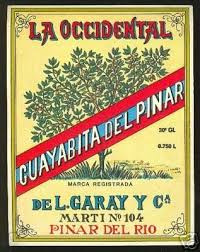
Una bebida excelente creada hace más de un siglo, en 1892, por Lucio Garay Zabala, el octavo hijo de Juan Garay Rentería y Josefa Zabala Barturen. Este español convirtió la conocida mezcla de la pequeña guayaba y ron que los campesinos bebían en las mañanas de invierno antes de salir a cultivar el tabaco, en un licor especial, a través del arte de la elaboración del vino.

La familia de Juan Garay Rentaría y Josefa Zabala eran de nacionalidad española, y para la década del año 1870, España estaba repleta de conflictos políticos, los cuales afectaron enormemente a la región. La familia para aquel entonces se dedicaba a la elaboración de diferentes vinos y licores además de la maceración de las frutas.
images (29)

Cada botella tiene mezclas de guayabas. Cada botella contiene dos o tres de estas guayabas. Hay dos versiones de la Guayabita: una seca, como el ron, y una dulce, como el licor.

La marca está registrada en muchos países. Algunos de los países donde se ha registrado la marca son Alemania, Rusia, Francia, Polonia, Portugal, China, Eslovaquia, Vietnam e Italia.

La Guayabita del Pinar es el licor típico de la provincia de Pinar del Río. Nadie se atreve a clasificarlo, por eso no lo llaman ni ron, ni whisky ni ningún otro nombre, por lo que lo denominan el licor sabroso de Vueltabajo. Seco o dulce, este licor tiene su historia, que ha trscendido más allá de las fronteras cubanas.

Por sus dimensiones, mereció el nombre de guayabita (guayaba pequeña), bautizada así por los isleños. Nadie pudo decir cómo ocurrió ese encuentro casual entre la guayabita y el viejo licor. Una unión sublime, a la que posteriormente se le añadió azúcar, para después de algún tiempo, convertirse en un verdadero prodigio: la Guayabita del Pinar

LA BEBIDA DE LOS CAMPESINOS

La bebida era ingerida por los campesinos habitualmente en las frías mañanas de diciembre, enero y febrero. Eran los meses de plena faena antes de entrar a repasar tabaco. Lucio Garay supo aprovechar esta tradición, combinarla con el arte de la vinatería y rápidamente institucionalizó la comercialización de aquel licor especial, patrimonio vueltabajero. Fue él, quien partiendo de una bebida ya conocida, apreció sus méritos, estableció las proporciones industriales y patentó una producción que convirtió a la modesta “Guayabita del Pinar” en la reina del territorio.

Fue en el año de 1925 cuando la Guayabita del Pinar recibe el mayor premio: la Medalla de Oro en la Feria Internacional de Roma. Allí el licor indígena compitió con los vinos y coñacs de origen ancestral e impuso su condición de excelente bebida.

images (34)

En el año de 1959, con el triunfo de la Revolución, se comenzó una etapa en donde el control estatal sobre la producción y exportación de productos nacionales se fue estableciendo poco a poco, a través de una serie de mecanismos que determinaron la nacionalización.

En el año de 1962 la «Casa Garay» está registrada bajo la marca «La Occidental», conocida como «Guayabita del Pinar» tanto a nivel nacional como internacional. Finalmente se convierte en la empresa de Bebidas y Licores de Pinar del Río. La producción se amplió con otros productos, entre ellos el conocido Aguardiente Coronilla y también se adiciona al proceso productivo la Guayabita dulce y seca.

Para el año 1977, la fábrica pasa ser propiedad de la Empresa Provincial de la Industria Panificadora y de Hielo.

La marca participó en el Evento Nacional celebrado en 1987 donde se evaluó la producción de la “Guayabita Seca y Dulce”. Se examinó tanto el producto de exportación como el de consumo nacional, obteniendo la certificación de MARCA DE CALIDAD SUPERIOR con circulo. La producción nacional obtuvo la MARCA ESTATAL DE CALIDAD PRIMERA sin circulo.

En el año 1988 la Guayabita del Pinar obtuvo medalla de Oro en la Feria Internacional Primavera de Plovdiv, Bulgaria, resaltando entre los finos licores de mesa su indiscutible condición de “Reina de Vueltabajo”.

285850ee-e6f7-42c8-b212-ba148451a8fb

La Guayabita del Pinar se distribuye en la zona del Caribe y Centroamérica. En Cuba se la encuentra en Pinar del Río y también en la Isla de la Juventud.

Los frutos de la planta son un producto forestal maderero que es utilizado como materia prima para la elaboración de la Guayabita del Pinar, marca registrada que es la bebida típica de la región.

La Guayabita del Pinar no es fácil de conseguir despues del triunfo revolucionario de 1959, pero recomiendo que alguna vez en la vida tengan la oportunidad de degustar esta maravilla del mundo de los licores.

RECOMIENDENOS A SUS AMISTADES * PREFIERA A NUESTROS SPONSORS.

RECOMIENDENOS A SUS AMISTADES * PREFIERA A NUESTROS SPONSORS.

logo

NATIONAL COCKTAILS: FROM THE EAST “EL PRÚ”, FROM THE WEST “LA GUAYABITA DEL PINAR”. PHOTOS

download (31)

The delicious Oriental drink “El Prú”.

Cuban cocktails stand out for their exotic combination of the island’s own ingredients. But each region of the country has the drinks that represent it. Some are really unique, such is the case of the refreshing oriental “Prú”.

This is a fermented drink, very typical of eastern Cuba. To prepare it, various roots, cinnamon, and “brown” sugar are used, as we say on the island for brown sugar. Not only is it very refreshing, but Prú is also recognized for its hypotensive properties and some even attribute aphrodisiac effects to it.

ITS ORIGINS

Its origins are attributed to the presence of Haitians and French who settled in the territories of Guantánamo and Santiago de Cuba, after the Revolution in Haiti at the beginning of the 19th century. The French, who also brought their black slaves, found that the prices of land in the east of the island were lower since the thriving sugar industry was developing to the west.

As a result, the eastern valleys were filled with coffee and cotton plantations. These were the main Haitian export products. With the French and their slaves, the Prú also arrived in Cuba. This drink was made from the African plant called liana ubí (Cissus verticillata), also known as liana de agua, Indio and lenero.

According to tradition, the slaves found strength in the Prú to carry out the hard work of the field, it made their spirits happy and it is said that with its help they cured several of their illnesses. Actually, this drink does have some medicinal properties, since it acts as a hypotensive and depurative, as well as showing diuretic properties.

images (27)

PREPARATION OF THE ORIENTAL PRÚ

The elaboration of the refreshing Pru requires that the ubí bejuco be boiled. Ginger, cinnamon sticks, and brown sugar are added to the cooking. Depending on the taste and the availability of the ingredients, he also uses soapberry, pepper leaves, and Chinese roots.

When the preparation has cooled, the sugar is adjusted and brandy is added. To ferment it, it is placed in airtight containers and buried for three days. After removing it from the ground, it is strained and placed in glass bottles. Some also place some holy cane leaves in the bottle. It is served very cold.

This traditional recipe has been passed from generation to generation and has spread throughout Cuba, but the preparation is more common in the eastern regions. For more than fifteen years, an industrial version has been distributed in Granma, under the brand “El Rey del Cauto”, but nothing surpasses more than two centuries of artisan elaboration.

The Prú is, without a doubt, one of the most identifying elements of the gastronomy of eastern Cuba, to the point that the person who visits the area and does not try the refreshing Prú will feel as frustrated as the one who travels to Paris and not visit the Eiffel Tower.

THE GUAYABITA OF PINAR DEL RIO

images (36)

Guayabita del Pinar: delicious drink from western Cuba

Occidental Guayabita del Pinar is perhaps, for many Cubans and foreigners, one of the best rums that Cuba has to offer. But if you haven’t had the pleasure of trying this unique blend of flavors, we encourage you to do so as soon as possible.

If you take a tour of the western Cuban province of Pinar del Río, you will surely find tobacco plantations on your way. From tobacco leaves, careful and skillful hands make a special product that is pure pleasure rolled: the famous cigars.

But, there is more and especially in these times, there is so much talk about pairing food, drinks, and tobacco. Especially in that town, the westernmost of the provinces of Cuba. A plant called Guayabita del Pinar grows there without any permission. This is the base of a strong liqueur, but at the same time generous on the palate.

HIS ORIGINS

The recipe is very old. Guayabita del Pinar, the tasty liqueur from Vueltabajo is the product of the mixture of cultures between Spaniards and Creoles, it is a unique drink in the whole world.

An excellent drink created more than a century ago, in 1892, by Lucio Garay Zabala, the eighth son of Juan Garay Rentería and Josefa Zabala Barturen. This Spaniard turned the well-known mix of small guava and rum that peasants drank on winter mornings before going out to grow tobacco, into a special liquor, through the art of winemaking.

The family of Juan Garay Rentaría and Josefa Zabala were of Spanish nationality, and by the 1870s, Spain was full of political conflicts, which greatly affected the region. The family at that time was dedicated to the production of different wines and liquors in addition to the maceration of fruits.

Each bottle has mixtures of guavas. Each bottle contains two or three of these guavas. There are two versions of Guayabita: a dry one, like rum, and a sweet one, like liquor.

The brand is registered in many countries. Some of the countries where the trademark has been registered are Germany, Russia, France, Poland, Portugal, China, Slovakia, Vietnam, and Italy.

Guayabita del Pinar is the typical liquor of the province of Pinar del Río. No one dares to classify it, that’s why they don’t call it rum, whiskey, or any other name, so they call it the tasty liquor of Vueltabajo. Dry or sweet, this liquor has its history, which has transcended beyond the Cuban borders.

images (33)

Due to its size, it deserved the name of guayabita (small guava), named after the islanders. No one could say how that chance encounter between the guayabita and the old liquor occurred. A sublime union, to which sugar was later added, to become a true prodigy after some time: the Guayabita del Pinar

THE DRINK OF THE PEASANTS

The drink was usually ingested by the peasants on the cold mornings of December, January, and February. They were the months of full work before entering to review tobacco. Lucio Garay knew how to take advantage of this tradition, combine it with the art of winemaking, and quickly institutionalized the commercialization of that special liquor, a heritage from Vuelta Baja. It was he who, starting from a well-known drink, appreciated its merits, established industrial proportions, and patented a production that made the modest “Guayabita del Pinar” the queen of the territory.

It was in the year 1925 when Guayabita del Pinar received the highest award: the Gold Medal at the Rome International Fair. There, the indigenous liquor competed with the wines and cognacs of ancestral origin and imposed its status as an excellent drink.

In 1959, with the triumph of the Revolution, a stage began in which state control over the production and export of national products was established little by little, through a series of mechanisms that determined nationalization.

In 1962, “Casa Garay” is registered under the brand name “La Occidental”, known as “Guayabita del Pinar” both nationally and internationally. Finally, it becomes the Pinar del Río Drinks and Liquors company. Production was expanded with other products, including the well-known Aguardiente Coronilla, and sweet and dry Guayabita was also added to the production process.

By 1977, the factory became the property of the Provincial Company of the Bakery and Ice Industry.

images (28)

The brand participated in the National Event held in 1987 where the production of “Guayabita Seca y Dulce” was evaluated. Both the export product and the product for national consumption were examined, obtaining the SUPERIOR QUALITY MARK certification with a circle. The national production obtained the STATE MARK OF FIRST QUALITY without a circle.

In 1988, Guayabita del Pinar obtained a Gold medal at the International Spring Fair in Plovdiv, Bulgaria, highlighting its indisputable status as “Queen of Vueltabajo” among the fine table liquors.

The Guayabita del Pinar is distributed in the Caribbean and Central America. In Cuba it is found in Pinar del Río and also on the Isla de la Juventud.

The fruits of the plant are a timber forest product that is used as raw material for the production of Guayabita del Pinar, a registered trademark that is the typical drink of the region.

La Guayabita del Pinar is not easy to get after the revolutionary triumph of 1959, but I recommend that at some time in your life you have the opportunity to taste this wonder of the world of liquors.

Agencies/ Wiki/ TodoCuba/ CocteleriaNacional/ Extractos/ Excerpts/ Internet Photos/ Arnoldo Varona/ www.TheCubanHistory.com
THE CUBAN HISTORY, HOLLYWOOD.

RECOMIENDENOS A SUS AMISTADES * PREFIERA A NUESTROS SPONSORS.


RECOMIENDENOS A SUS AMISTADES * PREFIERA A NUESTROS SPONSORS.

logo

DESDE LA HABANA, CUBA: Fué el “Cabaret Montmartre”, El Restaurant “Moscú” y ahora un Hotel en Construcción. * FROM HAVANA, CUBA: It was the “Cabaret Montmartre”, The Restaurant “Moscú and Now a Hotel Under Construction. PHOTOS

DESDE LA HABANA, CUBA: FUE EL “CABARET MONTMARTRE”, EL RESTAURANT “MOSCU” Y AHORA UN HOTEL EN CONSTRUCCION. PHOTOS/VIDEOS.

Los vecinos del lugar, que llevan decenas de años quejándose, observaban con asombro las obras de reparación. “Yo no consigo ni un tornillo”, todo va para la construcción de los hoteles de los militares cubanos, dijo uno de nuestros entrevistados.

Cartel en la esquina de la calle Humboldt por las obras de construcción en el antiguo restaurante Moscú. (14ymedio)

Cartel en la esquina de la calle Humboldt por las obras de construcción en el antiguo restaurante Moscú. (14ymedio)

Un cartel rojo y amarillo en la calle 23, en El Vedado habanero, llama la atención sobre unas nuevas obras en la capital. “Atención, calle P cerrada, transite por O”, dice en mayúsculas, haciendo volver la mirada del transeúnte sobre los operarios que, en la calle P, donde se encuentra el antiguo restaurante Moscú, montan una valla desde temprano este viernes.

Los vecinos del lugar, que llevan decenas de años quejándose por la ruina en que se encuentra el lugar, un criadero de mosquitos y ratas, observaban con asombro lo que serían obras de reparación si no fuera por el cartel en la esquina de la calle Humboldt que avisa bien claro del objetivo del trabajo: “Hotel en construcción”.

En la parcela se construye un hotel de 450 habitaciones que gestionará de forma mixta la empresa cubana Gran Caribe y la compañía española Be Live. El proyecto se incluyó en la cartera de oportunidades para la inversión extranjera y estaba planificado que comenzara este 2022.

logoVIDEOS- Trabajos de Construccion en la Habana..

Hace tiempo, ante las quejas y denuncias ciudadanas, las autoridades comunicaron sus intenciones de demoler el local, argumentando que el deterioro provocado por el voraz incendio que lo destruyó en 1989, sumado a los años de total abandono, hacían imposible salvar la construcción.

Más adelante, presentaron en la televisión oficial el plan de conservar el parqueo subterráneo que existe y derribar la estructura principal para construir allí un hotel.

El emplazamiento tuvo a lo largo de su historia varios usos. Luego de ser una vaquería, fue, en los años 20, el primer cinódromo de La Habana. Más adelante, en los 40, levantaron el lujoso Cabaret Montmartre. Con dos bares y un casino, abría cada tarde todos los días y en su escenario se tocaba música en vivo.

DESPUES DEL FAMOSO CABARET MONTMARTRE..

En pleno corazón de la Rampa habanera. El edificio que previamente había sido la cuna del flamante cabaret Montmartre, icónico club nocturno de los años 40 y 50 en Cuba y por el que desfilaron las estrellas más famosas de la época: el mexicano Agustín Lara, la española Lola Flores, Edith Piaf, Cab Calloway o Nat King Cole y por supuesto, los cubanos Benny Moré, Olga Guillot o Rita Montaner cuentan una pasada y triste historia, junto a destacados acontecimientos de la época. Las crónicas cuentan que en sus fastuosos salones, en 1947, Frank Sinatra cortó una gran torta para celebrar su boda con Ava Gardner.

En el lugar también murió asesinado en un atentado Antonio Blanco Rico, jefe del Servicio de Inteligencia Militar de Furgencio Batista.

Con la llegada al poder de Fidel Castro, el negocio fue intervenido y pasó a ser un comedor obrero. En los 60 fue que pasó a ser el restaurante Moscú, justo cuando el régimen se convierte en satélite de la URSS, con una carta de especialidades rusas. Uno de sus platos emblemáticos era, de hecho, la solyanka, una sopa elaborada con abundantes trozos de carne.

CMfJgbKUEAIadd7-1024x768

“Un tío mío fue capitán de uno de los salones del Moscú”, cuenta Sandra, una habanera de unos 45 años, que recuerda el lugar por lo que le contaba su familiar. “A mi hermana y a mí nos encantaba repasar un libro, impreso en la URSS, con todos los detalles del restaurante. A través de sus páginas hasta aprendimos las diferencias entre un cuchillo para carne y otro para mantequilla”, detalla, divertida.

Cuando se encontraba en reparación, un fin de semana de 1989, un incendio que comenzó en la planta baja del restaurante terminó por destruir todo el lugar, como si se tratara de un evento premonitorio. Poco después, desaparecería la Unión Soviética.

RECOMIENDENOS A SUS AMISTADES * PREFIERA A NUESTROS SPONSORS.

RECOMIENDENOS A SUS AMISTADES * PREFIERA A NUESTROS SPONSORS.

logo

FROM HAVANA, CUBA: IT WAS THE “CABARET MONTMARTRE”, THE RESTAURANT “MOSCU” AND NOW A HOTEL UNDER CONSTRUCTION. PHOTOS..

The residents of the place, who have been complaining for decades, watched the repair works in amazement. “I can’t get a single screw”, everything goes to the construction of hotels for the Cuban military, said one of our interviewees.

hqdefault

A red and yellow billboard on 23rd Street, in Havana’s Vedado, draws attention to some new works in the capital. “Attention, street P closed, go through O,” he says in capital letters, turning the passerby’s gaze on the workers who, on P street, where the old Moscow restaurant is located, are setting up a fence early this Friday.

The residents of the place, who have been complaining for decades about the ruin in which the place is located, a breeding ground for mosquitoes and rats, watched with amazement what repair works would be if it were not for the sign on the corner of Humboldt Street that clearly warns of the objective of the work: “Hotel under construction”.

A 450-room hotel is being built on the plot, which will be jointly managed by the Cuban company Gran Caribe and the Spanish company “Be Live”. The project was included in the portfolio of opportunities for foreign investment and was scheduled to start in 2022.

Some time ago, in the face of citizen complaints and denunciations, the authorities communicated their intentions to demolish the premises, arguing that the deterioration caused by the raging fire that destroyed it in 1989, added to the years of total abandonment, made it impossible to save the construction.

Later, they presented on official television the plan to preserve the existing underground parking lot and tear down the main structure to build a hotel there.

Throughout its history, the site had various uses. After being a dairy, it was, in the 1920s, the first cyndrome in Havana. Later, in the 40s, they built the luxurious Cabaret Montmartre. With two bars and a casino, it was open every evening every day and live music was played on its stage.

AFTER THE FAMOUS MONTMARTRE CABARET…

In the heart of Havana Rampa. The building that had previously been the cradle of the brand-new Montmartre cabaret, an iconic nightclub of the 40s and 50s in Cuba and through which the most famous stars of the time paraded: the Mexican Agustín Lara, the Spanish Lola Flores, Edith Piaf, Cab Calloway or Nat King Cole and of course, the Cubans Benny Moré, Olga Guillot or Rita Montaner tell a past and sad story, together with outstanding events of the time. The chronicles tell that in his lavish halls, in 1947, Frank Sinatra cut a big cake to celebrate his wedding with Ava Gardner.

Antonio Blanco Rico, head of Fulgencio Batista’s Military Intelligence Service, was also killed in an attack there.

7fd6622df7

With the coming to power of Fidel Castro, the business was intervened and became a workers’ canteen. In the 1960s it became the Moscow restaurant, just when the regime became a satellite of the USSR, with a menu of Russian specialties. One of its emblematic dishes was, in fact, the solyanka, a soup made with abundant pieces of meat.

“An uncle of mine was captain of one of the halls of the Moscow,” says Sandra, a 45-year-old from Havana, who remembers the place from what her relative told her. “My sister and I loved going over a book, printed in the USSR, with all the details of the restaurant. Through its pages we even learned the differences between a steak knife and a butter knife,” she details, amused.

When it was under repair one weekend in 1989, a fire that started on the ground floor of the restaurant ended up destroying the entire place, as if it were a foreboding event. Shortly after, the Soviet Union would disappear.

Agencies/ Wiki/ 14yMedio/ Juan D. Rodríguez, La Habana / Internet Photos/ Arnoldo Varona/ www.TheCubanHistory.com
THE CUBAN HISTORY, HOLLYWOOD.

RECOMIENDENOS A SUS AMISTADES * PREFIERA A NUESTROS SPONSORS.

RECOMIENDENOS A SUS AMISTADES * PREFIERA A NUESTROS SPONSORS.

logo

“PANCHITO” RISET, destacado Cantante Cubano y la Profesía en su Triste Final. PHOTOS/VIDEOS. * “PANCHITO” RISET, outstanding Cuban Singer and the Prophecy in its Sad End. PHOTOS/VIDEOS

“PANCHITO” RISET, DESTACADO CANTANTE CUBANO Y LA PROFESÍA EN SU TRISTE FINAL. VIDEOS

71-c39WcTOL._SS500_

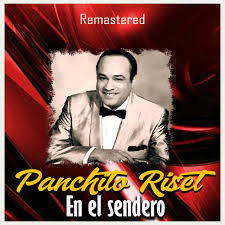
Si prestamos atencion, a veces la vida nos anuncian presagios que nos van a pasar en el futuro y esto fue lo que sucedió en el año 1947 en la ciudad de Nueva York cuando el compositor cubano “Mundito” Medina escribió el bolero titulado “El cuartito”.

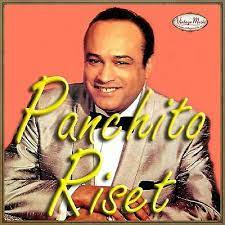
En esa época, una de las estrellas más populares en el ambiente musical de Nueva York era Panchito Riset. Para el cantante, todo era brillante y feliz. El se presentaba todas las noches en el ‘Club Versalles’ de esa ciudad y sus discos se vendían por todo el mundo. Y Panchito aceptó cantarle a Medina su tema, sin saber que la canción para él sería profética, aunque en aquellos momentos de esplendor y fama, su mensaje no podría descifrar.

logoVIDEOS- Panchito Riset interpreta “El Cuartito”…

CARRERA ARTISTICA

Francisco Hilario Riser, su verdadero nombre luego cambiado, nació en La Habana, Cuba, en el barrio de Atarés, un 21 de Octubre, 1910. Desde pequeño, aprendió a tocar el Tres, la famosa guitarra cubana de tres cuerdas dobles, y la guitarra acústica española, instrumentos con los que se acompañaba, pero poco a poco los abandonó para concentrase más bien en cantar.

Su primer incurso como cantante profesional fue con el ‘Septeto Esmeralda’, pasándose más tarde al Septeto Habanero y luego a la orquesta de Ismael Díaz.

En 1933, lo invitan a cantar con una de las orquestas más populares de Nueva York en ese entonces y se muda a esa ciudad, donde canta por un tiempo con la Orquesta de Antobal. Es con Antoval que graba una de sus primeras grabaciones y en el sello le ponen Riset (en vez de Riser) y, como para no tener que rehacerlos, así lo dejan.

En Nueva York, durante los años 30, Francisco Riser, ahora Panchito Riset, canta y graba, prácticamente, con todos los grupos musicales existentes en ese entonces: Cuarteto (de Pedro) Flores, Victoria, el Caney, y con las orquestas de Xavier Cugat y Enrique Madriguera. Además, actuaba continuamente en los cabarets de moda: Cubanacán, La Conga y Yumurí así también como en California, donde se presentó en 1936 en el cabaret Trovadero, mientras se lo disputaban los estudios de grabación.

download (30)

Como ciudadano de Estados Unidos, cuando rompe la II Guerra Mundial el deber lo llama, y Panchito se enlista en el ejército donde permanece hasta 1943, cuando sale honorablemente, Panchito regresa a lo que más le gustaba, cantarle a su público, lo que hace cuando debuta en el cabaret, Versalles, y donde permanece por los próximos 18 años.

Panchito, a su regreso del sercicio militar, siguió grabando, preferentemente con grupos que se amoldaban a su estilo, como los conjuntos de René Hernández y el de Luis “Lija” Ortiz, viajando esporádicamente por el Caribe. En sus presentaciones, con su voz e inconfundible estilo, Riset llevó al bolero la ingenuidad, la pureza en la expresión que existía en los años ‘30 y nunca buscó innovar su estilo. El invitaba al oyente a trasladarse con él a la simple y sosegada magia de la década de los 30.

PANCHITO RISET EN CUBA

Lo interesante de su historia es que como otros cubanos (Antonio Machín, Bola de Nieve y Machito, entre otros) que disfrutaron de fama internacional, en su país natal, Panchito Riset no era muy conocido. Había salido de Cuba muy muy joven.

No fue hasta mediados de los ’40 que los radioescuchas de una popular radioemisora habanera, Radio Cadena Suaritos, comenzaron a escuchar una nueva voz que no era la suave de Fernando Albuerne, la viril de Daniel Santos, o la cadenciosa de Bobby Capó, voces a las que ya estaban acostumbrados. Esta nueva voz era algo distinto: muy aguda pero melodiosa que cantaba en un estilo que, francamente, ya estaba padaso de moda.Y para acabar, la canción que interpretaba comenzaba extrañamente con una risa, seguía con una pregunta y continuaba después con la evocación nostálgica de la amada perdida y el nido de sus amores.

Era una canción que parecía un tango, y de hecho su tema recordaba a la percanta y el bulín de “Mi noche triste”, el primer tango que cantó Gardel. Era una especie de tango tropical, a ritmo de bolero. Uno de esos temas que se creían compuestos en una noche de farra, llenas de recuerdos, de mucho alcohol y de superabundante inspiración. En suma, una canción tanto sublime, como ridícula, y como tal, conquistó el corazón de las multitudes. A poco, “El Cuartito” de “Mundito” Medina, en la voz de Panchito Riset, se escuchaba por todas partes a nivel de saturación.

Más tarde, con la misma aceptación, siguieron “Blancas azucenas”, de Pedro Flores, de la cual el musicólogo Cristóbal Díaz Ayala dice que en su versión, uno casi podía olerlas y “Cita a las seis”, donde los oyentes hasta se ponían nerviosos al escuchar como su voz esperaba a la amada.

Y así se mantuvo por décadas. Como el baluarte de la música popular de Nueva York, hasta que la salud le empezó a fallar. Pero aún así, nunca perdió su maravillosa voz.

logoVIDEOS- Panchito Riset “Su última presentacion”..

Menciona Ayala que en septiembre de 1983, cuando se celebró el Telemaratón de la Sociedad de Niños y Adultos Lisiados de Puerto Rico en New York, la presencia y actuación de Panchito Riset arrancaron, al mismo tiempo, lágrimas y aplausos. Al presentarlo Pedro Zervigón, el público le obligó a interpretar varios números, entre ellos “Blancas azucenas”. Esa noche, fue la estrella que más brilló, aunque allí estaban Celia Cruz, Iris Chacón, Ruth Fernández, Mirta Silva y otras grandes figuras. Desde su silla de ruedas, seguía actuando hasta que la enfermedad pudo más que él.

Y SE CUMPLE LA PROFESÍA (“EL CUARTITO”), UNA DE SUS MAS GUSTADAS INTERPRETACIONES..

El 8 de agosto de 1988 en un cuartito, olvidado y ciego, con las dos piernas amputadas a consecuencia de la diabetes, fallece Panchito Riset. A su lado solo estuvieron amigos como el locutor y animador Angel Luis González Adames y Trini Márquez, del famoso Trío de las Hermanas Márquez, que le asistieron hasta su muerte.

Panchito Riset está enterrado en el cementerio nacional de Calverton en Nueva York.

RECOMIENDENOS A SUS AMISTADES * PREFIERA A NUESTROS SPONSORS.

RECOMIENDENOS A SUS AMISTADES * PREFIERA A NUESTROS SPONSORS.

logo

“PANCHITO” RISET, OUTSTANDING CUBAN SINGER AND THE PROPHECY IN ITS SAD END. VIDEOS

download (29)

If we pay attention, sometimes life announces omens that are going to happen to us in the future and this was what happened in 1947 in New York City when the Cuban composer “Mundito” Medina wrote the bolero titled “El cuartito ”.

At that time, one of the most popular stars in the New York music scene was Panchito Riset. For the singer, everything was bright and happy. He appeared every night at the ‘Club Versalles’ in that city and his records were sold all over the world. And Panchito agreed to sing his song for Medina, not knowing that the song would be prophetic for him, although in those moments of splendor and fame, he could not decipher his message.

ARTISTIC CAREER

Francisco Hilario Riser, his real name later changed, was born in Havana, Cuba, in the neighborhood of Atarés, on October 21, 1910. As a child, he learned to play the Tres, the famous Cuban guitar with three double strings, and the Spanish acoustic guitar, instruments with which he accompanied himself, but little by little he abandoned them to concentrate more on singing.

His first attempt as a professional singer was with the ‘Septeto Esmeralda’, later moving on to the Septeto Habanero and then to the Ismael Díaz orchestra.

In 1933, he was invited to sing with one of the most popular orchestras in New York at the time and he moved to that city, where he sang for a while with the Antobal Orchestra. It is with Antoval that he records one of his first recordings and on the label they put Riset (instead of Riser) and, as if not to have to remake them, they leave it that way.

In New York, during the 1930s, Francisco Riser, now Panchito Riset, sang and recorded with practically all the musical groups existing at that time: Cuarteto (de Pedro) Flores, Victoria, el Caney, and with Xavier’s orchestras. Cugat and Enrique Burrow. In addition, he continuously performed in the fashionable cabarets: Cubanacán, La Conga, and Yumurí as well as in California, where he appeared in 1936 at the Trovadero cabaret, while the recording studios disputed him.

As a citizen of the United States, when World War II breaks out, duty calls him, and Panchito enlists in the army where he remains until 1943 when he leaves honorably, Panchito returns to what he liked best, singing to his audience, which he does when he debuts at the cabaret, Versalles, and where he remains for the next 18 years.

images (24)

Panchito, upon his return from military service, continued to record, preferably with groups that conformed to his styles, such as René Hernández and Luis “Lija” Ortiz’s ensembles, traveling sporadically around the Caribbean. In his presentations, with his voice and his unmistakable style, Riset brought to the bolero the ingenuity, the purity in the expression that existed in the ’30s and never sought to innovate his style. He invited the listener to move with him to the simple and calm magic of the 1930s.

PANCHITO RISET IN CUBA

The interesting thing about his story is that like other Cubans (Antonio Machín, Bola de Nieve, and Machito, among others) who enjoyed international fame, in his native country, Panchito Riset was not well known. He had left Cuba very very young.

It was not until the mid-’40s that listeners of a popular Havana radio station, Radio Cadena Suaritos, began to hear a new voice that was not the smooth one of Fernando Albuerne, the virile one of Daniel Santos, or the cadenced one of Bobby Capó, voices which they were used to. This new voice was something different: very high-pitched but melodious that sang in a style that, frankly, was already out of fashion. nostalgic for the lost beloved and the nest of her loves.

It was a song that seemed like a tango, and in fact, its theme was reminiscent of the percanta and bulín of “Mi noche triste”, the first tango that Gardel sang. It was a kind of tropical tango, to the rhythm of a bolero. One of those songs that were believed composed in a night out, full of memories, lots of alcohol, and superabundant inspiration. In short, a song is both sublime and ridiculous, and as such, it conquered the hearts of the multitudes. Soon, “El Cuartito” by “Mundito” Medina, in the voice of Panchito Riset, was heard everywhere at the saturation level.

download (28)

Later, with the same acceptance, they followed “Blancas azucenas”, by Pedro Flores, of which the musicologist Cristóbal Díaz Ayala says that in his version, one could almost smell them and “Cita a las seis”, where the listeners even got excited. nervous to hear how his voice waited for the beloved.

And so it remained for decades. As the bulwark of New York popular music, until his health began to fail him. But still, he never lost his wonderful voice.

Ayala mentions that in September 1983, when the Telemarathon of the Society for Crippled Children and Adults of Puerto Rico was held in New York, the presence and performance of Panchito Riset drew tears and applause at the same time. When Pedro Zervigón presented it, the public forced him to interpret several numbers, among them “Blancas azucenas”. That night, he was the star that shone the most, although Celia Cruz, Iris Chacón, Ruth Fernández, Mirta Silva, and other great figures were there. From his wheelchair, he continued to act until the disease got the better of him.

AND THE PROPHECY IS FULFILLED (“EL CUARTITO”), ONE OF ITS MOST LIKED INTERPRETATIONS…

On August 8, 1988, in a small room, forgotten and blind, with both legs amputated as a result of diabetes, Panchito Riset dies. At his side were only friends such as the announcer and entertainer Angel Luis González Adames and Trini Márquez, from the famous Márquez Sisters Trio, who assisted him until his death.

Panchito Riset is buried in Calverton National Cemetery in New York.

Agencies/ ElVerasPR/ PanchitoRisetBio./ Extractos/ Excerpts/ Internet Photos/ YouTube/ Arnoldo Varona/ www.TheCubanHistory.com
THE CUBAN HISTORY, HOLLYWOOD.

RECOMIENDENOS A SUS AMISTADES * PREFIERA A NUESTROS SPONSORS.

RECOMIENDENOS A SUS AMISTADES * PREFIERA A NUESTROS SPONSORS.

logo