 CUBANO-ESPAÑOLES RECLAMAN SUS DERECHOS A LA SEGURIDAD SOCIAL.
Corría el mes de noviembre del año 2007. Un grupo de siete países latinoamericanos encabezados por España decidió firmar un acuerdo histórico que nunca pasó de ser, hasta hoy, una mera anécdota burocrática. Efectivamente, el Convenio Multilateral Iberoamericano de Seguridad Social ofrecía una solución legal a los trabajadores hispanoamericanos que se desplazaban a una España entonces en pleno boom inmobiliario. Del mismo modo, se trataba de amparar a los antiguos refugiados de Chile, Uruguay y otros Estados, que tras toda una vida de trabajo en Europa, una vez restablecida la democracia, deseaban regresar a sus países de origen con los derechos a la jubilación adquiridos.
Naturalmente, este movimiento de trabajadores se inserta en el marco más amplio de la globalización, que como sabemos, acelera el desplazamiento de trabajadores de las regiones más pobres hacia las más ricas, creando así una interdependencia cada vez mayor entre países. En concreto, entre naciones hispanas donde existe “un acervo común de carácter cultural, económico social”, este convenio pretende convertirse en un instrumento que coordine las disímiles leyes nacionales, para que los trabajadores migrantes y sus familias, en el caso siempre posible de un regreso, “puedan disfrutar de los beneficios generados con su trabajo en los países receptores”. De este modo, el acuerdo ha podido facilitar el retorno a sus países de origen de muchos trabajadores golpeados por la actual crisis económica.
EL CASO CUBANO
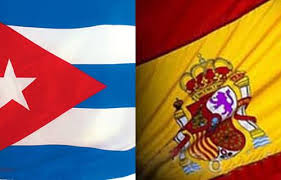
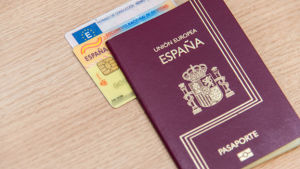
La ley de Memoria histórica, permitió a los hijos y nietos de españoles recuperar la nacionalidad de sus ascendientes. La actual crisis global que vive la isla ha provocado que numerosos descendientes de aquellos españoles; entre los cuales se encuentran los hijos del propio Fidel Castro, se acojan a los beneficios de esta ley para poder emigrar. Según los últimos datos oficiales del consulado se presentaron medio millón de solicitudes, de las cuales alrededor de 300 mil cumplían con los requisitos legales para el trámite, de ellas 190 mil han sido aceptadas y todavía hoy quedan unos 100 mil expedientes sin tratar. A término Cuba contará con la mayor colonia de españoles de toda América.
De este modo, numerosos compatriotas, buscando un futuro mejor, han conseguido instalarse en la península y en otros países. España, a través de sus diecisiete administraciones comunitarias, está destinando cuantiosos fondos para organizar el retorno de estas familias. Sin embargo, la llegada de los nuevos españoles al territorio peninsular puede ser traumática ya que no existen acuerdos entre Madrid y La Habana para reconocer las jubilaciones, entre otras carencias de bulto, como lo señala el licenciado Pedro Luis Sañudo desde su blog DobleR, cuando aconseja esperar por “tiempos mejores” para intentar la aventura del retorno.
Partiendo de estas realidades, un grupo de afectados de más de cincuenta años, residentes en España, encabezado por el cubano-español retornado Alvaro Miralles, ha lanzado una recogida de firmas (diez mil) desde la plataforma Change.org. El objeto de su demanda es simple: que se incluya a Cuba en el Convenio Multilateral Iberoamericano de Seguridad Social. Pretende hacer llegar esta petición al Rey y a los Ministros de Relaciones Exteriores de España y Cuba durante la próxima Cumbre Iberoamericana, que se desarrollará en diciembre en el estado mexicano de Veracruz.
Para Miralles no solo se trata de un problema básico de justicia y de equidad entre todos los países hispanoamericanos. La protección de los cubanos en el exterior debería ser una prioridad y concluye su reclamo afirmando: “Cuba acaba de obtener un gran apoyo en el seno de las Naciones Unidas sobre el levantamiento del bloqueo económico a Cuba, creemos que esta es una buena oportunidad para levantar también otro bloqueo que existe entre España y Cuba en lo relacionado con la seguridad social ”. La próxima visita del Canciller español García Margallo a La Habana, anunciada para el próximo día 24 de noviembre, podría ser la mejor ocasión para rubricar dicho acuerdo.
Agencies/14ymedio,Habana/Ferrán Núñez, París/InternetPhotos/La Historia de Cuba.
www.TheCubanHistory.com, Hollywood.
Arnoldo Varona, Editor.
CUBA PHOTOS.

CUBANO-ESPAÑOLES CLAIMING THEIR RIGHTS TO SOCIAL SECURITY.
In the month of November 2007. A group of seven Latin American countries led by Spain decided to sign a historic agreement that never became, until today, a mere bureaucratic anecdote. Indeed, the Ibero-American Multilateral Social Security Agreement provided a legal solution to the Hispanic workers who moved to Spain then on the real estate boom. Similarly, it was shelter the former refugees from Chile, Uruguay and other states, that after a lifetime of work in Europe, after the return to democracy, wished to return to their home countries with rights acquired retirement .
Naturally, this movement of workers is inserted into the wider context of globalization, as we know, accelerates the movement of workers from poorer to richer regions, thus creating a growing interdependence between countries. Specifically, among Hispanic nations where there is “a common stock of cultural, economic, social character,” this agreement is intended to become an instrument to coordinate the disparate national laws, to migrant workers and their families, always possible in case of a back, “they can enjoy the benefits of their work in host countries.” Thus, the agreement could facilitate the return to their home countries of many workers hit by the current economic crisis.
CUBAN CASE.
The Law of Historical Memory, allowed the children and grandchildren of Spaniards to recover the nationality of their ancestors. The current global crisis in the island has caused numerous descendants of the Spaniards; among which are the children of Fidel Castro, avail themselves of the benefits of this law to emigrate. According to the latest data from the consulate half a million applications, of which about 300 000 met the legal requirements for the processing of which 190,000 have been accepted and are still about 100 thousand cases filed untreated. A term Cuba will have the largest colony of Spaniards in America.
Thus, many compatriots, seeking a better future, have managed to settle in the peninsula and elsewhere. Spain, through its seventeen Community administrations, is devoting considerable resources to organize the return of these families. However, the arrival of the new Spanish mainland can be traumatic because there are no agreements between Madrid and Havana recognizing pensions, among other shortcomings of the package, as noted by Mr. Pedro Luis Sanudo from your blog Dobler, when advised to wait for “better times” to try the adventure of return.
Based on these facts, a group of affected more than fifty years, living in Spain, led by Cuban-Spanish Alvaro returned Miralles, has launched a petition (ten thousand) from the Change.org platform. The object of his demand is simple: to be included Cuba in Latin American Multilateral Agreement on Social Security. It aims to bring this petition to the King and the Ministers of Foreign Affairs of Spain and Cuba during the next Ibero-American Summit, to be held in December in the Mexican state of Veracruz.
To Miralles not only is a basic issue of fairness and equity among all Latin American countries. Protecting Cubans abroad should be a priority claim and concludes by stating: “Cuba just get a lot of support within the United Nations to lift the economic blockade of Cuba, we think this is a good opportunity for also raise another block between Spain and Cuba in relation to social security. “The upcoming visit by Spanish Foreign Minister Garcia Margallo Havana announced for next November 24, might be the best time to initial the agreement.
Agencies/14ymedio,Habana/Ferrán Núñez, París/InternetPhotos/La Historia de Cuba.
www.TheCubanHistory.com, Hollywood.
Arnoldo Varona, Editor.



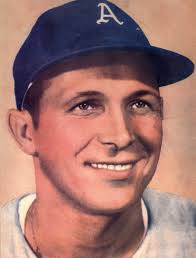 DEPORTES: ROBERTO ORTIZ, “El Gigante del Central Senado”.