– CUBANS IN HOLLYWOOD: A Red Carpet Cubana. (2 of 2). Photos – Videos. <> CUBANOS EN HOLLYWOOD: Una Alfombra Roja Cubana. (2 de 2). Fotos – Videos.

alfombra-roja-hollywood-14071801CUBANS IN HOLLYWOOD: A RED CARPET CUBANA. (2 of 2). FOTOS – VIDEOS.

There’s a joyful feeling when we watch a blockbuster movie featuring an actor or actress whose bloodline goes back to the island. Then we’re able to say, with a smile, “Oh yes, that guy is Cuban” or “Oh yes, that girl is Cuban.” What a great feeling.

The list of Cuban actors is not short. Some of the most iconic faces on the big screen are of Cuban origin. Most people know names like Andy Garcia, Eva Mendes, William Levy or even Cameron Diaz; but there are more Cuban actors that have made their way to Hollywood.

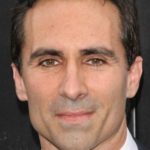
… If we speak of comics who turned into blockbuster movie stars, we can’t forget to mention Gotham City’s Mayor Anthony Garcia, from Christopher Nolan’s The Dark Knight and The Dark Knight Rises, played by Nestor Carbonell. Born in New York to Cuban parents, Carbonell has starred in movies and in television. He’s probably most remembered for his roles as Luis Rivera, from Suddenly Susan; and Richard Alpert, from Lost. He has been nominated to the ALMA Awards for both roles, and his role on Suddenly Susan granted him the Outstanding Actor in a Comedy Series Award for two consecutive years.
carbonell-nestor-image

But, in the field of nominations, no one beats Hollywood sweetheart Cameron Diaz. The Californian actress, born to a Cuban father, has been nominated for ALMA, BAFTA, Golden Globe, and a long list of other awards, some of which she has rightfully won. Diaz’s unforgettable face and versatile performance has made her shine in romantic comedies, epic movies, and dramas. The list of her successes includes her debut in The Mask and her starring roles in My Best Friend’s Wedding, There’s Something About Mary, Charlie’s Angels, Being John Malkovich, Any Given Sunday, and Gangs of New York.

Another Hollywood beauty and Cuban actress, Rosario Dawson embodies the archetype of the strong, independent yet sensual woman, coherent with her Cuban, Puerto Rican, and African American descent. Her debut in the 1995 controversial drama Kids is an example of her success. She has impeccably moved from drama to comedy, from epic movies to noir, and her performances always leave us wanting more. Men in Black II, Rent, Trance, Sin City, and Sin City: A Dame to Kill For are but a small sample of her versatility and her outstanding acting.

Gina Torres

Gina Torres

In a similar way, Cuban-American actress Gina Torres has played a constellation of strong women, from comic heroines and pseudo-mythological warriors, to law enforcers and genius investigators. She shows off in minor roles as in Wachowskis’ The Matrix Reloaded and The Matrix Revolutions, alongside Laurence Fishburne and Keanu Reeves. And she stands by her own right in TV series’ Angel, Hannibal, and Suits.

The Latin sensuality of Eva Mendes is another feature that characterizes Cuban-American stars and starlets. As an example, in 2005 she was cast for the lead female role in Hitch, alongside actor Will Smith, which became one of the first hit romantic comedies with minority actors in lead roles. Mendes, born in Miami, Florida, to Cuban parents, started her career as a model and later jumped to the screen in B movies like Children of the Corn V: Fields of Terror and Urban Legends: Final Cut. In 2001, she switched to more serious productions, appearing in the acclaimed thriller Training Day. Ever since, she has appeared in action movies like 2 Fast 2 Furious and Fast Five, superhero movies like Ghost Rider and The Spirit, dramas like Guilty Heart and Girl in Progress, and comedies like All About the Benjamins and The Other Guys.

Saundra Santiago
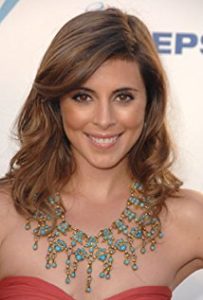
Saundra Santiago

Jamie-Lynn Sigler

Jamie-Lynn Sigler

More Cuban-Italians include two Cubans playing Italian roles in the cast of The Sopranos: Saundra Santiago and Jamie-Lynn Sigler. Santiago, born in New York to a Cuban father and a Puerto Rican mother, is renowned mostly for her roles of Gina Calabrese in the TV series Miami Vice and Jeannie Cusamano in The Sopranos. Sigler was born in Jericho, New York, to a Jewish-American father and a Cuban mother. In 1997 she was cast as Meadow Soprano, the daughter of the New Jersey mob boss Tony Soprano, from the television series. She has also appeared in films like A Brooklyn State of Mind, New York City Serenade, and Jewtopia.

https://youtu.be/mD3k0X7iTWI

A new face to the red carpet, Ana de Armas is an example where a young actress born in Cuba jumps meteorically to the Hollywood big screen. At the age of 16, De Armas was cast for the Cuban-Spanish production Una rosa de Francia (A rose from France), and two years later she moved to Spain, where she starred in the successful Spanish television series El Internado (The Black Lagoon Boarding School). In 2014, she moved to Los Angeles, and has been starring in major Hollywood blockbusters since, such as Knock Knock, Exposed, and Overdrive. She has also been cast for 2017’s Blade Runner 2049.

In all, Cuban actors and actresses have left their footprint in American cinematography. Our stars have a rightful constellation on Hollywood Boulevard, which keeps growing every year and one we expect will never die out.

images (3)

SPONSORS

logo

6f610a1a79CUBANOS EN HOLLYWOOD: UNA ALFOMBRA ROJA CUBANA. (2 de 2) FOTOS – VIDEOS.

Hay una sensación de alegría cuando vemos una película de éxito con un actor o actriz cuyo linaje vuelve a la isla. Entonces podemos decir, con una sonrisa, “Oh, sí, ese tipo es cubano” o “Oh, sí, esa chica es cubana”. Qué gran sentimiento.

La lista de actores cubanos no es corta. Algunas de las caras más icónicas de la pantalla grande son de origen cubano. La mayoría de la gente conoce nombres como Andy García, Eva Mendes, William Levy o incluso Cameron Diaz; pero hay más actores cubanos que se han dirigido a Hollywood.

… Si hablamos de cómics que se convirtieron en estrellas de cine de gran éxito, no podemos olvidar mencionar al alcalde de Ciudad Gótica, Anthony Garcia, de The Dark Knight, de Christopher Nolan, y The Dark Knight Rises, interpretado por Nestor Carbonell. Nacida en Nueva York de padres cubanos, Carbonell ha protagonizado películas y televisión. Probablemente sea más recordado por sus papeles como Luis Rivera, de Suddenly Susan; y Richard Alpert, de Lost. Ha sido nominado para los Premios ALMA en ambos roles, y su papel en Suddenly Susan le otorgó el Actor en Serie Comedia por dos años consecutivos.

carbonell-nestor-image

Pero, en el campo de las nominaciones, nadie supera al enamorado de Hollywood, Cameron Diaz. La actriz californiana, nacida de padre cubano, ha sido nominada para ALMA, BAFTA, Golden Globe y una larga lista de otros premios, algunos de los cuales ha ganado legítimamente. La cara inolvidable de Díaz y su rendimiento versátil la han hecho brillar en comedias románticas, películas épicas y dramas. La lista de sus éxitos incluye su debut en The Mask y sus papeles protagónicos en My Best Friend’s Wedding, There’s Something About Mary, Charlie’s Angels, Being John Malkovich, Any Given Sunday y Gangs of New York.

MV5BMTkxNTI5NzM4MV5BMl5BanBnXkFtZTcwMTI3ODY3Mg@@._V1_UY317_CR0,0,214,317_AL_

Otra belleza de Hollywood y actriz cubana, Rosario Dawson representa el arquetipo de la mujer fuerte, independiente pero sensual, coherente con su ascendencia cubana, puertorriqueña y afroamericana. Su debut en el controvertido drama de 1995 Kids es un ejemplo de su éxito. Ella se ha movido impecablemente de drama a comedia, de películas épicas a noir, y sus actuaciones siempre nos dejan con ganas de más. Men in Black II, Rent, Trance, Sin City y Sin City: A Dame to Kill For son solo una pequeña muestra de su versatilidad y su excelente actuación.

De manera similar, la actriz cubanoamericana Gina Torres ha interpretado a una constelación de mujeres fuertes, desde heroínas cómicas y guerreras pseudo-mitológicas, hasta agentes de la ley e investigadores geniales. Ella luce en papeles menores como The Matrix Reloaded y The Matrix Revolutions de Wachowskis, junto a Laurence Fishburne y Keanu Reeves. Y ella se para por derecho propio en la serie de televisión ‘Angel, Hannibal and Suits’.

Rosario Dawson

Rosario Dawson

La sensualidad latina de Eva Mendes es otra característica que caracteriza a las estrellas y estrellas americanas cubanas. Como ejemplo, en 2005 fue elegida para el papel principal de Hitch, junto con el actor Will Smith, que se convirtió en una de las primeras comedias románticas exitosas con actores minoritarios en papeles principales. Mendes, nacida en Miami, Florida, de padres cubanos, comenzó su carrera como modelo y luego saltó a la pantalla en películas B como Children of the Corn V: Fields of Terror y Urban Legends: Final Cut. En 2001, cambió a producciones más serias, apareciendo en el aclamado thriller Training Day. Desde entonces, ha aparecido en películas de acción como 2 Fast 2 Furious y Fast Five, películas de superhéroes como Ghost Rider y The Spirit, dramas como Guilty Heart y Girl in Progress, y comedias como All About the Benjamins y The Other Guys.

Saundra Santiago

Saundra Santiago

Más cubano-italianos incluyen a dos cubanos que interpretan papeles italianos en el elenco de Los Sopranos: Saundra Santiago y Jamie-Lynn Sigler. Santiago, nacida en Nueva York de padre cubano y madre puertorriqueña, es reconocida principalmente por sus papeles de Gina Calabrese en la serie de televisión Miami Vice y Jeannie Cusamano en The Sopranos. Sigler nació en Jericho, Nueva York, de padre judío-americano y madre cubana. En 1997 fue seleccionada como Meadow Soprano, la hija del jefe de la mafia de Nueva Jersey, Tony Soprano, de la serie de televisión. También ha aparecido en películas como A Brooklyn State of Mind, New York City Serenade y Jewtopia.
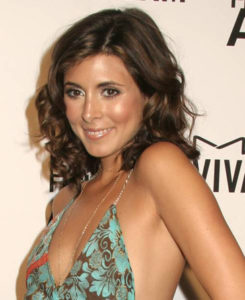
Jamie Lynn Sigler

Jamie Lynn Sigler

Una nueva cara para la alfombra roja, Ana de Armas es un ejemplo en el que una joven actriz nacida en Cuba salta de forma meteórica a la gran pantalla de Hollywood. A la edad de 16 años, De Armas fue elegido para la producción cubano-española Una rosa de Francia, y dos años más tarde se mudó a España, donde protagonizó la exitosa serie de televisión española El Internado. Lagoon Boarding School). En 2014, se mudó a Los Ángeles, y ha estado protagonizando grandes éxitos de Hollywood desde entonces, como Knock Knock, Exposed y Overdrive. También ha sido elegida para el Blade Runner 2049 de 2017.

En total, los actores y actrices cubanos han dejado su huella en la cinematografía estadounidense. Nuestras estrellas tienen una constelación legítima en Hollywood Boulevard, que sigue creciendo cada año y una que esperamos que nunca desaparezca.

Agencies/Cuban Heritage/Abel FL Berriz/Internet Photos/ Arnoldo Varona/ TheCubanHistory.com
THE CUBAN HISTORY, HOLLYWOOD.

Valley of Vinales landscape

Valley of Vinales landscape

SPONSORS

logo

– THE HUMILLANT destiny Spain gave (1898) to its Soldiers Returned from Cuba. <> EL HUMILLANTE destino que España dio en 1898 a sus soldados Regresados de Cuba. PHOTOS.

guerra-espana-estado-unidosTHE HUMILLANT DESTINY SPAIN GAVE (1898) TO ITS SOLDIERS RETURNED FROM CUBA.

The surviving soldiers who, after risking their lives for their country, managed to return to Spain, had to suffer the oblivion of a government “that did not give them not even good morning” and were forced into poverty.

Vicente Blasco Ibáñez already anticipated the “disaster” that the War of Cuba would be for the Spaniards. He did it in one of his articles called committed journalism and entitled “The gray herd”, which he published two weeks before the conflict began overseas, in 1895: “Those who survive, if they can return to Spain, are assured of the future. Among those who fired them yesterday, there will be plenty of people who will buy them a ridiculous discount of 99%. If they are disabled, they can learn to play the guitar to ask for a charity to any of these enriched families in Cuba and it is possible that their carriages, they throw them two cents, “wrote the famous Valencian author of” The Four Horsemen of the Apocalypse “using sarcasm.

And he was not wrong. The Spanish soldiers who managed to survive the war and return to Spain – after a two-week infernal journey, all crammed into ships with little food or drink, mixed healthy and sick and with barely any health care – had to suffer another ordeal: of their social and labor reintegration in a country in serious difficulties. “Many returned disabled, without the possibility of returning to their jobs, working the fields or varascing the olives. It was like returning to poverty and the Government did not know how to respond to it. They were not aware of the social problem that was coming upon them. When they left, they gave them everything: money, tobacco, wine, scapulars … And on the way back, not even good morning, “Javier Navarro, the Aragonese historian, founder of the” Return with Honor “association, tells ABC. identify the more than 58,000 deaths that the War of Cuba produced.

repatriados-guerra-cuba-kJLG--510x349@abc

According to information from the National Historical Archive, from February 1896 to November 1898, among the returnees there were 10,995 useless soldiers and 33,808 patients. It was called “The Silent Fleet,” which continued to arrive well into 1899. A torture that could not be hidden in their emaciated bodies. There were no longer political representatives welcoming them to the port. Society passed from the proud patriotic exaltation of farewells to the most absolute sadness. In 1898, a Compostelan newspaper published a gloomy piece of news that illustrated this nightmare: “A poor soldier returned from Cuba arrived at the door of his father’s house in Enfesta. The hour was quite advanced and as the unfortunate man lacked the strength to make himself known by the voice, they did not open the door to him, despite his repeated blows, for fear of being robbed. The next morning, the corpse of the unfortunate young man, starved to death, appeared lying in front of the door of his house, producing the heartrending scene to be seen by his family ».

.. “Through the archives of the Civil Guard I discovered that many people learned about the whereabouts of their relatives late and badly. Another, did not know. There were even requests for pensions by widows until 1910, whose husbands had not returned from Cuba. Many mothers found out years after their son had died of yellow fever and that they would also have been entitled to that pension. Other relatives could not charge her either because they did not even know what had happened to her relative. The Government was very interested that this did not extend to public opinion, so it threw dirt on it, “Javier Navarro emphasizes.

bill

In this environment permeated by the feeling of defeat and economic crisis, some critical voices rose up against the Restoration regime and, especially, against the Spanish military policy followed after the conflict. Vicente Blasco Ibáñez was once again one of them, confirming what he already anticipated before the war, in another text published in January 1899. “Those unhappy Spaniards are the only victims of patriotic madness and government errors, as they continue to be victims when they set foot on the Peninsula. But not for inevitable national misfortunes, but for voluntary forgetting. ”

cuba-ferries-3

SPONSORS

logo

la-ayuda-espanola-en-la-independencia-de-los-estados-unidos-batalla-saratoga-600x300EL HUMILLANTE DESTINO ESPAÑA DIO EN 1898 A SUS SOLDADOS REGRESADOS DE CUBA.

Los militares supervivientes que, tras jugarse su vida por la patria, consiguieron volver a España, tuvieron que sufrir el olvido de un Gobierno «que no les dio ni los buenos días» y se vieron abocados a la pobreza

Vicente Blasco Ibáñez ya anticipó el «desastre» que la Guerra de Cuba sería para los españoles. Lo hizo en uno de sus artículos calificados de periodismo comprometido y titulado «El rebaño gris», que publicó dos semanas antes de iniciarse el conflicto en ultramar, en 1895: «Los que sobrevivan, si pueden volver a España, tienen asegurado el porvenir. Entre los que les despidieron ayer no faltará quien les compre los abonarés irrisorios con un descuento del 99 por 100. Si quedan inválidos, pueden aprender a tocar la guitarra para pedir una caridad a cualquiera de esas familias enriquecidas en Cuba y es posible que, desde sus carruajes, les arrojen dos céntimos», escribía el célebre autor valenciano de «Los cuatro jinetes del Apocalipsis» echando mano del sarcasmo.

c03a34f7d866881cbdfa69fbb9c9d35b--american-war-rommel

Y no se equivocó. Los soldados españoles que consiguieron sobrevivir a la guerra y regresar a España –después de una travesía infernal de dos semanas, todos apretados en barcos sin apenas comida ni bebida, mezclados sanos y enfermos y sin apenas asistencia sanitaria– tuvieron que sufrir otro calvario: el de su reinserción social y laboral en un país en serias dificultades. «Muchos volvieron inválidos, sin posibilidad de regresar a sus trabajos labrando los campos o vareando las aceitunas. Era como volver a la pobreza y el Gobierno no supo dar respuesta a ello. No eran conscientes del problema social que se les venía encima. Cuando se iban, les daban de todo: dinero, tabaco, vino, escapularios… Y a la vuelta, ni los buenos días», explica a ABC el historiador aragonés Javier Navarro, fundador de la asociación «Regreso con Honor», que ha conseguido identificar a los más de 58.000 muertos que produjo la Guerra de Cuba.

Según la información del Archivo Histórico Nacional, de febrero de 1896 a noviembre de 1898, entre los repatriados se contabilizó a 10.995 soldados inútiles y 33.808 enfermos. Se le llamó «La flota silenciosa», que siguió llegando hasta bien entrado 1899. Una tortura que no podía ocultarse en sus cuerpos demacrados. Ya no había representantes políticos dándoles la bienvenida en el puerto. La sociedad pasó de la orgullosa exaltación patriótica de las despedidas a la más absoluta tristeza. Un periódico compostelano recogía en 1898 una tétrica noticia que ilustraba esta pesadilla: «Un pobre soldado regresado de Cuba llegó hasta la puerta de su casa paterna en Enfesta. La hora era bastante avanzada y como aquel desdichado careciese de fuerzas para darse a conocer por la voz, no le abrieron la puerta, a pesar de sus repetidos golpes, por temor a ser objeto de un robo. A la mañana siguiente, el cadáver del desdichado joven, muerto de hambre, apareció tendido delante de la puerta de su casa, produciéndose la desgarradora escena al ser visto por su familia».

prisioneros

..«A través de los archivos de la Guardia Civil descubrí que mucha gente se enteró del paradero de sus familiares tarde y mal. Otra, ni se enteró. Hubo incluso peticiones de pensiones por parte de viudas hasta 1910, cuyos maridos no habían regresado de Cuba. Muchas madres se enteraron años después de que su hijo había muerto de fiebre amarilla y que también habrían tenido derecho a dicha pensión. Otros familiares tampoco pudieron cobrarla porque ni tan siquiera supieron qué había pasado con su pariente. El Gobierno tuvo mucho interés de que esto no trascendiera a la opinión pública, por lo que echó tierra encima», subraya Javier Navarro.

En este ambiente impregnado por el sentimiento de derrota y de crisis económica se alzaron algunas voces críticas contra el régimen de la Restauración y, especialmente, contra la política militar española seguida después del conflicto. Vicente Blasco Ibáñez fue de nuevo uno de ellos, constatando lo que ya anticipó antes de la guerra, en otro texto publicado en enero de 1899. «Esos infelices españoles son las únicas víctimas de las locuras patrioteras y de los errores gubernamentales, pues continúan siendo víctimas al poner el pie en la Península. Pero no por desdichas nacionales inevitables, sino por olvidos voluntarios».

Agencies/ABC.es/Israel Viana/Extractos/Internet Photos/YouTube/ Arnoldo Varona/ TheCubanHistory.com
THE CUBAN HISTORY, HOLLYWOOD.

ARTICULO COMPLETO:
http://www.abc.es/historia/abci-indigentes-y-vagabundos-humillante-destino-espana-reservo-soldados-regresados-guerra-cuba-201806252032_noticia.html

cubapage_3

SPONSORS

logo

– CUBA Seen By The North American NASA from Space. PHOTOS. <> CUBA Vista por la NASA Norteamericana desde el Espacio. FOTOS.

nasaCUBA SEEN BY NORTH AMERICAN NASA FROM SPACE.

CUBA VISTA POR LA NASA NORTEAMERICANA DESDE EL ESPACIO.

Una serie de imágenes difundidas por la Agencia Espacial de Estados Unidos revela la belleza natural del archipiélago cubano. Compartimos algunas de estas fotos.

In this image of the Landsat 7 satellite the coasts of the western region of the island are seen. To the south, the shallow and transparent waters of the Gulf of Batabanó, allow to see the sandy bottoms, while the north coast is visibly deep. In the image it is easy to distinguish the ports of Mariel and Havana.

En esta imagen del satélite Landsat 7 se ven las costas de la región occidental de la isla. Al sur, las aguas poco profundas y transparentes del Golfo de Batabanó, permiten ver los fondos arenosos, mientras que la costa norte es visiblemente profunda. En la imagen es fácil distinguir los puertos de Mariel y La Habana.

En esta imagen del satélite Landsat 7 se ven las costas de la región occidental de la isla. Al sur, las aguas poco profundas y transparentes del Golfo de Batabanó, permiten ver los fondos arenosos, mientras que la costa norte es visiblemente profunda. En la imagen es fácil distinguir los puertos de Mariel y La Habana.

Photograph of the Cuban West taken by one of the crew of Expedition 38 aboard the International Space Station. In the image you can see the insular platform, a shallow area excellent for fishing.

Fotografía del occidente cubano tomada por uno de los tripulantes de la Expedición 38 a bordo de la Estación Espacial Internacional. En la imagen se puede ver la plataforma insular, un área poco profunda excelente para la pesca.

Fotografía del occidente cubano tomada por uno de los tripulantes de la Expedición 38 a bordo de la Estación Espacial Internacional. En la imagen se puede ver la plataforma insular, un área poco profunda excelente para la pesca.

In this oblique image, taken in 2013 from the Soyuz spacecraft docked at the International Space Station, the island of Andros, part of the Bahamas archipelago, and the northern coast of much of Cuba are visible. Taken by the Soyuz.

En esta imagen oblicua, tomada en el 2013 desde la nave espacial Soyuz atracada en la Estación Espacial Internacional, son visibles la isla de Andros, parte del archipiélago de Bahamas, y la costa norte de buena parte de Cuba. Tomadas por el Soyuz.

En esta imagen oblicua, tomada en el 2013 desde la nave espacial Soyuz atracada en la Estación Espacial Internacional, son visibles la isla de Andros, parte del archipiélago de Bahamas, y la costa norte de buena parte de Cuba. Tomadas por el Soyuz.

The westernmost of the Cuban provinces is also the most wooded. According to official figures, the trees occupy 47 percent of this territory. The image shows a forest fire that consumed between 600 and 700 hectares of pine trees in 2006.

La más occidental de las provincias cubanas es también la más boscosa. Según cifras oficiales, las arboledas ocupan el 47 por ciento de este territorio. En la imagen se aprecia un incendio forestal que consumió entre 600 y 700 hectáreas de pinares en el 2006.

La más occidental de las provincias cubanas es también la más boscosa. Según cifras oficiales, las arboledas ocupan el 47 por ciento de este territorio. En la imagen se aprecia un incendio forestal que consumió entre 600 y 700 hectáreas de pinares en el 2006.

Agencies/TheHerald/Mario J. Pentón/ Internet Photos/ Arnoldo Varona / TheCubanHistory.com
THE CUBAN HISTORY, HOLLYWOOD.

LA HABANA VISTA DESDE EL ESPACIO.  (Fotos NASA).

LA HABANA VISTA DESDE EL ESPACIO. (Fotos NASA).

SPONSORS

logo