Por los años mil novecientos cincuenta y por las calles de La Habana, con su embrujo seductor, vieron pasearse a este personaje dantesco, de mediana estatura, cabellos largos, castaño oscuros, barba desaliñada, de porte gallardo, siempre vestido de negro con su capa larga que ondeaba al viento a su andar.
Siempre cargaba su cartapacio donde guardaba sus tesoros imaginarios y tarjetas, coloreadas por él mismo, que obsequiaba a los transeúntes. La Quinta Avenida, el Parque Central, la Plaza de Armas, eran lugares donde solía pasarse horas recitando versos o contando historias principescas a quienes las quisiera oír. Este caminante alucinado, no pedía limosnas, sino que aceptaba ayuda de personas conocidas de él. Nunca fue violento ni grosero, al contrario, era un hombre muy gentil y bondadoso.
Podríamos decir que quizás quería olvidar cosas muy tristes y la locura fue un escape apropiado que su mente enajenada engendró. Mucho se ha escrito sobre el origen de este personaje inolvidable, José María López Lledín, El Caballero de París.
Pudiéramos decir que nació con el siglo veinte, ya que se dice que nació el 30 Diciembre 1899 en la aldea de Vilaseca, a 29 kilómetros de Fonsagra, provincia de Lugo, España, que llegó a la Habana en 1913 a la edad de 14 años, su familia que consistía de 11 hermanos y hermanas, una de las hermanas aun vive en Oviedo (España) y tiene 91 años. Dicen que arribó en el vapor “Valvanera”, que naufragó en las costas cubanas a principios del siglo XX, hecho que quizás motivó su demencia.
También se habla de que al ser acusado de un crimen que no cometió fue tal su tristeza que perdió la razón. Lo que sí sabemos es que, este legendario caminante que regalaba rosas a las damas y plumas y tarjetas de colores, fabricadas por él mismo, que iba por las calles contando historias principescas , adorno la estampa cotidiana de la capital cubana de esa época.
In 1977, el que se denominara a sí mismo como “El Emperador de la Paz”, fue internado y en el Hospital Siquiátrico Nacional de Cuba, en Mazorra, en las afueras de la Habana, donde murió en el verano del año 1985 a la edad de 85 años. Sus restos descansan en el cementerio Santiago de las Vegas en la Habana.
Y para terminar vale mencionar la canción que lo inmortalizara compuesto por Antonio Maria Romeu:
”Mira quien viene por ahí, ¡¡El Caballero de Paris!!!”
“THE GENTLEMAN FROM PARIS” (EL CABALLERO DE PARIS), AN UNFORGETTABLE CHARACTER IN CUBAN HISTORY
For the years 1950 and through the streets of Havana, with its seductive charm, they saw walk this gruesome character, of medium height, long hair, dark brown, scruffy beard, perky demeanor, always dressed in black with his cloak long he is fluttering in the wind in their walk. He always carried his briefcase where he kept his imaginary treasures and colored by himself, who regaled passersby cards. Fifth Avenue, Central Park, Plaza de Armas, were places where I used to spend hours reciting verses or princely telling stories to those who would listen. This hallucinated walker, did not ask alms, but he accepted help from people known to him. He was never violent or rude, on the contrary, he was a very gentle and kind man.
We could say that maybe wanted to forget sad things and madness was an appropriate escape your mind estranged father. Much has been written about the origin of this unforgettable character, José María López Lledin, El Caballero de Paris.
We could say that was born with the twentieth century, as it is said to be born on December 30, 1899 in the village of Vilaseca, 29 kilometers from Fonsagra province of Lugo, Spain, who arrived in Havana in 1913 at the age of 14 years his family which consisted of 11 brothers and sisters, one sister still lives in Oviedo (Spain) and is 91 years old. They say he arrived on the steamer “Valvanera”, which sank off the Cuban coast in the early twentieth century, a fact that perhaps led to their dementia.
There is also talk of it being accused of a crime he did not commit was so sad that he lost his reason. What we do know is that, the legendary traveler who gave roses to the ladies and pens and colored cards manufactured by himself, going through the streets telling stories princely ornament everyday picture of the Cuban capital at the time.
In 1977, they renamed it to himself as “Emperor of Peace”, was admitted and the National Psychiatric Hospital in Cuba, in Mazorra, on the outskirts of Havana, where he died in the summer of 1985 to the age of 85 years. His remains rest in the cemetery in Santiago de las Vegas Havana.
And finally worth mentioning that immortalized the song composed by Antonio Maria Romeu:
“Look who comes around, El Caballero de Paris !!!”
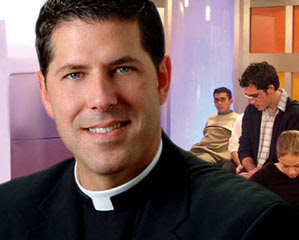
Alberto R. Cutié (nacido el 29 de abril de 1969 en San Juan, Puerto Rico) es un sacerdote episcopal cubano-estadounidense, también conocido como el Padre Alberto. Fue ordenado sacerdote católico en 1995. Su nombre es reconocido internacionalmente gracias a su trabajo como presentador de programas de televisión y radio.
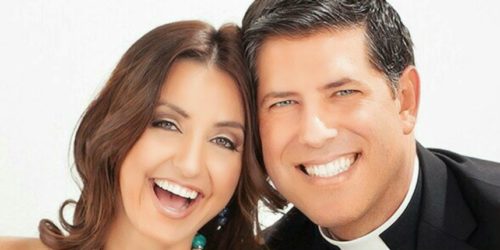
Cutié abandonó la Iglesia Católica Romana en mayo de 2009 tras la publicación de fotografías que lo mostraban con una mujer en la playa y su posterior confesión de estar enamorado. Ha declarado que el celibato obligatorio fue solo una de las diferencias teológicas que lo llevaron a abandonar la Iglesia Católica. Posteriormente se casó con Ruhama Buni Canellis y se unió a la Iglesia Episcopal (Anglicana). Actualmente se desempeña como rector de San Benito, una parroquia episcopal en Plantation, Florida.
Cutié, hijo mediano de exiliados cubanos, nació en San Juan, Puerto Rico. De adolescente, trabajó como DJ.
COMO SACERDOTE
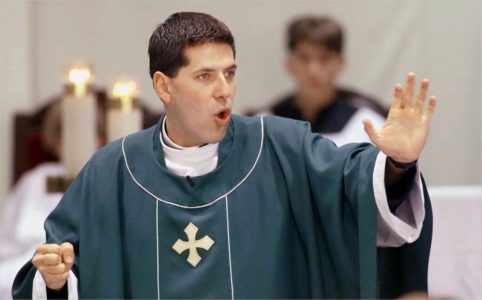
Fue ordenado sacerdote católico de la Arquidiócesis de Miami en 1995, el primer ordenando del entonces recién nombrado arzobispo John Favalora (jubilado en 2010). Es columnista habitual, y sus escritos aparecen en periódicos en español de Estados Unidos y Latinoamérica. Debutó en televisión en 1999 como presentador de Padre Alberto (y posteriormente Cambia tu Vida con el Padre Alberto), un programa diario de entrevistas transmitido por la cadena Telemundo.
A partir de 2002, Cutié presentó el programa semanal de entrevistas Hablando Claro con el Padre Alberto, que llegó a millones de hogares en Estados Unidos, Canadá, España y Latinoamérica en EWTN Español, parte de la cadena global fundada por la Madre Angélica. En julio de 2003, ofició la misa funeral de Celia Cruz en Miami, Florida.
Cutié también publicó su primer libro de autoayuda, “Ama de Verdad, Vive de Verdad”, en enero de 2006. Vendió miles de ejemplares y se convirtió en un éxito de ventas en español. [cita requerida] Su segundo libro, “Dilema: La lucha de un sacerdote entre su fe y el amor”, se publicó el 4 de enero de 2011. Diversas publicaciones lo han apodado “El Padre Oprah”. Fue presidente y director general de Radio Paz y de la emisora católica de 24 horas Radio Paz desde enero de 2001. Condujo varios programas de radio, como “Al Día” y “Línea Directa”, y dirigió las operaciones diarias de Pax Catholic Communications para la Arquidiócesis de Miami hasta 2009.
VIDA PERSONAL
El 5 de mayo de 2009, Cutié solicitó a las autoridades eclesiásticas un tiempo de reflexión y una licencia de sus medios. Tras la publicación de imágenes donde aparecía besando y tocando a Ruhama Buni Canellis en una playa pública, siendo aún sacerdote católico, Cutié solicitó a la Arquidiócesis de Miami un tiempo para reflexionar y tomar una decisión sobre el rumbo de su vida sacerdotal. La Arquidiócesis de Miami le concedió una licencia por tiempo indefinido para que tomara decisiones personales. Tras reunirse con dos de sus obispos e informarles de su decisión, decidió continuar su ministerio como sacerdote casado en la Iglesia Episcopal, parte de la Comunión Anglicana.
El 11 de mayo de 2009, Cutié fue entrevistado por Maggie Rodríguez, del programa The Early Show de la CBS. Dijo que estaba considerando dejar la Iglesia Católica Romana por una mujer a la que ama. Aseguró que respetaba la norma vigente del celibato obligatorio y reconoció que algunos sacerdotes siguen dedicados a esa vocación. Hay muchos sacerdotes en comunión con el Vaticano que están casados, pero la mayoría pertenecen a las Iglesias católicas orientales. Declaró que no quería convertirse en un “sacerdote anticelibato”.
El 13 de mayo de 2009, Cutié fue entrevistado por Teresa Rodríguez en el programa de Univisión Aquí y Ahora. Dijo: “Lamento profundamente si mis acciones hirieron a la gente con todo mi corazón”, y añadió: “Hay otras maneras de servir a Dios. No soy el mismo hombre que era cuando ingresé al seminario hace 22 años”. A finales de mes, Cutié anunció que había estado en proceso de discernimiento para ingresar a la Iglesia Episcopal durante los últimos dos años, lo que a su vez le ayudó a consolidar su matrimonio y su vocación de servir a Dios.
El 11 de julio de 2011, Cutié emitió su primer programa diurno de entrevistas sindicado en inglés, Father Albert. El programa fue producido por Debmar-Mercury, la misma compañía que sindica South Park y Family Feud, como prueba de verano.
Father Albert regresó a la radio diaria con Univisión en marzo de 2020, durante la pandemia de COVID-19, con un programa diario de entrevistas con participantes que tuvo una gran acogida entre la audiencia latina. En 2021, regresó a la televisión diurna con una nueva versión de su programa de entrevistas “Hablando Claro con el Padre Alberto” en Mega TV, parte del conglomerado de estaciones de radio y televisión de Spanish Broadcasting System (SBS).
Recepción en la Iglesia Episcopal y matrimonio Cutié fue recibido en la Iglesia Episcopal el 28 de mayo de 2009 por el Reverendo Leo Frade, obispo cubano de la Diócesis Episcopal del Sureste de Florida, y se convirtió en administrador y ministro pastoral de la Iglesia Episcopal de la Resurrección en Biscayne Park, Miami, Florida, donde obtuvo su licencia como asistente pastoral. Fue recibido como sacerdote episcopal e instituido como sacerdote encargado de la parroquia el 29 de mayo de 2010.
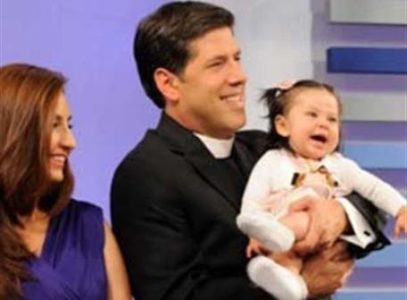
El 26 de junio de 2009, Cutié y Ruhama Buni Canellis se casaron en una ceremonia en la iglesia de San Bernardo de Claraval en North Miami Beach. El obispo Frade ofició la ceremonia, asistido por el Reverendo Onell Soto (obispo episcopal emérito de Venezuela) y otros clérigos episcopales. Él y su esposa tienen dos hijos.
Cutié es rector de la parroquia de San Benito en Plantation, Florida.
RECOMIENDENOS A SUS AMISTADES * PREFIERA A NUESTROS SPONSORS
PLEASE PATRONIZE OUR ADVERTISERS
“FATHER ALBERTO” A DILEMMA IN THE LIFE OF THE PRIESTHOOD AND CHOOSING THE BEST PATH. PHOTOS.
Alberto R. Cutié (born April 29, 1969, in San Juan, Puerto Rico) is a Cuban-American Episcopal priest, also known as Father Alberto. He was ordained a Catholic priest in 1995. His name is internationally recognized thanks to his work as a television and radio talk show host.
Cutié left the Roman Catholic Church in May 2009 following the publication of photographs showing him with a woman on the beach and his subsequent confession of being in love. He has stated that mandatory celibacy was just one of the theological differences that led him to leave the Catholic Church. He later married Ruhama Buni Canellis and joined the Episcopal Church (Anglican). He currently serves as rector of St. Benedict, an Episcopal parish in Plantation, Florida.
Cutié, the middle son of Cuban exiles, was born in San Juan, Puerto Rico. As a teenager, he worked as a DJ.
AS A PRIEST
He was ordained a Catholic priest of the Archdiocese of Miami in 1995, the first ordinand of then-newly appointed Archbishop John Favalora (retired in 2010). He is a regular columnist, and his writings appear in Spanish-language newspapers in the United States and Latin America. He made his television debut in 1999 as the host of Father Alberto (and later Cambia tu Vida con el Padre Alberto), a daily talk show broadcast on the Telemundo network.
Beginning in 2002, Cutié hosted the weekly talk show Hablando Claro con el Padre Alberto, which reached millions of homes in the United States, Canada, Spain, and Latin America on EWTN Español, part of the global network founded by Mother Angelica. In July 2003, he officiated at the funeral Mass for Celia Cruz in Miami, Florida.
Cutié also published his first self-help book, “Love Truly, Live Truly,” in January 2006. It sold thousands of copies and became a bestseller in Spanish. [citation needed] His second book, “Dilemma: A Priest’s Struggle Between His Faith and Love,” was published on January 4, 2011. Various publications have dubbed him “Father Oprah.” He served as president and CEO of Radio Paz and the 24-hour Catholic radio station Radio Paz since January 2001. He hosted several radio programs, including “Al Día” and “Línea Directa,” and directed the daily operations of Pax Catholic Communications for the Archdiocese of Miami until 2009.
PERSONAL LIFE
On May 5, 2009, Cutié requested a time of reflection and a leave of absence from his media from church authorities. Following the publication of images showing him kissing and touching Ruhama Buni Canellis on a public beach, while still a Catholic priest, Cutié requested time from the Archdiocese of Miami to reflect and make a decision about the direction of his priestly life. The Archdiocese of Miami granted him an indefinite leave of absence to make personal decisions. After meeting with two of his bishops and informing them of his decision, he decided to continue his ministry as a married priest in the Episcopal Church, part of the Anglican Communion.
On May 11, 2009, Cutié was interviewed by Maggie Rodriguez of CBS’s The Early Show. He said he was considering leaving the Roman Catholic Church for a woman he loves. He asserted that he respected the current norm of mandatory celibacy and acknowledged that some priests remain dedicated to that vocation. There are many priests in communion with the Vatican who are married, but most belong to the Eastern Catholic Churches. He declared that he did not want to become an “anti-celibacy priest.”
On May 13, 2009, Cutié was interviewed by Teresa Rodríguez on the Univision show Aquí y Ahora. He said: “I do regret if my actions hurt people with all my heart”, adding “[t]here are other ways to serve God. I am not the same man I was when I entered the seminary 22 years ago.”[10] By the end of the month Cutié announced that he had been in the process of discerning entering the Episcopal Church for the last couple of years, which in turn helped him consolidate marriage and his calling to serve God.
On July 11, 2011, Cutié aired his first English-speaking syndicated daytime talk show, Father Albert. The show was produced by Debmar-Mercury, the same company that syndicates South Park and Family Feud as a summer test-run.
Father Albert returned to daily radio with Univision in March 2020, during the COVID-19 pandemic with a daily call-in Talk-Show which had a huge reception by the Latino audience. In 2021, he returned to daytime television with a new version of his long-time Talk-Show “Hablando Claro con el Padre Alberto” on Mega TV, part of the Spanish Broadcasting System (SBS) conglomerate of radio and television stations.
Reception into the Episcopal Church and marriage
Cutié was received into the Episcopal Church on May 28, 2009, by the Right Reverend Leo Frade, the Cuban-born bishop of the Episcopal Diocese of Southeast Florida and became the administrator and pastoral minister of the Episcopal Church of the Resurrection in Biscayne Park, Miami, Florida, where he was licensed as a pastoral assistant. He was received as an Episcopal priest and instituted as priest-in-charge of the parish on May 29, 2010.
On June 26, 2009, Cutié and Ruhama Buni Canellis married in a church ceremony at St. Bernard de Clairvaux Church in North Miami Beach. Bishop Frade officiated, assisted by the Right Reverend Onell Soto (retired Episcopal Bishop of Venezuela) and several other Episcopal clergy. He and his wife have two children.
Cutié is rector of St. Benedict’s Parish in Plantation, Florida.
Agencies/ Wiki/ PadreAlbertoHis. / Extractos/ Excerpts/ Internet Photos/ Arnoldo Varona.
www.TheCubanHistory.com THE CUBAN HISTORY, HOLLYWOOD.
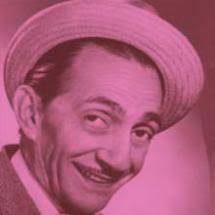
Leopoldo Fernández Salgado mejor conocido como José Candelario ‘Tres Patines’ o ‘Pototo’ fue un comediante, realizador e intérprete cubano del programa de radio y televisión ‘La Tremenda Corte’, que aún se presenta en radio y se ofrece en CD, VHS. y DVD.
Leopoldo Fernández nació en Jagüey Grande, Cuba, el 26 de diciembre de 1904. Cuando aún era un niño, tuvo que abandonar sus estudios y comenzar a trabajar como repartidor de pan, para ayudar a la economía familiar. El afán de superación llevó al joven Leopoldo a convertirse en telegrafista, oficio que luego cambió por el de tabaquero en la pequeña localidad de Güines, al sur de La Habana. Su gracia natural y su espíritu juguetón lo acercaron al mundo del entretenimiento.
CARRERA ARTÍSTICA
En 1926, Leopoldo regresó a Jagüey Grande y formó una compañía de teatro con unos amigos. En ese mismo año es contratado para una gira nacional con Blanquita Gómez. Al finalizar el recorrido, regresa a su ciudad natal para reunirse con su compañía, y viaja a La Habana donde conoce a Cándita Quintana, Federico Piñero, Alberto Garrido y Mimí Cal, quien sería su esposa durante dieciséis años. . Sus actuaciones lo llevaron a países como Puerto Rico, Venezuela, Colombia, Perú y República Dominicana.
Después de viajar por varios países de América con gran éxito, en 1939 regresa a la Isla y conoce a Cástor Vispo (guionista) y Mario Barral (productor). Trabajó en Venezuela durante varios años, y en 1941 presentó su Gran Compañía Cubana de Leopoldo Fernández en el Teatro Hispano de Nueva York, con éxito de público y crítica.
En 1931 (en plena época dorada de la zarzuela cubana) debutó teatralmente en el Teatro Martí, en la comedia lírica Frivolina, presentada por la Compañía Cubana de Zarzuelas de la compañía Suárez-Rodríguez. Fernández sustituyó temporalmente al actor Alberto Garrido, titular de los papeles de «negrito». Posteriormente, de diciembre de 1931 a enero de 1932, formó parte de la Compañía de Revistas y Zarzuelas de Robreño-Grenet, en el teatro Payret. A su labor actoral, sumó las de director artístico y dramaturgo.
Es en 1941 que la emisora RHC “Cadena Azul” inaugura “La Tremenda Corte”. Su facilidad para provocar la risa en el público que asistía a sus espectáculos lo convirtió en una figura insuperable en el teatro popular cubano. Su secreto residía en el contraste entre su gracia verbal y su carácter rudo enmarcado por su rostro inexpresivo y figura esbelta. Su fuerza estaba en la palabra, en la broma repentina o en la frase graciosa dicha en el momento justo, y eso consiste en decir las cosas más divertidas y locas con solo mover las manos y sin cambiar de expresión. Los deliciosos libretos de Castor Vispo satirizaban la actuación de los Tribunales Penitenciarios y tenían como principal fuente el lenguaje malabarista, desde la anfibología y los juegos de palabras, a los que se sumaba la capacidad de improvisación de Fernández y su excelente química con Aníbal de Mar. El espectáculo alcanzó altos índices de audiencia y se convirtió muy popular.
OTROS PERSONAJES CREADOS POR LEOPOLDO FERNANDEZ
Leopoldo Fernández también popularizó otros personajes cómicos con gran aceptación a fines de la década de 1950 y principios de la de 1990, como Vigilante Chegoya del programa radial “El Precinto Competidora” y “Domitilo” de la producción televisiva “Los Ricachos”. Pero después de Trespatines, el personaje de Pototo, del dúo Pototo y Filomeno, fue quien una vez más lo llevó a los picos de popularidad. El programa pasó de la radio a la televisión, y al mismo tiempo, los personajes solicitados aparecían en los espectáculos de las discotecas de La Habana y en la cinematografía de la época. Algunas de las películas protagonizadas por Leopoldo Fernández fueron El justiciero Chegoya (1948); Música, mujeres y piratas (1950); Contraband Prince (1950), Girls Hotel (1951), Olé… ¡ Cuba! (1957) y Surcos de libertad (1959). En muchas de estas películas participó con su viejo amigo Aníbal de Mar.
Aunque Leopoldo Fernández era un hombre pulcro y pulcro con su vestimenta, adornaba sus creaciones con un sombrero de paja, una fina corbatín y gruesas chaquetas de rayas verticales que le daban un toque de aristocracia, al estilo del actor y director francés Jacques Tati. insertado en los trópicos del Caribe. Este era el mismo atuendo que inicialmente lució para la radio, y gracias al ingenio y el ingenio del comediante Cástor Vispo, con su inolvidable creación “La Tremenda Corte”, darían a conocer internacionalmente a Fernández, luego bautizado dentro del programa como ” Trespatines ”, un cínico y malhablado –pero divertido– personaje, en torno al cual giraba la trama de todos los episodios creados por Vispo.
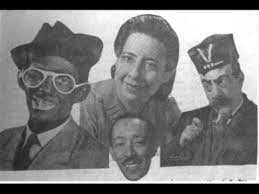
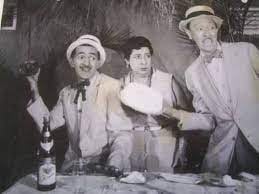
Entre las personas que trabajaron con Leopoldo en La Tremenda Corte, se recuerdan a Aníbal del Mar (El juez tremendo), Adolfo Otero, Julito Díaz, Jesús Alvariño, Julita Muñoz y la inefable “Nananina”, recreada por Manuela “Mimí” Cal. Esposa de Trespatines durante varios años y de quien luego se divorció, aunque continuaron trabajando juntos en el programa, compartiendo el inevitable quiebre y desgarro, ir y venir; natural entre los que han sido fuego y ahora solo guardan brasas.
Su discografía, compuesta por diálogos cómicos y números musicales con Aníbal de Mar, ocupó los primeros lugares en los ‘hits parades’ de la época. Uno de sus LP obtuvo un Disco de Oro en 1957.
Continuó compartiendo el trabajo mediático con el trabajo teatral. Con sus compañías Trespatines Follies y Compañía de Leopoldo Fernández, presentó temporadas en los teatros Campoamor, Actualidades, Martí y otros, con enorme éxito de público.
LEOPOLDO FERNANDEZ DESPUÉS DE 1959
Cuando Fidel Castro llegó al poder en 1959, Fernández se exilió a Miami donde continuó actuando en teatros. En ese año se fue a México, y luego a Puerto Rico, participando en teatro, televisión y cine. Entre noviembre de 1960 y mayo de 1962 realiza funciones diarias con la Compañía de Revistas Leopoldo Fernández en el Teatro Estrada Palma (denominado Teatro Federico García Lorca desde 1961). Para entonces Leopoldo Fernández era un hombre famoso.
Una anécdota atribuida a Trespatines cuenta el día en que, durante una temporada en el antiguo Teatro Nacional de La Habana en 1961, Pototo y otro actor revisaron un archivo de fotos de los presidentes de Cuba para instalarlas en la pared. El otro actor mostró una foto de Batista y Leopoldo le dijo: –Este arrancas … El actor siguió sacando distintas figuras de políticos con la respuesta invariable del comediante: –Este también arrancas … Finalmente, el asistente Sacó una foto de Fidel Castro. Leopoldo lo miró, lo mostró al público y, dirigiéndose a la pared, dijo con su habitual picardía: -Déjame, quiero colgar este …
En 1969, Panamericana TV de Perú compró los derechos de La Tremenda Corte. También contrató a Leopoldo Fernández por una corta temporada para otra variante del programa, llamado “El Guardia Trespatines”, en el que interpretaba a un policía con sabor tropical y donde su jefe era Antonio Salim (Bonifacio Palomino) junto a otros cómicos como los peruanos Jorge Montoro y la bella Anita Saravia. Una última adaptación del programa, esta vez llamado “Trespatines en la Salsa” fue también una producción realizada en Perú, allá por 1970, donde participó junto a su hijo Leo Fernández Jr., su otro hijo de su Pucho Fernández, y un nuevo elenco.
Otras películas en las que participó Leopoldo fueron “Las vírgenes de la nueva ola” en 1969 y “El profeta Mimí” en 1973, ambas películas fueron producciones mexicanas.
Leopoldo Fernández tuvo varios nombres durante su carrera: Chegoya, Agente 3K3 y Pototo, en los que hizo pareja con Aníbal del Mar, el inolvidable Filomeno, y por supuesto Trespatines. También esta pareja de Aníbal y Leopoldo hicieron un dúo conocido como “Nicanor y Cuatro Kilos”. En 1969 realiza una película en colores, llamada “Trespatines en Acción”, que fue dirigida por Manny San Fernando. Fue filmado en Puerto Rico y Miami. Se trataba de una serie en la que Trespatines trabajaba en un cuartel general de la policía, pero la producción no duró mucho. En los años 1970 también realizó varios cortometrajes para televisión, uno de ellos se tituló “Odio a las mujeres”, donde Leopoldo fue el protagonista junto a Vilma Carbia. En 1971 presentó en varios teatros hispanoamericanos de Nueva York, su comedia titulada “Lo Tengo Pisao”.
VIDA PERSONAL
A lo largo de su vida, Leopoldo estuvo casado muchas veces, estos son algunos de los matrimonios que le son conocidos: 1) Lenia, se desconoce su nombre completo. Puede ser la madre de Leopoldo “Pucho” Fernández II y Lenia. 2) Mimí Cal, con quien se casó de 10 a 16 años. No hubo hijos en este matrimonio. 3) Eneida González, también conocida como Eny González, fue esposa de Leopoldo durante el tiempo que salió de Cuba. 4) Rosaura Andreu fue una actriz cubana conocida en Puerto Rico por su personaje “Titi Chagua”. La web de la Fundación Román Rivero hace mención al joven actor Miguelito Fernández, hijo de Rosaura Andreu y Leopoldo Fernández. Esta actriz falleció en noviembre de 2010, según consta en una publicación del diario puertorriqueño El Nuevo Día, y en ese artículo se vuelve a mencionar el matrimonio y el hijo que ambos tuvieron. 4) Vilma Carbia. Ella fue su última esposa y no hubo hijos en este matrimonio.
Lo que está claro es que tuvo varias otras parejas románticas, ya que de todos los hijos que tuvo, no todos son de los matrimonios antes mencionados. Leopoldo tuvo un total de ocho hijos, todos ellos reconocidos por llevar su apellido, aunque es difícil saber si todos eran hijos de sangre o si alguno fue por adopción. El primero de ellos fue Leopoldo “Pucho”, era un comediante muy querido en Puerto Rico con un personaje conocido como “20/20”, Lenia, Leopoldo Junior (Polito), Leonor, Leobaldo, Leonel y Leonora. De los últimos 5, no hay datos sobre quién era su madre. El que queda por mencionar es Miguel (Miguelito), cuya madre fue Rosaura Andreu. De Leopoldo Fernández Jr. (Polito), se desconoce la identidad de su madre.
Hacia 1984 Leopoldo Fernández se retiró de la actuación. El gran comediante falleció en Miami el 11 de noviembre de 1985, a los 82 años, allí residía con su esposa, la actriz puertorriqueña Vilma Carbia.
Actualmente, el canal de Televisión Cubana, a modo de homenaje, emite en Cuba una nueva versión de La Tremenda Corte titulada ¿Jura decir la verdad ?, cuyo personaje central, ‘Chivichana’ (una especie de patineta rústica de niños cubanos), conserva gran parte de el estilo clásico de las Trespatines de Leopoldo Fernández.
FILMOGRAFIA Hotel de Muchachas (1951) Ole Cuba (1957) Las Virgenes de la Nueva Ola (1969) El Profeta Mimi (1973) Tres Patines en Acción (1982) Discography Pototo & Filomeno (Puchito, 1956) Yo Pico un Pan (Puchito, 1957).
RECOMIENDENOS A SUS AMISTADES * PREFIERA A NUESTROS SPONSORS
Leopoldo Augusto Fernández Salgado better known as Jose Candelario ‘Tres Patines’ or ‘Pototo’ was a Cuban comedian, maker, and performer of the radio and TV program ‘La Tremenda Corte’, which is still presented on radio and offered on CD, VHS, and DVD.
Leopoldo Fernández was born in Jagüey Grande, Cuba, on December 26, 1904. When he was still a child, he had to abandon his studies and start working as a bread delivery man, to help the family economy. The desire to improve led the young Leopoldo to become a telegrapher, a job that he later changed to that of a cigar maker in the small town of Güines, south of Havana. His natural grace and his playful spirit brought him closer to the world of entertainment.
ARTISTIC CAREER
In 1926, Leopoldo returned to Jagüey Grande and formed a theater company with some friends. In that same year, he is hired for a national tour with Blanquita Gómez. At the end of the tour, he returns to his hometown to rejoin his company, and travels to Havana where he meets Cándita Quintana, Federico Piñero, Alberto Garrido, and Mimí Cal, who would be his wife for sixteen years. . His performances took him to countries such as Puerto Rico, Venezuela, Colombia, Peru, and the Dominican Republic.
After traveling several countries in America with great success, in 1939 he returned to the Island and met Cástor Vispo (writer) and Mario Barral (producer). He worked in Venezuela for several years, and in 1941 he presented his Great Cuban Company of Leopoldo Fernández at the Hispanic Theater in New York, with public and critical success.
In 1931 (at the height of the golden age of Cuban zarzuela), he made his theatrical debut at the Martí Theater, in the lyrical comedy Frivolina, presented by the Compañía Cubana de Zarzuelas of the Suárez-Rodríguez company. Fernández temporarily replaced the actor Alberto Garrido, holder of the roles of «negrito». Later, from December 1931 to January 1932, he was part of the Compañía de Revistas y Zarzuelas de Robreño-Grenet, at the Payret theater. To his acting work, he added those of artistic director and playwright.
It is in 1941 that the radio station RHC “Cadena Azul” inaugurates “La Tremenda Corte”. His ease in causing laughter in the audiences that attended his shows made him an insurmountable figure in Cuban popular theater. His secret lay in the contrast between his verbal grace and his rugged character framed by his inexpressive face and lean figure. His strength was in the word, in the sudden joke or the funny phrase said at the right moment, and that consists in saying the most hilarious and crazy things just by moving his hands and without changing his expression. The delicious librettos by Castor Vispo satirized the performance of the Correctional Courts and had as their main source juggling language, from amphibology and puns, to which were added Fernández’s improvisational capacity and his excellent chemistry with Aníbal de Mar. The show achieved high ratings and became very popular.
OTHER CHARACTERS CREATED BY LEOPOLDO FERNANDEZ
Leopoldo Fernández also popularized other humorous characters with great acceptance during the late 1950s and early 1990s, such as Vigilante Chegoya from the radio program “El Precinto Competidora” and “Domitilo” in the television production “Los Ricachos”. But after Trespatines, the character of Pototo, from the duet Pototo and Filomeno, was the one who once again led him to peaks of popularity. The program went from radio to television, and at the same time, the requested characters appeared in the shows of the nightclubs of Havana and in the cinematography of the time. Some of the films starring Leopoldo Fernández were El vigilante Chegoya (1948); Music, women and pirates (1950); Contraband Prince (1950), Girls Hotel (1951), Olé… Cuba! (1957) and Furrows of freedom (1959). In many of these films, he participated with his longtime friend Aníbal de Mar.
Although Leopoldo Fernández was a neat and dapper man in his dress, he adorned his creations with a straw hat, a thin bowtie, and thick vertical striped jackets that gave him a touch of aristocracy, the style of the French actor and director Jacques Tati, inserted in the Caribbean tropics. This was the same outfit that he initially wore to the radio, and thanks to the wit and wit of the comediographer Cástor Vispo, with his unforgettable creation “La Tremenda Corte”, they would make Fernández internationally known, then baptized within the program as “Trespatines”, a cynical and foul-mouthed –but funny– character, around whom the plot of all the episodes created by Vispo revolved.
Among those people who worked with Leopoldo in La Tremenda Corte, Aníbal del Mar (The Tremendous Judge), Adolfo Otero, Julito Díaz, Jesús Alvariño, Julita Muñoz and the ineffable “Nananina”, recreated by Manuela “Mimí” Cal, are remembered. Trespatines’ wife for several years and whom she later divorced, although they continued to work together on the program, sharing the inevitable break and tear, come and go; natural among those who have been fire and now only keep embers.
His discography made up of comic dialogues and musical numbers with Aníbal de Mar, occupied the first places in the ‘hits parades’ of the time. One of his LPs earned a Gold Record in 1957.
He continued to share media work with theater work. With his companies Trespatines Follies and Compañía de Leopoldo Fernández, he presented seasons in the theaters Campoamor, Actualidades, Martí, and others, with enormous public success.
LEOPOLDO FERNANDEZ AFTER 1959
When Fidel Castro came to power in 1959, Fernández was exiled to Miami where he continued performing in theaters. In that year he went to Mexico, and later to Puerto Rico, participating in theater, television, and film. Between November 1960 and May 1962, he performed daily functions with the Leopoldo Fernández Magazine Company at the Estrada Palma Theater (called the Federico García Lorca Theater since 1961). By then Leopoldo Fernández was a famous man.
An anecdote attributed to Trespatines tells of the day when, during a season in the old National Theater of Havana in 1961, Pototo and another actor went through an archive of photos of the presidents of Cuba to install them on the wall. The other actor showed a photo of Batista and Leopoldo told him: –This one you boot … The actor continued to take out different figures of politicians with the comedian’s invariable response: –This one you also boot … Finally, the assistant pulled out a photo of Fidel Castro. Leopoldo looked at it, showed it to the public, and, addressing the wall, said with his usual slyness: -Let me, I want to hang this one …
In 1969, Panamericana TV de Peru bought the rights to La Tremenda Corte. He also hired Leopoldo Fernández for a short season for another variant of the program, called “El Guardia Trespatines”, in which he played a policeman with a tropical flavor and where his boss was Antonio Salim (Bonifacio Palomino) along with other comedians such as the Peruvians Jorge Montoro and the beautiful Anita Saravia. A last adaptation of the program, this time called “Trespatines en la Salsa” was also a production made in Peru, back in 1970, where he participated along with his son Leo Fernández Jr., his other son of his Pucho Fernandez, and a new cast.
Other films in which Leopoldo participated were “The Virgins of the New Wave” in 1969 and “The Prophet Mimí” in 1973, both films were Mexican productions.
Leopoldo Fernández had several names during his career: Chegoya, Agent 3K3, and Pototo, in which he made a couple with Aníbal del Mar, the unforgettable Filomeno, and of course Trespatines. Also this couple of Aníbal and Leopoldo made a duet known as “Nicanor y Cuatro Kilos”. In 1969 he made a film in colors, called “Trespatines en Acción”, which was directed by Manny San Fernando. It was filmed in Puerto Rico and Miami. This was a series where Trespatines worked in a police headquarters, but the production did not last long. In 1970 years he also made several short comedies for television, one of them was called “I hate women”, where Leopoldo was the protagonist with Vilma Carbia. In 1971 he presented in various Hispanic American theaters in New York, his comedy entitled “Lo Tengo Pisao”.
PERSONAL LIFE
Throughout his life, Leopoldo was married many times, these are some of the marriages that are known to him: 1) Lenia, his full name is unknown. She may be the mother of Leopoldo “Pucho” Fernández II and Lenia. 2) Mimí Cal, whom he married for 10 to 16 years. There were no children in this marriage. 3) Eneida González, also known as Eny González, was Leopoldo’s wife during the time he left Cuba. 4) Rosaura Andreu was a Cuban actress known in Puerto Rico for her character “Titi Chagua”. The website of the Román Rivero Foundation makes mention of the young actor Miguelito Fernández, son of Rosaura Andreu and Leopoldo Fernández. This actress died in November 2010, as stated in a publication of the Puerto Rican newspaper El Nuevo Día, and in that article, the marriage, and the child they both had are mentioned once again. 4) Vilma Carbia. She was his last wife, and there were no children in this marriage.
What is clear is that she had several other romantic partners, since of all the children she had, not all of them are from the aforementioned marriages. Leopoldo had a total of eight children, all of them recognized because they bear his surname, although it is difficult to ascertain whether all of them were blood children or if any were by adoption. The first of them was Leopoldo “Pucho”, he was a very beloved comedian in Puerto Rico with a character known as “20/20”, Lenia, Leopoldo Junior (Polito), Leonor, Leobaldo, Leonel and Leonora. Of the last 5, there is no data about who his mother was. The one that remains to be mentioned is Miguel (Miguelito), whose mother was Rosaura Andreu. Of Leopoldo Fernández Jr. (Polito), the identity of his mother is unknown.
Around 1984 Leopoldo Fernandez retired from acting. The great comedian died in Miami on November 11, 1985, at the age of 82, there he resided with his wife, the Puerto Rican actress Vilma Carbia.
Currently, the Cuban Television channel, as a tribute, broadcasts in Cuba a new version of La Tremenda Corte entitled ¿Jura telling the truth ?, whose central character, ‘Chivichana’ (a kind of rustic skateboard of Cuban children), preserves much of the classic style of Leopoldo Fernández’s Trespatines.
(READ LEOPOLDO FERNÁNDEZ FILMOGRAPHY IN THE SPANISH SECTION)
Agencies/ Wiki / La Tremenda Corte / Various/ Extractos/ Excerpts/ Internet Photos / Arnoldo Varona.
www.TheCubanHistory.com THE CUBAN HISTORY, HOLLYWOOD.