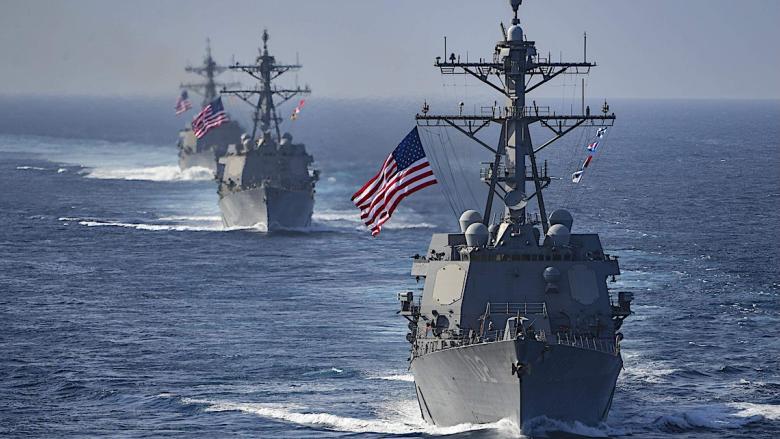
COMO SERIA UNA TRANSICION EN CUBA? HARIAN FALTA ENTRE 42 Y 61 MIL MILLONES DE USD EN 10 AÑOS, SEGUN LA IA. PHOTOS.
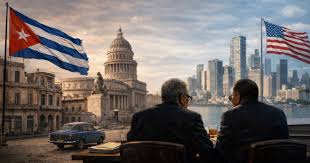
Una transición controlada en Cuba requeriría entre 42 y 61 mil millones de USD en 10 años, se enfocaría en estabilización humanitaria, recuperación económica y transición política bajo liderazgo externo.
Si Estados Unidos aplicara en Cuba una estrategia equivalente a la anunciada para Venezuela —que contempla tres fases, de estabilización, recuperación y una eventual transición política— las dinámicas internas y de poder en la Isla podrían cambiar de forma radical, por varias razones profundas ligadas a la estructura del régimen actual.
La transición en Cuba sería de forma controlada y bajo el liderazgo de EE.UU. Para empezar, en Cuba no se puede iniciar por elecciones ni por “reformas bonitas”.
Primero hay que evitar el colapso humanitario y apagar el incendio que dejó el régimen.
Una primera fase, de estabilización Esta etapa duraría hasta 12 meses y tendría por objetivo que el país no se hunda y la gente sobreviva.
La electricidad sería prioridad absoluta. Sin luz no hay agua, comida, hospitales, comunicaciones, ni gobernabilidad.
Acciones inmediatas:
Importación directa de combustible bajo control de EE. UU. Reparación urgente de las termoeléctricas existentes (aunque sean viejas). Sustitución de diésel caro por fuel/crudo donde sea posible. Control militar-logístico para evitar desvíos (GAESA fuera). Costo estimado en Electricidad básica 24/7: 2,500–3,000 millones USD/año
Alimentos y agua. Acciones inmediatas:
Importación masiva de alimentos básicos. Reactivación mínima de acueductos y bombeo. Cocinas comunitarias y raciones directas (modelo posguerra). Costo: 1,500–2,000 millones USD/año.
Salud y medicamentos. Acciones:
Medicinas esenciales. Energía asegurada para hospitales. Pago directo a médicos y enfermeros (fuera del sistema estatal corrupto). Costo: 800–1,200 millones USD/año. En total, la primera fase costaría entre 6,000–8,000 millones USD.
Agencies/ CiberCuba/ Internet Photos/ Arnoldo Varona. THE CUBAN HISTORY, HOLLYWOOD.
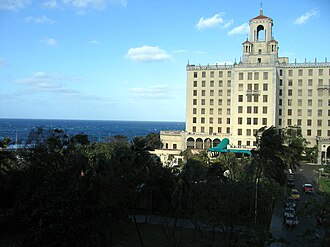
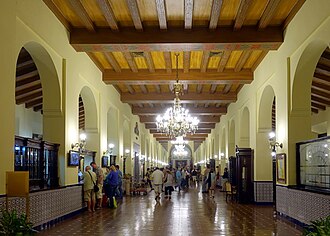
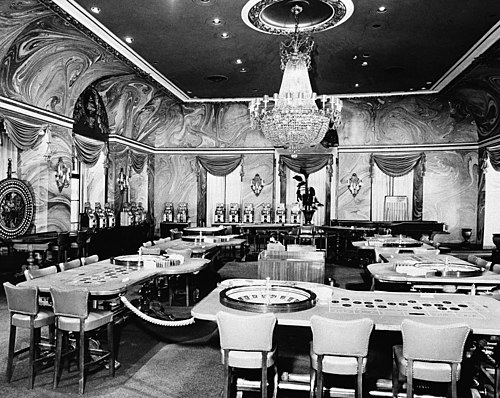
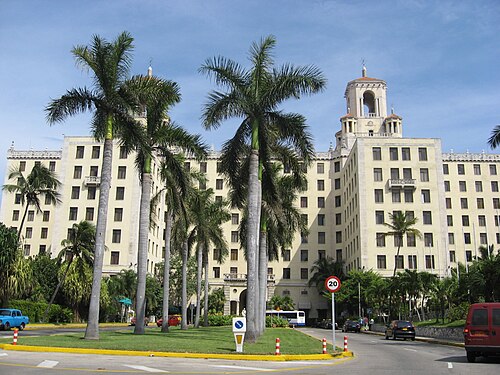
EL HISTORICO “HOTEL NACIONAL”, EN LA HABANA, CUBA. CUMPLE 96 AÑOS. PHOTOS.
El Hotel Nacional de Cuba es un hotel histórico de estilo ecléctico español ubicado en La Habana, Cuba, inaugurado en 1930. Situado en el paseo marítimo del distrito de Vedado, se alza sobre la colina de Taganana, ofreciendo impresionantes vistas al mar y a la ciudad.
Cómo es el Hotel Nacional de Cuba, el histórico edificio donde se han hospedado multitud de celebridades mundiales durante muchos años desde su fundación en 1930.
El Hotel Nacional de Cuba, un cinco estrellas ubicado en el centro de La Habana, es un clásico en la isla. El establecimiento que forma parte de la historia misma de Cuba, este fin de semana recibió a la presidenta argentina, Cristina Kirchner, como ya lo hizo en 2009.
La suite presidencial del hotel, inaugurado en 1930 y restaurado en 1992, tiene capacidad para cuatro personas y cuesta 1984 CUC (la moneda cubana equiparada con el dólar) este fin de semana, según su sitio web.
Las habitaciones del Hotel Nacional tiene una particularidad: muchas de ellas llevan los nombres de las personalidades que hospedaron. Los turistas que allí se alojen pueden elegir las habitaciones bajo el nombre Mafia, Nat King Cole, Fred Astaire, María Félix, Walt Disney, entre otros, donde hay “fotografías y una reseña biográfica de huésped, así como objetos que se han podido conservar”.
También en uno de sus bares construyeron el “Salón de Fama”, con retratos de algunos de sus “huéspedes ilustres”, como Winston Churchill, Frank Sinatra o Ernest Hemingway.
Un hotel con historia.
El Hotel Nacional se considera a sí mismo, como describen en su página web, un “símbolo de historia, cultura y cubanía”. “Los cañones que integraron la antigua Batería de Santa Clara y que hoy se exhiben en el jardín fueron declarados Patrimonio de la Humanidad, además, el Hotel es Monumento Nacional y fue inscrito en el Registro Memoria del Mundo”, subrayan.
El 1° de enero de 1959, “triunfa la Revolución Cubana” y “los representantes de la compañía norteamericana que operaba el Hotel lo abandonan, la administración es asumida por los propios empleados”, según su propia Web.
“También en enero de 1961, el Comandante en Jefe, Fidel Castro Ruz constituye la Escuela para campesinas de montaña Ana Betancourt que vinieron a estudiar corte y costura a la capital, las cuales se hospedaron en el hotel, además un grupo de trabajadores del hotel fue movilizado de durante la invasión de Playa Girón el 16 abril de 1961”, continúa.
Al año siguiente, en plena Crisis de los Misiles, “son emplazadas las antiaéreas en el montículo del Hotel, y construidas trincheras tapiadas debajo de sus jardines, constituyendo una obra de ingeniería de gran envergadura”.
En 1974 vuelve el turismo internacional a la isla y el hotel comienza a ser el imán para aquellos viajeros de renombre, además de establecerse como sede para muchas cumbres internacionales. Por eso, en los últimos años se hospedaron casi todos los presidentes de la región, como Evo Morales (Bolivia), Hugo Chávez (Venezuela) y Rafael Correa (Ecuador) y también otros mandatarios del mundo que visitaron la isla, como el de China, Xi Jinping y de Siria, Bashar al-Assad.
En sus más de 80 años de existencia, el Hotel Nacional ha recibido a numerosos huéspedes importantes, entre ellos artistas, actores, deportistas y escritores como Winston Churchill, los duques de Windsor, Jimmy Carter, Frank Sinatra, Ava Gardner, Rita Hayworth, Mickey Mantle, Johnny Weissmuller, Buster Keaton, Jorge Negrete, Agustín Lara, Rocky Marciano, Tyrone Power, Rómulo Gallegos, Errol Flynn, John Wayne, Marlene Dietrich, Gary Cooper, Marlon Brando, Ernest Hemingway, Yuri Gagarin, el científico Alexander Fleming, el gobernador de Minnesota (Estados Unidos) Jesse Ventura, e innumerables jefes de Estado iberoamericanos y monarcas europeos.
Colina de Taganana
Batería de Santa Clara en la colina de Taganana, antes de la construcción del hotel, alrededor de la década de 1920. La Batería de Santa Clara se construyó en la cima de una colina que albergaba una de las cuevas más históricas de la isla. La colina de Taganana, ubicada en el promontorio costero de Punta Brava, cerca de la ensenada de San Lázaro, tomó su nombre de una caverna en las Islas Canarias donde se refugió la princesa guanche Cathaysa. Fue capturada y vendida como esclava por los castellanos en 1494. La niña guanche de 7 años, originaria de Taganana (en Santa Cruz de Tenerife), fue capturada junto con otras cuatro jóvenes (Cathayta, Inopona, Cherohisa e Ithaisa). Cathayta fue vendida como esclava con sus compañeras en Valencia, en abril de 1494. Se cree que después de esto pasó el resto de su vida en algún lugar de España como dama de compañía de alguna mujer de la alta sociedad española.
En Cuba, existe una leyenda paralela que cuenta que una de las cuevas bajo la colina de Taganana sirvió de refugio a una joven indígena cubana del mismo nombre que huía de sus perseguidores españoles.
El novelista cubano Cirilo Villaverde inmortalizó a la guanche Cathaysa en su obra literaria, La Cueva de Taganana.
THE HISTORIC “HOTEL NACIONAL” IN HAVANA, CUBA, TURNS 96 YEARS OLD. PHOTOS.
The Hotel Nacional de Cuba is a historic Spanish eclectic style hotel in Havana, Cuba, opened in 1930. Located on the sea front of Vedado district, it stands on Taganana Hill, offering commanding views of the sea and the city.
How is the Hotel Nacional de Cuba, the historic building where they have hosted many international celebrities for many years since its foundation in 1930.
Hotel Nacional de Cuba, five star hotel in the center of Havana, is a classic on the island. The establishment is part of the very history of Cuba, this weekend received the President of Argentina, Cristina Kirchner, as it did in 2009.
The presidential suite of the hotel, opened in 1930 and renovated in 1992, can accommodate four people and costs 1984 CUC (Cuban currency equated with the dollar) this weekend, according to its website.
Rooms at the National Hotel has a peculiarity: many of them bear the names of the personalities who stayed. Tourists staying here can choose room under the name Mafia, Nat King Cole, Fred Astaire, Maria Felix, Walt Disney, among others, where there are “photographs and a biographical sketch of host, as well as objects that have been preserved “.
Also in one of the bars they built the “Hall of Fame” with portraits of some of his “illustrious guests,” as Winston Churchill, Frank Sinatra and Ernest Hemingway.
A hotel with history.
The National Hotel is considered himself, as described on their website, a “symbol of history, culture and Cuban”. “The guns that were part of the old Santa Clara Battery and now on display in the garden were declared a World Heritage Site, in addition, the Hotel is a National Monument and was inscribed on the Memory of the World Register,” they said.
On 1 January 1959, “the triumph of the Cuban Revolution” and “representatives of the American company that operated the Hotel will leave the administration is assumed by the employees themselves,” according to its own website.
“Also in January 1961, the Commander in Chief Fidel Castro Ruz is the School Ana Betancourt mountain peasant who came to study dressmaking to the capital, which stayed at the hotel, plus a group of hotel workers was mobilized during the Bay of Pigs invasion April 16, 1961, “he continues.
The following year, during the Cuban Missile Crisis, “are stationed on the mound antiaircraft Hotel, trenches and built walled gardens below, constituting an engineering major.”
In 1974 international tourism back to the island and the hotel is becoming a magnet for travelers reputable, well established as headquarters for many international summits. Therefore, in recent years almost all the presidents of the region, including Evo Morales (Bolivia), Hugo Chavez (Venezuela) and Rafael Correa (Ecuador) and other world leaders who visited the island, such as China stayed Xi Jinping and Syria, Bashar al-Assad.
In its 80+ years of existence, the Hotel Nacional has had many important guests, including artists, actors, athletes and writers such as Winston Churchill, the Duke and Duchess of Windsor, Jimmy Carter, Frank Sinatra, Ava Gardner, Rita Hayworth, Mickey Mantle, Johnny Weissmuller, Buster Keaton, Jorge Negrete, Agustín Lara, Rocky Marciano, Tyrone Power, Rómulo Gallegos, Errol Flynn, John Wayne, Marlene Dietrich, Gary Cooper, Marlon Brando, Ernest Hemingway, Yuri Gagarin, scientist Alexander Fleming, Minnesota (United States) Governor Jesse Ventura,[20] and innumerable Ibero-American Heads of State and European monarchs.
Hill of Taganana
Battery of Santa Clara on Hill of Taganana, before construction of the hotel, circa 1920s. The Santa Clara Battery was built on top of a hill which was home to one of the most historic caves on the island. The hill of Taganana, located in the coastal outcrop of Punta Brava near the cove of San Lázaro took its name from a cavern in the Canary Islands where the princess Guanche Cathaysa took refuge. She was captured and sold by the Castilians as a slave in 1494. The 7-year-old Guanche girl from Taganana (in Santa Cruz de Tenerife) was taken captive along with four other youngsters (Cathayta, Inopona, Cherohisa and Ithaisa). Cathayta was sold as a slave with her companions in Valencia, in April 1494. It is believed that after this she spent the rest of her life somewhere in Spain as a Menina for some woman of the Spanish high society.
In Cuba, in a parallel legend that states that one of the caves under the Taganana hill served as a shelter for a Cuban Indian girl of the same name who fled from her Spanish persecutors.
The Cuban novelist Cirilo Villaverde immortalized Guanche Cathaysa in his literary work, La Cueva de Taganana.
Agencies/ Wiki/ Internet Photos/ Extractos/ www.TheCubanHistory.com/ Arnoldo Varona. THE CUBAN HISTORY, HOLLYWOOD.
ESTADOS UNIDOS CAPTURA UN QUINTO PETROLERO DE LA “FLOTA FANTASMA” DEL CARIBE. PHOTOS.
Trump ordena la liberación de dos tripulantes rusos del petrolero ‘Marinera’, según Moscú.
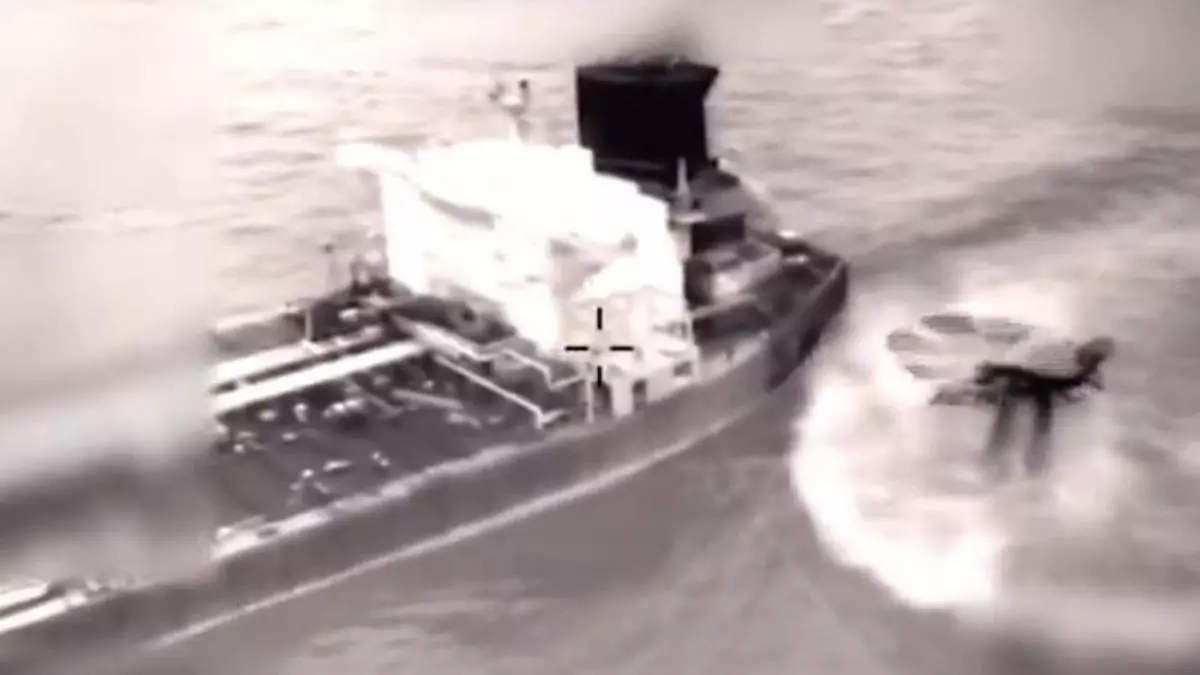
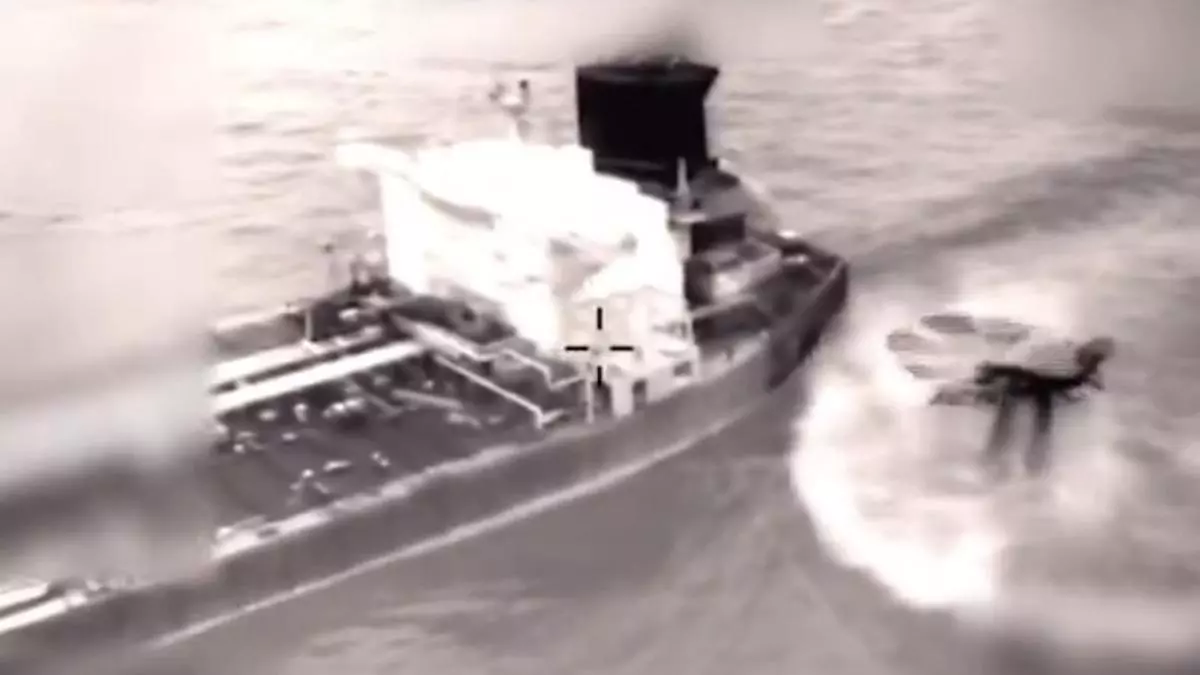
Momento en que fuerzas estadounidenses abordan el ‘Olina’ en aguas del Caribe. / X/@Southcom/ 14ymedio/EFE.
MADRID/WASHINGTON/MOSCU -Estados Unidos interceptó este viernes un nuevo petrolero en aguas del Caribe, el Olina, en una acción coordinada entre el departamento de Defensa y el de Seguridad Nacional (DHS). La operación, que se realizó antes del amanecer, contó con la participación de infantes de Marina que partieron en helicópteros desde el portaviones USS Gerald R. Ford y ejecutaron el abordaje “sin incidentes”, según informó el Comando Sur.
En su comunicado, el mando estadounidense aseguró que la acción envía un “mensaje claro” de que “no existe refugio seguro para los criminales”, en el marco de los esfuerzos de Washington para combatir “actividades ilegales transnacionales” en el hemisferio occidental, aunque no precisaron el número de detenidos.
En otro comunicado en X, la secretaria de Seguridad Nacional, Kristi Noem, recordó que el Olina forma parte de la llamada “flota fantasma”, compuesta por petroleros sospechosos de transportar petróleo sometido a embargo que intentan evadir a las fuerzas estadounidenses mediante cambios de bandera o rutas clandestinas. Estados Unidos impuso sanciones a este buque en enero del año pasado, cuando fue bautizado como Minerva M.
El buque, “sospechoso de transportar petróleo sometido a embargo”, “había partido de Venezuela antes de ser interceptado” Según Noem, el buque, “sospechoso de transportar petróleo sometido a embargo”, “había partido de Venezuela antes de ser interceptado”.
La operación contó con la coordinación de la Southern Spear, una iniciativa para “reforzar la seguridad marítima, frenar el tráfico ilícito y apoyar a las agencias civiles encargadas de la aplicación de la ley, especialmente en rutas del Caribe y América Latina”.
Con el Olina, van cinco buques requisados por Estados Unidos. En diciembre, se incautó de dos petroleros en el Caribe, el Skipper y el Centuries, y el pasado miércoles, otro en el mismo mar, el M/T Sophia, y otro cerca de Islandia, el Marinera, antes llamado Bella-1, al que estuvo persiguiendo la Guardia Costera durante más de dos semanas.
Dos de los tripulantes rusos del Bella-1, precisamente, han sido liberados por orden del presidente de Estados Unidos, Donald Trump, según informó este viernes el Ministerio de Exteriores ruso.
Dmitri Medvédev sí admitió este viernes el error del petrolero ‘Marinera’ al recurrir a la bandera de Rusia para eludir las sanciones de EE UU “En respuesta a nuestra solicitud, el presidente de EE UU, Donald Trump, tomó la decisión de liberar a los dos ciudadanos rusos que integraban la tripulación del Marinera”, señala el comunicado colgado en la página web de Exteriores. La nota añade, con insistencia: “Agradecemos dicha decisión y expresamos nuestro agradecimiento a los dirigentes de EE UU”.
La portavoz de Exteriores, María Zajárova, subrayó que las autoridades rusas han procedido a tomar todas las medidas necesarias para “el pronto retorno” de los ciudadanos a su país.
El presidente ruso, Vladímir Putin, no ha aludido aún públicamente a este incidente, ni tampoco a la detención hace una semana en Caracas del líder venezolano, Nicolás Maduro.
El ex presidente Dmitri Medvédev sí admitió este viernes el error del petrolero Marinera al recurrir a la bandera de Rusia para eludir las sanciones de EE UU.
“Es evidente por qué acabó portando la ‘bandera provisional’ de Rusia. Ante la amenaza de captura, buscaba protección ante las ilegales sanciones estadounidenses”, escribió Medvédev en Telegram. Medvédev añadió: “Pero es que el método elegido no fue del todo adecuado”.
El Ministerio de Exteriores ruso presentó el jueves una nota de protesta por la interceptación un día antes del petrolero, operación que EE UU vinculó con el embargo petrolero a Venezuela, y advirtió de que esa “acción ilegal” solo incrementará las tensiones en el Atlántico Norte.
Moscú explicó que el buque recibió el pasado 24 de diciembre permiso para navegar bajo bandera rusa.
Moscú explicó que el buque recibió el pasado 24 de diciembre permiso para navegar bajo bandera rusa y transitaba por aguas internacionales rumbo a un puerto ruso, de lo que las autoridades rusas informaron debidamente a Washington.
El Bella-1 repelió un intento de EE UU de abordarlo en diciembre y se adentró en el Atlántico. Durante la persecución, la tripulación pintó una bandera rusa en un costado, modificó el nombre del navío y cambió su matrícula.
La tripulación del navío no ofreció resistencia en el momento del abordaje, según la prensa estadounidense. Moscú había movilizado incluso un submarino para escoltar al petrolero.
La prensa rusa asegura que en el momento en que fue apresado el petrolero éste pertenecía a un empresario crimeo, cuya empresa Burevestmarin estaba registrada en la región rusa de Riazán.
Desde el comienzo de la guerra en Ucrania, Rusia utiliza la conocida como “flota fantasma”, petroleros sin un registro fijo para eludir las sanciones occidentales y exportar su crudo.
EE UU ha intensificado en los últimos días su presencia naval y aérea en el Caribe. Funcionarios del Pentágono han señalado que la Operation Southern Spear no es temporal y que continuará desarrollándose mientras sea necesario para, recalcaron, proteger el territorio estadounidense y restaurar la seguridad en el hemisferio occidental.
UNITED STATES SEIZES A FIFTH OIL TANKER FROM THE CARIBBEAN’S “GHOST FLEET.” PHOTOS.
Trump orders the release of two Russian crew members from the oil tanker ‘Marinera,’ according to Moscow.
Moment when US forces board the ‘Olina’ in Caribbean waters. / X/@Southcom/ 14ymedio/EFE.
MADRID/WASHINGTON/MOSCOW – The United States intercepted another oil tanker in Caribbean waters this Friday, the Olina, in a coordinated operation between the Department of Defense and the Department of Homeland Security (DHS). The operation, which took place before dawn, involved Marines who departed in helicopters from the aircraft carrier USS Gerald R. Ford and carried out the boarding “without incident,” according to the Southern Command.
In its statement, the US command asserted that the action sends a “clear message” that “there is no safe haven for criminals,” as part of Washington’s efforts to combat “transnational illegal activities” in the Western Hemisphere, although they did not specify the number of detainees.
In another statement on X, Homeland Security Secretary Kristi Noem recalled that the Olina is part of the so-called “ghost fleet,” composed of oil tankers suspected of transporting embargoed oil and attempting to evade US forces through flag changes or clandestine routes. The United States imposed sanctions on this vessel in January of last year, when it was named Minerva M.
The vessel, “suspected of transporting embargoed oil,” “had departed from Venezuela before being intercepted.” According to Noem, the vessel, “suspected of transporting embargoed oil,” “had departed from Venezuela before being intercepted.”
Agencies/ 14yMedio/ CubayVenezuelaHoy/ Internet Photos/ Arnoldo Varona. THE CUBAN HISTORY, HOLLYWOOD.