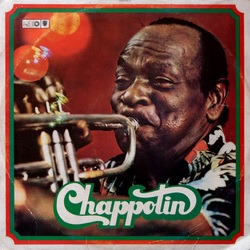
FÉLIX CHAPPOTTÍN “EL LOUIS ARMSTRONG CUBANO”, UN TESORO MUSICAL DE CUBA. VIDEOS/ PHOTOS.* FELIX CHAPPOTTÍN “THE CUBAN LOUIS ARMSTRONG”, A MUSICAL TREASURE FROM CUBA. VIDEOS/ PHOTOS.

FÉLIX CHAPPOTTÍN “EL LOUIS ARMSTRONG CUBANO”, UN TESORO MUSICAL DE CUBA. VIDEOS/ PHOTOS.

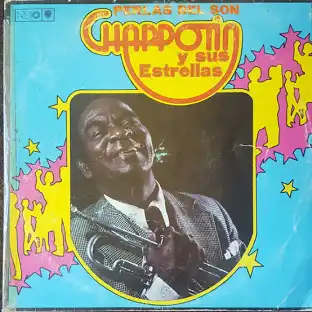
Félix Chappottín fue un trompetista y director de orquesta cubano. Fue miembro de tres agrupaciones cubanas de gran éxito: el Septeto Habanero, el conjunto de Arsenio Rodríguez y el Conjunto Chappottín, que él dirigía.

Félix Chappottín Lage, nació en La Habana el 31 de marzo de 1907. Sus padres fueron: su mamá Natalia Lage, y su padre el tabaquero Julio Chappottín. Félix resultó un niño muy aficionado a la música, que lo atraía grandemente, y es así que de temprana edad comenzó a estudiar con el profesor Venancio González los instrumentos de vientos: cornetín, tuba, oboe y más tarde el bombardino.

Sus facilidades de estudios lo llevaron a ingresar en la banda infantil de Guanajay, pue-blito donde ocasionalmente vivía por aquella fecha. Como dato curioso e interesante podemos agregar que cuando Luciano Pozo González (Chano) contaba 8 años su madre Encarnación González fallece, y esto hace posible que el padre de Félix, Julio Chappottín se una a la mamá de Félix nombrada, Natalia Lage, quién termina de criar a Chano Pozo.

En su vida de juventud fueron dos hermanos de crianza muy bien llevados, según los comentarios de los que los conocían.

El trompetista Chappottín incursionó por innumerables comparsas habaneras inducido por su tío Margarito Lage, quién era experto en estas cuestiones.

En el año 1924 ingresa en “La Estudiantina Orquídea de Américo González”, para más tarde ingresar en 1927 al ya famoso “Septeto Habanero”, como sustituto del trompetista Rafael Hernández, (El piche), siendo a su vez el segundo trompetista que interpreta el son en nuestro país y posiblemente en el Mundo.

Por razones muy inherente a la clase musical, Félix abandona al Septeto Habanero y comienza a trasladarse a las siguientes agrupaciones: Septeto Colín, Munamar, Universo, Alabama, Boloña, y junto al legendario Jesús Gutiérrez (Tata) organizan el Sexteto Bolero. Más tarde integra la agrupación Sexteto Carabina de Ases, Pero Chappottín no se sostiene en ningún grupo y continúa su periplo por el conjunto América, La Gloria Cubana, Orquesta Anacaona, dirigida por las hermanas Castro. Posteriormente se inserta en el “Conjunto Azul” dirigido por su hermano de crianza Chano. No obstante cada vez que lo llamaban de una comparsa, allá iba “Chapo” con su trompeta.

Actuando en el bien nombrado conjunto “Jóvenes del Cayo” a finales de los años 1940, lo viene a buscar Arsenio Rodríguez. Chapottín sin pensarlo dos veces se enrola junto al Ciego Maravilloso donde al fin se asienta en esta agrupación, uno de los mejores sonero de la trompeta en Cuba. A continuación vamos a realizar en lo posible las grabaciones de este músico cubano en el “Septeto Habanero”.

A partir de ese momento, el original de Arsenio Rodríguez Todos Estrellas banda se transformó en el Conjunto Estrellas Chappottín y sus. El grupo estaba encabezado por Félix Chappottín con Luis (Lilí) Martínez Griñán como el arreglista y Miguelito Cuni el cantante. Bajo la dirección de Félix Chappottín, sólo para ser comparado con Louis Satchmo Armstrong, la banda alcanzó la fama internacional

FELIX CHAPPOTTIN LEGADO Y SU MUERTE

Años posteriores y muerte Chappottín siguió siendo el líder de su conjunto hasta su muerte, que tuvo lugar el 21 de diciembre de 1983 en La Habana.

Chappottín es ampliamente considerado como el fundador del estilo moderno de trompeta cubana debido a su enfoque innovador en el desarrollo del son cubano entre los años 1920 y 1950. Según Craig Harris, escritor de AllMusic, Chappottín “continuó inspirando la música afrocubana con su dulce forma de tocar la trompeta durante más de seis décadas”. En 2002, Chappottín fue incluido póstumamente en el Salón de la Fama de la Música Latina Internacional.

Después de su muerte, su hijo y más tarde su nieto han dirigido el Conjunto Chappottín.


FELIX CHAPPOTTÍN “THE CUBAN LOUIS ARMSTRONG”, A MUSICAL TREASURE FROM CUBA. VIDEOS/ PHOTOS.

Félix Chappottín was a Cuban trumpeter and orchestra conductor. He was a member of three very successful Cuban groups: the Septeto Habanero, the Arsenio Rodríguez group and the Conjunto Chappottín, which he directed.

Félix Chappottín Lage was born in Havana on March 31, 1907. His parents were: his mother Natalia Lage, and his father the tobacco farmer Julio Chappottín. Félix was a child very fond of music, which attracted him greatly, and so at an early age he began to study wind instruments with Professor Venancio González: cornet, tuba, oboe and later the euphonium.

His ability to study led him to join the children’s band of Guanajay, a small town where he occasionally lived at that time. As a curious and interesting fact we can add that when Luciano Pozo González (Chano) was 8 years old his mother Encarnación González died, and this made it possible for Félix’s father, Julio Chappottín, to join Félix’s mother, Natalia Lage, who finished raising Chano Pozo.

In their youth they were two very well-behaved foster siblings, according to the comments of those who knew them.

The trumpet player Chappottín ventured into countless Havana comparsas induced by his uncle Margarito Lage, who was an expert in these matters.

In 1924 he joined the “La Estudiantina Orquídea de Américo González”, and later in 1927 he joined the already famous “Septeto Habanero”, as a substitute for the trumpeter Rafael Hernández, (El piche), being at the same time the second trumpeter to play the son in our country and possibly in the world.

For reasons inherent to the musical class, Félix left the Septeto Habanero and began to move to the following groups: Septeto Colín, Munamar, Universo, Alabama, Boloña, and together with the legendary Jesús Gutiérrez (Tata) they organized the Sexteto Bolero. Later he joined the group Sexteto Carabina de Ases, but Chappottín did not stay in any group and continued his journey through the group América, La Gloria Cubana, Orquesta Anacaona, directed by the Castro sisters. Later he joined the “Conjunto Azul” directed by his foster brother Chano. However, every time they called him to a comparsa, there he went, “Chapo” with his trumpet.

Performing in the well-named group “Jóvenes del Cayo” at the end of the 1940s, Arsenio Rodríguez came looking for him. Without thinking twice, Chapotín joined Ciego Maravilloso, where he finally established himself in this group, one of the best soneros of the trumpet in Cuba. Next, we will make as many recordings of this Cuban musician as possible in the “Septeto Habanero”.

From that moment on, Arsenio Rodríguez’s original Todos Estrellas band was transformed into Conjunto Estrellas Chappottín y sus. The group was headed by Félix Chappottín with Luis (Lilí) Martínez Griñán as the arranger and Miguelito Cuni as the singer. Under the direction of Felix Chappottin, only to be compared to Louis Satchmo Armstrong, the band rose to international fame

FELIX CHAPPOTTIN LEGACY AND DEATH

Later years and death Chappottin remained the leader of his ensemble until his death, which took place on December 21, 1983 in Havana.

Chappottin is widely regarded as the founder of the modern Cuban trumpet style due to his innovative approach in developing the Cuban son between the 1920s and 1950s. According to AllMusic writer Craig Harris, Chappottin “continued to inspire Afro-Cuban music with his sweet trumpet playing for more than six decades.” In 2002, Chappottin was posthumously inducted into the International Latin Music Hall of Fame.

Following his death, his son and later his grandson have led Conjunto Chappottin.


Agencies/ WIki/ FelixChappottinBio./ Extractos/ Excerpts/ InternetPhotos/ YouTube/ Arnoldo Varona.

www.TheCuban History.com
THE CUBAN HISTORY, HOLLYWOOD.

MARISELA VERENA, RECONOCIDA CANTAUTORA CUBANA, DESTACADA POR LA POESIA DE SUS CREACIONES MUSICALES Y CANCIONES INGENIOSAS. VIDEOS / PHOTOS. * MARISELA VERENA, renowned Cuban Singer-Songwriter, noted for the Poetry of her Musical Creations and Ingenious Songs. VIDEOS / PHOTOS.

MARISELA VERENA, RECONOCIDA CANTAUTORA CUBANA, DESTACADA POR LA POESIA DE SUS CREACIONES MUSICALES Y CANCIONES INGENIOSAS. VIDEOS / PHOTOS.


Marisela Verena nacida el 1 de septiembre de 1951 es cantautora e intérprete cubana, compositora de música pop latina, pop rock, música folclórica y baladas, reconocida por la poesía de sus letras y sus canciones épicas e ingeniosas, que comenzó su carrera musical a principio de los 1970.

Marisela Verena nació en Pinar del Río, Cuba. Su madre era maestra de Artes plásticas y su padre abogado. Verena salió de Cuba en 1962, como parte de la Operación Pedro Pan.

Verena asistió a la escuela primaria en Iowa, y a las Escuelas Superior y Universidad, en Miami y estudió arte, pintura y cerámica con mucho éxito, se involucró en el teatro, y como estudió piano, violín y después guitarra, descubrió que su pasión era la música. Como incipiente cantautora desde principios de los 1970, vivió en Miami, España, Venezuela y en su querido Puerto Rico. Fue allí donde perfeccionó su arte, en clubes bohemios. La música pop común y corriente, no la atraía y sentía más afinidad por la canción poética con mensaje social, un género no muy favorecido por la industria disquera. No se dejó disuadir y se forjó una carrera en Puerto Rico, que se expandió, de los clubes nocturnos, a grabar discos, a hacer radio y televisión. Después se mudó a España en 1975, donde fue contratada por la CBS (hoy Sony). Ganó un concurso representando a España (el Noveno Festival de la Voz y la Canción, en San Juan, Puerto Rico), y en los años 80 y 90, compuso canciones sobre su tierra natal. Ganadora de un Emmy por su tema “Son de las tres décadas” (Música para el documental “Exilio: del trauma al triunfo”) Además de otros varios concursos de la canción, Marisela es emblemática entre sus compatriotas y está considerada, según el productor de discos Juan Estévez, como “Una compositora de primera clase, con una voz muy distinta.”

CARRERA ARTISTICA

Su primer álbum: “Marisela”, se grabó en Miami. El segundo, “Marisela no quiso ir al estudio”, fue el primer disco grabado en vivo en Puerto Rico. Bajo el sello CBS en España, grabó un exitoso sencillo: “Mujer Abeja”. La artista regresó a Puerto Rico, donde ganó el primer lugar en el Festival de la Voz y la Canción, con un tema de su autoría: “País, Amor”. Ha trabajado en los mejores teatros y programas de la TV y ha grabado en Puerto Rico, EE. UU., Santo Domingo (República Dominicana) y Venezuela. Ha sido autora e intérprete de varios temas de telenovelas y miniseries, ha grabado y compuesto jingles y comerciales, y tuvo su propio show de televisión en Puerto Rico. Cuando se puso nostálgica por su tierra natal y compuso “Raíces”, la canción llegó a los primeros lugares del hit parade en Miami, Nueva York, Nueva Jersey y Nueva Orleans. Sus grandes hits, “Tu Compañera”, “Te queda grande”, “Yo quiero nacer coquí” y “Nosotros los cubanos” escalaron al tope de las carteleras en las estaciones de radio de New York, Miami, Houston, Los Ángeles, San Juan, Santo Domingo, Panamá, Costa Rica, Honduras, El Salvador, Colombia y México. Las canciones de Marisela Verena vienen alcanzando posiciones cimeras del hit parade desde 1983 hasta el presente.

La artista ha actuado en teatros muy reconocidos en Madrid, París, EE.UU y América Latina, como el Teatro Opera en Buenos Aires, Madison Square Garden en New York, James L. Knight Center, Dade County Auditorium y Jackie Gleason Theater for the Performing Arts, en Miami; en el Centro de Bellas Artes Archivado el 28 de junio de 2017 en Wayback Machine. en Puerto Rico, y en el Theatre Du Rond-Pointe en París, Francia; así como en España, México, Santo Domingo y Venezuela. También ha actuado en los mejores shows de radio y TV de esos países.

Verena ha compartido los escenarios del mundo con celebridades de la talla de Julio Iglesias, Raphael, Sandra Mihanovich, Marilina Ross, José Luis Perales, Valeria Lynch, el Dúo Pimpinela, Rocío Jurado, Rocío Dúrcal, Paquito D’Rivera, Arturo Sandoval, Celia Cruz, Gloria Estefan, Rafael José, Zoé Valdés, Pedro Almodóvar, Catherine Deneuve, Gilberto Santa Rosa, Daniela Romo, Oscar D’León, Olga Tañón, Albita, Olga Guillot, Lissette Álvarez, Willy Chirino, Jon Secada, Ricardo Montaner, Guillermo Álvarez Guedes, Amaury Gutiérrez, Gema Corredera, Cristina Rebull y muchos más.

Marisela Verena es hoy la más renombrada cantautora cubana de su generación. Ya sea por la lírica belleza de sus letras, sus satíricas agudezas, o por sus épicas y transcendentales canciones sobre Cuba, la artista se ha ganado una reputación extraordinaria entre sus compañeros músicos y sus fanáticos.

Entre los artistas que han solicitado y grabado sus composiciones están Celia Cruz, Gilberto Santa Rosa, Marco Antonio Muñiz, José-José, Dulce, Jorge Muñiz, Sophy, Ismael Miranda, Miliki, Alberto Cortez, Paloma San Basilio, Celi Bee, Melina León, Willy Chirino y Sandra Mihanovich, para mencionar algunos.

PREMIOS Y RECONOCIMIENTOS

Emmy: “Son de las Tres Décadas”. Música para el documental “Exilio: del trauma al triunfo”.
Primer Lugar: Concurso de canciones Billboard Magazine: “Me duelen las manos”.
Primer Lugar: John Lennon Song Contest: “Zoo-lógica”.
Primer Lugar: Noveno Festival de la Voz y la Canción, San Juan, Puerto Rico.
Premio Raíces: que se instituye por su composición, “Raíces”.
Premio Aplauso 92: Otorgado en cinco ocasiones como Cantautora del Año.
Llaves de la Ciudad de Miami, que recibe cuatro veces de sus alcaldes.
“Día de Marisela Verena”: honor otorgado en dos ocasiones.
Llaves de la Ciudad de Hialeah, por el alcalde de esa ciudad.
Premio ACE: dado en New York, cantautora.
Premio ACCA: Miami, cantautora.
Premio Agueybaná de Oro: en Puerto Rico, Cantautora del año.
In The Company of Women Award: Reconocimiento como Destacada Figura Femenina del Sur de la Florida
Primer Lugar, Hit Parade, Billboard Magazine: ha alcanzado los primeros sitios en varias ocasiones con canciones de su autoría e interpretadas por ella.


DISCOGRAFIA

Marisela
Marisela no quiso ir al estudio
Mujer Abeja (CBS, España)
Marisela –Tu compañera
Viento y Madera
Somos el prójimo
Motivos del creador
Viaje Adentro
Éxitos de Marisela Verena
Potpurrí Pedro Pan
Nací en el Caribe
Somos los que andamos
Trova, No Oda
Descendencia
Pregúntale a un pinareño
Mi corazón es un pueblo.


MARISELA VERENA, RENOWNED CUBAN SINGER-SONGWRITER, NOTED FOR THE POETRY OF HER MUSICAL CREATIONS AND INGENIOUS SONGS. VIDEOS / PHOTOS.

Marisela Verena, born on September 1, 1951, is a Cuban singer-songwriter and performer, composer of Latin pop music, pop rock, folk music and ballads, recognized for the poetry of her lyrics and her epic and ingenious songs, who began her musical career in the early 1970s.

Marisela Verena was born in Pinar del Río, Cuba. Her mother was a teacher of Fine Arts and her father was a lawyer. Verena left Cuba in 1962 as part of Operation Pedro Pan.

Verena attended elementary school in Iowa and high school and college in Miami and studied art, painting and ceramics with great success. She became involved in theater, and as she studied piano, violin and later guitar, she discovered that her passion was music. A budding singer-songwriter from the early 1970s, she lived in Miami, Spain, Venezuela and her beloved Puerto Rico. It was there that she honed her craft in bohemian clubs. Run-of-the-mill pop music did not appeal to her and she felt more affinity for poetic songs with a social message, a genre not much favored by the recording industry. She was not deterred and forged a career in Puerto Rico that expanded from nightclubs to recording albums and radio and television. She then moved to Spain in 1975, where she was hired by CBS (now Sony). She won a contest representing Spain (the Ninth Festival of the Voice and the Song, in San Juan, Puerto Rico), and in the 80s and 90s, she composed songs about her homeland. Winner of an Emmy for her song “Son de las tres década” (Music for the documentary “Exilio: del trauma al triunfo”) In addition to several other song contests, Marisela is emblematic among her compatriots and is considered, according to record producer Juan Estévez, as “A first-class composer, with a very distinct voice.”

ARTISTIC CAREER

Her first album: “Marisela”, was recorded in Miami. The second, “Marisela no querido ir al estudio”, was the first album recorded live in Puerto Rico. Under the CBS label in Spain, she recorded a successful single: “Mujer Abeja”. The artist returned to Puerto Rico, where she won first place in the Festival of the Voice and the Song, with a song of her own: “País, Amor”. She has worked in the best theaters and TV shows and has recorded in Puerto Rico, the U.S., Santo Domingo (Dominican Republic) and Venezuela. She has been the author and performer of several themes for soap operas and miniseries, has recorded and composed jingles and commercials, and had her own television show in Puerto Rico. When she became nostalgic for her homeland and composed “Raíces,” the song reached the top of the hit parade in Miami, New York, New Jersey and New Orleans. Her big hits, “Tu Compañera,” “Te queda grande,” “Yo quiero nacer coquí” and “Nosotros los cubanos” climbed to the top of the charts on radio stations in New York, Miami, Houston, Los Angeles, San Juan, Santo Domingo, Panama, Costa Rica, Honduras, El Salvador, Colombia and Mexico. Marisela Verena’s songs have reached the top positions on the hit parade from 1983 to the present.

The artist has performed in highly acclaimed theatres in Madrid, Paris, the USA and Latin America, such as the Teatro Opera in Buenos Aires, Madison Square Garden in New York, James L. Knight Center, Dade County Auditorium and Jackie Gleason Theater for the Performing Arts, in Miami; at the Centro de Bellas Artes Archived June 28, 2017, at the Wayback Machine. in Puerto Rico, and at the Theatre Du Rond-Pointe in Paris, France; as well as in Spain, Mexico, Santo Domingo and Venezuela. She has also performed in the best radio and TV shows in those countries.

Verena has shared the world’s stages with celebrities such as Julio Iglesias, Raphael, Sandra Mihanovich, Marilina Ross, José Luis Perales, Valeria Lynch, the Pimpinela Duo, Rocio Jurado, Rocio Durcal, Paquito D’Rivera, Arturo Sandoval, Celia Cruz, Gloria Estefan, Rafael Jose, Zoe Valdes, Pedro Almodovar, Catherine Deneuve, Gilberto Santa Rosa, Daniela Romo, Oscar D’Leon, Olga Tañón, Albita, Olga Guillot, Lissette Alvarez, Willy Chirino, Jon Secada, Ricardo Montaner, Guillermo Alvarez Guedes, Amaury Gutierrez, Gema Corredera, Cristina Rebull and many more.

Marisela Verena is today the most renowned Cuban singer-songwriter of her generation. Whether for the lyrical beauty of her lyrics, her satirical wit, or for her epic and transcendental songs about Cuba, the artist has earned an extraordinary reputation among her fellow musicians and her fans.

Among the artists who have requested and recorded her compositions are Celia Cruz, Gilberto Santa Rosa, Marco Antonio Muñiz, José-José, Dulce, Jorge Muñiz, Sophy, Ismael Miranda, Miliki, Alberto Cortez, Paloma San Basilio, Celi Bee, Melina León, Willy Chirino and Sandra Mihanovich, to name a few.

(READ DISCOGRAPHY IN THE SPANISH SECTION ABOVE)


Agencies/ Wiki/ MariselaVerenaBio./ Extractos/ Excerpts/ Internet Photos/ Arnoldo Varona.

www.TheCubanHistory.com
THE CUBAN HISTORY, HOLLYWOOD.

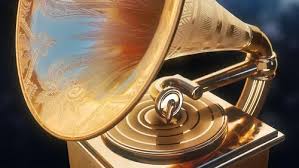
GLORIA ESTEFAN Y TANIA LEON TRIUNFAN EN LOS PREMIOS GRAMMY 67 EDICION. PHOTOS. * GLORIA ESTEFAN AND TANIA LEON WIN THE 67th GRAMMY AWARDS. PHOTOS.

GLORIA ESTEFAN Y TANIA LEON TRIUNFAN EN LOS PREMIOS GRAMMY 67 EDICION. PHOTOS.

Estefan se coronó en el apartado ‘Mejor Presentación de Música Global’, con un homenaje a Celia Cruz, y León recibió el ‘Premio al Éxito de la Vida’.


LOS ANGELES– Dos cubanas, Gloria Estefan y Tania León, fueron galardonadas este domingo en la 67 edición de los Premios Grammy, que tuvo lugar en el Crypto.com Arena de Los Ángeles, informó en su perfil de Facebook la musicógrafa cubana Rosa Marquetti.

Estefan, radicada en EEUU, se coronó en el apartado “Mejor Presentación de Música Global”, por la canción “Bemba colorá”, escrita por José Claro Fumero e internacionalizada por Celia Cruz. Esta vez, el tema fue interpretado Estefan junto a la estadounidense Sheila E. y la peruana Mimi Succar.

León, por su parte, recibió el “Premio al Éxito de la Vida”, que entregan cada año los fideicomisarios de la Academia. La compositora, pianista, directora de orquestas y promotora cubana emigró de la Isla a EEUU a los 24 años y está afincada en Nueva York desde 1967.

GLORIA ESTEFAN, PRESENTE…

Gloria Estefan nació en La Habana, a poco más de un año del triunfo de la Revolución. A los 16 años se fue a Miami junto a su familia, por razones políticas. Tras cursar estudios de Psicología en la universidad, se unió a un grupo que tocaba música latina, donde comenzó a cantar.

La intérprete del famoso tema “Conga” ha vendido más de 100 millones de discos en todo el mundo y es la artista latina más exitosa en la historia de la música pop. Ella y su marido, el productor musical Emilio Estefan, han ganado 26 premios Grammy. En diciembre de 2022, ambos recibieron la Medalla del Bicentenario que otorga el Museo Nacional de Historia Americana. En junio de 2023, se convirtió en la primera mujer latina en ingresar en el Salón de la Fama de los Compositores de EEUU.

TANIA LEON, PRESENTE…

La otra cubana premiada en esta edición de los Grammy, Tania León, ha recibido numerosos reconocimientos internacionales a lo largo de su prolífica carrera, entre ellos el Premio Pulitzer de Música en 2021 y el Premio Kennedy Center Honors en 2022.

En octubre de 2024 fue galardonada con el XIX Premio SGAE de la Música Iberoamericana Tomás Luis de Victoria. El jurado destacó “su experiencia artística, que se proyecta como paradigma de comprensión y diálogo intercultural”.

Con más de 40 obras de cámara, orquestales, vocales, y multitud de óperas, su forma de crear ha conseguido elevar la música latina en Nueva York. Así, el jurado reconoció “los exilios externo e interno que, como cubana en EEUU, han marcado su producción compositiva de alto reconocimiento internacional, así como a su posición como ser humano ante las coordenadas vitales por las que ha discurrido su trayectoria”.

OTROS CUBANOS, PRESENTES…

En la 67 edición de los Premios Grammy también estaban nominados, y no se alzaron finalmente con el premio, los cubanos Chucho Valdés y Gonzalo Rubalcaba.


GLORIA ESTEFAN AND TANIA LEON WIN THE 67th GRAMMY AWARDS. PHOTOS.

Estefan was crowned in the category of ‘Best Global Music Presentation’, with a tribute to Celia Cruz, and Leon received the ‘Lifetime Achievement Award’.

LOS ANGELES – Two Cubans, Gloria Estefan and Tania Leon, were awarded this Sunday at the 67th edition of the Grammy Awards, which took place at the Crypto.com Arena in Los Angeles, Cuban musicologist Rosa Marquetti reported on her Facebook profile.

Estefan, based in the US, was crowned in the category of “Best Global Music Presentation”, for the song “Bemba colorá”, written by José Claro Fumero and internationalized by Celia Cruz. This time, the song was performed by Estefan together with the American Sheila E. and the Peruvian Mimi Succar.

Leon, for her part, received the “Lifetime Achievement Award,” which is given out annually by the Academy’s trustees. The Cuban composer, pianist, orchestra director and promoter emigrated from the island to the United States at the age of 24 and has lived in New York since 1967.

GLORIA ESTEFAN, PRESENT…

Gloria Estefan was born in Havana, a little over a year after the triumph of the Revolution. At the age of 16, she moved to Miami with her family for political reasons. After studying psychology at the university, she joined a group that played Latin music, where she began to sing.

The interpreter of the famous song “Conga” has sold more than 100 million records worldwide and is the most successful Latin artist in the history of pop music. She and her husband, music producer Emilio Estefan, have won 26 Grammy Awards. In December 2022, both received the Bicentennial Medal awarded by the National Museum of American History. In June 2023, she became the first Latina woman to be inducted into the US Songwriters Hall of Fame.


TANIA LEON, PRESENT…

The other Cuban winner of this edition of the Grammys, Tania León, has received numerous international awards throughout her prolific career, including the Pulitzer Prize for Music in 2021 and the Kennedy Center Honors Award in 2022.

In October 2024, she was awarded the 19th SGAE Tomás Luis de Victoria Ibero-American Music Award. The jury highlighted “her artistic experience, which is projected as a paradigm of intercultural understanding and dialogue.”

With more than 40 chamber, orchestral, and vocal works, and a multitude of operas, her way of creating has managed to elevate Latin music in New York. Thus, the jury recognized “the external and internal exiles that, as a Cuban in the United States, have marked her compositional production of high international recognition, as well as her position as a human being in the vital coordinates through which her career has run.”

OTHER CUBANS, PRESENT…

At the 67th edition of the Grammy Awards, the Cubans Chucho Valdés and Gonzalo Rubalcaba were also nominated, but did not ultimately win the award.

Agencies/ DDC/ GrammyAwards67Edicion./ Extractos/ Excerpts/ Internet Photos/ Arnoldo Varona.

www.TheCubanHistory.com
THE CUBAN HISTORY, HOLLYWOOD.