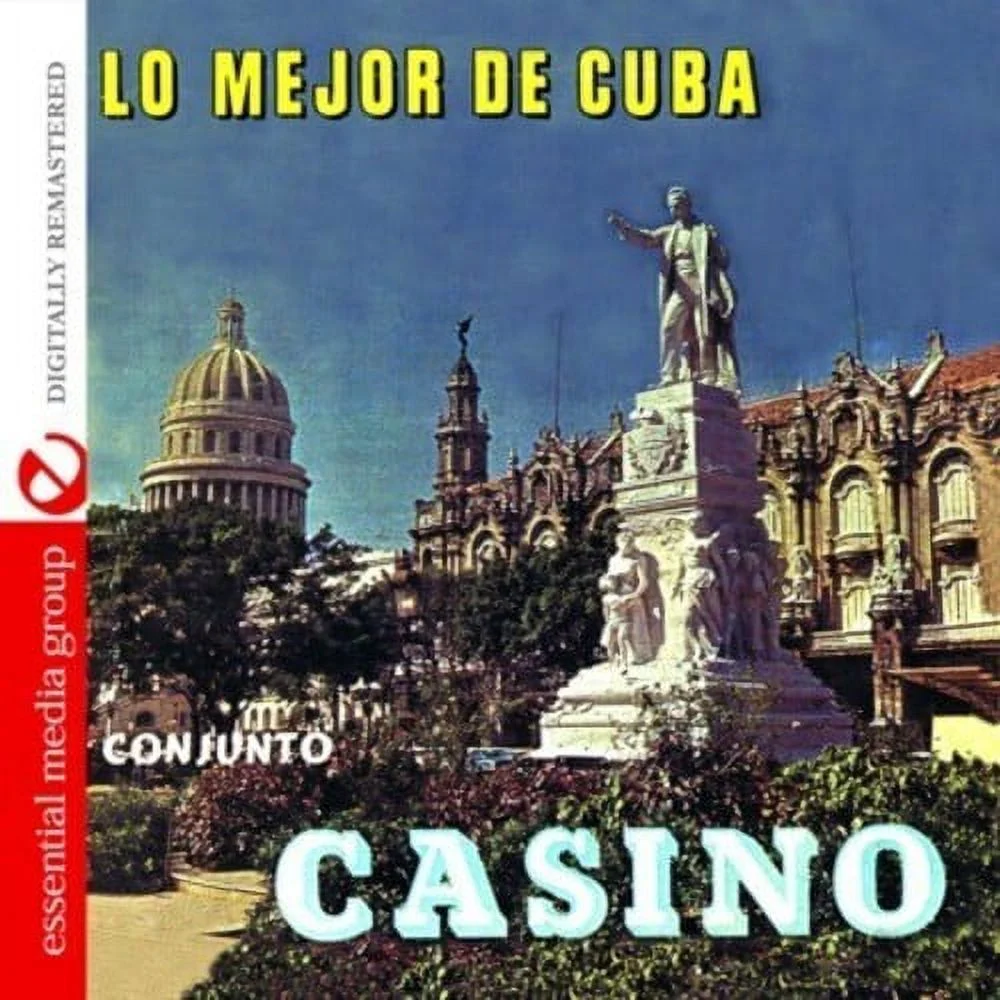
“EL CONJUNTO CASINO” CON ESPI, FAZ, LOS GUARACHEROS DE CUBA. VIDEOS/ PHOTOS .
El Conjunto Casino fue un grupo de música popular cubana que desempeñó un papel importante en las décadas de 1940 y 1950, enmarcado en la tradición vigente en Cuba en aquel entonces.
El estilo del «Casino» se caracterizó por los guaracheros del siglo XX, la rumba y el asentuando agresivo. En su música, la orquesta Casino se enmarca en la corriente más progresista entre los conjuntos soneros de su tipo en ese momento. Junto con el conjunto de Arsenio Rodríguez, representante de la línea afrocubana, el conjunto Sonora Matancera, vinculado a la guaracha y la rumba mulata, «Casino» formó un patrón seguido por muchos grupos desde entonces, como el conjunto «Colonial», el conjunto de Senén Suárez, el conjunto de Ernesto Grenet, el «Kubakán», el conjunto «Rumbavana», entre otros.
El 28 de noviembre de 1940, el cabaret Zombie Club de La Habana abrió su espectáculo, alternando con la orquesta del pianista Zombie Adolfo Guzmán y la del músico catalán Pedro Calonge. La primera voz de la trilogía de los discos, Zombie, fue compuesta por Juan Fuentes (Pellet), Esteban Grau y Roberto Espí. Poco después, a principios de 1943, Espí sustituyó a Nelo Sosa (Furball).
Durante las presentaciones de Casino en Zombie Club, un amigo de Espí presentó a otro cantante de Regla, La Habana: Roberto Faz. Desde ese primer encuentro, la amistad de Faz se afianzó, y Faz entró en el grupo para un inminente regreso a México.
En octubre de 1944, regresó a Cuba y hubo nuevos cambios de personal. Nelo Sosa y Roberto Faz se unieron a Casino, completando así la trilogía: Faz, Sosa y Espí, que sería etiquetada como RCA Victor. En el orden instrumental, se estrenó «Casino», con su sección de metales y el acompañamiento de las trompetas de Alberto Armenteros, Alejandro Miguel Román y «El Negro» Vivar, y la guaracha «Viejo Verde» de Agustín Ribot, uno de los primeros grandes éxitos de la época.
Aunque tras la inauguración de la televisión en Cuba en 1950, fue contratado por la CMQ para actuar en el famoso «Programa del Mediodía» y su presencia en la Radio CMQ también fue imprescindible en «El Gran Show del Mañana», «Cumbanchoa», entre otros de sus espacios estelares, además de bailes públicos por toda la isla, otros viajes se producirían durante las décadas de 1940 y 1950: Puerto Rico, en 1945 y 1946, Venezuela en 1947; posteriormente, y con regularidad, visitaría el sur de Estados Unidos: Miami, Tampa y Cayo Hueso, Nueva York en 1953; Antillas Neerlandesas en 1955, Panamá en 1956 y 1957, Santo Domingo en 1958 y Estados Unidos en octubre de 1959.
Voces y Roberto Faz. Roberto Espi grabó numerosos discos para Panart y RCA Victor. Entre 1944 y 1955, completó trilogías con otros cantantes importantes como Agustín Ribot, Orlando Vallejo, Rolito Rodríguez y Laíto Sureda. En enero de 1956, Roberto Faz se separó de «Casino» y decidió fundar su propio grupo. Otros artistas comenzaron a unirse a «Casino». Entre ellos: Fernando Álvarez, Felo Martínez, Orlando Reyes, René del Mar, Alberto Ruiz, Orlando Morales y Jesús Navarro, entre otros.
Entre 1956 y 1957, el grupo «Casino» dejó el sello Panart y volvió a grabar para RCA Victor. En esta ocasión, un excelente ejemplo es «Vía Cuba». Con el desarrollo alcanzado en Cuba en 1958, la industria musical se constituyó en un importante grupo discográfico que grababa y difundía la producción musical en la isla.
En 1958 grabó para GEMA, en 1959 para Ansonia y Rosell Records, en 1960 para Velvet y en 1961 para el sello Maype, entre otros. Con la Revolución, todos estos sellos desaparecieron y los espacios nocturnos comenzaron a languidecer hasta su completa extinción en 1968.
Roberto Espí continuó al frente de este grupo hasta 1974, cuando se retiró de la música, completando una trayectoria de poco más de treinta años en el conjunto «Casino». Falleció en La Habana el 14 de mayo de 1999.
“EL CONJUNTO CASINO” WITH ESPI, FAZ, AND LOS GUARACHEROS DE CUBA. VIDEOS/PHOTOS.*
Conjunto Casino was a group of Cuban popular music who performed an important role in the 1940 and 1950, framed in the tradition set in vogue at that time in Cuba.
The style of the ‘Casino’, were the guaracheros of the century, rumba and asentuando agresivida in his music the orchestra casino is part of the current more progressive between clusters soneras of its kind at this time. Along the whole of Arsenio Rodriguez, representing the Afro-Cuban line, the set Sonora Matancera, attached to the guaracha and rumba mulatto, ‘Casino’ formed a pattern followed by many groups since then as the whole ‘Colonial’, the set of Senen Suarez, Ernesto Grenet all ‘, the’ Kubakán ‘the whole’ Rumbavana ‘among others.

On 28 November 1940 are paid by the cabaret ‘Zombie Club’ in Havana to open his show, alternating with the orchestra led by pianist Zombie Adolfo Guzman, and the orchestra of catalan musician Pedro Calonge. The first trilogy voice on the discs and the Zombie was composed by Juan Fuentes (Pellet), Esteban and Roberto Grau Espí. Soon after, in early 1943, replacing Nelo Sosa ‘Furball’.
During the presentations of the ‘Casino’ in ‘Zombie Club’ a friend is responsible for Espí introduce another singer from the town of Regla in Havana: Roberto Faz. Since that first meeting pending trabarian friendship Face entry to the group for an imminent return trip to Mexico.
In October 1944 return to Cuba and there are further changes in personnel. Return Nelo Sosa and Roberto Faz join the ‘Casino’ was completed the whole trilogy: Face, Sosa and would pray Espí labels as RCA Victor. In the instrumental order the ‘Casino’ premiered with its brass section and the filling of the trumpets of Alberto Armenteros, Alejandro Miguel Roman and ‘The Black’ Vivar, guaracha Augustine Ribot ‘old green’, one of the first major successes of that era.
Although after the inauguration of television in Cuba in 1950 are hired by the CMQ to perform at the famous “Noon Show” and that his presence in the CMQ Radio was also a must in the Big Show of the Tomorrow ‘,’ Cumbanchoa ‘among others of his stellar spaces, in addition to public dances across the island, other trips will occur during the forties and fifties: Puerto Rico, in 1945 and 1946, Venezuela in 1947; subsequently and regularly visit the southern United States: Miami, Tampa and Key West, New York in 1953; Netherlands Antilles in 1955, Panama in 1956 and 1957, Santo Domingo in 1958, and the United States in October 1959.
Voices and Roberto Faz Roberto Espi, registered in many disks Panart RCA Victor and, between 1944 and 1955 completed trilogies with other important singers as Augustine Ribot, Orlando Vallejo, Rolito Rodriguez and Laíto Sureda. In January 1956, Roberto Faz is separated from the ‘Casino’ and decided to found his own group. Other performers are beginning to join the ‘Casino’. Among them: Fernando Alvarez, Felo Martinez, Orlando Reyes, Rene del Mar, Alberto Ruiz, Orlando Morales and Jesus Navarro, among others.
Between 1956 and 1957 the group ‘Casino’ leaves the Panart label and re-recorded for RCA Victor. This time is an excellent example entitled ‘Via Cuba’. With the development achieved in Cuba the music industry in 1958 is very good amount of stamps recording and disseminating music production on the island.
In 1958 recorded for GEMA, in 1959 for Ansonia and Rosell Records label in 1960 for Velvet, and in 1961 for the label Maype, among others. When the Revolution took power on the island all these labels disappear and nocturnal spaces begin to languish until completely extinguished in 1968.
Roberto Espí continue at the head of this group until 1974 when he retired from music, completing a work of little more than thirty years at the whole ‘Casino’. He died in Havana on May 14, 1999.
Agencies/ Wiki/ LaCasinoHist./ Internet Photos/ YouTube/ www.TheCubanHistory.com/ Arnoldo Varona.
THE CUBAN HISTORY, HOLLYWOOD.