

 HABLA MARTIN GUEVARA, EL SOBRINO DEL CHE SOBRE LAS MUJERES CUBANAS DURANTE SU ESTANCIA EN CUBA. LAS PRECIOSAS MULATAS CUBANA. PHOTOS. * MARTIN GUEVARA, CHE NEPHEW, SPEAKS ABOUT CUBAN WOMEN IN HIS STAY IN CUBA. THE BEAUTIFUL CUBAN MULATAS. PHOTOS.
HABLA MARTIN, EL SOBRINO DEL CHE GUEVARA SOBRE SU ESTANCIA EN CUBA DURANTE LA REVOLUCION. LAS PRECIOSAS MULATAS CUBANA. PHOTOS.
Cuando vivía en Cuba, generalmente las mujeres de tez blanca eran las afortunadas para ascender en la escala social que instauró la “Involución”, a costa de casarse o ser amantes de “pinchos” o dirigentes.
La belleza necesaria para pasear por Coopelia, Miramar o Siboney, para acceder a los clubes náuticos de Santa María, Jibacoa o Barlovento, a los bares de moda de los hoteles, a las piscinas de lujo, a las casas de visitas de los dirigentes, a los yates o a las habitaciones de los buenos hoteles, era de sello hispana o de cualquier otra caucásica. Yo no había conocido nadie más racista que los hijos de los “padres barbudos de la Patria”.
Para que las muchachas negras pudiesen ser consideradas lindas -incluso entre ellas mismas- debían estirarse el pelo con un peine caliente hasta que parecían Nat King Cole o James Brown con un espantoso e impersonal casco protector. Muchas veces ellas mismas con ayuda de las blanquitas, solían llamarles cabeza de puntilla a las chicas que se dejaban el pelo rabiosamente enrulado y tenían peores epítetos para las que se dejaban el pelo “afro” a lo Angela Davis.
Patrón de belleza
Las muchachas que tenían la tez muy negra no solían pasear por los barrios “bien” ni ir a las playas que estaban pensadas de común acuerdo y sin carteles para blancas. A ellas se las relegaba a las playas de diente de perro o a Bacuranao, o a la parte de atrás de Guanabo. Los blancos revolucionarios decían que a los negros no les gustaba nadar, la playa sólo les gustaba para emborracharse y para rascabuchar mujeres blancas. Y además, en adición había un cierto pudor, una autocensura promovida por esa lapidaria elección del patrón de belleza predominante, no muy distinto del que decían haber desterrado.
emigrados
De repente empezaron a llegar turistas canadienses, italianos, españoles, franceses, que además de atender a los reclamos de la isla revolucionaria, ya que estaban no desperdiciaban la inclusión de un romance en sus hojas de ruta. Obviamente iban al Caribe en la procura de brown sugar. Con la salvedad de alguna belleza excepcional o de los turistas mejicanos, los europeos y los canadienses rara vez perseguían a las semiblancas.
Sus cabezas sólo pensaban en Revolución & Mulatas, aderezado con sol, mar y ron. La mulata, que de una manera vil se llegó a admitir como el mejor invento que dejaron los españoles en la isla. Incluso los españoles se vanaglorian de ser menos racistas que los ingleses, ya que se mezclaron propiciando el mestizaje, lo que olvidan insulares y peninsulares es que las maneras de aparearse distaban mucho de ser a través de cortejos, de bodas, de familias, sino que se propiciaban mediante violaciones consumadas noche tras noche en las barracas, por capataces, hacendados e hijos.
Esculturas paseantes
De la noche a la mañana apareció en la escena de la Calle 23, del Coopelia, del Habana Libre, del Nacional, de Varadero, una invitada inesperada: la negra despampanantemente bella.
Y empezaron a pasear de brazos de los turistas por la Rampa especímenes que no se sabía a ciencia cierta de donde salían. Yo las recordaba de la escuela o de mis amistades por sus cuerpos esculturales como la pechugona Milagros del edificio, pero no con ese refinamiento, ese saber estar, la vestimenta, el perfume, la belleza descomunal, el desparpajo, no más el pelo planchado, sino afro suelto, trenzas afro o rasta, o peinado al peine caliente pero para darle formas con que las blancas jamás podrían ni siquiera soñar.
De repente todo pareció mínimo al lado de ellas. Las blancas, los blancos, los pinchos con sus enormes barrigas de patas de cerdo, cerveza y chicharrones, los Ladas, las casas de visitas, las cabañitas en Santa María, un cóctel Bellomonte en una piscina, un bistec de palomilla y tres cervezas en el restaurante Conejito o en La Torre. Todo se les quedó pequeño. Soñaban a lo grande. Robert de Niro poco antes en una visita a La Habana, se había enamorado de la modelo de La Maison, Alma, y no había podido salir con ella porque eran otros tiempos e impedimentos de la espiamanía, pero un par de años más tarde habría encontrado el lobby de su hotel repleto de perlas, de esmeraldas, de hígados hinchados y labios carnosos, la bemba de las columnas de ébano.
La venganza silenciosa
Una rebelión en toda regla, una vendetta silenciosa contra las blanquitas de bajichupa y los pinchos sebosos de guayabera y tres plumas en el bolsillo que ni manejaban divisas ni viajarían fuera de la isla como reinas, mientras ellas con sus sonrisas de marfil sus estaturas de alfil y sus curvas de guitarra iban y volvían de las mejores ciudades del mundo. Había permanecido latente un tesoro escondido en Pogolotti, Palo Cagado, Coco Solo, La Jata o Jesús María y nadie, ni ellos mismos lo sabían.
Hasta el Estado cubano se sumó a la fiesta del nuevo mercado de colores, ni lerdo ni perezoso en el arte parásito, y comenzó a facturar el alquiler de sus preciadas mulatas y negras. De paso, a ellas esto les garantizó que los galanes pretendientes al menos no eran esos pícaros, secos y palmados que aparecían por la isla recreando historias de las mil y una ensoñaciones.
Si lo hubiese visto Portocarrero y Carpentier se habría roto el pavimento y las columnas de la ciudad calzarían cómodos zapatos de quitipón, rodillas para bailar.
Autor: Martín Guevara * * Vivió como refugiado en Cuba por 15 años y permaneció en La Habana hasta 1988. Fue sobrino del argentino Che Guevara.
MARTIN, CHE GUEVARA’S NEPHEW, SPEAKS ABOUT HIS STAY IN CUBA DURING THE REVOLUTION. THE BEAUTIFUL CUBAN MULATTAS. PHOTOS.
When I lived in Cuba, white-skinned women were generally the lucky ones to ascend the social ladder that the “Involution” established, at the cost of marrying or being lovers of “pinchos” or leaders.
The beauty necessary to walk through Coopelia, Miramar or Siboney, to access the nautical clubs of Santa María, Jibacoa or Barlovento, the fashionable bars of the hotels, the luxury swimming pools, the houses of the leaders’ visitors, the yachts or the rooms of the good hotels, was of the Hispanic stamp or of any other Caucasian. I had not met anyone more racist than the children of the “bearded fathers of the Fatherland.”
In order for black girls to be considered pretty – even among themselves – they had to straighten their hair with a hot comb until they looked like Nat King Cole or James Brown in a hideous, impersonal protective helmet. Often they themselves, with the help of white girls, used to call girls who grew their hair wildly curly “tip-heads” and had worse epithets for those who grew their hair “afro” like Angela Davis.
Standard of beauty
Girls with very dark skin did not usually walk through the “nice” neighborhoods or go to the beaches that were designated by common agreement and without signs for whites. They were relegated to the dog-tooth beaches or Bacuranao, or the back of Guanabo. The white revolutionaries said that blacks did not like to swim, they only liked the beach to get drunk and to scratch white women. And then, in addition, there was a certain modesty, a self-censorship promoted by that lapidary choice of the predominant pattern of beauty, not very different from the one they claimed to have banished.
Emigrants
Suddenly, Canadian, Italian, Spanish, and French tourists began to arrive, who, in addition to attending to the demands of the revolutionary island, did not waste the inclusion of a romance in their travel plans. Obviously, they went to the Caribbean in search of brown sugar. With the exception of some exceptional beauty or Mexican tourists, Europeans and Canadians rarely pursued semi-white women.
Their heads only thought about Revolution & Mulatas, seasoned with sun, sea, and rum. The mulata, which in a vile way came to be admitted as the best invention that the Spanish left on the island. Even the Spanish boast of being less racist than the English, since they mixed, promoting miscegenation. What the islanders and peninsulars forget is that the ways of mating were far from being through courtship, weddings, families, but rather were promoted through rapes committed night after night in the barracks, by foremen, landowners and sons.
Strolling sculptures
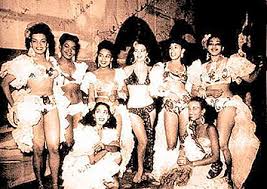
Overnight, an unexpected guest appeared on the scene of Calle 23, of the Coopelia, of the Habana Libre, of the Nacional, of Varadero: the stunningly beautiful black woman.
And they began to parade specimens on the arms of tourists along the Rampa, whose origins were unknown. I remembered them from school or from my friends for their statuesque bodies like the busty Milagros from the building, but not with that refinement, that poise, the clothes, the perfume, the enormous beauty, the self-confidence, no longer straightened hair, but loose afro, afro or dreadlock braids, or combed with a hot comb but to give it shapes that white women could never even dream of.
Suddenly everything seemed minimal compared to them. The white women, the white men, the pinchos with their enormous bellies of pig’s feet, beer and pork rinds, the Ladas, the guest houses, the little cabins in Santa María, a Bellomonte cocktail in a pool, a sirloin steak and three beers at the Conejito restaurant or at La Torre. Everything seemed small to them. They dreamed big. Robert de Niro had fallen in love with the model of La Maison, Alma, on a visit to Havana shortly before, and had not been able to go out with her because times were different and there were impediments to spy mania, but a couple of years later he would have found the lobby of his hotel full of pearls, emeralds, swollen livers and fleshy lips, the bemba of the ebony columns.
The silent revenge
A full-blown rebellion, a silent vendetta against the white girls in slouch dresses and greasy spikes in guayaberas and three pens in their pockets who neither handled foreign currency nor would travel outside the island like queens, while they with their ivory smiles, their bishop-like statures and their guitar-like curves went to and from the best cities in the world. A hidden treasure had remained latent in Pogolotti, Palo Cagado, Coco Solo, La Jata or Jesús María and nobody, not even themselves, knew about it.
Even the Cuban State joined in the party of the new market of colors, neither slow nor lazy in the parasitic art, and began to charge the rent of its precious mulatto and black women. In the process, this guaranteed them that the gallant suitors at least were not those rogues, dry and wrinkled that appeared on the island recreating stories from the thousand and one daydreams.
If Portocarrero and Carpentier had seen it, the pavement would have broken and the columns of the city would have worn comfortable slipper shoes, knees for dancing.
Author: Martín Guevara * * He lived as a refugee in Cuba for 15 years and remained in Havana until 1988. He was the nephew of the Argentine Che Guevara.
Cafe Fuerte/ MartinGuevara/ Extractos/ Excerpts/ Internet Photos/ Arnoldo Varona.
www.thecubanhistory.com
THE CUBAN HISTORY, HOLLYWOOD.

