MIGUEL MATAMOROS, Musician, Singer and Founder of an unforgettable Trio. * MIGUEL MATAMOROS, Músico, Cantante y Fundador de un Inolvidable Trio. VIDEOS/PHOTOS.

download (24)MIGUEL MATAMOROS, MUSICIAN, SINGER, COMPOSER, AND FOUNDER OF AN UNFORGETTABLE TRIO.

Miguel Matamoros was a Cuban musician, singer, and composer who had a great contribution to the development of Cuban son, a rhythm from the rural areas of eastern Cuba. Known for being the author of popular songs such as the bolero-son ‘Lágrimas Negras’ or the bolero-montuno’ ‘Son de la Loma’ that he composed with the Trío Matamoros.

Born in Santiago de Cuba on May 8, 1894, in 1925 he founded in his town with Siro Rodríguez and Rafael Cueto the legendary and popular group Trío Matamoros and made their first disc recording in 1928.

download (30)

This group constitutes an obligatory reference in the history of Afro-Cuban music. The trio masterfully combined the genres of bolero and son and with this way of interpreting the music they achieved great popularity, both inside and outside the island of Cuba. At the top of this union of the bolero and the son is the song Black Tears, which has been recorded in hundreds of versions and marked a milestone in the musical history of Cuba and the Caribbean.

https://youtu.be/-KZn6B66i6w

The trio created a whole list of popular and danceable hits, of which we could mention Promesa, Dulce enméleso, Elíxir de la vida, El trío y el ciclón, Antonio’s wife and Mamá son de la loma.

Sometime later, Miguel founded a group under the format of seven musicians which he called Septeto Matamoros, and also directs his orchestra, although this stage of his musical life did not have the significance of the legendary trio.

The Matamoros performed for the last time for the Cuban people in March 1960, shortly after they withdrew.

It is in the 1940s when the development of the ensembles is staged in the Havana musical environment, that Miguel founded the Matamoros Ensemble. The ensemble as a form of musical expression allowed the evolution of the son by giving greater possibilities for orchestration than those offered by the predecessor formations of Sexteto and Septeto.

This group made more than a hundred recordings, in some of which Miguel was assisted by other renowned vocalists such as Benny Moré and Carlos Embale. He made presentations in Santo Domingo, Venezuela, Puerto Rico, and New York.

Miguel Matamoros died in Santiago de Cuba on April 15, 1971, at the age of 76.

playas-de-varadero-cuba

logo

download (25)MIGUEL MATAMOROS, MUSICO, CANTANTE Y COMPOSITOR FUNDADOR DEL INOLVIDABLE TRIO.

Miguel Matamoros ​fue un músico, cantante y compositor cubano que tuvo una gran contribución al desarrollo del son cubano, ritmo procedente de las zonas rurales del oriente de Cuba. Conocido por ser el autor de temas populares como el bolero-son ‘Lágrimas Negras’ o el bolero-montuno ”Son de la Loma’ que compuso con el Trío Matamoros.​

Nacido en Santiago de Cuba el 8 de mayo de 1894, en 1925 funda en su pueblo con Siro Rodríguez y Rafael Cueto la legendaria y popular agrupación Trío Matamoros y realizan su primera grabación en disco en 1928.

download (27)

Este grupo constituye una referencia obligada en la historia de la música afrocubana. El trío combinó de forma magistral los géneros del bolero y el son y con esa forma de interpretar la música lograron gran popularidad, tanto dentro como fuera de la isla de Cuba. Como pieza cumbre de esta unión del bolero y el son está el tema Lágrimas negras, que ha sido grabada en cientos de versiones y marcado un hito en la historia musical de Cuba y el Caribe.

El trío creó todo un listado de éxitos populares y bailables del que podríamos mencionar Promesa, Dulce embeleso, Elíxir de la vida, El trío y el ciclón, La mujer de Antonio y Mamá son de la loma.

Tiempo después, Miguel funda una agrupación bajo el formato de siete músicos a la que denominó Septeto Matamoros y también dirige su orquesta, aunque esta etapa de su vida musical no tuvo la trascendencia del legendario trío.

Los Matamoros actuaron por última vez para el pueblo de Cuba en el mes de marzo de 1960, poco tiempo después se retiraron.

Es en la década de 1940, cuando en el ambiente musical habanero se escenifica el desarrollo de los conjuntos, que Miguel funda el Conjunto Matamoros. El conjunto como forma de expresión musical permitió la evolución del son al dar mayores posibilidades de orquestación que las ofrecidas por las formaciones antecesoras de Sexteto y Septeto.

Esta agrupación realizó más de un centenar de grabaciones, en algunas de las cuales Miguel se auxilió de otros vocalistas de renombre como Benny Moré y Carlos Embale. Realizó presentaciones en Santo Domingo, Venezuela, Puerto Rico y Nueva York.

Miguel Matamoros muere en Santiago de Cuba el 15 de abril de 1971 a los 76 años.

Agencies/ Wiki/ Internet Photos/ YouTube/ Arnoldo Varona/ www.TheCubanHistory.com
THE CUBAN HISTORY, HOLLYWOOD.

trinidad

logo

Vista del Yunque 2

IN THE CUBAN HISTORY: The Rebellion in the Escambray Mountains. * EN LA HISTORIA de Cuba: La Rebelión en las Montañas del Escambray. PHOTOS.

cuba_41IN THE CUBAN HISTORY: THE REBELLION IN THE ESCAMBRAY MOUNTAINS.

The Escambray rebellion was a six-year conflict (1959–1965) in the Escambray Mountains during which several insurgent groups fought against the Cuban government led by Fidel Castro. The rebellion was called the War Against the Bandits or the Struggle Against the Bandits (Spanish: Lucha contra Bandidos) by the Cuban government.

The rebels were a mix of former Batista soldiers, local farmers, and leftist ex-guerrillas who had fought alongside Castro against Batista during the Cuban Revolution. The end result was the elimination of all insurgents by Cuban government forces in 1965.

download (21)

BEGINNING.
The uprising began almost immediately after the success of the Cuban Revolution in 1959. It was led by ex-guerrilla that had fought against Batista before but rejected the socialist turn the Cuban Revolution had taken and the ensuing close ties with the Soviet Union. Small landowning farmers, who disagreed with the socialist government’s collectivization of Cuban farmlands, also played a central role in the failed rebellion. The uprising was also secretly backed by the CIA and the Eisenhower administration because of Castro’s ties with the Soviet Union.

The insurgent guajiro rural farmers were aided by some former Batista forces but were led mostly by former Directorio Revolucionario Estudantil rebels (13 March Movement), such as the anticommunists Osvaldo Ramirez and Comandante William Alexander Morgan, both of whom had fought Batista’s casquitos in the same area only a few years before (Morgan himself was executed in 1961, long before the resistance ended). Ramirez and Morgan were viewed by the United States as potential pro-democracy options for Cuba and sent CIA-trained Cuban exiles to promote and spread the word of them being an alternative to Castro.

images (14)

INSURGENCY.
The CIA provided some aid to the insurgents but withdrew all support after the failed Bay of Pigs Invasion in 1961, ensuring their ultimate defeat. Some of the failures could be attributed to Castro’s “roll-up” of CIA operatives in Cuba. After the Bay of Pigs failure, Osvaldo Ramirez returned to the Escambray Mountains and declined an offer by Castro’s emissary, Comandante Faure Chomón, to surrender. According to Miguel Faria, Chomón had been Ramirez’s chief in the Revolutionary Directorate in the Escambray during the guerrilla war against Batista.

The main tactic of the Cuban government was to deploy thousands of troops against small groups of rebels, forming progressively-constricting rings of encirclement. At the same time, all the peasants and inhabitants of the mountainous region who were considered not to sympathize with the Castro government were relocated and sent to the province at the western end of Cuba, Pinar del Rio, where they remained for many years. The communist leaders that Castro sent to clear the Escambray Mountains were ordered to exterminate the rebels. They were to “comb the brush elbow to elbow” until they had completely cleared the hills of anticommunist rebels. The leaders of the insurgent forces Lucha contra Bandidos (LCB) were Commandantes Raul Menendez Tomassevich, a founding member of the Cuban Communist Party, and Lizardo Proenza.

download (19)

DEFEAT.
Both their smaller numbers and the lack of outside assistance, particularly supplies, eventually led to the rebels’ defeat. The outnumbered anticommunist guerrillas often fought to the death. Cuban forces used sweeps by long columns of militia, which cost the government substantial losses but ultimately won the war. The Spanish-Soviet advisor Francisco Ciutat de Miguel, who was also present at the Bay of Pigs Invasion, played a major role in the pacification operation. Castro employed overwhelming force, at times sending in as many as 250,000 men, almost all of whom (including 3,500 out of the 4,000 government fatalities) were militia. The insurgency was eventually crushed by the Castros’ use of their vastly-superior numbers. Some of the insurgents ultimately surrendered but were immediately executed by firing squad. Only a handful managed to escape.

download (18)

LEGACY.
The War Against the Bandits actually lasted longer and involved more soldiers than had the previous struggle against Batista’s forces. The Cuban government combat leader Víctor Dreke gave a pro-Castro viewpoint in his 2002 book From el Escambray to the Congo, which is notable for its virulent condemnation of former comrades from the war against Batista. However, Dreke also describes the tactics and mindset of the Cuban government forces and its ruthless use of force and no-prisoners attitude.

Raúl Castro claimed in a speech in 1970 that the rebellion killed 500 members of the Cuban Revolutionary Armed Forces. The death toll of the rebels and others involved in the rebellion (such as civilians and pro-government militias) is unknown. Estimates for total combatant deaths range from 1,000 to 7,000. Norberto Fuentes, a close friend of Fidel Castro who had privileged knowledge of the Cuban state security apparatus, gave the figures of 3,478 killed and 2,099 wounded for Cubans fighting in the pro-government National Revolutionary Militia, and his figures generally accepted as accurate. Evelio Duque, one of the rebel commanders, claimed in a June 1965 speech that the rebels had lost 1,200 killed and 5,000 imprisoned. Jose Suarez Amador put rebel deaths at 2,005.

la-isla-de-cuba

logo

Montanas del Escambray region donde se luchó.

Montanas del Escambray region donde se luchó.

EN LA HISTORIA DE CUBA: LA REBELIÓN EN LAS MONTAÑAS DE ESCAMBRAY.

La rebelión del Escambray fue un conflicto de seis años (1959-1965) en las montañas del Escambray durante el cual varios grupos insurgentes lucharon contra el gobierno cubano dirigido por Fidel Castro. La rebelión fue denominada Guerra contra los bandidos o Lucha contra los bandidos (español: Lucha contra Bandidos) por el gobierno cubano.

Los rebeldes eran una mezcla de ex soldados de Batista, agricultores locales y ex guerrilleros de izquierda que habían luchado junto a Castro contra Batista durante la Revolución Cubana. El resultado final fue la eliminación de todos los insurgentes por parte de las fuerzas del gobierno cubano en 1965.

COMIENZO DE LA REBELION.
El levantamiento comenzó casi inmediatamente después del éxito de la Revolución Cubana en 1959. Fue liderado por un exguerrillero que había luchado contra Batista antes, pero rechazó el giro socialista que había tomado la Revolución Cubana y los estrechos lazos subsiguientes con la Unión Soviética. Los pequeños terratenientes, que no estaban de acuerdo con la colectivización de las tierras agrícolas cubanas por parte del gobierno socialista, también jugaron un papel central en la fallida rebelión. El levantamiento también fue respaldado en secreto por la CIA y la administración Eisenhower debido a los vínculos de Castro con la Unión Soviética.

download (14)

Los campesinos guajiros insurgentes contaban con la ayuda de algunas ex fuerzas de Batista, pero estaban dirigidos principalmente por ex rebeldes del Directorio Revolucionario Estudantil (Movimiento 13 de Marzo), como los anticomunistas Osvaldo Ramírez y el comandante William Alexander Morgan, quienes habían combatido los casquitos de Batista en el mismo lugar. área sólo unos años antes (el propio Morgan fue ejecutado en 1961, mucho antes de que terminara la resistencia). Ramírez y Morgan fueron vistos por Estados Unidos como posibles opciones prodemocráticas para Cuba y enviaron exiliados cubanos entrenados por la CIA para promover y difundir la idea de que eran una alternativa a Castro.

INSURRECCIÓN.
La CIA proporcionó algo de ayuda a los insurgentes, pero retiró todo apoyo después de la fallida invasión de Bahía de Cochinos en 1961, asegurando su derrota final. Algunos de los fracasos podrían atribuirse al “despliegue” de agentes de la CIA en Cuba por parte de Castro. Después del fracaso de Bahía de Cochinos, Osvaldo Ramírez regresó a las montañas del Escambray y rechazó una oferta del emisario de Castro, el comandante Faure Chomón, de rendirse. Según Miguel Faria, Chomón había sido el jefe de Ramírez en la Dirección Revolucionaria del Escambray durante la guerra de guerrillas contra Batista.

download (15)

La principal táctica del gobierno cubano fue desplegar miles de tropas contra pequeños grupos de rebeldes, formando círculos de cerco cada vez más restrictivos. Al mismo tiempo, todos los campesinos y habitantes de la región montañosa que se consideró no simpatizar con el gobierno de Castro fueron reubicados y enviados a la provincia del extremo occidental de Cuba, Pinar del Río, donde permanecieron muchos años. A los líderes comunistas que Castro envió para limpiar las montañas del Escambray se les ordenó exterminar a los rebeldes. Debían “peinarse codo con codo” hasta que hubieran despejado por completo las colinas de rebeldes anticomunistas. Los líderes de las fuerzas insurgentes Lucha contra Bandidos (LCB) fueron los comandantes Raúl Menéndez Tomassevich, miembro fundador del Partido Comunista de Cuba, y Lizardo Proenza.

DERROTA.
Tanto su menor número como la falta de asistencia externa, en particular suministros, finalmente llevaron a la derrota de los rebeldes. Las guerrillas anticomunistas, superadas en número, a menudo lucharon hasta la muerte. Las fuerzas cubanas utilizaron barridos por largas columnas de milicias, lo que le costó al gobierno pérdidas sustanciales pero finalmente ganó la guerra. El asesor hispano-soviético Francisco Ciutat de Miguel, que también estuvo presente en la invasión de Bahía de Cochinos, jugó un papel importante en la operación de pacificación. Castro empleó una fuerza abrumadora, enviando a veces hasta 250.000 hombres, casi todos (incluidos 3.500 de las 4.000 muertes del gobierno) eran milicianos. La insurgencia fue finalmente aplastada por el uso de los Castro de sus números muy superiores. Algunos de los insurgentes finalmente se rindieron pero fueron inmediatamente ejecutados por un pelotón de fusilamiento. Solo un puñado logró escapar.

images (17)

LEGADO.
La Guerra contra los Bandidos en realidad duró más e involucró a más soldados que la lucha anterior contra las fuerzas de Batista. El líder de combate del gobierno cubano, Víctor Dreke, dio un punto de vista procastrista en su libro De el Escambray al Congo de 2002, que se destaca por su virulenta condena a los excompañeros de la guerra contra Batista. Sin embargo, Dreke también describe las tácticas y la mentalidad de las fuerzas del gobierno cubano y su uso despiadado de la fuerza y ​​la actitud de no prisioneros.

Raúl Castro afirmó en un discurso en 1970 que la rebelión mató a 500 miembros de las Fuerzas Armadas Revolucionarias de Cuba. Se desconoce el número de muertos de los rebeldes y otras personas involucradas en la rebelión (como civiles y milicias progubernamentales). Las estimaciones del total de muertes de combatientes oscilan entre 1.000 y 7.000. Norberto Fuentes, amigo cercano de Fidel Castro que tenía un conocimiento privilegiado del aparato de seguridad del Estado cubano, dio las cifras de 3.478 muertos y 2.099 heridos para los cubanos que luchan en la milicia nacional revolucionaria progubernamental, y sus cifras generalmente aceptadas como acertadas. Evelio Duque, uno de los comandantes rebeldes, afirmó en un discurso de junio de 1965 que los rebeldes habían perdido 1.200 muertos y 5.000 encarcelados. José Suárez Amador calculó las muertes de rebeldes en 2.005.

Agencies/ Wiki/ Internet Photos/ Extractos/ Excerpts/ Arnoldo Varona/ www.TheCubanHistory.com
THE CUBAN HISTORY, HOLLYWOOD.

playas-de-varadero-cuba

logo

unnamed

CUBA and the Enigma in the Life of Ernest Hemingway. * CUBA y el Enigma en la Vida de Ernest Hemingway. PHOTOS.

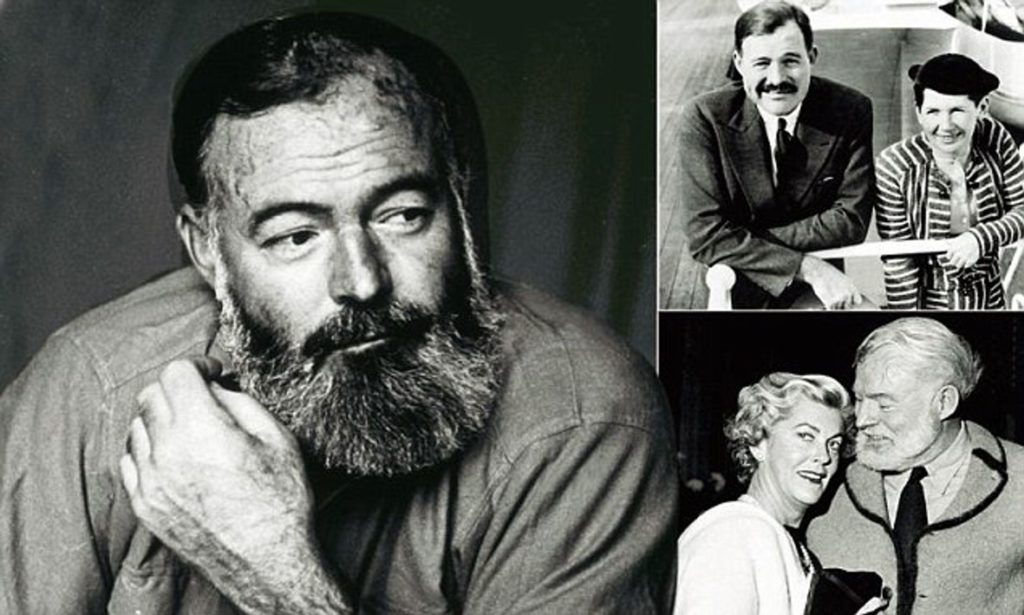
article-2558632-1B7F6BA800000578-482_636x382CUBA AND THE ENIGMA IN THE LIFE OF ERNEST HEMINGWAY.

“We abandon everyone without difficulty when
aversion surpasses our love ”.
Ernest Hemingway, Paris (1949).

The enigma surrounding the life of Ernest Hemingway, considered one of the best writers of this century, may never be cleared up. Almost Sixty years after his tragic death, readers of his works still wonder questions that have never been properly answered. The writer whose characteristic was to narrate in his novels and stories with fictitious names his own life and that of the characters that surrounded him, applied his own philosophy loaded with rancor and melancholy that persistently persecuted him.

Behind his characters, the writer hid under a disguise that some of his contemporaries claim to be the product of their own insecurity and self-doubt. Those who knew him for years saw him differently as shy and noisy, kind and devilishly cruel, the enemy of wars and constantly fighting fights, lover of blood sports. Large and broad-shouldered, pleasant, charming smile, and careless in dress, Hemingway’s presence was unforgettable. Abusive and unjust with women who loved him, he was also tender, sensitive, and even weak with others who despised him.

download (8)

From “Parents and children” where he recounts his first sexual experience with the Indian Trudy (in real life Prudence Boulton) “on the asbestos logs behind the camp” to his youth stories, “Therein Michigan”, in which with the friend of his classmate Marjorie Bump “they manage to do what they both wanted on the cold floor of the pier behind the restaurant”, all their characters, although false, maintain the warmth of real life.

In each of them, the writer hides his peculiar characteristic and daring imagination. Agnes, a red-haired and beautiful nurse, with a good figure, who meets the writer in a hospital where he was recovering from injuries received during the First World War was her first great love and disappointment. Although eight years older than Hemingway, he falls in love with her in such a way that he even begins to talk about marriage. After Agnes is transferred to another hospital, Ernest receives a letter where he claims to be in love with another. In his novel “Farewell to Arms”, the writer unburdens his central character, Catherine (Agnes), all the resentment of that hard blow that he would not forget for many years.

Soon after he meets Hadley, who would be his first wife. She is also a redhead, with a good figure and eight years older than him, which shows the deep impression that Agnes left on the writer. Hadley as a wife provides the writer with one of the ingredients that every intellectual need to develop their own creative capacity, equanimity. With the couple’s trips to Europe, already as a correspondent, his true triumphs begin for him.

images (13)

At the same time that with fame his life becomes a book open to the public, the writer also becomes hurtful, harsh, and sarcastic. That faithful love that Hadley offers her is not enough, and taking advantage of the fact that she has to stay in Paris with her sick son, Hemingway escapes to Spain with Pauline, a friend of Hadley’s. There they both begin a passionate romance that ends with their divorce from Hadley; the lovers marry and go to live in Key West, Florida, where they buy a property and a boat, “El Pilar”, with a small fortune inherited by Pauline.

Although she is not a beautiful woman, Pauline, with her comfortable financial position, brings Ernest the peace of mind of being able to concentrate on her writing while giving him that motherly affection that the writer needed for so long.

At that time Hemingway is famous and known throughout the world, his photos appear in all the newspapers, where gossip does not escape … and some truths. On his fishing trips to Cuba, he meets a friend of Pauline’s, Jane, who is married, has a beautiful figure, and is a strong drinker (another Hemingway weakness), the two become lovers. The public scandal of his loves becomes so much that on one occasion Ernest has to jump from the second floor of the hotel where he was with Jane (“Ambos Mundos”, in Old Havana) so as not to be surprised by Pauline who appears at the place without warning. In his novel “The short and happy life of Francis Macomber” the writer portrays together with his central character the story of his love affairs with Jane.

images (4)

During this time of public revelations and tabloid newspapers, Hemingway found fertile ground to grow before the public an image of himself greater than he really was, behind whose shadow, camouflaged as always, he hid his enigmatic personality. It is when Martha comes into her life, young, beautiful, and independent, a “splendid woman”. His meeting with her in Madrid is fatal for his Catholic marriage to Pauline. Through Martha’s efforts, they buy a house in the outskirts of Havana, “La Vigía”, an old house that becomes the couple’s love nest and where Hemingway writes novels in the category of “For whom the bell tolls”, “The old man and the sea ”and“ Crossing the river between the trees ”. Martha becomes his third wife. Everything is wonderful for a few months until the depressive and melancholic periods of other times return to the writer, thus beginning the abusive treatment of her. When Mary arrives at “La Vigía” and Martha has left Hemingway forever.

Mary, who is a correspondent in London when Hemingway meets her, has become the owner and mistress of the place since her arrival at “the farm”. Every corner knows her hand and good taste. It becomes the shadow of the writer. Her desire to please him even in his slightest whim is such that over the months she allows other women to come to her house, which she accepts with great humiliation for her person.

It is when Adriana appears in the life of Ernest; she, a beautiful 19-year-old Italian countess that the Hemingways had met on one of their trips to Italy, he invites her to spend time in the house in Havana and she gladly accepts. Although all of Hemingway’s biographers agree that they were love relationships without any consequence, she achieves the miracle of making the writer return that flame and almost extinguished literary spirit in him.

download (7)

Hemingway is in love again. In his novel “Crossing the river between the trees”, Adriana occupies the central character (Renata) behind whom, as always, the author’s fiction hides and where he portrays love relationships that perhaps never happened. In her memoirs, Adriana comments on how the writer cries before her heartbroken for not being reciprocated. She returns to Italy and marries, he continues his life of travel and stay in the Havana mansion.

In her novel “Islands in the Current”, the central character is Liliana la Honesta (in real life Leopoldina Rodríguez), a prostitute from Havana, an elegant and well-educated mulatto according to some who knew her. Hemingway, who treated her for years, many times took her to “the farm.” When Leopoldina died and despite, according to rumors, having a son whom she had helped become a doctor, a lonely mourner who paid for the funeral accompanied her to an old and dark cemetery in Havana. He was a large man, with broad shoulders, a thick, gray beard, wearing a short-sleeved guayabera and wide, wrinkled trousers.

On July 2, 1961, Ernest Hemingway thrust the two barrels of his favorite shotgun into his mouth and pulled the trigger, ending his own life just as his grandfather and father had done. With all the actors dead, the enigma in Ernest Hemingway’s life will never be unraveled.


DpD2pAaXoAAVsDO

logo

download (10)CUBA Y EL ENIGMA EN LA VIDA DE ERNEST HEMINGWAY.

“Abandonamos a todos sin dificultad cuando
la aversión sobrepasa nuestro amor”.
Ernest Hemingway, París (1949).

El enigma que rodea la vida de Ernest Hemingway, considerado uno de los mejores escritores de este siglo, quizás jamás se aclare. Almost Sixty years después de su trágica muerte los lectores de sus obras todavía se hacen preguntas que nunca han sido contestadas debidamente. El escritor cuya característica fue el narrar en sus novelas y relatos con nombres ficticios su propia vida y la de los personajes que le rodearon, aplicaba en ellas su propia filosofía cargada del rencor y la melancolía que persistentemente le persiguieron.

Detrás de sus personajes se encondía el escritor bajo un disfraz que algunos de sus contemporáneos señalan ser producto de su propia inseguridad y dudas de sí mismo. Quienes le conocieron por años le vieron diferentemente tímido y ruidoso, bondadoso y diabólicamente cruel, enemigo de las guerras y constantemente armador de peleas, amante de los deportes de sangre. Corpulento y de anchas espaldas, agradable, fascinante sonrisa y descuidado al vestir, la presencia de Hemingway era inolvidable. Abusivo e injusto con las mujeres que le amaron, fue también tierno, sensible y hasta débil con otras que le desdeñaron.

images (12)

Desde “Padres e hijos” donde relata su primera experiencia sexual con la indita Trudy (en la vida real Prudence Boulton) “sobre los leños de asbestos detrás del campamento” hasta sus historias juveniles, “Allá en Michigan”, en que con la amiga de su compañera de colegio Marjorie Bump “logran hacer lo que ambos querían en el frío suelo del muelle detrás del restaurant”, todos sus personajes aunque falsos, mantienen el calor de la vida real.

En cada uno de ellos esconde el escritor su peculiar característica y atrevida imaginación. Agnes, una pelirroja y bella enfermera, de buena figura, que conoce al escritor en un hospital donde éste se reponía de heridas recibidas durante la Primera Guerra Mundial fue su primer gran amor y desengaño. Aunque ocho años mayor que Hemingway, éste se enamora de ella en tal forma que hasta comienza a hablar de matrimonio. Después de ser Agnes trasladada a otro hospital Ernest recibe una carta donde ella dice estar enamorada de otro. En su novela “Adiós a las armas”, el escritor desahoga en su personaje central, Catherine (Agnes), todo el rencor de ese duro golpe que no olvidaría por muchos años.

Al poco tiempo conoce a Hadley, que sería su primera esposa. Ella también es pelirroja, de buena figura y ocho años mayor que él, lo que deja ver la profunda huella que dejó Agnes en el escritor. Hadley como esposa aporta al escritor uno de los ingredientes que todo intelectual necesita para desarrollar su propia capacidad creativa, ecuanimidad. Con los viajes de la pareja a Europa, ya como corresponsal, comienzan para él sus verdaderos triunfos.

download (12)

Al mismo tiempo que con la fama su vida se convierte en un libro abierto al público también se torna el escritor hiriente, duro y sarcástico. Aquel fiel amor que Hadley le ofrece no le es suficiente, y aprovechando que ésta tiene que permanecer en París con su hijo enfermo, Hemingway se escapa hacia España con Pauline, una amiga de Hadley. Allí ambos comienzan un apasionado romance que termina con su divorcio de Hadley; los amantes se casan y van a vivir a Cayo Hueso, Florida, donde compran una propiedad y un barco, “El Pilar”, con una pequeña fortuna heredada por Pauline.

Aunque no es una mujer bella, Pauline, con su desahogada posición económica, trae a Ernest la tranquilidad de poder concentrarse en sus escritos al tiempo que entrega a éste ese cariño maternal que por tanto tiempo mucho necesitó el escritor.

En aquellos momentos Hemingway es famoso y conocido en todo el mundo, sus fotos aparecen en todos los periódicos, donde no escapan los chismes …y algunas verdades. En sus viajes de pesca a Cuba conoce a una amiga de Pauline, Jane, quien es casada, de bella figura y es fuerte tomadora (otra debilidad de Hemingway), ambos se convierten en amantes. Llega a ser tanto el escandalo público de sus amores que en una ocasión Ernest tiene que saltar del segundo piso del hotel donde se encontraba con Jane (“Ambos Mundos”, en la Habana Vieja) para no ser sorprendido por Pauline que se presenta en el lugar sin avisar. En su novela “La corta y feliz vida de Francis Macomber” el escritor retrata junto a su personaje central la historia de sus amores con Jane.

download (9)

Hemingway encontró durante esta época de revelaciones públicas y periódicos sensacionalistas el terreno abonado para hacer crecer ante el público una imagen de su persona más grande de la que era en realidad, detrás de cuya sombra, camuflajeada como siempre, escondió su enigmática personalidad. Es cuando llega a su vida Martha, joven, bella e independiente, una “mujer espléndida”. Su encuentro con ella en Madrid resulta fatal para su matrimonio católico con Pauline. Por gestiones de Martha compran una casa en las cercanías de La Habana, “La Vigía”, vieja casona que se convierte en nido de amor de la pareja y donde Hemingway escribe novelas de la categoría de “Por quién doblan las campanas”, “El viejo y el mar” y “Cruzando el río entre los árboles”. Martha se convierte en su tercera esposa. Todo es maravilloso por algunos meses hasta que regresan al escritor los períodos depresivos y melancólicos de otros tiempos comenzando así el trato abusivo hacia ella. Cuando Mary llega a “La Vigía” ya Martha ha dejado a Hemingway para siempre.

Mary, que es corresponsal en Londres cuando Hemingway la conoce, se convierte desde su llegada a “la finca” en dueña y señora del lugar, todo rincón conoce de su mano y buen gusto. Se convierte en la sombra del escritor. Es tal su deseo de complacerlo hasta en su más mínimo capricho que con los meses permite dejar venir a otras mujeres a su casa, lo cual acepta con gran humillación para su persona.

Es cuando surge Adriana en la vida de Ernest; ella, una bella condesita italiana de 19 años que los Hemingway habían conocido en uno de sus viajes a Italia, él la invita a pasarse temporadas en la casona de La Habana y ella acepta con gusto. Aunque todos los biógrafos de Hemingway coinciden en afirmar que fueron relaciones amorosas sin ninguna consecuencia, ella logra el milagro de hacer regresar al escritor aquella llama y bríos literarios casi apagados en él.

download (5)

Hemingway está de nuevo enamorado. En su novela “Cruzando el río entre los árboles”, Adriana ocupa el personaje central (Renata) detrás del cual, como siempre, se esconde la ficción del autor y donde retrata relaciones amorosas que quizás nunca sucedieron. En sus memorias, Adriana comenta cómo el escritor llora ante ella desconsolado por no ser correspondido. Ella vuelve a Italia y se casa, él continúa su vida de viajes y estancia en la casona habanera.

En su novela “Islas en la corriente”, el personaje central es Liliana la Honesta (en la vida real Leopoldina Rodríguez), una prostituta habanera, mulata elegante y bien educada según algunos que la conocieron. Hemingway, que la trató por años, muchas veces la llevó a “la finca”. Cuando Leopoldina murió y a pesar, según rumores, de tener un hijo que ella había ayudado a hacerse médico, un solitario doliente que pagó por el funeral la acompañó hasta un viejo y oscuro cementerio de La Habana. Era un hombre corpulento, de anchas espaldas, tupida y canosa barba, vestía una guayabera de mangas cortas y anchos pantalones estrujados.

El 2 de julio de 1961, Ernest Hemingway introdujo los dos cañones de su escopeta favorita dentro de su boca y apretó el gatillo, terminando su propia vida tal como lo habían hecho su abuelo y su padre. Con todos los actores muertos, el enigma en la vida de Ernest Hemingway jamás será descifrado.

Agencies/ Arnoldo Varona/ Internet Photos/ www.TheCubanHistory.com
THE CUBAN HISTORY, HOLLYWOOD.

Ciudades-de-Cuba.Varadero

logo

mogotes-valleviñales-1024x333