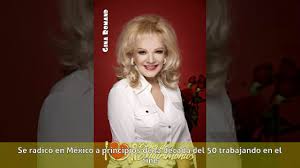
Es una primera actriz cubano-mexicana de cine, teatro y televisión. Además es madre de la actriz y cantante Gina Varela.
Nacida como Georgina Garcia Tamargo en la Habana, Cuba el 15 de Febrero de 1938 ha hecho mayormente su carrera artistica en Mexico.
Comenzó en el mundo del espectáculo en su tierra natal Cuba, como vedette estelar del famoso centro nocturno “Tropicana”. Luego bailó en Las Vegas, Nevada en el espectáculo “La Parisien” del Casino de París. Se radicó en México a principios de la década del 50 trabajando en el cine, donde ha filmado alrededor de 78 películas y actuado en el teatro y la televisión.
Fue nominada al Ariel a Mejor coactuación femenina por su interpretación de la actriz Kiki Herrera Calles en la película biográfica del cantante José José, Gavilán o paloma en 1986.
Durante varios años fue la imagen de la cerveza Superior, fabricada por la Cervecería Moctezuma, con el slogan: “la rubia de categoría”.
VIDA PERSONAL.
Ha estado casada con Salvador Varela desde 1966. Tienen 3 hijos.
Chiquita pero picosa (1986) – Victoria Blanco
Gavilán o paloma (1985) – Kiki Herrera Calles
Noche de muerte (1975)
Espérame en Siberia, vida mía (1971)
Los hijos de Satanás (1971)
Santo contra la hija de Frankenstein (1971) – Dr. Freda Frankenstein
La venganza de las mujeres vampiro (1970) – Condesa Mayra
Quinto patio (1970)
Fray Don Juan (1970)
TELEVISION.
Algunas de sus ultimas presentaciones.
Amor en Custodia (2005-2006) – Emilia Manzilla de Bazterrica
Ni una vez más (2005)
El amor no es como lo pintan (2000-2001) – Dunia Sabatié de Segovia
Perla (1998) – Mercedes de Santiago
Valeria y Maximiliano (1991) – Mercedes Ramos
She is a leading Cuban-Mexican film, theater, and television actress. She is also the mother of the actress and singer Gina Varela.
Born Georgina Garcia Tamargo in Havana, Cuba on February 15, 1938, she has mostly made her artistic career in Mexico.
She started in show business in her homeland Cuba, as the star of the famous nightclub “Tropicana”. She then danced in Las Vegas, Nevada at the “Le Parisien” show at the Casino de Paris. She settled in Mexico in the early 1950s working in the cinema, where she has filmed around 78 films and acted in theater and on television.
She was nominated for an Ariel for Best Female Co-performance for her portrayal of actress Kiki Herrera Calles in the singer José José’s biopic, Gavilán o Paloma in 1986.
For several years it was the image of Superior beer, manufactured by the Moctezuma Brewery, with the slogan: “the category blonde”.
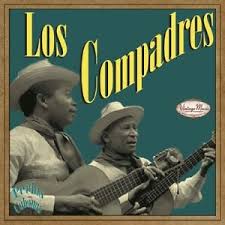
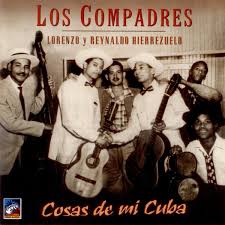
El duo “Los Compadres” fue fundado en 1942 y era uno de los grupos más representativos de la música cubana. Lorenzo Hierrezuelo, primera voz, y Francisco Repilado, segunda voz, fueron los primeros miembros. Un emblemático dúo cubano, reconocido mundialmente por la fina mezcla de sus voces y su manera particular de interpretar del son. Constituyó un fenómeno de popularidad en Cuba y en el mundo, con giras a varios países llevando la música cubana tradicional.
Estos dos destacados músicos cubanos ya habían trabajado juntos en 1938 cuando se creó el cuarteto Hatuey, compuesto también por Marcelino Guerra (Rapindey) y Evelio Machín, y en ocasiones unieron sus voces para cumplir con varios compromisos.
Vale la pena mencionar que antes de la fundación de Los Compadres, Lorenzo Hierrezuelo fue miembro de uno de los dúos más populares de Cuba en ese momento, junto con María Teresa Vera.
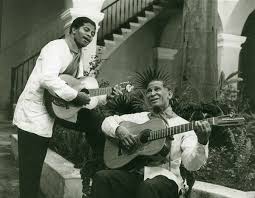
El dúo, en su formación original eran francisco Repilado o Compay Segundo (ya que hacía la voz grave del dúo) y Lorenzo Hierrezuelo o Compay Primo, aunque para las presentaciones se reforzaban con bongó, contrabajo y güiro. En 1953 Compay Segundo sería sustituido por Reynaldo Hierrezuelo, conocido como Rey Caney y hermano de Lorenzo.
Compay Segundo y Lorenzo Hierrezuelo, integrantes del dúo Los Compadres, nacieron en la misma localidad y el mismo año (1907), en Siboney, Santiago de Cuba, al oriente de Cuba.
Lorenzo Hierrezuelo fue un músico de larga trayectoria. Se inició en la música cantando en el colegio y en fiestecitas de niños y ya a los catorce, sin saberlo, estaba fleteando (pasando el sombrero para recibir monedas), ganando algunos centavos para comer.
https://youtu.be/fGQ5iOA5wPo
Mas tarde María Teresa Vera se unió en dúo con Lorenzo y se convirtieron en Los Embajadores de la Canción Antigua. Los reclamaban en todas las emisoras. Con Radio Suaritos, contratados por cinco años, dejaron cerca de mil grabaciones.
María Teresa y Lorenzo viajaron a Mérida, México, donde arrasaron con los clásicos de la trova: ‘Santa Cecilia’, ‘Longina’, ‘Veinte años’, ‘Doble inconsciencia’, ‘Bodas negras’.
La voz segunda de Compay era de tesitura profunda, brillante, con sabor a tierra, a montaña, a tabaco y ron; una voz a veces tan importante como la voz prima. Andando los años, en el fin de siglo XX, Compay llega a convertirse en el símbolo de toda la trova, de recio abolengo tradicional.
En 1916, Repilado fue con su familia a Santiago de Cuba, donde comenzó a tocar el tres y la guitarra e inventó un instrumento al que llamó armónico: una guitarra de siete cuerdas, con la cuerda Sol repetida, para lograr un sonido más armonioso. Ñico Saquito le llamaba la trilina.
https://youtu.be/hN7WrnPkiUg
Luego aprendió a tocar el clarinete y se enroló, en 1929, con la Banda Municipal de Santiago para asistir a la inauguración del Capitolio de La Habana. Tocó en el sexteto Los Seis Ases, el cuarteto Cubanacán, el Quinteto Cuban Stars de Ñico Saquito, el cuarteto Hatuey y el conjunto Matamoros.
Los Compadres se especializaron en un repertorio de inspiración campesina, basándose en la música tradicional de monte adentro. El bautizo de Francisco Repilado aconteció en la emisora de Rumbao. El célebre cronista deportivo y locutor Eddy Martin (fallecido), haciendo referencia al modo de saludar los campesinos en la zona oriental, bautizó a Lorenzo como Compay Primo (voz prima) y a Francisco como Compay Segundo (voz segunda).
Cosecharon un gran éxito en todo el país. Llegaron a grabar un disco mensual con la disquera Panart que distribuiría los discos por toda Hispanoamérica.
De los trece años del dúo quedaron temas inolvidables como ‘Sarandonga’ (que hace un tiempo grabó la hija de Lola Flores), ‘Vicenta’, ‘Hey Caramba, ‘Juliancito’ o ‘Huellas del pasado’, entre muchas otras que después Compay siguió cantando con toda frescura en el final del siglo XX. En 1946 participaron en la película ‘Cuba canta y baila’.
El dúo se mantuvo hasta el 1 de septiembre de 1955.
Después de 1955, Lorenzo Hierrezuelo continuó el dúo Los Compadres con su hermano Reinaldo (Rey Caney). El dúo entre Lorenzo y Reinaldo Hierrezuelo fue otra cosa, encaminado a explotar más el son, la guaracha y todos los recursos de la tierra santiaguera. Llegaron a viajar por más de 25 países de Europa, Japón y América. El dúo con Compay fue una etapa inolvidable por el empleo de la clásica e insustituible voz segunda de Compay con sabor criollo y el sonido especial del armónico. Mientras que el dúo con Reinaldo se inclinó más hacia el espectáculo. Rey imitaba una flauta, hacían coros y estribillos adaptados al idioma de otros países: Baja, No puedo más, estoy en el hoyo. Todo un show de 90 minutos.
La inolvidable y gloriosa agrupación cubana se mantuvo activa hasta la muerte de Lorenzo Hierrezuelo el 16 de Novembre de 1993 en la Havana.
The duo “Los Compadres” was founded in 1942 and was one of the most representative groups of Cuban music. Lorenzo Hierrezuelo, first voice, and Francisco Repilado, second voice, were the first members. An emblematic Cuban duo, recognized worldwide for the fine mixture of their voices and their particular way of interpreting the son. It was a popular phenomenon in Cuba and in the world, with tours to various countries bringing traditional Cuban music.
These two prominent Cuban musicians had already worked together in 1938 when the Hatuey quartet was created, also made up of Marcelino Guerra (Rapindey) and Evelio Machín, and on occasions, they joined their voices to fulfill various commitments.
It is worth mentioning that before the founding of Los Compadres, Lorenzo Hierrezuelo was a member of one of the most popular duos in Cuba at that time, along with María Teresa Vera.
The duo, in their original formation, were Francisco Repilado or Compay Segundo (since he was the duo’s deep voice) and Lorenzo Hierrezuelo or Compay Primo, although for the presentations they were reinforced with bongo, double bass and güiro. In 1953 Compay Segundo would be replaced by Reynaldo Hierrezuelo, known as Rey Caney and Lorenzo’s brother.
Compay Segundo and Lorenzo Hierrezuelo, members of the Los Compadres duo, were born in the same town and in the same year (1907), in Siboney, Santiago de Cuba, eastern Cuba.
Lorenzo Hierrezuelo was a musician with a long career. He started out in music singing at school and at children’s parties and at fourteen, without knowing it, he was shipping (passing his hat to receive coins), earning a few pennies to eat.
Later, María Teresa Vera joined in a duo with Lorenzo and they became Los Embajadores de la Canción Antigua. They claimed them in all the stations. With Radio Suaritos, hired for five years, they left about a thousand recordings.
María Teresa and Lorenzo traveled to Mérida, Mexico, where they swept the trova classics: ‘Santa Cecilia’, ‘Longina’, ‘Twenty years’, ‘Double unconsciousness’, ‘Black weddings’.
Compay’s second voice was deep, bright, with a taste of earth, mountain, tobacco, and rum; a voice sometimes as important as the prime voice. Over the years, at the end of the 20th century, Compay became the symbol of all the trova, of strong traditional ancestry.
In 1916, Repilado went with his family to Santiago de Cuba, where he began to play the tres and the guitar and invented an instrument he called harmonic: a seven-string guitar, with the G string, repeated, to achieve a more harmonious sound. Ñico Saquito called him the triline.
Then he learned to play the clarinet and, in 1929, he joined the Municipal Band of Santiago to attend the inauguration of the Capitol in Havana. He played in the Los Seis Ases sextet, the Cubanacán quartet, Ñico Saquito’s Cuban Stars Quintet, the Hatuey quartet and the Matamoros ensemble.
Los Compadres specialized in a repertoire of peasant inspiration, based on the traditional music of the mountains. The baptism of Francisco Repilado took place on the Rumbao radio station. The famous sportswriter and announcer Eddy Martin (deceased), referring to the way peasants greet in the eastern zone, baptized Lorenzo as Compay Primo (first voice) and Francisco as Compay Segundo (second voice).
They were very successful throughout the country. They came to record a monthly disc with the Panart record company that would distribute the discs throughout Latin America.
From the thirteen years of the duo, unforgettable songs remained such as’ Sarandonga ‘(which Lola Flores’s daughter recorded a while ago),’ Vicenta ‘,’ Hey Caramba, ‘Juliancito’ or ‘Huellas del Past’, among many others that Compay later he continued to sing with all freshness at the end of the 20th century. In 1946 they participated in the film ‘Cuba sings and dances’.
The duo remained until September 1, 1955.
After 1955, Lorenzo Hierrezuelo continued the duo Los Compadres with his brother Reinaldo (Rey Caney). The duo between Lorenzo and Reinaldo Hierrezuelo was something else, aimed at further exploiting the son, the guaracha, and all the resources of the land of Santiago. They came to travel to more than 25 countries in Europe, Japan, and America. The duet with Compay was an unforgettable stage due to the use of the classic and irreplaceable second voice of Compay with a Creole flavor and the special sound of the harmonic. While the duo with Reinaldo leaned more towards the show. Rey imitated a flute, they made choruses and choruses adapted to the language of other countries: Go down, I can’t take it anymore, I’m in the hole. A whole 90-minute show.
The unforgettable and glorious Cuban group remained active until the death of Lorenzo Hierrezuelo on November 16, 1993, in Havana.
Agencies/ Wiki/ Internet Photos/ Extractos/ Excerpts/ YouTube/ Arnoldo Varona/ www.TheCubanHistory.com
THE CUBAN HISTORY, HOLLYWOOD.
Las Empresas Españolas “Tot Color” y la Italiana “Industria Arthis S.A” han entrado dentro del Mercado Cubano a través de la Zona Especial de Desarrollo del Mariel (ZEDM) creada especialmente años atrás para concentrar en un area cubana toda inversion extranjera exenta de impuestos, copiando el modelo chino que convirtieron a este último país en uno de una triunfadora cultura de inversión capital-socialista.
La Zona Especial ocupa un área de 465,4 kilómetros cuadrados en un punto de importancia estratégica para el tráfico marítimo por su ubicación geográfica en torno a Mariel, uno de los principales puertos en la costa norte de Cuba.
La empresa española Tot Color, fabricante de pinturas y disolventes, entrará en operaciones este mes en la Zona Especial de Desarrollo de Mariel (ZEDM) luego de casi cuatro años de trámites.
El comunicado precisa que las futuras producciones de esta empresa “cuentan ya con una alta demanda” por parte de las empresas estatales Cimex, Cupet y Transtur y que también “trabajarán en una línea económica para la venta a la población”.
La pintura para casas y fachadas tienen una alta demanda en Cuba, pero la oferta de las tiendas estatales es limitada y con muchas oscilaciones en el suministro. En el mercado informal el producto sí se encuentra, pero, fundamentalmente, proveniente del desvío de recursos en empresas estatales. Las restricciones de algunas aerolíneas para trasladar este tipo de líquidos y el peso que suponen en el equipaje hacen que las pinturas no entren con frecuencia en el equipaje de las mulas.
La inversión de Tot Color en Mariel se aprobó en enero de 2017, con una modalidad de inversión de “100% Foreign Capital Company” (exclusivamente de capital extranjero), pero solo ahora, después de casi cuatro años de trámites, la empresa ha recibido la luz verde para empezar su instalación en Cuba.
Fue precisamente para agilizar la inversión extranjera que el Gobierno cubano decretó nuevas normas jurídicas en 2018 destinadas a simplificar los trámites para los negocios.
Otra de las empresas, la italo-cubana Industria Arthis S.A., ha empezado a fabricar productos higiénico-sanitarios. Hasta finales de agosto había entregado la producción de 516.209 pañales y para el cierre de 2020 prevén 1.200 000 unidades que se venden en las cadenas de tiendas Caracol, TRD y CIMEX.
El enclave industrial, fundado el 1 de noviembre de 2013, atrajo en 2018 inversiones por más de 481 millones de dólares, su máximo histórico, y de acuerdo con datos oficiales ha acumulado en poco más de un lustro 2.166 millones de dólares en inversiones, muy lejos de las previsiones, que planificaban 2.500 millones de dólares por año.
The Spanish Companies “Tot Color” and the Italian “Industria Arthis SA” have entered the Cuban Market through the Mariel Special Development Zone (ZEDM) created especially years ago to concentrate all tax-exempt foreign investment in a Cuban area, copying the Chinese model that turned the latter country into one of the successful capital-socialist investment cultures.
The Special Zone occupies an area of 465.4 square kilometers in a point of strategic importance for maritime traffic due to its geographical location around Mariel, one of the main ports on the north coast of Cuba.
The Spanish company Tot Color, manufacturer of paints and solvents, will start operations this month in the Mariel Special Development Zone (ZEDM) after almost four years of paperwork.
The statement specifies that the future productions of this company “already have a high demand” by the state companies Cimex, Cupet and Transtur and that they will also “work in an economic line for sale to the population.”
Paint for houses and facades is in high demand in Cuba, but the supply of state-owned stores is limited and with many fluctuations in supply. In the informal market, the product can be found, but mainly from the diversion of resources in state-owned companies. The restrictions of some airlines to transport this type of liquids and the weight that they suppose in the luggage mean that the paintings do not enter frequently in the mule’s luggage.
Tot Color’s investment in Mariel was approved in January 2017, with an investment modality of “100% Foreign Capital Company” (exclusively foreign capital), but only now, after almost four years of procedures, has the company received the green light to begin its installation in Cuba.
It was precisely to streamline foreign investment that the Cuban government decreed new legal regulations in 2018 aimed at simplifying business procedures.
Another of the companies, the Italian-Cuban Industria Arthis S.A., has begun to manufacture hygienic-sanitary products. By the end of August, it had delivered the production of 516,209 diapers and by the end of 2020, 1,200,000 units are expected to be sold in the Caracol, TRD, and CIMEX chain stores.
The industrial enclave, founded on November 1, 2013, attracted investments of more than 481 million dollars in 2018, its historical maximum, and according to official data it has accumulated in just over five years 2,166 million dollars in investments, very far from the forecasts, which planned 2.5 billion dollars per year.
Agencies/ 14ymedio/ Extractos/ Excerpts/ Internet Photos/ Arnoldo Varona/ www.TheCubanHistory.com
THE CUBAN HISTORY, HOLLYWOOD.


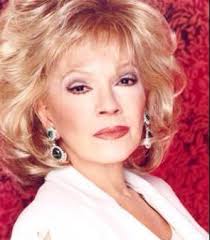 GINA ROMAND, DESTACADA ACTRIZ DEL TEATRO, CINE Y LA TELEVISION. VIDEOS.

 GINA ROMAND, OUTSTANDING ACTRESS OF THEATER, FILM, AND TELEVISION. VIDEOS.