– INSIDE CUBA: Some of the Most Requested Medicines in the Cuban “Black Market”.

MLWQURAODLJRXNRIFOCX57G7KACUBA INSIDE: SOME OF THE MOST REQUESTED MEDICINES IN THE CUBAN BLACK MARKET.

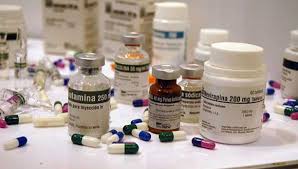
In the city of Caibarien, there is a person widely known and who is persecuted by the police to confiscates the merchandise and medicines that are supplied by the official ENSUFEMA, apothecaries and storekeeper, this person is known as “Mermelada” and is the most desired and at the same time the most required for the carrying of the medications he gets from the Cuban black market.

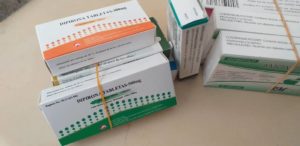
The resold medicines are lacking that the “brave savior of the dispossessed”, as some call it in Caibarién, is selling discreetly and moving them in soap dishes, bags and briefcases to try to prevent the possible police confiscation from damaging the valuable cargo as little as possible and that the arrest or fine of the National Revolutionary Police (PNR), be more proportionate.

Don Mermelada suffers almost identical persecution, in intensity and viciousness, for the many in need of medicines who find no relief or remedies for their countless ills or in the spiritual centers of Caibarién.
medicinas2

Among dozens of generic and specific medicines for sale, a regular buyer of “Mermelada” will supply me with a list of the ten medicines most requested by the inhabitants of Caibarién, and their price in Cuban pesos, which are also the least frequent in the peeled apothecaries:

LIST OF MOST REQUESTED MEDICINES.

Enalapril (hypotensive): At one weight the pill (10 pesos the blister), Dipyrone (analgesic): At two pesos the tablet (20 the blister)
Aspirin: At one weight the tablet (40 the package), Ciprorfluoxacin (antibiotic): At 50 pesos the bottle, Sulfaprim (antibiotic): At three pesos a tablet. Before it came in a package of 20 pills, but it no longer comes in its box, Amoxicillin (antibiotic): At five pesos the tablet, 150 the package, Cephalexin (antibiotic): At 50 pesos the blister, Montelukast (bronchodilator) of 10 mg: At 30 pesos the blister or 100 pesos the bottle of 30 tbs, Prednisone (steroid): At 20 pesos the blister, Amitriptyline (anxiolytic): At 25 pesos the blister.

All antibiotics, except Azithromycin 500 mgs. and the Rapilenta, Cristalina, and Benzatínica Penicillins that, at the moment, can be bought in the pharmacies, the patients of Caibarién had to pay for them, very recently at 5 CUC the bulb, in pirate establishments near the hospital and the polyclinics.

The same happens with the medicines regulated by the famous “card”, for example, those essential for asthmatics to breathe, such as Salbutamol spray.

A scandal caused Caibarenians to learn that intravenous Sulfaprim only existed in provincial hospital centers, but that the broader spectrum antibacterial, Rosefin, could be purchased in private homes and in Cagangas, through mules that brought them from outside, and some neighbors that they had them in reserve for serious cases.

images (6)

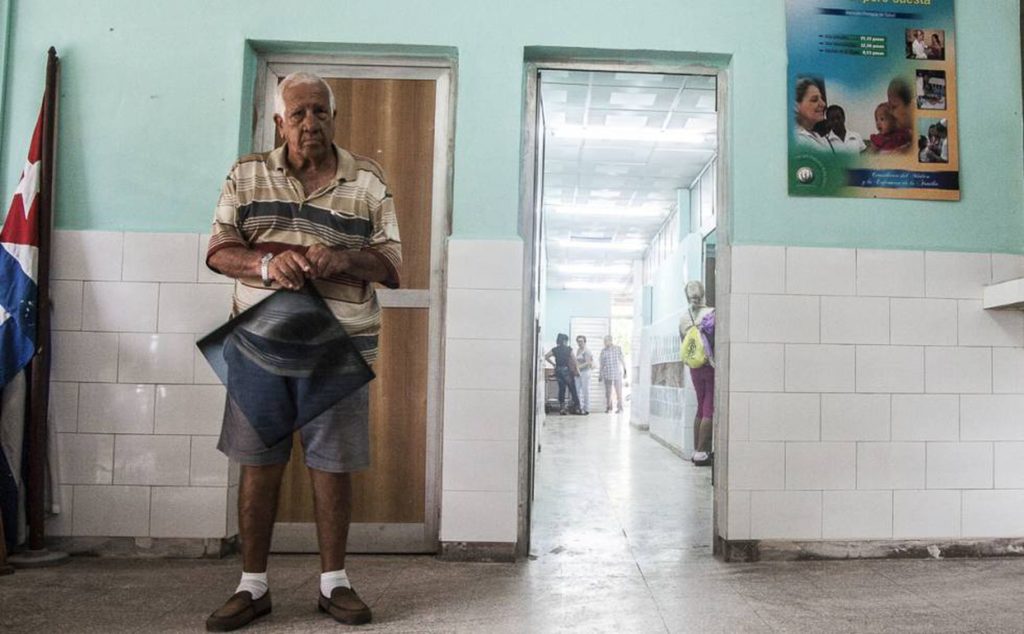
Doctors, nurses, and service personnel, moved by the lack, indicated to the sick and newcomers to the guardhouse with some serious infection, where to find what was surely stolen or diverted from those same establishments by unscrupulous people, moved for the profit motive.

DRUGS THAT ARE NEEDED.

Since last year, 30 drugs have been in short supply, among which the coveted and extinct Nitrazepam stand out, in a nation with remarkable rates of people with anxiety and emotional disorders.

“Well, there is not much left to kill yourself with. No alcohol or matches, noose to hang yourself, a machetin to cut your throat or compound chemicals with which to poison yourself, and there is no longer a sad train going to any destination and perhaps, for this reason, these people ( the government) has not bothered to supply Nitrazepam because it knows that the potential suicides are on the decline, “said the client of” Marmalade, ”

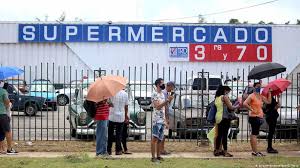
The Minister of Economy and Planning, Alejandro Gil Fernández, said that his government would guarantee twelve drugs and medicinal oxygen, but the list has never been officially published nor have figures of drugs been reported in pharmacies, where Cubans, including the chronically ill and the elderly. They, endure long lines with early morning vigils so as not to miss their turn.
unnamed (4)

logo

download (8)CUBA POR DENTRO: ALGUNAS DE LAS MEDICINAS MAS SOLICITADAS EN EL MERCADO NEGRO CUBANO.

En la ciudad de Caibarien se es conocido una persona que es perseguido por la policia para decomisarle la mercancia y medicinas que le son suministrados por boticarios y almacenero de la oficialista ENSUFEMA, esta persona se le conoce como “Mermelada” y es el mas deseado y al mismo tiempo requerido para comprarle sus medicamentos proveniente del mercado negro cubano.

Los medicamentos revendidos son faltantes que el “valiente salvador del desposeído”, como lo llaman algunos en Caibarién, va vendiendo discretamente y trasladándolos en jabas, bolsas y maletines para tratar de impoedir que el posible decomiso policial dañe lo menos posible la valiosa carga y que el arresto o multa de la Policía Nacional Revolucionaria (PNR), sean más proporcionados.

Don Mermelada, sufre casi idéntica persecución, en intensidad y saña, por los muchos necesitados de medicamentos que no encuentran alivio ni remedios para sus incontables males ni en los centros espirituales de Caibarién.
images (5)

Entre decenas de medicamentos genéricos y específicos a la venta, una compradora habitual de “Mermelada”, me suministrara una lista de las diez medicinas más solicitados por los habitantes de Caibarién, y su precio en pesos cubanos, que son también los menos frecuentes en las boticas peladas:

LISTA DE MEDICINAS MAS SOLICIDADAS.

Enalapril (hipotensor): A un peso la pastilla (10 pesos el blíster), Dipirona (analgésico): A dos pesos la tableta (20 el blíster)
Aspirina: A un peso la tableta (40 el paquete), Ciprorfluoxacina (antibiótico): A 50 pesos el frasco, Sulfaprim (antibiótico): A tres pesos una tableta. Antes venía en envase de 20 pastillas, pero ya no viene en su caja, Amoxacilina (antibiótico): A cinco pesos la tableta, 150 el paquete, Cefalexina (antibiótico): A 50 pesos el blíster, Montelukast (bronco dilatador) de 10 mg: A 30 pesos el blíster o 100 pesos el frasco de 30 tbs, Prednisona (esteroide) : A 20 pesos el blíster, Amitriptilina (ansiolítico): A 25 pesos el blíster.

Todos los antibioticos, excepto Azitromicina de 500 mgs. y las Penicilinas Rapilenta, Cristalina y Benzatínica que, por el momento, se pueden comprar en las farmacias, tuvieron los enfermos de Caibarién que pagarlos, hace muy poco a 5 CUC el bulbo, en establecimientos piratas cercanos al hospital y los policlínicos.

Igual sucede con los medicamentos regulados por el famoso “tarjetón”, por ejemplo, los imprescindibles para que respiren los asmáticos, como el Salbutamol en spray.

Un escándalo causó entre los caibareniénses saber que solo existía Sulfaprim endovenoso en los centros hospitalarios provinciales, pero que el antibacteriano de más amplio espectro, Rosefin, podía adquirirse en casas particulares y candongas, a través de mulas que los trajeron de afuera, y algunos vecinos que los tenían en reserva para casos graves.

images (6)

Médicos, enfermeras, y el personal de servicio, conmovidos por la carencia, indicaban a los enfermos y recién llegados al cuerpo de guardia con alguna infección grave, en dónde hallar lo que seguramente fuera robado o desviado de esos mismos establecimientos por gente inescrupulosa, movidos por el afán de lucro.

ESCACEAN LOS MEDICAMENTOS.

Desde el año pasado, escasean 30 fármacos, entre los que destacan el codiciado y extinto Nitrazepam, en una nación con notables índices de personas con ansiedad y trastornos emocionales.

images (4)

“Bueno, es que no queda mucho con que matarse. Cero alcohol ni fósforos, soga para ahorcarse, machetín para degollarse ni químicos compuestos con los cuales envenenarse, y ya ni sale un triste tren hacia ningún destino y quizá por eso, esta gente (el gobierno) no se ha preocupado de surtir Nitrazepam porque sabe que los potenciales suicidas están en baja”, dijo la clienta de “Mermelada”,

El ministro de Economía y Planificación, Alejandro Gil Fernández, dijo que su gobierno garantizaría doce medicamentos y oxígeno medicinal, pero nunca se ha publicado oficialmente la lista ni se ha informado cifras de medicamentos en las farmacias, donde los cubanos, incluidos enfermos crónicos y ancianos, soportan largas colas con vigilias de madrugada para no perder su turno.

Agencies/ CIberCuba/ Pedro M. González/ Internet Photos/ Arnoldo Varona/ www.TheCubanHistory.com
THE CUBAN HISTORY, HOLLYWOOD.
Vista del Yunque 2

logo

plaza mayor

– (OPINION) The Dollar Determines Cubans’ Everyday Lives. PHOTOS.

r0_0_800_600_w1200_h678_fmax-495x400(OPINION) THE DOLLAR DETERMINES CUBANS’ EVERYDAY LIVES. PHOTOS.

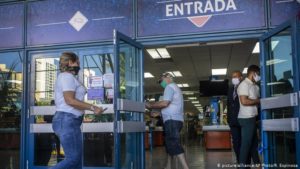
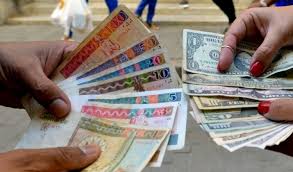
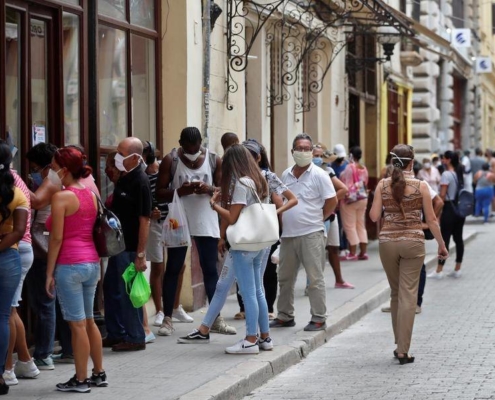
It was still early in the morning when the first customers started lining up outside the specialist foreign exchange shops. At the start of the week, they began selling food and hygiene products against foreign currencies. After supply shortages gripped the country’s shops for months on end, Cubans were able to enter the new stores with full shelves and overflowing refrigerators, where payment could only be made using euros, US dollars, or other foreign currencies pre-loaded onto a debit card.

Locals were in disbelief when news emerged via the independent press that the government would allow new stores to operate where citizens could purchase products with a currency other than the Cuban peso. Later, when President Miguel Diaz-Canel confirmed the rumors and more details became known, a wave of indignation grew.

The move has seen an economic divide between people across the island. On one side, there are those people who receive their salaries in Cuban pesos, on the other, there are those who have relatives abroad and are able to get money transferred to them.

images (2)

There is an enemy that remains at the center of Cuba’s propaganda war, but whose banknotes have become a lifeline and support for the country’s failed economic model. The party leaders, who boast of national sovereignty, have been defeated by reality. Their own money is an only worthless colored paper. It is green dollar notes which allow them to stay sitting on government benches until their pressed linen shirts burst open at the navel.

GROWING DISTRUST AMONG THE POPULATION.

Now locals have been forced to place their hope in foreign countries, which they have long criticized, as they turn to them for promises. They claim that income from foreign exchange shops will allow them to supply other government businesses where pesos are still being used. But it is not easy to minimize public distrust.

On the streets, Cubans are aware that the dollar has completely replaced the local currency. It is the mainstay of the black market, plays a vital role in informal transactions, but at the same time excludes a large proportion of the island’s population from being able to make purchases.

The percentage of the population able to shop at these 62 new stores is difficult to predict. Bank-issued debit cards, which can be used to purchase products in the new stores, barely exceeded 15,000 in number at the end of last year — granting only a tiny proportion of the 11 million-strong population access to the shops. However, there are over two million Cuban emigrants and a large portion of those send money back to the island to family and friends.

54250636_303

In 2018 alone, Cubans received $6.6 billion (€5.7 billion) in goods or cash from abroad, according to the US-based Havana Consulting. It is expected that some of this money will be included in the national accounts — along with income from healthcare workers working in foreign missions or goods imported by travelers, the so-called mules, for resale on the black market.

NOT ALLOWED.

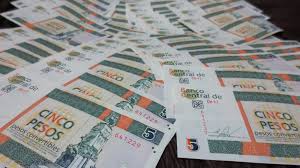
But the distribution of the dollar, which is either brought onto the island personally or through remittances, is still limited. Outside its radius are the people employed by the state without family members abroad, pensioners whose children haven’t emigrated, or those who do not own a company which allows them to draw banknotes with portraits of Abraham Lincoln or Benjamin Franklin. For them, products sold in foreign currency are virtually unobtainable.

The shampoo, beef, the vast selection of tinned food, the cereal boxes for all ages, the various cold meats, the good coffee, the olive oil, the dried fruits, the sauces and dressings, the different sorts of pasta, the yogurt, and the long-life milk displayed on the shelves in these shops are light years away from being in their hands.

When customers filled their shopping carts at the start of the week, went to the checkout and paid with their magnetic cards loaded with a foreign currency, it marked a decisive point that everyone in Cuba felt, one which continues to tear rifts through society and one where its long-term consequences are unimaginable.

images-2

logo

download (1)(OPINIÓN) EL DÓLAR DETERMINA LA VIDA DE LOS CUBANOS TODOS LOS DÍAS.

Todavía era temprano en la mañana cuando los primeros clientes comenzaron a hacer fila fuera de las tiendas especializadas en divisas. Al comienzo de la semana, comenzaron a vender productos alimenticios e higiénicos contra monedas extranjeras. Después de que la escasez de suministros se apoderó de las tiendas del país durante meses, los cubanos pudieron ingresar a las nuevas tiendas con estantes llenos y refrigeradores desbordados, donde el pago solo se podía hacer con euros, dólares estadounidenses u otras monedas extranjeras precargadas en una tarjeta de débito .

Los locales estaban incrédulos cuando surgió la noticia a través de la prensa independiente de que el gobierno permitiría que operen nuevas tiendas donde los ciudadanos puedan comprar productos con una moneda que no sea el peso cubano. Más tarde, cuando el presidente Miguel Díaz-Canel confirmó los rumores y se conocieron más detalles, creció una ola de indignación.

La medida ha visto una división económica entre las personas en toda la isla. Por un lado, están aquellas personas que reciben sus salarios en pesos cubanos, por otro, hay quienes tienen parientes en el extranjero y pueden obtener dinero transferido a ellos.

Hay un enemigo que permanece en el centro de la guerra de propaganda de Cuba, pero cuyos billetes se han convertido en un salvavidas y apoyo para el fallido modelo económico del país. Los líderes del partido, que se jactan de la soberanía nacional, han sido derrotados por la realidad. Su propio dinero es un único papel de color sin valor. Son los billetes verdes en dólares que les permiten permanecer sentados en los bancos del gobierno hasta que sus camisas de lino estampadas se abran en el ombligo.

download (3)

DESCONFIANZA CRECIENTE ENTRE LA POBLACIÓN.

Ahora los lugareños se han visto obligados a depositar su esperanza en países extranjeros, a los que han criticado durante mucho tiempo, ya que recurren a ellos en busca de promesas. Afirman que los ingresos de las tiendas de cambio de divisas les permitirán abastecer a otras empresas gubernamentales donde todavía se utilizan pesos. Pero no es fácil minimizar la desconfianza pública.

En las calles, los cubanos son conscientes de que el dólar ha reemplazado por completo a la moneda local. Es el pilar del mercado negro, juega un papel vital en las transacciones informales, pero al mismo tiempo excluye a una gran proporción de la población de la isla de poder realizar compras.

El porcentaje de la población capaz de comprar en estas 72 tiendas nuevas es difícil de predecir. Las tarjetas de débito emitidas por el banco, que se pueden usar para comprar productos en las nuevas tiendas, apenas superaron los 15,000 en número a fines del año pasado, otorgando solo una pequeña proporción de la población de 11 millones de personas a las tiendas. Sin embargo, hay más de dos millones de emigrantes cubanos y una gran parte de ellos envían dinero a la isla a familiares y amigos.

Solo en 2018, los cubanos recibieron $ 6.6 mil millones (€ 5.7 mil millones) en bienes o efectivo del extranjero, según Havana Consulting, con sede en Estados Unidos. Se espera que parte de este dinero se incluya en las cuentas nacionales, junto con los ingresos de los trabajadores de la salud que trabajan en misiones en el extranjero o bienes importados por los viajeros, las llamadas mulas, para revender en el mercado negro.

download

NO PERMITIDO.

Pero la distribución del dólar, que se lleva personalmente a la isla o mediante remesas, sigue siendo limitada. Fuera de su radio están las personas empleadas por el estado sin familiares en el extranjero, los pensionistas cuyos hijos no han emigrado, o aquellos que no poseen una empresa que les permita sacar billetes con retratos de Abraham Lincoln o Benjamin Franklin. Para ellos, los productos vendidos en moneda extranjera son prácticamente imposibles de obtener.

El champú, la carne de res, la amplia selección de alimentos enlatados, las cajas de cereales para todas las edades, las diversas carnes frías, el buen café, el aceite de oliva, las frutas secas, las salsas y los aderezos, los diferentes tipos de pasta, el yogur, y la leche de larga duración que se exhibe en los estantes de estas tiendas está a años luz de estar en sus manos.

Cuando los clientes llenaron sus carritos de compras al comienzo de la semana, fueron a la caja y pagaron con sus tarjetas magnéticas cargadas con una moneda extranjera, marcó un punto decisivo que todos en Cuba sintieron, uno que continúa rompiendo grietas en la sociedad y uno donde sus consecuencias a largo plazo son inimaginables.

Agencies/ DW/ Yoani Sánchez/ La Havana/ Internet Photos/ Arnoldo Varona/ www.TheCubanHistory.com
THE CUBAN HISTORY, HOLLYWOOD.
unnamed-4-1

logo

unnamed

-THE BRIDGE of Bacunayagua, Matanzas. One of the Wonders of the Cuban Engineering. PHOTOS.

 THE BRIDGE OF BACUNAYAGUA, MATANZAS. ONE OF THE WONDERS OF THE CUBAN ENGINEERING.

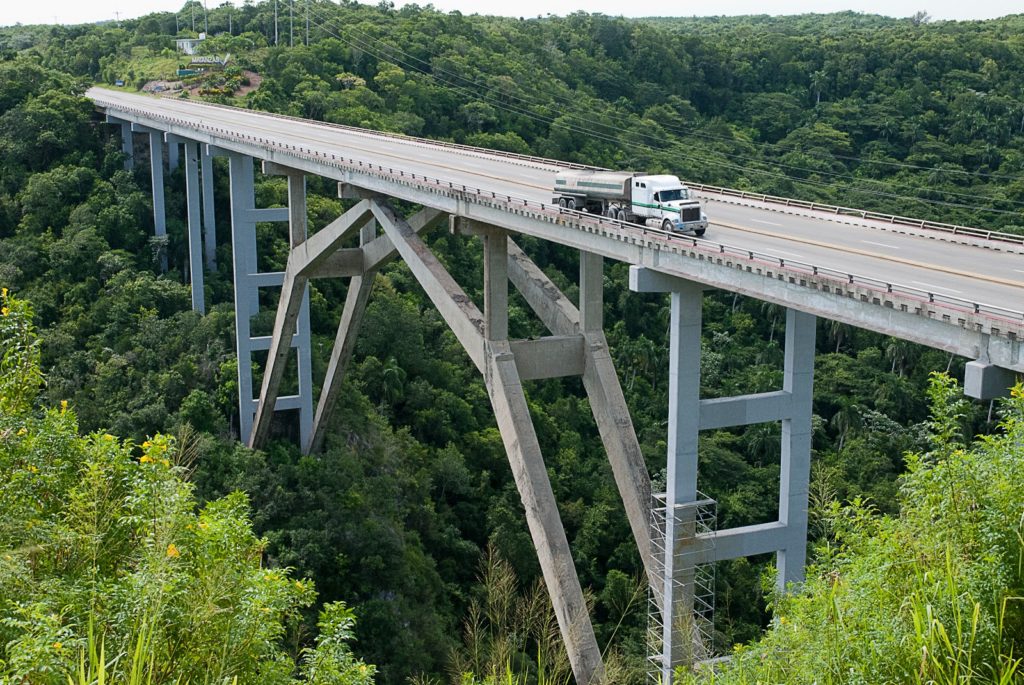
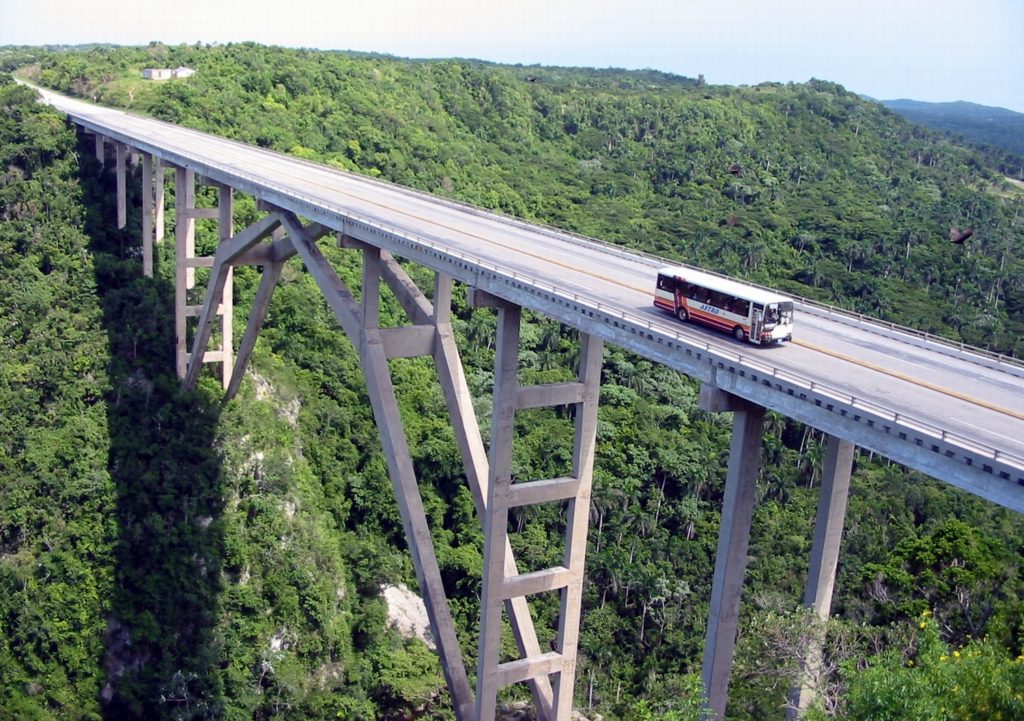
The Bacunayagua Bridge, in the Matanzas province, Cuba is considered historically one of the wonders of Cuban civil engineering.

Beginning the construction of this bridge in 1956 until its inauguration in September 1959, the Cuban island had the opportunity to inaugurate the longest and tallest bridge in Cuba. Built on the borders of the province of Havana and Matanzas, its construction is an intersection with the Vía Blanca (the road that connects Havana City and Varadero). It was intended to shorten the distance between Matanzas and Havana.

The project was carried out by the SACMAG firm (Sáenz, Cancio, Arvesu, Martín, and Gutiérrez) and the bridge was carried out by Cuban engineers led by Luis Sáenz Duplace and Manolo Arvesu. For the construction of the bridge, ingenious and daring alternatives were sought due to the conditions of the terrain on which it stands. One of these alternatives is the first use in Cuba of semi-arches, according to the technique of the Austrian engineer Josef Melan, who was the inventor of »the Melan system«, a method for the construction of reinforced bridges. The use of the so-called arch It is the newest feature of the bridge since it was built with laminated steel that was assembled in two parts, rotating each until achieving the correct position.

Its length is 313.50 meters with 11 lights of 28.50 meters. It is the highest bridge in Cuba with 103.50 meters from the river level to the pavement.

This pass is located 18 kilometers west of the city of Matanzas and establishes the territorial limit of this province with that of Mayabeque. To the north of the bearing track, you can see the sea; and the bed and the mouth of what is a remote time must have been the bed of a mighty river. To the south, you can see the Yumurí Valley.

download (8)

DESCRIPTION.

The Bacunayagua Bridge is based directly on the rock with the support of Vierendel-type towers, post-tensioned in the central arch. The beams were placed using launch armor and weigh 47 tons each. The piles were cast with sliding molds, and everything was done in a lush area of ​​difficult access. Its length is 313.50 meters with 11 lights of 28.50 meters and it is the highest bridge in Cuba with 103.50 meters from the river level to the pavement.

The bridge is made up of closed abutments and the piers are made up of porticos with two columns supported by the rock, except for the three central piers that are supported by two symmetrical polygonal arches joined at their knots by highly rigid crossbeams, and on the columns a head that supports the beams.

download (9)

HISTORY.

This bridge over the Vía Blanca, between Mayabeque and Matanzas, has the longest free span in Cuba at 114 meters. Its location on a deep gorge near the sea, makes it save a height of more than 100 meters, where there is a strong wind that complicated its construction. The project was carried out by the firm Sáenz, Cancio, Martín, and its main designer was the engineer Luis Sáenz Duplace.

The Bacunayagua Bridge was the last link missing to complete the Vía Blanca, which was built in the mid-20th century with the aim of uniting the cities of Havana and Matanzas. Its length is 313.50 meters with 11 lights of 28.50 meters and it is the highest bridge in Cuba with 103.50 meters from the river level to the pavement.

260px-Puente_de_Bacunayagua

A peculiarity in its construction is that it did not have any falsework, it was completely prefabricated and the roof has reinforced concrete beams, which save 28 meters of light with a 1.30 depth and a thickness of 15 cm.

The beauty of the Bacunayagua environment, favored by the execution of this advanced project, alternates with a multitude of headlands, slopes, and mangroves, a natural refuge of great ornithological importance where 74 species of birds coexist with 16 reptiles and eight amphibians. In the swamp ecosystem of this area, plant formations appear as the coastal health xeroform and the semi-deciduous forest, in addition to a rich and varied fauna with a high percentage of endemism.

The magnitude and the splendid image of the place can be perfectly appreciated from the Mirador, located in an elevation to the west end of the wonderful work.

Vista del Yunque 2

logo

Ponte_de_BacunayaguaEL PUENTE DE BACUNAYAGUA, MATANZAS. UNA DE LAS MARAVILLAS DE LA INGENIERIA CUBANA.

El Puente de Bacunayagua, en la provincia de Matanzas, Cuba es considerado como una las siete maravillas de la ingeniería civil cubana.

Comenzada la constructión de este puente en 1956 hasta su inauguracion en Septiembre de 1959, la isla cubana tuvo la oportunidad de inaugurar el puente más largo y más alto en Cuba . Construido en las fronteras de la provincia de La Habana y Matanzas su construcción es históricamente un entrecruzado con la Vía Blanca (la carretera que une Ciudad de La Habana y Varadero ) fue su fin el acortar la distancia entre Matanzas y La Habana .

El proyecto lo realizó la firma SACMAG (Sáenz, Cancio, Arvesu, Martín y Gutiérrez) y la ejecución del puente estuvo a cargo de ingenieros cubanos dirigidos por Luis Sáenz Duplace y Manolo Arvesu. Para la construcción del puente se buscaron ingeniosas y atrevidas alternativas debido a las condiciones del terreno sobre el que se erige. Una de estas alternativas la constituye el uso por primera vez en Cuba de semiarcos, según la técnica del ingeniero austríaco Josef Melan, que fue inventor de »sistema de Melan«, método para la construcción de puentes reforzados.​ El uso del denominado arco es lo más novedoso del puente, ya que se construyó con acero laminado que se armó en dos partes, girando cada una hasta lograr la posición correcta.

Su largo es de 313.50 metros con 11 luces de 28.50 metros. Es el puente más alto de Cuba con 103.50 metros del nivel del río al pavimento.

Este paso se encuentra ubicado a 18 kilómetros al oeste de la ciudad de Matanzas y establece el límite territorial de esta provincia con la de Mayabeque. Al norte de la pista de rodamiento se divisa el mar; y el lecho y la desembocadura de lo que en una época remota debió ser el cauce de un caudaloso río. Al sur se puede observar el Valle de Yumurí.

download (9)

DESCRIPCION.

El Puente de Bacunayagua está cimentado directamente en la roca con apoyo de torres tipo Vierendel, postensadas en el arco central. Las vigas se colocaron mediante armadura de lanzamiento y tienen 47 toneladas de peso cada una. Las pilas fueron fundidas con moldes deslizantes, y todo realizado en una exuberante zona de difícil acceso. Su largo es de 313.50 metros con 11 luces de 28.50 metros y es el puente más alto de Cuba con 103.50 metros del nivel del río al pavimento.

Está formado el puente por estribos cerrados y las pilas están formadas por pórticos de dos columnas apoyadas en la roca, excepto las tres pilas centrales que se apoyan sobre dos arcos poligonales simétricos unidos en sus nudos por vigas transversales de gran rigidez, y sobre las columnas un cabezal que soporta las vigas.

260px-Puente_de_Bacunayagua

HISTORIA.

Este puente sobre la Vía Blanca, entre Mayabeque y Matanzas, posee la luz libre más larga de Cuba con 114 metros. Su ubicación sobre una profunda garganta cerca del mar, le hace salvar una altura de más de 100 metros, donde existe un fuerte viento que complicó su construcción. El proyecto lo realizó la firma Sáenz, Cancio, Martín, siendo su proyectista principal el ingeniero Luis Sáenz Duplace.

El Puente de Bacunayagua era el último eslabón que faltaba para terminar la Vía Blanca, que se construyó a mediados del siglo XX con el objetivo de unir a las ciudades de La Habana y Matanzas. Su largo es de 313.50 metros con 11 luces de 28.50 metros y es el puente más alto de Cuba con 103.50 metros del nivel del río al pavimento.

download (9)

Una peculiaridad en su construcción es que no tuvo ninguna falsa obra, fue prefabricado en su totalidad y la cubierta tiene vigas de hormigón reforzado, que salvan 28 metros de luz con un peralto de 1.30 y un espesor de 15 cm.

La belleza del entorno de Bacunayagua , favorecida por la ejecución de ese proyecto avanzado , se alterna con multitud de cabos , laderas y manglares, refugio natural de gran importancia ornitológica donde 74 especies de aves conviven con 16 de reptiles y ocho de anfibios. En el ecosistema del pantano de esta área formaciones vegetales aparecen como el xeroformo costera salud y el bosque semideciduo , además de una rica y variada fauna con alto porcentaje de endemismo.

La magnitud y la espléndida imagen del lugar se pueden apreciar perfectamente desde el Mirador , ubicado en una elevación al oeste final de la obra maravillosa.

Agencies/ Wiki/ Ecured/ Internet Photos/ YouTube/ Arnoldo Varona/ www.TheCubanHistory.com
THE CUBAN HISTORY, HOLLYWOOD.
trinidad

logo

Ciudades-de-Cuba.Varadero