– ANATOMY OF “The Fate of the Furious” filmed in Cuba. VIDEO. + ANATOMIA DE “The Fate of the Furious” (El Destino de los Furiosos) filmada en Cuba. VIDEO.

maxresdefault

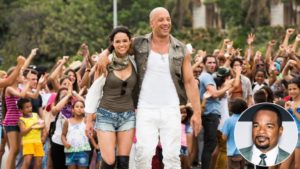
F. Gary Gray narrates a sequence from his film featuring Vin Diesel and Celestino Cornielle. Yes, the makers of the “Fast and the Furious” franchise have staged countless car races throughout the years. But the one that opens the latest film, “The Fate of the Furious,” is more historic than the others.

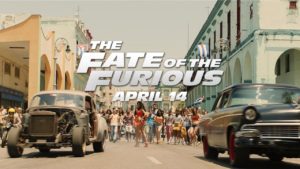
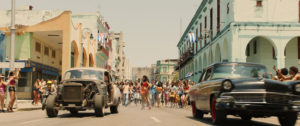
It’s the first Hollywood movie sequence shot in Cuba since the United States economic embargo was imposed more than 50 years ago. And the scene is as complicated as any other from the franchise. It features Dom Toretto (Vin Diesel) in a rusted-out 1950 Chevrolet Fleetline, and his competitor Raldo (Celestino Cornielle) in a 1956 Ford Fairlane, weaving their way through the streets of Havana.

“You’ve never been to Cuba in the way that we take you to Cuba,” said the film’s director, F. Gary Gray. In an interview in New York, he discussed how he won approval to shoot there, what it took to bring in an American helicopter for aerial shots and the process of making a Hollywood movie in a country with limited resources.
fate_of_the_furious_still_-_f._gary_gray_inset_-_getty_-_h_2017

According with him “I had to give, in advance, details of every shot, every angle and every road we were going to shoot on. But they were very nice. We were in and out of Cuba quite a bit during preproduction, and you could see the improvements happening in between. One month, a location would look a certain way, and we would come back the next month, and the roads would be paved”. And continue “We had a hard time sending and receiving emails. Cell Phone service, calls back and forth to the States, were extremely challenging. Some of the simplest things, we needed a team of scientists to figure out. But I would say what you lose in convenience, you gain in heart and aesthetics”.

“We brought in our helicopter with this huge camera on it. It looks like a spaceship to the locals and is flying 50 feet above our heads at top speed, chasing the two cars driving through the streets. I set up this big screen for the locals to see what the helicopter was shooting. We’re sending the video signal back to this monitor, and they’re watching their city from the sky. A lot of them have never been on a plane. You start seeing tears stream. Then we start to cry, because they’re crying, and it’s this moment you share where you realize how special it is and how much we take for granted” he finished.

logo

Anatomía de “The Fate of the Furious” (El Destino de los Furiosos) filmada en Cuba. Vídeo.
fast-and-furious-759

F. Gary Gray narra una secuencia de su película con Vin Diesel y Celestino Cornielle. Sí, los fabricantes de la franquicia “Fast and the Furious” han organizado innumerables carreras de autos a lo largo de los años. Pero el que abre la última película, “El Destino de los Furiosos”, es más histórico que los demás.

Es la primera secuencia cinematográfica de Hollywood filmada en Cuba desde que el embargo económico de Estados Unidos fue impuesto hace más de 50 años. Y la escena es tan complicada como cualquier otra de la franquicia. Cuenta con Dom Toretto (Vin Diesel) en un Chevrolet Fleetline de 1950, y su competidor Raldo (Celestino Cornielle) en un Ford Fairlane de 1956, abriéndose paso por las calles de La Habana.

https://youtu.be/t83YU-vOwak

“Nunca has estado en Cuba como lo llevamos a Cuba”, dijo el director de la película, F. Gary Gray. En una entrevista en Nueva York, habló de cómo obtuvo la aprobación para rodar allí, lo que tomó para traer un helicóptero estadounidense para disparos aéreos y el proceso de hacer una película de Hollywood en un país con recursos limitados.

Según el “tuve que dar, por adelantado, los detalles de cada disparo, cada ángulo y cada camino que íbamos a rodar, pero eran muy agradables. Estuvimos dentro y fuera de Cuba bastante durante la preproducción y Se podían ver las mejoras que se producen en el medio. Un mes, una ubicación se vería de cierta manera, y volveríamos el próximo mes, y las carreteras serían pavimentadas”. Y continúa “Tuvimos dificultades para enviar y recibir correos electrónicos, el servicio de telefonía celular, llamadas de ida y vuelta a los Estados Unidos, eran extremadamente desafiantes, algunas de las cosas más sencillas, necesitábamos un equipo de científicos para averiguar. Perder en comodidad, se gana en el corazón y la estética”.
furious-cuba2-master675

“Trajimos nuestro helicóptero con esta enorme cámara. Parecía una nave espacial para los lugareños y que está volando 50 pies sobre nuestras cabezas a toda velocidad, persiguiendo a los dos coches de conducción a través de las calles. Establecí una gran pantalla para que los lugareños vieran lo que el helicóptero estaba disparando. Estamos enviando la señal de video de vuelta a este monitor, y están viendo su ciudad desde el cielo. Muchos de ellos nunca han estado en un avión. Empiezas a ver la corriente de lágrimas. Entonces empezamos a llorar, porque están llorando, y es este momento que compartes donde te das cuenta de lo especial que es y lo que damos por sentado”, terminó diciendo.

Agencias / TheNewYorkTimes / Mekado Murphy / Internet Photos/ YouTube / Arnoldo Varona / TheCubanHistory.com
THE CUBAN HISTORY, HOLLYWOOD.

Cuba Photos.
Cuba Photos.

– EASTER and other religious traditions in Cuba Today. + LA SEMANA SANTA y otras tradiciones religiosas en Cuba Hoy.

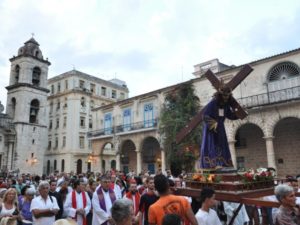
via-crucis-lahabana

Losing the traditions of Easter in Cuba for more than two generations, some people do not even know why Friday is a holiday. For the children goes unnoticed, because the whole week is of school break, without linking it to the Catholic celebration. It can be said, without fear of being mistaken, that 30% of Cubans do not live the passion, death and resurrection of Christ because they do not even know that it is celebrated. Particularly in rural areas, where there is very little or no presence of priests, which does not allow the faith to be evangelized and grow.

As this religious commemoration is movable, linked to the lunar calendar, it is not always programmed on a specific day of the year; Its beginning can occur between March 22 and April 25 and is preceded by “Lent”, which are 40 days prior to the starting date of what is known as “Ash Wednesday”.

In the island different religions are professed, although more than 50% of the population considers Catholic, but in some syncretizes other practices like those of Yoruba culture. There are also followers in Protestant churches, there is the presence of Orthodox Catholics (Greeks and Russians), and even Mormons.

images

Some, especially the santeros, go on the first day of Holy Week, or Palm Sunday, to any of the masses of the Catholic Church in search of the palm trees (branches) that are delivered in that commemoration that recalls the triumphal entry Of the Lord in the city of Jerusalem, acclaimed by an exultant multitude, as the Gospels relate. It is tradition for many to have behind the door of their house several branches tied in a loop.

What was almost completely lost – not to be absolute – is the abstinence of flesh in those days. As in our country very few people have the possibility of eating meat – beef, pork or any other red – it is not necessary to think about it; But anyway if that option is difficult, more would be if they had to eat fish, because it is something that almost is not marketed. You may think that the seas around the island have dried up.

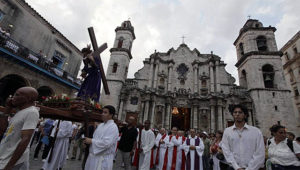
Although the regime posits that the free exercise of each religion is respected, this is not completely true. For example, during Holy Week in most of the Catholic countries of the world public processions are held and here have always been very limited, because the dictatorship does not like the accumulations of people, except those summoned by Official form. But the most radical decision that is made regarding religion is the fact of not tolerating the Ladies in White go to Mass. On several occasions, State Security officials have informed their leader Berta Soler that they would not allow them to go back to the Church.

Of course, before any claim the representatives of the ruling party pass their scratched record, saying that women go to mass for political reasons; Nevertheless, there has never been a complaint – on the part of any priest of the churches visited – of a bad behavior of the Ladies. The most painful thing is that there are those who believe it or at least do as they are convinced of it and then repeat it.

It is not known whether at this time the Church has made some other management with the new repressive events against this dissident group. What is clear is that there is no positive answer, because Sunday after Sunday, throughout the country, women who go out to the street – dressed in white – in order to attend Mass, are arrested.

logo

La Semana Santa y otras tradiciones religiosas en Cuba Hoy.

8f7fd251-2ab1-461a-b7db-aba5ae79c846

Al perderse en Cuba las tradiciones de Semana Santa por más de dos generaciones, algunas personas no saben siquiera por qué el viernes es feriado. Para los niños pasa inadvertido, pues toda la semana es de receso escolar, sin vincularla a la celebración católica. Se puede afirmar, sin temor a equivocarse, que un 30% de los cubanos no vive la pasión, muerte y resurrección de Cristo porque ni se enteran que se celebra. En particular en las zonas rurales, donde es muy poca o ninguna la presencia de sacerdotes, lo que no permite que se evangelice y crezca la fe.

Como esta conmemoración religiosa es movible, vinculada al calendario lunar, no se programa siempre en un día específico del año; su inicio puede ocurrir entre el 22 de marzo y el 25 de abril y está precedida por “La Cuaresma”, que son 40 días anteriores a la fecha de comienzo a partir lo que se conoce como “Miércoles de Cenizas”.

En la isla se profesan diferentes religiones, aunque más del 50% de la población se considera católica, pero en algunos se sincretizan otras prácticas como las de cultura yoruba. También hay seguidores en las iglesias protestantes, está la presencia de los católicos ortodoxos (griegos y rusos), y hasta de mormones.

Algunos, en particular los santeros, acuden el primer día de Semana Santa, o sea el Domingo de Ramos, a cualquiera de las misas de la Iglesia católica en busca de las palmeras (ramos) que son entregadas en esa conmemoración que rememora la entrada triunfal del Señor en la ciudad de Jerusalén, aclamado por una multitud exultante, tal y como lo relatan los Evangelios. Es tradición para muchos tener detrás de la puerta de su casa varios ramos atados en forma de lazo.

CUBA SEMANA SANTA uno

Lo que sí se perdió casi por completo —por no ser absoluta— es la abstinencia de carne en esos días. Como en nuestro país muy pocas personas tienen la posibilidad de comer carne —ya sea de res, de puerco o cualquier otra de color rojo—, no es ni necesario pensar en ello; pero de todas formas si esa opción es difícil, más lo sería si tuvieran que comer pescado, porque es algo que casi ni se comercializa. Se puede pensar que los mares alrededor de la isla se han secado.

Aunque el régimen plantea que se respeta el libre ejercicio de cada religión, esto no es del todo cierto. Por ejemplo, durante la Semana Santa en la mayoría de los países católicos del mundo se celebran procesiones públicas y aquí han estado siempre muy limitadas, por el hecho de que a la dictadura no le gustan las acumulaciones de gente, a no ser aquellas convocadas de forma oficial. Pero la decisión más radical que se toma con respecto a la religión es el hecho de no tolerar a las Damas de Blanco ir a misa. En varias ocasiones, oficiales de la Seguridad del Estado le han comunicado a su líder Berta Soler, que no les permitirían volver a ir a la Iglesia.

procesion_semanasanta_religion

Claro está, ante cualquier reclamo los representantes del oficialismo pasan su disco rayado, diciendo que las mujeres van a misa por motivos políticos; no obstante, nunca ha habido una queja —por parte de cualquier sacerdote de las iglesias visitadas— de un mal comportamiento de las Damas. Lo más penoso es que hay quienes lo creen o al menos hacen como que se convencen de ello y después lo repiten.

No se sabe si en estos momentos la Iglesia ha hecho alguna otra gestión con los nuevos acontecimientos represivos contra este grupo disidente. De lo que sí se está claro es de que no hay una respuesta positiva, pues domingo tras domingo, en todo el país, las mujeres que salen a la calle —vestidas de blanco— con el fin de acudir a misa, son arrestadas.

Agencies/Cubanet/Martha B. Roque/Extractos/Internet Photos/ Arnoldo Varona/ TheCubanHistory.com
THE CUBAN HISTORY, HOLLYWOOD.

Cuba Photos.
Cuba Photos.

– CUBAN actor Rubén Cortada in a new series, “Supermax”. Video. + ACTOR Cubano Rubén Cortada en una nueva serie, “Supermax”. Reality Video.

8686d202a8b7253a1f0c007132173371

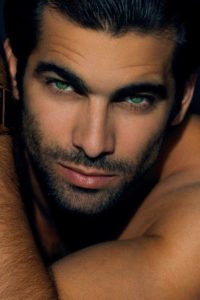
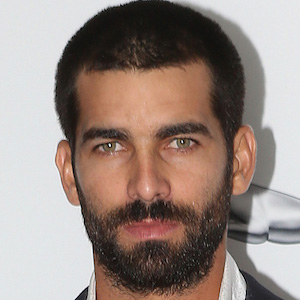
Cuban actor Rubén Cortada participates in a new series on Argentine television, Supermax, a psychological thriller premiered in early April and in which he shares leading roles with Cecilia Roth and a multinational cast where also appears the Spanish Santiago Segura, among others.

The series of ten episodes bears the same name of a reality show that acts as the thematic trigger of the plot, “a good excuse to see who plays there, a space of confinement in an old jail of maximum security somewhere in the world,” According to Clarín newspaper.

Supermax presents as the eight participants of the reality show Sandro (Antonio Birabent), Pamela (Cecilia Roth), Rex (Guillermo Pfening), Mercurio (Rubén Cortada), Muriel, Anette Brazilian Laura Neiva) and Cholo (the Uruguayan César Troncoso).

The protagonist choir is completed with Laura Novoa as Lorna and with the Spaniard Santiago Segura as Orlando, the driver of the other Supermax, which he calls “brutal and just TV show.”

The series is a co-production of Argentine Public TV and the Brazilian network Globo under the direction of Daniel Burman.

The protagonists, participants of the reality show, compete for one million dollars. They will have to be able to survive extreme competitions within their confinement.

According to the newspaper The capital of Mar del Plata Supermax is oriented to the Hispanic market, with support from TV Azteca de México, Mediaset España and Teledoce de Uruguay. The fiction was recorded in a scenic city built in the Brazilian studies of Globo and in outer locations of Jujuy and Salta, among other Argentine geographies.

images (1)

Rubén Cortada, a native of Isla de la Juventud, had his first experiences as an actor in two plays on the Island under the direction of Humberto Rodríguez. Later, it was formed in the art of the dramaturgy of the hand of the Argentine mentor Fernando Legs.

In January 2011, he made his debut in Spain as an actor, in the Antena 3 Bandolera series. In 2014 was star of The Prince, a series of three seasons (2014-2016) of maximum audiences in Spain.

He was chosen as a co-star in the Spanish television series Olmos y Robles and the tv-movie What his eyes hid with the Spanish actress Blanca Suárez.

logo

Actor Cubano Rubén Cortada en una nueva serie, “Supermax”. Video.

El actor cubano Rubén Cortada participa en una nueva serie en la televisión argentina, Supermax, un thriller psicológico estrenado a principios de abril y en el que comparte roles protagónicos con Cecilia Roth y un elenco multinacional donde aparece también el español Santiago Segura, entre otros.

cortada-ruben-image

La serie de diez episodios lleva el mismo nombre de un reality show que oficia de disparador temático de la trama, “una buena excusa para ver quiénes juegan allí, un espacio de encierro en una vieja cárcel de máxima seguridad en algún lugar del mundo”, según describe el diario Clarín.

Supermax presenta como los ocho participantes del reality show a Sandro (Antonio Birabent), Pamela (Cecilia Roth), Rex (Guillermo Pfening), Mercurio (Rubén Cortada), Muriel (Juan Pablo Geretto), Anette (Alexia Moyano), Sunny (la brasileña Laura Neiva) y Cholo (el uruguayo César Troncoso).

El protagónico coral se completa con Laura Novoa como Lorna y con el español Santiago Segura como Orlando, el conductor del otro Supermax, al que él llama “brutal y justiciero show televisivo”.

La serie es una coproducción de la TV Pública argentina y la cadena brasileña Globo bajo la dirección de Daniel Burman.

Los protagonistas, participantes del “reality show”, compiten por un millón de dólares. Tendrán que ser capaces de sobrevivir a competencias extremas dentro de su encierro.

Según el diario La capital de Mar del Plata Supermax está orientada al mercado hispano, con respaldo de TV Azteca de México, Mediaset España y Teledoce de Uruguay. La ficción fue grabada en una ciudad escenográfica construida en los estudios brasileños de Globo y en locaciones exteriores de Jujuy y Salta, entre otras geografias argentinas.

ruben-cortada-sera-serrano-suner-en-lo-que-escondian-sus-ojos_gallery_a

Rubén cortada, natural de la Isla de la Juventud, tuvo sus primeras experiencias como actor en dos obras de teatro en la Isla bajo la dirección de Humberto Rodríguez. Posteriormente, se formó en el arte de la dramaturgia de la mano del mentor argentino Fernando Piernas.

En enero de 2011, debutó en España como actor, en la serie de Antena 3 Bandolera. En 2014 fue protagónico de El Príncipe, una serie de tres temporadas (2014-2016) de máximas audiencias en España.

Fue escogido como co-protagonista en la serie de la televisión española Olmos y Robles y de la tv-movie Lo que escondían sus ojos junto con la actriz española Blanca Suárez.

Agencies/DDC/Internet Photos/YouTube/Arnoldo Varona/TheCubanHistory.com
THE CUBAN HISTORY, HOLLYWOOD.

Cuba Photos.
Cuba Photos.