US-CUBA: ALAN GROSS PLANNING HIS DESIRE TO RETURN TO CUBA .
It is implied in the fundraising to promote business and travel to the island.
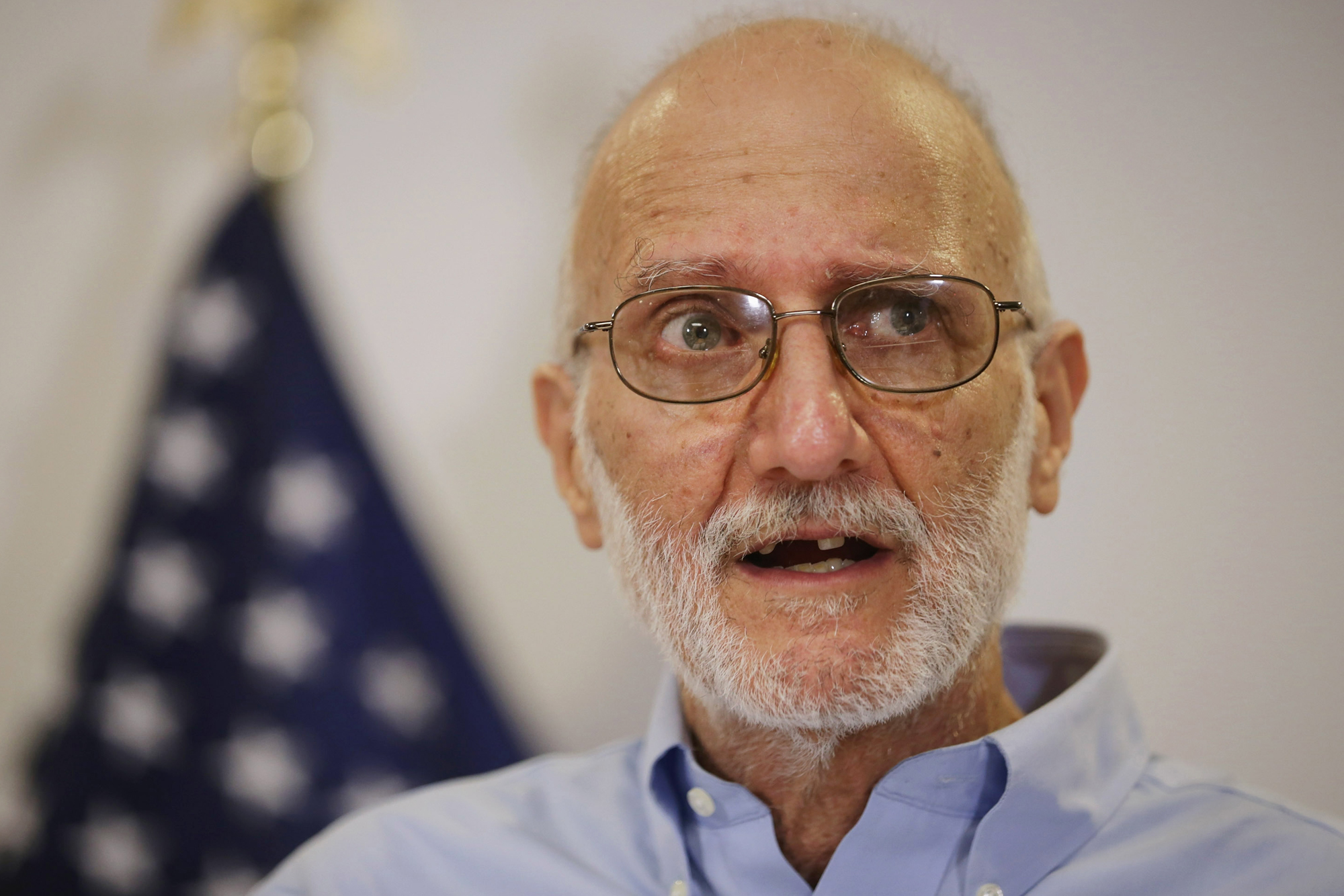
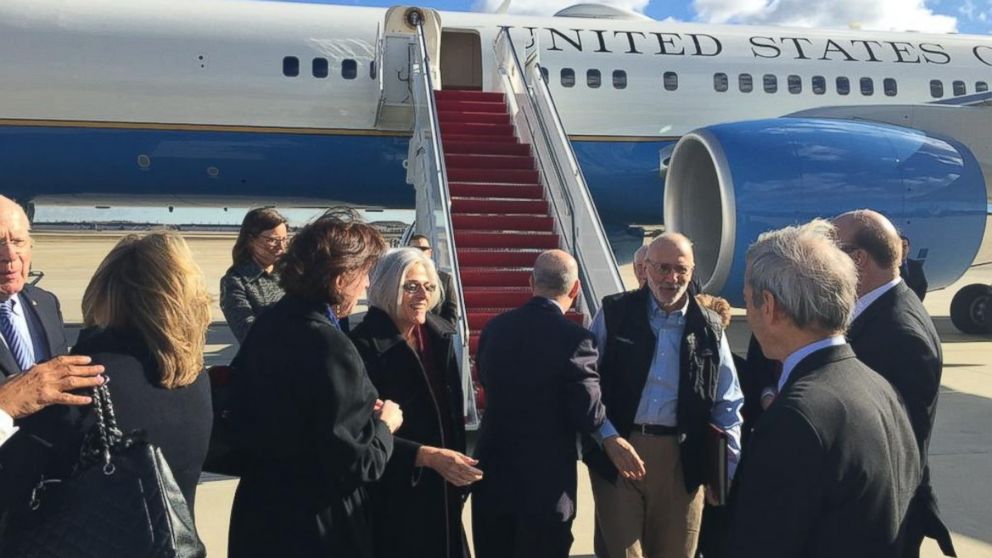
Alan Gross wants to return to Cuba to help improve relations between Havana and Washington, he reported on Saturday The New York Times. Gross, who spent five years in prison on the island, a fundraiser support of elected officials and candidates to promote freer trade and travel to the island.
The cooperating plans to participate in a fundraiser on May 4 in Miami at the home of his lawyer, Scott Gilbert, in support of New Cuba PAC, whose leaders explained that they expect to implement the détente between the US and Cuba to boost wider access to the island Americans access.
According to The New York Times, Gross will star in the fundraising a “discussion off the record about the modernization of Cuba-US policies” in fundraising, where contributions from $ 1,000 to $ 5,000 suggested.
Gross’s lawyer said the aid worker has exceeded suffered imprisonment for five years and has promised since his release “do what you can to promote a more constructive relationship” between the two countries.
The lawyer said his client wants to return to Cuba “otherwise” that traveled while ended up in jail, if this helps to promote relations.
EEUU-CUBA: ALAN GROSS PLANEA SU DESEO DE REGRESAR A CUBA.
Se implica en la recaudación de fondos para promover los negocios y viajes hacia la Isla.
Alan Gross desea regresar a Cuba para contribuir al mejoramiento de las relaciones entre La Habana y Washington, según informó el sábado el periódico The New York Times. Gross, que estuvo cinco años encarcelado en la Isla, apoyará una recaudación de fondos de funcionarios electos y candidatos para promover un comercio más libre y los viajes hacia la Isla.
El cooperante tiene previsto participar en una recaudación de fondos el 4 de mayo en Miami en la casa de su abogado, Scott Gilbert, en apoyo de New Cuba PAC, cuyos líderes explicaron que esperan poner en práctica la détente entre Estados Unidos y Cuba para impulsar un acceso más amplio a la Isla a los estadounidenses.
Según The New York Times, Gross protagonizará en la recaudación de fondos una “discusión off the record sobre la modernización de las políticas Cuba-EEUU” en la recaudación de fondos, donde se sugieren contribuciones de entre 1.000 a 5.000 dólares.
El abogado de Gross aseguró que el cooperante ha superado el encarcelamiento que padeció durante cinco años y ha prometido desde su liberación “hacer lo que pueda para promover una relación más constructiva” entre ambos países.
El abogado añadió que su cliente quiere regresar a Cuba “de otra manera” a la que viajó la vez que acabó en la cárcel, si ello contribuye a promover las relaciones.
DDC/InternetPhoto/www.thecubanhistory.com
The Cuban History, Hollywood.
Arnoldo Varona, Editor.
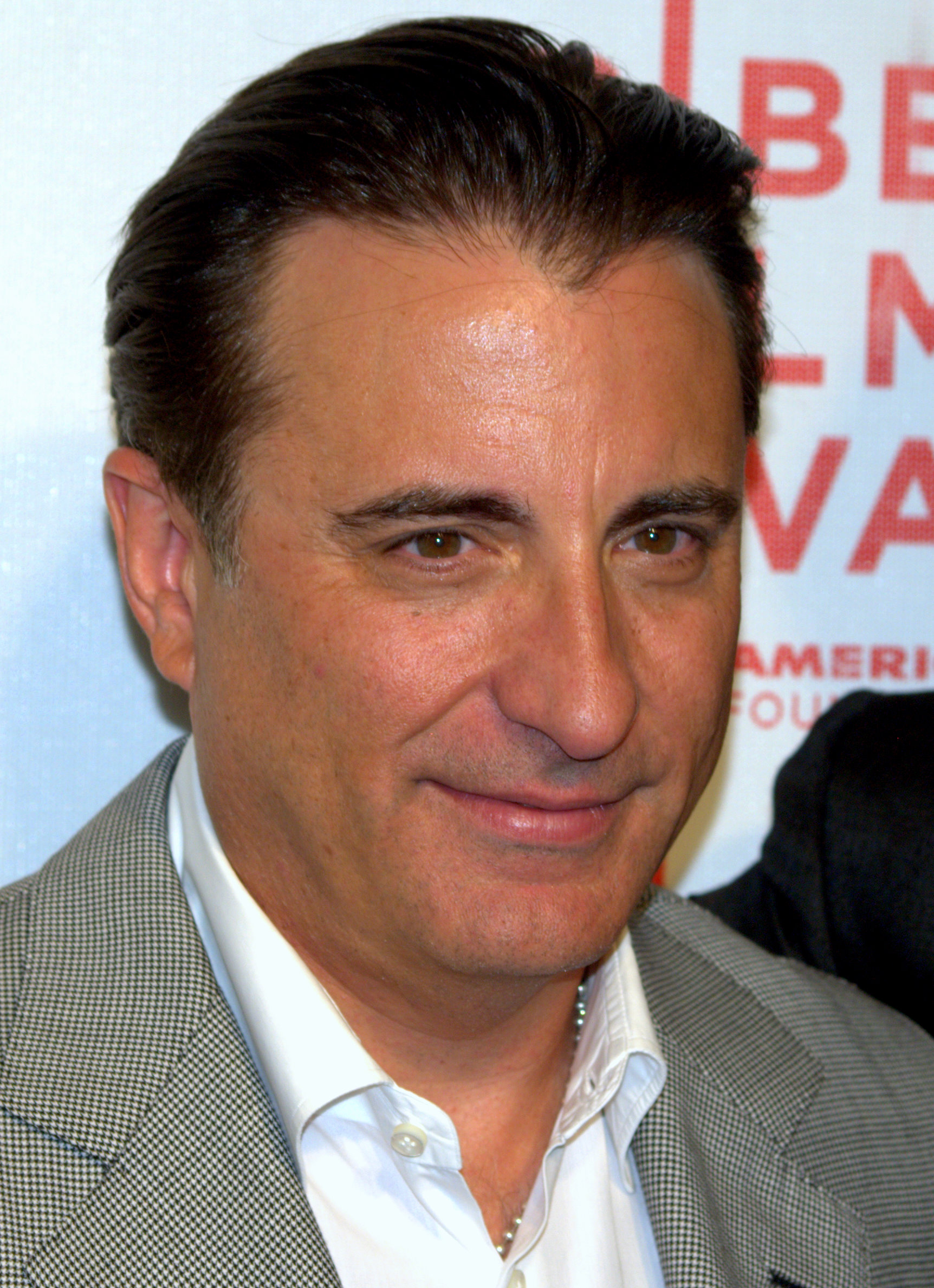
Listening to Andy Garcia talk about his son’s latest hobby, you get the sense that a toy caboose is just as important to the actor, director, and musician as the release of his latest feature film, Ocean’s Thirteen, which opened last month to fanfare, here and abroad.
“He plays a lot of trains,” Garcia says of the 5-year-old aficionado, and then adds with gravitas: “He’s an avid collector.”
Unlike some of his overtly ambitious, publicity-seeking peers, Garcia, 51, is a private man who treasures his family and seems to genuinely enjoy the company of his children. He carries a strong work ethic — passed along by his parents, who moved their family from Cuba to Miami when Garcia was 5 — and he is constantly driving forward to fulfill his next dream as an artist.
But he is also happy being one of the guys, which he did again in Ocean’s Thirteen, the third in a trilogy of films that began with Ocean’s Eleven, a remake of the 1960 Rat Pack heist flick. In the movie, Garcia plays Terry Benedict and reunites with George Clooney, Brad Pitt, Matt Damon, Don Cheadle, and Bernie Mac, a crew of actors that Garcia calls “generous and easy-going. There’s a friendship that develops,” he says, noting that the actors would sometimes stop by the Ocean’s lounge set during filming on the Warner Bros. studio lot. “It’s always a pleasure to hang.”
Garcia’s first major break was in Brian De Palma’s The Untouchables, in 1987, and he received Oscar and Golden Globe nominations for his supporting role in Francis Ford Coppola’s The Godfather: Part III (1990). He went on to make strong impressions in Dead Again with Kenneth Branagh (1991), When a Man Loves a Woman with Meg Ryan (1994), and Twisted with Samuel L. Jackson (2004). While continuing to act, he also made his feature directorial debut in 2006 with The Lost City, which he starred in, alongside Dustin Hoffman and Bill Murray. And as a percussionist (bongos and congas) and pianist, Garcia has won two Grammy Awards for CDs he performed on and produced in 1994 and 2005.
Still, Garcia would much rather talk trains and family life than stardom and awards. “The most important happiness is your family’s happiness,” he says. “Everything else is secondary.”
He says every industry — Hollywood especially — goes through cycles and fads, and you can’t control the outcome. He never pays attention to reviews — good or bad. “Just do your own thing,” he advises. “The only review that’s important is the one at home. If you have to look outside for your self-worth and acceptance, you’re in trouble, because none of that can ever be real consistent. The only thing that is consistent is what’s inside your home and your relationships.”
Quiet and reserved, with a soothing voice and a soft accent that reflects his Cuban roots, Garcia tells a lot about himself by what he doesn’t say. He doesn’t drop Hollywood names or talk about parties, and he doesn’t seem to be the least bit conflicted about balancing work and family. You won’t hear him say he missed his children’s formative years, or that he feels disconnected from his wife, Marivi Lorido Garcia.
“We have a commitment to each other and our family and that’s something we honor,” he says. “You have to be religious about these things.” He says that once a couple decides to have children, “every decision is made around them.” And in a profession that often requires travel, Garcia has set some ground rules. Most important: Minimize time away from family, or everyone goes with him. “The key thing for me is not to be away for any long period of time,” he says. “Over the years we’ve tried to limit it to a week. Especially when a child is young, you can’t be an absentee father or mother.”
He and his wife Marivi are both excellent cooks; they prefer making simple Italian and Cuban dishes, such as spaghetti carbonara and black beans. The two have been married for nearly 25 years, and he likes to tell the story of meeting her at a club and proposing that very night. “She claims I proposed to everybody that night, but it’s not true,” he says, deadpan. “And even if it was, that doesn’t matter, because she was the one I married.”
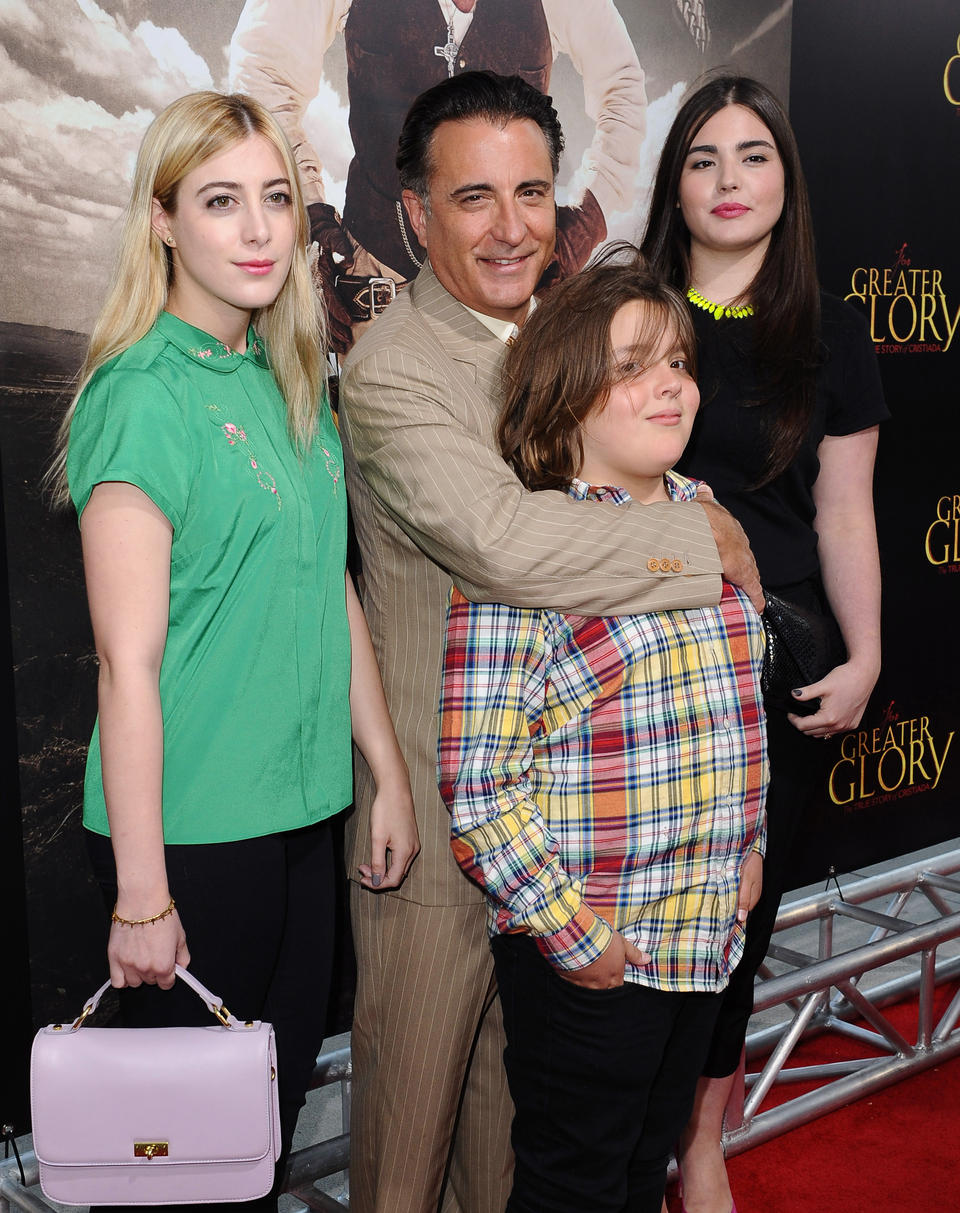
In a home where there is no such thing as down time, the actor plays a role in the lives of each family member. The Garcias live in Los Angeles and have three daughters — Dominik, 23; Daniella, 19; and Alessandra, 16, who all currently live at home. As for the 5-year-old train buff, Andres, he accompanies Dad to L.A. Lakers games, on fishing trips, and to the golf course. Garcia also coaches his son’s T-ball team.
Garcia has always been active. Back when he was a boy in Miami he played a lot of basketball (as point guard) and baseball, and he had hopes of taking his athleticism beyond high school. But now he dismisses such ideas as pie-in-the-sky fantasies of a teenager. “Every young athlete has illusions of being a professional athlete,” he says, laughing softly. “Certainly, we all grow up with those.”
Film “The Lost City”.
He says acting and directing are complementary, and he doesn’t feel that moving toward the director’s chair is a significant change. “It’s all an extension of my own interests.” But he says acting is more stressful because of the emotional demands. “In acting, you want to get to a place where you’re completely relaxed. In directing, you have responsibility for a lot of things, but the stimulus is coming from different directions. If you have a particular story you want to tell, and you’re stimulated by that story, it can be very rewarding.”
Garcia still has plenty of dreams to pursue. He says he has pushed forward his whole life with a work ethic and a drive that have made him who he is today. “The question is: What are you prepared to do if there’s no one to support your dreams? Do you give up?”
Years ago his father, who worked as an attorney when the family lived in Cuba, told him: “Never take a step backward, even to gain momentum.”
“That’s something I’ve always carried with me,” Garcia says. “That’s a key to success. Slow and steady steps.”
Always Andy Garcia says… Puts Family First.
WebMD Magazine/ Melanie D. G. Kaplan/Excerpts/InternetPhotos/youtube
The Cuban History, Hollywood.
Arnoldo Varona, Editor.
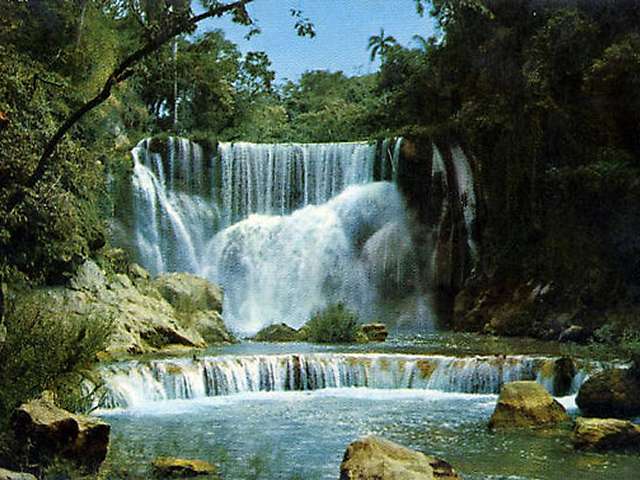
CUBA PHOTOS. Salto de Hanabanilla.
ACTOR ANDY GARCIA PRIORIDAD: SU FAMILIA PRIMERO .
Escuchar a Andy García hablar de última manía de su hijo, tienes la sensación de que un furgón de cola juguete es tan importante para el actor, director y músico como el lanzamiento de su último largometraje.
“Él tiene un montón de trenes”, dice García desde los 5-años de edad, aficionado, y luego añade con seriedad: “Él es un ávido coleccionista.”
A diferencia de algunos de sus abiertamente ambiciosos, compañeros de publicidad de búsqueda, García, de 51 años, es un hombre privado que atesora su familia y parece disfrutar realmente de la compañía de sus hijos. Él lleva una fuerte ética de trabajo – pasado a lo largo de sus padres, que se trasladaron a su familia de Cuba a Miami cuando García fue 5 – y él está constantemente impulsando hacia adelante para cumplir su próximo sueño como artista.
Pero también está feliz de ser uno de los chicos, lo que hizo de nuevo en el océano trece, el tercero de una trilogía de películas que comenzó con Ocean Eleven, una nueva versión del 1960 Rat Pack atraco película. En la película, García interpreta a Terry Benedict y se reúne con George Clooney, Brad Pitt, Matt Damon, Don Cheadle y Bernie Mac, un equipo de actores que García llama “generoso y fácil de llevar. Hay una amistad que se desarrolla”, dice , señalando que los actores a veces se detenían por el conjunto salón del océano durante el rodaje en la porción del estudio Warner Bros.. “Siempre es un placer para pasar el rato.”
Primera ruptura importante de García estaba en Brian De Palma Los intocables, en 1987, y recibió el Oscar y Golden Globe por su papel secundario en la de Francis Ford Coppola El Padrino: Parte III (1990). Él pasó a hacer fuertes impresiones en Dead Again con Kenneth Branagh (1991), Cuando un hombre ama a una mujer con Meg Ryan (1994), y Twisted con Samuel L. Jackson (2004). Sin dejar de actuar, también hizo su debut como director en 2006 con La Ciudad Perdida, que protagonizó, junto a Dustin Hoffman y Bill Murray. Y como percusionista (bongos y congas) y el pianista, García ha ganado dos premios Grammy para los CD que realizó en y producido en 1994 y 2005.
Sin embargo, García habría preferido hablar trenes y la vida familiar que la fama y premios. “La felicidad más importante es la felicidad de su familia”, dice. “Todo lo demás es secundario.”
Dice que todas las industrias – especialmente Hollywood – pasa por ciclos y modas, y no se puede controlar el resultado. Él nunca presta atención a evaluaciones – buenas o malas. “Simplemente hacer su propia cosa”, aconseja. “La única opinión que importa es el uno en casa. Si tiene que mirar más allá de su autoestima y la aceptación, estás en problemas, porque nada de eso puede jamás ser real consistente. La única cosa que es constante es lo que hay dentro de su casa y de sus relaciones “.
Tranquilo y reservado, con una voz suave y un acento suave que refleja sus raíces cubanas, García dice mucho acerca de sí mismo por lo que no dice. Él no baja nombres de Hollywood o hablar de las partes, y no parece ser el más mínimo conflicto acerca de equilibrar el trabajo y la familia. Usted no va a oírle decir que se perdió los años de formación de sus hijos, o que se siente desconectado de su esposa, Marivi Lorido García.
“Tenemos un compromiso con el otro y nuestra familia y eso es algo que nosotros honramos”, dice. “Uno tiene que ser religioso de estas cosas.” Él dice que una vez que una pareja decide tener hijos, “cada decisión se toma alrededor de ellos.” Y en una profesión que requiere a menudo de viaje, García ha establecido algunas reglas básicas. Lo más importante: Minimice el tiempo lejos de la familia, o de todo el mundo va con él. “La clave para mí no es estar lejos de cualquier largo período de tiempo”, dice. “Con los años hemos tratado de limitar a una semana. Especialmente cuando un niño es pequeño, no puede ser un padre ausente o de la madre.”
Él y su esposa Marivi son excelentes cocineros; prefieren hacer platos italianos y cubanos simples, tales como espaguetis carbonara y frijoles negros. Los dos han estado casados por casi 25 años, y le gusta contar la historia de su reunión en un club y proponer esa misma noche. “Ella afirma que propuse a todos esa noche, pero no es cierto”, dice, sin expresión. “E incluso si lo fuera, eso no importa, porque ella fue la que me casé.”
En un hogar donde no hay tal cosa como el tiempo de inactividad, el actor desempeña un papel en la vida de cada miembro de la familia. Los García vive en Los Ángeles y tiene tres hijas – Dominik, 23; Daniella, 19; y Alessandra, 16, quienes viven actualmente en el país. En cuanto a los 5 años de edad, aficionado de tren, Andrés, que acompaña a papá a los juegos de Los Ángeles Lakers, en los viajes de pesca, y al campo de golf. García también entrenadores del equipo T-ball de su hijo.
García ha sido siempre activo. Antes, cuando era un niño en Miami jugó un montón de baloncesto (como el base) y el béisbol, y tenía la esperanza de tomar su atletismo después de la secundaria. Pero ahora se descarta ideas como fantasías castillos en el cielo de un adolescente. “Cada joven atleta tiene ilusiones de ser un atleta profesional”, dice, riendo suavemente. “Ciertamente, todos crecemos con ellos.”
Él dice actuando y dirigiendo son complementarios, y no siente que se mueve hacia la silla del director es un cambio significativo. “Se trata de una extensión de mis propios intereses.” Pero él dice que la actuación es más estresante debido a las exigencias emocionales. “En la actuación, desea llegar a un lugar donde usted está completamente relajado. En la dirección, usted tiene la responsabilidad de muchas cosas, pero el estímulo viene de diferentes direcciones. Si usted tiene una historia en particular que quieres contar, y que está estimulado por esa historia, que puede ser muy gratificante “.
García todavía tiene un montón de sueños que perseguir. Dice que ha impulsado toda su vida con una ética de trabajo y una unidad que lo han convertido en quien es hoy. “La pregunta es: ¿Qué estás dispuesto a hacer si no hay nadie para apoyar sus sueños ¿Te rindes?”
Hace su padre, que trabajaba como abogado cuando la familia vivía en Cuba, años le dijeron: “Nunca tome un paso atrás, ni siquiera para tomar impulso.”
“Eso es algo que siempre he llevado conmigo”, dice García. “Esa es la clave del éxito. Reduzca la velocidad y pasos firmes.”
Pero siempre, actor Andy García dice … Poner a su fmilia primero.
WebMD Magazine/ Melanie D. G. Kaplan/Excerpts/InternetPhotos/youtube
The Cuban History, Hollywood.
Arnoldo Varona, Editor.
CULTURA: MARIA LUISA GÓMEZ MENA, FORJADORA DE LA “VANGUARDIA CUBANA”.
Hija de Alfonso Gómez Mena y de su esposa María Vivanco y descendiente directa de Andrés Gómez Mena, María Luisa es parte del clan Gómez Mena, una de las grandes dinastías de la “sacarocracia” cubana y dueños en la isla de varios ingenios azucareros, innumerables inmuebles, obras de arte, una fábrica de levadura, un club de béisbol, etc. José, conocido como Don Pepe y hermano de Andrés, fue en 1936 Ministro de Agricultura de Cuba, fundó la compañía Destiladora San Nicolás y llegó a ser el único propietario de la Nueva Compañía Azucarera Gómez Mena.
María Luisa Gómez Mena nace el 3 de octubre de 1907 en la Habana, en el seno de una familia bastante conocida en el entorno insular por ser propietaria de numerosos ingenios azucareros y de importantes bienes inmuebles de dentro y fuera de Cuba.
En 1926, con apenas 19 años y quizás por decisión familiar, María Luisa debe marchar a España para casarse con el militar español Francisco Vives Camino. De este matrimonio tiene su único hijo, Francisco Vives Gómez, que nace en Madrid, el 16 de diciembre de 1930. Poco antes de que estallara la guerra civil, en 1936, María Luisa decide regresar a La Habana con su pequeño hijo, lo cual parece que marca la disolución afectiva de este matrimonio.
Nada sabemos de estos años españoles de María Luisa, excepto que parece que se desenvolvió en ciertos “ambientes” de Segovia. Igualmente intuimos que alguna relación con el mundo intelectual habrá tenido, pues ya en La Habana, tan pronto como 1937, Ramón Guirao le dedica su antología Órbita de la poesía afrocubana. En esta antología, además del propio autor, aparecen textos de José Zacarías Tallet, Nicolás Guillén y Emilio Ballagas. Algunos suponen el mecenazgo de María Luisa sobre esta publicación.
Que sepamos, tres han sido los principales patrocinios de María Luisa Gómez Mena a partir de su regreso a La Habana. Uno es el que le brinda a aquellos intelectuales españoles llegados a la isla en calidad de refugiados; otro, el ofrecido a los pintores modernos cubanos; y un tercer momento, en México y Cuba, y que se corresponde con sus últimos diez años de vida, el que le dedica a la producción cinematográfica en compañía del poeta español Manuel Altolaguirre. Dicho de otra manera, financió y participó personalmente en proyectos litetarios y editoriales, artísticos y cinematográficos.
Según datos que tenemos y que todavía no hemos podido corroborar, María Luisa fue una apasionada de la república española durante la guerra civil, y demostró su solidaridad ayudando a aquellos exiliados que provenían de la península. En 1939 conoce a un matrimonio de exiliados intelectuales españoles: Concha Méndez y Manuel Altolaguirre. Los Altolaguirre habían llegado a La Habana en marzo de 1939, acompañados de su pequeña hija de cuatro años, Paloma Altolaguirre.
Otro importante mecenazgo de María Luisa es el que ofreció al propio José Rubia Barcia a su llegada a La Habana en 1939. Barcia y el intelectual cubano Raúl Roa acuerdan fundar la Escuela Libre de La Habana. Creada en septiembre de ese año, esta escuela, que contó con el magisterio de intelectuales españoles y cubanos, pudo igualmente contar con la ayuda financiera de María Luisa, a quien pertenecía la casa de San Lázaro número 961 altos donde radicó ésta y se inauguró, un año más tarde, la Academia de Artes Dramáticas de la Escuela Libre de La Habana.
El propio Barcia dice de ella que “me parece elemental añadir, por poco conocido, que gracias a su proverbial generosidad, fue posible el establecimiento de la Escuela Libre de La Habana”. Además de Barcia y Roa, esta escuela contó con la colaboración de intelectuales españoles de la talla de Concepción Albornoz, María Zambrano, Herminio Almendros, Ángel Lázaro, entre otros, y de cubanos como Elías Entralgo, Fernando Ortiz y José María Chacón y Calvo.
Por estos años finales del 30 y principios del 40, solía María Luisa reunirse con la etnóloga cubana Lydia Cabrera y con las españolas María Zambrano y Concha Méndez. También participaba, con Mario Carreño, en aquellas reuniones que hicieron durante algunos años en el Hurón Azul, la casa en las afueras de La Habana del pintor cubano Carlos Enríquez y su mujer, la escritora francesa Eva Frejàville, en compañía de los también matrimonios formados por el abogado Jorge Fernández de Castro y Marta Sardiñas, Manuel Altolaguirre y Concha Méndez.
Son también los años del antológico retrato que de María Luisa pintó Carlos Enríquez. Hay referencias a su cercana relación con Alejo Carpentier, quien colabora con Pintura Cubana de Hoy, el antológico libro de arte cubano financiado por María Luisa. ofreciendo una serie de seis viñetas que reproducen dibujos ñáñigos.
El 9 de octubre de 1941 contrae matrimonio con el pintor cubano Mario Carreño, e inicia una importante labor de mecenazgo a favor de los jóvenes pintores modernos de la isla. Justo un año después, el matrimonio, junto a José Gómez Sicre, funda en La Habana la Galería del Prado, en la calle Prado 72. Ésta será la primera galería de arte en Cuba donde se muestra, “exclusivamente en grupo, obras de todos los pintores cubanos contemporáneos”. Allí se forjaría el movimiento artístico conocido como la Vanguardia Cubana.
La Galería, con carácter comercial, era, como aseguraba en el membrete de su papelería, una “Exposición Permanente de Pintura Moderna Cubana”. El poeta Altolaguirre dejó constancia de su inauguración en octubre, en la mini-revista La Verónica: “El Prado de La Habana, a su mano izquierda camino al mar, tiene, defendida por un pequeño jardín, su Galería de pintura: “La Galería del Prado”.
A través de la Galería del Prado María Luisa editó algunos impresos, siendo la monografía Carreño, de 1943, con láminas que reproducen obras del pintor y con texto de José Gómez Sicre, una de las más trascendentales publicaciones. Por lo de “Cuaderno de Plástica Cubana, I”, aparecido en la portada del catálogo, se muestra la intención de desarrollar una colección de monográficos.
Maria Luisa muere en un accidente de automóvil el 23 July 1959, en Burgos, Spain.
Agencies/Various/Wiki/José R. Alonso/InternetPhotos/TheCubanHistory.com
The Cuban History, Hollywood.
Arnoldo Varona, Editor.
CUBA PHOTOS.
CULTURE: MARIA LUISA GÓMEZ MENA, FORGER OF THE “CUBAN VANGUARD”.
Daughter of Alfonso Gomez Mena and his wife Maria Vivanco and direct descendant of Andres Gomez Mena, Maria Luisa Gomez Mena of the clan, one of the great dynasties of the Cuban “sugarocracy” and owners on the island of several sugar mills, countless real estate, works of art, a yeast factory, a baseball club, etc. Joseph, known as Don Pepe and brother of Andrew, was in 1936 Minister of Agriculture of Cuba, founded the company Destiladora San Nicolas and became the sole owner of the Gomez Mena New Sugar Company.
Maria Luisa Gomez Mena was born on October 3, 1907 in Havana, in a family well known in the insular environment because it owns several sugar mills and major real estate inside and outside Cuba.
In 1926, just 19 years old and perhaps family decision, Maria Luisa should go to Spain to marry the Spanish military Francisco Vives Camino. This marriage is her only son, Francisco Vives Gomez, who was born in Madrid on 16 December 1930. Shortly before the outbreak of civil war in 1936, Maria Luisa decides to return to Havana with her young son, which It seems to mark the emotional dissolution of this marriage.
We know nothing of these Spanish years of Maria Luisa, except that it seems that unfolded in certain “environments” of Segovia. Also we sense that something to do with the intellectual world have had, because in Havana, as early as 1937, Ramón Guirao Orbit dedicates his anthology of Afro-Cuban poetry. In this anthology, besides the author, published texts of Jose Zacarias Tallet, Nicolas Guillen and Emilio Ballagas. Some assume the patronage of Maria Luisa on this publication.
To our knowledge, there have been three main sponsorship of Maria Luisa Gomez Mena from returning to Havana. One is what gives those Spanish intellectuals arrived on the island as refugees; other, offered to modern Cuban painters; and a third time in Mexico and Cuba, and which corresponds to the last ten years, which he dedicated to the film production company of the Spanish poet Manuel Altolaguirre. Put another way, financed and participated personally in litetarios and publishing, art and film projects.
According to data we have and we have not been able to corroborate, Maria Luisa was passionate about the Spanish Republic during the Civil War, and demonstrated their solidarity by helping those exiles who came from the mainland. In 1939 she meets a couple of Spanish intellectuals exiled: Concha Mendez and Manuel Altolaguirre. The Altolaguirre had come to Havana in March 1939, accompanied by her little four year old daughter, Paloma Altolaguirre.
Another important patronage of Maria Luisa is offered at the same José Rubia Barcia on his arrival in Havana in 1939. The Cuban intellectual Barcia and Raul Roa agree founded the Free School of Havana. Created in September of that year, this school, which was the teaching of Spanish intellectuals and Cuban, could also count on the financial support of Maria Luisa, who owned the house number 961 San Lazaro high where it settled and opened, a year later, the Academy of Dramatic Arts at the Escuela Libre de La Habana.
Barcia says of her own: “I think elemental add, however little known, thanks to his proverbial generosity, it was possible the establishment of the Free School of Havana”. Besides Barcia and Roa, this school with the collaboration of Spanish intellectuals of the caliber of Concepción Bathrobe, María Zambrano, Herminio Almendros, Angel Lazaro, among others, Elijah Entralgo Cuban Fernando Ortiz and Jose Maria Chacon y Calvo.
For these final years of the 30s and early 40s, Maria Luisa used to meet with the Cuban ethnologist Lydia Cabrera and the Spanish Maria Zambrano and Concha Mendez. Also participated, with Mario Carreño, in those meetings that made for some years in the Huron Azul, the house on the outskirts of Havana by Cuban painter Carlos Enriquez and his wife, the French writer Eva Frejaville, in the company of marriages also formed by attorney Jorge Fernandez de Castro and Martha Sardinas, Manuel Altolaguirre and Concha Mendez.
They are also the years of the anthology portrait of Maria Luisa painted Carlos Enriquez. There are references to his close relationship with Alejo Carpentier, who collaborates with Cuban Painting Today, the anthology of Cuban art funded by María Luisa. offering a series of six vignettes that reproduce ñáñigos drawings.
On October 9, 1941 married the Cuban artist Mario Carreno, and initiates an important work of patronage in favor of young modern painters of the island. Just one year later, the couple, along with José Gómez Sicre, founded in Havana Gallery Prado, Prado Street 72. This will be the first art gallery in Cuba where shown, “only in a group, everyone works contemporary Cuban painters. ” There the artistic movement known as the Cuban Vanguardia be forged.
Gallery, on a commercial basis, was, as claimed on the letterhead of your stationery a “Permanent Exhibition of Modern Cuban Painting”. The poet Altolaguirre recorded its opening in October, in the mini-magazine Veronica “El Prado in Havana, his left hand path to the sea, is defended by a small garden, its painting gallery,” Gallery Prado “.
Through the Prado Gallery Maria Luisa edited some printed, with the Carreño monograph, 1943, with sheets that reproduce works by the painter and text by José Gómez Sicre, one of the most significant publications. At the “Cuban Plastic Binder, I”, featured on the cover of the catalog, the intention to develop a collection of case shown.
Maria Luisa dies in a car accident on 23 July 1959, in Burgos, Spain.
Agencies / Various / Wiki / José R. Alonso / InternetPhotos / TheCubanHistory.com
The Cuban History, Hollywood.
Arnoldo Varona, Editor.