


 OPINION: Trade between Miami and Havana. (Photos) * * OPINIÓN SOBRE COMERCIO CON CUBA.
COMERCIO ENTRE MIAMI Y LA HABANA.
Basta revisar algunos de los sitios web de la prensa oficial cubana, en la zona de comentarios, para comprobar el volumen y la naturaleza de las protestas de los ciudadanos, que se consideran perjudicados por las regulaciones anunciadas por la Aduana Nacional de la República, respecto a la importación de productos no comerciales.
De todas formas, quisiera referirme a un asunto relacionado con estas medidas que apenas ha sido mencionado y es sobre su impacto en el comercio entre Miami y La Habana – dígase Cuba – y sus consecuencias para las relaciones con Estados Unidos.
Ambos gobiernos prácticamente ignoran la existencia de este mercado y son escasos los estudios que abordan el tema. Sin embargo, estamos hablando del tráfico de más de medio millón de personas anualmente, lo que implica el mantenimiento de una amplia infraestructura de ventas y aeroportuaria en ambos lados, a lo que se suma el impacto de estas personas en los mercados locales cuando permanecen de visita. Además se mueven miles de millones de dólares en remesas y otro tanto en el comercio de productos.
Siempre se habla del ingreso que este mercado significa para Cuba, pero apenas se mencionan sus ventajas para Miami. De hecho, toda una red de pequeños negocios locales miamenses subsiste gracias a estas actividades, las cuales brindan empleo a miles de personas, lo que en parte explica el respaldo que tiene cualquier política orientada a incrementarlas.
Para la extrema derecha cubanoamericana se trata de una violación flagrante y masiva del bloqueo contra Cuba y no dejan de tener razón. Debido a esto, el gobierno norteamericana ha tratado de frenar este comercio mediante regulaciones, persecuciones y obstáculos burocráticos de toda índole. El resultado ha sido que, aunque en ciertos momentos han logrado limitarlo, nunca han podido eliminarlo, porque responde a necesidades objetivas y sentimentales que ningún gobierno puede ignorar.

Precisamente por estas razones, la política cubana frente a este comercio resulta a veces poco comprensible.
.. Es cierto que a falta de un aumento significativo de la producción nacional y la subvención por parte del Estado de los servicios básicos a la población, el balance económico interno exige mecanismos para recaudar la moneda circulante, pero quizá esto puede lograrse mediante tarifas aduanales e impuestos razonables, así como otras medidas que no estimulen el mercado negro y mejoren el abastecimiento de productos, sin que esto signifique una carga económica para el Estado. No digo que no existan, obviamente deben existir, pero yo no conozco personalmente a ningún economista cubano que rebata este argumento.
Esta claro que es más fácil decirlo que hacerlo, pero, en cualquier caso, creo que Cuba tiene que mirar el mercado que se origina en la emigración desde una perspectiva diferente a la utilizada hasta ahora. Así lo exige la nueva política migratoria, la existencia de cientos de miles de colaboradores en el exterior, las reformas económicas en curso y la propia política hacia Estados Unidos. Evidentemente hace falta un cambio de “mentalidad”.
El vínculo económico con su país de origen constituye un factor básico para mejorar las relaciones con la emigración, como aspira la política cubana, y en el caso de Miami, tiene un impacto significativo en la política de Estados Unidos hacia Cuba, como demuestran las últimas encuestas realizadas por diversas instituciones norteamericanas.
De lo que se trata entonces es de mirar el asunto con realismo y despojarse de prejuicios que se contradicen con las propias reformas económicas que encauza el gobierno cubano. Más que concebirlo desde una perspectiva negativa, tomando medidas impopulares dentro y fuera de Cuba, hay que buscar la manera de organizar este comercio, no solo para facilitarlo, sino también para dignificarlo, hasta el punto que aparezca como lo que realmente es: una manifestación mutuamente beneficiosa del vínculo natural del país con su emigración.
ProgresoSemanal/Jesus Arboleya/Excerpts/InternetPhotos/www.thecubanhistory.com
The Cuban History, Hollywood.
Arnoldo Varona, Editor.
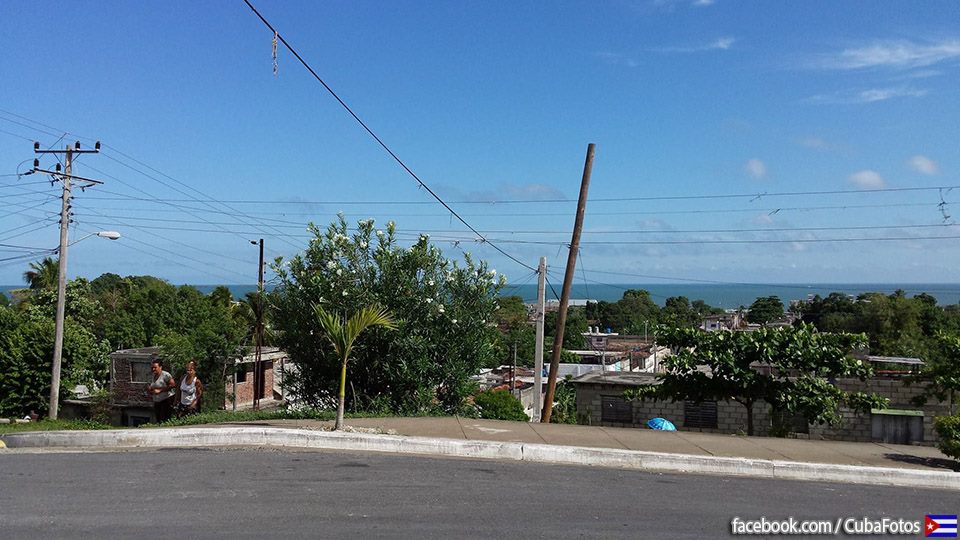
Cuba en Fotos.
TRADE BETWEEN MIAMI AND HAVANA.
Just check some of the websites of the official Cuban press, in the comments, so check the volume and nature of the protests of the citizens who feel aggrieved by the regulations announced by the National Customs of the Republic, with respect no import of commercial products.
Anyway, I refer to a matter related to these measures that has just been mentioned and their impact on trade between Miami and Havana – Cuba tell yourself – and its implications for relations with the United States.
Both governments virtually ignored the existence of this market and there are few studies that address the issue. However, we are talking about the traffic of more than half a million people annually, which involves maintaining an extensive infrastructure of sales and airport on both sides, so the impact of these people in local markets adds when they remain in visit. Besides billions of dollars in remittances and move as much product commercially.
Always talk of income means that this market for Cuba, but the benefits to Miami just mentioned. In fact, a network of small local businesses Miamians survives on these activities, which provide employment to thousands of people, which in part explains the support they have any policy to increase them.
For the Cuban extreme right is a flagrant and massive violation of the embargo against Cuba and not without reason. Because of this, the U.S. government has tried to curb this trade through regulations, bureaucratic obstacles and persecutions of all kinds. The result has been that, although at times have managed to limit it, never been able to remove it because it responds to objective and emotional needs that no government can ignore.
Precisely for these reasons, the Cuban policy towards this trade is sometimes difficult to understand.
.. It is true that the absence of a significant increase in national production and subsidized by the state of basic services to the population, the internal economic balance requires mechanisms to raise the circulating currency, but maybe this can be achieved through customs tariffs and reasonable taxes, and other measures that do not stimulate the black market and improve the supply of products, without implying an economic burden to the state. I’m not saying there obviously must exist, but I do not personally know any Cuban economist to rebut this argument.
This course is easier said than done, but in any case, I think Cuba has to look at the market that originates in the migration from a different perspective used hitherto. Required by the new immigration policy, the existence of hundreds of thousands of collaborators abroad, ongoing economic reforms and policy itself to the United States. Obviously we need a change of “mindset”.
Economic ties with their country of origin is a basic factor to improve relations with emigration, as the Cuban political aims, and in the case of Miami, has a significant impact on U.S. policy toward Cuba, as shown by the latest surveys conducted by various American institutions.
What it is then look at the matter realistically and shed prejudices that conflict with their own economic reforms that channels the Cuban government. Rather than conceiving it from a negative perspective, taking unpopular measures inside and outside Cuba, we must find a way to organize this business, not only to facilitate, but also to dignify, to the point that it appears as it really is: a manifestation mutually beneficial natural link the country with his emigration.
ProgresoSemanal / Jesus Arboleya /Excerpts/ InternetPhotos / www.thecubanhistory.com
The Cuban History, Hollywood.
Arnoldo Varona, Editor