


Sources:TropicanaNightClub/YouTube/www.theCubanHistory.com
MEMORIES OF THE NIGHTCLUB “EL TROPICANA”, HAVANA (Video)
RECUERDOS DEL CABARET “TROPICANA”, LA HAVANA (Video).
The Cuban History, Arnoldo Varona, Editor
Monthly Archives: June 2013
NORMAN FOSTER targets La Havana * NORMAN FOSTER apunta a la Habana.
The following is the story of a dream. A frustrated dream twice and now has a third, and probably last, chance. It is a bold project that 50 years ago tried to unite in a single adventure in architecture, art education and the best Cuban ballet. It all started in 1961. Fidel Castro’s revolution had just triumphed and everything seemed possible, even build a large complex of art schools in the former grounds of the Country Club, a place of Havana so exclusive that its members were allowed not to grant membership to the dictator Fulgencio Batista for being a mulatto.

There’s the famous Korda photograph in which the communist leader Che Guevara playing golf in the field of stylish Cubanacán. That picture, made amends to snub U.S. President Dwight Eisenhower when Fidel Castro traveled to the United States, not to meet him, he went to play a few holes, marks the beginning of this story. After the photo, Castro asked a collaborator a typical business-to-measure: “We will make here the best art school in the world”. The project was commissioned by Cuban architect Ricardo Porro, then a professor at the University of Caracas, who in turn invited the Italians Roberto Gottardi and Vittorio Garatti.
The projected five great schools that are still considered the best example of Cuban modern architecture, although three of them-the School of Ballet and Music, of Garatti, and Dramatic Art, of Gotardi-never reached completion .
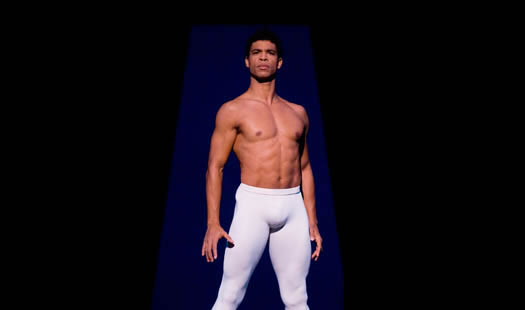
The reasons for the suspension of the project in 1965 were mainly economic. But aesthetic-ideological, because at that time was beginning to be frowned upon everything that is not cheap and functional, more if smelled architecture “elitist”. Devoured by the abandonment, the three schools spent a long ordeal of 35 years until the beginning of the new millennium came a state project to rescue the buildings. However, again the plan fell apart due to lack of resources. And so the day came when the Cuban dancer Carlos Acosta, one of the stars of the Royal Ballet of London, seeks to recover the Cubanacán Ballet School with the help of the British architect Norman Foster.
Acosta has that already planning his retirement and how he could contribute to the culture of his country, decided to create a foundation for a great artistic center and teaching dance, directed by him, “serve as a cultural bridge between Cuba and the world. ” “I started looking for places in Havana and came to the old Country Club … I was impressed. ”

“The building is in ruins and decided I had to fight to save it and turn it into the headquarters of the Centre,” said Acosta. It has to do with the help of businessman David Tang and Norman Foster, who along with the dancer this September 19 organized a charity dinner in London to raise funds. “The purpose is to achieve EUR 2.6 million to launch the first phase of the project,” says Acosta.
Foster expressed his admiration for the school project Cubanacán art and the work designed by Garatti. “They are important expressions of the search for an architecture that symbolize the values of Cuban identity at that time.” Your participation in the project, the architect explains, is “absolutely altruistic”. Just to “make possible a social initiative that may be important” and “rescue a valuable architectural work which now lies in ruins and destroyed at risk.”
Foster and several members of his team have already traveled to Havana. They have done a feasibility study of the work, complex for many reasons, and have made the first designs. First, run a series of engineering works to prevent future flooding of the river Quibú also rehabilitate their structures and convert the use of some areas, like space initially conceived as a choreographic laboratory, this would become a theater for offer shows and public housing. Also raises teachers transform classrooms in student housing or teachers involved in the courses.
PROBLEMS ARISE
Mr. Acosta’s plan for the ballet school’s future, however, has clashed with its unfinished past.
As Cuba is shifting toward pragmatic, Soviet-style architecture, the sensuous structures became viewed as indulgent and elitist. Construction was halted in 1965, leaving the incomplete complex at the mercy of floods, encroaching vegetation, squatters and scavengers. Mr. Porro went into exile in Paris, and Mr. Garatti left Cuba in 1974. Only Mr. Gottardi remained on the island.
Despite their neglect, the buildings became celebrated. The World Monuments Fund, based in New York, put the National Art Schools on its list in 2000 of the 100 most endangered sites, and Cuba submitted the structures in 2003 to Unesco’s tentative list of World Heritage sites.
“These buildings have been loved, hated, spurned and reaccepted,” said José Antonio Choy, 62, a Cuban architect who studied under Mr. Garatti. “They are a testament to the cultural history of the revolution. This is a debate not only about architectural ethics, but about the revolution’s legacy.”
Mr. Garatti, now 85, has for decades nursed the hope of completing the ballet school, a series of interconnected, domed terra cotta pavilions, derelict and littered, surrounded by grass and areca palms. But he has said he feels sidelined by Mr. Acosta and opposes plans to alter parts of the building’s interior.
Sources: El Pais/MauricioVicent/InternetPhoto/www.TheCubanHistory.com
Norman Foster Targets Havana
The Cuban History, Arnoldo Varona, Editor

NORMAN FOSTER APUNTA A LA HABANA
La que sigue es la historia de un sueño. Un sueño frustrado en dos ocasiones y que ahora tiene una tercera, y seguramente última, oportunidad. Se trata de un proyecto audaz que hace 50 años pretendió unir en una sola aventura arquitectura de vanguardia, educación artística y el mejor ballet cubano. Todo comenzó en 1961. La revolución de Fidel Castro acababa de triunfar y todo parecía posible, incluso construir un gran complejo de escuelas de arte en los antiguos terrenos del Country Club, un lugar de La Habana tan exclusivo que sus socios hasta se habían permitido no aceptar como miembro al dictador Fulgencio Batista por su condición de mulato.
Ahí está la famosa fotografía de Korda en la que el líder comunista y el Che Guevara juegan al golf en el campo del elegante barrio de Cubanacán. Aquella imagen, un desagravio al desplante que hizo el presidente norteamericano Dwight Eisenhower a Fidel Castro cuando este viajó a Estados Unidos y, para no recibirle, se fue a jugar unos hoyos, marca el comienzo de esta historia. Tras la foto, Castro pidió a un colaborador una típica empresa a su medida: “Vamos a hacer aquí la mejor escuela de arte del mundo”. El proyecto fue encargado al arquitecto cubano Ricardo Porro, en ese entonces profesor de la Universidad de Caracas, quien a su vez invitó a los italianos Roberto Gottardi y Vittorio Garatti.
Las cinco fabulosas escuelas que proyectaron son consideradas todavía hoy el máximo exponente de la arquitectura moderna cubana, si bien tres de ellas —la Escuela de Ballet y la de Música, de Garatti, y la de Arte Dramático, de Gotardi— jamás llegaron a terminarse.
Las razones de la paralización del proyecto en 1965 fueron principalmente económicas. Pero también estético-ideológicas, pues por aquel entonces ya empezaba a estar mal visto todo lo que no fuera barato y funcional, más si olía a arquitectura “elitista”. Devoradas por el abandono, las tres escuelas pasaron un largo calvario de 35 años hasta que al comenzar el nuevo milenio surgió un proyecto estatal para rescatar los edificios. Sin embargo, de nuevo el plan se vino abajo debido a la falta de recursos. Y así se llegó al día de hoy, cuando el bailarín cubano Carlos Acosta, una de las estrellas del Royal Ballet de Londres, intenta rescatar la Escuela de Ballet de Cubanacán con la ayuda del arquitecto británico Norman Foster.
Cuenta Acosta que, pensando ya en su retiro y en cómo podía contribuir a la cultura de su país, decidió crear una fundación para hacer un gran centro artístico y de enseñanza de la danza que, dirigido por él, “sirviera de puente cultural entre Cuba y el mundo”. “Empecé a buscar lugares en La Habana y llegué al antiguo Country Club… Quedé impresionado”.
“El edificio está en estado ruinoso y decidí que debía luchar por salvarlo y convertirlo en la sede del Centro”, asegura Acosta. Cuenta para ello con la ayuda del empresario David Tang y de Norman Foster, quienes junto al bailarín organizan este 19 de septiembre una cena benéfica en Londres para recaudar fondos. “El propósito es lograr 2,6 millones de euros para poner en marcha la primera fase del proyecto”, afirma Acosta.
Foster ha mostrado su admiración por el proyecto de las escuelas de arte de Cubanacán y por la obra diseñada por Garatti. “Son expresiones importantes de la búsqueda de una arquitectura que simbolizara los valores de la identidad cubana en ese momento”. Su participación en el proyecto, explica el arquitecto, es “absolutamente altruista”. Solo para “hacer posible una iniciativa social que puede ser importante” y por “rescatar una obra arquitectónica de gran valor que en estos momentos está en ruinas y en riesgo de destruirse”.
Foster y varios miembros de su equipo ya han viajado a La Habana. Han hecho un estudio de viabilidad de la obra, compleja por múltiples motivos, y han realizado los primeros diseños. En primer lugar, hay que ejecutar una serie de obras de ingeniería para evitar futuras inundaciones del río Quibú, también rehabilitar sus estructuras y reconvertir el uso de algunas áreas, como el espacio concebido inicialmente como un laboratorio coreográfico; este pasaría a ser un teatro para ofrecer espectáculos y albergar público. También se plantea transformar las aulas docentes en alojamientos para estudiantes o profesores que participen en los cursos.
Los problemas surgen
El plan de Carlos Acosta para el futuro de la escuela de ballet se ha enfrentado con su pasado sin terminar.
En Cuba se está desplazando hacia la arquitectura pragmática, al estilo soviético, las estructuras sensoriales se hicieron ver como indulgente y elitista. La construcción se detuvo en 1965, dejando el complejo incompleta a merced de las inundaciones, invasión de vegetación, okupas y carroñeros. Sr. Porro se exilió en París, y el Sr. Garatti salió de Cuba en 1974. Sólo el señor Gottardi permaneció en la isla.
A pesar de su abandono, los edificios se convirtieron celebrados. El World Monuments Fund, con sede en Nueva York, puso las Escuelas Nacionales de Arte en su lista de 2000 de los 100 sitios más amenazados, y Cuba presentó las estructuras en el año 2003 a la lista tentativa de la Unesco de Patrimonio de la Humanidad.
“Estos edificios se han amado, odiado, despreciado y reaceptados”, dijo José Antonio Choy, de 62 años, un arquitecto cubano que estudió con el Sr. Garatti. “Ellos son un testimonio de la historia cultural de la revolución. Este es un debate no sólo sobre la ética de arquitectura, sino sobre el legado de la revolución “.
Sr. Garatti, ahora 85, ha sido durante décadas alimentaron la esperanza de completar la escuela de ballet, una serie de interconectado, con cúpula de terracota pabellones, abandonado y lleno, rodeado de césped y palmas de areca. Pero él ha dicho que se siente marginado por el señor Acosta y se opone a los planes para modificar partes del interior del edificio.
Sources: El Pais/MauricioVicent/InternetPhoto/www.TheCubanHistory.com
Norman Foster Targets Havana
The Cuban History, Arnoldo Varona, Editor
BASEBALL: BALL in U.S. DOLLARS, a Cuban perestroika in baseball. * BASEBALL: PELOTA EN DOLARES, ¿Una perestroika en el béisbol cubano?.
As if everything is wipe the slate clean in the old tale of the national history, the Cuban authorities signed the armistice in a pen stroke to the professional baseball, after 50-year of struggle to impose his amateur baseball fans designed from the old centralized political power .
It was in a speech in 1961, in one of his endless speeches, which Fidel Castro made statements that served for years to reaffirm the collapse of sport paid and the press repeated ad nauseam without the slightest questioning: “No more sports professional baseball rented no more, no more that scourge mercantilist … ”
But now there has not been a single letter printed in the official press in Cuba to explain why the “Where I say, I say Diego” now we plant in the eyes the Federation of Cuban Baseball (FCB) as if it were a poke of a new form of self-employment.

The news that Cuba returns to the Caribbean Series, with their participation in the 2014 edition, and the inclusion of ballplayer Michel Enriquez as the first active Amateur National Series included a Mexican League team, has led countless Cuban comments among the fans and followers of the ball around the world.
DEBUT OF THE NEW MAN
A Enriquez, which debuted with the Pirates of Campeche on June 14 (in homage to Che Guevara and THE NEW MAN ?), Have added the names of the Granma sluggers Alfredo Despaigne and Yordamis Samon, who already traveled to Mexico to start their old ways in the Mexican League.
Apparently, about 20 players will play in the professional leagues this summer, including the Far East (Japan, South Korea and Chinese Taipei), although officially the names were not disclosed by the mouth of Hyginus Velez. After crashing for a few months in the “ball rented” Cuban players must sit up and with a few dollars in hand-to teams in their respective provinces for the 53 National Series.
Long been pursued by immoral scouts who signed Cuban players with aspirations to play professional baseball. But now, given the fact, it is the authorities that have been erected on “agents” of players (if there were other agents in delegations and “attending” INDER, but this new agentura really is amazing) for the signing of Enriquez , Despaigne, Samon and those who follow in his steps, back to the ball you pay.

The new entity is called Cubadeportes times and its executives is advisable not to mention Cuban pesos (CUP).
When broken … the “curtain of bagasse”, apparently no one wants to remember certain visuality of the past and we should not wonder that sports facilities in offices rush to take down pictures and posters of that day in Chief O’Boul sublime, bat in hand, with the rant below.
Ultimately, and interests Destroyer Cuban Professional League bats are far, balls and stadiums, and have turned to the moringa.
It is noteworthy that the first player designed to “break the barrier” Enriquez has been a good player but not a superstar. With 34 years and countless international tournaments, the pinero not rented wanted to play baseball, as expressed on a relatively recent interview. However, soon changed his way of thinking and of seeing the world, understood the importance of a CUC in this new battle of ideas, and adapted to the course inevitable transformation with the same speed that could steal bases.
FROM THE BANK OF POWER
.. It also asked what amount of theft (I like to call dividend, but I have respect for my readers) Enriquez perpetrated against the Cuban government. Will the baseball player had the last word in the negotiation of the object was or is a financial move and advertising for the times in Cuban baseball, with Antonio Castro flag and shield in hand?

The intervention Villa Clara team, national champion, in the next series of the Caribbean and the arrival of Mexican soil Enriquez are chrome Mercuro bandages of Cuban baseball. Perestroika are steps for a sphere you need to fully shake off old structures, much as it needs the country out of the grandparents totalitarian control, making us the story of the good pipe and now want to pose as engines of renewal they inevitably come up. Because after this step, there is no turning back, nor can speak more than “baseball socialist”, unless it is to ridicule.
Had a bit of decency and foresight, the right thing would develop a professional tournament in Cuba with six teams in the winter months, parallel to those celebrating their competitors, while the National Series, starting in March, would be the sets quarry where professional athletes acquire the best results.
But that would have to decide between the curveador Raul Castro, Miguel Diaz Canel closer and second baseman Jose Ramon Machado Ventura at the next meeting of the Council of Ministers also asked the gardener Marino Murillo. They all know they love and for having played ball from the bank of power.
Sources: CafeFuerte/AlbertoAguila/Excerpts/Internetphotos/www.thecubanhistory.com
BASEBALL: BALL in U.S. DOLLAR, a Cuban perestroika in baseball.
The Cuban History, Arnoldo Varona, Editor
BASEBALL: PELOTA EN DOLARES: ¿Una perestroika en el béisbol cubano?.
Como si todo fuera borrón y cuenta nueva en la trajinada historia nacional, las autoridades cubanas a firmaron de un plumazo el armisticio ante el béisbol profesional después de una pugna de 50 años para imponerle a su afición la pelota amateur centralizada y diseñada desde el poder político.
Fue en un discurso de 1961, en una de sus interminables catilinarias, que Fidel Castro pronunció frases que le sirvieron por años para reafirmar el derrumbe del deporte pagado y que la prensa repitió hasta el cansancio, sin el más mínimo cuestionamiento: “No más deporte profesional, no más béisbol rentado, no más esa lacra mercantilista…”
Pero ahora no ha habido una sola letra impresa en la prensa oficial en Cuba para explicar el porqué del “Donde dije digo, digo Diego” que ahora nos planta ante los ojos la Federacón Cubana de Béisbol (FCB), como si el cambiazo se tratara de una nueva modalidad de cuentapropismo.
La noticia de que Cuba regresa a la Serie del Caribe, con su participación en la edición del 2014, y la inclusión del pelotero Michel Enríquez como el primer amateur activo de las Series Nacionales que se incluye en un equipo de la Liga Mexicana, ha originado infinidad de comentarios entre la afición cubana y los seguidores de la pelota alrededor del mundo.
Debut del Hombre Nuevo
A Enríquez, que ya debutó con los Piratas de Campeche el pasado 14 de junio (¿en homenaje al Che Guevara y su Hombre Nuevo?), se han sumado los nombres de los toleteros granmenses Alfredo Despaigne y Yordamis Samón, quienes ya viajaron a México para empezar sus andadas en la Liga Mexicana.
Al parecer, unos 20 los peloteros jugarán en ligas profesionales este verano, incluyendo las del Lejano Oriente (Japón, Corea del Sur y Taipei de China), aunque oficialmente no han trascendido los nombres por boca de Higinio Vélez. Tras chocar por unos meses en la “pelota rentada”, los jugadores cubanos deberán incorporarse -ya con unos dólares en mano- a los equipos de sus respectivas provincias para la 53 Serie Nacional.
Durante mucho tiempo se persiguió por inmorales a los scouts que firmaban peloteros cubanos con aspiraciones a jugar la pelota profesional. Pero ahora, visto el hecho, son las autoridades las que se han erigidos en “agentes” de peloteros (siempre hubo otros agentes en las delegaciones y “atendiendo” el INDER, pero esta nueva agentura sí que es sorprendente) para el fichaje de Enríquez, Despaigne, Samón y los que seguirán tras sus pasos, de vuelta a la pelota que paga.
La entidad para los nuevos tiempos se llama Cubadeportes y con sus ejecutivos es recomendable no hablar de pesos cubanos (CUP).
…Al romperse la “cortina de bagazo”, al parecer nadie quiere recordar cierta visualidad del pasado y no debemos de extrañar que en oficinas de instalaciones deportivas se apresuren a echar abajo fotos y afiches de aquella jornada sublime del Pelotero en Jefe, bate en mano, con la perorata debajo.
En última instancia, ya los intereses del destructor de la Liga Profesional Cubana están lejos de los bates, las pelotas y los estadios, y se han volcado hacia la moringa.
Llama la atención de que el primer jugador designado para “romper la barrera” haya sido Enríquez, un buen pelotero, pero no una superestrella. Con 34 años e infinidad de torneos internacionales, el pinero no deseaba jugar el beisbol rentado, según lo expresó en una entrevista relativamente reciente. Sin embargo, en poco tiempo cambió su forma de pensar y de mirar al mundo, comprendió la importancia de un CUC en esta nueva batalla de las ideas, y se adaptó al rumbo inevitable de la transformación con la misma velocidad con que pudiera robar bases.
Desde el banco del poder
Cabe preguntar también cuál será el monto del robo (me gustaría llamarlo dividendo, pero tengo respeto por mis lectores) perpetrado contra Enríquez por el gobierno cubano. ¿Habrá tenido el pelotero la última palabra de la negociación de la que era objeto o se trata de una movida financiera y publicitaria para los tiempos que corren en la pelota cubana, con Antonio Castro bandera y escudo en mano?
La intervención del equipo Villa Clara, campeón nacional, en la próxima Serie del Caribe y la llegada de Enríquez a tierras mexicanas, son curitas de mercuro cromo para la pelota cubana. Son pasos de perestroika para una esfera que necesita sacudirse completamente de las viejas estructuras, tanto como mismo necesita el país sacar del mando a los abuelos totalitarios, que nos hicieron el cuento de la buena pipa y quieren ahora hacerse pasar como motores de la renovación que se les viene irremediablemente encima. Porque tras este paso, no hay vuelta atrás, ni podrá hablarse más de “béisbol socialista” a menos que no sea para hacer el ridículo.
Si hubiera un poco de decencia y visión de futuro, lo correcto sería desarrollar un torneo profesional en Cuba con seis equipos en los meses invernales, paralelo a los que celebran los demás competidores, mientras que la Serie Nacional, a partir de marzo, sería la cantera donde los conjuntos profesionales adquiriesen a los atletas de mejores resultados.
Pero eso tendrían que decidirlo entre el curveador Raúl Castro, el taponero Miguel Díaz Canel y el segunda base José Ramón Machado Ventura en la próxima reunión del Consejo de Ministros, consultado también el jardinero Marino Murillo. Todos ellos que tanto aman y saben de pelota por haberla jugado desde el banco del poder.
Sources: CafeFuerte/AlbertoAguila/Excerpts/Internetphotos/www.thecubanhistory.com
BASEBALL: BALL in U.S. DOLLAR, a Cuban perestroika in baseball.
The Cuban History, Arnoldo Varona, Editor