©VISITING BOOKSTORES in Cuba * VISITANDO LIBRERIAS EN CUBA.

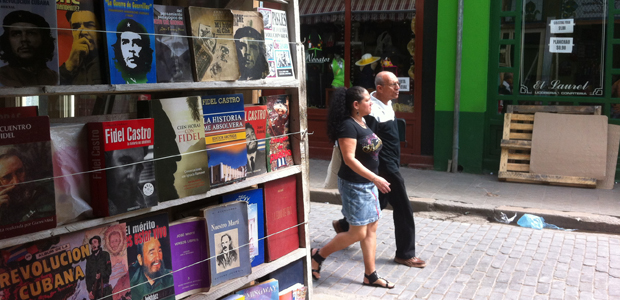
Wherever I go, I like to browse in bookstores. Through what appears on the shelves, and what doesn’t, I try to piece together what people are thinking or, at least, what they are thinking about. So i was delighted when I found my first bookstore in Havana, on Obispo.

My partner and I spent some time there, unmolested by the hawkers, hustlers, and even outright beggars on the street.
In that bookstore there was lots of Jose Marti, less Castro and Guevara, and no Lenin. They also had a good selection of children’s books.

cuba-books620

Eventually, I did find some Lenin in a bookstore in Santa Clara, two copies of Lenin on Imperialism, the Highest Stage… and volume one of a biography of Lenin. I found Lenin in at least one other store, as well as some Marx and Engels in Cienfuegos.
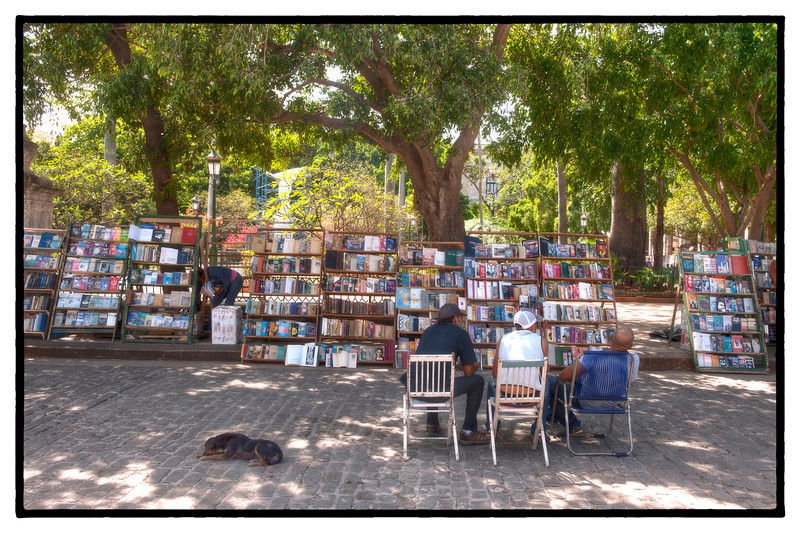
Overall I was in six stores, plus second hand stores and some open air markets. I did not set foot on any university campus. Perhaps the selection there is different.

I found Kafka, Mary Shelley, Doris Lessing, Tom Clancy and Danielle Steele, all in Spanish. I saw a book by or about Marietegui. The bookstore in Trinidad had several copies of CLR James’ The Black Jacobins, also in Spanish.

Here are some writers I did not find. Stalin, Mao, Trotsky, Luxemburg, Gramsci, Bukharin, Plekhanov, Mandel, Chomsky.
On the Middle East there was practically nothing. Certainly nothing on the Arab Spring.

PlazaDeArmas-L

My partner did see a Spanish language collection of Mahmoud Darwish. And I saw a book on the Islamic Revolution in Iran. The second time i saw it, I opened it up and had a look. It was not written in Cuba, but was a Spanish edition of a book originally published in Iran.

Not surprisingly, there was a picture of Khomeini on the front cover and the dedication page said, “In the name of Allah, the compassionate, the merciful.”

Sources: HavanaTimes/KenHubert/InternetPhotos/www.thecubanhistory.com
VISITING BOOKSTORES in Cuba
The Cuban History, Arnoldo Varona, Editor

Marina 20X30 (3)

VISITANDO LIBRERIAS EN CUBA

Dondequiera que voy, me gusta navegar en las librerías. A través de lo que aparece en los estantes, y lo que no, trato de reconstruir lo que la gente está pensando o, al menos, lo que están pensando. Así que me alegré cuando me encontré con mi primera librería en La Habana, el Obispo.

Mi pareja y yo pasamos un rato allí, sin ser molestados por los vendedores ambulantes, personas de poder, e incluso los mendigos en firme en la calle. En esa librería había un montón de José Martí, a menos Castro y Guevara, ni Lenin. También tenían una buena selección de libros para niños.

cuba-books620

Finalmente, encontré algunos Lenin en una librería en Santa Clara, dos copias de Lenin en El imperialismo, fase superior … y el volumen uno de una biografía de Lenin. Encontré a Lenin en al menos otra tienda, así como algunos de Marx y Engels en Cienfuegos.
En general, quedé en seis tiendas, además de tiendas de segunda mano y algunos mercados al aire libre. Yo no puse un pie en cualquier campus universitario. Tal vez la selección no es diferente.

Encontré Kafka, Mary Shelley, Doris Lessing, Tom Clancy y Danielle Steele, todo en español. Vi un libro por o sobre Mariátegui. La librería en Trinidad tenía varias copias de CLR James ‘Los Jacobinos Negros, también en español.

Aquí hay algunos escritores no encontré. Stalin, Mao, Trotsky, Luxemburgo, Gramsci, Bujarin, Plejánov, Mandel, Chomsky.
En el Medio Oriente no había prácticamente nada. Ciertamente, nada en la primavera árabe.

PlazaDeArmas-L

Mi compañero hizo ver una colección en español de Mahmoud Darwish. Y vi un libro sobre la Revolución Islámica en Irán. La segunda vez que lo vi, lo abrí y tenía una mirada. No fue escrito en Cuba, pero fue una edición en español de un libro publicado originalmente en Irán.

Como era de esperar, había una foto de Jomeini en la portada y la página de la dedicatoria dice: “En el nombre de Alá, el Compasivo, el Misericordioso.”

Sources: HavanaTimes/KenHubert/InternetPhotos/www.thecubanhistory.com
VISITING BOOKSTORES in Cuba
The Cuban History, Arnoldo Varona, Editor

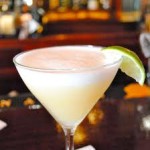
LET’S TALK about the CUBAN COCKTAILS * HABLEMOS de los COCTELES CUBANOS.

Talking about all Cuban cocktails is impossible since our variety of cocktails are very wide.
CubaLibre 0002

Alejo Carpentier said many years ago when he said that Havana was the largest city in the world that could offer variety of drinks curious traveler’s palate. We, in our pilgrimage through bars and taverns, as the famous bolero who played Orlando Contreras, came to collect more than three hundred recipes for cocktails. He had from all over the country: from Havana, especially, but also of Baracoa and Viñales because if anything is proudly and this scribbler is proud to have crossed Cuba, and many of its keys-from beginning to end. But the formulas are certainly many more; Floridita’s computer, which is one of the most famous bars in the world, had a few years ago about 450. And they were not all.

Sure it endorses a cocktail time. Surge in any bar and is imposed or not preference drinkers. Thus, there are Cuban cocktails that nobody remembers or dislike remember though, while others become popular and go around the world. The taste of good drinker is, in this, particularly wise.

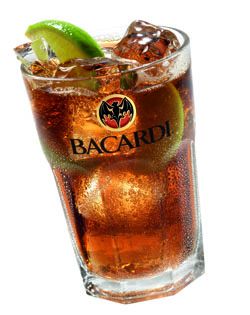
When speaking of the great Cuban cocktails, refers to Saoco, the Mulata, the Mary Pickfords, the President and the Mojito. And also the Cuba Libre, to Santiago, the Isle of Pines and of course, the Daiquiri, who is the king of Cuban cocktails. This is recognized by specialists.

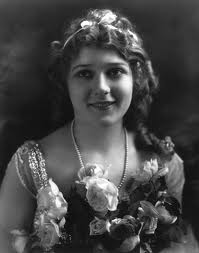
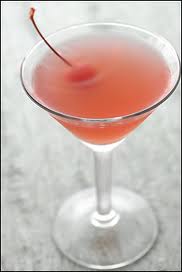
Bartenders famous in Cuba there are also many people who made their craft an art. The relationship, in this line, is led undoubtedly Ribalaigua Constantine, the owner of Floridita, the constant Islands in the Stream, Hemingway’s novel. Born in Spain, Cuba nationalized and died in Havana in 1952. He is the creator of Mary Pickfords, inspired by the American actress known as “America’s Sweetheart”-American bride would then another over our, Libertad Lamarque, and the Havana Special, which took its name from a shipping line whose ships were the crossing between Tampa and Havana. Constant also is associated with the Daiquiri and the President, but not created.
download (21) download (22)

CRAZY ABOUT DAIQUIRI

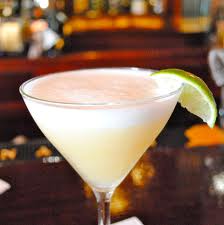
The President – surprise! – Was the brainchild of Major General Mario García Menocal. The president then came one afternoon and asked to Floridita Constant a mixing bowl put ice drops curacao, vermouth and rum carte Italian white gold. He said he writhes and serve it in a tall glass, baccarat, garnished with a cherry and a slice of orange peel. Constant said then: “General, here’s your President.”

Some say that initially called Canchánchara Daiquiri, the drink of choice for Cuban independence forces. Our liberators, when they could, the tasted sweetened with honey to ward off the pains, aches and fatigue. But in truth the Daiquiri was born in the iron mines of the same name east of the country, and was popularized in the Venus Hotel, Santiago de Cuba, the former Hotel Venus, which was opposite the park lawns and collapsed when the 1932 earthquake.

The Hotel Venus, however, the Daiquiri was preparing to direction, no exact measurements as the inspiration of the bartender, and cooled with ice chips. It was constant, then, in the Floridita, who established the precise standard of this cocktail.

Began to cool with ice frappe and found that it does not tolerate drink half ounces of rum if you take less, the blender protest, if you take more, is watery. Also discovered that you could not leave the mixer over a minute and realized the taste finally giving it the maraschino.

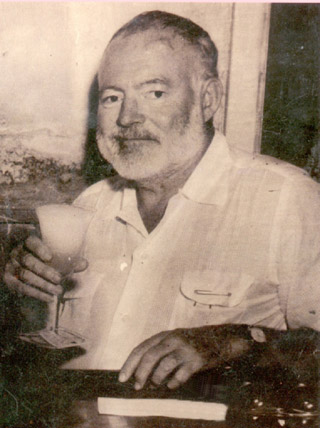
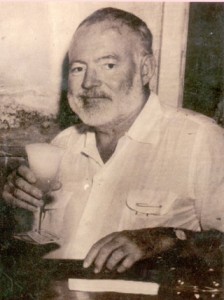
Hemingway Daiquiri immortalized in his narrative. Other important writers have either overlooked in their texts and in their lives. Garcia Marquez, Nobel Prize for Literature as Hemingway Daiquiri refers to as “a combination of rum diaphanous Island ice powder and lemon juice.” And another Nobel, but rejected the award, Jean Paul Sartre, in his Hurricane on sugar, the exciting story he wrote about Cuba in 1960, mentions him as “a Cuban specialty we like the mild taste of his rum and lemon diluted in ice. ”
earnest-hemmingway
bghy

Graham Greene, which won the Nobel Prize ten times but never give it to him, and was, in the words of García Márquez, an inventor of evil cocktails, tasted it, and how, during his stay in Havana. García Lorca was enthusiastic about the Floridita Daiquiri. Lezama Lima recalled the day he accompanied Miguel Angel Asturias, the Guatemalan novelist remarkable Nobel Prize in addition, to this famous bar-restaurant. We delight, asserted the author of Paradiso, with that frozen drink that is like the nectar of the gods. The Argentine Julio Cortázar had him as the first in what refers to Cuban cocktails. So he confessed to the author of this page that drank his first daiquiri in company always pleasant and stimulating Hopscotch novelist.

FRANCIS DRAKE AND THE MOJITO

The Saoco, surely, has peasant origins. Only in the Cuban countryside could have arisen that magical mix of white rum and coconut water. The Free Cuba was born in the Floridita, when that bar is still called La Piña de Plata, in the days of the establishment of the Republic (1902). The Isle of Pines includes in its formula that wonder juice Cuban fruit is grapefruit. And Santiago is prepared with two lines of white rum and red curacao stroke. The Mulata had to have been created by a Spanish barman. Pays tribute like no to the beauty and distinction of the Cuban. It is made with rum, which adds a unique superiority.

autentico-mojito-cubano

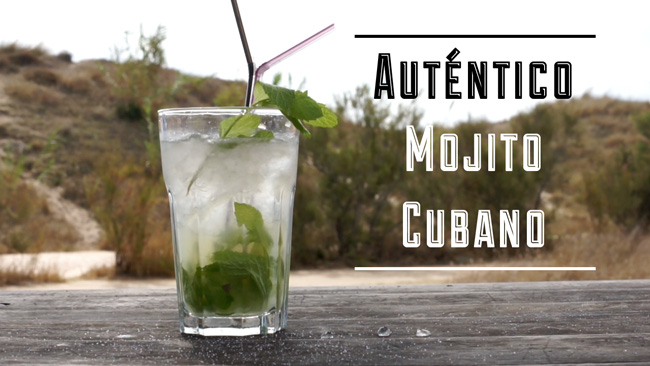
And the Mojito? Ferdinand claimed G. Campoamor, historian of rum, the British privateer Francis Drake is the creator of a cocktail until well into the nineteenth century was much in demand in the West Indian latitudes. It was made with brandy and called Drake. He is said healing properties. At least in his novel The anger in Havana (1838) Ramon de Palma does tell one of his characters: “I take every day at eleven and one draquecito going perfectly”. Is the antecedent of the Mojito.

Since 1910 Mojito discussion began churning, but would have to wait for the decade of the 30 for the appearance of the current Mojito. Surge in the bar of La Concha Spa, passes to other bars Havana, becomes popular and gets to La Bodeguita del Medio, where he acquired international citizenship card. It has the poise of the Daiquiri and the packaging of the President or the baroque of Mary Pickfords and the haughtiness of Mulata, but is one of the ten classic Cuban cocktails next to Saoco, the Isle of Pines, the Santiago, the Havana Special and the Cuba Libre.

Sources:CiroBianchiRoss/InternetPhotos/www.theCubanhistory.com
LET’S TALK OF THE CUBAN COCKTAILS
The Cuban History, Arnoldo Varona, Editor

cuba (10)

HABLEMOS DE LOS COCTELES CUBANOS

Hablar sobre todos los cocteles cubanos es imposible ya que nuestra coctelería es muy numerosa y variada.

CubaLibre 0002

Alejo Carpentier lo dijo hace ya muchos años cuando afirmó que La Habana era la ciudad del mundo que mayor variedad de bebidas podía ofrecer al paladar curioso del viajero. Nosotros, en nuestro peregrinar por bares y cantinas, como dice el célebre bolero que interpretaba Orlando Contreras, llegó a acopiar más de trescientas recetas de cocteles. Las había de todas partes del país: de La Habana, sobre todo, pero también de Baracoa y Viñales porque si de algo se precia y enorgullece este escribidor es de haber recorrido Cuba –y muchos de sus cayos- de punta a cabo. Pero las fórmulas son ciertamente muchas más; en la computadora del Floridita, que es uno de los bares más famosos del mundo, había hace ya algunos años más unas 450. Y no eran todas.

Claro que a un coctel lo refrenda el tiempo. Surge en cualquier bar y se impone o no en la preferencia de los bebedores. Así, hay cocteles cubanos que nadie recuerda o que aunque se recuerden no gustan, mientras que otros se popularizan y dan la vuelta al mundo. El gusto del buen bebedor es, en esto, particularmente sabio.

Cuando se habla de los grandes cocteles cubanos, se alude al Saoco, al Mulata, al Mary Pickfords, al Presidente y al Mojito. Y también al Cuba Libre, al Santiago, al Isla de Pinos y, por supuesto, al Daiquirí, que es el rey de los cocteles cubanos. Así lo reconocen los especialistas.

Cantineros ilustres hay también muchos en Cuba, gente que hizo de su oficio un arte. La relación, en esta línea, la encabeza, sin duda, Constantino Ribalaigua, el propietario del Floridita, el Constante de Islas en el golfo, la novela de Hemingway. Nació en España, se nacionalizó cubano y falleció en La Habana en 1952. Es el creador del Mary Pickfords, inspirado en la actriz norteamericana conocida como “la novia de América” –América tendría después otra novia más nuestra, Libertad Lamarque-, y el Havana Special, que tomó su nombre del de una línea naviera cuyos barcos hacían la travesía entre Tampa y la capital cubana. Constante asimismo se asocia al Daiquirí y al Presidente, aunque no los creara.

download (21) download (22)

LOCOS POR EL DAIQUIRÍ

El Presidente -¡asombro!- fue idea del mayor general Mario García Menocal. El entonces primer mandatario llegó una tarde al Floridita y pidió a Constante que en un vaso de mezcla pusiera hielo, gotas de curazao, vermut blanco italiano y ron carta oro. Dijo que lo revolviera y se lo sirviera en una copa alta, de bacarat, adornada con una guinda y un pedacito de cáscara de naranja. Constante comentó entonces: “General, aquí tiene su Presidente”.

Hay quien dice que en sus inicios el Daiquirí se llamó Canchánchara, la bebida preferida por las tropas independentistas cubanas. Nuestros libertadores, cuando podían, la degustaban endulzada con miel de abeja para alejar las penas, los dolores y la fatiga. Pero en verdad el Daiquirí nació en las minas de hierro del mismo nombre del oriente del país, y se popularizó en el hotel Venus, de Santiago de Cuba; el antiguo hotel Venus, el que se hallaba frente al parque Céspedes y se derrumbó cuando el terremoto de 1932.

En el hotel Venus, sin embargo, el Daiquirí se preparaba al rumbo, sin medidas exactas, según la inspiración del cantinero, y se enfriaba con trozos de hielo. Fue Constante, entonces, en el Floridita, quien estableció la norma precisa de este coctel.

Comenzó a enfriarlo con hielo frapé y descubrió que el trago no tolera sino onza y media de ron; si se le echa menos, la batidora protesta, si se le echa más, queda aguado. Descubrió asimismo que no se podía dejar en la batidora más de un minuto y se percató por último del sabor que le confería el marrasquino.

Hemingway inmortalizó el Daiquirí en su narrativa. Otros escritores importantes tampoco lo han pasado por alto en sus textos y en sus vidas. García Márquez, Premio Nobel de Literatura al igual que Hemingway, se refiere al Daiquirí como “una combinación de ron diáfano de la Isla con polvo de hielo y jugo de limón”. Y otro Nobel, aunque rechazara el galardón, Jean Paul Sartre, en su Huracán sobre el azúcar, el apasionante reportaje que escribió sobre Cuba en 1960, lo menciona como “una especialidad cubana que nos agrada por el leve gusto a ron y de su limón diluido en hielo”.

earnest-hemmingway
bghy

Graham Greene, que mereció diez veces el Premio Nobel aunque nunca se lo dieran, y que fue, al decir de García Márquez, un inventor de cocteles diabólicos, lo degustaba, y de qué manera, durante sus estancias en La Habana. García Lorca se entusiasmó con el Daiquirí del Floridita. Lezama Lima rememoraba el día en que acompañó a Miguel Ángel Asturias, el notable novelista guatemalteco y Premio Nobel por añadidura, a ese afamado bar-restaurante. Nos deleitamos, aseveraba el autor de Paradiso, con aquella bebida helada que es como el néctar de los dioses. El argentino Julio Cortázar lo tenía como el primero en lo que a cocteles cubanos se refiere. Así lo confesó al autor de esta página que bebió su primer Daiquirí en la compañía siempre grata y estimulante del novelista de Rayuela.

FRANCIS DRAKE Y EL MOJITO

El Saoco, de seguro, tiene origen campesino. Solo en el campo cubano pudo haber surgido esa mezcla mágica de ron blanco y agua de coco. El Cuba Libre nació en el Floridita, cuando todavía ese bar se llamaba La Piña de Plata, en los días de la instauración de la República (1902). El Isla de Pinos incluye en su fórmula el zumo de esa maravilla de las frutas cubanas que es la toronja. Y el Santiago se prepara con dos líneas de ron blanco y un golpe de curazao rojo. El Mulata tuvo que haber sido creado por un barman español. Rinde tributo como pocos a la belleza y distinción de la cubana. Se elabora con ron añejo, lo que le da un toque de superioridad único.

autentico-mojito-cubano

¿Y el Mojito? Aseguraba don Fernando G. Campoamor, historiador del ron, que el corsario británico Francis Drake es el creador de un coctel que hasta bien entrado el siglo XIX fue muy demandado en las latitudes antillanas. Se elaboraba con aguardiente y se llamaba Drake. Tenía, se dice, propiedades curativas. Al menos en su novela El cólera en La Habana (1838) Ramón de Palma hace decir a uno de sus personajes: “Yo me tomo todos los días a las once un draquecito y me va perfectamente”. Es el antecedente del Mojito.

Desde 1910 comienza a hablarse del Mojito batido, pero habría que esperar a la década de los 30 para que apareciera el Mojito actual. Surge en el bar del balneario de La Concha, pasa a otros bares habaneros, se populariza y llega a La Bodeguita del Medio, donde adquiere carta de ciudadanía internacional. No tiene la prestancia del Daiquirí ni el empaque del Presidente ni el barroquismo del Mary Pickfords ni la altanería del Mulata, pero es uno de los diez clásicos de la coctelería cubana junto al Saoco, el Isla de Pinos, el Santiago, el Havana Special y el Cuba Libre.

Sources:CiroBianchiRoss/InternetPhotos/www.theCubanhistory.com
LET’S TALK OF THE CUBAN COCKTAILS
The Cuban History, Arnoldo Varona, Editor

YORUBA HISTORY, the Letter of the Year (Video) * HISTORIA YORUBA, la letra del Año (Video).

The Ceremony of the Letter of the Year is the most important religious event that takes place by Babalawos, both in Cuba and in Nigeria, although at different times, so it should be known to all people who care about the Yoruba culture.

No question, nor ever will question what the brothers of different religious branches within its Ile Osha, both in Cuba and in the world, for all deserve respect and consideration for the identity and differentiation that may have as their cultural codes.

Cuba is the best preserved territory where cultural traditions of this religion that we inherited from our ancestors were slaves brought from Africa in the late eighteenth century. This is due largely to the slaves belonging to the Yoruba ethnic group, specifically those of the religions of the Orisha and Ifa. In our country this religion is considered Cuban Religion considering African Origin, through history, the traditional elements of our population rescued religious elements that have been preserved and revitalized and popular for his addiction have become part of our culture and our national identity.

HISTORY

Since its inception research report that the year letter began to take off in the late nineteenth century, unable to pinpoint the exact date. For information and documents reveals that Babalawos from different religious branches in the country began to gather to perform rigorously established ceremonies, which concluded on January with the opening of the Letter of the Year.

Through the Oracle of Ifa were not accessible to the guidelines and recommendations to be met during the year, in order to avoid or overcome obstacles and difficulties. For this reason the first Letter of the Year held in Cuba made the Babalawo Remigio Herrera, Obara Meyi, Adeshina, of African origin, underpinned by five of his godchildren, namely:

Marcos Garcia …. – Ifalola …. – Baba Ejiogbe.
Oluguere ………………….. – Oyeku mussels.
Eulogio Rodriguez..- Tata Gaitán – Ogundafun.
Jose Carmen Batista …………..- Obeweñe.
Salvador Montalvo …………… – Okaran Meji.
Bernardo Rojas ……………….- Ireteuntendi.

It is good to note that some of the godchildren of Adeshina had as Oyurbona to Oluguere who was also of African origin.

In 1902, due to health problems of Adeshina, Tata Gaitán takes responsibility for the Letter of the Year supported by participating Babalawos above and in addition:

Crucet Secundino ………. – Osaloforbeyo
Menocal Barnabas ……….. – Baba Ejiogbe
Quentin Lecón Garcia …… – Oturaniko
José Asunción Villalonga .. – Ogundamasa

Also participated Babalawos nearly all of the time. Although the ceremony is always performed as discreetly as possible and in private since the ruling government, all these practices of African beliefs were considered a criminal offense in the criminal code. For this reason in the odd year decrease tried Babalawos mass participation and invited the heads of families with only one of his godchildren.

On May 9, 1959 Bernardo Rojas dies and his successor, Dr. Jose Herrera, inherits Adeshina deities and responsibility of the Letter of the Year. Considering that Joaquin Salazar was the greatest and Oba Babalawo branch, Dr. Herrera gave the opening address of the year, taking place with the same effectiveness and rigor than previous religious ceremonies corresponding to the Letter of the Year .

Activities in these years were made under the direction of Joaquin Salazar and Adeshina branch, represented by Dr. Jose Herrera.

Later Joaquin Salazar and other older were given the task of reorganizing existing traditional branches again. This will again widen participation in the year letter to all Babalawos. Thus were called, among other, the branches which follow:

——Rama————-Nombre Signo—–Representación—- Signo Ifabi
Francisco Villalonga…Ogunda Kete….. Ángel Villalonga….. Ogundaleni
Adeshina Remigio Herrera..Obara Meji….Fernando Molina…… Baba Eyiogbe
Ño Karlo Adebi……….. Ojuani Boka…Ángel Padrón……… Baba Eyiogbe
Pericón Pérez …………Ogbe Yono…..Alejandro Domínguez…Osa Guleya

The letter is interpreted in ACYC few years ago, is the one made by the country Babalawos as many years started from the beginning and have done continuously to the present.

The traditional branches of the nineteenth and early twentieth centuries were led by African Babalawos then delegated this responsibility to their successors Cubans.

We do not claim or establish traditions focus, but to defend the legitimacy of existing, transmitted from generation to generation.

Sources: AsociacionYorubadeCuba/InternetPhotos/YouTube/TheCubanHistory.com
Yoruba History-Letter of the Year
The Cuban History, Arnoldo Varona, Editor

HISTORIA YORUBA – LETRA DEL AÑO

La Ceremonia de la Letra del Año es el evento religioso más importante que se lleva a cabo por los Babalawos, tanto en Cuba como en Nigeria, aunque en fechas diferentes, por lo que debe ser del conocimiento de todas las personas que se preocupan por la cultura Yoruba.

No cuestionamos, ni cuestionaremos jamás lo que hacen los hermanos de las diferentes ramas religiosas dentro de su Ilé Osha, tanto en Cuba como en el mundo; pues merecen todo respeto y consideración hacia la identidad y diferenciación que puedan tener según sus códigos culturales.

Cuba es el territorio donde mejor se conservan las tradiciones culturales de esta religión que nos fuera legada por nuestros ancestros esclavos traídos desde África a finales del siglo XVIII. Esto se debe en gran medida a los esclavos pertenecientes a la etnia Yoruba, en específico los de las religiones de los Orishas e Ifá. En nuestro país esta religión es considerada como Religión Cubana de Origen Africano teniendo en cuenta, a través de la historia, los elementos tradicionales rescatados por nuestra población religiosa; elementos que han sido conservados y revitalizados y que por su apego popular han llegado a formar parte de nuestra cultura y de nuestra identidad nacional.

HISTORIA

Desde sus inicios las investigaciones cuentan que la Letra del Año comenzó a sacarse a finales del siglo XIX, sin poder precisar la fecha exacta. Por datos y documentos se nos revela que Babalawos procedentes de las diferentes ramas religiosas existentes en el país comenzaron a reunirse para efectuar con todo rigor las ceremonias establecidas, que concluían el primero de enero con la apertura del la Letra del Año.

A través del Oráculo de Ifá se daban a conocer las orientaciones y recomendaciones que debían cumplirse durante ese año, con el fin de evitar o vencer los obstáculos y las dificultades. Por esta razón la primera Letra del Año que se realizó en Cuba la efectuó el Babalawo Remigio Herrera, Obara Meyi, Adeshina, de origen africano, apoyado fundamentalmente en cinco de sus ahijados, a saber:

Marcos García……- Ifalola….- Baba Ejiogbe.
Oluguere………………….. – Oyeku meji.
Eulogio Rodríguez..- Tata Gaitán- Ogundafun.
José Carmen Batista………….. Obeweñe.
Salvador Montalvo ……………-Okaran Meji.
Bernardo Rojas……………….-Ireteuntendi.

Es bueno señalar que algunos de los ahijados de Adeshina tenían como Oyurbona a Oluguere que era también de origen africano.

En el año 1902, por problemas de salud de Adeshina, Tata Gaitán asume la responsabilidad de la Letra del Año apoyado por los Babalawos antes mencionados y participando además:

Secundino Crucet……….- Osaloforbeyo
Bernabé Menocal………..- Baba Ejiogbe
Quintín Lecón García……- Oturaniko
José Asunción Villalonga..- Ogundamasa

Igualmente contó con la participación de casi todos los Babalawos de esos tiempos. Aunque la ceremonia siempre se realizaba con la mayor discreción posible y en privado; ya que en el gobierno imperante, todo este tipo de prácticas de creencias africanas estaban consideradas como un delito común dentro del código penal. Por esta razón en algún que otro año se trató de disminuir la participación masiva de Babalawos y se invitaban a los jefes de familia con sólo uno de sus ahijados.

El 9 de mayo de 1959 fallece Bernardo Rojas y su sucesor, el Dr. José Herrera, hereda las deidades de Adeshina y la responsabilidad de la Letra del Año. Tomando en consideración que Joaquín Salazar era el Babalawo mayor y Obá de la rama, el Dr. Herrera le cede la dirección de la apertura del año; llevándose a cabo con la misma efectividad y rigor religioso que las anteriores ceremonias correspondientes a la Letra del Año.

Las actividades en estos años fueron realizadas bajo la dirección de Joaquín Salazar y la rama Adeshina, representada por el Dr. José Herrera.

Posteriormente Joaquín Salazar y otros mayores se dieron a la tarea de reorganizar nuevamente las ramas tradicionales existentes. De esta forma se volvió a ampliar la participación en la Letra del Año a todos los Babalawos. Es así como fueron llamadas, entre otras, las ramas que siguen a continuación:

——Rama————-Nombre Signo—–Representación—- Signo Ifabi
Francisco Villalonga…Ogunda Kete….. Ángel Villalonga….. Ogundaleni
Adeshina Remigio Herrera..Obara Meji….Fernando Molina…… Baba Eyiogbe
Ño Karlo Adebi……….. Ojuani Boka…Ángel Padrón……… Baba Eyiogbe
Pericón Pérez …………Ogbe Yono…..Alejandro Domínguez…Osa Guleya

La letra que se interpreta en la ACYC hace ya algunos años, es la realizada por los Babalawos del país con mayor cantidad de años de iniciados y que desde su comienzo lo han hecho de forma ininterrumpida hasta la actualidad.

Las ramas más tradicionales del siglo XIX y del comienzo del XX estuvieron dirigidas por Babalawos africanos que después delegaron esta responsabilidad en sus sucesores cubanos.

No pretendemos centrar ni establecer tradiciones, sino defender la legitimidad de las ya existentes, transmitidas de generación en generación.

Sources: AsociacionYorubadeCuba/InternetPhotos/YouTube/TheCubanHistory.com
Yoruba History-Letter of the Year
The Cuban History, Arnoldo Varona, Editor