HAPPY MOTHER’S DAY (History) * FELIZ DIA DE LAS MADRES (Historia).

collage4

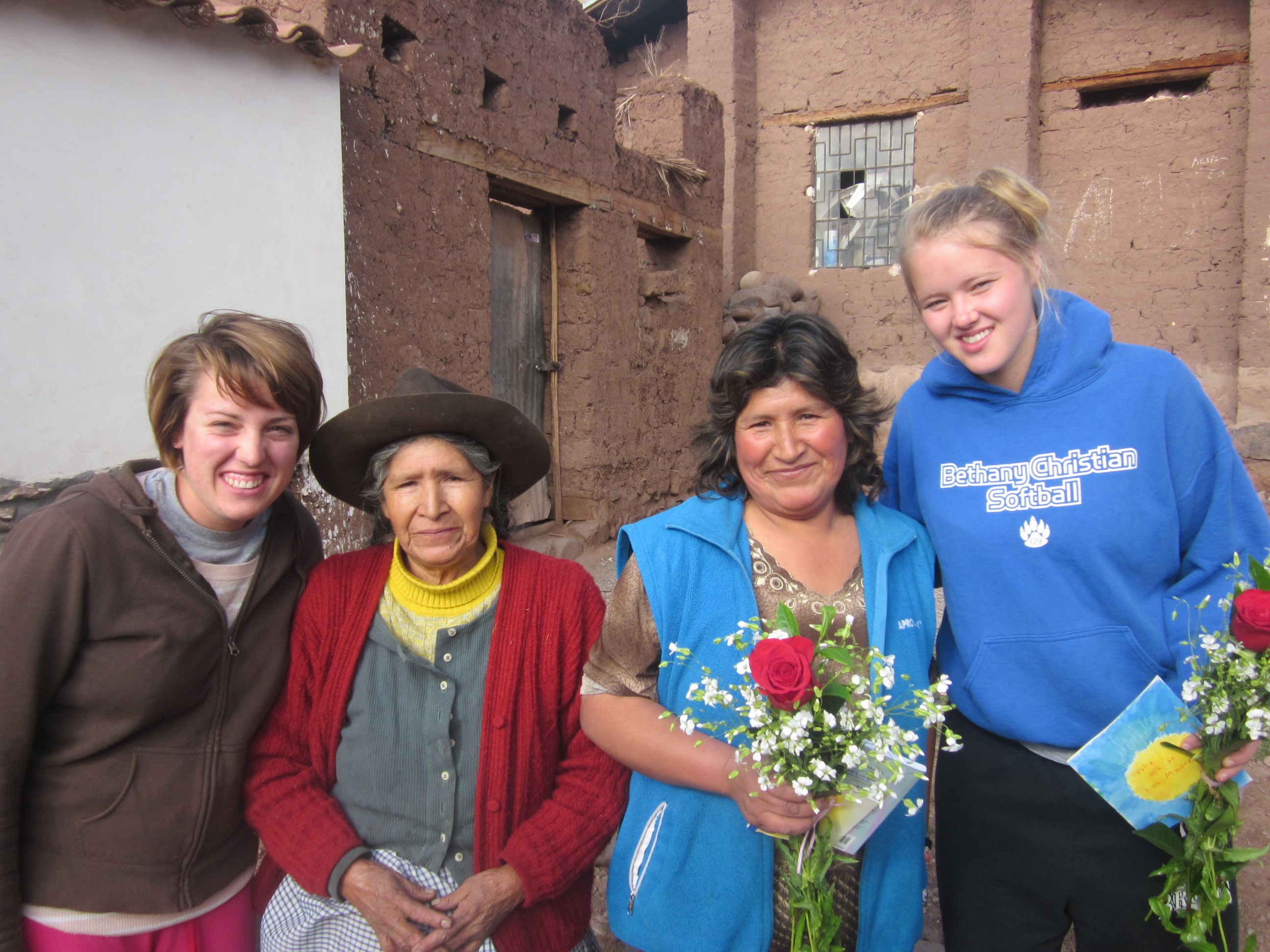
On the second Sunday of May the Day of the Mothers is celebrated in a great part of the world. In some countries it calls itself Day of the Mother to this holiday, but in all it has the same meaning. Although it is a question of a love that is evident or must be evident during the whole year, in this occasion a special moment is assigned to honor them. When this chronicler was a child, we all in this day were going out to the street taking a red or white carnation, as we had the living or dead mother. The men, in the revers and the women, in the blouse. These carnations, at least in Cuba, stopped being seen in the last decades and passed to a few postcards with allegorical motives that the recipient receives punctually in the date. The love follows the mother being evident and, beyond the proper mother, one extends all the women that we love or whom gratitude bonds join to us, have children or not. It is like another Day of the Woman, but more intimate. In the previous days, the shops do its August since nobody wants to honor its progenitora with the empty hands, although to her the alone gift is enough a kiss to her. And those who have her dead, come to the cemetery. In this date, the flowers become exhausted, the restaurants become saturated, there is carried out finally that visit always postponed to the old and distant aunt and the transport becomes unbearable.
IMG_6343

The celebration of Mother’s Day originated in the United States. The North American Anna Jarvis created in Philadelphia an association to impel it. To the beginning, the new organization scarcely was warned and its intention, ignored, but it did not spend a lot of time so that any partial successes were already noted down since in 1914 several states of the Union, following its recommendations, they did local holiday the day and the House of Representatives recommended that to be observed by the members of two co-legislative bodies of the Congress, as well as for the first chief of the nation. In three or four more years the initiative was generalized in the United States and began making way for him in the face of the world.

It came much early to Cuba. And here there becomes essential the mention of that protein and tireless journalist who was Víctor Muñoz, because he pleaded before nobody because the Day of the Mothers began to be celebrated in the Island. It did it in its column “Along with The Acropolis” that, with the Attaché’s pseudonym, The World was publishing in the newspaper, of Havana. It titled to this page “My white carnation”.

Muñoz was a proprietor of an extraordinary humorous seam and he was reviewing the baseball games between Cuba and the United States like a competition in which the nascent Republic was justifying its right to life. It was encouraging in its comments the Cuban victory as a question of national sovereignty.

hjk

Under the pseudonym of ‘Frangipane’, Muñoz was the creator of the Cuban sports page. His column “The Week” in the Sunday edition of El Mundo, was leidísima, as already alluded to “Along the Capitol”.

The Capitol along with which Víctor Muñoz was writing was supposedly that of Washington. The readership believed that before that page so lucid and spontaneous, full of novel information that seemed written from the shores of the Potomac. In fact, the chronicler, with the help of the cable and of the North American publications that it was collecting, he was writing its section in the proper writing of The World. There, bearing in mind its excessive corpulence that was making it sweat to seas, the director of the newspaper had arranged for him a private room, he was located in the roof, where Víctor Muñoz was doing its work in briefs.

The idea of Muñoz did not fall down in the gap and already in 1920 impelled by a group of young people with social and intellectual worries, the Day of the Mothers was celebrated in Cuba for the first time. It was in Santiago de las Vegas, city of the south of the Cuban capital.

Months later, in the elections of November 1, 1920, Muñoz was an elect councilman for the Town hall of Havana, and in this Chamber, the newly released town councilor proposed, on April 22, 1921, that the holiday to be instituted in the municipality of Havana. It is not until 1928 when the House of Representatives, at the proposal of Pastor del Río, approves, with law character, its national celebration.

Víctor Muñoz had already died, in 1922.

Sources: CiroBianchiRoss / InternetPhotos / www.thecubanhistory.com
Mother’s Day / Dia de las Madres
The Cuban History, Arnoldo Varona, Editor
valle (6)

EL DIA DE LAS MADRES

14

El segundo domingo de mayo se celebra en buena parte del mundo el Día de las Madres. En algunos países se llama Día de la Madre a esa fiesta, pero en todos tiene el mismo significado. Aunque se trata de un amor que se manifiesta o debe manifestarse durante todo el año, en esa ocasión se destina un momento especial para honrarlas. Cuando este cronista era niño, todos en esa jornada salíamos a la calle llevando un clavel rojo o blanco, según tuviésemos a la madre viva o muerta. Los hombres, en la solapa y las mujeres, en la blusa. Esos claveles, al menos en Cuba, dejaron de verse en las últimas décadas y dieron paso a unas tarjetas postales con motivos alegóricos que la destinataria recibe puntualmente en la fecha.

El amor a la madre sigue manifestándose y, más allá de la madre propia, se extiende a todas las mujeres que amamos o a las que nos unen lazos de gratitud, tengan hijos o no. Es como otro Día de la Mujer, pero más íntimo. En los días previos, las tiendas hacen su agosto pues nadie quiere homenajear a su progenitora con las manos vacías, aunque a ella le baste el regalo solo un beso. Y los que la tienen muerta, acuden al cementerio. En esa fecha, las flores se agotan, se abarrotan los restaurantes, se lleva a cabo al fin aquella visita siempre pospuesta a la tía vieja y lejana y el transporte se hace insufrible.

IMG_6343

La celebración del Día de las Madres surgió en Estados Unidos. La norteamericana Anna Jarvis creó en Filadelfia una asociación para impulsarla. Al comienzo, la nueva organización apenas fue advertida y su propósito, ignorado, pero no pasó mucho tiempo para que se anotara algunos éxitos parciales pues ya en 1914 varios estados de la Unión, siguiendo sus recomendaciones, hicieron fiesta local el día y la Cámara de Representantes recomendó que fuera observado por los miembros de los dos cuerpos colegisladores del Congreso, así como por el primer mandatario de la nación. En tres o cuatro años más la iniciativa se generalizó en Estados Unidos y empezó a abrirse paso en la faz del mundo.

Llegó muy temprano a Cuba. Y aquí se hace imprescindible la mención de aquel periodista proteico e incansable que fue Víctor Muñoz, porque él abogó antes que nadie porque el Día de las Madres comenzara a celebrarse en la Isla. Lo hizo en su columna “Junto al Capitolio” que, con el seudónimo de Attaché, publicaba en el periódico El Mundo, de La Habana. Tituló a esa página “Mi clavel blanco”.

hjk

Muñoz era dueño de una veta humorística extraordinaria y reseñaba los juegos de béisbol entre Cuba y Estados Unidos como una competición en que la naciente República justificaba su derecho a la vida. Alentaba en sus comentarios el triunfo cubano como una cuestión de soberanía nacional.

Con el seudónimo de Frangipane, Muñoz fue el creador de la crónica deportiva cubana. Su columna “La Semana” en la edición dominical de El Mundo, fue leidísima, al igual que ya aludida “Junto al Capitolio”.

El Capitolio junto al cual escribía Víctor Muñoz era supuestamente el de Washington. Eso creían los lectores ante aquella página tan lúcida y espontánea, llena de informaciones novedosas que parecía escrita desde las orillas del Potomac. En realidad, el cronista, con la ayuda del cable y de las publicaciones norteamericanas que allegaba, escribía su sección en la propia redacción de El Mundo. Allí, en atención a su gordura desmedida que lo hacía sudar a mares, el director del diario había dispuesto para él una habitación privada, ubicaba en la azotea, donde Víctor Muñoz hacía su trabajo en calzoncillos.

La idea de Muñoz no cayó en el vacío y ya en 1920, impulsado por un grupo de jóvenes con inquietudes sociales e intelectuales, se celebraba en Cuba por primera vez el Día de las Madres. Fue en Santiago de las Vegas, ciudad del sur de la capital cubana.

Meses más tarde, en las elecciones del 1 de noviembre de 1920, Muñoz fue electo concejal por el Ayuntamiento de La Habana, y en esa Cámara, el recién estrenado edil propuso, el 22 de abril de 1921, que la fiesta se instituyera en el municipio habanero. No es hasta 1928 cuando la Cámara de Representantes, a propuesta de Pastor del Río, aprueba, con carácter de ley, su celebración nacional.

Ya Víctor Muñoz había muerto, en 1922.

Sources:CiroBianchiRoss/InternetPhotos/www.thecubanhistory.com
Mother’s Day / Dia de las Madres
The Cuban History, Arnoldo Varona, Editor
Cuba Today: NAMES OF CHILDREN are causing problems for their parents * Nombres de niños causan problemas a sus padres

MANAGUA, HAVANA.- Call their children with names of foreign leaders, has become a problem for Felipe Ordoñez Borjes, who is now separated from his work, and says he is discriminated and monitored.

Clinton twelve years, Daila Thatcher nine and Dian Obama of three months old, are the cause for this father of 51, and a native of the province of Guantanamo, Cuba claims that there is no freedom even to choice the name of your children.

“When we went to enroll Clinton the employee’s record said she did not want it and told me to go back to the house. Then I said I did not care if you do not want to recognize that name as I would call it that. After three months I was sent for, and then I could enroll Clinton.

“When I went to enroll Obama the girl also got a temper and said, ‘But who is the fool that wants to put that name to the child? At the end I could register well ”

Obama-Clinton-y-Tacher-300x200

Orduñez Borjes said the inspiration to call their children with those names, was an identification with the system where you can live in freedom.

“When Clinton was three, Thatcher was born when I was fired from work. I worked as a driver in the dairy complex. And because of some packets carrying coworkers, who rode with me every day, I get punished also, like them, with the loss of employment.

“I claimed and went to trial. My boss said he was sure that I had nothing to do with the crime he was being charged to my colleagues, but I sanctioned by letting them ride the vehicle packages.

“After that I claimed the Communist Party, the Central de Trabajadores de Cuba (CTC). When I was in the claims process was assaulted in a house in the village of Cotorro. They put a gun to his head and took away all the belongings. They threatened to kill him if he reported the case. As soon as I leave the place I went to the police. They lingered an hour to act. When we got home there was nobody.

The police told me to go the next day, it turned out that the house was rented and the owner did not know the people. So I think it was all a thing prepared.

In those days, a police officer told me that he had been sent to watch me and that was like a month around my house. ”

But setbacks for Philip now compounded when to insist on regaining his old job, the boss said that it is not reliable at the center because of the names their children have.

“The head of transport, Rafael de la Paz, tells me that I am not reliable. When asked why he replied: “What I do not understand is if you have three children named after presidents, go to the U.S. and tell Obama you buy a truck there.”

I replied. I would not, but millions of Cubans to go to work in the United States, as the situation we have here is very difficult. ”

Work from Philip who says it’s a boy to help his family, says that when he arrived at the Havana realized that living in his native province with 200 years overdue.

Now they are trying to finish the house that has more than a decade under construction, but thinks that with the birth of little Obama, things can get even more difficult for the family.

Sources: CubaPrensaLibre/Amarilis C. Rey/InternetPhoto
www.thecubanhistory.com
Names of children are causing problems for their parents
The Cuban History, Arnoldo Varona, Editor

Amarilis-C-Rey150
Amarilis C. Rey es periodista indepenciente y miembro de APLP

paisaje-23-3

NOMBRE DE LOS HIJOS CAUSAN PROBLEMAS A SUS PADRES.

MANAGUA, LA HABANA.- Llamar a sus hijos con nombres de mandatarios de países extranjeros, se ha convertido en un problema para Felipe Orduñez Borjes, quien hoy está separado de su puesto laboral, y asegura sentirse discriminado y vigilado.

Clinton de doce años, Daila Tatcher de nueve y Dian Obama de tres meses, son la causa para que éste padre de 51 años, y oriundo de la provincia de Guantánamo, afirme que en Cuba no existe libertad ni para escoger como llamar a los hijos.

“Cuando fuimos a inscribir a Clinton la empleada del registro no quería y me dijo que me fuera para la casa. Entonces le contesté que no me importaba si no lo querían reconocer con ese nombre pues yo lo seguiría llamando así. A los tres meses me mandaron a buscar y fue cuando pude inscribir a Clinton.

“Cuando fuimos a inscribir a Obama la muchacha también puso mal carácter y preguntó: ¿Pero quien es el loco ese que le quiere poner este nombre al niño? Al final lo pude registrar así”

Obama-Clinton-y-Tacher-300x200

Orduñez Borjes comentó que la inspiración para llamar a sus hijos con esos nombres, fue una identificación con el sistema donde se puede vivir en libertad.

“Cuando Clinton tenía tres años, nació Tatcher y fue cuando me botaron del trabajo. Yo trabajaba como chofer en el complejo lácteo. Y por culpa de unos paquetes que llevaban compañeros de trabajo, que montaban todos los días conmigo, fui sancionado también, al igual que ellos, con la pérdida del empleo.

“Reclamé y fui a un juicio. Mi jefe dijo estar seguro que yo no tenía nada que ver con el delito que le estaban imputando a mis compañeros, pero se me sancionaba por permitirles subir al vehículo los paquetes.

“Después de aquello reclamé al Partido Comunista, a la Central de Trabajadores de Cuba (CTC). Cuando estaba en el proceso de reclamación fui asaltado en una casa en el poblado del Cotorro. Me pusieron una pistola en la cabeza y me quitaron todas las pertenencias. Me amenazaron con matarme si denunciaba el caso. En cuanto pude salir del lugar fui a la policía. Se demoraron como una hora para actuar. Cuando llegamos a la casa no había nadie.

La policía me dijo que fuera al día siguiente, resultó que la casa estaba alquilada y el propietario no conocía a las personas. Por lo que pienso que todo fue una cosa preparada.

Por aquellos días un agente policial me confesó que lo habían mandado a vigilarme y que estuvo como un mes rondando mi casa.”

Pero, los contratiempos para Felipe se agravan ahora cuando al insistir en recuperar su antiguo empleo, el jefe le manifiesta que no es confiable en ese centro debido a los nombres que llevan sus hijos.

“El jefe de transporte, Rafael de la Paz, me dice que yo no soy confiable. Al preguntarle por qué me responde: “Lo que no me explico es si tú tienes tres hijos con nombres de presidentes; vete para los Estados Unidos y dile a Obama que te compre un camión allá”.

Le respondí. No quisiera yo, sino millones de cubanos poder ir a trabajar a los Estados Unidos, pues la situación que tenemos aquí es bien difícil.”

Felipe quien dice trabajar desde que es un niño para ayudar a su familia, afirma que cuando llegó a la Ciudad de la Habana comprendió que en su natal provincia viven con 200 años de atraso.

Ahora trata de terminar la vivienda que lleva más de una década en construcción, pero piensa que con el nacimiento del pequeño Obama, las cosas se pueden poner aún más difíciles para la familia.

Sources: CubaPrensaLibre/Amarilis C. Rey/InternetPhoto
www.thecubanhistory.com
Names of children are causing problems for their parents
The Cuban History, Arnoldo Varona, Editor

Amarilis-C-Rey150
Amarilis C. Rey es periodista indepenciente y miembro de APLP

Opinion: WILL THE PORT OF EL MARIEL be able to compete? * Podrá competír el Puerto del Mariel ?

OPINION: BIG BETTING, BIG RISKS

Will the Port of Mariel in Cuba be able to compete with other ports in the region if the government(Cuba) does not normalize its relations with the U.S.?

If you would set a monetary value on the opportunities that Cuba has lost for not inserted in the changes that have occurred for years in industrial and technological world, sure the resulting amount would be surprising. And although it is possible to board the train of globalization at any time, the faster the better. Making it again to make a more efficient and internationally competitive, although a possible target, not something that is achieved overnight.

mariel090513 (DDC Photo)

Currently Cuba is on the verge of a moment of opportunity for these to be seized. According to forecasts by the Panama Canal Authority, and expansion works would be completed by 2015. Once built the third set of locks, the canal will allow the transit of mega (post-Panamax) that have the capacity to carry up to 12,600 containers, as opposed to passing now, with capacity for 4,500 only. One of the first consequences will be more time and cost savings in international transport.

Opportunities and challenges

Panama and the Dominican Republic are ahead, as they have ports capable of receiving these ships and have direct services to and from Asia, but other countries are already implementing projects to compete, including Cuba.

The port of Mariel is one of the cards that we Cubans have to insert ourselves into a new dynamic. The scheme works on an ambitious expansion plan and restoration of the port of Havana. To finance the work, Brazil has awarded a multimillion Havana line of credit, while the Brazilian construction company Odebrecht, in partnership with a company linked to the Cuban Army, is responsible for engineering and construction works.

ppppo

Clearly, the funding and the adequacy of the port will not be obstacles to the regime, but they only represent the first step in a process whose main goal or idea is to make the project viable and competitive. Meta difficult if not before Cuba becomes a normal country, ie able to have full and reliable business relations with other countries, especially the United States, plus they do have competitors in the region.

Suppose Cuba get to have, among other things, good infrastructure (ports, terminals, roads, etc..) Competitive service costs, enabling transparent regulations and merchandise flows … Mariel Will compete with other ports if the country not have normal access to the United States, as have their neighbors in the area?

To cite one example, “The Cuban Assets Control Regulations” includes among its prohibitions that vessels entering Cuba in commerce of goods or services, may not enter a U.S. port to load or unload merchandise to 180 days after have left the island as this, there are other prohibitions that affect not only the possible success of the activity or port logistics Cuba, but also to future projects such as the Special Zone Development called Mariel.

The promoters of the initiative should make a move if you do not want to throw the money you have invested.

Probably in the next two years live an important turning point in the relations between Cuba and other countries. It remains to be seen whether these processes will have a reflection on the domestic situation. This will depend largely on the demands of other governments. Perhaps the only certainty is that today we have the need to diversify the economic and political ties to the island with other countries is growing.

EDITOR PHOTOS: aaq367520-assata-shakur-closeup34730_10151637528960955_1211100569_n

Some say that it would not be the first time the regime insists on a project doomed to failure. However, seeing how the thing in Venezuela, and in the absence of a country willing to subsidize Havana, it is unlikely that this is a luxury that can be Cuban project promoters. Neither foreign partners, however long-term bet.

Sources: DDC/YaxysCires/Excerpt/InternetPhotos/www.thecubanhistory.com
Will the Port of Mariel in Cuba be able to compete?
The Cuban History, Arnoldo Varona, Editor

paisaje-cubano-edit-1-4-1

OPINION: GRANDES APUESTAS, GRANDES RIESGOS

¿Podrá competir el Mariel con otros puertos de la región si el Gobierno (Cuba) no normaliza sus relaciones con EEUU?

Si le asignáramos un valor monetario a las oportunidades que Cuba ha perdido por no insertarse a tiempo en los cambios que desde hace años ocurren en el campo industrial y tecnológico a nivel mundial, seguro que el monto resultante sería sorprendente. Y aunque existe la posibilidad de subir al tren de la globalización en cualquier momento, mientras más rápido se haga, mejor. Aprovechar lo nuevo para hacer un país más eficiente y competitivo a nivel internacional, aunque es un objetivo posible, no es algo que se logre de la noche a la mañana.

mariel090513

Actualmente Cuba se encuentra a las puertas de un momento de oportunidades de esos que hay que aprovechar. Según los pronósticos de la Autoridad del Canal de Panamá, las obras de ampliación ya estarían concluidas para el 2015. Una vez construido el tercer juego de esclusas, el canal permitirá el tránsito de megabuques (post-Panamax) que cuentan con capacidad para transportar hasta 12.600 contenedores, a diferencia de los que transitan ahora, con capacidad solo para 4.500. Una de las primeras consecuencias será un mayor ahorro en costes y tiempo en el transporte internacional.

Oportunidades y retos

Panamá y República Dominicana llevan la delantera, pues cuentan con puertos capaces de recibir esos buques y tienen servicios directos hacia y desde el continente asiático; sin embargo, ya hay otros países que realizan proyectos para poder competir, Cuba entre ellos.

El puerto del Mariel es una de las cartas que tenemos los cubanos para insertarnos en una nueva dinámica. El régimen trabaja en un ambicioso plan de ampliación y restauración de este puerto habanero. Para la financiación de las obras, Brasil ha otorgado a La Habana una multimillonaria línea de crédito, mientras la empresa constructora brasileña Odebrecht, en asociación con una empresa ligada al ejército cubano, se encarga de las obras de ingeniería y construcción.

ppppo

Es evidente que la financiación y la adecuación del puerto no serán escollos para el régimen, pero estas solo representan el primer paso de un proceso cuya principal meta o idea es lograr que el proyecto sea viable y competitivo. Meta difícil de alcanzar si antes Cuba no se convierte en un país normal, es decir, capaz de tener relaciones comerciales plenas y confiables con otros países, en especial con Estados Unidos, ventaja que sí tienen sus competidores en la región.

Supongamos que Cuba llegue a tener, entre otras cosas, buenas infraestructuras (puertos, terminales, carreteras, etc.), costes de servicios competitivos, regulaciones transparentes y facilitadoras de los flujos de mercancía… ¿Podrá competir el Mariel con otros puertos si el país no tiene un acceso normal a Estados Unidos, tal y como tienen sus vecinos del área?

Por citar un ejemplo, “The Cuban Assets Control Regulations” recoge entre sus prohibiciones que los buques que entren a Cuba en actividades de comercio de bienes o servicios, no podrán entrar a un puerto de EEUU para cargar o descargar mercancía hasta 180 días después de haber salido de la Isla. Como esta, hay otras prohibiciones que afectan no solamente al posible éxito de la actividad logística o portuaria cubana, sino también a proyectos futuros como el de la llamada Zona Especial de Desarrollo del Mariel.

Los promotores de la iniciativa deberán mover ficha si es que no quieren tirar el dinero que han invertido.

Probablemente, en los dos próximos años vivamos un importante punto de inflexión en las relaciones de Cuba con otros países. Está por ver si estos procesos tendrán un reflejo en la situación interna. Ello dependerá en gran medida de las exigencias de otros gobiernos. Quizás la única certeza que hoy podemos tener es que la necesidad de diversificar los vínculos económicos y políticos de la Isla con otros países será creciente.

EDITOR PHOTOS: aaq367520-assata-shakur-closeup34730_10151637528960955_1211100569_n

Hay quienes dicen que no sería la primera vez que el régimen se empeña en un proyecto condenado al fracaso. Sin embargo, viendo cómo está la cosa en Venezuela, y ante la inexistencia de un país dispuesto a subsidiar a La Habana, es difícil que este sea un lujo que puedan darse los promotores cubanos del proyecto. Tampoco sus socios extranjeros, por muy a largo plazo que apuesten.

Sources: DDC/YaxysCires/Excerpt/InternetPhotos/www.thecubanhistory.com
Would it be able to compete the Port of Mariel?
The Cuban History, Arnoldo Varona, Editor