

Sources: Zona5/829.Net/youtube/TheCubanHistory.com
Automobiles in Cuba/ The Cuban History/ Arnoldo Varona, Editor
Monthly Archives: September 2012
LETTERS FROM CUBA * Cartas desde Cuba. Imagenes y Semejanza.
Important Cuban intellectuals just warn about the sexist and macho themes songs massively spread on the island, something that apparently the Cuban Institute of Radio and Television would not have noticed.
Surely in the ICRT were busy decrying the video clip of the duo Buena Fe, where two girls kissing at the mouth, an image that ultimately agreed to issue despite the burden “sinful” it contained.
But the issue of songs or video clips in Cuba also responds to a market logic, it is no secret that some bands pay-in-cash or benefits for his music has a greater dissemination through radio and TV.
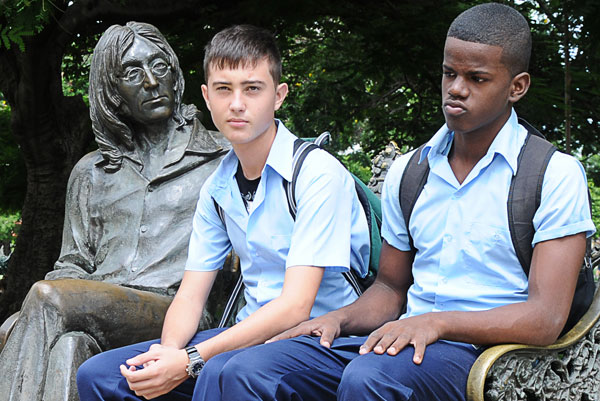 For decades, The Beatles were banned in Cuba, now a statue of John Lennon adorns a Havana park named after him. (Photo: Raquel Perez)
It is in this context that the Council of the Union of Writers and Artists (UNEAC) claims that in Cuba “the music that makes up the soundscape unfortunately presents an obvious lack of values resulting in a wide range of vulgarity.”
However, the music and lyrics are a reflection of the culture and values of a people or at least a part of it. And even if a virus is inoculated from abroad in Cuba clearly found his “breeding ground”.
Is that the vulgarity of the lyrics in the songs was present on the island long before the arrival of reggaeton. Some Cuban salsa groups had already paved the way, shaping attitudes with a double meaning as obvious as foul.
Openly promoting prostitution, a very popular song by Cuban salsa orchestra encourages older girls to sleep with these keep them, buy them jewelry, home, car and carry stores.
Go so far as to say that this is the life that the girls had to have, and caricaturing the verses of Nicolas Guillen, the national poet. Not reggaetón, was not written by teenagers, the broadcast media and the celebrated adults.
The fact that so many people dancing and singing these songs shows that something is wrong in the formation of cultural values. But the solution of a problem of this magnitude will not come attacking the effects but the causes that generate it.
The central question should not be how institutions can prevent young people hear those songs? but how do you work for Cubans culturally-regardless of age-reject songs macho, sexist or vulgar?
Before blaming the boys and girls, the generations that precede them should assume their responsibilities, each has a ruler, as an intellectual, an artist, a teacher and even as a parent.
Culture and youth subcultures are a direct product of their training, the education system of the nation, the family, the books they read or not read, the movies they watch and the power of decision have on their lives.
Youth is the daughter of their time and their environment. This is where you have to influence before imposing legal rules, as already announced by the Cuban Institute of Music. The ban will only serve to victimize and inflame those musical expressions of adolescent rebellion.
A twenty-something told me to “put legal obstacles to the use of music is a nonsense as it was the ban on The Beatles in the ’60s.” It reminded me that the generation of their parents and showed that youth does not comply with laws on “uses of music.”
Society should wonder how much of that vulgarity, sexism, sexism and vulgarity are present, more or less veiled, in the criteria imposed by previous generations in subjects such as sex, gender, fashion, art, race or tolerance.
Young people need more social space prohibitions. And they need in music, ballet, film, literature and politics. They need space to design a nation with which to identify, that is closest to his generation and his time.
A good bet would be to give a voice to create ethical and aesthetic values that make up the nation’s cultural heritage. Why try to impose a training “in the image and likeness” of their parents and grandparents is something that it did not work or God.
Sources: LettersFromCuba/FernandoRavsberg/BBC/UK/TheCubanHistory.com
A Imagen y Semejanza/The Cuban History/ Arnoldo Varona, Editor
CARTAS DESDE CUBA
A IMAGEN Y SEMEJANZA
Importantes intelectuales cubanos acaban de alertar sobre el contenido sexista y machista de algunas canciones difundidas masivamente en la isla, algo que al parecer el Instituto Cubano de Radio y Televisión no habría notado.
Seguramente en el ICRT estaban muy ocupados censurando el video clip del dúo Buena Fe, donde aparecen dos chicas dándose un beso en la boca, una imagen que al final aceptaron emitir a pesar de la carga “pecaminosa” que contenía.
Pero la emisión de canciones o video clips en Cuba también responde a una lógica de mercado, para nadie es un secreto que algunos grupos musicales pagan -en efectivo o con prestaciones- para que su música tenga una mayor divulgación a través de la radio y la TV.
Durante décadas The Beatles estuvieron prohibidos en Cuba, hoy una estatua de John Lennon adorna un parque de La Habana que lleva su nombre. (Foto: Raquel Pérez)
Es en ese contexto que el Consejo de la Unión de Escritores y Artistas (UNEAC) denuncia que en Cuba “la música que conforma el entorno sonoro presenta lamentablemente una evidente carencia de valores que deriva en una amplia gama de vulgaridades”.
Sin embargo, la música y las letras de las canciones son un reflejo de la cultura y los valores de un pueblo o por lo menos de una parte de él. Y aunque fuera un virus inoculado desde el extranjero es evidente que en Cuba encontró su “caldo de cultivo”.
Es que la vulgaridad de las letras en las canciones estaba presente en la isla mucho antes de que llegara el reggaetón. Algunos grupos salseros cubanos ya habían allanado el camino, moldeando mentalidades con un doble sentido tan evidente como soez.
Promoviendo abiertamente la prostitución, la canción de una muy popular orquesta de salsa cubana recomienda a las muchachas acostarse con viejos para que estos las mantengan, les compren joyas, casa, coche y las lleven a las tiendas.
Llegan al extremo de decir que esa es la vida que las chicas tenían que tener, caricaturizando así los versos de Nicolás Guillén, el poeta nacional. No es reggaetón, no fue escrita por adolescentes, los medios la difundieron y los adultos la festejan.
El hecho de que tanta gente baile y cante esas canciones demuestra que algo no funciona bien en la formación de valores socioculturales. Pero la solución de un problema de esa magnitud no surgirá atacando los efectos sino las causas que lo generan.
La pregunta medular no debería ser ¿cómo las instituciones pueden impedir que los jóvenes oigan esas canciones? sino ¿cómo trabajar culturalmente para que los cubanos -sin importar la edad- rechacen las canciones machistas, sexistas o vulgares?
Antes de culpar a los muchachos y muchachas, las generaciones que los preceden deberían asumir sus propias responsabilidades, las que cada uno tiene como gobernante, como intelectual, como artista, como maestro e incluso como padre o madre.
La cultura y subculturas de los jóvenes son producto directo de la formación que reciben, del sistema educativo de la nación, de la familia, de los libros que leen o de los que no leen, de las películas que ven y del poder de decisión que tienen sobre sus vidas.
La juventud es hija de su tiempo y de su entorno. Es allí donde hay que influir antes de imponer normas jurídicas, como las ya anunciadas por el Instituto Cubano de la Música. La prohibición solo servirá para victimizar esas expresiones musicales e inflamar la rebeldía de los adolescentes.
Un veinteañero me dijo que “poner trabas legales al uso de la música es una bobería como lo fue la prohibición de The Beatles en los 60”. Me recordó que la generación de sus padres ya demostró que la juventud no acata leyes sobre los “usos de la música”.
La sociedad debería preguntarse cuanto de esa chabacanería, sexismo, machismo y vulgaridad están presentes, de forma más o menos velada, en los criterios impuestos por anteriores generaciones en temas como el sexo, género, moda, arte, raza o tolerancia.
Los jóvenes necesitan más espacio social que prohibiciones. Y lo necesitan en la música, en el ballet, en el cine, en la literatura y en la política. Necesitan espacio para diseñar una nación con la que identificarse, que se parezca más a su generación y a su tiempo.
Una buena apuesta sería darles voz y voto para crear los valores éticos y estéticos que conforman el patrimonio cultural de la nación. Porque tratar de imponer una formación “a imagen y semejanza” de sus padres y abuelos es algo que no le dio resultado ni a Dios.
Sources: LettersFromCuba/FernandoRavsberg/BBC/UK/TheCubanHistory.com
A Imagen y Semejanza/The Cuban History/ Arnoldo Varona, Editor
RÓMULO GALLEGOS: Cuba and México, Two novels. (Photos) * * RÓMULO GALLEGOS: Cuba y México, Dos novelas. (Fotos).
RÓMULO GALLEGOS: CUBA Y MÉXICO, DOS NOVELAS.
El privilegio de contribuir a hacer historia no pertenece tan sólo a los revolucionarios como muchos en nuestras agobiadas sociedades parecen creer. Un hombre de moderación, de sentir pacífico puede influir enormemente en el destino de su pueblo. Es el caso del novelista, maestro y político venezolano Rómulo Gallegos, una de las más recias y conocidas figuras del criollismo latinoamericano.

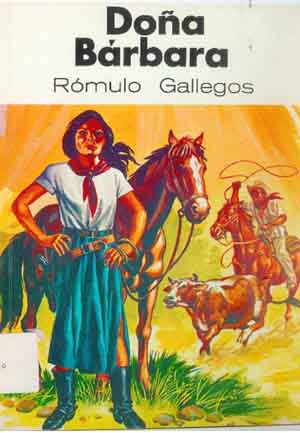
Como novelista, Gallegos sentó los principios estéticos del regionalismo hispanoamericano. En sus novelas hay una comprometida confrontación, una fiera lucha, entre la barbarie y la cultura, la civilización misma. En sus obras describió costumbres, tradiciones y el duro bregar del hombre en el medio donde existe. Una de sus reconocidas novelas, “Doña Bárbara” (1929), que le hiciera famoso internacionalmente, traduce en expresión aquel simbolo de barbarismo que Venezuela sintió debía llegar antes del despertar de sus ansias dormidas de liberación. En sus novelas “Cantaclaro”, “El forastero”, “La trepadora”, “Pobre negro”, “Canaima” y “Reinaldo Solar”, la fuerza de la jungla, la guerra civil, el poder del salvajismo y la lucha del hombre ante la naturaleza humana son temas centrales.
En febrero de 1948 es elegido Rómulo Gallegos a la Presidencia de Venezuela por un periodo legítimo de sólo 11 meses al ser derrocado por un golpe militar en noviembre de 1948. Después de un corto período en la cárcel se le envía al exilio, llegando a Cuba el 5 de diciembre. El país le dispensa una calurosa bienvenida; el pueblo cubano honraba a una personalidad singular, maestro, político y escritor. Su presencia llenó de orgullo a la nación gobernada en ese entonces por un gobierno civil democrático. Como hábil escudriñador de realidades, en pocos meses, el novelista comienza a recoger datos de las particulares circunstancias cubanas de aquel entonces.
http://vimeo.com/5835957
Su novela cubana, “La brizna de paja en el viento”, usó como tema central la desviación hacia el pistolerismo de parte del estudiantado cubano despues del derrocamiento del dictador Machado. A la huida de éste hubo jóvenes que no pudieron adaptarse a la paz, se habían enviciado en la tensión que representa el peligro de jugar con la vida y con la muerte. Tremendas contradicciones entre ideales de justicia social y manifestaciones de caudillismo y totalitarismo político que han durado hasta nuestros días y fueron producto de esa etapa que tan bien narró el novelista venezolano. Principales personajes en la novela cubana de Gallegos son Justo Rigores, “El Caudillo”, ex combatiente de los grupos de acción antimachadistas, adherido a la universidad y en el que no existía ya espíritu ni propósito noble y justiciero; Juan Luis Marino, hijo de guajiros honrados que ingresa en el centro de estudio creyendo en él necesario sacrificio. Rigores se propone usar con fines bastardos el ansia de justicia y la sed de sacrificio del estudiante guajiro. Hijos de la realidad cubana surgen en la novela un buen número de personajes; la rumbera Clorinda, que vuelca en la santería sus confusas aspiraciones sentimentales; el profesor Rogelio Lucientes y los Azcárate, familia latifundista entre cuyos miembros se destaca Florinda, de quien Juan Luis se enamora; a éste le corresponde en la novela el título “brizna de paja en el viento”. El autor en su novela cubana insiste en la eterna lucha entre el bien y el mal. Como en todas sus novelas, al final triunfa el bien quedando el idealismo del profesor Lucientes como un simbolo de renovación.

La novela mexicana
Durante su exilio en México, en la misma forma en que lo habían tratado en Cuba y otros países que visitó, sus autoridades y pueblo en general hubieron de entregar a Rómulo Gallegos el reconocimiento pocas veces dispensado a un político extranjero; buenos amigos mexicanos contribuyeron a este merecido honor. Numerosas conferencias en universidades del país elevaron su figura no sólo ante la élite política que lo consideró uno de los suyos, sino ante la juventud mexicana que llegó a admirarlo en toda su dimensión intelectual y humana. Algunos de los estudiosos de las obras galleguianas han mostrado un cierto sentido de misterio por la cancelación en varias ocasiones de su última novela sobre la realidad mexicana, “La brasa en el pico del cuervo”, pospuestas según conocedores por sentirse entraba de lleno dentro de temas y conflictos mexicanos relacionados con la Reforma Agraria en aquel entonces.
La obra finalmente fue publicada después de su muerte; ésta, su novela póstuma, expone de nuevo la lucha encarnizada entre la civilización y la barbarie, esta vez en la cotidiana experiencia del campo mexicano. Al igual que otros personajes en sus narraciones como Marcos Vargas o Demetrio Montiel, los Orozcos y los Gracián, éstos vuelven a brotar, esta vez en los campos agrícolas y haciendas de Michoacán y Morelia. El autor reafirma lo que había observado en Cuba y otros lugares; que la realidad de Venezuela, con alguna que otra variante, era la misma que la del resto del continente.
Gallegos se da cuenta de que somos el todo de un mismo drama, realidad tan cruda y atropellada que a veces desborda la capacidad y la fe de nuestros sufridos pueblos. En muchas de sus novelas, el escritor, con su visión magisterial, civilista y paciente, sueña a través de sus personajes en la realización de grandes obras. Una y otra vez trata de ordenar el caos.
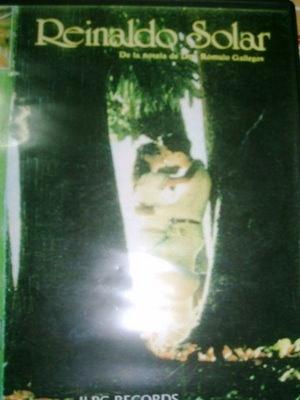
Reinaldo, personaje de su novela “Reinaldo Solar” —al igual que numerosos de nuestros amigos y compañeros cubanos en la vida real que todo lo han sacrificado por el bien común— despierta una mañana para darse cuenta de que la hora de los suyos ya ha pasado. A ratos se excita ante una aparente posibilidad de un despertar nacional, pero la euforia revolucionaria carece de continuidad. Se espera más de “un milagro” que de la ardua tarea de todos los días. Carencia de una voluntad paciente. En la novela, Reinaldo, que llega de un inútil y largo camino, escucha de una nueva revolución en marcha y exclama: “Este mal es incurable, está en la sangre, somos incapaces para la obra paciente y silenciosa. Queremos hacerlo todo de un golpe; por eso nos seduce la forma violenta de la revolución armada. La incurable pereza nacional nos impulsa al esfuerzo violento capaz del heroísmo, pero rápido, momentáneo. ¡Todo o nada! Pueblo que sabe arriesgar la vida, pero que es absolutamente incapaz de consagrarla a una empresa tesonera. Al fin nos quedamos sin nada”.
En la novela y, a pesar de la contradicción, Reinaldo se lanzó a la lucha armada.
Como un espejo de nuestras realidades. ¡Se quedará sin nada!
© Arnoldo Varona/InternetPhotos/www.TheCubanHistory.com
Romulo Gallegos: Cuba and Mejico, Two Novels
The CubanHistory, Hollywood.
Arnoldo Varona, Editor
Foto por Cecilia Habanera – Desde Baracoa, Guantanamo, Cuba.

ROMULO GALLEGOS: CUBA AND MEXICO,TWO NOVELS.
The privilege of helping to make history not only belongs to the revolutionaries as many in our society seem to feel overwhelmed. A man of moderation, peaceful feeling can greatly influence the fate of his people. This is the case of the novelist, teacher and Venezuelan politician Rómulo Gallegos, one of the most sturdy and well-known figures of the Latin American criollo.
As a novelist, Gallegos sat aesthetic principles of regionalism Hispanic. In his novels there is a confrontation committed, a fierce struggle between barbarism and culture, civilization itself. In his works described customs, traditions and the hard struggle of man in the middle where it exist. One of his renowned novels, “Dona Barbara” (1929), who became famous internationally, resulting in expression of barbarism that symbol Venezuela felt must come before the awakening of dormant craving release. In his novels “Cantaclaro”, “The Stranger”, “La Trepadora”, “Pobre Negro”, “Wanted” and “Reinaldo Solar”, the strength of the jungle, the civil war, the power of savagery and the human struggle to human nature are central themes.
In February 1948 he was elected to the Chair Romulo Gallegos of Venezuela for a period of only 11 months legitimate to be overthrown by a military coup in November 1948. After a short period in prison is sent into exile, arriving in Cuba on December 5. The country will dispense a warm welcome, the Cuban people honored a unique personality, teacher, politician and writer. His presence filled with pride to the nation at the time governed by a democratic civilian government. As a skilled searcher of realities, in a few months, the novelist begins to collect data from the particular circumstances of that time Cuban.
http://vimeo.com/5835957
His Cuban novel, “The straw in the wind”, used as a central theme to the diversion of part of the student gunmen after the overthrow of Cuban dictator Machado. A flight of it was youth that could not adapt to peace, had been addicted to the voltage representing the danger of playing with life and death. Tremendous contradictions between ideals of social justice and manifestations of dictatorship and political totalitarianism that have lasted to this day and were the product of this stage how well narrated Venezuelan novelist. Main characters in the novel are Justo Gallegos Cuban Rigores, “El Caudillo”, veteran of the anti-Machado action groups, joined the college and there was no spirit or purpose as noble and righteous; Juan Luis Marino, son of honest peasants entering the study center believing it necessary sacrifice. Rigors intends to use for purposes bastards the desire for justice and thirst for sacrifice peasant student. Sons of Cuban reality emerge in the novel a number of characters, the rumba Clorinda, who turns in his confused Santeria sentimental aspirations, Professor Roger Lucientes and Azcarate landowner family whose members highlights Florinda, whom Juan Luis falls, it belongs to the novel entitled “straw in the wind”. The author in his Cuban novel emphasizes the eternal struggle between good and evil. As in all his novels, good triumphs in the end the teacher being Lucientes idealism as a symbol of renewal.
Mexican novel

During his exile in Mexico, in the same way he had been treated in Cuba and other countries visited, their authorities and people in general had to give Rómulo Gallegos rarely accorded recognition to a foreign political, good Mexican friends helped this well-deserved honor. Numerous lectures in universities across the country raised their figure not only to the political elite considered it one of their own, but to Mexican youth who came to admire the full intellectual and human dimension. Some scholars galleguianas works have shown a sense of mystery for the cancellation on several occasions of his latest novel about the Mexican reality, “The coal in the crow’s beak”, postponed as knowledgeable about feeling entered fully into Mexican themes and issues related to land reform then.
The work was finally published after his death, this, his posthumous novel, again exposed the bitter struggle between civilization and barbarism, this time in the everyday experience of the Mexican countryside. Like other characters in his stories as Marcos Vargas or Demetrio Montiel, the Orozcos and Gracian, they sprout again, this time in the fields and farms of Michoacán and Morelia. He reaffirms what he observed in Cuba and elsewhere, that the reality of Venezuela, with several other variations, was the same as the rest of the continent.
Gallegos realizes that we are all the same drama, reality hit so raw and sometimes beyond the ability and the faith of our people suffered. In many of his novels, the writer, with his vision teacher, civic and patient dreams through his characters in major works. Again and again tries to clean up the mess.
Reinaldo, characters in his novel “Reinaldo Solar “-like many of our friends and fellow Cubans in real life who have sacrificed everything for the common good, wakes up one morning to realize that When yours is over. At times he is excited to an apparent possibility of a national awakening, but the revolutionary euphoria lacks continuity. It is expected more than “a miracle” that the hard work of every day. Lack of a patient will. In the novel, Reinaldo, who comes from a long way useless, listening to a new revolution going on and exclaims: “This disease is incurable, is in the blood, we are unable to work and silent patient. Want a do it all blow, hence violently seduces the armed revolution.’s national incurable laziness drives us to violent effort capable of heroism, but quick, momentary. All or nothing! people who know risking life, but that is absolutely incapable of consecrate a tenacious company. Finally we are left with nothing. ”
In the novel and, despite the contradiction, Reinaldo goes and fight in the armed struggle.
As a mirror of our realities. It will be left with nothing!
© Arnoldo Varona/InternetPhotos/www.TheCubanHistory.com
Romulo Gallegos: Cuba and Mejico, Two Novels
The CubanHistory, Hollywood.
Arnoldo Varona, Editor