
El bolero es un género musical originado en el oriente de Cuba a finales del siglo XIX como parte de la tradición trovadoresca. A diferencia del baile español del mismo nombre, el bolero se caracteriza por letras sofisticadas que abordan el amor. Se le ha denominado la “canción romántica latinoamericana por excelencia del siglo XX”. La declaración e inscripción del bolero tras la presentación de la candidatura por parte de instituciones culturales de Cuba y México, contribuyeron a legitimar estas prácticas como un derecho y una expresión de la diversidad. El bolero resultó proclamado por la UNESCO como Patrimonio Inmaterial de la Humanidad en sesión en Botsuana, África.
NACIMIENTO DEL BOLERO CUBANO
El Bolero cubano nació como una forma de poesía folclórica romántica cultivada por una nueva generación de trovadores de Santiago de Cuba: los trovadores. Pepe Sánchez es considerado el padre de este movimiento y autor del primer bolero, “Tristezas”, escrito en 1883. Originalmente, los boleros eran cantados por trovadores individuales mientras tocaban la guitarra.
La primera mujer bolerista fue la cubana María Teresa Vera, proveniente de una familia de esclavos negros africanos, que a los 15 años inició su carrera musical con la canción Mercedes, de la pluma de Manuel Corona.
Hasta principios del siglo, comenzó a escucharse en La Habana; después, por su cercanía con Cuba, llegó a Veracruz y Yucatán donde nacieron Agustín Lara y Armando Manzanero, máximo representantes del bolero en México.
Luego ancló en Chile y allí encontró en Lucho Gática, otro de sus más relevantes exponentes, quien triunfó con el bolero Contigo en la distancia, compuesto por el también nacido en la isla caribeña César Portillo de la Luz .
Se impuso en Latinoamérica con títulos como “Si me comprendieras”, (José Antonio Méndez) “Lágrimas negras” (Miguel Matamoros) y “Nosotros” (Pedro Junco), todos cubanos o “Bésame mucho” (Consuelo Velázquez) México.
A partir de los años cincuenta brillaron intérpretes como Benny Moré (Fiebre de ti) y Olga Guillot, quien marcó temas con su particular estilo y melodía como “La noche de anoche”, “Miénteme”, “Sabor a mi” y “Qué sabes tú”.
En Cuba el bolero ha disfrutado de “épocas de oro” con músicos de la talla de Orlando de la Rosa, Gina León, Bola de Nieve, Lino Borges, Fernando Álvarez, Vicentico Valdés, Miriam Ramos, Elena Burque y Leopoldo Ulloa.
La legendaria intérprete Omara Portuondo considera “magnífico” este nuevo reconocimiento, que ve como “un homenaje a tantos artistas y boleristas del mundo y de Cuba, y también a tantas personas que se han enamorado con un bolero”.
TRASCENDENCIA DEL BOLERO CUBANO
Con el tiempo, se volvió común que los trovadores tocaran en grupos como dúos, tríos, cuartetos, etc. Gracias al Trío Matamoros y, posteriormente, al Trío Los Panchos, el bolero alcanzó una gran popularidad en Latinoamérica, Estados Unidos y España. Al mismo tiempo, La Habana se había convertido en un caldo de cultivo donde los compositores de boleros se reunían para crear composiciones e improvisar nuevas melodías; se trataba del llamado movimiento filin, cuyo nombre deriva de la palabra inglesa “feeling” (sentimiento). Muchas de las piezas más perdurables del género fueron escritas en ese entonces y popularizadas en presentaciones de radio y cabaret por cantantes como Olga Guillot y Elena Burke, respaldadas por orquestas y big bands.

PLEASE PATRONIZE OUR ADVERTISERS/SPONSORS.
POR FAVOR RECOMIENDE/PREFIERA A NUESTROS SPONSORS.
THE BOLERO, BORN IN CUBA, HAS BEEN DECLARED AN INTANGIBLE HERITAGE SITE. PHOTOS.
The bolero is a musical genre that originated in eastern Cuba in the late 19th century as part of the troubadour tradition. Unlike the Spanish dance of the same name, the bolero is characterized by sophisticated lyrics that address love. It has been called the “quintessential Latin American romantic song of the 20th century.” The declaration and registration of the bolero, following the nomination of cultural institutions in Cuba and Mexico, contributes to legitimizing these practices as a right and an expression of diversity. The bolero was proclaimed by UNESCO as an Intangible Heritage of Humanity at a session in Botswana, Africa.
THE CUBAN BOLERO
The Cuban bolero emerged as a form of romantic folk poetry cultivated by a new generation of troubadours from Santiago de Cuba: the trovadores. Pepe Sánchez is considered the father of this movement and author of the first bolero, “Tristezas,” written in 1883. Originally, boleros were sung by individual troubadours while playing the guitar. The first female bolero singer was Cuban María Teresa Vera, from a family of African slaves. She began her musical career at the age of 15 with the song “Mercedes,” written by Manuel Corona.
Until the beginning of the 20th century, it was first heard in Havana; later, due to its proximity to Cuba, it spread to Veracruz and Yucatán, where Agustín Lara and Armando Manzanero, the leading exponents of bolero in Mexico, were born.
It then settled in Chile and there found another of its most important exponents, Lucho Gática, who triumphed with the bolero “Contigo en la distancia,” composed by César Portillo de la Luz, also born on the Caribbean island.
It became a household name in Latin America with songs such as “Si me comprendieras” (If I Understand You) (José Antonio Méndez), “Lágrimas negras” (Black Tears) (Miguel Matamoros), and “Nosotros” (Nos) (Pedro Junco), all Cuban, and “Bésame mucho” (Besame mucho) (Consuelo Velázquez), Mexico.
Beginning in the 1950s, performers such as Benny Moré (Fiebre de ti) and Olga Guillot shone, creating songs with her unique style and melody, such as “La noche de anoche,” “Miénteme,” “Sabor a mi,” and “Qué sabes tú.”
In Cuba, the bolero has enjoyed “golden ages” with musicians such as Orlando de la Rosa, Gina León, Bola de Nieve, Lino Borges, Fernando Álvarez, Vicentico Valdés, Miriam Ramos, Elena Burque, and Leopoldo Ulloa.
Legendary performer Omara Portuondo considers this new recognition “magnificent,” which she sees as “a tribute to so many artists and bolero singers from around the world and in Cuba, and also to so many people who have fallen in love with a bolero.”
SIGNIFICANCE OF THE CUBAN BOLERO
Over time, it became common for troubadours to play in groups such as duos, trios, quartets, and so on. Thanks to the Trio Matamoros and, later, the Trio Los Panchos, the bolero achieved great popularity in Latin America, the United States, and Spain. At the same time, Havana had become a breeding ground where bolero composers gathered to create compositions and improvise new melodies; this was the so-called filin movement, whose name derives from the English word “feeling.” Many of the genre’s most enduring pieces were written at that time and popularized in radio and cabaret performances by singers like Olga Guillot and Elena Burke, backed by orchestras and big bands.
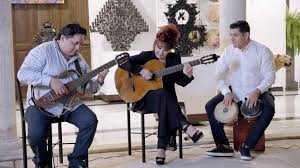
Agencias/ Wiki/ ElBoleroCubanoHist./ Extractos/Excerpts/ Internet Photos/ Arnoldo Varona.
www.TheCubanHistory.com
THE CUBAN HISTORY, HOLLYWOOD.
PLEASE PATRONIZE OUR ADVERTISERS/SPONSORS.
POR FAVOR RECOMIENDE/PREFIERA A NUESTROS SPONSORS.