CURIOSIDADES Y COSAS que quizás tu NO sabias de el Malecón, La Habana, Cuba. FOTOS/VIDEOS. * CURIOSITIES AND THINGS that maybe you did NOT know about the Malecón, La Havana, Cuba. PHOTOS VIDEOS

CURIOSIDADES Y COSAS QUE QUIZÁS TU NO SABIAS DE EL MALECÓN, LA HABANA, CUBA. FOTOS/VIDEOS

12747344_10153840088066083_5627121318401744514_o-2

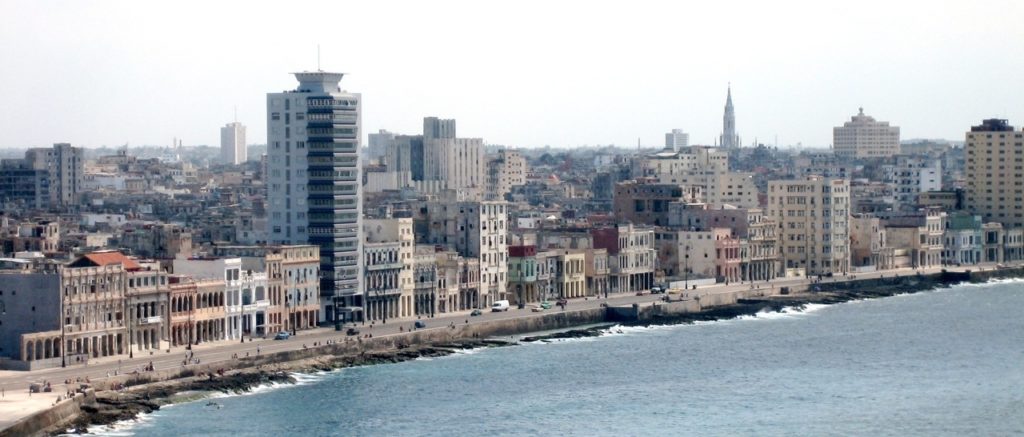
El Malecón cuyo nombre oficial es la de Avenida de Maceo, es una amplia explanada, calzada y malecón que se extiende por 8 km (5 millas) a lo largo de la costa en La Habana, Cuba, desde la boca del puerto de La Habana en La Habana Vieja, a lo largo del norte lado del barrio Centro Habana y el barrio del Vedado, que termina en la desembocadura del río Almendares.

Esa avenida se construyó por tramos y aunque cada uno de ellos tiene su nombre, los cubanos la han conocido siempre por el nombre genérico de Malecón.

El primer tramo se extendió desde el extremo del Paseo del Prado hasta el parque Maceo. Se le dio a esta vía, primeramente, el nombre de Avenida del Golfo. Con posterioridad, y de manera sucesiva, este tramo recibió los nombres de Avenida de la República, en 1902, Avenida del General Antonio Maceo, en 1908 y en 1909 Avenida Antonio Maceo, que es su nombre oficial actual.

logoVIDEOS- El Malecon de la Habana…

A partir de 1921 el Malecón se extendería hasta el lugar que ocupa el monumento al Maine, a un costado del Hotel Nacional. Se denominó ese tramo Avenida Washington.

A partir de 1930, Carlos Miguel de Céspedes, ministro de Obras Públicas del presidente Machado a quien apodaron El Dinámico por el ritmo que supo imprimir a las construcciones, lleva el Malecón hasta la calle G o Avenida de los Presidentes. Se dio a este tramo el nombre de Pi Margall, en homenaje al político republicano español que tanto simpatizó con la independencia de Cuba.

Desde 1950, con los gobiernos de Prío y Batista, el Malecón se extendió hasta lo que se considera su término natural, esto es, en las inmediaciones del castillo de La Chorrera, junto a la desembocadura del río Almendares. Este tramo recibió el nombre de Avenida Aguilera. Mide en total unos ocho kilómetros.

Pero el Malecón no solo creció hacia el oeste. También se extendió en sentido contrario, desde Prado hasta el comienzo de los muelles, donde se hallaba la vieja Capitanía del Puerto, que desaparece entonces.

Ese tramo se inició en 1927 y fue obra también de Carlos Miguel. Carece de la belleza del mar abierto que regalan los tramos restantes, pero tiene el encanto de la vegetación y su amplitud que permite que a su vera se extienda el parque Luz Caballero, y donde encuentra cabida el Anfiteatro Municipal, bello auditorio al aire libre de estilo griego. Este tramo lleva el nombre del Padre de la Patria, Carlos Manuel de Céspedes.

CURIOSIDADES DEL MALECON HABANERO

Cuando ocurre un ras de mar es por la calle Galiano donde primer penetra el agua debido a un desnivel bastante profundo que existe en dicho lugar. Sin embargo, cuando el ciclón del 26, el agua llegó, por Prado, hasta la calle Colón. Y cuando el ciclón del 19, llegó, por Campanario, hasta la calle Ánimas, con la alarma consiguiente de los vecinos.

3411937677_9c41afed9a_b

De los cuadrados que tiene el Malecón, el comprendido entre las calles San Nicolás y Manrique es por donde más fuerte baten las olas a causa de lo bajo del muro y del pequeño espacio que ocupan los arrecifes. El muro del Malecón que empieza en la calle Lealtad es más bajo que el resto.

En Prado y San Nicolás vivió el cronista Enrique Fontanills, aquel que, si la ocasión lo merecía, remataba sus notas para el Diario de la Marina con un rotundo “asistiré” que atraía sobre el suceso la atención de los lectores. En la esquina de Perseverancia residió hasta su muerte, en 1956, el coronel Cosme de la Torriente, excanciller en tiempos de Menocal, y presidente de la Sociedad de Amigos de la República (SAR) desde donde condujo, a nombre de la oposición política, el llamado Diálogo Cívico con personeros de la tiranía batistiana. En la esquina de Lealtad se alzaba la casa de Octavio Averoff, ministro de Machado y rector de la Universidad de La Habana, “visitada” por el pueblo y saqueada a la caída de la tiranía. En el número 605 radicaba doña Regla Socarrás, capitana del Ejército Libertador y madre del presidente Carlos Prío. El mandatario llamaba a esa morada “la casa de mamá”.

El-Malecon-de-La-Habana

¿Y la glorieta del Malecón que tantos buenos momentos propició a nuestros a abuelos? En aquella pequeña glorieta de cemento, de discreto estilo griego, se situaba la banda municipal para ofrecer conciertos varias veces a la semana. Pero aquel lugar, que se convirtió en uno de los más concurridos de la ciudad, fue demolido en mayo de 1927. No quedó otro remedio cuando el Malecón empezó a extenderse hacia el puerto.

Frente a ella se alzaba el hotel Miramar. Pero se descomercializó y dejó de funcionar como establecimiento hotelero. El edificio fue demolido y en el espacio que ocupó, junto con el del primitivo Centro Vasco, se edificó el lujoso hotel Paseo del Prado.
RECOMIENDENOS A SUS AMISTADES * PREFIERA A NUESTROS SPONSORS.

RECOMIENDENOS A SUS AMISTADES * PREFIERA A NUESTROS SPONSORS.

logo

CURIOSITIES AND THINGS THAT MAYBE YOU DID NOT KNOW ABOUT THE MALECÓN, HAVANA, CUBA. PHOTOS VIDEOS
Havana_malecon_(cropped)

The Malecón, whose official name is Avenida de Maceo, is a wide esplanade, causeway, and boardwalk that stretches for 8 km (5 miles) along the coast in Havana, Cuba, from the mouth of the port of Havana in Old Havana, along the northern side of the Centro Habana neighborhood and the Vedado neighborhood, which ends at the mouth of the Almendares River.

That avenue was built in sections and although each one of them has its name, Cubans have always known it by the generic name of Malecón.

The first section extended from the end of Paseo del Prado to Parque Maceo. This road was first given the name Avenida del Golfo. Subsequently, and successively, this section received the names of Avenida de la República, in 1902, Avenida del General Antonio Maceo, in 1908 and in 1909 Avenida Antonio Maceo, which is its current official name.

logoVIDEOS- Havana’s Malecon ..

As of 1921, the Malecón would extend to the place occupied by the monument to Maine, next to the National Hotel. That section was called Washington Avenue.

Starting in 1930, Carlos Miguel de Céspedes, President Machado’s Minister of Public Works, who was nicknamed El Dinámico because of the rhythm he knew how to impress on construction, took the Malecón to G Street or Avenida de Los Presidentes. This section was given the name of Pi Margall, in homage to the Spanish republican politician who was so sympathetic to the independence of Cuba.

Since 1950, with the governments of Prío and Batista, the Malecón was extended to what is considered its natural terminus, that is, in the vicinity of the castle of La Chorrera, next to the mouth of the Almendares River. This section received the name of Avenida Aguilera. It measures about eight kilometers in total.

But the Malecón not only grew to the west. It also extended in the opposite direction, from Prado to the beginning of the docks, where the old Harbor Master’s Office was located, which then disappeared.

This section began in 1927 and was also the work of Carlos Miguel. It lacks the beauty of the open sea that the remaining sections offer, but it has the charm of the vegetation and its spaciousness that allows the Luz Caballero Park to spread out on its side, and where the Municipal Amphitheatre, a beautiful open-air auditorium of greek style. This section is named after the Father of the Nation, Carlos Manuel de Céspedes.

CURIOSITIES OF THE HABANA’S MALECON

When a sea-level occurs, it is along Galiano Street where the water first penetrates due to a fairly deep unevenness that exists in that place. However, when the cyclone of the 26th, the water reached, through Prado, as far as Colón Street. And when the cyclone of the 19th arrived, through Campanario, to Ánimas street, with the consequent alarm of the neighbors.

malecon-de-la-habana

Of the squares that the Malecón has, the one between San Nicolás and Manrique streets is where the waves beat the strongest because of the low wall and the small space occupied by the reefs. The wall of the Malecón that begins on Calle Lealtad is lower than the rest.

In Prado and San Nicolás lived the chronicler Enrique Fontanills, the one who, if the occasion warranted it, finished off his notes for the Diario de la Marina with a resounding “I will attend” that drew the readers’ attention to the event. Until his death in 1956, Colonel Cosme de la Torriente, former chancellor in times of Menocal, and president of the Society of Friends of the Republic (SAR) lived on the corner of Perseverancia from where he led, on behalf of the political opposition, the so-called Civic Dialogue with representatives of the Batista tyranny. On the corner of Lealtad stood the house of Octavio Averoff, Machado’s minister and rector of the University of Havana, “visited” by the people and looted at the fall of the tyranny. Doña Regla Socarrás, captain of the Liberation Army and mother of President Carlos Prío, lived at number 605. The president called that abode “mom’s house.”

maxresdefault (1)

And the roundabout of the Malecón that gave our grandparents so many good times? In that small cement roundabout, in a discreet Greek style, the municipal band was located to offer concerts several times a week. But that place, which became one of the busiest in the city, was demolished in May 1927. There was no other choice when the Malecón began to extend towards the port.

In front of her was the Miramar Hotel. But it was decommercialized and ceased to function as a hotel establishment. The building was demolished and the luxurious Paseo del Prado hotel was built on the space it occupied, along with the original Basque Center.

Agencies/ Wiki/ ElMaleconHab./ CiroBianchi/ Extractos/ Excerpts/ Internet Photos/ YouTube/ www.TheCubanHistory.com
THE CUBAN HISTORY, HOLLYWOOD.

RECOMIENDENOS A SUS AMISTADES * PREFIERA A NUESTROS SPONSORS.

RECOMIENDENOS A SUS AMISTADES * PREFIERA A NUESTROS SPONSORS.

logo

CELIA CRUZ, “La Reina de la Salsa”. De Cuba y su Legado. FOTOS/VIDEOS. * CELIA CRUZ’S “The Queen of Salsa” Story, her Legacy. PHOTOS/VIDEOS

CELIA CRUZ “LA REINA DE LA SALSA”. DE CUBA Y SU LEGADO. FOTOS Y VIDEOS

Celia-Cruz-Cuban-American-singer-2002

Úrsula Hilaria Celia de la Caridad Cruz Alfonso, conocida como Celia Cruz, fue una cantante cubanoamericana y una de las artistas latinas más populares del siglo XX. Nació en La Habana, Cuba el 21 de octubre de 1925 y saltó a la fama en Cuba durante la década de 1950 como cantante de guarachas, ganándose el sobrenombre de “La Guarachera de Cuba”. En las siguientes décadas, se hizo conocida internacionalmente como la “Reina de la Salsa” debido a sus aportes a la música latina en los Estados Unidos.

Inició su carrera en su Cuba natal, obteniendo reconocimiento como vocalista del grupo musical popular Sonora Matancera, asociación musical que duró quince años (1950-1965). Cruz dominó una amplia variedad de estilos musicales afrocubanos, incluidos guaracha, rumba, afro, son y bolero, y grabó numerosos sencillos en estos estilos para Seeco Records.

En 1960, luego de que la Revolución cubana provocara la nacionalización de la industria musical, Cruz abandonó su país natal, convirtiéndose en uno de los símbolos y voceros de la comunidad cubana en el exilio. Cruz continuó su carrera, primero en México y luego en Estados Unidos, país que tomó como residencia definitiva. En la década de 1960, colaboró ​​​​con Tito Puente, grabando su tema característico “Bemba colorá”.

logoVIDEOS- Celia Cruz ..”La Bandera que Canta”…

En la década de 1970, firmó con Fania Records y se asoció fuertemente con el género de la salsa, lanzando éxitos como “Quimbara”. A menudo apareció en vivo con Fania All-Stars y colaboró ​​​​con Johnny Pacheco y Willie Colón. Durante los últimos años de su carrera, Cruz continuó lanzando exitosas canciones como “La Vida es un Carnaval” y “La Negra Tiene tumbao”.

Su legado musical está compuesto por un total de 37 álbumes de estudio, así como numerosos álbumes en vivo y colaboraciones. A lo largo de su carrera, recibió numerosos premios y distinciones, incluidos dos premios Grammy y tres premios Grammy Latino. Además de su prolífica carrera en la música, Cruz también hizo varias apariciones como actriz en películas y telenovelas. Su eslogan “¡Azúcar!” (“¡Azúcar!”) se ha convertido en uno de los símbolos más reconocibles de la música salsa.

SU MUERTE Y SU LEGADO

En la tarde del 16 de julio de 2003, Cruz murió en su casa de Fort Lee, Nueva Jersey, a la edad de 77 años. Por expreso deseo de ella, sus restos mortales fueron primero trasladados a Miami durante dos días para recibir el homenaje de su exilio cubano. admiradores, regresando y finalmente descansando en el Woodlawn Cemetery en The Bronx, New York. Un epílogo de su autobiografía señala que, de acuerdo con sus deseos, se utilizó para su sepultura suelo cubano que había salvado de una visita a la bahía de Guantánamo.

logoVIDEOS- Celia en “La Negra tiene un Tumbao”..

El legado de Cruz ha sido honrado desde años antes de su muerte, incluyendo una estrella en el Paseo de la Fama de Hollywood (1987), el nombre del asteroide 5212 Celiacruz (1989), los Premios a la Excelencia en los Premios Lo Nuestro de 1990 y Celia Cruz Way en Miami(1991). También fue reconocida como estrella en el Boulevard Amador Bendayán en Caracas, Venezuela, y figura en el Museo de Cera de Hollywood. Además, Cruz recibió tres doctorados Honoris Causa de tres universidades de los Estados Unidos: la Universidad de Yale, la Universidad Internacional de Florida y la Universidad de Miami. Cruz, junto con su compañero músico afrocubano Cachao, fue incluida en el Salón de la Fama de la Música Latina de Billboard en 1994. También fue incluida en el Salón de la Fama de la Música Latina Internacional en 1999. En el mismo año, recibió el ASCAP. Latin Heritage Award convirtiéndose en el primer receptor del galardón.

A través de una formidable ética de trabajo, Cruz llegó a lo más alto en su género. En febrero de 2004, su último disco, Regalo del Alma, ganó un premio póstumo en los Premios Lo Nuestro al mejor lanzamiento salsero del año. En diciembre de 2005 se anunció que un musical llamado ¡Azúcar! abriría en Tenerife antes de recorrer el mundo. El nombre proviene del conocido eslogan de Cruz “¡Azúcar!” (“¡Azúcar!”).

En 2003, se abrió una escuela de música en el Bronx, llamada Celia Cruz Bronx High School of Music. Pedro Knight visitó esta escuela antes de su muerte para conocer a los estudiantes y compartir historias sobre su vida. El 4 de junio de 2004, la comunidad mayoritariamente cubano-estadounidense de Union City, Nueva Jersey, anunció su Desfile del Día Cubano anual al dedicar su nuevo Parque Celia Cruz (también conocido como Celia Cruz Plaza), que presenta una estrella en la acera en su honor, en 31st Street y Bergenline Avenue, con el viudo de Cruz, Pedro Knight, presente. Hay otras cuatro dedicatorias similares a Cruz en todo el mundo.

gettyimages-50414516

La estrella de Cruz se ha expandido al “Paseo de la Fama” de Union City, ya que cada primavera se agregan nuevas estrellas de mármol para honrar a personalidades latinas del entretenimiento y los medios, como el cantante de merengue Joseíto Mateo, la cantante de salsa La India, Cachao, el tenor cubano Beny Moré, Tito Puente, el presentador de noticias de televisión en español Rafael Pineda, el pionero de la salsa Johnny Pacheco, el cantante y director de orquesta Gilberto Santa Rosa y el promotor musical Ralph Mercado.

El 18 de mayo de 2005, el Museo Nacional de Historia Estadounidense, administrado por la Institución Smithsonian y ubicado en Washington, DC, inauguró “¡Azúcar!”, una exposición que celebra la vida y la música de Celia Cruz. La exhibición destaca momentos importantes en la vida y carrera de Cruz a través de fotografías, documentos personales, vestuario, videos y música. Su biografía Celia: Mi Vida también fue publicada en 2005, basada en más de 500 horas de entrevistas con la periodista mexicana Ana Cristina Reymundo.

Del 26 de septiembre de 2007 al 25 de mayo de 2008, Celia, un musical basado en la vida de Celia Cruz, se presentó en el recinto Off-Broadway New World Stages. El programa ganó cuatro premios HOLA 2008 de la Organización Hispana de Actores Latinos.

El 16 de marzo de 2011, Celia Cruz fue honrada por el Servicio Postal de los Estados Unidos con un sello postal conmemorativo. La estampilla Cruz fue una de un grupo de cinco estampillas en honor a los grandes de la música latina, que también incluye a Selena, Tito Puente, Carmen Miranda y Carlos Gardel. El Museo Nacional de Historia Estadounidense del Smithsonian colaboró ​​con el fotógrafo Robert Weingarten para crear un retrato basado en objetos de Celia Cruz con artefactos en el museo. El retrato fue presentado el 3 de octubre de 2012.

El 21 de octubre de 2013, Google la honró con un Google Doodle. Jennifer López honró a Cruz con su presentación en la 41.ª ceremonia de los American Music Awards. Los cantantes Yuri, La India, Maluma y Aymée Nuviola hicieron lo propio en los Latin American Music Awards. También en 2013, Cruz fue incluido en el Salón de la Fama de Nueva Jersey. En octubre de 2015, Telemundo estrenó un docu-drama de 80 episodios basado en la vida de Cruz, Celia.

En 2015, las cadenas de televisión RCN Televisión y Telemundo, realizaron Celia una serie de televisión, basada en la vida de Celia Cruz. Celia fue interpretada por las actrices Jeimy Osorio y Aymée Nuviola y contó con la voz de Patty Padilla. En 2019, Angélique Kidjo lanzó un álbum tributo a Cruz, titulado Celia, que incluye canciones que abarcan toda la carrera de Celia en Cruz reinventadas con un toque afrobeat. Cuenta con Tony Allen (músico), Meshell Ndegeocello y Gangbé Brass Band.

En 2018, se inauguró un monumento a Celia Cruz en el Cuban Heritage Park en Hialeah, Florida. También en 2018, Celia Cruz Estate lanzó una marca inspirada en Cruz que presentaba productos inspirados y sobre Cruz.

En 2019, la poeta chileno-estadounidense Marjorie Agosin creó un espectáculo de teatro de música de cámara titulado “Las Magníficas”, basado en la vida de Celia Cruz y la cantautora chilena Violeta Parra.

El 2 de junio de 2021, la ciudad de Nueva York honró a Celia Cruz al nombrar conjuntamente la intersección de Reservoir Avenue y East 195th Street en la sección de Kingsbridge Heights del Bronx, cerca de la escuela secundaria que lleva su nombre en su honor, “Celia Cruz Camino”.

RECOMIENDENOS A SUS AMISTADES * PREFIERA A NUESTROS SPONSORS.

RECOMIENDENOS A SUS AMISTADES * PREFIERA A NUESTROS SPONSORS.

logo

CELIA CRUZ’S “THE QUEEN OF SALSA” STORY, HER LEGACY. PHOTOS/VIDEOS

CeliaCruz_16_9_1605618725

Úrsula Hilaria Celia de la Caridad Cruz Alfonso known as Celia Cruz was a Cuban-American singer and one of the most popular Latin artists of the 20th century. She was born in La Habana, Cuba on 21 October 1925, and rose to fame in Cuba during the 1950s as a singer of guarachas, earning the nickname “La Guarachera de Cuba”. In the following decades, she became known internationally as the “Queen of Salsa” due to her contributions to Latin music in the United States.

She began her career in her native Cuba, earning recognition as a vocalist of the popular musical group Sonora Matancera, a musical association that lasted fifteen years (1950-1965). Cruz mastered a wide variety of Afro-Cuban music styles including guaracha, rumba, afro, son, and bolero, recording numerous singles in these styles for Seeco Records.

In 1960, after the Cuban Revolution caused the nationalization of the music industry, Cruz left her native country, becoming one of the symbols and spokespersons of the Cuban community in exile. Cruz continued her career, first in Mexico, and then in the United States, the country that she took as her definitive residence. In the 1960s, she collaborated with Tito Puente, recording her signature tune “Bemba colorá”.

logoVIDEOS- Celia Cruz sings “Guantanamera” (Africa)..

In the 1970s, she signed for Fania Records and became strongly associated with the salsa genre, releasing hits such as “Quimbara”. She often appeared live with Fania All-Stars and collaborated with Johnny Pacheco and Willie Colón. During the last years of her career, Cruz continued to release successful songs such as “La Vida es un Carnaval” and “La Negra Tiene tumbao”.

Her musical legacy is made up of a total of 37 studio albums, as well as numerous live albums and collaborations. Throughout her career, she was awarded numerous prizes and distinctions, including two Grammy Awards and three Latin Grammy Awards. In addition to her prolific career in music, Cruz also made several appearances as an actress in movies and telenovelas. Her catchphrase “¡Azúcar!” (“Sugar!”) has become one of the most recognizable symbols of salsa music.

HER DEATH, TRIBUTE, AND LEGACY

On the afternoon of 16 July 2003, Cruz died at her home in Fort Lee, New Jersey, at the age of 77. At her express wish, her mortal remains were first transferred to Miami for two days to receive the homage of her Cuban exile admirers, returning and finally resting in the Woodlawn Cemetery in The Bronx, New York. An epilogue in her autobiography notes that, in accordance with her wishes, Cuban soil which she had saved from a visit to Guantánamo Bay was used in her entombment.

Cruz’s legacy has been honored since years before her death, including a star on the Hollywood Walk of Fame (1987), the asteroid name 5212 Celiacruz (1989), the Excellence Awards at the 1990 Lo Nuestro Awards, and Celia Cruz Way in Miami (1991). She was also recognized as a star on Boulevard Amador Bendayán in Caracas, Venezuela, and a figure in the Hollywood Wax Museum. Besides, Cruz received three Honoris Causa doctorates from three universities in the United States: Yale University, Florida International University, and the University of Miami. Cruz, along with fellow Afro-Cuban musician Cachao, was inducted into the Billboard Latin Music Hall of Fame in 1994. She was also inducted into the International Latin Music Hall of Fame in 1999. In the same year, she was presented with the ASCAP Latin Heritage Award becoming the first recipient of the accolade.

celia_cruz-1

Through a formidable work ethic, Cruz rose to the very top in her genre. In February 2004, her last album, Regalo del Alma, won a posthumous award at the Premios Lo Nuestro for best salsa release of the year. It was announced in December 2005 that a musical called ¡Azúcar! would open in Tenerife before touring the world. The name comes from Cruz’s well-known catchphrase of “¡Azúcar!” (“Sugar!”).

In 2003, a music school was opened in the Bronx, named the Celia Cruz Bronx High School of Music. Pedro Knight visited this school before his death to meet the students and share stories about her life. On June 4, 2004, the heavily Cuban-American community of Union City, New Jersey heralded its annual Cuban Day Parade by dedicating its new Celia Cruz Park (also known as Celia Cruz Plaza), which features a sidewalk star in her honor, at 31st Street and Bergenline Avenue, with Cruz’s widower, Pedro Knight, present. There are four other similar dedications to Cruz around the world. Cruz’s star has expanded into Union City’s “Walk of Fame”, as new marble stars are added each spring to honor Latin entertainment and media personalities, such as merengue singer Joseíto Mateo, salsa singer La India, Cachao, Cuban tenor Beny Moré, Tito Puente, Spanish language television news anchor Rafael Pineda, salsa pioneer Johnny Pacheco, singer/bandleader Gilberto Santa Rosa and music promoter Ralph Mercado.

On 18 May 2005, the National Museum of American History, administered by the Smithsonian Institution and located in Washington, D.C., opened “¡Azúcar!”, an exhibit celebrating the life and music of Celia Cruz. The exhibit highlights important moments in Cruz’s life and career through photographs, personal documents, costumes, videos, and music. Her biography Celia: Mi Vida was also published in 2005, based on more than 500 hours of interviews with the Mexican journalist Ana Cristina Reymundo.

From 26 September 2007 to 25 May 2008, Celia, a musical based on the life of Celia Cruz, played at the Off-Broadway venue New World Stages. The show won four 2008 HOLA Awards from the Hispanic Organization of Latin Actors.

On 16 March 2011, Celia Cruz was honored by the United States Postal Service with a commemorative postage stamp. The Cruz stamp was one of a group of five stamps honoring Latin music greats, also including Selena, Tito Puente, Carmen Miranda, and Carlos Gardel. The Smithsonian’s National Museum of American History collaborated with photographer Robert Weingarten to create an object-based portrait of Celia Cruz featuring artifacts in the museum. The portrait was unveiled on 3 October 2012.

celia-cruz-file-photo

On 21 October 2013, Google honored her with a Google Doodle. Jennifer Lopez honored Cruz with her presentation at the 41st American Music Awards ceremony. The singers Yuri, La India, Maluma, and Aymée Nuviola did the same at the Latin American Music Awards. Also in 2013, Cruz was inducted into the New Jersey Hall Fame. In October 2015, Telemundo premiered an 80-episode docu-drama based on Cruz’s life, Celia.

In 2015, the television networks RCN Televisión and Telemundo, made Celia a TV series, based on the life of Celia Cruz. Celia was played by the actresses Jeimy Osorio and Aymée Nuviola and counted on the voice of Patty Padilla. In 2019, Angélique Kidjo released a tribute album to Cruz, entitled Celia, including songs spanning all of Celia’s Cruz career reinvented with an Afrobeat feel. It features Tony Allen (musician), Meshell Ndegeocello, and the Gangbé Brass Band.

In 2018, a monument to Celia Cruz was unveiled in the Cuban Heritage Park in Hialeah, Florida. Also in 2018, the Celia Cruz Estate launched a brand inspired by Cruz which featured merchandise inspired and about Cruz.

In 2019, Chilean-American poet Marjorie Agosin created a chamber music theatre performance titled “Las Magníficas” (The Magnificent Ones), based on the life of Celia Cruz and Chilean singer-songwriter Violeta Parra.

On June 2, 2021, the City of New York honored Celia Cruz by co-naming the intersection of Reservoir Avenue and East 195th Street in the Kingsbridge Heights section of The Bronx, near the High School that is named in her honor, “Celia Cruz Way”.

Agencies/ Wiki/ CeliaCruzBio./ Extractos/ Excerpts/ Internet Photos/ YouTube/ Arnoldo Varona/ www.TheCubanHistory.com
THE CUBAN HISTORY, HOLLYWOOD.

RECOMIENDENOS A SUS AMISTADES * PREFIERA A NUESTROS SPONSORS.

RECOMIENDENOS A SUS AMISTADES * PREFIERA A NUESTROS SPONSORS.

logo

BEBIDAS CUBANAS dentro y Fuera de Nuestra Isla. Que tomamos los Cubanos. PHOTOS. * CUBAN DRINKS inside and Outside of Our Island. What we Cubans Drink. PHOTOS

BEBIDAS CUBANAS DENTRO Y FUERA DE NUESTRA ISLA. QUE TOMAMOS LOS CUBANOS. PHOTOS.

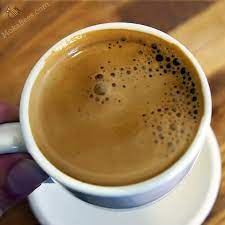
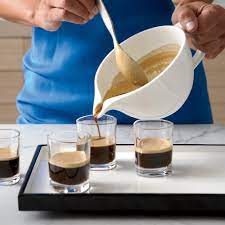
Lo primero es lo primero, indudablemente la bebida más querida de Cuba se llama: café. El cubano no toma café porque tenga sed, lo hace porque esto lo identifica y forma gran parte de su idiosincrasia y es, además, el sello personal de la amabilidad cubana: ¿Quieres un buchito de café?, es la pregunta más común al visitar una casa en Cuba.

download (98)

El rey de las bebidas alcohólicas en Cuba se llama el señor ron. Sólo o acompañado, el ron está presente en cualquier celebración cubana, y es que ¿cómo no? si es la bebida de Cuba con más fama internacional y representación digna de la Isla en el extranjero.

Como cualquier otro destino caribeño, las frutas suelen ser protagonistas también en las bebidas de Cuba, los jugos de guayaba, de piña, e incluso la limonada en Cuba son consideradas delicias de otro planeta, por la frescura de la fruta con la que se prepara el jugo. Asimismo, tienen el jugo de caña de azúcar, el de guarapo y el agua de coco, así como la cocada que cada día gana más y más impulso entre los turistas y los locales.

Por otro lado, en Cuba también se consumen los licores de ron y frutas, que sirven como trago en eventos sociales o para condimentar diversos platillos.

En los clubes y bares de los pueblos y playas de Cuba se elaboran varias bebidas cubanas reconocidas internacionalmente. Las bebidas cubanas más populares que te hipnotizan con su sabor y te hacen un permanente aficionada a ellas son:

1. DAIQUIRI

download (85)

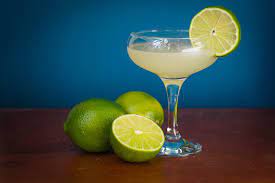
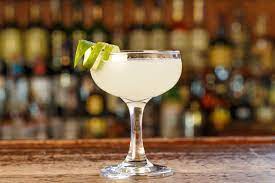
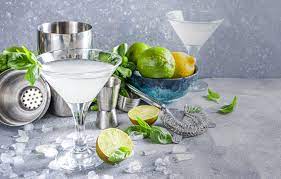
El daiquirí es uno de los cócteles cubanos más fáciles que requieren tres ingredientes: jugo de limón, ron y hielo (frappeado o picado). Vierta la bebida en el vaso después de la preparación. Es la bebida popular del bar Floridita de La Habana y tiene variantes llamadas martini y margarita. La gente ha experimentado a hacer la bebida usando una variedad de sabores ya que se mezcla bien con varias opciones.

2. PIÑA COLADA

download (91)

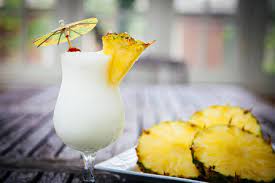
Piña Colada no es una bebida de todos los días sino una bebida festiva y se mueve principalmente alrededor de las islas del Caribe. Nadie puede perderse la delicada mezcla de leche de coco y jugo de piña después de entrar a la ciudad cubana. La bebida está un poco helada debido a su aceite de coco y no hay razón para pedir las versiones vírgenes de esta bebida. Puede requerir un poco de esfuerzo extra para obtener el cóctel básico, pero no es difícil también. Sólo necesitas tener los ingredientes adecuados y una licuadora.

3. SAOCO

download (94)

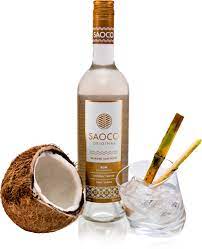
Aunque los mojitos o ron y coque Cuba Libres son tratados como cócteles nacionales de Cuba, hay otro nombre con más importancia. Saoco es una estimulante bebida campesina preparada con aguardiente, limón, agua de coco verde, dos cucharaditas de azúcar o miel y hielo servidas en el campo. El Saoco moderno se elabora con ron blanco, e incluye agua mineral junto con agua de coco, pero se puede excluir la cal y el azúcar.

4. MOJITO

download (89)

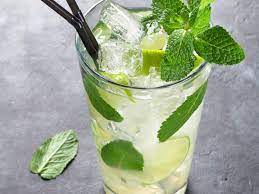
El mojito es una bebida favorita de la isla cubana que fue introducida como bebida medicinal para curar enfermedades. Es una mezcla de jugo de limón fresco, azúcar, ron, hielo y agua de soda. La bebida es preferida sobre todo por la gente porque también proporciona refrescos. La historia de las bebidas es fascinante, ya que está relacionada con James Bond Film y Johnny Depp Films. Bueno, toda la diversión saldrá después de que tomes un sorbo de mojito, así que prepárate.

En lo que a sodas, y refrescos se refiere, la Tropi-cola es la reina del corazón de los cubanos. Otros refrescos comunes y famosos en Cuba son la soda de limón o de naranja “Cachito”, y la malta Caracas, una bebida malteada que a veces es importada desde Venezuela.

Aquí, es asi como te lo contamos todo sobre las bebidas de Cuba.

RECOMIENDENOS A SUS AMISTADES * PREFIERA A NUESTROS SPONSORS.

RECOMIENDENOS A SUS AMISTADES * PREFIERA A NUESTROS SPONSORS.

logo

CUBAN DRINKS INSIDE AND OUTSIDE OUR ISLAND. THAT WE CUBANS DRINK. PHOTOS

First things first, undoubtedly the most beloved drink in Cuba is called: coffee. Cubans do not drink coffee because they are thirsty, they do so because this identifies them and forms a large part of their idiosyncrasy and is also the personal stamp of Cuban friendliness: Do you want a little cup of coffee? It is the most common question when visiting a house in Cuba.

download (97)

The king of alcoholic beverages in Cuba is called Mr. Rum. Alone or accompanied, rum is present in any Cuban celebration, and why not? if it is the Cuban drink with the most international fame and worthy representation of the Island abroad.

Like any other Caribbean destination, fruits tend to be the protagonists also in Cuban drinks, guava, pineapple juices, and even lemonade in Cuba are considered delicacies from another planet, due to the freshness of the fruit with which it is prepared. the juice. They also have sugar cane juice, guarapo juice, and coconut water, as well as cocada, which is gaining more and more momentum among tourists and locals every day.

On the other hand, in Cuba rum and fruit liqueurs are also consumed, which are used as a drink at social events or to flavor various dishes.

In the clubs and bars of the towns and beaches of Cuba, various internationally recognized Cuban drinks are made. The most popular Cuban drinks that hypnotize you with their taste and make you a fan are:

1. DAIQUIRI

download (86)

The daiquiri is one of the easiest Cuban cocktails that requires three ingredients: lemon juice, rum, and ice (frappe or minced). Pour the drink into the glass after preparation. It is the popular drink of the Floridita bar in Havana and has variants called martini and margarita. People have experimented with making the drink using a variety of flavors as it mixes well with various options.

2. PINA COLADA

download (90)

Piña Colada is not an everyday drink but a festive drink and it mainly moves around the Caribbean islands. No one can miss the delicate mixture of coconut milk and pineapple juice after entering the Cuban city. The drink is a bit icy due to its coconut oil and there is no reason to order the virgin versions of this drink. It may take a bit of extra effort to get the basic cocktail, but it’s not difficult as well. You just need to have the right ingredients and a blender.

3. SAOCO

download (95)

Although Cuba Libres mojitos or rum and coke are treated as Cuban national cocktails, there is another name with more importance. Saoco is a stimulating peasant drink prepared with brandy, lemon, green coconut water, two teaspoons of sugar or honey, and ice served in the field. Modern Saoco is made with white rum and includes mineral water along with coconut water, but lime and sugar can be excluded.

4. MOJITO

download (96)

The mojito is a favorite drink of the Cuban island that was introduced as a medicinal drink to cure diseases. It is a mixture of fresh lemon juice, sugar, rum, ice, and soda water. The drink is mostly preferred by people because it also provides refreshments. The history of drinks is fascinating, as it is related to James Bond Film and Johnny Depp Films. Well, all the fun will be out after you take a sip of the mojito, so be prepared.

When it comes to sodas and soft drinks, the Tropi-cola is the queen of the Cuban hearts. Other common and famous soft drinks in Cuba are “Cachito” lemon or orange soda, and Caracas malt, a malted beverage that is sometimes imported from Venezuela.

Here, this is how we tell about Cuban drinks.

Agencies/ Wiki/ TodaCuba/ Extractos/ Excerpts/ Internet Photos/ Arnoldo Varona/ www.TheCubanHistory.com
THE CUBAN HISTORY, HOLLYWOOD.

RECOMIENDENOS A SUS AMISTADES * PREFIERA A NUESTROS SPONSORS.

RECOMIENDENOS A SUS AMISTADES * PREFIERA A NUESTROS SPONSORS.

logo