LAS CUEVAS DE BELLAMAR, la Joya de las Cavernas Naturales de Cuba. PHOTOS. * THE CAVES OF BELLAMAR, are the Jewel of the Natural Caves of Cuba. PHOTOS.

LAS CUEVAS DE BELLAMAR, LA JOYA DE LAS CAVERNAS NATURALES DE CUBA. PHOTOS

Las cuevas están ubicadas en la ciudad de Matanzas, a unos 40 km (25 millas) al este de Jibacoa. Estas cuevas están abiertas al público desde la década de 1860, son consideradas uno de los atractivos de los visitantes más antiguos de Cuba; ellos. También es una de las cuevas naturales más largas y profundas del país.
41812-fotografia-g-450x300

Por la belleza de sus galería y cavernas y por nuevos hallazgos paleontológicos, además de una amplia gama de procesos cristalinos fueron declaradas Monumento Nacional.

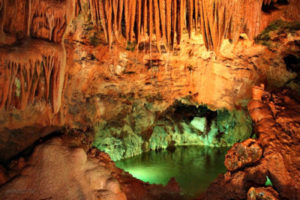
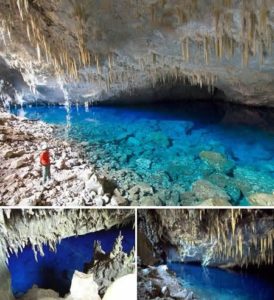
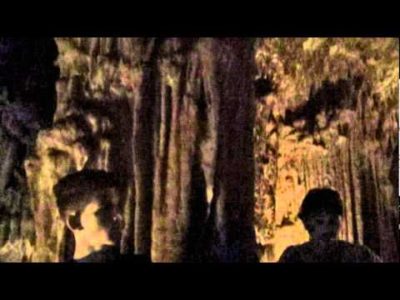
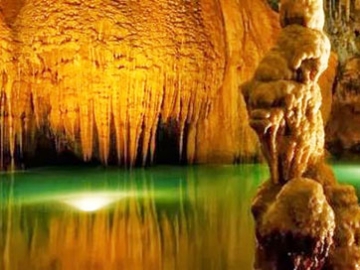
Los impresionantes salones y galerías están llenos de hermosas estalactitas y estalagmitas, corrientes subterráneas, cristales krásticos, fuentes, cúpulas cristalizadas y algunas otras formaciones de piedra caliza únicas. Aquí también se han encontrado pinturas indígenas y fósiles.

El área explorada tiene 3 km (1,9 millas) de largo y contiene 28 habitaciones; el área abierta a los visitantes tiene aproximadamente 1 km (0,6 millas) de largo.

Las galerías y pasadizos de las Cuevas de Bellamar se calcula que comenzaron a formarse hace unos 300 mil años. Según los estudiosos, la planicie en la cual están las cuevas se encontraba originalmente bajo el mar, formando parte de la bahía de Matanzas. A lo largo de la llamada Falla de Bellamar el agua subterránea, en combinación con el dióxido de carbón, fue disolviendo la roca calcárea y de esta forma fue creando cámaras subterráneas en el subsuelo; bajo el fondo marino.

Mientras permanecieron bajo el nivel del mar, estas cavernas estuvieron llenas de agua. Los movimientos tectónicos hicieron que la zona se elevara, hasta llegar a formar las terrazas marinas que se notan en la ciudad de Matanzas y sus alrededores.

Con el decursar del tiempo estas cavernas se fueron secando; desaguándose incluso algunas cavidades que están a gran profundidad bajo el nivel del mar y comenzaron a tener lugar filtraciones entre las rocas, sobre el techo de las cuevas, de agua con carbonato de cal disuelto que fueron dejando residuos al gotear y, de ese modo formar las estalactitas desde el techo y las estalagmitas en el suelo.
8b00a14dc2dcd861a79b87eff75ec9d3

Llamadas originalmente las Cuevas de Parga en homenaje a su descubridor, el punto cambió su nombre por el de Las Cuevas de Bellamar, en plural, (aunque los especialistas indican que se trata de una sola cueva con varios salones) debido a su cercanía con la playa homónima en el oeste matancero.

MAS RECIENTES DESCUBRIMIENTOS DE SU INTERIOR…

De relevante interés científico valoran aquí los nuevos hallazgos en un segmento del Sistema Cavernario Bellamar. En la centenaria cueva un grupo de espeleólogos descubrieron una estrecha cavidad que los condujo a otra prolongación subterránea de unos nueve kilómetros de longitud. Para sorpresa de todos, encontraron allí galerías de incomparable belleza.

Se trata de formaciones cilíndricas pendientes de estalactitas, y suspendidas en el aire, en cuyos extremos cuelgan un conglomerado de cristales macizos de calcita.Por su dimensión y rareza los especialistas consideran el descubrimiento como joya exclusiva, incomparable con ningún otro hallazgo de su tipo. Son formaciones indescriptibles, por cuanto en ningún otro lugar del planeta se conoce semejante cristalería de carbonato de calcio.

En exploraciones continuadas por el grupo espeleológico Félix Rodríguez de la Fuente, aparecieron otros descubrimientos paleontológicos de significativo interés científico, como restos de vertebrados terrestres y aves cuya antigüedad la estiman en millones años.

Entidades especializadas contabilizan a lo largo y ancho de la isla más de 10 mil cuevas, muchas de ellas con unos 25 millones de años de evolución, pero hasta nuestros días las Cuevas de Bellamar sigue siendo la reina y paraiso de los visitantes a sus entornos.

culturacubanabanner (1)

logo (1)

THE CAVES OF BELLAMAR, ARE THE JEWEL OF THE NATURAL CAVES OF CUBA. PHOTOS
hqdefault-7-400x300

The caves are located in the city of Matanzas, about 40 km (25 miles) east of Jibacoa. These caves have been open to the public since the 1860s, they are considered one of the oldest visitor attractions in Cuba;. It is also one of the longest and deepest natural caves in the country.

Due to the beauty of its galleries and caverns and due to new paleontological findings, in addition to a wide range of crystalline processes, they were declared a National Monument.

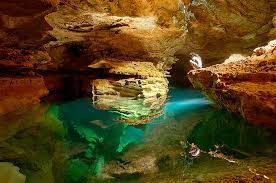
The impressive halls and galleries are filled with beautiful stalactites and stalagmites, underground streams, krastic crystals, fountains, crystallized domes, and some other unique limestone formations. Indigenous paintings and fossils have also been found here.

The explored area is 3 km (1.9 mi) long and contains 28 rooms; the area open to visitors is about 1 km (0.6 mi) long.

It is estimated that the galleries and passageways of the Cuevas de Bellamar began to form about 300,000 years ago. According to scholars, the plain in which the caves are located was originally under the sea, forming part of the Matanzas Bay. Along the so-called Bellamar Fault, the underground water, in combination with carbon dioxide, was dissolving the calcareous rock, and in this way, it was creating underground chambers in the subsoil; under the seabed.

While they remained below sea level, these caverns were filled with water. The tectonic movements caused the area to rise until it formed the marine terraces that can be seen in the city of Matanzas and its surroundings.

With the passing of time, these caverns dried up; draining even some cavities that are deep below sea level and leaks began to take place between the rocks, on the ceiling of the caves, of water with dissolved lime carbonate that left residues as they dripped and, in this way, form the stalactites from the ceiling and the stalagmites on the floor.
cuevasbellamar

Originally called the Cuevas de Parga in homage to its discoverer, the point changed its name to Las Cuevas de Bellamar, in the plural, (although specialists indicate that it is a single cave with several rooms) due to its proximity to the homonymous beach in the west of Matanzas.

MORE RECENT DISCOVERIES FROM THE INTERIOR…

Of relevant scientific interest, the new findings in a segment of the Bellamar Cave System are valued here. In the century-old cave, a group of speleologists discovered a narrow cavity that led them to another underground extension of about nine kilometers in length. To everyone’s surprise, they found galleries of incomparable beauty there.

These are cylindrical formations hanging from stalactites, and suspended in the air, at whose ends hang a conglomerate of solid calcite crystals. Due to its size and rarity, specialists consider the discovery an exclusive jewel, incomparable with any other find of its kind. They are indescribable formations because nowhere else on the planet is such calcium carbonate glassware known.
cuevas-de-bellamar-matanzas-161-0

In continued explorations by the Félix Rodríguez de la Fuente speleological group, other paleontological discoveries of significant scientific interest appeared, such as remains of terrestrial vertebrates and birds whose age is estimated at millions of years.

Specialized entities count more than 10,000 caves throughout the island, many of them with about 25 million years of evolution, but to this day the Cuevas de Bellamar remain the queen and paradise for visitors to their surroundings.

Agencies/ Wiki/ Ecured/ Extractos/ Excerpts/ Internet Photos/ Arnoldo Varona/ www.TheCubanHistory.com
THE CUBAN HISTORY, HOLLYWOOD.
*RECOMIENDENOS A SUS AMISTADES* *PREFIERA A NUESTROS SPONSORS*

*RECOMIENDENOS A SUS AMISTADES*
*PREFIERA A NUESTROS SPONSORS*

logo (1)

EL GRAN EXODO: Estados Unidos bate Record Historico con la llegada de 171,080 Nuevos Cubanos. PHOTOS. * THE GREAT EXODUS: the United States Breaks Historical Record with the Arrival of 171,080 New Cubans. PHOTOS.

EL GRAN EXODO: ESTADOS UNIDOS BATE RECORD HISTORICO CON LA LLEGADA DE 171,080 NUEVOS CUBANOS. PHOTOS.

Cuba, la isla en fuga. El maquiavélico uso de la migración. Las llegadas de cubanos a Nicaragua aumentaron más de un 1.000% con la exención de visados

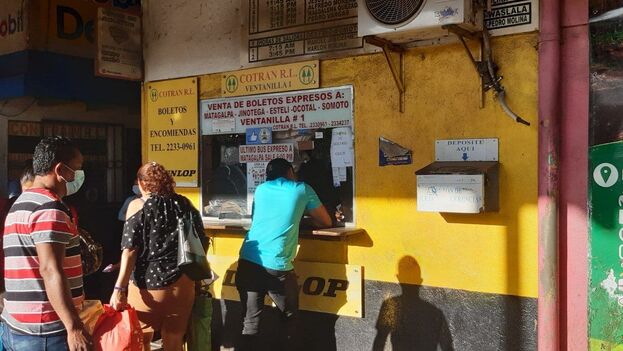
Terminal de Managua desde donde salen los ómnibus hacia el norte del país. (14ymedio)

Terminal de Managua desde donde salen los ómnibus hacia el norte del país. (14ymedio)

LA CRISIS MIGRATORIA que sufre Cuba desde finales del año pasado está superando las peores previsiones. Según los datos recién publicados por el Departamento de Aduanas y Protección de Fronteras, en los últimos ocho meses, desde el inicio del año fiscal estadounidense, el 1 de octubre de 2021, han entrado a territorio estadounidense por tierra un total de 140.602 cubanos, una cifra que ya sobrepasa el éxodo del Mariel de 1980, cuando 125.000 personas alcanzaron Estados Unidos en siete meses.

Apenas el pasado abril, los cálculos preveían que al final del presente año fiscal –que termina el 30 de septiembre de 2022–, entrarían en Estados Unidos unas 150.000 personas. Hasta ese mismo abril, 102.168 cubanos fueron detenidos por la Oficina de Aduanas y Protección Fronteriza, la mayoría de ellos tras hacer un viaje por tierra que arrancó en Nicaragua, según contó un alto funcionario de manera anónima al diario The New York Times.

Si, a falta de tres meses para el fin del año fiscal, la tónica se mantiene como el pasado mayo, cuando alcanzaron EE UU más de 25.000 cubanos, el total se elevará por encima de los 200.000, un número inédito. La Administración de Joe Biden es ya, de hecho, la que más cantidad de cubanos ha recibido en la historia: 171.080 desde que comenzó su mandato.

Los números en mayo, bien es cierto, disminuyeron ligeramente, coincidiendo con las primeras conversaciones entre EE UU y Cuba relacionadas con la crisis migratoria y las decisiones de, por un lado, establecer visados de tránsito en terceros países y, por otro, el reforzamiento de la vigilancia en la ruta por México.

En diciembre de 2021, el primero completo con la nueva norma en vigor, llegaron a Managua 6.178 personas originarias de la Isla

Y el “tercer país” por excelencia en la ruta hacia el norte, desde que el mandatario Miguel Díaz-Canel pactó con Daniel Ortega el establecimiento de “visado libre” para los cubanos, el pasado 30 de noviembre, es Nicaragua. Este mismo jueves, el diario nicaragüense El Confidencial publicó datos oficiales que revelan que en diciembre de 2021, el primero con la nueva norma en vigor, llegaron a Managua 6.178 personas originarias de la Isla, un 1.118,5% más que el mes anterior, cuando arribaron 507.

th (47)

Pero ya el anterior noviembre se notaba el desproporcionado y vertiginoso aumento. La exención de visado entró en vigor el día 22, pero apenas en esos días ya el salto fue igual de considerable pese a que los números no resulten tan impactantes. En octubre habían llegado solo 42 cubanos a Nicaragua, por lo que, un mes más tarde, esos 507 ya mencionados, supusieron un 1.107% más.

Las cifras no hacen sino cuantificar lo que es una evidencia: miles de cubanos huyen a través de lo que ya se conoce como la “ruta de los volcanes” para escapar de la falta de libertades y la siempre crónica, pero agravada, miseria de la Isla. El mandatario nicaragüense Daniel Ortega ha prestado a su socio, el régimen cubano, una base de salida hacia EE UU que, para muchos analistas, cumple el triple objetivo de presionar a Washington para que negocie a cambio de aminorar el flujo de personas que se agolpan en la frontera, servir de vía de escape a una masa de población disconforme que amenaza con estallar contra el régimen y captar divisas a través de los emigrados.

Ahora, con el turismo en mínimos, con la población asfixiada por los altos precios –y muy frecuentemente en divisas– y la frontera estadounidense más abierta a la emigración, los cubanos lo venden todo y huyen vía Nicaragua.

No obstante, el camino ha sufrido complicaciones, ya que no existen vuelos directos entre La Habana y Managua y algunos países empezaron a exigir visado de tránsito, entre ellos Panamá, principal zona de paso gracias a su aerolínea Copa.

*RECOMIENDENOS A SUS AMISTADES* *PREFIERA A NUESTROS SPONSORS*

*RECOMIENDENOS A SUS AMISTADES*
*PREFIERA A NUESTROS SPONSORS*

logo (1)

THE GREAT EXODUS: UNITED STATES BREAKS HISTORICAL RECORD WITH THE ARRIVAL OF 171,080 NEW CUBANS. PHOTOS.

Cuba, the island on the run. The Machiavellian use of migration. Arrivals of Cubans to Nicaragua increased more than 1,000% with the visa exemption

Managua Terminal from where the buses leave for the north of the country. (14ymedio)

Managua Terminal from where the buses leave for the north of the country. (14ymedio)

THE MIGRATORY CRISIS that Cuba has suffered since the end of last year is surpassing the worst forecasts. According to data recently published by the Department of Customs and Border Protection, in the last eight months, since the beginning of the US fiscal year, on October 1, 2021, a total of 140,602 Cubans have entered US territory by land, a figure that already exceeds the Mariel exodus of 1980, when 125,000 people reached the United States in seven months.

Just last April, calculations predicted that at the end of the current fiscal year – which ends on September 30, 2022 – some 150,000 people would enter the United States. Until that same April, 102,168 Cubans were detained by the Customs and Border Protection Office, most of them after making a trip by land that started in Nicaragua, according to a senior official anonymously told The New York Times.

If, with three months to go before the end of the fiscal year, the trend remains as it did last May, when more than 25,000 Cubans reached the United States, the total will rise above 200,000, an unprecedented number. The Joe Biden Administration is already, in fact, the one that has received the largest number of Cubans in history: 171,080 since he began his mandate.

The numbers in May, it is true, decreased slightly, coinciding with the first talks between the US and Cuba related to the migration crisis and the decisions to, on the one hand, establish transit visas in third countries and, on the other, the reinforcement surveillance on the route through Mexico.

In December 2021, the first complete with the new norm in force, 6,178 people from the Island arrived in Managua

And the “third country” par excellence on the route to the north, since President Miguel Díaz-Canel agreed with Daniel Ortega to establish a “free visa” for Cubans, on November 30, is Nicaragua. This same Thursday, the Nicaraguan newspaper El Confidencial published official data revealing that in December 2021, the first with the new regulation in force, 6,178 people from the island arrived in Managua, 1,118.5% more than the previous month, when 507 arrived.

But already the previous November the disproportionate and vertiginous increase was noticeable. The visa exemption came into force on the 22nd, but just in those days, the jump was just as considerable despite the fact that the numbers are not so impressive. In October, only 42 Cubans had arrived in Nicaragua, so, a month later, those 507 already mentioned, accounted for 1,107% more.

th (48)

The figures do nothing but quantify what is evidence: thousands of Cubans flee through what is already known as the “volcano route” to escape the lack of freedoms and the always chronic but aggravated, misery of the Island. Nicaraguan President Daniel Ortega has lent his partner, the Cuban regime, a base for departure to the United States that, for many analysts, fulfills the triple objective of pressuring Washington to negotiate in exchange for reducing the flow of people who crowd the border, serve as an escape route for a mass of dissatisfied population that threatens to explode against the regime and capture foreign currency through the emigrants.

Now, with tourism at a minimum, with the population suffocated by high prices – and very often in foreign currency – and the US border more open to emigration, Cubans sell everything and flee via Nicaragua.

However, the road has suffered complications, since there are no direct flights between Havana and Managua and some countries began to require a transit visa, including Panama, the main transit area thanks to its Copa airline.

Agencies/ 14yMedio/ Extractos/ Excerpts/ Internet Photos/ Arnoldo Varona/ www.TheCubanHistory.com
THE CUBAN HISTORY, HOLLYWOOD.

*RECOMIENDENOS A SUS AMISTADES* *PREFIERA A NUESTROS SPONSORS*
*RECOMIENDENOS A SUS AMISTADES*
*PREFIERA A NUESTROS SPONSORS*

logo (1)

ACTOR Cubano Rubén Cortada regresa al Cine en su Segunda Producción. VIDEOS. * CUBAN ACTOR Rubén Cortada returns to the Big Screen with his Second Production. PHOTOS. VIDEOS.

RUBEN CORTADA REGRESA A LA PANTALLA GRANDE CON SU SEGUNDA PRODUCCION. VIDEOS

th (45)

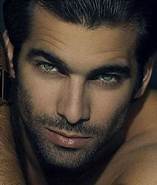
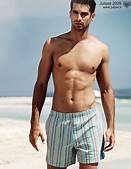
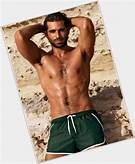
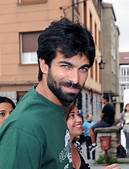
Jorge Rubén Cortada Soto, más conocido como Rubén Cortada es un actor y modelo cubano, criado en el seno de una familia humilde, es hijo de un ingeniero hidráulico y una microbióloga. Nació en la Isla de la Juventud, Cuba, el 6 de octubre de 1984.​

Cortada ha dedicado parte de su vida al deporte. Fue jugador federado de tenis hasta los 15 años y también practicó boxeo.

Altura 1,89 m (6 ′ 2 ″)

Abandona sus estudios durante el segundo año, tras el surgir de una oportunidad de trabajo en España relacionado con el modelaje.​ También fue bailarín en la caseta “El 5º Pino” en distintas ferias y fiestas de España.

VIDEOS- Ruben Cortada regresa….th

CARRERA ARTISTICA

Sus primeras experiencias como actor fueron dos obras de teatro en Cuba, bajo el mando del director Humberto Rodríguez. Posteriormente, se formó en el arte de la dramaturgia de la mano del mentor argentino Fernando Piernas.

En enero de 2011, debutó en España como actor, en la serie de Antena 3 ‘Bandolera’, y en 2013 en la telenovela ‘El tiempo entre costuras’.

En 2014, ficha por la serie de género policial ‘El Príncipe’, obteniendo un rol principal al interpretar a Faruq Ben Barek, un narcotraficante conflictivo y amante del riesgo, papel en el que destaca, y obtiene fama, en una serie de tres temporadas (2014-2016) de máximas audiencias en España.

RUBEN REGRESA A LA PANTALLA GRANDE…..

Hoy Rubén Cortada, regresa a la pantalla en su segunda pelicula que integra un elenco de lujo formado por Ernesto Alterio Blanca Suárez y Alberto San Juan en ‘El cuarto pasajero’, una película del director y guionista Alex de la Iglesia, que será estrenada en noviembre próximo.

Julián, un divorciado de 50 años, que encarna Alberto San Juan, sufre serios problemas económicos, por cuya razón recurre a una aplicación para compartir su coche con desconocidos y, en especial, con alguien que ya no lo es tanto.

VIDEOS- Ruben Cortada actuando…(Cortos)…th

Ella es Lorena (Blanca Suárez), una joven que viaja a menudo a Madrid, la capital de España que desde hace meses tiene un asiento fijo en el vehículo y, últimamente, también ocupan un lugar preferente en el corazón del cincuentón.

El quiere aprovechar el viaje para sincerarse con ella, pero un error a la hora de escoger el resto de los ocupantes que interpretan Alterio y Cortada, incluye a un inquietante pasajero, que provocará un radical cambio en el rumbo de los acontecimientos.

Esta sería la segunda incursión de Rubén Cortada en el cine, tras su participación como protagonista en ‘El signo del Caronte’, pero esta vez en un rol secundario y en varias series de televisión como ‘El Príncipe’, que lo catapultó a la fama.

El joven vuelve a encontrarse con Blanca Suárez, con la cual actuó en Lo que escondían sus ojos y el martes lo vimos en el programa de la Televisión Española La Noche D junto a Adriana Ugarte, a quien compartió escena en El tiempo entre costura.

th (40)

PERSONAL LIFE
Familia
Pareja Susana Pino (2014)
Hijos Mia Cortada Pino (2013)

FILMOGRAFIA
Television
2011 – 2012 Bandolera Jorge Infante Antena 3 11 episodios
2013 El tiempo entre costuras Ramiro Arribas 2 episodios
2014 – 2016 El Príncipe Faruq Ben Barek Telecinco 31 episodios
2015 – 2016 Olmos y Robles Agustín Robles La 1 18 episodios
2016 Lo que escondían sus ojos Ramón Serrano Suñer Telecinco 4 episodios
2017 Supermax Mercurio Salgado Rede Globo
2017 – 2018 Ella es tu padre Tomy Roales Telecinco 13 episodios

Películas
2016 El signo de Caronte Carlos Protagonista
2022 El cuarto pasajero Secundario

*RECOMIENDENOS A SUS AMISTADES* *PREFIERA A NUESTROS SPONSORS*

*RECOMIENDENOS A SUS AMISTADES*
*PREFIERA A NUESTROS SPONSORS*

logo (1)

CUBAN ACTOR RUBEN CORTADA RETURNS TO THE BIG SCREEN WITH HIS SECOND PRODUCTION. VIDEOS

th (43)

Jorge Rubén Cortada Soto, better known as Rubén Cortada, is a Cuban actor and model, raised in a humble family, he is the son of a hydraulic engineer and a microbiologist. He was born on the Isle of Youth, Cuba, on October 6, 1984.

Cortada has dedicated part of his life to sports. He was a federated tennis player until he was 15 years old and he also practiced boxing.

Height 1.89m (6′ 2″)

He abandons his studies during the second year after a job opportunity in Spain related to modeling arose. He was also a dancer in the booth “El 5º Pino” at different fairs and festivals in Spain.

ARTISTIC CAREER

His first experiences as an actor were two plays in Cuba, under the direction of director Humberto Rodríguez. Later, he was trained in the art of dramaturgy by the Argentine mentor Fernando Piernas.

In January 2011, he made his debut in Spain as an actor, in the Antena 3 series ‘Bandolera’, and in 2013 in the telenovela ‘El Tiempo entre cuerdas’.

In 2014, he signed for the police genre series ‘El Príncipe’, obtaining the main role-playing Faruq Ben Barek, a conflictive and risk-loving drug trafficker, a role in which he stands out, and gains fame, in a three-season series (2014-2016) of maximum audiences in Spain.

th (39)

RUBEN RETURNS TO THE BIG SCREEN…..

Today Rubén Cortada returns to the screen in his second film that integrates a luxury cast formed by Ernesto Alterio Blanca Suárez and Alberto San Juan in ‘The fourth passenger’, a film by the director and screenwriter Alex de la Iglesia, which will be released in next November.

Julián, a 50-year-old divorcee, played by Alberto San Juan, suffers from serious financial problems, for which reason he resorts to an application to share his car with strangers and, especially, with someone who is not so much anymore.

She is Lorena (Blanca Suárez), a young woman who often travels to Madrid, the capital of Spain, who for months has had a fixed seat in the vehicle and, lately, they also occupy a preferential place in the heart of the fifty-year-old.

He wants to take advantage of the trip, to be honest with her, but a mistake when choosing the rest of the occupants that Alterio and Cortada play includes a disturbing passenger, who will cause a radical change in the course of events.

This would be Rubén Cortada’s second foray into the cinema, after his participation as the protagonist in ‘El Signo del Caronte’, but this time in a secondary role and in various television series such as ‘El Príncipe’, which catapulted him to Fame.

The young man meets Blanca Suárez again, with whom he acted in Lo Que escondían sus Ojos, and on Tuesday we saw him on the Spanish Television program La Noche D together with Adriana Ugarte, with whom he shared a scene in The time between sewing.

th (41)

PERSONAL LIFE
Family
Couple Susana Pino (2014)
Children Mia Cortada Pine (2013)

FILMOGRAPHY
TV
2011 – 2012 Bandolier Jorge Infante Antena 3 11 episodes
2013 The time between seams Ramiro Arribas 2 episodes
2014 – 2016 Prince Faruq Ben Barek Telecinco 31 episodes
2015 – 2016 Olmos y Robles Agustín Robles La 1 18 episodes
2016 What his eyes hid Ramón Serrano Suñer Telecinco 4 episodes
2017 Supermax Mercury Salgado Rede Globo
2017 – 2018 She is your father Tomy Roales Telecinco 13 episodes

Films
2016 The sign of Charon Carlos Protagonist
2022 The fourth passenger Secondary

Agencies. Wiki. RubenCortadaBio. Extractos. Excerpts. Internet Photos. YouTube. Arnoldo Varona. www.TheCubanHistory.com
THE CUBAN HISTORY, HOLLYWOOD.

*RECOMIENDENOS A SUS AMISTADES* *PREFIERA A NUESTROS SPONSORS*
*RECOMIENDENOS A SUS AMISTADES*
*PREFIERA A NUESTROS SPONSORS*

logo (1)