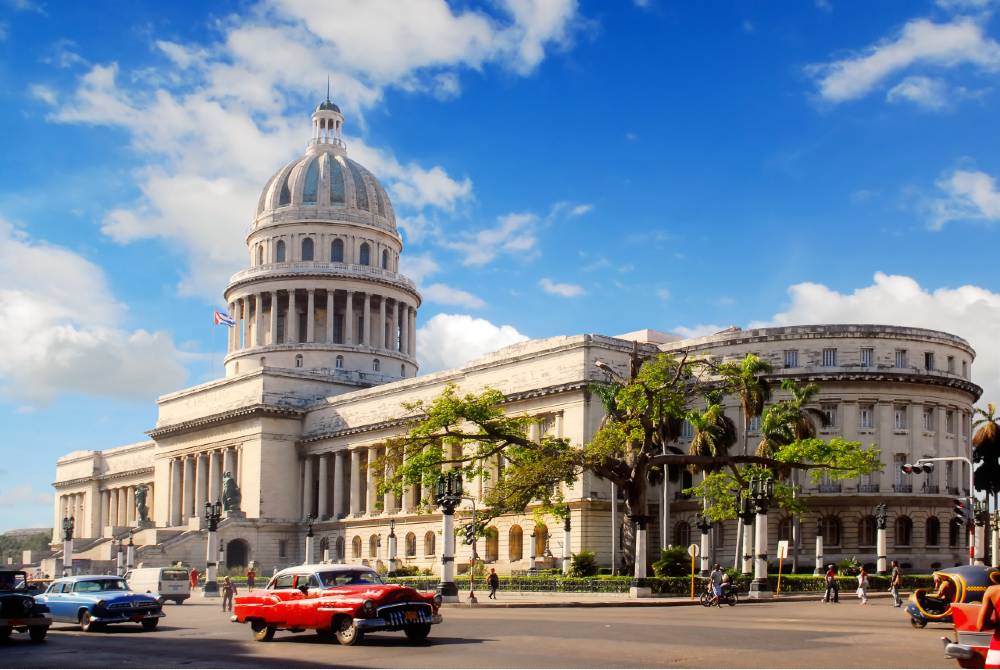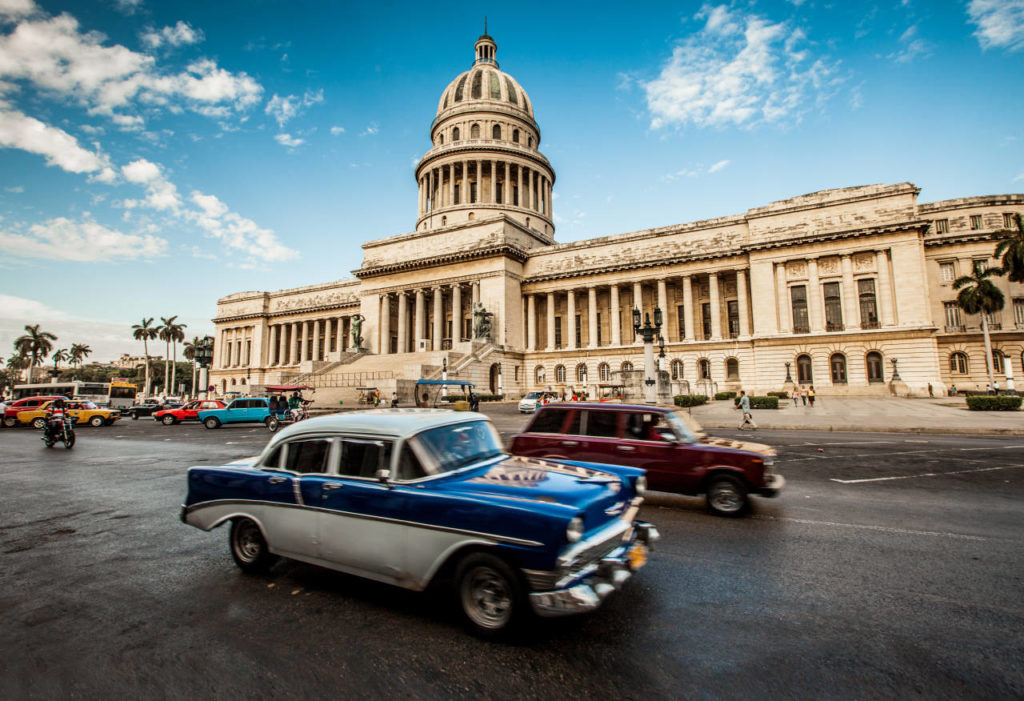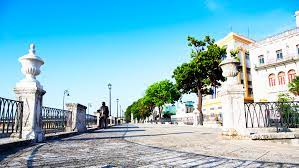
LA PLAZA VIEJA y la Alameda de Paula de mi Habana Cubana. PHOTOS. * THE OLD PLAZA and the Alameda de Paula in my Cuban Havana. PHOTOS

download - 2022-09-29T090925.324

LA PLAZA VIEJA Y LA ALAMEDA DE PAULA DE MI HABANA CUBANA. FOTOS.

La Alameda de Paula es un paseo marítimo de La Habana, Cuba, y fue el primero que se construyó en la ciudad.

La Alameda de Paula fue encargada por el Capitán General (español: Capitanía General de Cuba) Felipe de Fons de Viela, miembro de la corte del rey Carlos III. En el solar del antiguo vertedero de Rincón, inicialmente, el paseo era un camino de tierra con algunos bancos y flanqueado por dos hileras de chopos. Se le dio el nombre de Alameda de Paula por su cercanía al Hospital e Iglesia de San Francisco de Paula que había sido construido en 1664.

En 1847 se construyó una fuente de mármol ornamentada. Entre 1803 y 1805 se embaldosó el pavimento y se le añadió una fuente y bancas de piedra, farolas y columnas de mármol, calificada como un agradable entretenimiento para los vecinos de la Villa de San Cristóbal, careciendo de sitios recreativos en ese momento. La Alameda de Paula se convirtió en uno de los espacios sociales y culturales más importantes de La Habana y el modelo del Paseo del Prado diseñado en 1925 por Jean-Claude Nicolás Forestier.

La Alameda de Paula se convirtió en uno de los espacios sociales y culturales más importantes de La Habana, fue el modelo del Paseo del Prado diseñado en 1925 por Jean-Claude Nicolás Forestier. Se le dio el nombre de Alameda de Paula por su cercanía al antiguo Hospital e Iglesia de San Francisco de Paula.

El paseo marítimo fue objeto de diversas transformaciones a lo largo del siglo XIX; se alicató el terraplén, se ubicó allí una fuente y se enrejó el respaldo de los asientos. En ese momento era considerado el lugar más popular y concurrido de la ciudad. Se construyeron baños que aumentaron su popularidad. En la década de 1940 se dibujaron plazas en sus extremos, se ensancharon, se dotaron de escaleras de acceso y asientos, se actualizó el alumbrado público.

En 1841 se ensancharon las escaleras que daban acceso al paseo y se añadieron varias farolas. En el año 2000 se restauró y amplió el paseo habanero hasta llegar a la Iglesia de San Francisco de Paula.
download - 2022-09-29T090753.431

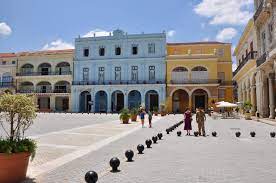
LA PLAZA VIEJA
La Plaza Vieja es una plaza ubicada en La Habana Vieja, Cuba. La plaza y sus alrededores son también uno de los siete llamados Consejos Populares (barrios) del municipio de La Habana Vieja. Tiene una población residencial de 17.426.

La plaza se llamó originalmente Plaza Nueva (Plaza Nueva). Surgió como un espacio abierto en 1559, después de la Plaza de Armas y San Francisco. En la época colonial fue un barrio residencial de la plutocracia criolla.

La Plaza Vieja fue el sitio de ejecuciones, procesiones, corridas de toros y fiestas, todo presenciado por los ciudadanos más ricos de La Habana, que miraban desde sus balcones.

El conjunto urbano arquitectónico de la Plaza Vieja está representado por valiosos edificios coloniales de los siglos XVII, XVIII y XIX y algunos ejemplos de principios del siglo XX.

PRINCIPIOS DE SU HISTORIA
La plaza surgió en 1559 y originalmente se llamó Plaza Nueva (Plaza Nueva). Fue construido como una alternativa popular a la Plaza de Armas, el principal centro militar y de gobierno, el nombre cambió cuando surgió otra plaza importante en la ciudad, la Plaza del Santo Cristo.

En el siglo XVIII, la plaza se convirtió en un mercado popular y se denominó Plaza del Mercado como eje comercial de La Habana. En 1814 con el nacimiento del Mercado Nuevo en la Plaza del Cristo, se rebautizó la Plaza Vieja para diferenciarla. La plaza también ha sido identificada con otros nombres como Plaza Real, Mayor, Mercado, Fernando VII, Plaza de la Constitución, Parque Juan Bruno Zayas y Parque Julián Grimau.

La fuente original de mármol de Carrara rodeada por cuatro delfines fue demolida en la década de 1930 cuando el presidente Gerardo Machado (1871-1939) construyó aquí un estacionamiento subterráneo.

A principios de la década de 1980, una vez que La Habana Vieja fuera declarada Patrimonio de la Humanidad por la Unesco, arquitectos y restauradores iniciaron un proyecto de restauración.
* RECOMIENDENOS A SUS AMISTADES * PREFIERA A NUESTROS SPONSORS *

* RECOMIENDENOS A SUS AMISTADES * PREFIERA A NUESTROS SPONSORS *

logo (4)

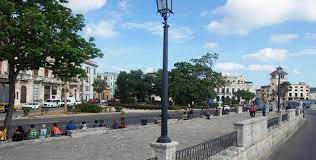
THE OLD PLAZA AND THE ALAMEDA DE PAULA IN MY CUBAN HAVANA. PHOTOS
download - 2022-09-29T090843.952

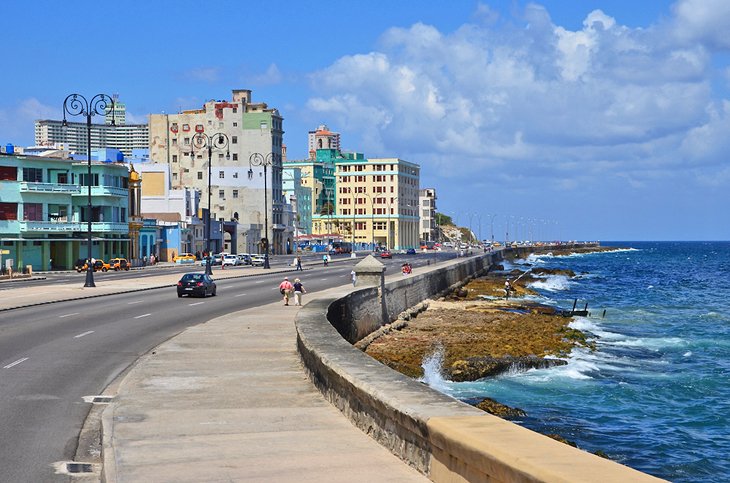
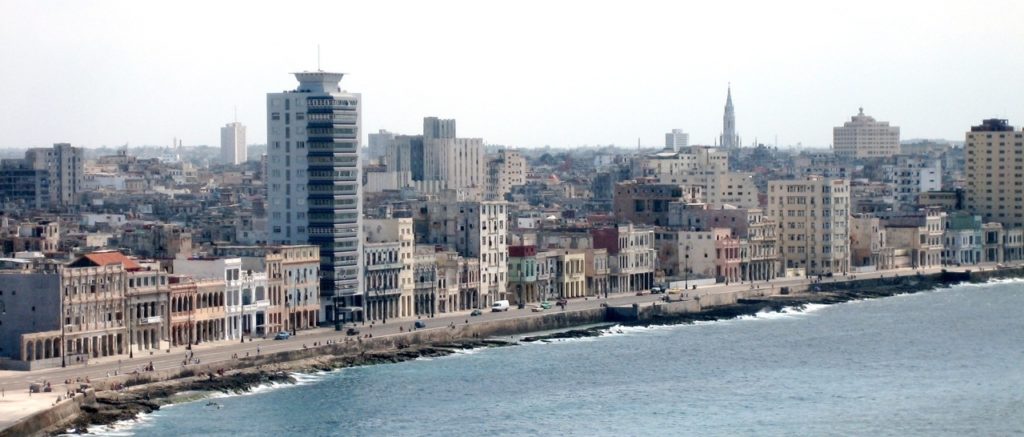
The Alameda de Paula is a promenade in Havana, Cuba, and was the first to be built in the city.

The Alameda de Paula was commissioned by Captain General (Spanish: Capitanía General de Cuba) Felipe de Fons de Viela, a member of the court of King Carlos III. At the site of the old Rincón refuse dump, initially, the promenade was a dirt track with some benches and flanked by two rows of poplar trees. It was given the name Alameda de Paula because of its proximity to the Hospital and Iglesia of San Francisco de Paula which had been built in 1664.

An ornamented marble fountain was built in 1847. Between 1803 and 1805 the pavement was tiled, and a fountain and stone benches, lampposts, and marble columns were added, it qualified as a pleasant entertainment for the residents of the Villa de San Cristóbal, lacking recreational sites at that time. The Alameda de Paula became one of Havana’s most important social and cultural spaces and the model of the Paseo del Prado designed in 1925 by Jean-Claude Nicolas Forestier.

The Alameda de Paula became one of Havana’s most important social and cultural spaces, it was the model of the Paseo del Prado designed in 1925 by Jean-Claude Nicolas Forestier. It was given the name Alameda de Paula because of its proximity to the old Hospital and Iglesia of San Francisco de Paula.

The promenade was the subject of various transformations in the course of the 19th century; the embankment was tiled, a fountain was located there and the back of the seats was latticed. By that time it was considered the most popular and busiest place in the city. Toilets were built which increased its popularity. In the 1940s, squares were drawn at their ends, widened, and provided with access stairs and seats, street lamps were updated.

In 1841, the stairs that gave access to the promenade were widened and several lampposts were added. In the year 2000, the Havana promenade was restored and extended until it reached the Iglesia de San Francisco de Paula.
download - 2022-09-29T090803.735

LA PLAZA VIEJA
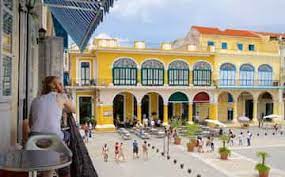
The Plaza Vieja (Old Square) is a plaza located in Old Havana, Cuba. The plaza and its surroundings are also one of the seven called Consejos Populares (wards) of the municipality of Old Havana. It has a residential population of 17,426.

The plaza was originally called Plaza Nueva (New Square). It emerged as an open space in 1559, after the Plaza de Armas and San Francisco. In colonial times it was a residential neighborhood of the Criollo plutocracy.

Plaza Vieja was the site of executions, processions, bullfights, and fiestas – all witnessed by Havana’s wealthiest citizens, who looked on from their balconies.

The urban architectural complex of Plaza Vieja is represented by valuable colonial buildings from the XVII, XVIII, and XIX and some examples of the early twentieth century.

EARLY HISTORY
The plaza emerged in 1559 and was originally called Plaza Nueva (New Square). It was built as a popular alternative to Plaza de Armas, the military and government main center, the name changed when another important square emerged in town, the Plaza del Santo Cristo.

In the eighteenth century, the square was turned into a popular market and was called Plaza del Mercado (Market Square) as Havana’s commercial hub. In 1814 with the birth of the Mercado Nuevo (new market) in the Plaza del Cristo, the Old Square was renamed to differentiate it. The square has also been identified by other names such as Plaza Real, Mayor, Mercado, Fernando VII, Plaza of the Constitution, Park Juan Bruno Zayas, and Park Julian Grimau.

The original Carrara marble fountain surrounded by four dolphins was demolished in the 1930s when President Gerardo Machado (1871-1939) built an underground parking lot here.

In the early 1980s, once Old Havana was declared World Heritage Site by Unesco, architects and restorers began a restoration project.

Agencies/ Wiki/ MiViejaHabanaHist./ Extractos/ Excerpts/ Internet Photos/ Arnoldo Varona/ www.TheCubanHistory.com
THE CUBAN HISTORY, HOLLYWOOD.
* RECOMIENDENOS A SUS AMISTADES * PREFIERA A NUESTROS SPONSORS *

* RECOMIENDENOS A SUS AMISTADES * PREFIERA A NUESTROS SPONSORS *

logo (4)

MIS Gratos Recuerdos: Los Niños Cubanos tambien queriamos ser Cowboys. PHOTOS. * My Pleasant Memories: The Cuban children also wanted to be Cowboys. PHOTOS.

download - 2022-09-28T180137.141

MIS GRATOS RECUERDOS: LOS NIÑOS CUBANOS TAMBIÉN QUERIAMOS SER COWBOYS. PHOTOS.
Por Esteban Fernández.

Les dije que los niños cubanos queríamos ser peloteros, pero muchos también deseábamos ser vaqueros. Solamente el niño Fructuoso Renán Pérez quería ser el indio “Karinoa”…

Admirábamos a Roy Rogers, a Tim McCoy, a Gene Autry, al Llanero Solitario, John Wayne y Hopalong Cassidy …Esos eran nuestros héroes…

Jamás nos perdíamos los episodios del “Titán de la Llanura” Leonardo Moncada montado en su caballo Lígero seguido por su perro Campeón.

Los días 6 de Enero, día glorioso de los Reyes Magos, desde las cinco de la mañana ya nos despertaban los sonidos de los revólveres de fulminantes, y al salir al portal de la casa de la calle Pinillos 463 nos parecía que estábamos en el Oeste norteamericano rodeados de vaqueros…

A las 12 del día no se veía a un solo niño en las calles, todos estábamos dentro de nuestros hogares pegados a la radio escuchando los episodios de tres hermanos cowboys de apellido Villalobos llamados Rodolfo, Miguelón y Machito nacidos en el Valle del Ayatimbo…

download - 2022-09-28T180153.053

Era tanta nuestra admiración por estos personajes que hasta adorábamos a sus tres caballos llamados Azabache, Centella y Tormenta…

Mi fanatismo era tan increíble que un día le pedí encarecidamente a mi padre que comenzara a llamarme “Miguelón el más recio de los Villalobos” … Claro que tiró a relajo mi deseo, pero por unos meses comenzó a burlarse de mi llamándome “Miguelito”…

Odiábamos a muerte a sus archienemigos Saquiri el Malayo, el indio Karinoa, el Látigo Negro y Emilio Capetillo que asesinó al cuarto Villalobos llamado Luis…

Desde luego, admirábamos a sus amigos Ciervo Ligero , El viejito Tobías y el gago Quiñones.

download - 2022-09-28T180645.576
Esteban Fernández, destacado periodista y costumbrista cubano residente en los Estados Unidos.

Agencies/ Esteban Fernández/ Extractos/ Excerpts/ Internet Photos/ Arnoldo Varona/ www.TheCubanHistory.com
THE CUBAN HISTORY, HOLLYWOOD.

* RECOMIENDENOS A SUS AMISTADES * PREFIERA A NUESTROS SPONSORS *

* RECOMIENDENOS A SUS AMISTADES * PREFIERA A NUESTROS SPONSORS *

logo (4)

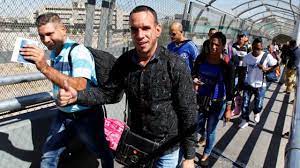
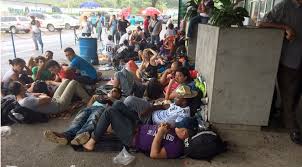
DE LOS 80,000 migrantes que llegaron a Honduras hacia EEUU, la mayoria son Cubanos. Photos. * OF THE 80,000 Migrants who arrived in Honduras towards the United States, most are Cubans. PHOTOS.

1553518446-caravana-migrantes-cubanos-centroamericanos-avanza-hacia-estados-unidos

DE LOS 80,000 MIGRANTES QUE LLEGARON A HONDURAS HACIA ESTADOS UNIDOS, LA MAYORIA SON CUBANOS. PHOTOS.

Los migrantes entraron a Honduras por los municipios de Danlí y Trojes, departamento de El Paraíso, fronterizo con Nicaragua. El INM detalló que este año han entrado de manera irregular a Honduras 44.535 migrantes cubanos.

CERCA DE LOS 80.000 migrantes irregulares que viajan con la idea de llegar a Estados Unidos han llegado a Honduras en lo que va de este año, en su mayoría de nacionalidad cubana, según cifras del Instituto Nacional de Migración (INM) consultadas este viernes por Efe.

Entre enero y el 19 de agosto ingresaron al país centroamericano 79.667 migrantes que intentan avanzar hacia el norte con el objetivo de llegar a Estados Unidos, según los datos oficiales.

En el informe no se detalló nada sobre los alrededor de unos 400 migrantes de diversas nacionalidades, principalmente cubanos y venezolanos, que se aglutinaron este sábado en una de las fronteras de Guatemala para intentar ingresar al país centroamericano desde Honduras.

El INM detalló que este año han entrado de manera irregular a Honduras 44.535 migrantes cubanos, 19.222 venezolanos, 4.795 ecuatorianos y 3.051 haitianos

Tampoco se abordó la denuncia realizada en días pasados por cubanos, quienes acusaron a agentes de Migración hondureños de exigir cuotas de 20 dólares, sin importar que los migrantes cuenten con un salvoconducto oficial.

El INM detalló que este año han entrado de manera irregular a Honduras 44.535 migrantes cubanos, 19.222 venezolanos, 4.795 ecuatorianos y 3.051 haitianos.

El 54,8 % (43.676) de los inmigrantes son hombres, 28,5 % (22.728) mujeres y un 16,6 % (13.263) son niños y adolescentes, agregó el Instituto de Migración.

download - 2022-09-28T173009.708

Del total de migrantes irregulares este año, el 52,5 % (41.847) tenían entre 0 y 30 años, y el 47,5 % (37.820) eran mayores de 30 años.

El Instituto de Migración indicó además que el 77,3 % (61.556) de los migrantes entraron a Honduras por los municipios de Danlí y Trojes, departamento de El Paraíso, fronterizo con Nicaragua.

El Paraíso se ha convertido en los últimos meses en una nueva ruta que migrantes, principalmente de Cuba, Venezuela y Haití, están utilizando para seguir hacia Estados Unidos.

La mayoría de los inmigrantes que entran a Honduras lo hacen de manera irregular, por “puntos ciegos” a través de traficantes de personas, conocidos como “coyotes”, quienes no siempre los llevan hasta la frontera con Guatemala.

* RECOMIENDENOS A SUS AMISTADES * PREFIERA A NUESTROS SPONSORS *

* RECOMIENDENOS A SUS AMISTADES * PREFIERA A NUESTROS SPONSORS *

logo (4)

OF THE 80,000 MIGRANTS WHO ARRIVED IN HONDURAS TOWARDS THE UNITED STATES, MOST ARE CUBANS. PHOTOS.

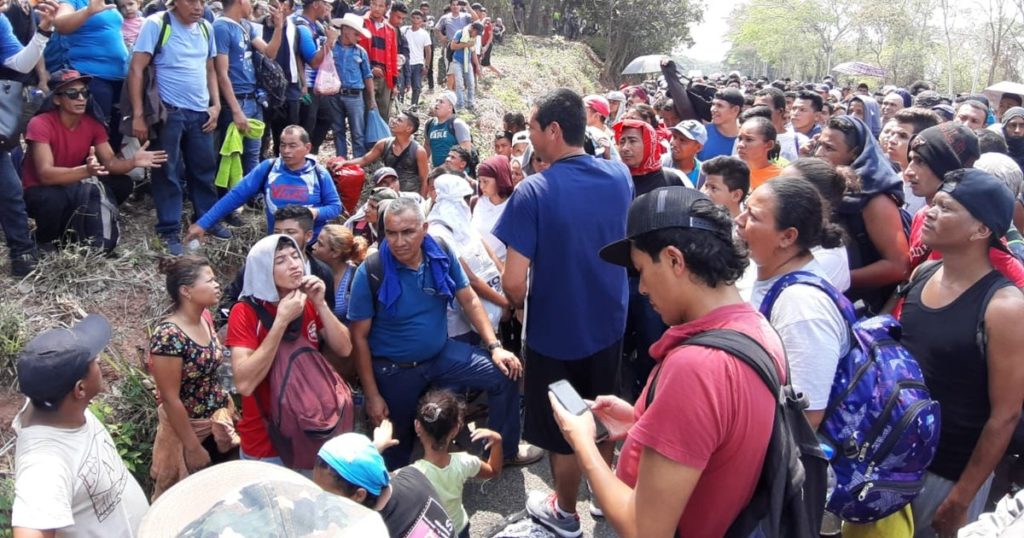
The migrants entered Honduras through the municipalities of Danlí and Trojes, department of El Paraíso, bordering Nicaragua. The INM detailed that this year 44,535 Cuban migrants have entered Honduras irregularly.

download - 2022-09-28T173014.387

NEARLY 80,000 irregular migrants who travel with the idea of ​​reaching the United States have arrived in Honduras so far this year, mostly of Cuban nationality, according to figures from the National Institute of Migration (INM) consulted this Friday by Efe.

Between January and August 19, 79,667 migrants entered the Central American country trying to move north with the aim of reaching the United States, according to official data.

The report did not detail anything about the around 400 migrants of various nationalities, mainly Cubans and Venezuelans, who gathered this Saturday at one of the Guatemalan borders to try to enter the Central American country from Honduras.

The INM detailed that this year 44,535 Cuban migrants, 19,222 Venezuelans, 4,795 Ecuadorians, and 3,051 Haitians have entered Honduras irregularly.

The complaint made in recent days by Cubans, who accused Honduran immigration agents of demanding fees of 20 dollars, regardless of whether the migrants have official safe conduct, was also not addressed.

The INM detailed that this year 44,535 Cuban migrants, 19,222 Venezuelans, 4,795 Ecuadorians, and 3,051 Haitians have entered Honduras irregularly.

images (32)

54.8% (43,676) of immigrants are men, 28.5% (22,728) women and 16.6% (13,263) are children and adolescents, added the Migration Institute.

Of the total irregular migrants this year, 52.5% (41,847) were between 0 and 30 years old, and 47.5% (37,820) were over 30 years old.

The Migration Institute also indicated that 77.3% (61,556) of the migrants entered Honduras through the municipalities of Danlí and Trojes, department of El Paraíso, bordering Nicaragua.

El Paraíso has become in recent months a new route that migrants, mainly from Cuba, Venezuela, and Haiti, are using to continue towards the United States.

Most of the immigrants who enter Honduras do so irregularly, through “blind spots” through human traffickers, known as “coyotes”, who do not always take them to the border with Guatemala.

Agencies/ 14yMedio, La Habana/ InmigracionCubana/ Extractos/ Excerpts/ Internet Photos/ Arnoldo Varona/ www.TheCubanHistory.com
THE CUBAN HISTORY, HOLLYWOOD.

* RECOMIENDENOS A SUS AMISTADES * PREFIERA A NUESTROS SPONSORS *
* RECOMIENDENOS A SUS AMISTADES * PREFIERA A NUESTROS SPONSORS *
logo (4)