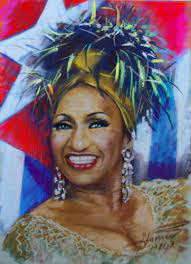
THE IMAGE of CELIA CRUZ will be on the Official Coins of the United States. * LA IMAGEN de CELIA CRUZ estará en Monedas Oficiales de Estados Unidos. PHOTOS.

LA IMAGEN DE CELIA CRUZ ESTARÁ EN MONEDAS OFICIALES DE ESTADOS UNIDOS.

La imagen de la cantante cubana Celia Cruz estará en monedas estadounidenses de 25 centavos para el año 2024, anunció en un comunicado la Casa de la Moneda de ese país (US MINT en inglés).

images (13)

Dicha institución dijo que Cruz es un “ícono cultural y una de las artistas latinas más populares del siglo XX”. La US MINT recordó que la cubana es conocida como “La Reina de la Salsa”, y que ganó una Medalla Nacional de las Artes y seis premios Grammy (uno póstumo).

El diseño de la moneda con la imagen de Cruz podrá conocerse a mediados del presente año.

Este reconocimiento a la artista de la Isla forma parte del Programa American Women Quarters, una iniciativa que presenta monedas con diseños inspirados en los logros y contribuciones de las mujeres estadounidenses. Cruz es un símbolo cultural del exilio cubano asentado en EEUU y su obra ha estado vetada durante décadas por el régimen comunista de la Isla.

A principios de enero, la revista especializada Rolling Stone ubicó a Celia Cruz en el puesto 18 entre los 200 mejores cantantes de los últimos cien años. La cubana fue la intérprete latina mejor ubicada en esa lista.

Según la selección, que colocó a la Guarachera de Cuba entre Elvis Presley (puesto 17) y Frank Sinatra (18), “puedes escuchar mucho de la historia de vida de Celia Cruz en su voz: su tono rico e inimitable capturó la calidez y la vitalidad de La Habana, a menudo evocando el llamado de los vendedores ambulantes y el poder de las canciones santeras afrocubanas de su infancia”.

“Aunque saltó a la fama en Cuba, se convirtió en una estrella en la ciudad de Nueva York, mostrando su carisma infinito y su poderosa fuerza vocal junto a los temas de salsa más grandes de la historia. Sin importar con quién actuara, Cruz siempre brilló radiante. Su magia, ligada a su habilidad para hacer sentir a la gente, podía capturar la nostalgia y el anhelo, o podía dejar escapar un grito de ‘¡Azúcar!’ y encarnar la exuberancia por la vida que continúa convirtiéndola en una de las cantantes más trascendentes de todos los tiempos”, indicó Rolling Stone.

download (42)

Otras mujeres reconocidas por la Casa de la Moneda de Estados Unidos serán Patsy Takemoto (primera mujer negra en servir en el Congreso de EEUU), la Dra. Mary Edwards Walker (cirujana durante la Guerra de Secesión, defensora de los derechos de la mujer y abolicionista), y Gertrude Simmons Bonnin (escritora, compositora, educadora y activista política por el derecho de los nativos americanos).

“Todas las mujeres homenajeadas han vivido vidas notables y multifacéticas, y han tenido un impacto significativo en nuestra nación a su manera única”, dijo el director de US MINT, Ventris C. Gibson.

Esta institución pertenece al Departamento del Tesoro de EEUU y es el único fabricante de monedas de curso legal en ese país. También produce monedas de prueba y conmemorativas, y las medallas de oro del Congreso de EEUU.

download - 2023-01-26T085937.474

logo

THE IMAGE OF CELIA CRUZ WILL BE ON THE OFFICIAL COINS OF THE UNITED STATES.

The image of Cuban singer Celia Cruz will be on US 25-cent coins by the year 2024, the US Mint announced in a statement.

download (43)

The said institution said Cruz is a “cultural icon and one of the most popular Latin artists of the 20th century.” The US MINT recalled that the Cuban is known as “The Queen of Salsa”, and that she won a National Medal of Arts and six Grammy Awards (one posthumous).

The design of the coin with the image of Cruz will be known in the middle of this year.

This recognition of the artist from the Island is part of the American Women Quarters Program. This initiative presents coins with designs inspired by the achievements and contributions of American women. Cruz is a cultural symbol of the Cuban exile settled in the US and her work has been banned for decades by the island’s communist regime.

At the beginning of January, the specialized magazine Rolling Stone ranked Celia Cruz 18th among the 200 best singers of the last hundred years. The Cuban was the best-ranked Latin interpreter on that list.

According to the selection, which placed the Cuban Guaracha between Elvis Presley (17th place) and Frank Sinatra (18th), “you can hear a lot of Celia Cruz’s life story in her voice: her rich and inimitable tone captured the warmth and the vibrancy of Havana, often evoking the call of the street vendors and the power of the Afro-Cuban Santeria songs of his childhood.”

“Although he rose to fame in Cuba, he became a star in New York City, showcasing his endless charisma and powerful vocal strength alongside the biggest salsa numbers in history. No matter who he performed with, Cruz always she shone radiantly. Her magic, tied to her ability to make people feel, could capture nostalgia and longing, or she could let out a cry of ‘Sugar!’ and embody the exuberance of hers for her life that continues to make her one of the most transcendent singers of all time,” Rolling Stone said.

Celia-Cruz-Grammys-1-1024x576

Other women recognized by the United States Mint will be Patsy Takemoto (first black woman to serve in the US Congress), Dr. Mary Edwards Walker (surgeon during the Civil War, defender of women’s rights and abolitionist), and Gertrude Simmons Bonnin (writer, composer, educator, and political activist for Native American rights).

“All of the women honorees have lived remarkable and multifaceted lives, and have made a significant impact on our nation in their own unique way,” said US MINT Director Ventris C. Gibson.

This institution belongs to the US Department of the Treasury and is the only manufacturer of legal tender coins in that country. It also produces proof, commemorative coins, and US Congressional Gold Medals.

Agencies/ DDC/ AP Kevork Djansezian/ Extractos/ Excerptps/ Internet Photos/ Arnoldo Varona/ www.TheCubanHistorry.com
THE CUBAN HISTORY, HOLLYWOOD.

download - 2023-01-18T075941.828

logo

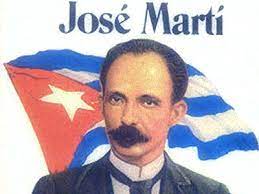
THE JOSÉ MARTÍ who will Always be Present as an Endurable Stimulus in Every Cuban. * EL JOSÉ MARTÍ que siempre estará presente como Estimulo perdurable en Cada Cubano. PHOTOS.

EL JOSE MARTI QUE SIEMPRE ESTARA PRESENTE COMO ESTIMULO PERDURABLE EN CADA CUBANO.

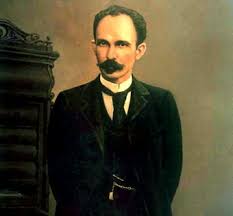
LA IMAGEN de José Martí -el revolucionario que dijo e hizo para ayer y para hoy- es como esos árboles gigantes que mientras más tiempo pasa sobre ellos, más afianzan sus raíces y crecen. Una vez, sin intenciones proféticas personales, escribió: «Mi verso crecerá. Bajo la yerba, yo también creceré…»

download (41)

La frase poética iba a ser una realidad histórica. Martí echa raíces y sin descanso crece -no bajo la hierba, sino sobre la tierra- y crecerá cada vez con mayor empeño en el corazón, en la unidad y el esfuerzo de todos los cubanos.

En ocasión de conmemorarse este aniversario 170 de su natalicio, nada mejor que un acercamiento al Anecdotario Martiano, de Gonzalo de Quesada y Miranda, a través del cual se ofrece un retrato cercano, más bien íntimo, de la personalidad inolvidable de José Martí.

Es un texto valioso por sus apreciaciones y aspectos novedosos para muchos, aún cuando fue publicado en 1948, que atrapa en su lectura de principio a fin, y que, como señala su autor, tenía «como propósito fundamental ofrecer a los jóvenes cubanos un cuadro exacto y bien perfilado de la extraordinaria personalidad del gran revolucionario cubano».

UN TRABAJADOR INFATIGABLE…

Ante todo se resalta que Martí era un trabajador infatigable. Escribía diez o más cartas, varios manifiestos revolucionarios, artículos para el periódico Patria, correspondencias para diarios sudamericanos, versos, todo en un solo día. Y aún le quedaba tiempo para llevar a sus libros de apuntes alguna nota personal o curiosa.

Estaba consciente que tenía mucho por hacer. Dormía poco y con inquietud. En los días angustiosos en que preparaba la última guerra de independencia, pocas fueron sus horas de descanso.

Frágil de cuerpo, precario de salud y con una dolorosa herida inguinal, causada por la cadena de presidiario cuando apenas tenía 17 años de edad, herida que llevó con estoicismo desde la adolescencia hasta la muerte.

Los que conocieron, atestiguaron que se le veía siempre inquieto y nervioso, de rápido andar. Subía y bajaba las escaleras «como quien no tiene pulmones», porque quería andar tan a prisa como su pensamiento.

images (11)

Era muy respetuoso de las opiniones de los demás, pero estaba convencido de sus doctrinas e ideales, defendiéndolos con calor y apasionamiento. Sabía responder a cuanto agravio directo o disfrazado se le hacía, aunque nunca se vanaglorió de su valor personal.

Su hablar era más bien suave, persuasivo. Sin embargo, en sus discursos revolucionarios su palabra llegaba a romper el aire «como tajo de machete».

Su frente alta y despejada dejaba entrever con el paso de los años cómo su pelo negro se iba clareando en las sienes. Su nariz recta reflejaba firmeza.

Con el paso de los años ha crecido Martí y con él todos, porque su amor por la Patria y por los hombres, su lucha por la libertad, sus ideas y acciones, y su ejemplo inagotable quedan como estímulo perdurable sin término previsible.

images-6-5

logo

THE JOSE MARTI WILL ALWAYS BE PRESENT AS AN ENDURABLE STIMULUS IN EVERY CUBAN.

THE IMAGE of José Martí -the revolutionary who said and did for yesterday and for today- is like those giant trees that the more time he spends on them, the more they strengthen their roots and grow. Once, without personal prophetic intentions, he wrote: «My verse will grow. Under the grass, I too will grow…”

images (12)

The poetic phrase was to be a historical reality. Martí takes root and grows without rest -not under the grass, but on the ground- and will grow with greater determination in the heart, in the unity and effort of all Cubans.

On the occasion of commemorating the 170th anniversary of his birth on January 28, nothing better than an approach to the Anecdotario Martiano, by Gonzalo de Quesada y Miranda, through which a close, rather an intimate portrait of the unforgettable personality of Jose Marti.

It is a valuable text for its appreciation and novel aspects for many, even when it was published in 1948, which captures its reading from beginning to end, and which, as its author points out, had “as its fundamental purpose to offer young Cubans a picture accurate and well outlined of the extraordinary personality of the great Cuban revolutionary».

A TIRELESS WORKER…

Above all, it is emphasized that Martí was a tireless worker. He wrote ten or more letters, various revolutionary manifestos, articles for the Patria newspaper, correspondence for South American newspapers, verses, all in a single day. And he still had time to take some personal or curious note to his notebooks.

He was aware that he had a lot to do. He slept little and restlessly. In the anguishing days when he was preparing the last war of independence, few were his rest hours.

Fragile in body, precarious in health and with a painful inguinal wound, caused by the prisoner’s chain when he was barely 17 years old, an injury that he carried with stoicism from adolescence until death.

Those who knew him testified that he was always restless and nervous, with a fast walk. He went up and down the stairs “like someone who has no lungs” because he wanted to walk as fast as he thought of himself.

He was very respectful of the opinions of others, but he was convinced of his doctrines and ideals, defending them with heat and passion. He knew how to respond to any direct or disguised wrong done to him, although he never boasted of his personal value.

His talk was rather smooth, and persuasive. However, in his revolutionary speeches, his word would break the air “like a machete cut.”

His high, clear forehead revealed over the years how his black hair was thinning at the temples. His straight nose reflected firmness.

Over the years, Martí and everyone has grown with him, because his love for the country and for men, his fight for freedom, his ideas and actions, and his inexhaustible example remain as a lasting stimulus. with no foreseeable end.

Agencies/ Wiki/ RadiEncl./ Ana Rosa Perdomo/ Extractos/ Excerpts/ Internet Photos/ Arnoldo Varona/ www.TheCubanHistoy.com
THER CUBAN HISTORY, HOLLYWOOD.

download - 2023-01-18T173539.779

logo

FRANCISCO “Pancho” CESPEDES, Cuban Singer, Musician and Composer. VIDEOS. * FRANCISCO “Pancho” CESPEDES, cantante, músico y compositor Cubano. PHOTOS. VIDEOS.

FRANCISCO “PANCHO” CESPEDES, CANTANTE, MUSICO Y COMPOSITOR CUBANO. VIDEOS.

Más conocido por Francisco Céspedes o amigablemente por Pancho Céspedes, es un cantante, músico y compositor nacido en 1957 en Santa Clara, Cuba y nacionalizado mexicano. Saltó a la fama en 1998, con su álbum “Vida loca”, melodías que van desde la balada al bolero con un toque jazz.

download (37)

El cantautor dejó su carrera de médico para involucrarse en el movimiento de música romántica llamado “feeling” (bolero y jazz mezclado en Cuba). Después de su llegada a México en 1993, Luis Miguel incluyó uno de los títulos de autoría de Francisco “Pensar en ti” en el álbum “Aries”, que fue el debut internacional en la carrera de Francisco como compositor.

CARRERA ARTISTICA…
Durante varios años, formó parte de algunas agrupaciones cubanas como el grupo de Pucho López (con el que visitó España por primera vez a principios de la década de los 90’s) y la Orquesta Cubana de Música Moderna, agrupación con la que cantaba temas tanto de su autoría como de «feeling» -un movimiento de música que surgió en Cuba, el cual es una mezcla de bolero con jazz y con el que se estuvieron presentado a lo largo de su país-, para finalmente llegar a México, donde decide radicar iniciando una carrera en la música.

VIDEOS- Pancho Cespedes Exitos….th

En 1993 cuando Luis Miguel se encontraba seleccionando los temas que formarían parte de Aries, éste decidió incluir la canción de autoría de Francisco Céspedes titulado Pensar en ti, una de la canciones más importantes de ese disco, iniciando así su primera etapa dentro de la música como compositor. Otro tema de Francisco Céspedes cantado por Luis Miguel en 1996 fue: Qué tú te vas, mismo que formó parte del álbum Nada es igual.

Participó como solista en el Festival Viña del Mar 1997, representando a México con Hablo de ti, una canción que había escrito en Cuba años atrás y con la que logró el segundo lugar en tan afamado festival latinoamericano.

Es justo después del éxito en el festival, que Francisco Céspedes consigue grabar en 1997 su primer álbum como solista titulado: Vida loca. En él mostraba todas las vivencias que había tenido en los últimos años, logrando un disco lleno de sensibilidad y amor que se convirtió en uno de los más exitosos en México, España, Estados Unidos, Perú y Chile.

Durante 1998 y 1999, realizó una extensa gira visitando los países más importantes de Latinoamérica y España, país en el cual se presentó varias veces durante el mismo año debido al gran éxito que tuvo Vida loca, álbum con el cual obtuvo Quíntuple Disco de Platino en este país, así como 3 Premios Amigo como «Mejor Artista Revelación Latino», «Mejor Solista Masculino Latino» y «Mejor Álbum Latino», y un Premio Ondas como «Artista Revelación Latino 1998»; además realizó un dueto junto a Presuntos implicados en la canción Nadie como tú. En 2000 salió al mercado su álbum ¿Dónde está la vida?, que fue Disco de Platino por sus ventas en México y a nivel internacional alcanzó un importante éxito debido a que el sencillo de salida ¿Dónde está la vida?, fue emitido en la telenovela mexicana La casa en la playa.

Entre marzo y septiembre de 2002 grabó … Ay Corazón, su tercer álbum de estudio, en Ciudad de México entre los meses de marzo y septiembre de 2002.

Para el año 2004, Francisco Céspedes sale sus Grandes Éxitos, Dicen que el alma / Grandes Éxitos dónde incluye dos temas nuevos: Dicen que el alma y su primer sencillo Lloviendo ausencia. También como bonus incluye duetos de Remolino con Ana Belén y Vida loca con Milton Nascimento.

download (39)

PANCHO CESPEDES LANZA “AUTORRETRATO”…

En 2005 Francisco Céspedes lanza al mercado su nuevo material discográfico titulado “Autorretrato”. El subtítulo Okán Eyo, que significa «cosas del corazón, problemas del alma», resume la esencia del álbum, incluyendo versiones de Bésame Mucho, entre otras.

Durante el año 2006 Francisco Céspedes regresa con un nuevo disco homenaje a Ignacio Villa, mejor conocido como “Bola de Nieve”.

Algunas de las canciones que hacen de este material inigualable son Ay Amor, Vete de mí, No puedo ser feliz, Drume negrita, Adiós felicidad.

Con el permiso de Bola obtuvo nominación al Grammy en el año 2007, en septiembre del mismo año este material se hace acreedor al premio orgullo latino.

Para el 23 de junio de 2009 salió a la venta el material llamado Te acuerdas…, con las colaboraciones de Gonzalo Rubalcaba tocando el piano, Ignacio Berroa en la batería, Armando Gola en el bajo y Richard Galliano en el acordeón, entre otros músicos. En el año 2009, pone sus huellas en el paseo de la Fama en México y recibe la nominación a los premios OYE, como Artista Masculino del año y este disco «Te acuerdas…» es nominado a los GRAMMY y GRAMMY LATINO.

Participó en la traducción de la película de Disney titulada La princesa y el sapo prestando su voz a Louis, un lagarto trompetista y amante del jazz que vive en el pantano.

El 6 de septiembre de 2011, Francisco Céspedes publica su álbum en vivo Más cerca de ti. Grabado en concierto en un pequeño bar de Monterrey (México), es un CD con 18 canciones en cada formato, entre ellas 13 que han sido éxitos en su carrera (entre ellas Vida loca, Donde está la vida, Pensar en ti, Nadie como tú, Morena o Señora) y cinco temas inéditos:Dime tú, Parece que, Ya no es lo mismo, Nunca másy Si no fuera por ti, que se entrenaron en este concierto. Todas las canciones del álbum están compuestas por Céspedes excepto Remolino y Morena (Amaury Gutiérrez) y Alma mía (María Grever).

Pancho Céspedes terminó de grabar un disco a dúo con el maestro Armando Manzanero Armando un Pancho. El Maestro Manzanero cantando las canciones de Céspedes y Céspedes cantando las canciones de Manzanero. Pancho Céspedes ha colaborado varias veces con el poeta y escritor cubano americano Carlos Pintado en diferentes proyectos y presentaciones destacándose, entre muchas, una aparición en la Feria Internacional del Libro de Miami 2012.

DISCOGRAFIA…
Vida loca (1998)
¿Dónde está la vida? (2000)
… Ay corazón (2002)
Dicen que el alma (2004)
Autorretrato (2005)
Con el permiso de Bola (2006)
Te acuerdas… (2009)
Clásicas para el romance (10 éxitos) (2011)
Más cerca de tí (en vivo), (2011)
Armando un Pancho (a dúo con Armando Manzanero) (2012)


download - 2023-01-26T085937.474

logo (1)

FRANCISCO “PANCHO” CESPEDES, CUBAN SINGER, MUSICIAN AND COMPOSER. VIDEOS.

Better known as Francisco Céspedes or amicably as Pancho Céspedes, he is a singer, musician, and composer born in 1957 in Santa Clara, Cuba, and a Mexican citizen. He rose to fame in 1998 with his album “Vida Loca”, melodies ranging from ballads to boleros with a jazzy touch.

images (9)

The singer-songwriter left his career as a doctor to get involved in the romantic music movement called “feeling” (bolero and jazz mixed in Cuba). After his arrival in Mexico in 1993, Luis Miguel included one of Francisco’s titles “Pensar en ti” on the album “Aries”, which was the international debut of Francisco’s career as a composer.

ARTISTIC CAREER…
For several years, he was part of some Cuban groups such as the group led by Pucho López (with whom he visited Spain for the first time in the early 1990s) and the Cuban Modern Music Orchestra, a group with which he sang songs from both his authorship as “feeling” -a music movement that emerged in Cuba, which is a mixture of bolero with jazz and with which they were presented throughout his country-, to finally reach Mexico, where he decided to settle starting a career in music.

In 1993 when Luis Miguel was selecting the songs that would be part of Aries, he decided to include the song authored by Francisco Céspedes entitled Pensar en ti, one of the most important songs on that album, thus beginning his first stage in music. as a composer. Another song by Francisco Céspedes sung by Luis Miguel in 1996 was: Qué tú te vas, which was part of the album Nada es igual.

He participated as a soloist in the 1997 Viña del Mar Festival, representing Mexico with Hablo de ti, a song he had written in Cuba years before and with which he won second place in such a famous Latin American festival.

It is just after the success at the festival, that Francisco Céspedes manages to record his first solo album in 1997 entitled: Vida Loca. In it he showed all the experiences he had had in recent years, achieving an album full of sensitivity and love that became one of the most successful in Mexico, Spain, the United States, Peru, and Chile.

During 1998 and 1999, he toured extensively visiting the most important countries in Latin America and Spain, a country in which he performed several times during the same year due to the great success of Vida loca, an album with which he obtained a Quintuple Platinum Disc in this country, as well as 3 Amigo Awards as “Best Latino Revelation Artist”, “Best Latino Male Soloist” and “Best Latino Album”, and an Ondas Award as “Latino Revelation Artist 1998”; He also performed a duet with Presumptos implicated in the song Nadie como tú. In 2000, his album ¿Dónde está la vida? was released, which went Platinum for its sales in Mexico and at an international level achieved significant success due to the fact that the first single ¿Dónde está la vida? was broadcast on the telenovela mexicana The house on the beach.

Between March and September 2002 he recorded… Ay Corazón, his third studio album, was in Mexico City between March and September 2002.

download (38)

In the year 2004, Francisco Céspedes released his Greatest Hits, They say that the soul / Greatest Hits where it includes two new songs: They say that the soul and his first single from him Raining absence. Also as a bonus, it includes duets by Remolino with Ana Belén and Vida loca with Milton Nascimento.

PANCHO CESPEDES LAUNCHES “SELF-PORTRAIT”…

In 2005 Francisco Céspedes launched his new recording material entitled “Autorretrato” on the market. The subtitle Okán Eyo, which means “things of the heart, problems of the soul”, summarizes the essence of the album, including versions of Bésame Mucho, among others.

During the year 2006 Francisco Céspedes returns with a new tribute album to Ignacio Villa, better known as “Bola de Nieve”.

Some of the songs that make this material unique are Oh Love, Go away from me, I can’t be happy, Drume bold, Goodbye happiness.

With Bola’s permission, he obtained a Grammy nomination in 2007. In September of the same year, this material received the Latino pride award.

On June 23, 2009, the material called Te acuerdas… went on sale, with the collaboration of Gonzalo Rubalcaba playing the piano, Ignacio Berroa on drums, Armando Gola on bass and Richard Galliano on accordion, among other musicians. In 2009, he put his footprints on the Walk of Fame in Mexico and received a nomination for the OYE awards, as Male Artist of the Year and this album “Te acuerdas…” is nominated for the GRAMMY and LATIN GRAMMY.

He participated in the translation of the Disney film titled The Princess and the Frog, lending his voice to Louis, a trumpeter and jazz-loving lizard who lives in the swamp.

On September 6, 2011, Francisco Céspedes published his live album Closer to You. Recorded in concert in a small bar in Monterrey (Mexico), it is a CD with 18 songs in each format, including 13 that have been hits in his career (including Vida loca, Where is life, Thinking of you, Nobody like you, Morena or Lady) and five unpublished songs: Tell me you, It seems that, It’s not the same anymore, Never again and If it weren’t for you, who trained at this concert. All the songs on the album are composed by Céspedes except Remolino y Morena (Amaury Gutiérrez) and Alma mía (María Grever).

Pancho Céspedes finished recording a duet album with maestro Armando Manzanero Armando un Pancho. The Maestro Manzanero singing the songs of Céspedes and Céspedes singing the songs of Manzanero. Pancho Céspedes has collaborated several times with the Cuban-American poet and writer Carlos Pintado in different projects and presentations, highlighting, among many, an appearance at the 2012 Miami International Book Fair.

(READ DISCOGRAPHY IN THE SPANISH SECTION ABOVE)

Agencies/ Wiki/ PanchoCespedesBio./ Extractos/ Excerpts/ Internet Photos/ YouTube/ Arnoldo Varona/ www.TheCubanHistory.com
THE CUBAN HISTORY, HOLLYWOOD.

download (100)

logo (1)