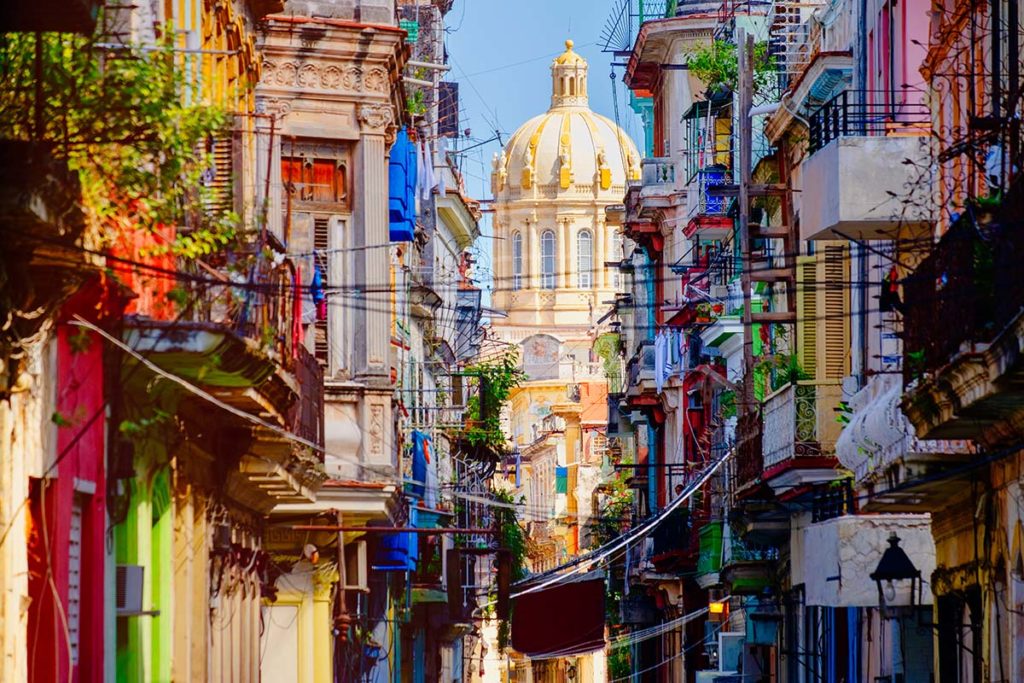
LA HABANA VIEJA HOY, escenas en sus Calles con escasos Turistas. PHOTOS. VIDEOS. * OLD HAVANA TODAY, scenes in its Streets with Few Tourist. PHOTOS.

LA HABANA VIEJA HOY, ESCENAS EN SUS CALLES CON ESCASOS TURISTAS. PHOTOS.

Artistas callejeros, adivinos, mendigos, especialistas en el tarot y la lectura de manos, santeros, pagadores de promesas y carteristas. La Habana Vieja siempre está en ebullición y quienes viven en ella tienen que ganarse el pan con cualquier oficio. El talento, la picardía y la gracia criolla son, en medio de la pobreza generalizada del país, las únicas herramientas disponibles para irse a casa con un poco de dinero en el bolsillo.
227484266

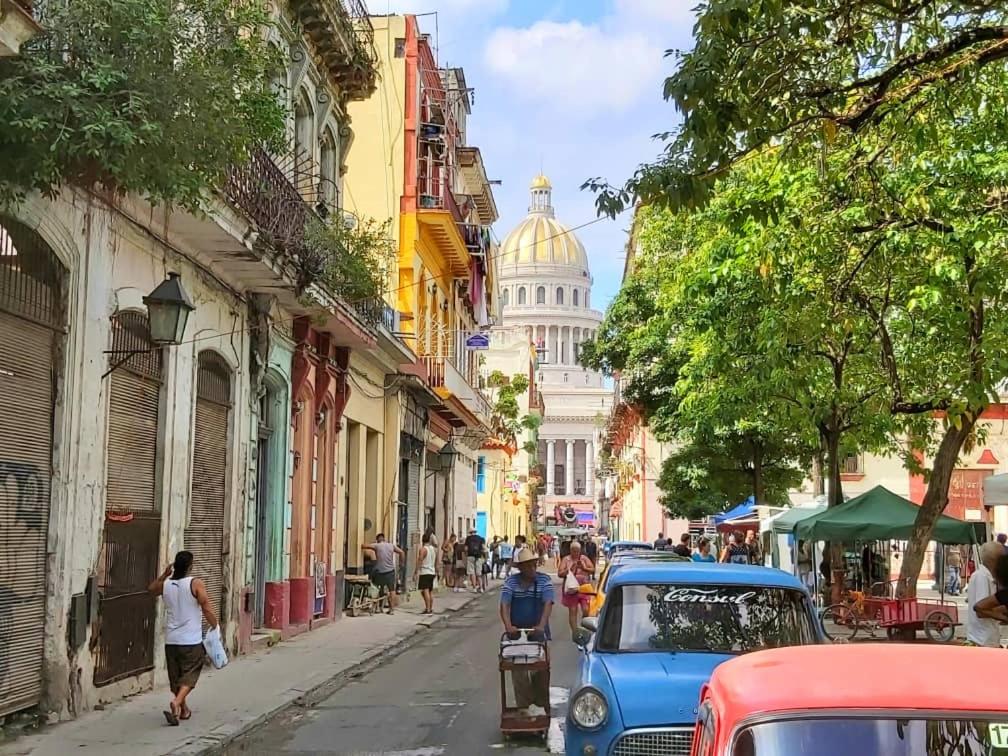
POR LA CALLE OBISPO, la gente se empuja e intenta abrirse camino frenéticamente, entrando y saliendo de los comercios, farmacias, timbiriches y merenderos. Llama la atención que un grupo de personas interrumpa el paso y se detenga bajo un alero. Allí está Víctor, un joven silencioso, oculto tras las bambalinas en miniatura de su Galería Morionet.

Víctor acciona los hilos de su pequeño teatro –cuyo nombre combina al pintor Claude Monet con la palabra marioneta– y hace que su muñeco, cubano y habilidoso como él, trace sobre un cartón el retrato de un hombre.

Es un talento refinado, que no se aprende en un par de semanas. El titiritero pulsa sus hilos y el muñeco sacude el pincel, lo embarra en acuarela y avanza hasta el caballete. A veces viene un perro y el muñeco lo mira cautelosamente, sin dejar de trabajar, y luego le acaricia el hocico.

El muñeco pinta en un cuartucho que puede ser el de cualquier habanero, manchado por la pintura y del cual cuelgan dos balcones enclenques.

VIDEOS- Victor, el titiritero en La Habana Vieja..th

Las personas miran la escena fascinadas: el muñeco pinta en un cuartucho que puede ser el de cualquier habanero, manchado por la pintura y del cual cuelgan dos balcones enclenques. Suena un blues de Louis Armstrong en la habitación y, cuando acaba la música, dejan caer algunas monedas en la cubeta de la Galería Morionet.

A menos que sean turistas, los transeúntes no pueden ofrecer mucho y, tras distraerse por poco tiempo de las preocupaciones con el espectáculo, deben seguir caminando por una ciudad cada vez más inhóspita. Dos policías miran con recelo al joven, que sigue en lo suyo sin prestarles mayor atención.

LA HABANA VIEJA DE HOY…

En las aceras, los camareros de las paladares se abalanzan sobre la gente, los interrumpen y despliegan el menú de los restaurantes sin que se pueda hacer nada para evitarlos. Nadie puede darse el lujo de comer en La Habana Vieja, pero ellos deben verse activos y encantadores, para que el dueño, que también tiene que defender su negocio, justifique sus salarios.

Sentado en el contén de la acera, un mulato vestido de blanco impoluto ofrece una lectura de cartas. A su lado, un pomo de agua y un paño donde coloca la baraja, lista para una nueva adivinación. Pero nadie se detiene y él, aburrido, se levanta, se alisa la ropa y vuelve a sentarse.

En otra esquina, un caricaturista dibuja retratos de celebridades como Chucho Valdés y Alicia Alonso. Los niños les piden a sus padres que se dejen captar por el artista, y el hombre se pone manos a la obra: curvado sobre su espalda, sostiene una tablilla en una mano y con la otra manipula su bolígrafo.

Bullangueros y vestidos con ropas de colorines, estos artistas urbanos apenas logran ahora recoger unos pocos billetes en sus sombreros de retazos y cascabeles

Los zanqueros también se han vuelto parte del paisaje de la ciudad, en especial en grupos que transitan por las calles con mayor número de turistas. Bullangueros y vestidos con ropas de colorines, estos artistas urbanos apenas logran ahora recoger unos pocos billetes en sus sombreros de retazos y cascabeles, pues la poca llegada de viajeros los ha dejado prácticamente sin clientes.

Subidos sobre sus postes de madera esperan en alguna esquina un ómnibus de Transtur del que brote algún pequeño grupo, en los alrededores de la Plaza de Armas o del Castillo de la Fuerza. El espectáculo es breve, para evitar que los turistas regresen a la guagua sin haber dejado algo de dinero que, entre risas y canciones, les hacen saber que será mejor recibido si son “euros o dólares para estos artistas callejeros”.

Fuera del área turística, la situación adquiere sus tintes más lamentables. No es extraño encontrar a una anciana en bata de casa, sucia, que pide dinero para comprar unas pocas libras de boniato, o un pagador de promesas que arrastra una piedra, prendida a su tobillo con una cadena. A medida que avanza, como si fuera un alma en pena, alarga una palangana para que alguien le arroje unos kilos. La gente que lo mira, impresionados por las marcas en la pierna, poco tiene que darle.
trinidad-cuba-travel-guide

logo

OLD HAVANA TODAY, SCENES IN ITS STREETS WITH FEW TOURISTS. PHOTOS

Street performers, fortune tellers, beggars, tarot and palm reading specialists, santeros, promise keepers, and pickpockets. Old Havana is always boiling and those who live in it have to earn their bread with any job. Talent, mischief, and Creole grace are, in the midst of the country’s widespread poverty, the only tools available to go home with a little money in your pocket.
habanacuba

ON OBISPO STREET, people frantically push and try to make their way, going in and out of shops, pharmacies, stalls, and picnic areas. It is striking that a group of people interrupt the passage and stop under an eave. There is Victor, a silent young man, hidden behind the miniature scenes of his Morionet Gallery.

Víctor pulls the strings of his small theater – whose name combines the painter Claude Monet with the word puppet – and makes his puppet, Cuban and skilled like him, trace the portrait of a man on cardboard.

It is a refined talent, which is not learned in a couple of weeks. The puppeteer presses the strings on him and the puppet shakes the brush, smears it in watercolor, and walks to the easel. Sometimes a dog comes and the doll looks at it cautiously, without stopping working, and then strokes its muzzle.

The doll paints in a small room that could be that of any Havanan, stained by paint, and from which two puny balconies hang

People watch the scene fascinated: the doll paints in a small room that could be that of any Havanan, stained by paint and from which two puny balconies hang. He plays a Louis Armstrong blues in the room, and when the music ends, they drop some coins into the Morionet Gallery bucket.

Unless they are tourists, the passers-by cannot offer much and, after briefly distracted from their worries by the spectacle, they must continue walking through an increasingly inhospitable city. Two policemen look suspiciously at the young man, who goes about his business without paying much attention to them.

TODAY’S LA HAVANA VIEJA…

On the sidewalks, the waiters of the paladares pounce on people, interrupt them and display the menu of the restaurants without being able to do anything to avoid them. No one can afford to eat in Old Havana, but they must look active and charming, so that the owner, who also has to defend his business, can justify his salary.

Sitting on the curb on the sidewalk, a mulatto dressed in pristine white offers a card reading. Next to him, is a bottle of water and a cloth where he places the deck, ready for a new divination. But nobody stops and he, bored, gets up, straightens his clothes, and sits down again.

In another corner, a cartoonist draws portraits of celebrities like Chucho Valdés and Alicia Alonso. The children ask their parents to allow themselves to be captured by the artist, and the man gets to work: curved on his back, he holds a tablet in one hand and with the other manipulates his pen.

Boisterous and dressed in colorful clothes, these urban artists now barely manage to collect a few bills in their patchwork hats and bells.

The stilt walkers have also become part of the city’s landscape, especially in groups that travel through the streets with the highest number of tourists. Noisy and dressed in colorful clothes, these urban artists now barely manage to collect a few bills in their patchwork hats and bells, as the low number of travelers has left them practically without customers.

cuba_0765-editar-editar-1024x681

Climbing up on their wooden poles, they wait on some corner for a Transtur bus from which a small group emerges, in the surroundings of the Plaza de Armas or the Castillo de la Fuerza. The show is brief, to prevent tourists from returning to the bus without having left some money that, between laughter and songs, lets them know that it will be better received if it is “euros or dollars for these street artists.”

Outside the tourist area, the situation takes on its most unfortunate overtones. It is not uncommon to find an old woman in a dirty housedress begging for money to buy a few pounds of sweet potatoes, or a promise payer dragging a stone attached to her ankle with a chain. As she advances, as if she were a banshee, she holds out a basin for someone to throw a few pounds at her. The people who look at him, impressed by the marks on her leg, have little to give him.

Agencies/ 14yMedio/ Juan Izquierdo y Juan D. Rodriguez, La Habana/ Extractos/ Excerpts/ Internet Photos/ Arnoldo Varona/ www.TheCubanHistory.com
THE CUBAN HISTORY, HOLLYWOOD.

Havana_malecon_(cropped)

logo

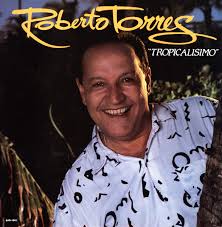
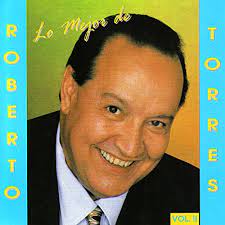
ROBERTO TORRES “Caballo Viejo”, cantante, Compositor y Director de Orquesta. Videos. * ROBERTO TORRES “Caballo Viejo”, Singer, Composer and Bandleader. PHOTOS.

download (58)

ROBERTO TORRES “CABALLO VIEJO”, CANTANTE, COMPOSITOR Y DIRECTOR DE BANDA. VÍDEOS.

Roberto Torres es un cantante, director de orquesta, percusionista, compositor y productor de origen cubano de su propio sello. Roberto Torres comenzó a cantar en su adolescencia.

Nacido el 10 de febrero de 1940 en la ciudad de Güines es más famoso por su interpretación del Caballo Viejo de Simón Díaz. Está considerado como una de las máximas autoridades en la historia de la música cubana. Como cantante y músico, es famoso por su combinación de música cubana y colombiana, a la que denominó “charanga vallenata”.

CARRERA ARTÍSTICA…

Su carrera como cantante con la Sonora Matancera lo coloca en la cima y entre los mejores cantantes de Cuba de todos los tiempos. Trabajó en La Habana con el Conjunto Universal y la Orquesta Swing Casino antes de partir de Cuba en junio de 1959 hacia la ciudad de Nueva York. Allí organizó la charanga cooperativa Orquesta Broadway en 1962 con el flautista cubano Eddy Zervigón, grabando con ellos una serie de LP populares en los sellos Gema, Musicor y Tico entre 1964 y 1968.

VIDEOS- Roberto Torres canta “Caballo Viejo”..th

Luego de dejar Broadway trabajó con José Fajardo y la Sonora Matancera. En 1972 cantó la voz principal con Latin Dimensions de Mike Martínez en su LP homónimo en Mericana. Torres debutó como solista en el mismo sello con El Castigador (1973), incluyendo el éxito “El Caminante” (“El Cochecito”, que se convirtió en su apodo), seguido de Roberto Torres y Chocolate Juntos ’74 en Mericana (una colaboración con el trompetista cubano Alfredo “Chocolate” Armenteros), De Nuevo, Roberto Torres y sus Caminantes y El Duro del Guaguancó ’76-8 en la filial mericana Salsoul.

En 1979 lanzó el sello SAR con sede en Nueva York (cofundado por Sergio Bofill, jefe de la principal distribuidora de discos latinos de la 10th Avenue GB Records, Adriano García y Roberto) con su propio El Rey del Montuno. Durante los siguientes tres años, produjo más de 50 LP en SAR y sellos aliados Guajiro, Toboga y Neon para Papaíto, Monguito “El Unico”, Linda Leida, Chocolate, Henry Fiol, La India de Oriente, Charanga De La 4, Alfredo Valdés Jr y su padre, Alfredo Valdés, Fernando Lavoy y muchos otros.

Torres y SAR encabezaron un renacimiento de principios de los 80 de la música típica cubana que no era simplemente una imitación de lo ortodoxo; teniendo en cuenta el mercado del Caribe africano y francés, optó por un sonido “roots”, pistas extendidas: se vendieron millones de álbumes. Usando muchos de los mismos músicos con sede en Nueva York en varias sesiones, formó SAR All-Stars, incluidos Chocolate, Leopoldo Pineda en el trombón, los hermanos Zervigón de la Orquesta Broadway, Valdés Jr. y muchos otros.

Los álbumes de SAR de Torres incluyeron Recuerda A Portabales (canciones asociadas con el cantante y compositor cubano Guillermo Portabales), Presenta: Ritmo de Estrellas (una charanga estelar), Recuerda Al Trio Matamoros (canciones del repertorio del trío cubano), Charanga Colonial (otra alineación estelar), todo ’79-81; también tres LP de su Charanga Vallenata ’80-2, fusionando elementos de charanga cubana y conjunto con acordeón vallenata colombiano tocado por Jesús Hernández, vol. 2 produjo el gran éxito “Caballo Viejo”; Corazón De Pueblo ’84; Elegantemente Criollo ’86, realizado en Miami (donde se había mudado llevándose SAR) con Israel “Cachao” López.

La producción del grupo SAR cayó después del 82; muchas estrellas se pasaron a Caimán Records, formada en 1983 por Bofill y Humberto Corredor; otros se mudaron a Laslos Records, formado en 1984; Monguito “El Unico”, Valdés Jr. y otros también grabaron para el sello Sacodis de Costa de Marfil desde 1980 hasta mediados de los 80, que reflejaba el sonido SAR.

Torres continuó publicando álbumes en solitario en SAR de Miami hasta el 2000 y produciendo otros proyectos para el sello. En los años 2000 grabó con Tropicana All Stars en Regu Records de Recaredo Gutiérrez y publicó Con Mucho Swing – Roberto Torres & Cha Cha Cha All Stars Orchestra en el mismo sello en 2004. – John Child.

download (57)

Ha realizado un valioso aporte junto a Arturo Sandoval, Rosendo Rosell, Celia Cruz y el musicólogo Eloy Crespo al documental Son, la antesala de la salsa. Es considerado uno de los valores más altos de Cuba en la música.

Después de que Cuba cayó bajo la dictadura comunista después de la revolución, se mudó a Miami, Florida, donde mezcló sus propias raíces cubanas con un estilo de ritmo caliente de Colombia, el vallenato. Lanzó La Charanga Vallenata a mediados de los 80.

El 2 de junio de 2011, la comunidad mayoritariamente cubanoamericana de Union City, Nueva Jersey, honró a Torres con una estrella en el Paseo de la Fama en Celia Cruz Plaza.

Actualmente reside en los Estados Unidos.

download (44)

logo

ROBERTO TORRES “CABALLO VIEJO”, SINGER, COMPOSER AND BANDLEADER. PHOTOS.

Roberto Torres is a Cuban-born singer, bandleader, percussionist, composer, and producer of his own label Roberto Torres started singing in his mid-teens.

4fd86ad9a0f74c58ba69ff4efeadcd8e

Born on February 10, 1940, in the city of Güines is most famous for his interpretation of Simón Díaz’s Caballo Viejo. He is considered to be one of the highest authorities in the history of Cuban music. As a singer and musician, he is famous for his combination of Cuban and Colombian music, which he termed “charanga vallenata”.

ARTISTIC CAREER…

His singing career with Sonora Matancera puts him at the peak and among the top singers of Cuba of all time. He worked in Havana with Conjunto Universal and Orquesta Swing Casino before leaving Cuba in June 1959 for New York City. There he organized the cooperative charanga Orquesta Broadway in 1962 with Cuban flutist Eddy Zervigón, making a string of popular LPs with them on the Gema, Musicor, and Tico labels between 1964 and 1968.

After leaving Broadway he worked with José Fajardo and Sonora Matancera. In 1972 he sang lead vocals with Mike Martínez’s Latin Dimensions on their eponymous LP on Mericana. Torres made his solo debut on the same label with El Castigador (1973), including the hit “El Caminante” (“The Stroller”, which became his nickname), followed by Roberto Torres y Chocolate Juntos ‘74 on Mericana (a collaboration with Cuban trumpeter Alfredo “Chocolate” Armenteros), De Nuevo, Roberto Torres y sus Caminantes and El Duro del Guaguancó ‘76-8 on the Mericana subsidiary Salsoul.

In 1979 he launched the New York-based SAR label (co-founded by Sergio Bofill, boss of premier 10th Avenue Latin record distributor GB Records, Adriano García and Roberto) with his own El Rey del Montuno. Over the next three years, he produced over 50 LPs on SAR and allied Guajiro, Toboga, and Neon labels for Papaíto, Monguito “El Unico”, Linda Leida, Chocolate, Henry Fiol, La India de Oriente, Charanga De La 4, Alfredo Valdés Jr and his father, Alfredo Valdés, Fernando Lavoy and many others. Torres and SAR headed an early ’80s revival of típico (typical, traditional) Cuban music which was not simply imitation of the orthodox; with the African and French Caribbean market in mind he went for a “rootsy” sound, extended tracks: millions of albums were sold. Using many of the same New York-based musicians on various sessions, he formed the SAR All-Stars, including Chocolate, Leopoldo Pineda on trombone, the Zervigón brothers from Orquesta Broadway, Valdés Jr. and many others.

Torres’ SAR albums included Recuerda A Portabales (songs associated with Cuban singer/composer Guillermo Portabales), Presenta: Ritmo de Estrellas (an all-star charanga), Recuerda Al Trio Matamoros (songs from the repertoire of the Cuban trio), Charanga Colonial (another all-star lineup), all ‘79-81; also three LPs by his Charanga Vallenata ‘80-2, fusing Cuban charanga and conjunto elements with Colombian vallenata accordion played by Jesús Hernández, vol. 2 yielded the massive hit “Caballo Viejo”; Corazón De Pueblo ‘84; Elegantemente Criollo ‘86, made in Miami (where he had relocated, taking SAR with him) with Israel “Cachao” López. The SAR group’s output fell off after ‘82; many stars switched to Caimán Records, formed in 1983 by Bofill and Humberto Corredor; others moved to Laslos Records, formed in 1984; Monguito “El Unico”, Valdés Jr. and others also recorded for the Ivory Coast’s Sacodis label from 1980 to the mid-’80s, which mirrored the SAR sound. Torres continued to issue solo albums on SAR out of Miami up to 2000 and produce other projects for the label. In the Noughties he recorded with the Tropicana All Stars on Recaredo Gutiérrez’s Regu Records and issued Con Mucho Swing – Roberto Torres & Cha Cha Cha All Stars Orchestra on the same imprint in 2004. – John Child/

images (25)

He has made a valuable contribution, along with Arturo Sandoval, Rosendo Rosell, Celia Cruz, and musicologist Eloy Crespo to the documentary Son, la antesala de la salsa. He is considered one of Cuba’s highest assets in music.

After Cuba fell under communist dictatorship following the revolution, he moved to Miami, Florida where he blended his own Cuban roots with a hot rhythm style from Colombia, vallenato.

He released La Charanga Vallenata in the mid 80s.

On June 2, 2011, the heavily Cuban-American community of Union City, New Jersey honored Torres with a star on the Walk of Fame at Celia Cruz Plaza.

Agencies/ Wiki/ RobertoTorrresBio. / Extractos/ Excerpts/ Internet Photos/ YouTube/ Arnoldo Varona/ www.TheCubanHistory.com
THE CUBAN HISTORY, HOLLYWOOD.

Trinidad_(Kuba)_02

logo

EL HOSPITAL CUBANO en Doha, Qatar, trato entre gobiernos para tomar Salarios Medicos. Photos. * THE CUBAN HOSPITAL in Doha, Qatar, deals between governments to keep the Doctor’s Salaries. PHOTOS.

Conduciendo hacia el oeste desde las relucientes torres de cristal de Doha, pasando dos estadios de la Copa del Mundo y adéntrate en el desierto, finalmente llegarás a un pequeño hospital rodeado solo de arena y arbustos. En su entrada cuelgan dos banderas ondeando en la brisa abrasadora: una de Qatar, la otra de Cuba.

download (52)

EL HOSPITAL pertenece al gobierno de Qatar, pero todo su personal médico -475 médicos, enfermeras y técnicos- es de la isla caribeña a medio mundo de distancia. El hospital tiene una capacidad de 75 camas.

El hospital cubano, como se le conoce oficialmente, abrió sus puertas en 2012 y cuenta con instalaciones y servicios de clase mundial. Pero hay una cosa que no está a la altura de los estándares internacionales: los salarios que se les pagan a los cubanos. El pacto secreto de Cuba con Qatar para quedarse con hasta el 90% del salario de los médicos.

La mayor parte del dinero que ganan los médicos cubanos que trabajan en Qatar va a su gobierno nacional. Pero mientras algunos se sienten explotados, otros cuentan una historia diferente.

Con poco más de $1000 (£778) al mes, reciben tan solo el 10% de lo que otros profesionales médicos extranjeros pueden ganar trabajando en hospitales gubernamentales en Qatar.

El resto de sus ganancias es embolsado por el gobierno cubano en virtud de un acuerdo secreto con los qataríes.

Ni las autoridades qataríes ni las cubanas revelaron detalles del acuerdo, pero fuentes con conocimiento del hospital estiman que Qatar paga a Cuba entre 5.000 y 10.000 dólares al mes por cada profesional médico.

PROGRAMA DE MÉDICOS DE ARRENDAMIENTO DE CUBA…

Arrendar médicos a otros países es la principal fuente de divisas para la economía de Cuba, que tiene problemas de liquidez, lo que le genera al gobierno entre 6.000 y 8.000 millones de dólares al año, mucho más de lo que gana con el turismo. En la última década, en parte debido a la disminución de los ingresos de su programa médico en Venezuela, Cuba ha recurrido a nuevos países que no tienen escasez de dinero: Qatar y Arabia Saudita.

Cuba no es el único país que exporta a sus ciudadanos para ganar divisas. Corea del Norte también ha enviado trabajadores a Qatar bajo un programa con algunas similitudes.

Aunque los médicos se inscriben voluntariamente para participar en las misiones, los críticos del gobierno cubano en Estados Unidos dicen que el programa es explotador.

“No tengo ninguna duda de que están sujetos a una forma de trabajo forzoso… Cuba es un estado totalitario con un grupo garantizado de trabajadores cautivos mal pagados fácilmente explotados como mercancías exportables”, dice María Werlau, directora de Cuba Archive, un Miami grupo de expertos de base opuesto a la administración cubana. Werlau dice que los médicos de Cuba son víctimas de robo de salarios, confiscación de pasaportes, fuerte vigilancia y separación familiar forzada. En medio del deterioro de las relaciones entre los dos países, Estados Unidos ha aumentado las críticas a las misiones médicas.

download (53)

Antes de 2012, los hospitales de Qatar se privatizaron y recibieron sus ingresos de las contribuciones al tratar a los pacientes. Qatar, el país con el PIB per cápita más alto del mundo.

“No creo que estén siendo explotados”, dice John Kirk, profesor de estudios españoles y latinoamericanos en la Universidad de Dalhousie en Canadá. “Están ganando mucho más de lo que ganarían en casa. Han sido formados en un sistema socialista, no han pagado nada por su formación médica y entienden que la cantidad superior pagada al gobierno cubano se utiliza para subsidiar el sistema de salud en Cuba”.

The Guardian habló con varios médicos en el hospital cubano y algunos defendieron el sistema. “Creo que debemos ayudar a todos”, dice uno. “En base a eso, sí, es justo porque sé que la otra cantidad se usa para apoyar nuestro sistema de salud y educación… pero si piensas solo en ti, por supuesto, no es justo”.

Pero un médico que desertó de la misión en Qatar dice que “se sintió como un esclavo” al descubrir que a otros médicos del país se les pagaba más que a él. “Estábamos haciendo lo mismo y ganando mucho menos que ellos”.

Una de las razones por las que los médicos se unen al programa es que incluso teniendo en cuenta las deducciones realizadas por su gobierno, Qatar sigue siendo un puesto lucrativo y codiciado para los profesionales de la salud cubanos. Con sueldos tan míseros en casa, su atractivo es evidente.

“La vida en nuestro país es muy dura y el salario es muy malo”, dice un médico del hospital. “Aquí ganamos dinero para [Cuba] y para nosotros también… Una parte para el país y una parte para cada persona”.

Nadie sabe la cantidad exacta que gana el gobierno cubano con su trabajo, y a algunos parece no importarles. “La educación en Cuba es gratuita. El gobierno nos prepara para muchos años y entonces el gobierno tiene que sacar algo para esto”, dice uno.

Otros suenan menos convencidos. “Gano alrededor de $1,100. No es lo mejor, pero no está mal”. Cuando se le dice que otros profesionales médicos extranjeros ganan mucho más en Qatar, asiente con la cabeza: “Sí, pero no los cubanos”.

LA CRÍTICA DE LOS MEDICOS…

Los médicos dicen que a sus familias se les permite visitar, pero no quedarse; los críticos de la política afirman que es una estrategia deliberada para disuadir las deserciones. Cualquiera que abandone una misión médica tiene prohibido regresar a Cuba -y a su familia- por un mínimo de ocho años, a menos que esté dispuesto a reincorporarse al sistema nacional de salud.

“Están usando lo que más aman para hacerlos pensar dos veces antes de irse. Es cruel, es inhumano, es inconstitucional y contra el derecho internacional”, dice Annarella O’Mahony, miembro de No Somos Desertores (“No somos desertores”), un grupo que hace campaña por el derecho de los cubanos que han abandonado los contratos estatales a volver a casa.

download (54)

Cualquiera que intente salir se enfrenta a otro problema: al llegar a Qatar, los cubanos dicen que tienen que entregar sus pasaportes, una práctica que es ilegal en Qatar.

Qatar anunció recientemente reformas a sus leyes laborales, que por primera vez pueden permitir que los trabajadores cambien de trabajo sin el permiso de su empleador, pero no está claro si los médicos cubanos tendrán libertad para encontrar un trabajo más lucrativo en otras partes del sistema de salud de Qatar.

A pesar de la vigilancia y el miedo a ser descubiertos en medio de los preparativos, unos 40 trabajadores cubanos de la salud han escapado de la misión oficial en Qatar. Para lograrlo, tuvieron que fingir, mentir o disfrazarse, según un extenso reportaje publicado en el diario español El Mundo.

download (30)

* LOS QUE OLVIDAN SU HISTORIA ESTAN CONDENADOS A REPETIRLA.  * THOSE WHO FORGET THEIR HISTORY ARE CONDEMNED TO REPEAT IT.

* LOS QUE OLVIDAN SU HISTORIA ESTAN CONDENADOS A REPETIRLA.
* THOSE WHO FORGET THEIR HISTORY ARE CONDEMNED TO REPEAT IT.

THE CUBAN HOSPITAL IN DOHA, QATAR, DEALS BETWEEN GOVERNMENTS TO KEEP THE DOCTORS’ SALARIES. PHOTOS.

Driving west from the gleaming glass towers of Doha, past two World Cup stadiums, and into the desert, you’ll eventually reach a small hospital surrounded only by sand and bushes. At its entrance hang two flags fluttering in the scorching breeze: one from Qatar, the other from Cuba.

download (50)

THE HOSPITAL belongs to the Qatari government, but all of its medical staff – 475 doctors, nurses, and technicians – are from the Caribbean island half a world away. The hospital has a capacity of 75 beds.

The Cuban hospital, as it is officially known, opened its doors in 2012 and has world-class facilities and services. But there is one thing that is not up to international standards: the wages paid to Cubans. Cuba’s secret pact with Qatar to keep up to 90% of doctors’ salaries.

Most of the money earned by Cuban doctors working in Qatar goes to their national government. But while some feel exploited, others tell a different story.

At just over $1,000 (£778) a month, they receive just 10% of what other foreign medical professionals can earn working in government hospitals in Qatar.

The rest of his profits are pocketed by the Cuban government under a secret deal with the Qataris.

Neither the Qatari nor the Cuban authorities revealed details of the agreement, but sources with knowledge of the hospital estimate that Qatar pays Cuba between 5,000 and 10,000 dollars a month for each medical professional.

CUBA LEASING PHYSICIANS PROGRAM…

Leasing doctors from other countries are the main source of foreign currency for Cuba’s cash-strapped economy, earning the government between $6 billion and $8 billion a year, far more than it earns from tourism. In the past decade, in part because of declining revenue from its medical program in Venezuela, Cuba has turned to new countries that have no shortage of money: Qatar and Saudi Arabia.

Cuba is not the only country that exports its citizens to earn foreign exchange. North Korea has also sent workers to Qatar under a program with some similarities.

Although doctors voluntarily sign up to participate in the missions, critics of the Cuban government in the United States say the program is exploitative.

“I have no doubt that they are subjected to a form of forced labor… Cuba is a totalitarian state with a guaranteed pool of underpaid captive laborers easily exploited as exportable commodities,” says Maria Werlau, director of the Cuba Archive, a Miami group of grassroots experts opposed to the Cuban administration. Werlau says that Cuba’s doctors are victims of wage theft, passport confiscation, heavy surveillance and forced family separation. Amid deteriorating relations between the two countries, the United States has increased criticism of the medical missions.

download (55)

Before 2012, hospitals in Qatar were privatized and received their income from contributions when treating patients. Qatar is the country with the highest GDP per capita in the world.

“I don’t think they are being exploited,” says John Kirk, a professor of Spanish and Latin American studies at Dalhousie University in Canada. “They are earning much more than they would at home. They have been trained in a socialist system, they have not paid anything for their medical training and they understand that the higher amount paid to the Cuban government is used to subsidize the health system in Cuba.”

The Guardian spoke to several doctors at the Cuban hospital and some defended the system. “I think we should help everyone,” says one. “Based on that, yes, it is fair because I know that the other amount is used to support our health and education system… but if you think only of yourself, of course, it is not fair.”

But a doctor who defected from the mission in Qatar says he “felt like a slave” to discover that other doctors in the country were being paid more than he was. “We were doing the same thing and earning much less than them.”

One of the reasons doctors join the program is that even taking into account deductions made by their government, Qatar remains a lucrative and coveted position for Cuban health professionals. With such meager salaries at home, its appeal is obvious.

“Life in our country is very hard and the salary is very bad,” says a doctor at the hospital. “Here we earn money for [Cuba] and for us too… A part for the country and a part for each person.”

No one knows the exact amount the Cuban government earns from their work, and some don’t seem to care. “Education in Cuba is free. The government prepares us for many years and then the government has to get something for this”, says one.

Others sound less convinced. “I make about $1,100. It’s not the best, but it’s not bad.” When told that other foreign medical professionals earn much more in Qatar, he nods: “Yes, but not the Cubans.”

DOCTOR’S CRITICISM…

Doctors say their families are allowed to visit but not stay; critics of the policy claim that it is a deliberate strategy to discourage defections. Anyone who leaves a medical mission is prohibited from returning to Cuba – and his family – for a minimum of eight years, unless he is willing to rejoin the national health system.

“They are using what they love most to make them think twice before leaving. It is cruel, it is inhumane, it is unconstitutional and against international law,” says Annarella O’Mahony, a member of No Somos Desertores (“We Are Not Deserters”), a group that campaigns for the rights of Cubans who have abandoned contracts. state to return home.

Anyone trying to leave faces another problem: Upon arrival in Qatar, Cubans say they have to hand over their passports, a practice that is illegal in Qatar.

Qatar recently announced reforms to its labor laws, which for the first time may allow workers to change jobs without their employer’s permission, but it is unclear whether Cuban doctors will be free to find more lucrative work elsewhere in the medical system. Qatari health.

In spite of the vigilance and fear of being discovered in the middle of preparations, as of 2021, some 40 Cuban health workers have escaped from the official mission in Qatar. In order to accomplish this, they had to pretend, lie or disguise themselves, according to an extensive report published in the Spanish newspaper, El Mundo.

Agencies/ Wiki/ The Guardian/ Pete Pattisson, Dukhan/ CubanHospital/ Extractos/ Excerpts/ Internet Photos/ Arnoldo Varona/ www.TheCubanHistory.com
THE CUBAN HISTORY, HOLLYWOOD.
* RECOMIENDENOS A SUS AMISTADES * PREFIERA A NUESTROS SPONSORS *

* RECOMIENDENOS A SUS AMISTADES * PREFIERA A NUESTROS SPONSORS *

* LOS QUE OLVIDAN SU HISTORIA ESTAN CONDENADOS A REPETIRLA.  * THOSE WHO FORGET THEIR HISTORY ARE CONDEMNED TO REPEAT IT.

* LOS QUE OLVIDAN SU HISTORIA ESTAN CONDENADOS A REPETIRLA.
* THOSE WHO FORGET THEIR HISTORY ARE CONDEMNED TO REPEAT IT.