EL DESCONOCIDO TEMPLO CUBANO DE SANTERÍA EN TRINIDAD DEDICADO A YEMAYÁ, DIOSA DEL MAR. PHOTOS
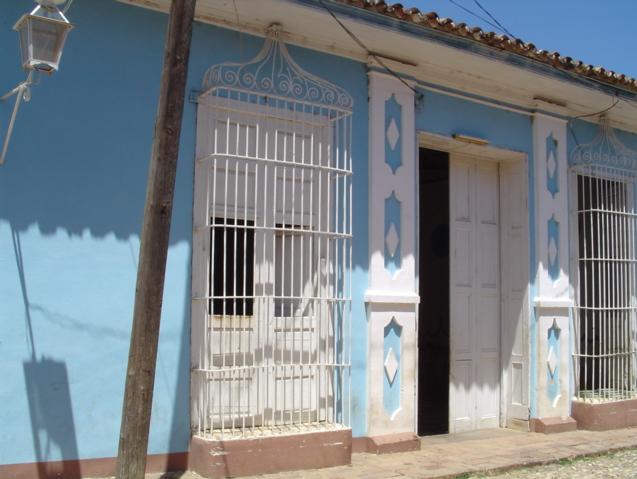
Este importante inmueble se localiza a unos pocos metros de la Plaza Mayor de Trinidad, en la Calle Real del Jigüe entre Desengaño y Boca, resalta a la vista por el color azul de su fachada por algunos elementos de color blanco, además de la soberbia herrería que protege los muros del patio que colinda con la calle. Su importancia histórica, arquitectónica y cultural, radica en la dualidad de uso al ser templo religioso y casa vivienda a la vez, constituyendo un templo que refleja los valores más genuinos y auténticos de la cultura afrocubana y la identidad local.
El Templo surge según la tradición oral a partir de un enterramiento afro aborigen encontrado en el patio de dicha casa consistente en piedras esferulitas, hachas petaloides, elementos de pesca originales de incalculable belleza, que pertenecieron a esclavos que habitaron la morada en siglos anteriores.
La palabra afro aborigen se debe a que los africanos practicantes encontraron similitud en los elementos que conforman sus prendas con utensilios utilizados por aborígenes que vivieron en esta zona, del grupo de los preceramistas o protoagricultores.
Al acontecimiento anterior se suman la imagen de Yemayá perteneciente a la familia que vive actualmente en la casa, que al comprar la misma se encontraba en uno de los aposentos que sirviera de abrigo a los esclavos. La imagen tenía un estado deplorable por lo que fue sometida a un proceso de restauración por la familia.
EL TEMPLO DE YEMAMÁ POR DENTRO
Es deslumbrante para los visitantes de este templo afrocubano las pinturas alegóricas sobre los muros de su enorme sala, en su centro descansa sobre una pequeña silla una muñeca de trapo negra o Anaquillé, que se utiliza como símbolo de protección o amuleto. Esta pequeña muñeca vestida de forma alegórica de color blanco invita a pasar a la saleta donde en una de sus esquinas sobre un pedestal se nos aparece la imagen de Yemayá.
El Anaquillé o muñeca de tela era una forma más de tener como semejanza a un espíritu u Orisha con sus trajes alegóricos, este era representado y tomaba valores religiosos en los altares, representa además una imagen que también participa en las fiestas del Templo, ocupando un lugar importante dentro de la Plaza, recibiendo ofrendas como dulces, flores, frutas, velas al igual que los demás Orishas.
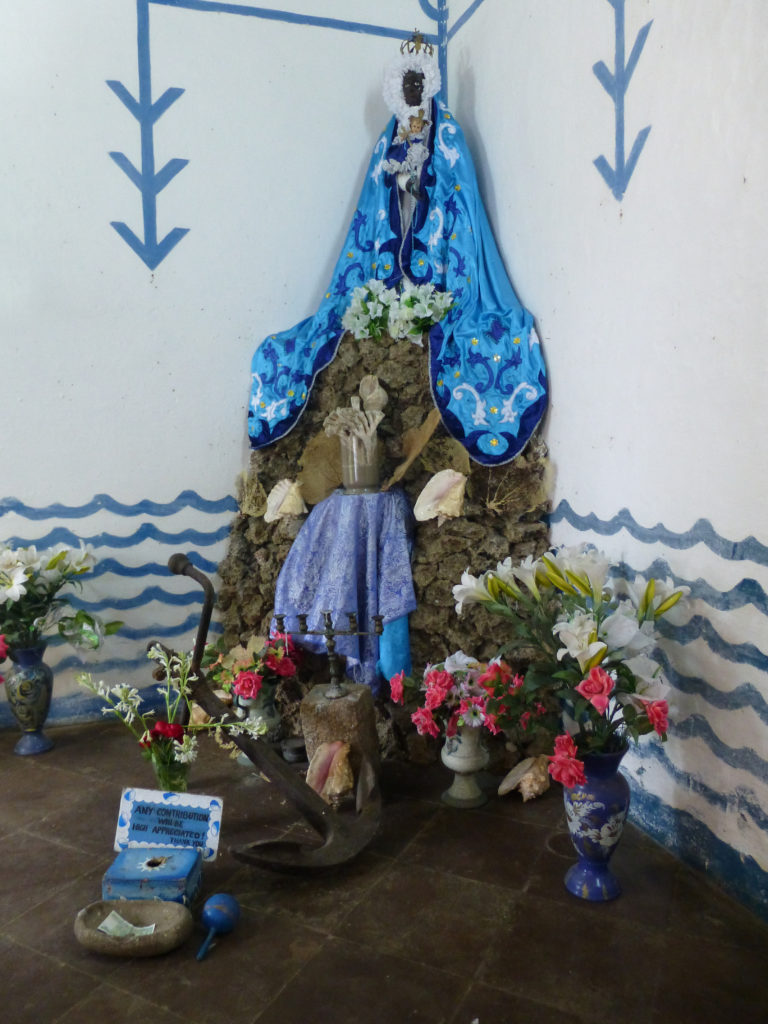
En la segunda crujía se erigido un altar que tiene la imagen de la Virgen de Regla como símbolo ubicada en su centro con un niño Jesús entre sus brazos, elegantemente vestida de color plateado cubierta con una capa azul de encaje, sobre su cabeza descansa la elegante corona de piedras incrustadas, en sus pies descansa la base que asemeja al mar con sus arrecifes, caracoles y otros elementos que guardan relación con la figura. Su origen está en la religión católica, reconocida como Yemayá en la religión afrocubana.
Originalmente los canastilleros eran escaparates del siglo XIX que se adaptaban para colocar de forma ordenada y lógica los receptáculos de los Orishas, así como sus atributos, en los siglos XIX y XX se utilizaron las vitrinas y alacenas donde los negros libertos y criollos guardaban sus Orishas en ánforas y porcelanas burlándose así de la iglesia existente en la época.
El canastillero del Templo es un pequeño armario de madera preciosa con puerta de cristal dividido en diferentes partes en cada una de las cuales se observan las porcelanas y elementos alegóricos de la santería, encima de cada una de ellas aparece el collar representativo de su Orisha, dentro se guardan piedras y caracoles que son elementos animistas, alegóricos al Orishas de los fenómenos naturales.
Ocupando un lugar importante dentro del Templo aparece la mesa espiritual que posee siete copas de aguas que permanecen llenas y detrás de ella un crucifijo. El número siete según los relatos orales es porque es un número cabalístico que significa las siete potencia africanas.
Otro lugar importante dentro del Templo es el caldero de los Guerreros, en este habitan de forma figurada los Orishas Oggún y Ochosi, en su interior posee diferentes elementos elaborado con hierro que identifican estos santos guerreros como cadenas, cabalgatas (Herraduras), leños, machetes que son de origen congo y simbolizan la fuerza anímica de Zarabanda sincretizado en Cuba por San Pedro o San Felipe Santiago.
LAS CEREMONIAS DEL TEMPLO DE YEMAYÁ
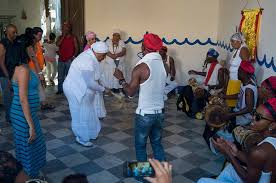
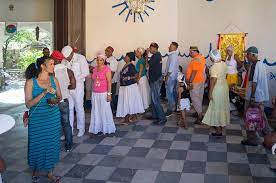
Las ceremonias son nocturnas y se amenizan por el toque de tambor (Bembé) en ocasiones se realiza con los tambores de fundamentos que es capaz de producir un sonido fuerte y agudo, escuchado incluso en lugares muy distantes del templo, el toque a los Orishas se realiza siguiendo un orden lógico comenzando por Eleggúa considerado el Orisha mayor, el que abre y cierra los caminos, luego le siguen los demás, cerrando la ceremonia con otro toque a está figura.
Cuando se le toca a un Orisha determinado al comenzar el toque del tambor los santeros que lo han recibido en santo saludan los tambores, le brindan ofrendas y saludan además a los hermanos de religión. Luego santeros y creyentes danzan y bailan al compás de los toques que se efectúan unos tras otros para homenajear a los dioses Orishas.
Luego el sacerdote principal llamado santero invoca a los espíritus y dirige las ceremonias, en los bailes y a través de los cantos son llamados los Orishas donde el creyente ya sea santero o aleyo puede desarrollar una relación especial con un Orisha determinado que puede poseer el cuerpo de aquel durante el culto, realizando sus bailes, saludando a los presentes, realizando limpiezas, emitiendo frases en su lenguaje peculiar.
La procesión de Yemayá forma parte importante del patrimonio cultural local como también lo son las de Santa Bárbara y San Lázaro, constituyendo un acontecimiento trascendental donde con escasos recursos se mantienen el arraigo a la religión.
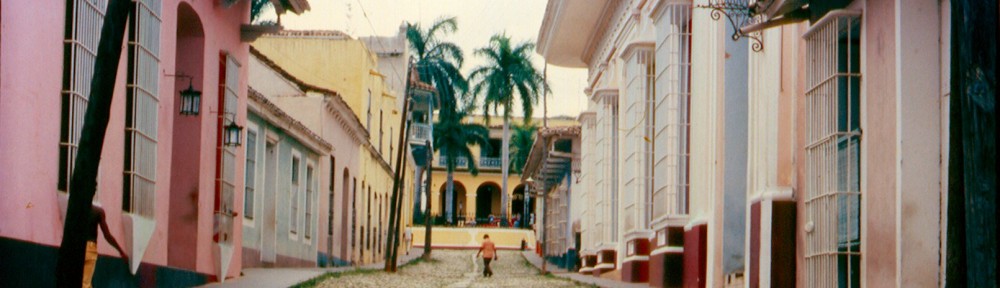
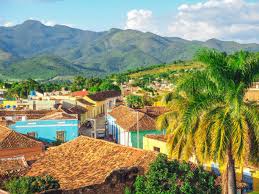
La vivienda se ubica en el centro histórico, antigua calle Real del Jigüe, entre Desengaño y Boca, dentro un entorno puramente colonial caracterizado por inmuebles levantados entre los siglos XVIII y XIX, muy cerca de la Plazuela del Jigue que sirviera para celebrar la primera misa de navidad, en 1513 y la Plaza Mayor considerada como una de las más auténticas, bellas y encantadoras de la ciudad.
Aunque no se precisa la fecha exacta de fabricación de la casa en el siglo XVIII, desde los inicios fue destinada para vivienda y no fue hasta finales del pasado siglo donde sus propios moradores al tener en su poder la figura de la Virgen de Regla (Yemayá) decidieron entonces cambiar el destino de la antigua edificación familiar oficiándose como casa templo de Yemayá.
El uso del color en la fachada es muy llamativo al combinarse el azul con el blanco que poseen las columnas adosadas a la entrada y el muro que protege el patio por el lado izquierdo en la calle, esta singularidad hace que sea una de la casas más elegantes y distinguidas del entorno histórico arquitectónico. También aparecen en esta fachada colonial una antigua farola a su izquierda utilizada para iluminar la calle, característica de mediados del siglo XIX cuando la ciudad se iluminó con el gas carburo.


THE UNKNOWN CUBAN TEMPLE OF SANTERÍA IN TRINIDAD DEDICATED TO YEMAYÁ, GODDESS OF THE SEA. PHOTOS

This important property is located a few meters from the Plaza Mayor of Trinidad, on Calle Real del Jigüe between Desengaño and Boca, it stands out due to the blue color of its façade due to some white elements, in addition to the superb blacksmith shop that protects the walls of the courtyard that adjoins the street. Its historical, architectural and cultural importance lies in the dual use of being a religious temple and home at the same time, constituting a temple that reflects the most genuine and authentic values of Afro-Cuban culture and local identity.
According to oral tradition, the Temple arose from an Afro-aboriginal burial found in the patio of said house consisting of spherulite stones, petaloid axes, original fishing elements of incalculable beauty, which belonged to slaves who inhabited the dwelling in previous centuries.
The word afro-aboriginal is due to the fact that practicing Africans found similarities in the elements that make up their garments with utensils used by aborigines who lived in this area, from the group of pre-potters or proto-agricultors.
Added to the previous event is the image of Yemayá belonging to the family that currently lives in the house, which when buying it was in one of the rooms that served as a shelter for the slaves. The image was in a deplorable state, which is why it underwent a restoration process by the family.

THE TEMPLE OF YEMAMA INSIDE
The allegorical paintings on the walls of its huge room are dazzling for visitors to this Afro-Cuban temple. In its center, a black rag doll or Anaquillé rests on a small chair, which is used as a symbol of protection or an amulet. This little doll dressed allegorically in white invites us to enter the parlor where the image of Yemayá appears on a pedestal in one of its corners.
The Anaquillé or cloth doll was one more way to resemble a spirit or Orisha with their allegorical costumes, this was represented and took on religious values on the altars, it also represents an image that also participates in the Temple festivities, occupying a important place within the Plaza, receiving offerings such as sweets, flowers, fruits, candles like the other Orishas.
In the second bay, an altar was erected that has the image of the Virgin of Regla as a symbol located in its center with a baby Jesus in her arms, elegantly dressed in silver covered with a blue lace cape, on her head rests the elegant crown of encrusted stones, on its feet rests the base that resembles the sea with its reefs, snails and other elements that are related to the figure. Its origin is in the Catholic religion, recognized as Yemayá in the Afro-Cuban religion.
Originally, the basket racks were 19th century shop windows that were adapted to place the receptacles of the Orishas in an orderly and logical way, as well as their attributes. In the 19th and 20th centuries, display cabinets and cupboards were used where freed blacks and Creoles kept their Orishas. in amphoras and porcelain, thus making fun of the existing church at the time.
The basket rack of the Temple is a small closet of precious wood with a glass door divided into different parts in each of which the porcelains and allegorical elements of Santeria are observed, on top of each of them appears the representative necklace of its Orisha, Inside are stones and snails that are animistic elements, allegorical to the Orishas of natural phenomena.
Occupying an important place within the Temple appears the spiritual table that has seven glasses of water that remain full and behind it a crucifix. The number seven according to oral accounts is because it is a cabalistic number that means the seven African powers.
Another important place within the Temple is the cauldron of the Warriors, in which the Orishas Oggún and Ochosi inhabit figuratively, inside it has different elements made of iron that identify these holy warriors such as chains, horseback riding (Horseshoes), logs, machetes They are of Congo origin and symbolize the soul force of Zarabanda syncretized in Cuba by San Pedro or San Felipe Santiago.
THE CEREMONIES OF THE TEMPLE OF YEMAYA
The ceremonies are nocturnal and are enlivened by the drumbeat (Bembé) on occasions it is performed with the drums of fundamentals that is capable of producing a strong and sharp sound, heard even in places very distant from the temple, the touch to the Orishas is It is carried out following a logical order starting with Elegguá, considered the greatest Orisha, the one who opens and closes the roads, then the others follow, closing the ceremony with another touch to this figure.
When a certain Orisha is touched at the beginning of the drumbeat, the santeros who have received it in saint salute the drums, offer offerings and also greet the brothers of religion. Then santeros and believers dance and dance to the rhythm of the toques that are made one after the other to honor the Orishas gods.
Then the main priest called santero invokes the spirits and directs the ceremonies, in the dances and through the songs they are called the Orishas where the believer, whether he is a santero or aleyo, can develop a special relationship with a certain Orisha who can possess the body of that one during the cult, performing their dances, greeting those present, performing cleanings, issuing phrases in their peculiar language.
The procession of Yemayá is an important part of the local cultural heritage, as are those of Santa Bárbara and San Lázaro, constituting a transcendental event where with scarce resources the roots of religion are maintained.
The house is located in the historic center, old Real del Jigüe street, between Desengaño and Boca, within a purely colonial environment characterized by buildings built between the 18th and 19th centuries, very close to the Plazuela del Jigue that served to celebrate the first mass Christmas, in 1513 and the Plaza Mayor considered one of the most authentic, beautiful and charming in the city.
Although the exact date of manufacture of the house in the 18th century is not specified, from the beginning it was intended for housing and it was not until the end of the last century that its own inhabitants, having in their possession the figure of the Virgin of Regla (Yemaya ) then decided to change the destiny of the old family building, officiating as a temple house of Yemayá.
The use of color on the façade is very striking as the blue is combined with the white that the columns attached to the entrance have and the wall that protects the patio on the left side of the street, this singularity makes it one of the most elegant and distinguished from the historical architectural environment.
Agencies/ Wiki/ EcuRed/ YamayaTemploHist./ Extractos/ Excerpts/ Internet Photos/ Arnoldo Varona/ www.TheCubanHistory.com
THE CUBAN HISTORY, HOLLYWOOD.