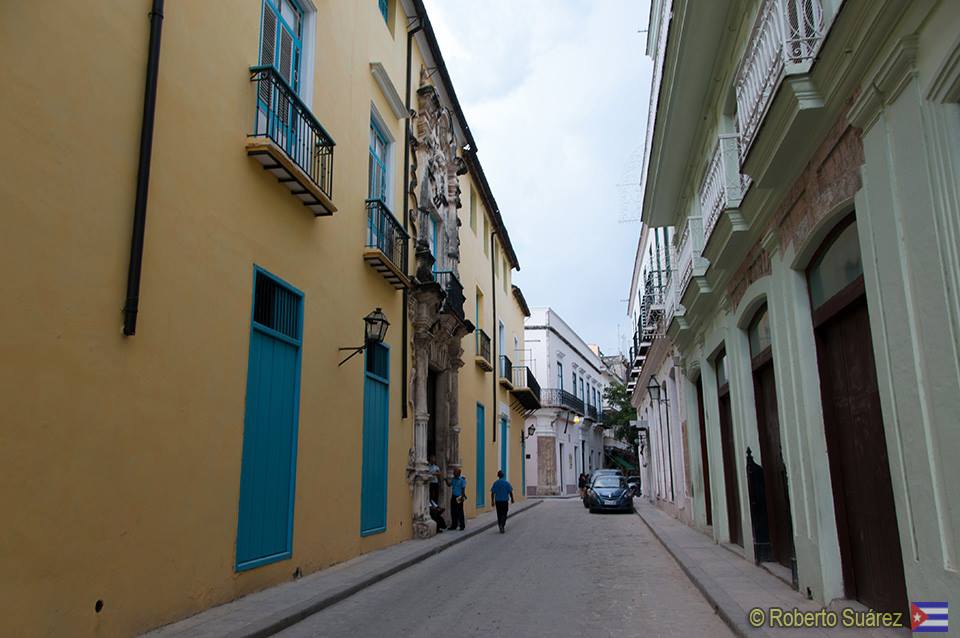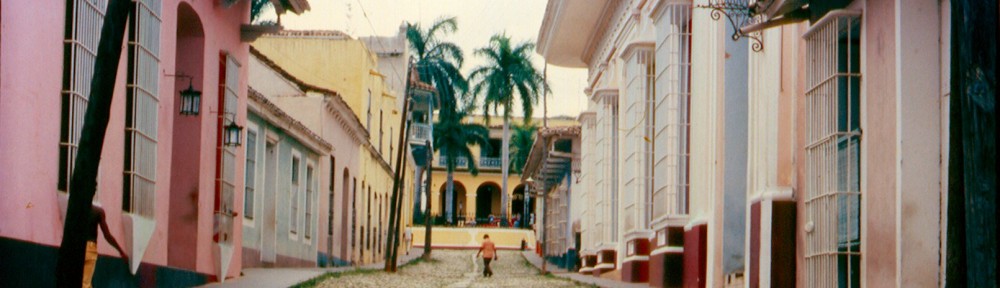
– CUBAN FOLKLORE Characters: Abakua Societies, cults and rituals. + CARACTERÍSTICAS DEL FOLKLORE CUBANO, Sociedades ABAKUÁ, Cultos y Rituales.

CUBAN FOLKLORE CHARACTERS: ABAKUÁ SOCIETIES, CULTS AND RITUALS.

The absence of a strong ideological base that promotes this cultural group historically make believe it is associated to anti-social behavior such as crime , sexism , etc. as a natural link . However, a thorough analysis of its development shows that the attitude of its members has been the result of the aggressive environment in which they develop , especially from his own ethics and laws of conduct that governs the association.

Cuba-Santeria-New-Yea_Vros-1-e1388680054725

Therefore , the best known and reported Abakuá aspect of their rules , norms and behavior towards life, because the incidence of these in society , being less familiar rituals , cults and legends.

The celebration of rites and cults in societies Abakuá are related to the myth of Sikan , of African origin , based on the reason for the agreement between the Efik and Efok tribes : a virgin , Sikan , the Efok tribe , discover, by accident passing through a river , the secret Tanze , a supernatural fish was the reincarnation of Abbasid (Supreme God) and an indiscretion reveals her discovery to rival the Efik tribe, this caused great calamities to his people , so Sikan that was sacrificed as punishment and agreed a pact between the two peoples .

This myth reflects the undervaluation of female power and destruction , as the exaltation of the covenant between companies of men , so it reflects the worship of certain animals, regarded as supernatural .

In ceremonies Abakuá the strong influence of the Catholic liturgy , in their rites importance given to aspects such as baptism, use the altar as a place for worship and placement of sacred objects , use of holy water and incense , are observed position is evidenced knees for the ritual use of candles , celebration of funeral rites , etc. .

The cult of the dead and respect for elders are two characteristics of Abakuá beliefs, which leads to character Íreme (popularly known as devil ) .

dddzz

The Íreme is one of the most publicized Cuban folklore characters . It represents the spirit of the dead of past generations who returns to supervise and participate in the rites . It is considered that íremes (which are many, each with their own powers ) purified through which pass and can only communicate with men by their movements , since neither see nor speak .

The Íreme is managed by Monia , who acts as chorus leader , who has in his hands the erikundi ( with maracas wooden cross at their ends ) and a sacred drum called encrícamo .

The most important ceremony in which intervenes Íreme occurs in the initiation rites of a new Ekobio in society and is the representation of the legend of Sikan .

The ceremony starts at two in the morning and has five acts. It involves priests, magicians , musicians and íremes , which can be: Eribangandó the Enkoboró the Abanekue and more devils . The language used is a mixture of various dialects of carabalí origin. Home is given to the consecration to the sacrifice of a goat (replacing Sikan death ) so the procedure is similar to the human being, the blood of the goat is prepared and gives him to drink all present . In the fourth act dinner, in which the animal’s flesh is consumed and the ceremony concluded with a final procession is held .

hhh

Each guild has Abakuá still sleeps with responsibilities that must be fulfilled porq hose who occupy them . These spaces are related to the legend that gave rise to them and keep their original designation . The most important are :

– Iyamba : It plays a major role in Abakuá societies responsible Ekue ( sacred drum which means leopard in the Efik language) , is responsible for financial control .
– Iksue : Sorts passes and tickets at the ceremonies.
– Mokongo : A charge is implementing the will of Ekue .
– Empegó : one who takes the oath the initiate.
– Ekueñón : kind of secretary .
– Monia Monia or yansa : Lift the edges ( cantor ) .
– Iksumekue : Share Ekueñón functions .

The íremese seats are not as they represent a supernatural being .

The drum is an instrument of great use in ceremonies Abakuá and can be grouped into two groups: symbolic and musical character.

photo_19

Drums symbolic :

They have different functions and a strong symbolic significance , the most used are :

– Empegó : provides the warning signal.
– Ekueñón : advertised and chairs the sacrificial ceremony .
– Engríkamo : flame and controls the íremes ; to him the heads of other guilds attending an initiation is identified.
– Ceceribó : represents Sikan , directs the processions underway.

These drums are visible on ceremonies , not the Ekue , standing in a corner of the sacred room , behind curtains .

– Drums: musical character :

Called sets biankomeko drums accompany the singing and dancing of íremes . Faster one another ( Efik or Efok ) are the most widely used : two types of touches are distinguished:

– Bonkoenchemillá
– Brankomé
– Obi- Apa
– Kuchi – Yenemá

The texts narrate , relate and comment on the stories and legends , a number of reciters direct each step of a ritual act , alternating with the choir soloist .

ggg

Besides the drums, prayers and songs with dances representative characters , Abakuá also use ritual meals in places suitable for these purposes .

Santeria / Pancracia / InternetPhotos / TheCubanHistory.com
THE CUBAN HISTORY/ HOLLYWOOD.
Arnoldo Varona , Editor

CUBA PHOTOS.
1517707_10152347003191083_3315629914138042922_n

CARACTERÍSTICAS DEL FOLKLORE CUBANO, SOCIEDADES ABAKUÁ, CULTOS Y RITUALES.

La ausencia de una base ideológica fuerte propicia que históricamente a este grupo cultural se vinculen actitudes antisociales como la delincuencia, el machismo, etc. Sin embargo, un análisis profundo de su desarrollo demuestra que la actitud de sus miembros ha sido resultante de la agresividad del medio en que se desarrollan, sobre todo a partir de la propia ética y leyes de conducta que rige la asociación.

Cuba-Santeria-New-Yea_Vros-1-e1388680054725

Es por ello, que el aspecto más conocido y divulgado de los abakuá son sus reglas, nomras y comportamiento ante la vida, debido a la incidencia de estos en la sociedad, siendo menos conocidas sus rituales, cultos y leyendas.

La celebración de ritos y cultos en las sociedades abakuá estan relacionadas con el mito de la Sikan, de origen africano, referido al porqué del pacto entre las tribus Efik y Efok: una mujer virgen, Sikan, de la tribu Efok, descubre, por accidente al pasar por un río, el secreto de Tanze, un pez sobrenatural que era la reencarnación de Abasí (Dios Supremo) y al cometer una indiscreción revela su descubrimiento a la tribu rival de los Efik, esto provocó grandes calamidades a su pueblo, por lo que Sikan fue sacrificada como castigo y se acuerda celebrar un pacto entre ambos pueblos.

Este mito refleja tanto la subvaloración y destrucción del poder femenino, como la exaltación del pacto entre sociedades de hombres, asi mismo refleja la adoración a ciertos animales, considerados como sobrenaturales.

En las ceremonias abakuá se evidencia la fuerte influencia de la liturgía católica, en sus ritos se observan aspectos como importancia otorgada al bautismo, uso del altar como lugar para la adoración y colocación de objetos sagrados, uso del agua bendita y del incienso, posición de rodillas para recibir el ritual, uso de las velas, celebración de ritos funerarios, etc.

El culto a los muertos y el respeto a los ancianos son dos características de las creencias abakuá, lo cual da lugar al personaje del íreme (conocido popularmente como diablito).

dddzz

El íreme es uno de los personajes más divulgados del folklore cubano. Representa el espíritu de los muertos de las generaciones pasadas que regresa a supervisar y participar en los ritos. Se considera que los íremes (que son varios, cada uno de ellos con sus propias atribuciones) purifican por donde pasan y sólo pueden comunicarse con los hombres por sus movimientos, ya que ni ven, ni hablan.

El íreme es dirigido por morúa, quien actúa a modo de corifeo, quien lleva en sus manos el erikundi (cruz de madera con maracas en sus extremos) y un tambor sagrado llamado encrícamo.

La ceremonia de mayor importancia en la cual interviene el íreme se produce en los ritos de iniciación de un nuevo ekobio en la sociedad y consiste en la representación de la leyenda de Sikan.

La ceremonia comienza a las dos de la madrugada y consta de cinco actos. En ella participan: sacerdotes, hechiceros, músicos e íremes, los cuales pueden ser: el Eribangandó, el Enkoboró, el Abanekue y otros diablitos más. El lenguaje utilizado es una mezcla de varios dialectos de origen carabalí. Se da inicio a la consagración con el sacrificio de un chivo (en sustitución de la muerte de Sikan) por lo que el procedimiento es similar al del ser humano, se prepara la sangre del chivo y se le dá a beber a todos los presentes. En el acto cuarto se celebra la cena, en la cual se consume la carne del animal y concluye la ceremonia con una procesión final.

hhh

Cada cofradía de abakuá posee plazas con responsabilidades fijas que deben de ser cumplidas porq uienes las ocupen. Estas plazas están relacionadas con la leyenda que les dió origen y mantienen su denominación inicial. Las más importantes son:

– Iyamba: Cumple una función de gran importancia en las sociedades abakuá, responsable del ekue (tambor sagrado que significa leopardo en la lengua efik), se ocupa del control financiero.
– Iksue: Ordena los pases y entradas en las ceremonias.
– Mokongo: A su cargo está la ejecución de la voluntad del ekue.
– Empegó: es quien toma el juramento del iniciado.
– Ekueñón: especie de secretario.
– Morúa o Morúa yansa: Levanta los cantos (cantor).
– Iksumekue: Comparte las funciones de Ekueñón.

Los íremese no constituyen plazas ya que representan a un ser sobrenatural.

El tambor es un instrumento de gran uso en las ceremonias de los abakuá y se pueden agrupar en dos grupos: de carácter simbólico y musicales.

photo_19

Tambores de carácter simbólico:

Poseen diversas funciones y una fuerte significación simbólica, los más utilizados son:

– Empegó: brinda la señal de alerta.
– Ekueñón: anuncia y preside la ceremonia de sacrificio.
– Engríkamo: llama y controla a los íremes; ante él se identifica a los jefes de otras cofradías que asisten a una iniciación.
– Ceceribó: representa a Sikan, dirije a las procesiones en marcha.

Estos tambores son visibles en las ceremonias, no así el ekue, que se coloca en una esquina del cuarto sagrado, detrás de unas cortinas.

Tambores de carácter musical:

Llamados conjuntos de tambores biankomeko, acompañan los cantos y bailes de los íremes. Se distinguen dos tipos de toques: uno más rápido que otro (Efik o Efok) los de mayor uso son:

– Bonkoenchemillá
– Brankomé
– Obi-Apá
– Kuchi-Yenemá

Los textos narran, relatan y comentan las historias y las leyendas, una serie de recitadoras dirigen cada paso de un acto ritual, alternando el solista con el coro.

ggg

Además de los tambores, rezos y cantos junto con bailes de personajes representativos, los abakuá también utilizan comidas rituales en lugares adaptados para tales fines.

Santeria/Pancracia/InternetPhotos/TheCubanHistory.com
THE CUBAN HISTORY/ HOLLYWOOD.
Arnoldo Varona, Editor.


– BIOGRAPHY AND MUSIC of Celia Cruz (Videos). + BIOGRAFÍA Y RITMOS DE CELIA CRUZ “La Reina de la Música Cubana” (Videos).

BIOGRAPHY AND MUSIC OF CELIA CRUZ.

Celia Cruz (October 21, 1925 — July 16, 2003) was a Cuban-American salsa singer, and was one of the most successful salsa performers of the 20th century, having earned twenty-three gold albums. She was renowned internationally as the “Queen of Salsa” as well as “La Guarachera de Cuba”

http://youtu.be/Nww8OzStatk

In 1950, Cruz made her first major breakthrough, after the lead singer of the Sonora Matancera, a renowned Cuban orchestra, left the group and Cruz was called to fill in. Cruz was hired permanently by the orchestra, but she wasn’t well accepted by the public at first. However, the orchestra stood by their decision, and soon Cruz became famous throughout Cuba. During the 15 years she was a member, the band traveled all over Latin America, becoming known as “Café Con Leche” (coffee with milk). Cruz became known for her trademark shout “¡Azúcar!” (“Sugar!” in Spanish). The catch phrase started as the punch line for a joke Cruz used to tell frequently at her concerts. Once, she ordered cafe cubano (Cuban coffee) in a restaurant in Miami. The waiter asked her if she’d like sugar, and she replied that, since he was Cuban, he should know that you can’t drink Cuban coffee without it! After having told the joke so many times, Cruz eventually dropped the joke and greeted her audience at the start of her appearances with the punch line alone. In her later years, she would use the punch line a few times, to later say: “No les digo más ‘Azúcar’, pa’ que no les dé diabetes!” which means “I won’t say ‘Sugar’ anymore so that you won’t get diabetes”.

With Fidel Castro assuming control of Cuba in 1959, Cruz and her husband, Pedro Knight, refused to return to their homeland and became citizens of the United States. In 1966, Cruz and Tito Puente began an association that would lead to eight albums for Tico Records. The albums were not as successful as expected. However, Puente and Cruz later joined the Vaya Records label. There, she joined accomplished pianist Larry Harlow and was soon headlining a concert at New York’s Carnegie Hall.

51YPiLtNMML

Cruz’s 1974 album with Johnny Pacheco, Celia y Johnny, was very successful, and Cruz soon found herself in a group named the Fania All-Stars, which was an ensemble of salsa musicians from every orchestra signed by the Fania label (owner of Vaya Records). With the Fania All-Stars, Cruz had the opportunity of visiting England, France, Zaire (Today’s DR Congo), and to return to tour Latin America; her performance in Zaire is included in the film Soul Power.[6] In the late 1970s, she participated in an Eastern Air Lines commercial in Puerto Rico, singing the catchy phrase ¡Esto sí es volar! (This really is flying!).

Celia Cruz used to sing the identifying spot for WQBA radio station in Miami, formerly known as “La Cubanísima”: “I am the voice of Cuba, from this land, far away,…, I am liberty, I am WQBA, the most Cuban! (Yo soy de Cuba, la voz, desde esta tierra lejana, …, soy libertad, soy WQBA, Cubanísima!) During the 1980s, Cruz made many tours in Latin America and Europe, doing multiple concerts and television shows wherever she went, and singing both with younger stars and stars of her own era. She began a crossover of sorts, when she participated in the 1988 feature film Salsa, alongside Robby Draco Rosa.

In 1990, Cruz won a Grammy Award for Best Tropical Latin Performance – Ray Barretto & Celia Cruz – Ritmo en el Corazon. She later recorded an anniversary album with la Sonora Matancera. In 1992, she starred with Armand Assante and Antonio Banderas in the film The Mambo Kings. In 1994, President Bill Clinton awarded Cruz the National Medal of Arts. In 2001, she recorded a new album, on which Johnny Pacheco was one of the producers.

On July 16, 2002, Cruz performed to a full house at the free outdoor performing arts festival Central Park SummerStage in New York City. During the performance she sang, “Bemba Colora.” A live recording of this song was subsequently made available in 2005 on a commemorative CD honoring the festival’s then 20 year history entitled, “Central Park SummerStage: Live from the Heart of the City”. Cruz appeared on the 2006 Dionne Warwick album My Friends & Me.

On July 16, 2003, Cruz died of brain cancer at her home in Fort Lee, New Jersey, at the age of 77. She was survived by her husband, Pedro Knight (died February 3, 2007). She had no children. After her death, her body was taken to lie in state in Miami’s Freedom Tower, where more than 200,000 fans paid their final respects. Her body was returned to New Jersey where tens of thousands of fans paid tribute to her at the funeral home. A service was held for her in St. Patrick’s Cathedral. She was interred in a private mausoleum at Woodlawn Cemetery in the Bronx. An epilogue in her autobiography notes that, in accordance with her wishes, Cuban soil which she had saved from a visit to Guantánamo Bay was used in her entombment.

YouTube/TruVoz.com/Video Musical/History
THE CUBAN HISTORY/ HOLLYWOOD.
Arnoldo Varona, Editor.
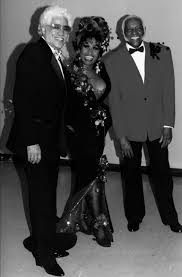
CUBA PHOTOS.

CUBA HOY/TODAY:  Atardecer en la Habana.

CUBA HOY/TODAY: Atardecer en la Habana.

BIOGRAFÍA Y RITMOS DE “LA REINA DE LA MUSICA CUBANA”.

Celia Cruz (21 octubre 1925 a 16 julio 2003) fue un cantante de salsa cubana-americana, y fue uno de los intérpretes de salsa más exitosos del siglo 20, después de haber ganado veintitrés discos de oro. Ella fue reconocido internacionalmente como la “Reina de la Salsa”, así como “La Guarachera de Cuba”

http://youtu.be/Nww8OzStatk

En 1950, Cruz hizo su primer gran éxito, después de que el cantante de la Sonora Matancera, una reconocida orquesta cubana, dejó el grupo y Cruz fue llamado a llenar. Cruz fue contratado de forma permanente por la orquesta, pero ella no fue bien aceptada por el público en primero. Sin embargo, la orquesta estaba junto a su decisión, y pronto se hizo famosa Cruz en toda Cuba. Durante los 15 años que estuvo un miembro, la banda viajó por toda América Latina, llegando a ser conocido como “café con leche” (café con leche). Cruz se hizo conocido por su marca comercial grito “¡Azúcar!” ( “Azúcar!”, En español). El eslogan que comenzó como el remate de una broma Cruz utiliza contar con frecuencia en sus conciertos. Una vez, se ordenó Cafe Cubano (café cubano) en un restaurante en Miami. El camarero le preguntó si le gustaría azúcar, y ella respondió que, desde que era cubana, él debe saber que no se puede beber café cubano sin él! Después de haber contado la broma tantas veces, Cruz finalmente dejó caer la broma y saludó a su público en el inicio de sus apariciones con la línea de golpe solo. En sus últimos años, se usaría la línea de golpe un par de veces, por no decir más adelante: “! No les digo más ‘Azúcar’, pa ‘que no se les dé la diabetes” lo que significa “No voy a decir ‘Sugar’ más, así que no vas a tener diabetes”.

images (1)

Con Fidel Castro asumiera el control de Cuba en 1959, Cruz y su esposo, Pedro Knight, se negaron a volver a su tierra natal y se convirtieron en ciudadanos de los Estados Unidos. En 1966, Cruz y Tito Puente iniciaron una asociación que conduciría a ocho álbumes de Tico Records. Los álbumes no tuvieron tanto éxito como se esperaba. Sin embargo, Puente y Cruz tarde se unieron a la etiqueta Vaya Records. Allí, se unió pianista Larry Harlow y pronto fue cabeza de cartel de un concierto en el Carnegie Hall de Nueva York.

El álbum de Cruz 1974 con Johnny Pacheco, Celia y Johnny, fue muy exitoso, y Cruz pronto se encontró en un grupo llamado la Fania All-Stars, que era un conjunto de músicos de salsa de toda la orquesta firmado por el sello Fania (propietario de Vaya Records ). Con la Fania All-Stars, Cruz tuvo la oportunidad de visitar Inglaterra, Francia, Zaire (actual República Democrática del Congo), y para volver a recorrer América Latina; su actuación en el Zaire está incluido en la película El poder del alma. [6] A finales de 1970, participó en un comercial de Eastern Air Lines en Puerto Rico, cantando la frase pegadiza ¡Esto si es volar! (Esto realmente está volando!).

Celia Cruz solía cantar el punto de identificación para la estación de radio WQBA en Miami, antes conocido como “La Cubanisima”: “Yo soy la voz de Cuba, de esta tierra, a lo lejos, …, yo soy la libertad, soy WQBA, el! (Yo soy de Cuba, la Voz, from this tierra lejana, …, libertad de soja, soja WQBA, Cubanisima!) la mayor parte cubana Durante la década de 1980, Cruz hizo muchos viajes en América Latina y Europa, haciendo varios conciertos y televisión muestra donde quiera que iba, y cantando tanto con las estrellas más jóvenes y las estrellas de su propia era. ella comenzó un cruce de tipo, cuando participó en la película de 1988 de la salsa característica, junto con Robby Draco Rosa.

En 1990, Cruz ganó un premio Grammy por Mejor Interpretación Tropical América – Ray Barretto y Celia Cruz – Ritmo en el Corazón. Más tarde se registró un álbum aniversario con la Sonora Matancera. En 1992, protagonizó junto a Armand Assante y Antonio Banderas en la película The Mambo Kings. En 1994, el presidente Bill Clinton otorgó la Cruz Medalla Nacional de las Artes. En 2001, grabó un nuevo álbum, en el que Johnny Pacheco fue uno de los productores.

El 16 de julio de 2002, Cruz lleva a cabo a una casa llena en el festival de artes escénicas al aire libre de Central Park Summerstage en la ciudad de Nueva York. Durante la actuación cantó, “Bemba Colora”. Una grabación en vivo de esta canción fue hecha disponible posteriormente en el año 2005 en un CD conmemorativo en honor del festival de la historia después 20 años titulado, “Central Park Summerstage: En directo desde el corazón de la ciudad”. Cruz apareció en el álbum de Dionne Warwick 2006 My Friends & Me.

El 16 de julio de 2003, Cruz murió de cáncer cerebral en su casa en Fort Lee, Nueva Jersey, a la edad de 77. Ella fue sobreviven su esposo, Pedro Knight (murió el 3 de febrero de 2007). No tenía hijos. Después de su muerte, su cuerpo fue llevado a estar en el estado en Torre de la Libertad de Miami, donde más de 200.000 aficionados presentaron sus respetos finales. Su cuerpo fue devuelto a Nueva Jersey, donde decenas de miles de aficionados rindieron homenaje a ella en la funeraria. Un servicio se llevó a cabo por ella en la catedral de San Patricio. Ella fue enterrado en un mausoleo privado en el cementerio de Woodlawn en el Bronx. Un epílogo en su autobiografía señala que, de acuerdo con sus deseos, tierra cubana que había salvado de una visita a Guantánamo se utilizó en su sepultura.

YouTube / TruVoz.com / video musical / Historia
LA HISTORIA DE CUBA / Hollywood.
Arnoldo Varona, Editor.

– U.S. TELEPHONE COMPANY Launches New Service to Cuba. + COMPAÑÍA NORTEAMERICANA DE TELÉFONOS Lanza Nuevo Servicio de llamadas Baratas a Cuba.

U.S. TELEPHONE COMPANY LAUNCHES NEW SERVICE TO CUBA.

The telephone company IDT Corp., the first US-based operator with direct connection to Cuba, today presented his plan calls Cuba Boss Revolution Plus.

boss-featured

Customers who subscribe to Boss Revolution Cuba Cuba Plus can call using the application Boss Revolution, to any mobile or landline phone for only $ 0.65 per minute. Due to the direct connection RTD Cuba, callers with Cuba Plus get both a competitive price, as the best call quality possible without interference or dropped calls related to indirect routing.

Bill Pereira, CEO of IDT Telecom, said, “Boss Revolution has been a leading provider of call for the Cuban-American community for a long time. We understand the importance of good call quality, as these discussions allow our customers to stay in touch with – and participate in life – their loved ones at home. Now, we are pleased to leverage our direct connection to Cuba to strengthen our Cuba Plus calling plan. Simply the Boss Revolution Cuba Plus plan is the best way to stay in touch with family and friends in Cuba. ”

The plan Boss Revolution Cuba Plus includes all the features of international calling service Boss Revolution including great prices for calls to the rest of Latin America and the world. Like all prepaid calling plans Boss Revolution, Cuba Plus has no hidden fees or minimum usage requirements.

Cuba2

Customers can enroll in Cuba Plus and recharge your account at any participating dealer Boss Revolution or online at bossrevolution.com. Cuba Plus customers can also purchase credit Cubacel through its distributor Boss Revolution, online or through the application of Boss Revolution. Cubacel credit can be used in Cuba, both domestic and international calls.

In March 2015, IDT became the first telecommunications company based in the US capable of carrying calls international long distance directly to the national telecommunications provider Cuba.

IDT Corporation (NYSE: IDT) through its IDT Telecom division, provides telecommunications services and payments to individuals and businesses, mainly through its flagship brands Boss Revolution® and Net2Phone®. The wholesale activity of IDT Telecom is a leading global operator in long distance calls. IDT also has a majority stake in Zedge (www.zedge.net), developer of the popular application of the same name for the discovery and acquisition of mobile content.

Agencies / HispanicizeWire / InternetPhotos / TheCubanHistory.como
THE CUBAN HISTORY / Hollywood.
Arnoldo Varona, Editor.


CUBA PHOTOS.

CUBA HOY/TODAY.

CUBA HOY/TODAY.

COMPAÑÍA NORTEAMERICANA DE TELÉFONOS LANZA NUEVO SERVICIO DE LLAMADAS BARATAS A CUBA.

La Compania de Telefonos IDT Corp., primer operador con sede en EE.UU con conexión directa a Cuba, presentó hoy su plan de llamadas Boss Revolution Cuba Plus.

boss-featured

Los clientes que se suscriban a Boss Revolution Cuba Plus pueden llamar a Cuba, utilizando la aplicación de Boss Revolution, a cualquier teléfono móvil o fijo por sólo $0.65 por minuto. Debido a la conexión directa de IDT con Cuba, las personas que llaman con Cuba Plus obtendrán tanto un precio competitivo, como la mejor calidad de llamada posible sin las interferencias ni caída de llamadas relacionadas con el enrutamiento indirecto.

Bill Pereira, CEO de IDT Telecom, dijo, “Boss Revolution ha sido durante mucho tiempo un importante proveedor de servicios de llamadas para la comunidad cubano-americana. Entendemos la importancia de una buena calidad en la llamada, ya que estas conversaciones permiten a nuestros clientes mantenerse en contacto con – y participar en la vida de – sus seres queridos en casa. Ahora, tenemos el placer de aprovechar nuestra conexión directa con Cuba para fortalecer nuestro plan de llamadas Cuba Plus. Sencillamente, el plan Boss Revolution Cuba Plus es la mejor manera de mantenerse en contacto con familiares y amigos en Cuba.”

El plan Boss Revolution Cuba Plus incluye todas las características del servicio de llamadas internacionales Boss Revolution incluyendo excelentes precios para llamadas al resto de América Latina y el mundo. Al igual que todos los planes prepago de llamadas Boss Revolution, Cuba Plus no tiene cargos ocultos ni requisitos mínimos de uso.

Cuba2

Los clientes pueden inscribirse en Cuba Plus y recargar su cuenta en cualquier distribuidor participante de Boss Revolution o en línea en bossrevolution.com. Los clientes de Cuba Plus también podrán comprar crédito de Cubacel a través de su distribuidor de Boss Revolution, en línea o a través de la aplicación de Boss Revolution. El crédito de Cubacel puede utilizarse en Cuba, tanto para llamadas nacionales como internacionales.

En marzo de 2015, IDT se convirtió en la primera compañía de telecomunicaciones con sede en EE.UU. capaz de llevar llamadas de larga distancia internacional directamente al proveedor nacional de telecomunicaciones de Cuba.

IDT Corporation (NYSE: IDT), a través de su división IDT Telecom, ofrece servicios de telecomunicaciones y pago a particulares y empresas, principalmente a través de sus emblemáticas marcas Boss Revolution® y Net2Phone®. La actividad mayorista de IDT Telecom es la de un operador global líder en llamadas de larga distancia. IDT también tiene una participación mayoritaria en Zedge (www.zedge.net), desarrollador de la popular aplicación del mismo nombre para el descubrimiento y adquisición de contenidos móviles.

Agencies/HispanicizeWire/InternetPhotos/TheCubanHistory.como
THE CUBAN HISTORY/ HOLYWOOD.
Arnoldo Varona, Editor.