FRANCIA ANUNCIA SU DESPLIEGUE MILITAR EN EL ESFUERZO CONJUNTO CONTRA EL NARCOTRAFICO EN EL CARIBE. PHOTOS. * FRANCE ANNOUNCES ITS MILITARY DEPLOYMENT IN THE JOINT EFFORT AGAINST DRUG TRAFFICKING IN THE CARIBBEAN. PHOTOS.

FRANCIA ANUNCIA SU DESPLIEGUE MILITAR EN EL ESFUERZO CONJUNTO CONTRA EL NARCOTRAFICO EN EL CARIBE. PHOTOS.

France is strengthening its military presence in Guadeloupe to combat drug trafficking, aligning itself with U.S. actions in the Caribbean. The plan includes investigators, radar systems, and port control. Other signals in the Caribbean: Trinidad and Tobago and Guyana toughens stance against Maduro.

PARIS/CARIBE- The French government announced on Sunday an unprecedented reinforcement of its military and police presence in Guadeloupe, a strategically located overseas territory in the Caribbean.

The measure, announced by the French Minister of the Interior, Bruno Retailleau, aims to strengthen the fight against drug trafficking, in an increasingly tense regional context and alongside actions taken by the United States in the area.


Retailleau confirmed the addition of 13 new OFAST investigators, the central anti-narcotics agency, along with the deployment of a ballistic analysis laboratory in the archipelago, which will eliminate the need to send confiscated weapons to the mainland.


It also announced the establishment of mobile squads, two nautical brigades (in Gourbeyre and Pointe-à-Pitre), radars in strategic channels, and a drone to monitor the more than 700 km of coastlines of six Guadeloupean islands.

The strengthening includes strict passenger control systems at airports and the Grand Maritime Port of Guadeloupe, as well as at the port of Fort-de-France (Martinique), within the framework of the “Hub Antilles” project.

According to the agency AFP, the authorities in Guadeloupe already warned in July 2023 about the rise in drug trafficking after controls were intensified in French Guiana.

“They come out of containers, from the postal service, from recreational boats… A new route with ‘mules’ has been registered,” explained the customs director, who reported on at least 5 tons of cocaine seized in a recent operation.

Last month, Retailleau, during a visit to Martinique and Guadeloupe, emphasized that France no longer has “white areas” in the fight against drug trafficking. He revealed that, in just the first half of 2025, cocaine seizures in the country increased by 45%, including 37.5 tons intercepted between the mainland and overseas territories.


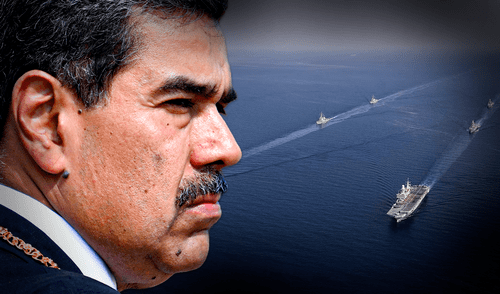
These actions from Paris seem to align with the firmness policy promoted by the U.S., which recently as part of its anti-drug offensive near Venezuela.

With this deployment, the government of Emmanuel Macron strengthens control over its overseas territories and seeks to prevent them from becoming gateways to Europe for drug trafficking.

The operation demonstrates that the fight against drugs is becoming a strategic axis shared among Western allies in the region.

OTHERS SUPPORTERS

The regional landscape became even more complicated for Caracas following the unexpected statement by the Prime Minister of Trinidad and Tobago, Kamla Persad-Bissessar, who this weekend publicly supported the deployment of U.S. warships in the Caribbean.

In a televised speech, he assured that his country will grant “without reservation” access to Trinidadian territory if Washington requests it to respond to a potential Venezuelan attack against Guyana.

“If Maduro’s regime launches any attack against the Guyanese people or invades Guyana’s territory, and the U.S. government requests access to Trinidadian territory to defend the people of Guyana, my government will grant it without reservations,” the leader stated.


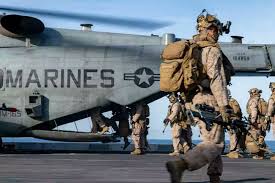
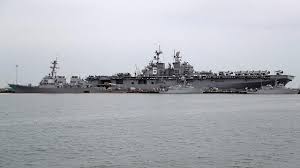
The statement comes at a time of peak regional tension, marked by the arrival of U.S. destroyers off the Venezuelan coasts and the announced deployment of amphibious ships capable of landing Marines.

Persad-Bissessar justified the shift in her policy by recalling that Trinidad and Tobago has suffered for two decades from the impact of drug trafficking, human trafficking, and arms trafficking. According to data from Insight Crime, the country ended 2024 with 625 homicides, a rate of 45.7 per 100,000 inhabitants, almost half of which are linked to gang activities.

The prime minister also denounced the infiltration of criminal networks into the institutions of several Caribbean countries and called for increased international cooperation.


His message was perceived as a direct warning to Nicolás Maduro, amid the territorial dispute over Esequibo, a region rich in oil and minerals that Venezuela claims as its own and whose annexation it tried to formalize in a referendum held in December 2023.

Trinidad and Tobago’s position was quickly supported by sectors in Washington. Cuban-American Congressman Carlos Giménez expressed his gratitude for the gesture, calling it a “strategic decision” that strengthens collective security in the Caribbean.

At the same time, Jamaica is also considering designating gangs as terrorist organizations, which would facilitate joint operations with international actors.

VENEZUELA ESTA DOMINADA POR CUBA Y POR EL NARCOTRAFICO.

FRANCE ANNOUNCES ITS MILITARY DEPLOYMENT IN THE JOINT EFFORT AGAINST DRUG TRAFFICKING IN THE CARIBBEAN. PHOTOS.

France is strengthening its military presence in Guadeloupe to combat drug trafficking, aligning itself with the U.S. actions in the Caribbean. The plan includes investigators, radar systems, and port control. Other signals in the Caribbean: Trinidad and Tobago and Guyana toughens stance against Maduro.

PARIS/CARIBBEAN- The French government announced on Sunday an unprecedented reinforcement of its military and police presence in Guadeloupe, a strategically located overseas territory in the Caribbean.

The measure, announced by the French Minister of the Interior, Bruno Retailleau, aims to strengthen the fight against drug trafficking, in an increasingly tense regional context and alongside actions taken by the United States in the area.

Retailleau confirmed the addition of 13 new OFAST investigators, the central anti-narcotics agency, along with the deployment of a ballistic analysis laboratory in the archipelago, which will eliminate the need to send confiscated weapons to the mainland.

It also announced the establishment of mobile squads, two nautical brigades (in Gourbeyre and Pointe-à-Pitre), radars in strategic channels, and a drone to monitor the more than 700 km of coastlines of six Guadeloupean islands.

The strengthening includes strict passenger control systems at airports and the Grand Maritime Port of Guadeloupe, as well as at the port of Fort-de-France (Martinique), within the framework of the “Hub Antilles” project.

According to the agency AFP, the authorities in Guadeloupe already warned in July 2023 about the rise in drug trafficking after controls were intensified in French Guiana.

“They come out of containers, from the postal service, from recreational boats… A new route with ‘mules’ has been registered,” explained the customs director, who reported on at least 5 tons of cocaine seized in a recent operation.

Last month, Retailleau, during a visit to Martinique and Guadeloupe, emphasized that France no longer has “white areas” in the fight against drug trafficking. He revealed that, in just the first half of 2025, cocaine seizures in the country increased by 45%, including 37.5 tons intercepted between the mainland and overseas territories.

These actions from Paris seem to align with the firmness policy promoted by the U.S., which recently as part of its anti-drug offensive near Venezuela.

With this deployment, the government of Emmanuel Macron strengthens control over its overseas territories and seeks to prevent them from becoming gateways to Europe for drug trafficking.

The operation demonstrates that the fight against drugs is becoming a strategic axis shared among Western allies in the region.

OTHER SUPPORTERS

The regional landscape became even more complicated for Caracas following the unexpected statement by the Prime Minister of Trinidad and Tobago, Kamla Persad-Bissessar, who this weekend publicly supported the deployment of U.S. warships in the Caribbean.

In a televised speech, he assured that his country will grant “without reservation” access to Trinidadian territory if Washington requests it to respond to a potential Venezuelan attack against Guyana.

“If Maduro’s regime launches any attack against the Guyanese people or invades Guyana’s territory, and the U.S. government requests access to Trinidadian territory to defend the people of Guyana, my government will grant it without reservations,” the leader stated.

The statement comes at a time of peak regional tension, marked by the arrival of the U.S. destroyers off the Venezuelan coasts and the announced deployment of amphibious ships capable of landing Marines.

Persad-Bissessar justified the shift in her policy by recalling that Trinidad and Tobago has suffered for two decades from the impact of drug trafficking, human trafficking, and arms trafficking. According to data from Insight Crime, the country ended 2024 with 625 homicides, a rate of 45.7 per 100,000 inhabitants, almost half of which are linked to gang activities.

The prime minister also denounced the infiltration of criminal networks into the institutions of several Caribbean countries and called for increased international cooperation.

His message was perceived as a direct warning to Nicolás Maduro, amid the territorial dispute over Essequibo, a region rich in oil and minerals that Venezuela claims as its own and whose annexation it tried to formalize in a referendum held in December 2023.

Trinidad and Tobago’s position was quickly supported by sectors in Washington. Cuban-American Congressman Carlos Giménez expressed his gratitude for the gesture, calling it a “strategic decision” that strengthens collective security in the Caribbean.

At the same time, Jamaica is also considering designating gangs as terrorist organizations, which would facilitate joint operations with international actors.

VENEZUELA ESTA DOMINADA POR CUBA Y POR EL NARCOTRAFICO.


Agencies/ CiberCuba/ CubaVenezuelaHoy/ Internet Photos/ www.TheCubanHistory.com
THE CUBAN HISTORY, HOLLYWOOD.
CUBA Y VENEZUELA HOY: AUMENTA ESTADOS UNIDOS EL DESPLIEGUE MILITAR EN EL CARIBE. PHOTOS. * CUBA AND VENEZUELA TODAY: THE U.S. INCREASES ITS MILITARY DEPLOYMENT IN THE CARIBBEAN. PHOTOS.

CUBA Y VENEZUELA HOY: AUMENTA ESTADOS UNIDOS EL DESPLIEGUE MILITAR EN EL CARIBE. PHOTOS.

WASHINGTON- Tres buques de asalto que integran el Grupo Anfibio de Despliegue Inmediato (Iwo Jima ARG) llegaron este domingo al sur del Caribe, cerca de las costas de Venezuela, reforzando el despliegue militar del Gobierno de Estados Unidos para acabar con el tráfico de drogas hacia su territorio.

Según informaron fuentes conocedoras de la operación a la agencia de noticias Reuters, se trata de las embarcaciones USS San Antonio, USS Iowa Jima y USS Fort Lauderdale, que transportan 4.500 efectivos, de los cuales unos 2.200 son marines.

La semana pasada, EEUU confirmó el envío a la región de aviones de vigilancia P-8 Poseidon, varios buques de guerra adicionales, al menos un submarino de ataque y al menos tres destructores.

La portavoz de la Casa Blanca, Karoline Levitt, afirmó que el presidente de Estados Unidos, Donald Trump, usará todo el poder del país para poner freno a la entrada de sustancias prohibidas y “llevar a los responsables ante la justicia”.


“El régimen de Maduro no es el Gobierno legítimo de Venezuela. Es un cartel del narcotráfico. Esta Administración considera que Maduro no es un presidente legítimo. Es un fugitivo, jefe de ese cartel, que ha sido acusado en los Estados Unidos por traficar drogas hacia el país”, finalizó.

El pasado 14 de agosto, EEUU comenzó el despliegue de fuerzas aéreas y navales en el mar Caribe meridional para contrarrestar amenazas provenientes de los carteles de la droga latinoamericanos.

En los últimos meses, la Administración Trump desplegó al menos dos buques de guerra con el objetivo de fortalecer el control en la frontera y combatir el tráfico de drogas.


En febrero, la Administración Trump incluyó al Cartel de Sinaloa, de México, a grupos criminales venezolanos como el Tren de Aragua y a otras bandas delictivas en la lista de organizaciones terroristas internacionales, en una medida que reforzó las acciones de control migratorio y persecución de miembros de pandillas.

El pasado viernes, Nicolás Maduro acusó a EEUU de buscar un “cambio de régimen” de manera “terrorista, militar”, ante el despliegue en espacio aéreo y marítimo cercano a las costas venezolanas para combatir el narcotráfico.

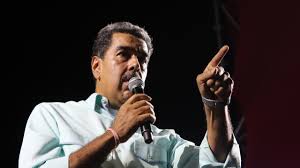
“Lo que amenazan con intentar hacer contra Venezuela, un cambio de régimen, un zarpazo terrorista, militar, es inmoral, criminal e ilegal”, sostuvo el dictador durante un acto en la sede del Legislativo, que fue transmitido por las cadenas de radio y televisión del país de manera obligatoria.


Un día antes, convocó al alistamiento de las “fuerzas milicianas” durante el fin de semana, en respuesta al envío de fuerzas navales y aéreas de EEUU cerca de costas venezolanas.

Según reportes de corresponsales de prensa, activistas y opositores, las plazas públicas y espacios militares permanecieron vacíos en estados como Táchira, Vargas, Mérida, Trujillo, Barinas, Delta Amacuro y Zulia.

A inicios de agosto, EEUU elevó a 50 millones de dólares la recompensa por información que ayude a la detención de Maduro, al que acusa de liderar el llamado “Cartel de los Soles”, una organización criminal integrada por altos funcionarios venezolanos y militares; conspiración para importar cocaína a EEUU; conspiración para poseer armas de fuego para apoyar actividades de narcotráfico, y corrupción y lavado de dinero en delitos relacionados con el narcotráfico.

VENEZUELA ESTA DOMINADA POR CUBA Y POR EL NARCOTRAFICO.

CUBA AND VENEZUELA TODAY: THE UNITED STATES INCREASES MILITARY DEPLOYMENT IN THE CARIBBEAN. PHOTOS.

WASHINGTON—Three assault ships that make up the Amphibious Ready Group (Iwo Jima ARG) arrived this Sunday in the southern Caribbean, near the coast of Venezuela, reinforcing the US government’s military deployment to end drug trafficking into its territory.

According to sources familiar with the operation, they are the USS San Antonio, USS Iowa Jima, and USS Fort Lauderdale, carrying 4,500 troops, of which approximately 2,200 are Marines.

Last week, the US confirmed the deployment of P-8 Poseidon surveillance aircraft, several additional warships, at least one attack submarine, and at least three destroyers to the region.

White House spokeswoman Karoline Levitt stated that US President Donald Trump will use the full power of the country to stop the entry of prohibited substances and “bring those responsible to justice.”

“The Maduro regime is not the legitimate government of Venezuela. It is a drug cartel. This Administration believes Maduro is not a legitimate president. He is a fugitive, the head of that cartel, who has been indicted in the United States for trafficking drugs into the country,” she concluded.

On August 14, the US began deploying air and naval forces in the southern Caribbean Sea to counter threats posed by Latin American drug cartels.

In recent months, the Trump Administration has deployed at least two warships to strengthen border controls and combat drug trafficking.

In February, the Trump administration included Mexico’s Sinaloa Cartel, Venezuelan criminal groups such as the Tren de Aragua, and other criminal gangs on the list of international terrorist organizations, in a measure that strengthened immigration control and the pursuit of gang members.

Last Friday, Nicolás Maduro accused the US of seeking “regime change” through “terrorist and military” means, given the deployment of aircraft in airspace and sea near the Venezuelan coast to combat drug trafficking.

“What they are threatening to do against Venezuela—a regime change, a terrorist and military strike—is immoral, criminal, and illegal,” the dictator stated during an event at the headquarters of the Legislative Assembly, which was broadcast on the country’s radio and television networks on a mandatory basis.

The day before, he called for the enlistment of “militia forces” over the weekend, in response to the deployment of US naval and air forces near the Venezuelan coast.

According to reports from press correspondents, activists, and opponents, public squares and military spaces remained empty in states such as Táchira, Vargas, Mérida, Trujillo, Barinas, Delta Amacuro, and Zulia.

In early August, the US raised the reward to $50 million for information leading to the arrest of Maduro, whom it accuses of leading the so-called “Cartel of the Suns,” a criminal organization comprised of high-ranking Venezuelan officials and military personnel; conspiracy to import cocaine into the US; conspiracy to possess firearms to support drug trafficking activities; and corruption and money laundering in drug-related crimes.


Agencies/ DDC/ CubaVenezuelaHoy/ Internet Photos/ www.TheCubanHistory.com
THE CUBAN HISTORY, HOLLYWOOD.

CUBA Y VENEZUELA HOY: MADURO DEJA EN LIBERTAD TRECE PRESOS POLITICOS. PHOTOS. * CUBA AND VENEZUELA TODAY: MADURO RELEASES THIRTEEN POLITICAL PRISONERS. PHOTOS.

CUBA Y VENEZUELA HOY: MADURO DEJA EN LIBERTAD TRECE PRESOS POLITICOS. PHOTOS.

CARACAS- Un grupo de 13 presos políticos en Venezuela, entre ellos el ex diputado Américo de Grazia y el dirigente opositor Pedro Guanipa, fue excarcelado después de haber sido detenidos en el contexto de la crisis tras las elecciones presidenciales de julio de 2024, informaron este domingo los opositores Henrique Capriles y Tomás Guanipa.

En sus redes sociales, Capriles, quien fue electo diputado a la Asamblea Nacional en mayo pasado, indicó que están en “libertad: Víctor Jurado, Simón Vargas, Arelis Ojeda Escalante, Mayra Castro, Diana Berrío, Margarita Assenzo, Gorka Carnevalli, Américo de Grazia”. Además, detalló que recibieron “casa por cárcel: Nabil Maalouf, Valentín Gutiérrez Pineda, Rafael Ramírez, Pedro Guanipa, David Barroso”.

“Hoy, otro paso más en favor de quienes están tras las rejas. Hoy, varias familias vuelven a abrazar a los suyos. Sabemos que quedan muchos y de ellos no nos olvidamos, seguimos luchando por todos”, escribió el ex gobernador y dos veces candidato presidencial en sus redes sociales. En ese contexto, afirmó que seguirán “luchando por un país donde nadie esté tras las rejas por su forma de pensar”. “Siempre hemos dicho y lo mantenemos: ¡hablaremos con quien tengamos que hablar para que en nuestra Venezuela no haya un solo preso político!”, agregó el dirigente.

Por su parte, Guanipa, quien también fue electo diputado nacional en los comicios regionales y legislativos del pasado 25 de mayo, destacó en sus redes que hoy celebran “la libertad de hermanos de vida” y consideró que “este año ha sido de dolor para todos”. “Hoy hemos logrado un pequeño avance en la difícil tarea de alcanzar la libertad de todos los presos políticos. No puede haber libertad en un país mientras exista la terrible figura de los presos de conciencia”, agregó el opositor, quien señaló que “ser familiar de presos políticos es otra forma de estar encarcelado”.

En mayo pasado, la ONG venezolana Comité por la Libertad de los Presos Políticos (Clipp) alertó sobre el “grave deterioro” de la salud del ex diputado De Grazia, detenido desde agosto de 2024. Según Clipp, al ex diputado, antes de su detención, se le diagnosticó con una infección pulmonar causada por un hongo y “otras infecciones”.

Por su parte, Pedro Guanipa, hermano de los también opositores Tomás y Juan Pablo Guanipa, este último arrestado en mayo pasado, fue detenido en septiembre de 2024, cuando se disponía a viajar a Colombia, según denunciaron entonces sus familiares.

Entre los excarcelados se encuentra igualmente el ex alcalde de la ciudad de Maracaibo, Rafael Ramírez Colina –detenido en octubre de 2024–, y varios ex funcionarios de su administración, así como el ahora ex mandatario de la vecina localidad de Cabimas, Nabil Maalouf, arrestado en diciembre del año pasado.


Según la ONG Foro Penal, en Venezuela hay 815 presos políticos, entre ellos cuatro adolescentes y 89 con nacionalidades extranjeras. El Ejecutivo del presidente Nicolás Maduro asegura que el país está “libre de presos políticos” y que los señalados como tal están encarcelados por la “comisión de terribles hechos punibles”.

El Ministerio de Exteriores de Italia confirmó también la excarcelación de dos italo-venezolanos presos en Venezuela y ha avanzado que proseguirá con las acciones por otros detenidos. Se trata del propio De Gracia y de Margarita Assenza, en prisión desde el 2 de octubre de 2024, explicó el ministerio italiano en un comunicado.

Según Italia, su salida de prisión es “un resultado” al que ha contribuido el Ministerio de Exteriores, con su titular Antonio Tajani, y el Gobierno de Giorgia Meloni. Tanto De Gracia como Assenza deberán declarar ante el tribunal el lunes, según el comunicado italiano, y se les ha impedido abandonar Caracas.

Agencies/ 14yMedio/ CubaVenezuelaHoy/ EFE/ Internet Photos/ www.TheCubanHistory.com/ Arnoldo Varona.
THE CUBAN HISTORY, HOLLYWOOD.

VENEZUELA ESTA DOMINADA POR CUBA Y POR EL NARCOTRAFICO.