LA INCREÍBLE FAUNA CUBANA (Vida silvestre). CURIOSIDADES. PHOTOS. * THE INCREDIBLY CUBAN FAUNA (Wildlife). CURIOSITIES. PHOTOS.

LA INCREÍBLE FAUNA CUBANA (Vida silvestre). CURIOSIDADES. PHOTOS.

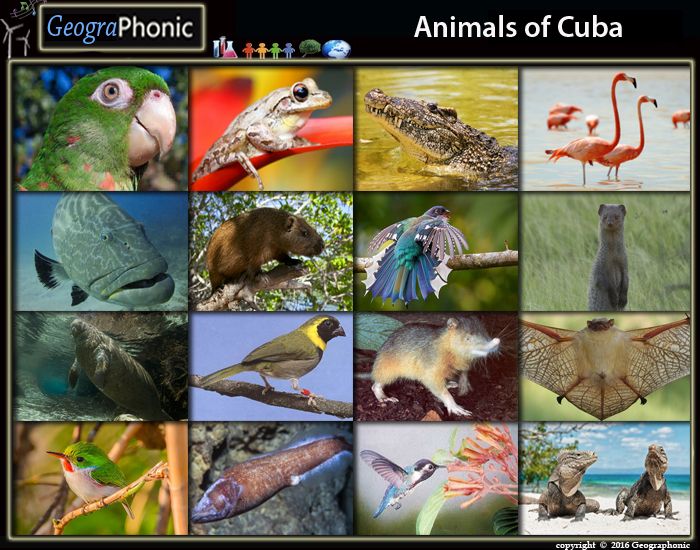
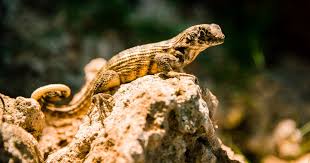
La fauna de Cuba es increíblemente diversa y rica en especies endémicas, que han evolucionado en aislamiento para crear una vida silvestre única, como el ave más pequeña del mundo (colibrí abeja), el vibrante trogón cubano (ave nacional), los cocodrilos cubanos en la Ciénaga de Zapata e interesantes reptiles como anolis e iguanas, junto con vida marina como tortugas carey y manatíes, lo que la convierte en un punto clave de biodiversidad con importantes áreas protegidas para su conservación.

FAUNA CUBANA. CURIOSIDADES

En Cuba existen más de 14.000 especies de animales.
De hecho, se conocen más de 14.000 especies de la fauna cubana, aunque las que solemos ver en la vida cotidiana son importadas.

En Cuba vive el ave más pequeña del mundo, el colibrí abeja o pájaro mosca.

El colibrí (Mellisuga helenae) es el ave más pequeña del mundo, mide alrededor de 6 cm de largo y pesa un promedio máximo de aproximadamente 2 gramos. Solo vive en Cuba.

En Cuba vive el anfibio más pequeño del mundo.
Es la rana o sapo pigmeo (Sminthillus limbatus) que mide menos de 12 mm de largo.

En Cuba vive el mamífero más pequeño del mundo, considerado el murciélago.
Nystiellus lepidus es el murciélago mariposa, que pesa solo 2,3 g y mide alrededor de 3 cm.

El almiquí, en peligro de extinción, tiene saliva venenosa.
De hecho, el almiquí (Solenodon cubanus) tiene como característica una saliva venenosa, propia de mamíferos fósiles. Se pensaba que se había extinguido a finales del siglo XIX, pero no se volvió a ver hasta 1974 y 1975, cuando se capturaron 3 almiquíes.


Existe evidencia de que vivieron monos en Cuba.
El Paralouatta varonai, considerado el mayor de los monos antillanos, solo vivió en Cuba, como lo demuestran los hallazgos arqueológicos. Se desconoce cuándo desapareció.

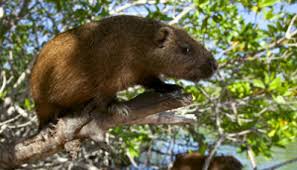
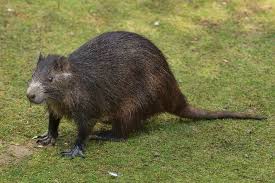
En nuestro país habitan 13 especies de jutías, algunas de las cuales viven solo en ciertos cayos.
Se han descrito 13 variedades de jutías en Cuba, algunas con un hábitat muy restringido, lo que las pone en peligro. La jutía de Cabrera solo vive en Cayo Ana María, la jutía de Cayo Maja en Cayo Garrido, la rata y el conejillo de indias en Cayo Fragoso y la jutía de San Felipe en Cayo Juan García.

La jutía de sierra es la más pequeña de todas las especies del género Capromys en el mundo.

Dentro del género al que pertenecen las jutías, el representante más pequeño es el conejillo de indias enano; solo Capromys nana vive en Cuba.

Se ha descubierto que en Viñales vive la especie de molusco más antigua del mundo.
Se trata de Viana regina calcifolio, que vive adherida a las colinas y rocas calizas y se alimenta de los hongos que crecen en ellas.

El manjuarí es considerado un pez fósil viviente, con cuerpo y cabeza de reptil.
El manjuarí, Atractosteus tristoechus, es un pez de características especiales; tiene cuerpo de pez y cabeza similar a la de los reptiles, su carne es comestible, pero sus huevos son venenosos.

THE INCREDIBLY CUBAN FAUNA (Wildlife). CURIOSITIES. PHOTOS.

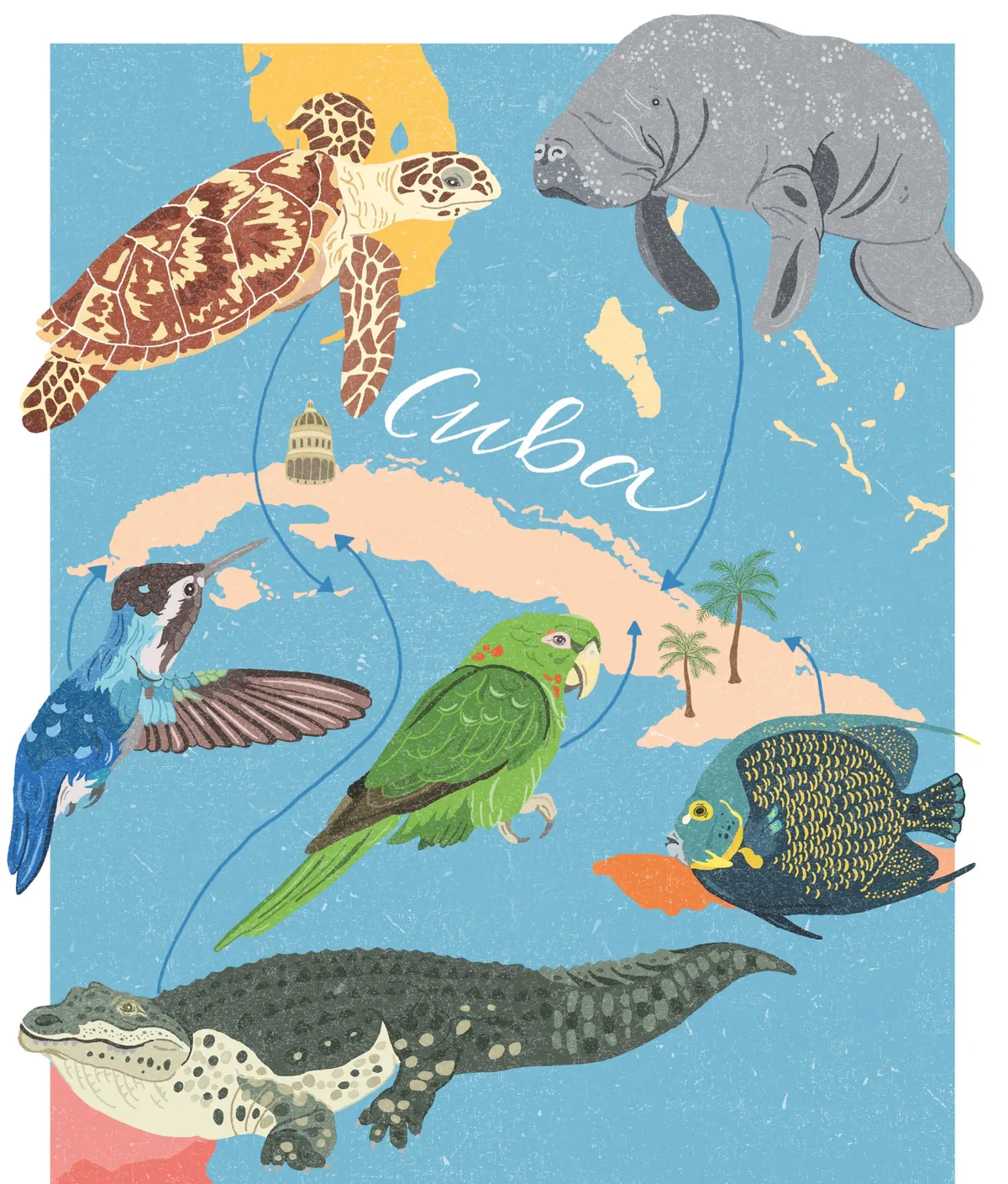
Cuba’s fauna is incredibly diverse and rich in endemic species, evolving in isolation to create unique wildlife like the world’s smallest bird (Bee Hummingbird), the vibrant Cuban Trogon (national bird), Cuban Crocodiles in Zapata Swamp, and interesting reptiles like anoles and iguanas, alongside marine life such as Hawksbill turtles and manatees, making it a biodiversity hotspot with significant protected areas for conservation.

CUBAN FAUNA

In Cuba there are more than 14,000 species of animals.
Indeed , more than 14,000 Cuban fauna species are known, although the ones we usually see in daily life are imported.

In Cuba Live the world’s smallest bird, the bee hummingbird or bird fly .download .

The hummingbird ( Mellisuga elenae ) is the smallest bird in the world and is about 6 cm in length and weighs a maximum average about 2 grams . Only live in Cuba .

In Cuba the smallest living amphibian world .
It is the pygmy frog or toad ( Sminthillus limbatus ) measuring less than 12 mm in length.

Cuba lives in the smallest of the world while the lower mammals is considered bat.
Nystiellus lepidus is the butterfly or bat , which weighs just 2.3 g measures about 3 cms.

The almiquí , nearing extinction , has poisonous saliva.download.
Indeed, almiquí ( solenodon cubanus ) has as a characteristic of a poisonous spit fossil mammals. They thought it was extinct in the late nineteenth century but was not seen until 1974 and 1975 when 3 almiquies were captured.

There is evidence that monkeys lived in Cuba .
The varonai paralouatta considered the greatest of the Antillean monkeys only lived in Cuba as demonstrated by archaeological finds. It is unknown when he disappeared.

In our country 13 species inhabit jutía some of which live only in certain keys.
Described 13 varieties jutías in Cuba , some with a very restricted habitat endangers what . The cabrera jutía only lives in the Cayo Ana María , Cayo Maja ‘s garrido , rat and guinea pig in the Cayo Fragoso sanfelipensis in Cayo Juan Garcia.

Saw jutía is the smallest of all the capromydes kind in the world .

Within the genus to which they belong capromydes the jutías representative is the smallest dwarf guinea pig, only capromydes nana lives in Cuba .

It has been found that the species lives Viñales world’s oldest shellfish.
This is the Viana regina calcifolio living or attached to the limestone hills and rocks to feed the fungus thereof.

The manjuarí is considered a living fossil fish has body and reptilian head .
The manjuarí , Atractosteus tristoechus , is a fish special features , is similar to reptiles and fish head body , his flesh is edible, but their eggs are poisonous.


Agencies/ MyCountry / CuriosidadesFauna / Internet Photos / www.TheCubanHistory.com/ Arnoldo Varona.
THE CUBAN HISTORY, HOLLYWOOD.

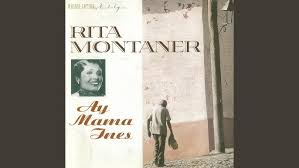
AY MAMA INÉS !.. AY MAMA INÉS ! UNA CONOCIDA MELODIA CLASICA DEL FOLCLORE CUBANO. VIDEOS / PHOTOS. * AY MAMA INES, HAY MAMA INES!… A WELL-KNOWN CLASSIC MELODY OF THE CUBAN FOLKLORE.VIDEOS / PHOTOS.


AY MAMA INÉS !.. AY MAMA INÉS ! UNA CONOCIDA MELODIA CLASICA DEL FOLCLORE CUBANO. VIDEOS / PHOTOS.

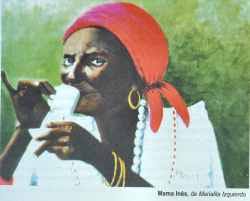
“Ay Mama Inés” (o “¡Ay, Mamá Inés!”) es una querida e icónica canción tradicional cubana que narra la historia de Mama Inés, una matriarca africana fuerte y amante del café, que simboliza la identidad cubana, la cultura afrocubana y la rica historia de la isla. Ha sido interpretada por artistas como Lecuona Cuban Boys, Bola de Nieve y Alfredo Rodríguez, y a menudo incluye la letra “Todos los negros tomamos café”.

Ay Mama Inés , Ay Mamá Inés, todos los negros tomamos café!

Es una canción que conoce todos los cubanos , dentro o fuera de la isla , joven o viejo , negro o blanco . Y para aquellos que no saben las palabras , la melodía es ineludible.

QUIEN ES MAMA INES?..

Pero, ¿quién exactamente es / era Mamá Inés ? Bueno, Juan Pérez tiene una maravillosa sección en su sitio web y lo explica así:

“Ay Mamá Inés, Ay mamá Inés, todos los negros tomamos café ”

Mamá vive con su hija Agnes Belén , en el barrio de Jesús María, una vieja sección humilde conocida como La Habana Vieja.

Mama Ines no pierde de vista por un momento a su hermosa hija Belén y en la misma pieza musical Moises Simons otra parte pone :

“Belén , Belén, Belén llegó donde estaba ,
que todo lo que Jesús Maria miré y no me pareció que . ”
Yo estaba en casa y Mariana
Ellos enviaron a mí ayer.

Los niños cubanos de todas las edades , sin saber Mama Inés, por tradición popular , han incorporado a su juego Cachumbambe inocente :

” Cachumbambe, viejo fumar tabaco y beber café Ines . ”


Y para que no se borre la memoria de los que siguen , los que nunca tuvieron la oportunidad de disfrutar del hermoso carnaval en la republica de Cuba , recuerda que las calles de La Habana siempre hay alguien que aparecieron vestidos de Mama Ines marcado con pequeños pasos conga al final el desfile de carrozas y , mientras que un coche con trompetas y Charangueros , tambores y maracas , para cerrar acompañado el ritmo pegadizo de su estribillo melódico :

” Ay Mamá Inés , ay mamá Inés, todos todos los negros tomamos café. ”

Aparte de Café, Tabaco y Ron, Bailando Salsa y jugando dominó . Es importante vigilar con nuestras tradiciones ! Leer y aprender algo nuevo, o actualizar algo conocido , Y Que Siga La tradicion .


AY MAMA INES, HAY MAMA INES!… A WELL-KNOWN CLASSIC MELODY OF THE CUBAN FOLKLORE.VIDEOS / PHOTOS.

“Ay Mama Inés” (or “¡Ay, Mamá Inés!”) is a beloved, iconic traditional Cuban song about the strong, coffee-loving African matriarch, Mama Inés, symbolizing Cuban identity, Afro-Cuban culture, and the island’s rich history, famously performed by artists like Lecuona Cuban Boys, Bola de Nieve, and Alfredo Rodriguez, often featuring the lyric “Todos los negros tomamos café” (All the Black people drink coffee).

Ay Mama Ines! , Ay Mama Ines!, all the black people are drinking coffee.!

It’s a song that every Cuban knows, on or off the island, young or old, negro o blanco. And for those who may not know the words, the melody is inescapable.

But who exactly is/was Mamá Inés? Well, Juan Perez Has a wonderful section in his website and explains:


“Ay Mama Ines, ay Mama Ines, all black people are drinking coffee”

Mom lives with her daughter Agnes Bethlehem in the neighborhood of Jesus Maria, a humble old section known as La Habana Vieja.

Mama Ines does not lose sight for a minute to her beautiful daughter Bethlehem and elsewhere in the same piece of music Moises Simons puts it:

“Bethlehem, Bethlehem, Bethlehem got where you were,
that all Jesus Maria I looked and I did not find you. ”
I was home and Mariana
They sent for me yesterday.

Cuban children of all ages, not knowing Mama Ines, by popular tradition, have incorporated their innocent game Cachumbambe:

“Cachumbambe, old snuff smoking and Ines drink coffee.”


And so it does not erase the memory of those who follow, those who never had the opportunity to enjoy the beautiful carnival in the Cuban republica, remember that the streets of Havana someone always appeared dressed as Mama Ines marked with small steps conga at the end of the parade of floats and, while a car with trumpets and charangueros, drums and maracas to wind accompanied the catchy beat of his melodic chorus:

“Ay Mama Ines, ay Mama Ines, all drank coffee black.”

Aside from Cafe, Tabaco y Ron, Bailando Salsa y jugando Domino. It is important to keep tabs with our traditions! Read it and learn something new, or refresh something known, y que siga la tradicion.


Agencies/ JohnR/CubanAmericanPundits/YouTube/ Internet Photo/ Arnoldo Varona/ TheCubanHistory.com
THE CUBAN HISTORY, HOLLYWOOD.

SAN LAZARO, EL VIEJITO DE LAS MULETAS Y PERROS, RECUPERA UN IMPORTANTE LUGAR EN LA VENERACION CUBANA. PHOTOS. * SAINT LAZARUS, THE OLD MAN WITH CRUTCHES AND DOGS, RECLAIMS AN IMPORTANT PLACE IN CUBAN VENERATION. PHOTOS.

SAN LAZARO, EL VIEJITO DE LAS MULETAS Y PERROS, RECUPERA UN IMPORTANTE LUGAR EN LA VENERACION CUBANA. PHOTOS.

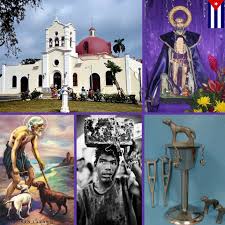
San Lázaro goza de gran popularidad en la isla y en la comunidad cubana donde este asentada. Los cubanos siempre han mostrado una devoción especial a San Lázaro, a quien consideran el santo patrón de los pobres y los enfermos.

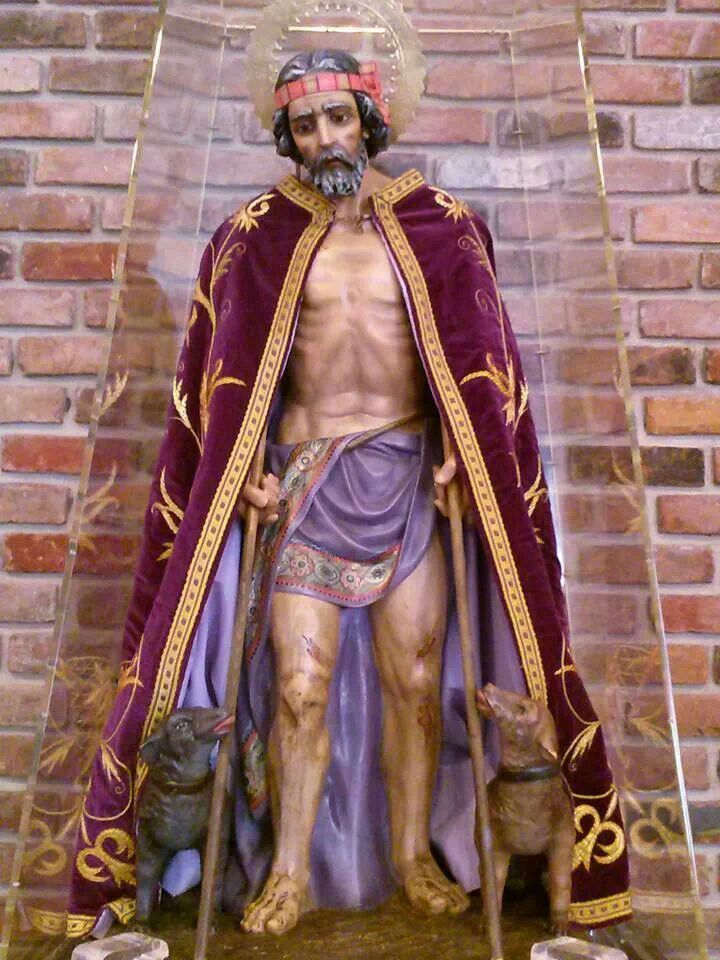
En muchas casas de mis familiares había una pequeña estatua del santo, generalmente representado caminando con un bastón y acompañado por dos o tres perros. Parecía estar cubierto de llagas y daba la impresión de que los perros le lamían y limpiaban las heridas. A menudo se colocaba un cigarro y un pequeño vaso de ron delante de la estatua como ofrenda. Algunas mujeres y los devotos en general solían rezar ante la estatua pidiendo por sus intenciones especiales.

QUIEN ES SAN LAZARO?

Los investigadores de la historia de la devoción a San Lazaro se dieron cuenta de que esta se remonta a la Edad Media. El rey Alfonso X de España abrió un hospital para leprosos dedicado a Lázaro el mendigo en el siglo XII. Hay una referencia a Lázaro el mendigo en el poema épico del Cid Campeador. La imagen más antigua de Lázaro el mendigo reside en una iglesia en Palencia, España. Y en lugares de América del Sur y Filipinas, los hospitales y las iglesias llevan el nombre, y las imágenes de las casas, del mendigo.

Si, a pesar del sincretismo religioso cubano que también lo identifica con un dios de la santería, la devoción al Lázaro de la parábola -en contraposición al Lázaro a quien Jesús resucitó de entre los muertos- se remonta a la España de la Edad Media.

LAS DOS IMAGENES DE SAN LAZARO…

“Siempre había dos imágenes: la gente saludaba a la del obispo y se dirigía a rezarle a la otra, se referia a las dos imagenes de Lazaro que se encuentran en San Lazaro del Rincón, en la Habana, un santuario adjunto a un hospital para leprosos que se fundo originalmente a fines del siglo XVII”, dijo el padre José Espino, párroco de la parroquia de San Lázaro en Hialeah.

Una imagen representaba a Lázaro como obispo, hermano de María y Marta, amiga de Jesús a quien resucitó de entre los muertos. El otro representaba a Lázaro como el mendigo de la parábola evangélica: “Había un hombre rico que se vestía con ropas de púrpura y lino fino y cenaba con esplendor todos los días. Y acostado a su puerta estaba un pobre llamado Lázaro, cubierto de llagas, que de buena gana hubiera comido hasta saciarse de las sobras que caían de la mesa del rico. Los perros incluso solían venir y lamer sus llagas” dijo.


La devoción popular por el mendigo Lázaro supera con creces la que goza su homólogo resucitado, especialmente entre los cubanos. La razón de esto, en parte, puede ser el sincretismo religioso que convirtió al mendigo Lázaro, junto con Santa Bárbara y Nuestra Señora de la Caridad, en uno de los dioses más populares de los practicantes de la santería.

Para frenar ese sincretismo, el obispo de La Habana a principios del siglo XX decidió suprimir la devoción al mendigo Lázaro y conducir a la gente hacia el “verdadero” santo, el Resucitado Lázaro.

La gente lo sabía mejor, dijo el padre Sergio Cabrera, rector de San Lázaro del Rincón, el nombre popular de lo que es oficialmente el Santuario Nacional de San Lázaro en El Rincón (el Santuario Nacional de San Lázaro en el suburbio habanero de El Rincón).


“La devoción data de antes del descubrimiento de América. En todo el mundo hispano, los hospitales para leprosos están dedicados a Lázaro.
Es un hecho ineludible de la fe: Dios habla a través de su pueblo. Queríamos imponerle a nuestro pueblo la idea de que Lázaro, el mendigo, no existía”, y sin embargo, la devoción solo creció.


“Siempre había dos imágenes: la gente saludaba a la del obispo y se dirigía a rezarle a la otra”, dijo el padre José Espino, párroco de la parroquia de San Lázaro en Hialeah.

De hecho, El Rincón recibe un promedio de 1.000 visitantes a la semana, a veces hasta 3.000, en un país comunista donde las demostraciones externas de fe están mal vistas. Más de medio millón de personas lo visitaron entre octubre de 2012 y febrero de 2013 y muchos otros miles en los años consecutivos, proveniente y representando a todos los estratos de la sociedad cubana.


EN LA RELIGION SE PRODUJO UN FENOMENO INTERESANTE…

En la religión se produjo un fenómeno interesante, la asimilación forzada por los africanos de la liturgia y representatividad católica y la adoración a través de ellos de los “orichas” y espíritus que traían de sus lejanos montes mágicos.

Como un código no escrito se produjo la “sicretización” de los santos católicos con los principales orichas, siempre buscando algún tipo de similitud para reafirmar su adoración: a Santa Bárbara, patrona de los artilleros y mineros, le encontraron la similitud con su mimético e iracundo Changó, oricha del truno y la masculidad, a quien no tuvieron prejuicio ninguno para albergarlo en esta singular santidad femenina.

Al modesto y controvertido San Lázaro, noble y milagroso mendigo, cuidador de los desamparados y curador de los pobres, le dieron la investidura de Babalú Ayé, hermano de Changó, enfermo y errante de los montes también protector de enfermos y desamparados, necesarios ambos para pedir por la salud cuando se ha perdido o invocar por su conservación cuando se tiene.

Santa Bárbara y San Lázaro, junto a la virgen de la Caridad del Cobre, son la triada de mayor consagración en Cuba donde son invocados y adorados por millares de personas que esperan de ellos la facilitación de sus terrenales problemas.


Tal vez sea San Lázaro, ese viejito con muletas y acompañado de dos perros, cuyo santoral se celebra el 17 de diciembre y que en Cuba se le adora en muchas casas, quien ostente la popularidad mayor entre los cubanos, por esa necesidad innata de la gente de velar por su salud y por los rumores amplificados de su milagrocidad.

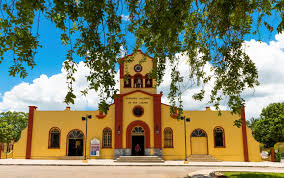
Tiene su santuario en la modesta iglesia del Rincón, un lugarcito pintoresco del municipio de Santiago de las Vegas en La Habana, y aunque la Iglesia Católica no lo consagre en la figura del mendigo de las muletas sino en el dignísimo cargo de obispo, los cubanos van hasta allá cada diciembre para pedirle un milagro, pagar una promesa, prenderle una vela y rezar en acción de gracias por algún favor cumplido, siempre pensando en el modesto hombre cuya nobleza adoramos y por cuya protección pedimos.


SAINT LAZARUS, THE OLD MAN WITH CRUTCHES AND DOGS, RECLAIMS AN IMPORTANT PLACE IN CUBAN VENERATION. PHOTOS.

Saint Lazarus enjoys great popularity on the island and in the Cuban community wherever it is established. Cubans have always shown a special devotion to Saint Lazarus, whom they consider the patron saint of the poor and the sick.

In many of my relatives’ homes, there was a small statue of the saint, usually depicted walking with a cane and accompanied by two or three dogs. He appeared to be covered in sores, and it gave the impression that the dogs were licking and cleaning his wounds. A cigar and a small glass of rum were often placed in front of the statue as an offering. Some women and devotees in general used to pray before the statue, asking for their special intentions.

WHO IS SAINT LAZARUS?

Researchers of the history of devotion to Saint Lazarus have found that it dates back to the Middle Ages. King Alfonso X of Spain opened a hospital for lepers dedicated to Lazarus the beggar in the 12th century. There is a reference to Lazarus the beggar in the epic poem of El Cid. The oldest image of Lazarus the beggar resides in a church in Palencia, Spain. And in places in South America and the Philippines, hospitals and churches bear the name, and images in homes depict, the beggar.

Yes, despite the Cuban religious syncretism that also identifies him with a Santería deity, the devotion to Lazarus of the parable—as opposed to the Lazarus whom Jesus raised from the dead—dates back to medieval Spain. THE TWO IMAGES OF SAINT LAZARUS…

“There were always two images: people would greet the one of the bishop and then go to pray to the other,” referring to the two images of Lazarus found in San Lázaro del Rincón, in Havana, a sanctuary attached to a hospital for lepers that was originally founded at the end of the 17th century,” said Father José Espino, pastor of the San Lázaro parish in Hialeah.

One image depicted Lazarus as a bishop, brother of Mary and Martha, a friend of Jesus whom he raised from the dead. The other depicted Lazarus as the beggar from the Gospel parable: “There was a rich man who dressed in purple and fine linen and feasted sumptuously every day. And lying at his gate was a poor man named Lazarus, covered with sores, who longed to eat what fell from the rich man’s table. Even the dogs would come and lick his sores,” he said.

Popular devotion to the beggar Lazarus far surpasses that enjoyed by his resurrected counterpart, especially among Cubans. The reason for this, in part, may be the religious syncretism that transformed the beggar Lazarus, along with Saint Barbara and Our Lady of Charity, into one of the most popular deities among practitioners of Santería.

To curb this syncretism, the Bishop of Havana in the early 20th century decided to suppress devotion to the beggar Lazarus and guide people toward the “true” saint, the resurrected Lazarus.

The people knew better, said Father Sergio Cabrera, rector of San Lázaro del Rincón, the popular name for what is officially the National Sanctuary of Saint Lazarus in El Rincón (the National Sanctuary of Saint Lazarus in the Havana suburb of El Rincón). “The devotion dates back to before the discovery of America. Throughout the Hispanic world, hospitals for lepers are dedicated to Lazarus.
It is an undeniable fact of faith: God speaks through his people. We wanted to impose on our people the idea that Lazarus, the beggar, did not exist,” and yet, the devotion only grew.

“There were always two images: people would greet the one of the bishop and then go to pray to the other one,” said Father José Espino, parish priest of St. Lazarus Parish in Hialeah.

In fact, El Rincón receives an average of 1,000 visitors a week, sometimes up to 3,000, in a communist country where outward displays of faith are frowned upon. More than half a million people visited between October 2012 and February 2013, and many thousands more in the following years, coming from and representing all strata of Cuban society.


Agencies/ Wiki/ HablardeCuba/ RamonGuerra/ Extractos/ Excerpts/ Internet Photos/ Arnoldo Varona.

www.TheCubanHistory.com
THE CUBAN HISTORY, HOLLYWOOD.