El querer nombrar las cosas es algo inherente al hombre de todos los tiempos es un modo de que lo desconocido pase a ser algo cotidiano cuando lo nombramos.
En el lenguaje popular de los cubanos existen varios casos que han perdurado con el pasar de los años.Personas entraditas en años conocen al “detergente en polvo” como “Ace” simplemente porque esta era la marca del detergente que más se vendía en Cuba antes del triunfo de la Revolución, y así lo nombraron desde ese entonces. Pero como este ejemplo hay muchos más…
De igual forma para quienes habitamos en esta isla, “Popis”, otra marca antigua, son los zapatos deportivos o tennis, y “Pitusa” son los pantalones de mezclilla tan cotidianos en la moda actual a pesar de que en sus orígenes esta prenda estaba destinada al trabajo fuerte de vaqueros y torneros.
Pero dejemos los jeans (“yines”) o pantalones de mezclilla y continuemos con nuestras creaciones nacionales a la hora de nombrar algunos objetos cuando los vemos por primera vez y su uso se hace tan cotidiano que a pesar de no ser el nombre original llega a formar parte del lenguaje común y es aceptado hasta por la Real Academia Española si es preciso.
Entre los ejemplos más famosos tenemos a nuestra inseparable bolsa plástica como dirían los habaneros (quienes viven en La Habana, capital del país ) y “Cubalse” como le pusimos nosotros los orientales, recordemos que esa bolsita debe su nombre a la marca de la primera corporación cubana que la sacó al mercado junto a sus productos. Así lo mismo se pudo haber llamado Tiendas Recaudadoras de Divisa (TRD) o Panamericana, pero sin dudas Cubalse fue el término más popular para los cubanos del Oriente del país.
Otros ejemplos de este fenómeno lingüístico en nuestro idioma es que le decimos “trusa” al traje de baño, hay quienes todavía le dicen “Yale” a los llavines de las puertas pues esa fue su marca inicial, al igual que las almohadillas sanitarias que solo las cubanas las conocemos como “Intimas”,marca que todavía esta vigente entre nosostras. A así existen infinidades de ejemplos y seguirán surgiendo pues el idioma se encuentra en constante evolución y asimila nuevos términos, esos que decidimos nosotros en la cotidianidad y que logran sobrevivir de generación en generación.
The desire to name things is something inherent in the man of all times is a way that the unknown becomes something every day when we name it.
In the popular language of Cubans, there are several cases that have endured over the years. People in years know the “powder detergent” as “Ace” simply because this was the brand of detergent most sold in Cuba before of the triumph of the Revolution, and they named it from that time on. But as this example, there are many more …
Similarly, for those who inhabit this island, “Popis”, another old brand, are sports shoes or tennis shoes, and “Pitusa” are the everyday denim trousers in current fashion even though in its origins this garment was destined to the hard work of cowboys and turners.
But let’s leave the jeans (“yines”) or jeans and continue with our national creations when it comes to naming some objects when we see them for the first time and its use becomes so daily that despite not being the original name it comes to be part of the common language and is accepted even by the Royal Spanish Academy if necessary.
Among the most famous examples we have our inseparable plastic bag as they would say the habaneros (who live in Havana, capital of the country) and “Cubalse” as we put the oriental, remember that this bag owes its name to the brand of the first Cuban corporation that brought it to market along with its products. Thus the same could have been called Currency Collection Stores (TRD) or Pan-American, but without doubt, Cubalse was the most popular term for Cubans in the East of the country.
Other examples of this linguistic phenomenon in our language is that we say “trusa” to the swimsuit, there are those who still say “Yale” to the lockers of the doors because that was their initial mark, as well as the sanitary pads that only Cuban women know them as “Intimates”, a brand that is still valid among us. In this way, there are infinities of examples and they will continue to emerge because the language is in constant evolution and assimilates new terms, those that we decide in everyday life and that manage to survive from generation to generation.
Agencies/ HablandoCubano/ Celia Arevalo/ Internet Photos/ Arnoldo Varona/ www.TheCubanHistory.com
THE CUBAN HISTORY, HOLLYWOOD.
En el municipio de Artemisa, al sur de La Habana, se conservan las ruinas de una antigua hacienda que fuera símbolo del esplendor de los cafetales del occidente cubano en la época colonial, llamada Angerona. Su dueño fue un inmigrante alemán, Cornelio Souchay quien llegó a Cuba a principios del siglo XIX.
En La Habana Cornelio conoció a Úrsula Lambert, morena haitiana nacida libre, quien comienza a trabajar en el cafetal compartiendo intereses económicos, financieros y organizativos del mismo.
Alrededor de esto se teje la leyenda de su relación de Cornelio con la bellísima mujer de orígen africano, así como la vinculación de ella con la prosperidad y florecimiento económico del cafetal.
“Angerona”, diosa romana del silencio y la fertilidad de los campos, se encontraba reproducida en la entrada de la hacienda en una estatua a tamaño natural realizada en blanco mármol de Carrara.
Debido al esplendor y su reconocida belleza este maravilloso lugar fue motivo de inspiración para célebres escritores, pintores y personajes de la época que lo visitaron.
En Angerona convivían unos 450 esclavos, que residían en chozas y no en barracones. Además la atención humana y el sistema de organización laboral era muy distinto al del resto de la colonia.
Cornelio Souchay murió en La Habana en 1837 y según la certificación de defunción asentada en los libros de la iglesia de Cayajabos, fue enterrado en el cementerio del cafetal.
Úrsula abandonó el cafetal 8 ó 9 años después de la muerte de Cornelio para establecerse definitivamente en La Habana, en el barrio de La Merced. Murió en 1860, nunca se casó, ni tuvo descendencia.
Las ruinas de este cafetal constituyen un sitio de indudable valor por lo excepcional de su arquitectura y de la historia, fue declarado Monumento Nacional el 31 de diciembre de 1981
In the municipality of Artemisa, south of Havana, the ruins of an old hacienda that was a symbol of the splendor of the coffee plantations of western Cuba in colonial times, called Angerona, are preserved. Its owner was a German immigrant, Cornelio Souchay who arrived in Cuba at the beginning of the 19th century.
In Havana, Cornelio met Úrsula Lambert, a free-born Haitian brunette, who began working in the coffee plantation sharing economic, financial and organizational interests.
Around this is woven the legend of his relationship of Cornelius with the beautiful woman of African origin, as well as the connection of it with the prosperity and economic flourishing of the coffee plantation.
“Angerona”, the Roman goddess of silence and fertility of the fields, was reproduced at the entrance of the hacienda in a life-size statue made of white Carrara marble.
Due to the splendor and its recognized beauty, this wonderful place was a source of inspiration for famous writers, painters and characters of the time who visited it.
In Angerona about 450 slaves lived, residing in huts and not in barracks. In addition, human attention and the system of labor organization was very different from the rest of the colony.
Cornelio Souchay died in Havana in 1837 and, according to the death certificate recorded in the books of the Cayajabos church, he was buried in the cemetery of the coffee plantation.
Ursula left the coffee plantation 8 or 9 years after the death of Cornelio to settle permanently in Havana, in the neighborhood of La Merced. He died in 1860, never married, nor had offspring.
The ruins of this coffee plantation constitute a site of undoubted value for the exceptional of its architecture and history, it was declared a National Monument on December 31, 1981
Agencies/ RHC/ Maria Calvo/ Internet Photos/ Arnoldo Varona/ www.TheCubanHistory.com
THE CUBAN HISTORY, HOLLYWOOD.
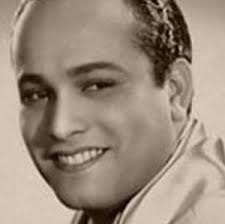
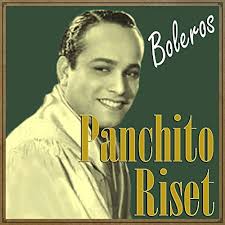
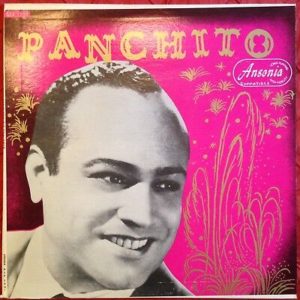
Francisco Hilario Riser, su verdadero nombre luego cambiado, nació en La Habana, Cuba, en el barrio de Atarés, en 1910. Desde pequeño, aprendió a tocar el Tres, la famosa guitarra cubana de tres cuerdas dobles, y la guitarra acústica española, instrumentos con los que se acompañaba, pero poco a poco los abandonó para concentrase más bien en cantar.
Si prestamos atencion, a veces la vida nos anuncian presagios que nos van a pasar en el futuro y esto fue lo que sucedió en el año 1947 en la ciudad de Nueva York cuando el compositor cubano “Mundito” Medina escribió el bolero titulado “El cuartito”.
En esa época, una de las estrellas más populares en el ambiente musical de Nueva York era Panchito Riset. Para el cantante, todo era brillante y feliz. El se presentaba todas las noches en el ‘Club Versalles’ de esa ciudad y sus discos se vendían por todo el mundo. Y Panchito aceptó cantarle a Medina su tema, sin saber que la canción para él sería profética, aunque en aquellos momentos de esplendor y fama, su mensaje no podría descifrar.
Su primer incurso como cantante profesional fue con el Septeto Esmeralda, pasándose más tarde al Septeto Habanero y luego a la orquesta de Ismael Díaz.
En 1933, lo invitan a cantar con una de las orquestas más populares de Nueva York en ese entonces y se muda a esa ciudad, donde canta por un tiempo con la Orquesta de Antobal. Es con Antoval que graba una de sus primeras grabaciones y en el sello le ponen Riset (en vez de Riser) y, como para no tener que rehacerlos, así lo dejan.
En Nueva York, durante los años 30, Francisco Riser, ahora Panchito Riset, canta y graba, prácticamente, con todos los grupos musicales existentes en ese entonces: Cuarteto (de Pedro) Flores, Victoria, el Caney, y con las orquestas de Xavier Cugat y Enrique Madriguera. Además, actuaba continuamente en los cabarets de moda: Cubanacán, La Conga y Yumurí así también como en California, donde se presentó en 1936 en el cabaret Trovadero, mientras se lo disputaban los estudios de grabación.
Ciudadano de Estados Unidos, cuando rompe la II Guerra Mundial el deber lo llama, y Panchito se enlista en el ejército donde permanece hasta 1943, cuando lo deautorizan honorablemente, Panchito regresa a lo que más le gustaba, cantarle a su público, lo que hace cuando debuta en el cabaret, Versalles, y donde permanece por los próximos 18 años.
Panchito, a su regreso del sercicio militar, siguió grabando, preferentemente con grupos que se amoldaban a su estilo, como los conjuntos de René Hernández y el de Luis “Lija” Ortiz, viajando esporádicamente por el Caribe. En sus presentaciones, con su voz e inconfundible estilo, Riset llevó al bolero la ingenuidad, la pureza en la expresión que existía en los años ‘30 y nunca buscó innovar su estilo. El invitaba al oyente a trasladarse con él a la simple y sosegada magia de la década de los 30.
Lo interesante de su historia es que como otros cubanos (Antonio Machín, Bola de Nieve y Machito, entre otros) que disfrutaron de fama internacional, en su país natal, Panchito Riset no era muy conocido. Había salido de Cuba muy muy joven.
No fue hasta mediados de los ’40 que los radioescuchas de una popular radioemisora habanera, Radio Cadena Suaritos, comenzaron a escuchar una nueva voz que no era la suave de Fernando Albuerne, la viril de Daniel Santos, o la cadenciosa de Bobby Capó, voces a las que ya estaban acostumbrados. Esta nueva voz era algo distinto: muy aguda pero melodiosa que cantaba en un estilo que, francamente, ya estaba padaso de moda.Y para acabar, la canción que interpretaba comenzaba extrañamente con una risa, seguía con una pregunta y continuaba después con la evocación nostálgica de la amada perdida y el nido de sus amores.
http://youtu.be/qxaPCw1zEXo
Era una canción que parecía un tango, y de hecho su tema recordaba a la percanta y el bulín de “Mi noche triste”, el primer tango que cantó Gardel. Era una especie de tango tropical, a ritmo de bolero. Uno de esos temas que se creían compuestos en una noche de farra, llenas de recuerdos, de mucho alcohol y de superabundante inspiración. En suma, una canción tanto sublime, como ridícula, y como tal, conquistó el corazón de las multitudes. A poco, “El Cuartito” de “Mundito” Medina, en la voz de Panchito Riset, se escuchaba por todas partes a nivel de saturación.
Más tarde, con la misma aceptación, siguieron “Blancas azucenas”, de Pedro Flores, de la cual el musicólogo Cristóbal Díaz Ayala dice que en su versión, uno casi podía olerlas y “Cita a las seis”, donde los oyentes hasta se ponían nerviosos al escuchar como como su voz esperaba a la amada.
Y así se mantuvo por décadas. Como el baluarte de la música popular de Nueva York, hasta que la salud le empezó a fallar. Pero aún así, nunca perdió su maravillosa voz.
Su Última Presentación.
https://youtu.be/tOZpJUak6Qc
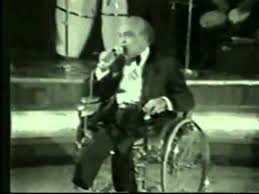
Menciona Ayala que en septiembre de 1983, cuando se celebró el Telemaratón de la Sociedad de Niños y Adultos Lisiados de Puerto Rico en New York, la presencia y actuación de Panchito Riset arrancaron, al mismo tiempo, lágrimas y aplausos. Al presentarlo Pedro Zervigón, el público le obligó a interpretar varios números, entre ellos “Blancas azucenas”. Esa noche, fue la estrella que más brilló, aunque allí estaban Celia Cruz, Iris Chacón, Ruth Fernández, Mirta Silva y otras grandes figuras. Desde su silla de ruedas, seguía actuando hasta que la enfermedad pudo más que él.
Y se cumplió la profecía….el 8 de agosto de 1988 en un cuartito, olvidado y ciego, con las dos piernas amputadas a consecuencia de la diabetes, fallece Panchito Riset, y al destino le preguntamos… ¿Por qué ríes así? Amigos como el locutor y animador Angel Luis González Adames y Trini Márquez, del famoso Trío de las Hermanas Márquez, le asistieron hasta su muerte.
FRANCISCO “PANCHITO” RISET, GREAT SINGER OF THE CUBAN POPULAR MUSIC.VIDEOS.
Francisco Hilario Riser, his real name then changed, was born in Havana, Cuba, in the neighborhood of Atarés, in 1910. Since he was a child, he learned to play the Tres, the famous Cuban guitar with three double strings, and the Spanish acoustic guitar, instruments with which he was accompanied, but little by little he left them to concentrate rather on singing.
If we pay attention, sometimes life announces us omens that will happen to us in the future and this was what happened in the year 1947 in the city of New York when the Cuban composer “Mundito” Medina wrote the bolero entitled “El cuartito” ”
At that time, one of the most popular stars in the musical environment of New York was Panchito Riset. For the singer, everything was bright and happy. He appeared every night at the ‘Club Versalles’ in that city and his records were sold all over the world. And Panchito accepted to sing to Medina his subject, without knowing that the song for him would be prophetic, although in those moments of splendor and fame, his message could not decipher.
His first incursion as a professional singer was with the Septeto Esmeralda, later moving to the Septeto Habanero and then to the Ismael Díaz orchestra.
In 1933, he was invited to sing with one of the most popular orchestras in New York at the time and moved to that city, where he sang for a while with the Antobal Orchestra. It is with Antoval that he records one of his first recordings and in the label they put him Riset (instead of Riser) and, as if he did not have to redo them, they left him.
In New York, during the 30s, Francisco Riser, now Panchito Riset, sings and records, practically, with all the musical groups existing at the time: Quartet (by Pedro) Flores, Victoria, el Caney, and with Xavier’s orchestras Cugat and Enrique Madriguera. In addition, he performed continuously in fashionable cabarets: Cubanacán, La Conga and Yumurí as well as in California, where he performed in 1936 at the cabaret Trovadero, while the recording studios disputed it.
A citizen of the United States, when he breaks World War II duty calls him, and Panchito enlists in the army where he remains until 1943, when he is honorably authorized, Panchito returns to what he liked best, to sing to his audience, what he does when he debuted in the cabaret, Versailles, and where he remains for the next 18 years.
Panchito, on his return from the military service, continued to record, preferably with groups that fit his style, such as the René Hernández and Luis “Lija” Ortiz sets, traveling sporadically through the Caribbean. In his presentations, with his voice and unmistakable style, Riset brought to the bolero the ingenuity, the purity in the expression that existed in the ’30s and never sought to innovate his style. He invited the listener to move with him to the simple and peaceful magic of the 30s.
The interesting thing about his story is that like other Cubans (Antonio Machín, Bola de Nieve and Machito, among others) who enjoyed international fame, in his native country, Panchito Riset was not well known. He had left Cuba very young.
It was not until the mid-’40s that the listeners of a popular radio station in Havana, Radio Cadena Suaritos, began to listen to a new voice that was not the soft one of Fernando Albuerne, the virile one of Daniel Santos, or the cadenciosa of Bobby Capó, voices to those who were already used. This new voice was something different: very sharp but melodious that sang in a style that, frankly, was already padaso fashionable. And to finish, the song he played began strangely with a laugh, followed with a question and then continued with the evocation nostalgic of the beloved lost and the nest of her loves.
It was a song that looked like a tango, and in fact its theme reminded us of the percussion and bulín of “Mi noche triste”, the first tango that Gardel sang. It was a kind of tropical tango, to the rhythm of bolero. One of those songs that were thought to be composed in a night of pomp, full of memories, lots of alcohol and superabundant inspiration. In short, a song both sublime, and ridiculous, and as such, conquered the hearts of the crowds. Soon, “El Cuartito” of “Mundito” Medina, in the voice of Panchito Riset, was heard everywhere at the saturation level.
Later, with the same acceptance, they followed “White Lilies”, by Pedro Flores, of which the musicologist Cristóbal Díaz Ayala says that in his version,
Agencies/ El Veras PR/ Internet Photos/ YouTube/ Arnoldo Varona/ www.TheCubanHistory.com
THE CUBAN HISTORY/ HOLLYWOOD.


 HABLANDO EN CUBANO: DECIMOS AL DETERGENTE “ACE” Y “PITUSA” A LOS JEANS. PORQUE?


 SPEAKING AS A CUBAN: WE CALL THE DETERGENT “ACE”, “PITUSA” TO THE JEANS. WHY?