< NICARAGUA, New Cuban Immigrants Trampoline to Arrive at the United States.

41de64e3589fd67e6c7ef5430f52e2fbNICARAGUA, NUEVO TRAMPOLIN DE EMIGRANTES CUBANO PARA LLEGAR A ESTADOS UNIDOS.

En lo que va de 2019, unos 5 mil cubanos llegaron a Managua en un vuelo de la empresa venezolana Conviasa con supuestos fines “turísticos”. Pero enseguida salieron del país con rumbo Norte.

Apenas un mes antes, la cantidad de migrantes originarios de la isla detenidos en México había logrado la suficiente fuerza como para generar varios motines que dejaron decenas de heridos, decenas de fugas y cientos de deportaciones hacia La Habana.

En diciembre de 2015, cuando más de 3.000 migrantes cubanos llegaron a la frontera sur de Nicaragua desde Costa Rica, Managua hizo honor a su propaganda de “muro de contención”: soldados y policías fueron enviados a la frontera, hubo disparos, gases lacrimógenos y despliegue de helicópteros y vehículos militares recorriendo las fronteras. El “muro de contención” que cerró aquella vez las fronteras, se agrietó inesperadamente el 23 de enero de 2019, cuando Nicaragua flexibilizó las condiciones para otorgar visas de turistas a los cubanos.

Investigaciones periodísticas del diario La Prensa de Nicaragua, estimaron que en promedio viajan desde La Habana y Sudamérica hacia Managua unos cien cubanos por día. En mayo pasado, la directora de promoción y mercadeo del estatal Instituto Nacional de Turismo de Nicaragua, Ana Carolina García, reveló a la televisión oficialista que las visitas desde la isla aumentaron luego de que la aerolínea venezolana Conviasa iniciara una ruta La Habana-Managua-Caracas tres veces por semana.

aeropuerto-internacional-de-nicaragua-40495025

Y hasta mayo, según el dato oficial, un poco más de 5.000 cubanos habían ingresado a Nicaragua, supuestamente atraídos por la belleza de sus 21 estructuras volcánicas. Un año atrás, en 2018, la cifra de turistas desde ese destino fue de 566.

Sin embargo, la presidenta de la empresarial Cámara Nacional de Turismo de Nicaragua, Lucy Valenti, en declaraciones a la prensa este junio dijo que de la citada cifra oficial de turistas caribeños no tenían una certeza de su destino: “Nosotros hemos hecho averiguaciones, hemos preguntado a los hoteles, restaurantes y turoperadoras si han visto a esos cubanos y nadie sabe dónde se están quedando, nadie lo sabe”.

Ni en el aeropuerto internacional, ni en las oficinas de Migración y Extranjería y tampoco en las oficinas de Conviasa en la terminal aérea, se da información del destino de los visitantes de la isla.

Mientras tanto, la migración ilegal atravesaba puntos ciegos de la frontera sur de Nicaragua.

Migrantes cubanos que fueron detenidos por Migración nicaragüense y llevados al albergue para extranjeros, denunciaron que pagaban hasta 150 dólares para ingresar desde Costa Rica y otro tanto para llegar hasta la frontera con Honduras, en ruta al “imperio”, como suelen llamar los gobiernos de Cuba, Nicaragua y Venezuela a Estados Unidos.

84426

Así estuvo funcionando el tránsito hasta 2018, pero con la nueva ruta todo ha cambiado: los cubanos compran el boleto en La Habana y pagan 30 dólares de visa, una vez en Nicaragua pagan 10 dólares de una tarjeta de turismo y se les permite circular libremente por 90 días.

Vienen entre 80 y 90 pasajeros en el vuelo 7701 de Conviasa desde La Habana en sus tres frecuencias semanales: lunes, miércoles y viernes entre las 6:50 y 7:15 pm. De otros vuelos nocturnos desde Sudamérica, vienen en promedio entre 30 y 40 pasajeros cubanos al día.

Los migrantes de la isla suman aproximadamente 520 por semana y los vuelos de regreso salen casi vacíos: 30 como máximo, en ocasiones 20 y hasta 10 en un solo vuelo.

Los cubanos aprovechan el vuelo directo a Managua de la aerolínea venezolana como una oportunidad de oro para seguir hacia Estados Unidos

El Aeropuerto Augusto César Sandino de Managua se convirtió en una inesperada plataforma para los exiliados cubanos que buscan seguir camino a Estados Unidos.

La historia es la misma que la de unas 80 personas que viajaron con ellos de Cuba a Nicaragua. Aprovecharon la oportunidad del vuelo directo y, con ahorros de las remesas enviadas desde Florida, lograron reunir el dinero y reservar sus boletos.

Segun un nicaraguense entrevistado, la visita de los cubanos a Nicaragua.. “Más bien, pensaría que el movimiento migratorio de cubanos es un movimiento natural de personas desesperadas por salir de un país en ruinas, gobernado por una dictadura de partido único, que buscan llegar al ‘sueño estadounidense’ como muchos otros latinoamericanos y caribeños y Nicaragua lo permite mientras no se queden en su territorio”.

logo

WTVJ_000000021717282_1200x675_600853059831NICARAGUA, NEW CUBAN IMMIGRANTS TRAMPOLINE TO ARRIVE AT THE UNITED STATES.

So far in 2019, some 5 thousand Cubans arrived in Managua on a flight from the Venezuelan company Conviasa with supposed “tourist” purposes. But then they left the country in a North direction.

Just a month before, the number of migrants from the island detained in Mexico had achieved enough strength to generate several riots that left dozens injured, dozens of leaks and hundreds of deportations to Havana.

In December 2015, when more than 3,000 Cuban migrants arrived on the southern border of Nicaragua from Costa Rica, Managua honored its propaganda of “retaining wall”: soldiers and policemen were sent to the border, there were shots, tear gas and deployment of helicopters and military vehicles crossing the borders. The “retaining wall” that closed the borders that time, unexpectedly cracked on January 23, 2019, when Nicaragua relaxed the conditions for granting tourist visas to Cubans.

Journalistic investigations of the newspaper La Prensa of Nicaragua estimated that an average of one hundred Cubans travel daily from Havana and South America to Managua. Last May, the director of promotion and marketing of the Nicaraguan National Tourism Institute, Ana Carolina García, revealed to government television that visits from the island increased after Venezuelan airline Conviasa initiated a route between Havana and Managua. Caracas three times a week.

Cubans_Asylum_Surge_61543_15280081_ver1.0_1280_720

And until May, according to the official data, a little more than 5,000 Cubans had entered Nicaragua, supposedly attracted by the beauty of its 21 volcanic structures. A year ago, in 2018, the number of tourists from that destination was 566.

However, the president of the entrepreneurial National Chamber of Tourism of Nicaragua, Lucy Valenti, in statements to the press this June said that of the aforementioned official number of Caribbean tourists did not have a certainty of their destination: “We have made inquiries, we have asked the hotels, restaurants and tour operators if they have seen those Cubans and nobody knows where they are staying, nobody knows. ”

Neither in the international airport, nor in the Migration and Immigration offices, nor in the Conviasa offices in the air terminal, information is given on the destination of the island’s visitors.

Meanwhile, illegal migration crossed blind spots on the southern border of Nicaragua.

Cuban migrants who were detained by Nicaraguan Migration and taken to the shelter for foreigners reported that they paid up to 150 dollars to enter from Costa Rica and another to reach the border with Honduras, en route to the “empire”, as governments of Cuba, Nicaragua and Venezuela to the United States.

download

This is how the transit was working until 2018, but with the new route everything has changed: Cubans buy the ticket in Havana and pay 30 dollars for a visa, once in Nicaragua, they pay 10 dollars for a tourist card and they are allowed to move freely. for 90 days.

There are between 80 and 90 passengers on the 7701 flight from Conviasa from Havana on its three weekly frequencies: Monday, Wednesday and Friday between 6:50 and 7:15 pm. Of other night flights from South America, they average between 30 and 40 Cuban passengers per day.

Migrants from the island number approximately 520 per week and return flights leave almost empty: 30 at most, sometimes 20 and up to 10 on a single flight.

Cubans take advantage of the direct flight to Managua from the Venezuelan airline as a golden opportunity to continue to the United States

Augusto César Sandino Airport in Managua became an unexpected platform for Cuban exiles seeking to continue on their way to the United States.

The story is the same as that of some 80 people who traveled with them from Cuba to Nicaragua. They took the opportunity of the direct flight and, with savings of the remittances sent from Florida, managed to collect the money and reserve their tickets.

According to a Nicaraguan interviewee, the Cubans’ visit to Nicaragua … “Rather, I would think that the Cuban migratory movement is a natural movement of people desperate to leave a ruined country, governed by a single-party dictatorship, who seek reach the ‘American dream’ like many other Latin Americans and the Caribbean and Nicaragua allows it as long as they do not stay in their territory. ”

Agencies/ DDC/ Jose A. Silva/ Excerpts/ Extractos/ Internet Photos/ Arnoldo Varona/ www.TheCubanHistory.com
THE CUBAN HISTORY, HOLLYWOOD.

3.3-Ciudad

logo

< "DE FIESTA CON LOS GALANES", a Program of Success of the 1950s..

b88db7b12cc23dffeb0ecdc498cafe18“DE FIESTA CON LOS GALANES”, UN PROGRAMA DE EXITOS DE LOS 1950s…

Los cubanos que vivieron los anos de 1950s deben de recordar con seguridad un programa surgido en 1957 dirigido dirigido por Oscar Luis López “De Fiesta con los Galanes” que se convirtió en su época en un éxito de audiencia de los que hacían vibrar de emoción a aquellas jóvenes, que incondicionalmente hacían la cola para gritar en este programa radial.

El motivo de tal revuelo, era la presencia de aquellos jóvenes y “hermosos” actores que fueron adoración de pepillas y menos pepillas y que batían todos los records de audiencia radiofónica: Aunque sabemos que otros jóvenes actores también formaron parte de este grupo de galanes, en esta publicación solo destacaremos a los que aparecen en la foto superior: Rolando Barral, Carlos Barba, Jorge Marx, Alberto Insua, Carlos Alberto Badía y Jorge Félix. Y aunque conocemos su posterior desarrollo profesional, sólo destacaremos lo relacionado con este período que forma parte de nuestra “Cuba en la memoria”….

1 ROLANDITO BARRAL
rolando_3

Rolando Barral, nació en La Habana en 1939. Hijo del locutor, escritor y director de televisión Mario Barral. Comenzó su carrera en el mundo del espectáculo a la edad de nueve años en la radionovela Angeles de la Calle, escrita por Félix B. Caignet, la cual trasmitía la cadena CMQ. Barral interpretaba el personaje de Pititi. Fue uno de los conductores del popular programa “De fiesta con los galanes”, que se estrenó en 1957 y se mantuvo en las pantallas durante cuatro años. En 1959 participó en la película “Con el deseo en los dedos”.

2 CARLOS BARBA

BarbaJFK612

Carlos Barba. Estuvo entre los más importantes galanes jóvenes de la TV de Cuba antes de 1959. Born 3 de Mayo de 1932 in La Habana, Cuba after 63 years in the entertainment business, he now runs UnoDosTres.com, an Internet television network company not from Miami, in West Palm Beach, Florida. Last year, he launched the subscription VoD service Véonet, for Spanish-speaking audiences in the U.S. and Puerto Rico, and in 2007 he founded Spanish-language TV network CaribeVision.

Barba has worked as a broadcaster (for eight TV stations), producer, content distributor, TV ad sales rep (NetSpan) and Internet TV pioneer (almost always with the title of president), in Havana, Cuba; Caracas, Venezuela; San Juan, Puerto Rico; Miami, Florida, Englewood and Teaneck, New Jersey and in New York City before settling back to Miami and, now, West Palm Beach. Plus, he has been associated with such entertainment leaders as Goar Mestre, Norman Lear, Jerry Perenchio, Gustavo Cisneros, Peter Bottome, Emilio Azcárraga Milmo, and famous corporate raider Saul P. Steinberg.

3 JORGE MARX

download (1)

Jorge Marx. Participó el primero de marzo de 1956, en el estreno en Cuba de la Ópera “La médium” de Gian Carlo Menotti, en la sala Hubert de Blanck, realizada por la Escuela de Ópera del Conservatorio Hubert de Blanck. Bajo la dirección musical de Paul Csonka, puesta enescena de Ramón A. Crusellas, traducción de Luis A. Baralt. En esta puesta debutó la en ópera nada menos que la prestigiosa y veterana artista Rita Montaner. En el cine participó en el filme cubano-mexicano “La rosa blanca” (1954) dirigido por Emilio Fernández e Íñigo de Martino. Jorge Marx primero trabajó en el programa semanal de CMQ canal 6 “Esta es tu vida”, un drama que representaba historias cotidianas con valor moral e instructivo, bajo la dirección de Roberto Garriga, y un elenco integrado por Lilia Lazo, Enrique Santiesteban, Adela Escartín, Lupe Suárez y Luis López Puente como narrador.

4 ALBERTO INSUA

download (17)

Alberto Insua, nació el 24 de septiembre de 1926 en La Habana, Cuba. Se inició como actor en un concurso radial que le permitió protagonizar dos radionovelas. Se convirtió en uno de los galanes más populares de la radio y la televisión cubana en la década de los años 1950s. El nombre de este extraordinario primer actor está escrito con letras de oro en la historia de la radio, el cine, la televisión y el teatro cubano y mexicano. Estuvo casado con Olga Guillot.

5 CARLOS ALBERTO BADÍA

download (18)

Carlos Alberto Badía Jr, nació en La Habana en 1940. Hijo de la gran actriz, productora, directora y profesora de actuación Eva Vázquez y Carlos Badía, quien fuera actor y declamador pionero del cine cubano, de la televisión y de las radionovelas. Carlos Alberto ganó en1956 el premio de la “revelación masculina del año” de la ACRYT, según publicaron en el Anuario Cinematográfico y Radial Cubano, 17 a, Edición Anual 1957, en una sección titulada Álbum de Radio y Televisión de 1957, a cargo de Olga Abreu. Considerado uno de los últimos galanes juveniles de la televisión cubana hasta 1959.

6 JORGE FELIX

b9889aa7d558fca18787c61f0276a02d

Jorge Félix, nació en Santa Clara, en 1931 y se llamó Gastón Colón. Comenzó cantando en un grupo musical que se llamó “Gastón Colón y sus Cinco Diablos”, luego vino la poesía declamada y romántica en un programa de radio llamado “Candilejas”. Después se cambió el nombre para Jorge Félix, en honor a Jorge Negrete y María Félix…y fue un reconocido joven galán. En la década de 1950 se traslada a La Habana y muy rápido comenzó en la televisión donde fue una de las primeras figuras a pesar de su juventud como el popular programa de la televisión de Cuba “De Fiesta con los Galanes” También tuvo su propio programa de comedia televisiva “Casos y cosas de casas”, coprotagonizado junto a Martha del Río.

Y sirvan estas pequeñas notas como homenaje a estos destacados actores que participaron del programa “De fiesta con los Galanes” y que hicieron suspirar a más de una cubana. De una forma u otra también forman parte de nuestra memoria… ¿O es que algunos no recuerdan a sus madres, hermanas o amigas mitigando el calor con un abanico de cartón, de los que promocionaban sus imágenes?

logo

b88db7b12cc23dffeb0ecdc498cafe18“DE FIESTA CON LOS GALANES”, A PROGRAM OF SUCCESS OF THE 1950s …

The Cubans who lived the 1950s must surely remember a program that emerged in 1957, directed by Oscar Luis López “De Fiesta con los Galanes”, which became an audience success in those days that thrilled the audience. those young women, who unconditionally stood in line to shout in this radio program.

The reason for such a stir, was the presence of those young and “beautiful” actors who were adoration of pepillas and less pepillas and beat all records radio audience: Although we know that other young actors were also part of this group of gallants, in this publication we will only highlight those that appear in the above photo: Rolando Barral, Carlos Barba, Jorge Marx, Alberto Insua, Carlos Alberto Badía and Jorge Felix. And although we know of his later professional development, we will only highlight what is related to this period that is part of our “Cuba in memory” ….

1 ROLANDITO BARRAL

bvTNCmmZb5D1JkprT5VfZ2Zns8g

Rolando Barral was born in Havana in 1939. Son of the broadcaster, writer and television director Mario Barral. He began his career in the entertainment industry at the age of nine in the radio drama Angeles de la Calle, written by Felix B. Caignet, which broadcasted the CMQ chain. Barral played the character of Pititi. He was one of the conductors of the popular program “De fiesta con los galleries”, which premiered in 1957 and remained on the screens for four years. In 1959 he participated in the film “With the desire in the fingers”.

2 CARLOS BARBA

forbes

Carlos Barba He was among the most important young gallants of Cuban TV before 1959. Born May 3, 1932 in Havana, Cuba after 63 years in the entertainment business, he now runs UnoDosTres.com, an Internet television network company not from Miami , in West Palm Beach, Florida. Last year, he launched the subscription VoD service Véonet, for Spanish-speaking audiences in the U.S. and Puerto Rico, and in 2007 I founded Spanish-language TV network CaribeVision.

Barba has worked as a broadcaster (for eight TV stations), producer, content distributor, TV ad sales rep (NetSpan) and Internet TV pioneer (almost always with the title of president), in Havana, Cuba; Caracas Venezuela; San Juan Puerto Rico; Miami, Florida, Englewood and Teaneck, New Jersey and in New York City before settling back to Miami and, now, West Palm Beach. Plus, I have been associated with such entertainment leaders as Goar Mestre, Norman Lear, Jerry Perenchio, Gustavo Cisneros, Peter Bottome, Emilio Azcárraga Milmo, and famous corporate raider Saul P. Steinberg.

3 JORGE MARX

b88db7b12cc23dffeb0ecdc498cafe18

Jorge Marx. He participated on March 1, 1956, at the premiere in Cuba of the Opera “La médium” by Gian Carlo Menotti, in the Hubert de Blanck hall, conducted by the Opera School of the Hubert de Blanck Conservatory. Under the musical direction of Paul Csonka, a play of Ramón A. Crusellas, translated by Luis A. Baralt. In this play, the opera debuted no less than the prestigious and veteran artist Rita Montaner. In the cinema, he participated in the Cuban-Mexican film “La rosa blanca” (1954) directed by Emilio Fernández and Íñigo de Martino. Jorge Marx first worked on the weekly program of CMQ channel 6 “This is your life”, a drama that represented daily stories with moral and instructive value, under the direction of Roberto Garriga, and a cast composed of Lilia Lazo, Enrique Santiesteban, Adela Escartín, Lupe Suárez, and Luis López Puente as narrator.

4 ALBERTO INSUA

download (17)

Alberto Insua was born on September 24, 1926, in Havana, Cuba. He began as an actor in a radio contest that allowed him to star in two radio soap operas. He became one of the most popular of the Cuban radio and television in the 1950s. The name of this extraordinary first actor is written with golden letters in the history of radio, film, television and Cuban and Mexican theater. He was married to Olga Guillot.

5 CARLOS ALBERTO BADÍA

download (18)

Carlos Alberto Badía Jr, was born in Havana in 1940. Son of the great actress, producer, director and acting teacher Eva Vázquez and Carlos Badía, who was actor and pioneer declaimer of Cuban cinema, television and radio soap operas. Carlos Alberto won in 1956 the prize of the “masculine revelation of the year” of the ACRYT, according to published in the Cuban Cinematographic and Radio Yearbook, 17th, Annual Edition 1957, in a section entitled Album of Radio and Television of 1957, in charge of Olga Abreu Considered one of the last young gallants of Cuban television until 1959.

6 JORGE FELIX

JORGE FÉLIX, FOTO

Jorge Félix was born in Santa Clara, in 1931 and was called Gastón Colón. He began singing in a musical group called “Gastón Colón y sus Cinco Diablos”, then came the declaimed and romantic poetry in a radio program called “Candilejas”. Later the name was changed for Jorge Felix, in honor of Jorge Negrete and María Félix … and he was a renowned young gallant. In the 1950s he moved to Havana and very quickly began on television where he was one of the first figures despite his youth as the popular Cuban television program “De Fiesta con los Galanes” He also had his own program of the television comedy “Casos y cosas de casas”, co-starring with Martha del Río.

And serve these little notes as a tribute to these outstanding actors who participated in the program “De fiesta con los Galanes” and that made more than one Cuban sigh. One way or another is also part of our memory … Or is it that some do not remember their mothers, sisters or friends mitigating the heat with a cardboard fan, of those who promoted their images?

Agencies/ Wiki/ Memorias Cubanas/ Internet Photos/ YouTube/ Arnoldo Varona/ www.TheCubanHistory.com
THE CUBAN HISTORY, HOLLYWOOD.

3.3-Ciudad

logo

< RADIO-TV MARTI will Transmit Through New Satellite Emissions to Cuba.

6720-tv-radio-marti-cubaTRANSMITIRAN A TRAVES DE NUEVO SATELITE EMISIONES DE RADIO TV MARTI A CUBA.

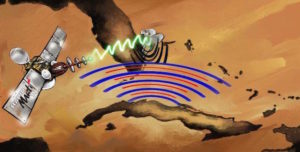
La Oficina de Transmisiones a Cuba (OCB), que administra las emisiones de Radio TV Martí, estableció un contrato con una compañía de telecomunicaciones de Miami para enviar sus producciones en vivo, archivos de audio videos y documentos digitales a la audiencia en la isla.

De acuerdo con documentos oficiales revelados por el sitio Cuba Money Project, la iniciativa costará $558 mil dólares a los contribuyentes estadounidenses con el fin de mejorar “la experiencia visual para los espectadores y oyentes clandestinos”. El proyecto será puesto en marcha el próximo 1 de agosto, indica el contrato.

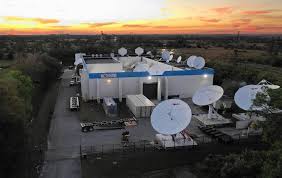
La empresa contratada es United Teleports, ubicada en el noroeste de Miami, la cual proveerá “un servicio satelital único” que permitirá a OCB “distribuir archivos y video en vivo” por toda Cuba, según muestra una declaración de intenciones.

El aviso señala que se decidió contratar con la compañía de Miami después de hacer una “evaluación integral” de una “propuesta no solicitada” que la firma presentó.

Según las referencias en su página digital, United Teleports proporciona servicios innovadores y personalizados a las emisoras de televisión por cable, satélite, Internet/OTT, terrestres y proveedores de telecomunicaciones en Estados Unidos, América Latina y el Caribe a precios más bajos, con mayor confiabilidad y con tiempos de inicio mucho más rápidos que los que pueden ofrecer sus competidores.

images

Creada en 2010, la empresa asegura que su personal operativo “es plenamente competente en la prestación de estos servicios con una alta fiabilidad y tiempo de respuesta utilizando un enfoque genuinamente personalizado”.

United Teleports tendrá que establecer un sistema que facilite una “forma única de entregar los archivos junto con la transmisión de vídeo”. Los datos están incrustados y no son visibles fuera de la estructura controlada”.

El sistema permitirá el uso de un satélite Eutelsat 65A “para facilitar el ocultamiento de la antena local”.

Los canales se entregarán “a través de la red Wifi multicast o cableada, así como de la salida de vídeo en banda base de los receptores”.

“El tamaño exacto de la antena tendrá que ser probado y aprobado con muestras locales para una definición exacta”, agrega la documentación.

La argumentación de OCB destaca que el contratista tiene una amplia experiencia en la transición de servicios de proveedores internos o de terceros a su entorno de distribución. “Esto incluye la migración de grandes volúmenes de contenido y la garantía de que los servicios se mantengan en el aire durante la transición”, añade el dossier de contratación.

7a

COSTO DEL NUEVO SERVICIO A CUBA.

La OCB envía transmisiones satelitales en vivo las 24 horas a Cuba y tiene un presupuesto anual de $29 millones de dólares.

Sin embargo, la contratación de United Teleports se produce en momentos en que el Congreso se encamina a aprobar el presupuesto para el año fiscal 2020, que recorta los fondos para Radio TV Martí a $12.9 millones. De aprobarse esta reducción, la entidad tendría que cortar casi la mitad del centenar de empleados federales que laboran allí, además de afectar la contribución de unos 40 contratistas.

Una reciente auditoría sobre su programación, encargada por el gobierno federal, concluyó que la emisora difunde “informaciones plagadas de mal periodismo” y de “propaganda ineficaz” hacia la isla. Las razones de la inversión se explican en la descripción del contrato laboral como una necesidad imperiosa de la entidad federal.

“El cambio a un nuevo satélite en este momento es necesario ya que necesitamos mejorar la experiencia visual para los espectadores y oyentes clandestinos en la República de Cuba que reciben el contenido de OCB TV”, indica el texto. Agrega el documento que “esto se basaría en gran medida en el éxito que la OCB ha tenido en los últimos seis años para transmitir el mensaje fundamental de nuestra misión al pueblo de la República de Cuba”.

1243634409_850215_0000000000_sumario_normal

RECEPCION DE LA NUEVA SEÑAL.

United Teleports recibirá señales OCB de Miami y Washington, D.C., a través de Internet, y las pondrá a disposición de los usuarios de Cuba que lo soliciten. La compañía proveería un canal de vídeo, un canal de datos y dos canales de audio.

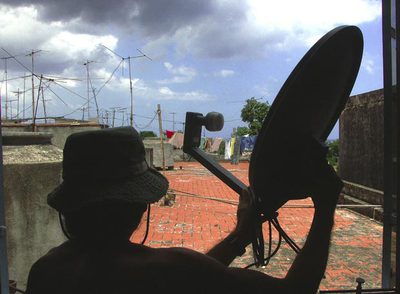
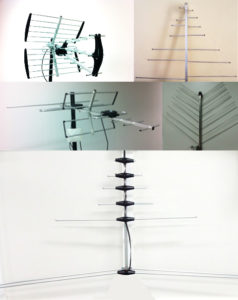
La descripción del plan de OCB indica que los usuarios necesitarían una antena parabólica de al menos 18 pulgadas o una antena parabólica para recibir la señal. Una característica importante del servicio, dice el reporte de OCB, es que “los usuarios podrían esconder sus platos o antenas de la vista de la gente en la calle”. OCB dice que “requiere la capacidad de encriptar la programación en ciertos momentos. En otras ocasiones amerita programación Free To Air (FTA)”.

United Teleports deberá proporcionar la capacidad para que Radio TV Martí pueda activar y desactivar el cifrado desde el origen del programa de OCB en Miami a su entera discreción. Esta señal pasará a través de la puerta de enlace del Contratista y posteriormente se conectará a la red sin ninguna intervención o interrupción de la señal de radiodifusión, señala el contrato.

El nuevo satélite entraría en funciones apenas días después de que el gobierno cubano de luz verde a la creación de redes inalámbricas privadas de transmisión de datos y la importación de equipos de transmisión hasta ahora vetados en el país, a partir del 29 de julio. Las medidas, recogidas en sendas resoluciones del Ministerio de las Comunicaciones, buscan “ordenar las redes privadas de datos y los sistemas inalámbricos de alta velocidad”.

logo

images (1)RADIO-TV MARTI WILL TRANSMIT THROUGH NEW SATELLITE EMISSIONS TO CUBA.

The Office of Transmissions to Cuba (OCB), which manages Radio TV Martí’s broadcasts, established a contract with a Miami telecommunications company to send their live productions, audio video files and digital documents to the audience on the island.

According to official documents revealed by the Cuba Money Project site, the initiative will cost the US $ 558,000 to the American taxpayers in order to improve “the visual experience for the spectators and clandestine listeners”. The project will be launched on August 1, indicates the contract.

The contracted company is United Teleports, located in northwestern Miami, which will provide “a unique satellite service” that will allow OCB “to distribute files and live video” throughout Cuba, according to a statement of intent.

The notice states that it was decided to contract with the Miami company after making a “comprehensive evaluation” of an “unsolicited proposal” that the firm submitted.

QOwoAa_08-11-2017_21.11.51.000000

According to the references on its digital page, United Teleports provides innovative and personalized services to cable television, satellite, Internet / OTT, terrestrial and telecommunications providers in the United States, Latin America and the Caribbean at lower prices, with higher Reliability and with start times much faster than those that can offer their competitors.

Created in 2010, the company ensures that its operational staff “is fully competent in providing these services with high reliability and response time using a genuinely personalized approach.”

United Teleports will have to establish a system that provides a “unique way to deliver the files along with the video transmission”. The data is embedded and not visible outside the controlled structure. ”

The system will allow the use of a Eutelsat 65A satellite “to facilitate the concealment of the local antenna”.

The channels will be delivered “through the multicast or wired Wifi network, as well as the baseband video output of the receivers”.

“The exact size of the antenna will have to be tested and approved with local samples for an exact definition,” the document adds.

The argument of OCB emphasizes that the contractor has extensive experience in the transition of services from internal or third-party suppliers to their distribution environment. “This includes the migration of large volumes of content and the guarantee that services remain in the air during the transition,” adds the recruitment dossier.

5333_grande

COST OF THE NEW SERVICE TO CUBA.

The OCB sends live satellite transmissions 24 hours a day to Cuba and has an annual budget of $ 29 million dollars.

However, the hiring of United Teleports comes at a time when Congress is on track to approve the budget for the fiscal year 2020, which cuts funds for Radio TV Martí to $ 12.9 million. If this reduction is approved, the entity would have to cut almost half of the hundred federal employees who work there, in addition to affecting the contribution of some 40 contractors.

A recent audit of its programming, commissioned by the federal government, concluded that the station broadcasts “information plagued by bad journalism” and “ineffective propaganda” towards the island. The reasons for the investment are explained in the description of the labor contract as an urgent need of the federal entity.

“The change to a new satellite at this time is necessary as we need to improve the visual experience for the audience and clandestine listeners in the Republic of Cuba who receive the content of OCB TV,” the text states. The document adds that “this would be based to a large extent on the success that the OCB has had in the last six years to transmit the fundamental message of our mission to the people of the Republic of Cuba.”

D179D0B9-EB9C-4B90-B2D2-699042C0D5F2_cx0_cy10_cw0_w250_r1_s

RECEPTION OF THE NEW SIGNAL.

United Teleports will receive OCB signals from Miami and Washington, D.C., through the Internet, and will make them available to Cuban users who request it. The company would provide a video channel, a data channel and two audio channels.

The description of the OCB plan indicates that users would need a satellite dish of at least 18 inches or a satellite dish to receive the signal. An important feature of the service, says the OCB report, is that “users could hide their dishes or antennae from the eyes of people on the street.” OCB says that “it requires the ability to encrypt the programming at certain times, and at other times it deserves Free To Air (FTA) programming.”

United Teleports must provide the ability for Radio TV Martí to activate and deactivate encryption from the origin of the OCB program in Miami at its sole discretion. This signal will pass through the Contra’s gateway

Agencies/ DDC/ Internet Photos/ Arnoldo Varona/ www.TheCubanHistory.com
THE CUBAN HISTORY, HOLLYWOOD.

1800px-Cuba_Banner

logo