COCINA CUBANA: PASO A PASO, COMO HACER RABO ENCENDIDO AL ESTILO CUBANO. PHOTOS. * CUBAN CUISINE: How to Make a “RABO ENCENDIDO” (Cow Tail Stew) Cuban Style. PHOTOS.

COCINA CUBANA: PASO A PASO, COMO HACER RABO ENCENDIDO AL ESTILO CUBANO. PHOTOS.

QUIZAS algunos lectores se han preguntado, “¿Dónde compro rabo de toro?”. No ves tantos bueyes en los Estados Unidos. Entonces, ¿cómo es posible que haya suficientes rabos de toro para todos?

Los rabos de buey en realidad provienen de una vaca. El rabo de vaca se pela y generalmente se vende cortado en trozos. ¡Obviamente, la cola de una vaca tiene mucho hueso! ¡Pero la carne, cuando se cocina a fuego lento, es muy tierna y deliciosa!

¿Por qué no lo llaman estofado de rabo de vaca?
Es nuestro sabrosísimo “Rabo Encendido”.
(Recetas de Raúl, Glenn y Jorge “Three Guys from Miami”).

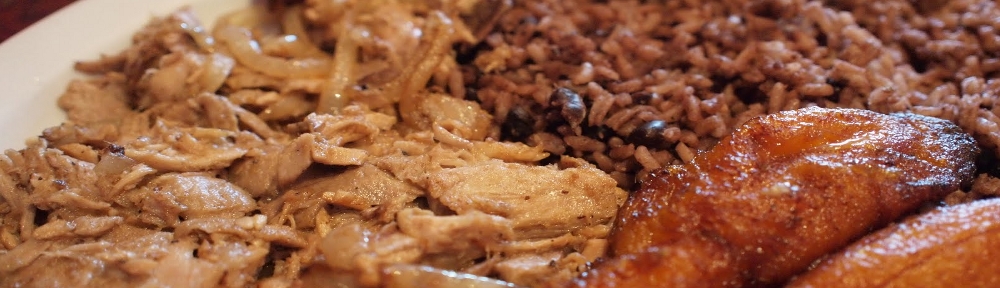
RABO ENCENDIDO — GUISO DE RABO DE VACA

Tiempo de preparación: 20 minutos
Tiempo de cocción: 1 hora 30 minutos
Tiempo total: 1 hora 50 minutos
Rendimiento: 4 porciones
Sabroso rabo de toro guisado hasta que la carne se despegue del hueso.

INGREDIENTES:

4 libras de rabo de vaca, desarticulado 1/2 taza de aceite de oliva
1/2 taza de vino tinto
1 cucharadita de sal 3 cucharadas de harina para rebozar la carne
2 cucharadas de aceite de oliva para freír
2 1/2 tazas de trozos de cebolla del tamaño de un bocado
2 1/2 tazas de pimiento verde del tamaño de un bocado
2 tazas de pimiento rojo del tamaño de un bocado
1 taza de zanahorias picadas
1 taza de papas en cubitos
3 dientes de ajo machacados con 1/2 cucharadita de sal
1 cucharadita de Sazón Accent (opcional, ¡NO para aquellos alérgicos al msj!)
1/2 cucharadita de pimienta de Jamaica molida
1 cucharadita de nuez moscada
1 hoja de laurel
1 lata (15 onzas) de salsa de tomate
1 taza de vino tinto
2 1/2 tazas de caldo de res


Marinar la carne en una mezcla de aceite de oliva, vino tinto y sal durante 4 horas o preferiblemente toda la noche. Escurra la marinada de la carne.

Cubra ligeramente la carne con harina. Dorar la carne por ambos lados en aceite. Retire la carne y agregue las cebollas, los pimientos, las zanahorias y las papas.


Saltee hasta que las papas se doren y las cebollas estén transparentes.

Agregue la mezcla de ajo y sal y continúe cocinando durante otro minuto más o menos.

Agregue los ingredientes restantes, incluida la carne. Lleve a ebullición, reduzca el fuego a bajo, cubra y cocine a fuego lento hasta que la carne esté tierna, aproximadamente de 1 1/2 a 2 horas. Retire la hoja de laurel.

Sirva todo caliente sobre arroz caliente.

Bon Appetitte!
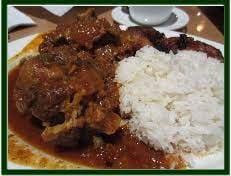

CUBAN CUISINE: STEP BY STEP: HOW TO MAKE A “RABO ENCENDIDO” (COW TAIL STEW) CUBAN STYLE. PHOTOS

Several readers have asked, “Where do I buy oxtail?”. You don’t see that many oxen in the United States. So how could there possibly be enough oxtails to go around?.

Oxtails actually come from a cow. Oxtail is skinned and usually sold cut in pieces. Obviously, the tail of a cow has a lot of bone! But the meat, when slow-cooked, is very tender and delicious!
What’s that?
Why don’t they call it Cow Tail Stew?
Is our sabrosisimo “Rabo Encendido”.
(Raúl, Glenn, and Jorge “Three Guys from Miami” recipes).

RABO ENCENDIDO — OXTAIL STEW

Prep time: 20 minutes
Cook time: 1 hour 30 minutes
Total time: 1 hour 50 minutes
Yield: 4 servings
Savory oxtail stewed until the meat dropped from the bone.

INGREDIENTS:

4 pounds oxtail, disjointed 1/2 cup olive oil
1/2 cup red wine
1 teaspoon salt 3 tablespoons flour for coating meat
2 tablespoons olive oil for frying
2 1/2 cups bite-size onion chunks
2 1/2 cups bite-size green pepper chunks
2 cups bite-size red pepper chunks
1 cup diced carrots
1 cup diced potatoes
3 cloves garlic mashed with 1/2 teaspoon salt
1 teaspoon Sazón Accent (optional — NOT for those allergic to msg!)
1/2 teaspoon ground allspice
1 teaspoon nutmeg
1 bay leaf
1 (15-ounce) can tomato sauce
1 cup red wine
2 1/2 cups beef broth

Marinate the meat in a mixture of olive oil, red wine, and salt for 4 hours or preferably overnight. Drain marinade from meat.

Lightly coat meat with flour. Brown meat on both sides in oil. Remove meat and add onions, peppers, carrots, and potatoes.


Sauté until the potatoes brown and the onions are translucent.

Add garlic/salt mixture and continue cooking for another minute or so.

Add remaining ingredients, including the meat. Bring to a boil, reduce heat to low, cover, and simmer until the meat is fork-tender, about 11/2 to 2 hours. Remove bay leaf.

Serve everything hot over hot rice.


Agencies/ ThreeGuysFromMiami/ Extractos/ Excerpts/ Internet Photos/ Arnoldo Varona.

www.TheCubanHistory.com
THE CUBAN HISTORY, HOLLYWOOD.

“LA LUPE”, CANTANTE CUBANA CONSIDERADA UNA DE LAS MEJORES ACTUACIONES DEL MUNDO DE HABLA HISPANA. VIDEOS / PHOTOS. * “LA LUPE”, CUBAN SINGER CONSIDERED ONE OF THE BEST PERFORMANCES IN THE SPANISH-SPEAKING WORLD. VIDEOS / PHOTOS.

“LA LUPE”, CANTANTE CUBANA CONSIDERADA UNA DE LAS MEJORES ACTUACIONES DEL MUNDO DE HABLA HISPANA. PHOTOS.

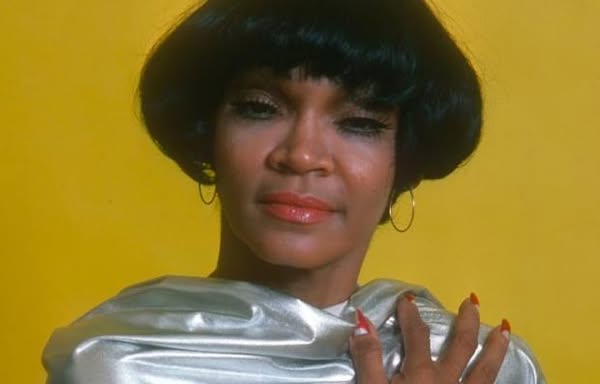
Guadalupe Victoria Yoli Raymond, más conocida como “La Lupe” nació en Santiago de Cuba el 23 de diciembre de 1936.

Muchos la consideraron “La Reina del Soul Latino” y “La Yi Yi Yi” de la Música Activa Cubana. Bien conocida por su alto nivel de campamento y sus enérgicas actuaciones, La Lupe fue una de las mejores actuaciones del mundo de habla hispana.

Nacida en una familia pobre, La Lupe comenzó su vida como maestra de escuela en La Habana a pedido de su padre. Sin embargo, la música estaba en su sangre, y en contra de sus deseos, participó en un concurso de canto en la radio donde ganó el primer lugar. Más tarde se unió al grupo de canto “Trío Los Tropicales” e hizo muchos debuts exitosos en clubes de La Habana.

Sus actuaciones, que incluían canciones de Rock ‘N’ Roll en español combinadas con travesuras pesadas, la convirtieron en un éxito en la escena musical cubana y continuó haciendo álbumes de éxito. Sin embargo, después de la Revolución Cubana de 1959, La Lupe sintió que ya no podía vivir en un país que no aceptaba sus actuaciones, que fueron catalogadas como antirrevolucionarias. Se fue de Cuba a México en 1962, donde buscó la aceptación, pero nunca fue aceptada. Posteriormente se trasladó a Nueva York, donde conoció al músico cubano Mongo Santamaría. Ambos se unieron para hacer el álbum “Mongo Introduces La Lupe” en 1963. Ese álbum la convirtió en una estrella y luego se unió al legendario Tito Puente para hacer cuatro álbumes exitosos.

LA MEJOR CANTANTE DE POP LATINO

Votada como la mejor cantante por la prensa latina en 1965 y 1966, La Lupe se convirtió en una de las dos mejores divas de la música salsa (la otra fue Celia Cruz). Fue durante estos años que produjo algunas de sus mejores canciones, especialmente las escritas por el compositor puertorriqueño C. Curet Alonso, como “La Tirana” y “Puro Teatro”.

En la década de 1970, La Lupe experimentó un cierto declive en su carrera. Primero, se le prohibió la entrada a la televisión de Puerto Rico después de que se rasgó la ropa durante una ceremonia de premiación en la televisión nacional. A continuación, Fania Records compró su sello discográfico, Tico Records, y los ejecutivos de la compañía decidieron centrar sus energías en la menos controvertida Celia Cruz. Aunque tuvo varios éxitos durante esa década, se desvaneció en la oscuridad.

En la década de 1980, La Lupe, quien se retiró de la industria, se vio desamparada. Las facturas médicas de su esposo, sus grandes donaciones a la religión africana de la “santería” y sus problemas personales a menudo la dejaban a ella y a su familia sin hogar. Quedó paralizada después de un accidente doméstico y fue sanada por un predicador evangélico. Después de esto, se convirtió al evangelicalismo y grabó material de orientación cristiana a finales de los 80. Continuó su devoción por la evangelización hasta su muerte el 29 de febrero de 1992.

La Lupe nunca vio el aumento en su popularidad después de su muerte, especialmente después de que el legendario director español, Pedro Almodóvar eligió su canción, “Puro Teatro”, para ser la canción de cierre de su exitosa película, “Mujeres al borde de un ataque de nervios”. ”. Fania reeditó sus discos en sus sellos Tico durante esa década, y muchos de sus discos fueron platino en España y América Latina.

Considerada como una combinación de Bette Midler y Judy Garland con una pizca de Eartha Kitt, la base de fans más grande de La Lupe es principalmente la comunidad gay latina. Muchos artistas de drag la imitan y se la considera la Judy Garland del mundo de habla hispana debido a sus tórridas aventuras amorosas, el uso intensivo de drogas, la mala gestión financiera y su lucha contra el bipolarismo. Es considerada una de las más grandes divas musicales que el mundo haya conocido.


“LA LUPE”, CUBAN SINGER CONSIDERED ONE OF THE BEST PERFORMANCES IN THE SPANISH-SPEAKING WORLD. PHOTOS.

Guadalupe Victoria Yoli Raymond, better known as “La Lupe” was born in Santiago de Cuba on December 23, 1936.

Many considered her “The Queen of the Latin Soul” and “La Yi Yi Yi” of the Cuban Active Music. Well known for her high level of camp and her energetic performances, La Lupe was one of the Spanish-language world’s greatest performances.

Born in a poor family, La Lupe began her life as a schoolteacher in Havana at her father’s request. However music was in her blood, and against his wishes, she entered a singing competition on the radio where she won first place. Later she joined the singing group “Trio Los Tropicales” and made many successful club debuts throughout Havana.

Her performances, which included Rock ‘N’ Roll songs in Spanish combined with heavy antics made her a smash in the Cuban music scene and she continued to make hit albums. However, after the Cuban Revolution of 1959, La Lupe felt that she could no longer live in a country that did not accept her performances, which were classified as anti-revolutionary. She left Cuba for Mexico in 1962, where she sought acceptance, but was never accepted. Later she moved to New York, where she met fellow Cuban musician Mongo Santamaría. Both teamed up to make the album make “Mongo Introduces La Lupe” in 1963. That album made her a star and later she joined up with the legendary Tito Puente to make four successful albums.

THE BEST SINGER OF LATIN POP

Voted the best singer by the Latin press in 1965 & 1966, La Lupe went on to become one of the top two divas of salsa music (the other was Celia Cruz). It was during these years that’s he produced some of her greatest songs, especially those written by Puerto Rican composer C. Curet Alonso, such as “La Tirana” and “Puro Teatro”.

In the 1970s La Lupe saw her career decline somewhat. First, she was banned from television from Puerto Rico after she tore her clothes off during an awards ceremony on national television. Next, her record label, Tico Records, was purchased by Fania Records, and company executives decided to focus their energies on the less controversial Celia Cruz. Although she had several hits during that decade, she faded into obscurity.

In the 1980s, La Lupe, who retired from the industry, saw herself destitute. Her husband’s medical bills, her large donations to the African-based religion of “Santeria”, and her personal problems often left her and her family homeless. She became paralyzed following a domestic accident and was healed by an evangelical preacher. After this, she converted to evangelicalism and recorded Christian-orientated material in the late 80s. She continued her devotion to evangelism until her death on February 29, 1992.


La Lupe never saw the surge in her popularity after her death, especially after the legendary Spanish director, Pedro Almodovar chose her song, “Puro Teatro,” to be the closing song of his hit film, “Women on the Verge of a Nervous Breakdown”. Fania re-released her records on their Tico labels during that decade, and many of her records went platinum throughout Spain and Latin America.

Considered to be a combination of Bette Midler meets Judy Garland with a dash of Eartha Kitt, La Lupe’s largest fan base is primarily the gay Latin community. Many drag performers imitate her and she is considered to be the Judy Garland of the Spanish-language world due to her torrid love affairs, heavy drug use, poor financial management, and her bout with bipolar-ism. She is considered one of the greatest musical divas the world has ever known.


Agencies/ IMDb/ Wiki/ Various/ Internet Photos/ Arnoldo Varona.

www.TheCubanHistory.com
THE CUBAN HISTORY, HOLLYWOOD.

PERSONAJES CUBANOS FAMOSOS: ESCONDIDO EN EL PASADO, PERO TODAVIA ACTIVOS EN NUESTRA MEMORIA NACIONAL. PHOTOS. * FAMOUS CUBAN CHARACTERS: HIDDEN IN THE PAST, BUT STILL ACTIVE IN OUR NATIONAL MEMORY. PHOTOS.

PERSONAJES FAMOSOS CUBANOS: ESCONDIDO EN EL PASADO, PERO TODAVIA ACTIVOS EN NUESTRA MEMORIA NACIONAL. VIDEOS/ PHOTOS.


LA HABANA– Para cualquier cubano de más de sesenta años, es difícil encontrarse en las calles personajes populares que recorrieron las calles habaneras hace ya algunos años.

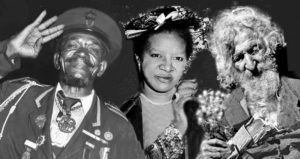
Desde el pasado llegan a la memoria de cualquier habanero, personajes como “Cándido El billetero del 33”, “La Marquesa” del Floridita, “El Caballero de París”, el “Profesor Collado”, “El Emperador”, “El Chori”, “Juan Charrrasqueado” y “Bigote ´e Gato”, a quienes no era difícil encontrar por las calles de la capital.


A nuestra memoria pueden venir pregoneros famosos como Cándido, el Billetero del treinta y tres, que pregonaba sus billetes de la Lotería Nacional haciéndose acompañar de un clarinete, en el que interpretaba un extraño tema musical. Su desafinada melodía puede considerarse el antecedente directo de las menciones radiales que recibieron el nombre de Jingles, tan utilizadas después por las empresas jaboneras para identificar sus programas de radio y televisión.

También en la esquina de 23 y 12 ofrecía su mercancía a viva voz, con una especie de pregón telegráfico, el más elegante de los tamaleros que recuerda la ciudad. Enfundado en un impecable traje blanco de dril 100, este popular vendedor de tamales se limitaba a repetir rítmicamente: “Pican … no pican”. Su elegante y discreto pregón debe haberle producido jugosas ganancias.

Por la acera del Floridita era frecuente encontrarse con La Marquesa, de modales cortesanos y vestuario originalísimo. La Marquesa no vendía producto alguno. Se limitaba a solicitar de los que pasaban: “¿No tienes una pesetica para La Marquesa?”. Y los habaneros de la época, con una reverencia, la premiaban con la moneda solicitada.

Muy distinto era el estilo de El Caballero de París. De la más rancia nobleza, paseaba su capa negra y su cartapacio de papeles viejos, ofreciendo flores silvestres y piropos decimonónicos a las damas con las que se cruzaba en su cotidiano camino. Si bien su nobleza como Emperador del Mundo era solo producto de su imaginación, sencillez y elegancia al decir, esta lo convirtió en un verdadero monarca de la Ciudad.

El Profesor Collado, el hombre orquesta, llenó las calles de La Habana con populares melodías. El solo ejecutaba más de diez instrumentos musicales a la vez ofreciendo obras de los más significativos compositores de su época. Anunciaba sus servicios en una forma muy peculiar. Decía: ” Amenizo bailes, si ponen el caballo voy al campo”.

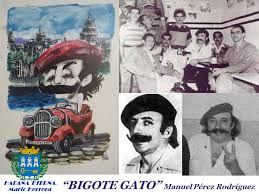
Ya ni siquera se encuentra el que hasta hace pocos anos consitituia el único superviviente de esa rica tradición “Bigote ´e Gato”..”un gran sujeto que vive allá por el Luyanó” y que hiciera famoso el ‘inquieto anacobero’ el boricua Daniel Santos.

De todos ellos, entre cientos de pregoneros no tan famosos, el que recibió los honores de la posteridad fue El Caballero de París y que gracias a el Historiador de la Ciudad, cuenta con un sencillo y entrañable monumento en la Avenida de Paula, obra del escultor Villa.

Allí, La Habana homenajea a quien, venido de otras tierras, dedicó su vida, entre sueños de grandeza, a obsequiar flores y bellas frases de elogio a las damas que hoy, convertidas en bisabuelas, le agradecen su verdadera nobleza: la del espíritu.


FAMOUS CUBAN CHARACTERS: HIDDEN IN THE PAST, BUT STILL ACTIVE IN OUR NATIONAL MEMORY. PHOTOS.

LA HAVANA– For any Cuban over 60 years old, it is difficult to find popular characters on the streets that toured the streets of Havana some years ago. The time has passed and change.

From the past they come to the memory of any Havenero, characters such as “Cándido el billetero of 33”, “La Marquesa” del Floridita, “The Knight of Paris”, “Professor Collado” and “Bigote ´e Gato”, to whom It was not difficult to find through the streets of the capital.

Famous cries such as Cándido, the Wallet of thirty-three, who proclaimed his National Lottery tickets, accompanied by a clarinet, in which he played a strange musical theme, may come to mind. Its dull melody can be considered the direct antecedent of the radio mentions that received the name of Jingles, so used later by soap companies to identify their radio and television programs.

Also on the corner of 23 and 12, he offered his merchandise in a loud voice, with a kind of telegraphic proclamation, the most elegant of the tamaleros that recalls the city. Encased in an impeccable white 100 denim suit, this popular seller of tamales simply repeated rhythmically: “They bite … they don’t bite.” His elegant and discreet proclamation must have produced juicy gains. Another in our memories is “Olga la Tamalera”.

On the sidewalk of Floridita it was common to meet La Marquesa, with courtly manners and original costumes. La Marquesa did not sell any product. He limited himself to requests from those who passed: “Don’t you have a pestilence for La Marquesa?” And the Havanans of the time, with a bow, rewarded her with the requested currency.

Very different was the style of The Knight of Paris. Of the most rancid nobility, he wandered his black cloak and his old paper folder, offering wildflowers and nineteenth-century compliments to the ladies with whom he crossed his daily path. Although his nobility as Emperor of the World was only a product of his imagination, simplicity, and elegance in saying, it made him a true monarch of the City.

Professor Collado, the orchestra man, filled the streets of Havana with popular melodies. He only performed more than ten musical instruments at a time offering works by the most significant composers of his time. He announced his services in a very peculiar way. He said: “I dance dances if you put the horse I go to the field.”

Not even the one who, until a few years ago, was the only survivor of that rich tradition “Bigote ´e Gato” .. “a great subject who lives there for the Luyanó” and who made the ‘restless anacobero’ the Puerto Rican Daniel famous Saints.


Of all of them, among hundreds of not-so-famous preachers, the one who received the honors of posterity was The Knight of Paris and that thanks to the Historian of the City, has a simple and endearing monument on Paula Avenue, the work of Villa sculptor.

There, Havana pays tribute to those who, coming from other lands, dedicated their life, among dreams of greatness, to give flowers and beautiful phrases of praise to the ladies who today, turned into great-grandmothers, thank him for his true nobility: that of the spirit.


Agencies/ El Pasado Paso/ Enrique Núñez/ Extractos/ Excerpts/ Internet Photos/ YouTube/ Arnoldo Varona.

www.TheCubanHistory.com
THE CUBAN HISTORY, HOLLYWOOD.