
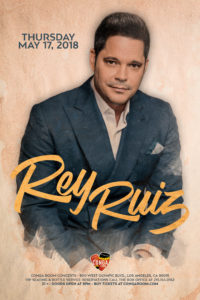
REINERO RUIZ más conocido en el mundo artistico solo como Rey Ruiz nació en la Lisa, la Habana el 21 de junio de 1966 y es un cantante de música salsa, conocido con el sobrenombre del “Bombón de la Salsa”. Es uno de los máximos exponentes en el género tropical.
Rey Ruiz, antes de tener la edad y la estatura artística para salir al aire por una emisora radial, fue presentado en la televisión cubana cantando temas infantiles para la gente menuda. Su estilo y su soltura, así como el tono de su voz y su gracia para decir la letra de las canciones, llamaron la atención de profesionales. Esto estimuló a sus padres para inscribirlo en el Conservatorio de Música de La Habana.
Sus primeros pasos en el medio profesional los dio como cantante con las orquestas de renombre como “La Riverside” y “Los Dadas” en el Hotel Habana Hilton.
Formó parte en Cuba del Show Musical del célebre Cabaret Tropicana, con el cual partió en gira hacia la República Dominicana en 1989.
Desde Santo Domingo, estimulado por el éxito en su tierra natal, el flamante cantante cubano tomó contactos con personas involucradas en la industria «latina» de la música de la ciudad de Miami. Rápidamente fue considerado como una gran promesa para el género de la salsa.
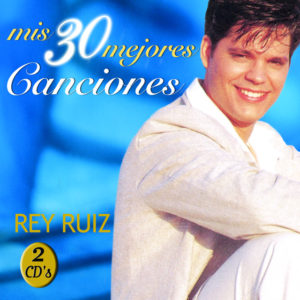
En 1992 grabó su primer disco, titulado Rey Ruiz, con temas de salsa. Cinco de los temas incluidos en este CD ganaron fácilmente un lugar de preferencia a nivel internacional. Obtuvo Disco de Oro y Platino por las impresionantes ventas, y el álbum completo mereció grandes distinciones de reconocimiento como el “Premio Billboard”, Lo Nuestro” y “TV y Novelas”.
Fue también ganador en la Categoría Cantante Revelación del Año, Salsa Tropical 1993.
Grandes empresas como Pepsi-Cola, Miller y Sony (equipos de música), le dieron también un gran impulso al ser elegido por ellas como figura representativa de sus afamados productos.
El segundo lanzamiento en CD, titulado Mi media mitad, que provocó un impacto aún mayor que el anterior. El álbum llegó a las listas de hits de Billboard Magazine. El tema «Si te preguntan» escaló hasta el número uno en la Cadena Dial, en Europa.
Este álbum obtuvo Disco de Oro y Multi-Platino en Puerto Rico y los Estados Unidos y Disco de Oro en la República de Colombia. El gran suceso de ese compacto y su gira promocional en torno del mismo solidificaron la carrera de Rey a niveles mundiales y fué un preámbulo de oro para sus presentaciones en las famosas fiestas de la Feria de Cali (Colombia) y para sus cuatro presentaciones consecutivas en el concierto mundialmente conocido como Festival de la Salsa en el Madison Square Garden (en la ciudad de Nueva York).
El lanzamiento de su tercer álbum En cuerpo y alma en 1995, sorprendió aún más a los fans de Rey, ya en la cúspide de su carrera, por ser un compacto que además de su proverbial romanticismo, propio del estilo personal de este sensacional cantante, presentaba arreglos musicales fuera de serie. Era lógico que se convirtiera en un formidable éxito de ventas. Dos temas, «Estamos solos» y «Vuelve de nuevo conmigo» recibieron Disco de Oro y Platino por sus ventas masivas.
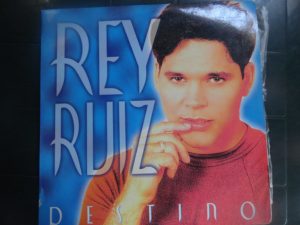
Su cuarto álbum Destino (en 1996), marcó una nueva faceta en la carrera de este talentoso artista, incursionando con gran porvenir en el área autoral. Rey escogió temas de grandes compositores tales como Omar Alfano, Manny Benito y Ricardo Quijano. Su primer sencillo «Miénteme otra vez», con gran acogida del público y de la crítica especializada, obtuvo Disco de Oro y Platino.
A lo largo de su extraordinaria carrera, Rey fué reconocido como “Salsero del Año”, “Mejor Disco del Año” y “Mejor Orquesta” por los codiciados Premios ACE, de Nueva York.
Su próximo álbum, “Porque es Amor ‘”, de 1997, no tuvo el éxito comercial que tuvieron los cuatro lanzamientos anteriores de Ruiz, terminando la racha de álbumes de platino de Ruiz en cuatro. Sin embargo, contenía tres grandes canciones de éxito, incluyendo el título de la canción, así como “Mi Angel” (“Mi ángel”) y “Tú no Sabes” (“No sabes”).
En 1998, Ruiz lanzó un CD de grandes éxitos, llamado “Exitos del Rey” (“Rey’s Hits”, un nombre que también puede interpretarse como “The King’s hits”, ya que Rey significa rey en español). Para entonces, Ruiz era dueño de una compañía discográfica; su próximo álbum, “Ya Ves Quien Soy” (“Ahora ves quién soy yo”), convirtiéndose en uno de los primeros CD que lanzará el sello discográfico Luna Negra (“Dark Moon”) de Ruiz.
“Ya Ves Quien Soy” fue otro éxito comercial para Ruiz, particularmente en Brasil. Ruiz colaboró con el cantante brasileño José Augusto en este álbum, cuando la pareja grabó una canción de dueto, “Siempre Mía”.
En 2000, Ruiz se unió al sello Bohemia Records, lanzando “Fenomenal” (“Fenomenal”) bajo ese sello. En 2004, lanzó Mi Tentacion.
Dos años después graba el álbum Corazón arrepentido que ha salido en el 2006 al mercado, en el cual incluye varios temas del género balada como lo venía haciendo en sus últimos trabajos.
En 2008, Ruiz cumplió un sueño de toda su vida al actuar en el escenario con algunos de sus colegas musicales más cercanos en el Centro Adrian Arsht para las Artes Escénicas en Miami. Junto con el ganador del Grammy Arturo Sandoval, el ganador de Objectivo Fama Marlon y Los Tres de La Habana, esta colaboración musical se grabó para un DVD que pronto se lanzará. Ruiz firmó un nuevo contrato de grabación que lo lleva de vuelta a su sello original Sony / BMG con un álbum muy esperado producido por Cuco Peña, uno de los principales productores musicales de Puerto Rico y también acreditado por producir un álbum ganador del premio Grammy para Marc Anthony.
En abril del 2009 salió a la venta su álbum ‘El mensaje’ que contiene 9 temas inéditos incluido el sencillo «Si tú te vas».
DISCOGRAFIA.
Sus Ultimas Grabaciones.
2000: Fenomenal
2004: Mi tentación
2006: Corazón arrepentido
2009: El mensaje
2010: Mis preferidas
2015: Estaciones
 * RECOMIENDENOS A SUS AMISTADES * PREFIERA A NUESTROS SPONSORS. *

 REY RUIZ, RENOWNED CUBAN SINGER, NICKNAMED “EL BOMBÓN DE LA SALSA”. VIDEOS.
Reinero Ruiz best known in the artistic world only as Rey Ruiz was born in Lisa, Havana on June 21, 1966, and is a singer of salsa music, known by the nickname of “Bombón de la Salsa”. It is one of the maximum exponents in the tropical genre.
Rey Ruiz, before he had the age and artistic stature to air on a radio station, was featured on Cuban television singing children’s songs for small people. His style and ease, as well as the tone of his voice and his grace to say the lyrics of the songs, caught the attention of professionals. This encouraged his parents to enroll him in the Havana Conservatory of Music.
His first steps in the professional world were as a singer with renowned orchestras such as “La Riverside” and “Los Dadas” at the Hotel Habana Hilton.
He was part in Cuba of the Musical Show of the famous Tropicana Cabaret, with which he left on tour to the Dominican Republic in 1989.
From Santo Domingo, stimulated by the success in his native land, the brand new Cuban singer made contacts with people involved in the “Latin” music industry in the city of Miami. It was quickly considered as a great promise for the salsa genre.

In 1992 he recorded his first album, entitled Rey Ruiz, with salsa themes. Five of the songs included on this CD easily gained a place of preference internationally. It obtained Gold and Platinum Record for the impressive sales, and the complete album deserved great distinctions of recognition such as the “Billboard Award”, Lo Nuestro “and” TV y Novelas “.
He was also the winner in the Revelation Singer of the Year Category, Tropical Salsa 1993.
Large companies such as Pepsi-Cola, Miller, and Sony (music equipment), also gave it a great boost by being chosen by them as a representative figure of their famous products.
The second CD release, titled My Half Half, made an even bigger impact than the last. The album hit the Billboard Magazine hit charts. The theme “If they ask you” climbed to number one on Cadena Dial, in Europe.
This album obtained a Gold and Multi-Platinum Record in Puerto Rico and the United States and a Gold Record in the Republic of Colombia. The great success of this album and its promotional tour around it solidified Rey’s career worldwide and it was a golden preamble for his presentations at the famous parties of the Cali Fair (Colombia) and for his four consecutive presentations in the concert known worldwide as the Salsa Festival in Madison Square Garden (in New York City).
The release of his third album En Cuerpo y alma in 1995, surprised even more Rey fans, already at the peak of his career, for being a compact that in addition to his proverbial romanticism, typical of the personal style of this sensational singer, presented musical arrangements out of the ordinary. It was logical that it would become a formidable bestseller. Two songs, “We are alone” and “Come back to me again” received Gold and Platinum Record for their massive sales.
His fourth album Destino (in 1996), marked a new facet in the career of this talented artist, venturing with a great future in the author area. Rey chose songs by great composers such as Omar Alfano, Manny Benito, and Ricardo Quijano. His first single “Miénteme Otra vez”, which was widely received by the public and critics alike, won a Gold and Platinum Record.
Throughout his extraordinary career, Rey was recognized as “Salsero of the Year”, “Best Album of the Year” and “Best Orchestra” by the coveted ACE Awards in New York.

His next album, “Porque es Amor ‘”, from 1997, was not as commercially successful as Ruiz’s four previous releases, ending Ruiz’s streak of platinum albums at four. However, it did contain three great hit songs, including the song title, as well as “My Angel” (“My Angel”) and “You Don’t Know” (“You Don’t Know”).
In 1998, Ruiz released a hit CD, called “Exitos del Rey” (“Rey’s Hits”, a name that can also be interpreted as “The King’s hits”, since Rey means king in Spanish). By then, Ruiz was the owner of a record company; his next album, “Ya Ves Quien Soy” (“Now you see who I am”), becoming one of the first CDs to be released by Ruiz’s record label Luna Negra (“Dark Moon”).
“Ya Ves Quien Soy” was another commercial success for Ruiz, particularly in Brazil. Ruiz collaborated with Brazilian singer José Augusto on this album when the couple recorded a duet song, “Siempre Mía”.
In 2000, Ruiz joined the Bohemia Records label, releasing “Fenomenal” (“Fenomenal”) under that label. In 2004, he released Mi Tentacion.
Two years later, he recorded the album Corazón arrepentido, which came out to the market in 2006, in which he includes several songs from the ballad genre as he had been doing in his last works.
In 2008, Ruiz fulfilled a lifelong dream of performing on stage with some of his closest musical colleagues at the Adrian Arsht Center for the Performing Arts in Miami. Along with Grammy winner Arturo Sandoval, Objectivo winner Fama Marlon and Los Tres de La Habana, this musical collaboration was recorded for a DVD that will be released soon. Ruiz signed a new recording contract that takes him back to his original Sony / BMG label with a highly anticipated album produced by Cuco Peña, one of the leading music producers in Puerto Rico and also credited for producing a Grammy Award-winning album for Marc Anthony.
In April 2009, his album ‘The Message’ was released, containing 9 previously unreleased tracks, including the single ‘If you go away’.
(READ REY RUIZ PERFORMANCES AND AWARDS IN THE SPANISH SECTION ABOVE)
Agencies/ Ecured/ Wiki/ Internet Photos/ YouTube/ Arnoldo Varona/ www.TheCubanHistory.com
THE CUBAN HISTORY, HOLLYWOOD.
 * RECOMIENDENOS A SUS AMISTADES * PREFIERA A NUESTROS SPONSORS. *