– AL BENNY MORÉ, Con la Misma Pasión que Vivió … VIDEOS.

Benny-More

AL BENNY MORÉ, CON LA MISMA PASIÓN QUE VIVIÓ… VIDEOS.

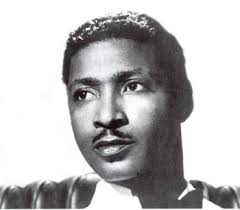
Aun cuando hace 57 años que nos dejó, Bartolome Maximiliano More Gutierrez, “El Barbaro del Ritmo”, el Benny Moré aun sigue entre nosotros, su musica e interpretaciones aun siguen presentes en nuestras vidas.

A quienes nos encanta disfrutar sus melodías, tal vez lo que más nos llame la atención sea su innato sentido musical, ya que nunca fue a la academia, y su fluida voz de tenor, cualidades que lo convirtieron en maestro de todos los géneros de la música cubana, aunque se destacó, particularmente, en el son montuno, el mambo y el bolero.
download (6)

A edad muy temprana también abandonó la escuela para dedicarse a las labores del campo, y más tarde, a los 16 años, formó parte de su primer conjunto musical. Seguidamente dejaría su ciudad natal para trasladarse a La Habana, donde se ganó la vida vendiendo frutas y verduras estropeadas, así como hierbas medicinales. Pero quiso el destino que regresara a Santa Isabel de las Lajas, pueblo donde nació y en el cual se inspira una de sus más populares melodías, para trabajar cortando caña con su hermano Teodoro.

De esta forma y gracias al dinero que obtuvo, más los ingresos de su hermano, se pudo comprar su primera guitarra decente, instrumento con el que se ganaría la vida al regresar a la capital en 1940, tocando en bares y cafés, y después pasando el sombrero.

La suerte le cambió al ganar un concurso radial en el programa de la Corte Suprema del Arte, con el que consiguió su primer trabajo estable con el Conjunto “Cauto”, dirigido por Mozo Borgellá. También lo descubrió Siro Rodríguez, uno de los integrantes del famoso Trío Matamoros, quien al escucharlo cantar en el bar El Templete quedó gratamente impresionado.

Poco después, sustituiría a Miguel Matamoros en el conjunto, al cual permanecería ligado durante años y con el que realizaría numerosas grabaciones. En junio de 1945 viajó con ellos a México, donde actuó en dos de los más famosos cabarets de la época: el Montparnasse y el Río Rosa. Igualmente, realizó varias grabaciones y, aunque el Conjunto Matamoros regresó a La Habana, el Benny permaneció en ese país, cuna de su nombre artístico.

También en esta época grabó para la compañía discográfica RCA Victor los temas “Me voy pal pueblo” y “Desdichado”, junto a la orquesta de Mariano Mercerón. Con Dámaso Pérez Prado grabó, también, “Locas por el mambo”,”Viejo cañengo” ,”El suave”, “María Cristina”, “Pachito eche” y “Dolor carabalí”, considerada por el sonero mayor como su mejor grabación, y que no quiso volver a grabar nunca más.

A partir de entonces lo bautizaron como ‘El Príncipe del Mambo’ y a finales de 1950 regresó a nuestro país, donde apenas era conocido, a pesar de ser una leyenda en México, Panamá, Colombia, Brasil y Puerto Rico.

“EL BENNY” REGRESA A CUBA.

Una vez en la Isla trabajó en las emisoras Cadena Oriental, RHC Cadena Azul y Radio Progreso, donde actuó con la orquesta de Ernesto Duarte. También se presentó en salas de bailes, cabarets y fiestas, y en 1952 grabó con la Aragón de Cienfuegos, a la que ayudó a introducirse en el mundo musical habanero.

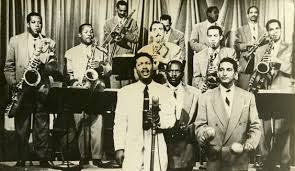
Un tiempo después rompió con Ernesto Duarte cuando descubrió que éste evitaba llevarle en sus actuaciones los sábados y domingos por ser negro, y decidió fundar su propia orquesta. La primera actuación de la Banda Gigante de Benny Moré, compuesta por más de 40 músicos, tuvo lugar en el programa Cascabeles Candado de la emisora CMQ. Cuentan que en tamaño sólo era comparable con la big band de Xavier Cugat y única en su tipo en cuanto a la organización melódica. Además de que sus músicos contaban con el talento de saber improvisar al momento que su director lo decidía.

https://youtu.be/aXiFBc-Tqow

La Banda del Benny se hizo rápidamente popular y realizó giras por Venezuela, Jamaica, Haití, Colombia, Panamá, México y Estados Unidos, donde actuó en la ceremonia de los Premios Oscar.

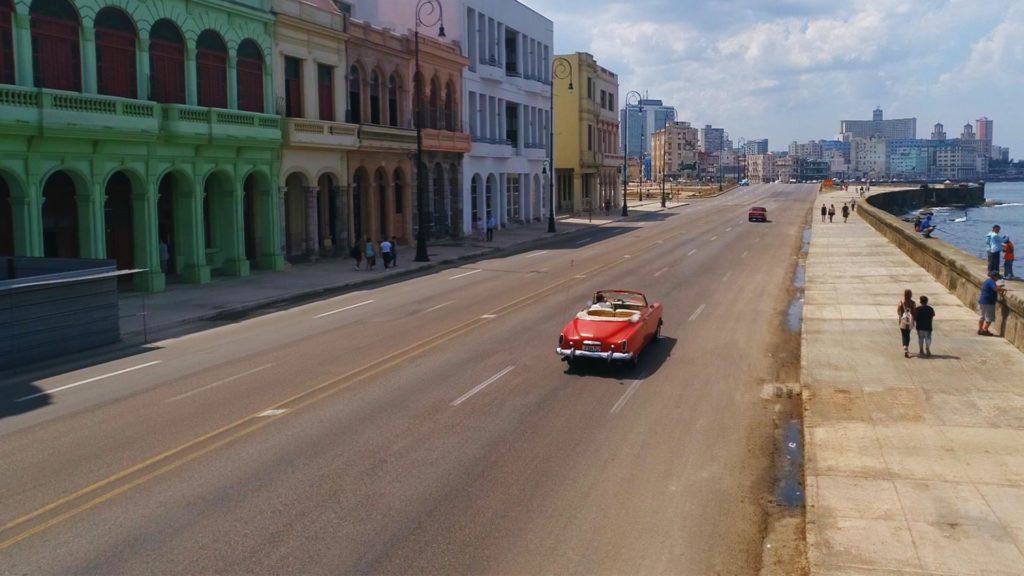
En La Habana se presentaron en las más célebres salas de baile, como La Tropical y La Sierra, y al triunfar la Revolución, el Benny, a diferencia de otros músicos e intelectuales cubanos, optó por permanecer en la Isla. Habia sufrido tres accidentes de aviacion en sus recorridos musicales que le habian tomado un terror a montarse en un avión.
download (5)

En la actualidad lo seguimos queriendo como ayer y escuchamos sus melodías con la misma pasión que se oyeron cuando el Bárbaro del Ritmo deleitaba con su música a todos los que asistían a salas, clubes y cabarets nocturnos para disfrutarlo.
NpkEX6y-asset-mezzanine-16x9-3ELnpP4

logo-4 (1)

images (14)

TO BENNY MORÉ, WITH THE SAME PASSION THAT HE LIVED… VIDEOS.

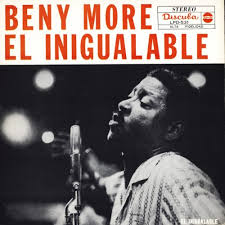
Even though he left us 57 years ago, Bartolome Maximiliano More Gutierrez, “El Barbaro del Ritmo” Benny More is still with us, his music and performances are still present in our lives.

Those of us who love to enjoy his melodies, perhaps what most catches our attention is his innate musical sense, since he never went to the academy, and his fluid tenor voice, qualities that made him a teacher of all genres in the Cuban music, although it stood out, particularly, in son montuno, mambo, and bolero.

At a very young age, he also dropped out of school to devote himself to working in the fields, and later, at the age of 16, he was part of his first musical ensemble. He would then leave his hometown to move to Havana, where he made a living selling spoiled fruits and vegetables, as well as medicinal herbs. But fate wanted him to return to Santa Isabel de las Lajas, the town where he was born and where one of his most popular melodies is inspired, to work cutting cane with his brother Teodoro.

In this way and thanks to the money he obtained, plus the income of his brother, he was able to buy his first decent guitar, an instrument with which he would earn a living when he returned to the capital in 1940, playing in bars and cafes, and then spending the hat.

images (17)

His luck changed when he won a radio contest in the program of the Supreme Art Court, with which he got his first stable job with the Conjunto “Cauto”, directed by Mozo Borgellá. He was also discovered by Siro Rodríguez, one of the members of the famous Matamoros Trio, who upon hearing him sing at the El Templete bar was pleasantly impressed.

Soon after, he would replace Miguel Matamoros in the group, to which he would remain linked for years and with whom he would make numerous recordings. In June 1945 he traveled with them to Mexico, where he performed in two of the most famous cabarets of the time: the Montparnasse and the Río Rosa. Likewise, he made several recordings and, although the Matamoros Ensemble returned to Havana, the Benny remained in that country, the cradle of his stage name.

Also at this time he recorded for the record company RCA Victor the songs “Me voy pal pueblo” and “Desdichado”, together with the Mariano Mercerón orchestra. With Dámaso Pérez Prado he also recorded “Locas por el mambo”, “Viejo cañengo”, “El suave”, “María Cristina”, “Pachito eche” and “Dolor carabalí”, considered by the sonero mayor as his best recording, and that he never wanted to record again.

images (16)

From then on they baptized him as ‘The Prince of the Mambo’ and in the late 1950s, he returned to our country, where he was hardly known, despite being a legend in Mexico, Panama, Colombia, Brazil, and Puerto Rico.

“EL BENNY” RETURNS TO CUBA.

Once on the island, he worked at Cadena Oriental, RHC Cadena Azul, and Radio Progreso stations, where he performed with the Ernesto Duarte orchestra. He also performed in dance halls, cabarets, and parties, and in 1952 he recorded with the Aragón de Cienfuegos, which he helped introduce himself to the Havana music world.

Sometime later he broke up with Ernesto Duarte when he discovered that he avoided taking him to his performances on Saturdays and Sundays because he was black, and decided to found his own orchestra. The first performance of the Giant Band of Benny Moré, made up of more than 40 musicians, took place on the Cascabeles Candado program on the CMQ station. They say that in size it was only comparable to Xavier Cugat’s big band and unique in its kind in terms of melodic organization. In addition to that its musicians had the talent of knowing how to improvise at the moment that their director decided.

The Benny Band quickly became popular and toured Venezuela, Jamaica, Haiti, Colombia, Panama, Mexico, and the United States, where they performed at the Oscar Awards ceremony.
images (15)

In Havana, they performed in the most famous dance halls, such as La Tropical and La Sierra, and when the Revolution triumphed, Benny, unlike other Cuban musicians and intellectuals, chose to stay on the Island. He had suffered three accidents from aviation in his musical tours that had taken a terror to get on a plane.

Today we still love him like yesterday and we listen to his melodies with the same passion that was heard when the Barbarian of Rhythm delighted everyone who attended nightclubs, clubs, and cabarets with his music to enjoy it.

Agencies/ Rad.Encycl./ Daynelis Rodríguez/ Extractos/ Excerpts/ Internet Photos/ YouTube/ Arnoldo Varona/ www.TheCubanHistory.com
THE CUBAN HISTORY, HOLLYWOOD.

vaccines-advice-cuba-img

logo-4 (1)

cuba-ferries

– EL BOLERO, un género Musical que Recorre el Mundo, es Eternamente Cubano. VIDEOS.

images (2)

EL BOLERO, UN GENERO MUSICAL QUE RECORRE EL MUNDO, ES ETERNAMENTE CUBANO. VIDEOS.

El Bolero cubano fue quizás la primera gran síntesis musical y vocal en ganar el reconocimiento universal. Esta música de baile se extendió a otros países, dejando atrás lo que Ed Morales ha llamado “la tradición lírica más popular en América Latina”.

El primer bolero habría sido escrito por el sastre cubano José Viviano Sánchez (Pepe Sánchez), creador de “Tristezas” compuesto en 1883 y devenido padre de un género que rápidamente trascendió al hermano país mexicano a través de Yucatán; más tarde invadió Latinoamérica hasta hacerse universal.

Sanchez+Blez

COMIENZOS DE SU INTERPRETACION.

A principios del siglo XX el bolero sólo era interpretado con guitarra, pero pronto se acompañó con trompeta, flauta y violín. En 1911 nació “Quiéreme mucho” del compositor y director de orquesta cubano Gonzalo Roig, quien marcó la pauta del género. Sin embargo, no se hizo esperar que México fuese caja de resonancia de este con figuras de la talla del legendario músico Agustín Lara, y los tríos Los Panchos y Los Tres Ases además del tenor continental Pedro Vargas.

Pepe Sánchez nació en Santiago de Cuba el 19 de marzo de 1856 y, en la misma casa donde dio sus primeros pasos, sirvió de anfitrión de
una peña en la cual realizó tertulias de buena música criolla y se desempeñó conjuntamente con el oficio de sastre y de actividades
conspirativas en contra del yugo colonial español.

Su casa era frecuentada por trascendentales personalidades de la gesta emancipadora cubana ente ellas Antonio y José Maceo, Quintín Banderas y Guillermón Moncada. Sánchez estaba casado con Elvira Calleja y tuvo varios hijos, algunos de los cuales también se dedicaron a la música.


“Tristeza” Interpretada por Los Tres Soles.

Así, su hogar se convirtió en un centro artístico de primer orden y solía ser parada y fonda de músicos de renombre, entre ellos el compositor habanero Jorge Ankerman –veinte años más joven que Pepe–, y de Claudio José Brindis de Salas, un cubano que pasaba por ser el mejor violinista del momento, en el ámbito latinoamericano.

Con el tiempo y gracias a la pieza “Tristeza”, Pepe Sánchez es considerado el Padre del Bolero latinoamericano. La melodía está comprendida por dos períodos musicales de 16 compases cada uno, separados por un pasaje instrumental que se ejecutaba en la guitarra, al que le llamaban pasacalle.

“Tristeza me dan tus penas mujer profundo dolor, no dudes de mí
no hay pena de amor que entrever cuanto sufro y padezco por ti.
La suerte es adversa conmigo no deja ensanchar mi pasión un beso
me diste un día lo guardo en el corazón.”

COSECHA MUSICAL DE PEPE SANCHEZ.

De su cosecha creadora destacan además: “Me entristeces, mujer” (popularmente conocida con el nombre de “Tristeza”), “Pobre artista”,
“Elvira”, “Cuando la expresión de tu canto”, “Cuba, mi patria querida”, “Caridad”, “Adán y Eva”, “Esperanza”, “Redondilla, “Ángeles”, “Naturaleza” e “Himno a Maceo”.


Vicentico Valdes Canta Boleros.

El Padre del Bolero también fundó y dirigió el famoso Quinteto de Trovadores Santiagueros, con el cual consolido su fama, integrado por
Pepe Figarola (primera voz), Bernabé Ferrer y Luís Felipe Portés (segundas voces), Emiliano Blez (guitarrista acompañante) y él (primera guitarra). Fue además, maestro de relevantes músicos cubanos, entre ellos, Sindo Garay, en manos de quien puso por vez primera una guitarra, y de Miguel Matamoros, el guía del famoso Trío Matamoros.

Sánchez suplió con una gran sensibilidad, la falta de estudios musicales con el auto-estudio y la intuición, por ello muchas de sus
canciones de finales del siglo XIX y principios del XX no fueron transcritas, pero trascendieron hasta hoy rescatadas por sus alumnos y
admiradores.

Legó al patrimonio musical de la Mayor de las Antillas, Latinoamérica y el mundo una extensa obra, nutrida por guarachas, himnos, sones y
otras composiciones envueltas de un fino vocabulario escogido, y con su voz de barítono imprimió un sello de Cubanía y autenticidad acompañado siempre de su inseparable guitarra que tocaba con maestría.

El Padre del Bolero enfermó y murió el tres de enero de 1918 a la edad de 62 años.

El Bolero, por su autenticidad autoral y su historia dentro de la música popular de este continente y, en especial de esta gran Antilla siempre será un género eternamente cubano.

santiago-de-cuba2 (1)

logo-4 (1)

download

EL BOLERO, A MUSICAL GENRE THAT GOES AROUND THE WORLD, IS ETERNALLY CUBAN.

The Cuban Bolero was perhaps the first great musical and vocal synthesis to gain universal recognition. This dance music spread to other countries, leaving behind what Ed Morales has called “the most popular lyrical tradition in Latin America”.

The first bolero would have been written by the Cuban tailor José Viviano Sánchez (Pepe Sánchez), creator of “Tristezas” composed in 1883 and become the father of a genre that quickly transcended the Mexican brother country through Yucatan; later it invaded Latin America until it became universal.

BEGINNING OF ITS PERFORMERS.

At the beginning of the 20th century, the bolero was only performed with a guitar, but it was soon accompanied by a trumpet, flute, and violin. In 1911 “Quiéreme mucho” was born from the Cuban composer and conductor Gonzalo Roig, who set the tone for the genre. However, Mexico was not expected to be a sounding board for this with figures such as the legendary musician Agustín Lara, and the trios Los Panchos and Los Tres Ases in addition to continental tenor Pedro Vargas.

GrupoPepeSanchez

Pepe Sánchez was born in Santiago de Cuba on March 19, 1856, and, in the same house where he took his first steps, he served as host of
a rock in which he made gatherings of good Creole music and worked jointly with the trade of tailor and activities
conspiracies against the Spanish colonial yoke.

His house was frequented by transcendental personalities of the Cuban emancipatory deed, among them Antonio and José Maceo, Quintín Banderas, and Guillermón Moncada. Sánchez was married to Elvira Calleja and had several children, some of whom also dedicated themselves to music.

Thus, his home became an artistic center of the first order and used to be a stop and inn for renowned musicians, among them the Cuban composer Jorge Ankerman – twenty years younger than Pepe -, and Claudio José Brindis de Salas, a Cuban who happened to be the best violinist of the moment, in the Latin American sphere.

Bolero Nosotros.

Bolero Nosotros.

Over time and thanks to the piece “Tristeza”, Pepe Sánchez is considered the Father of the Latin American Bolero. The melody is comprised of two musical periods of 16 bars each, separated by an instrumental passage that was played on the guitar, which they called a parade.

“Sadness gives me your sorrows woman deep pain, do not doubt me
There is no pain of love to glimpse how much I suffer and suffer for you.
Luck is adverse to me a kiss does not let my passion widen
you gave me one day I keep it in my heart. ”

MUSICAL HARVEST OF PEPE SANCHEZ.

Of his creative vintage, the following stand out: “You sadden me, woman” (popularly known as “Sadness”), “Poor artist”,.
“Elvira”, “When the expression of your song”, “Cuba, my beloved homeland”, “Caridad”, “Adán y Eva”, “Esperanza”, “Redondilla,” Ángeles “,” Naturaleza “and” Himno a Maceo ”

Padre del Bolero also founded and directed the famous Santiagueros Quintet of Troubadours, with which he consolidated his fame, made up of
Pepe Figarola (first voice), Bernabé Ferrer and Luís Felipe Portés (second voices), Emiliano Blez (accompanying guitarist), and him (first guitar). He was also a teacher of relevant Cuban musicians, among them, Sindo Garay, in the hands of whom put a guitar for the first time, and of Miguel Matamoros, the guide of the famous Trío Matamoros.

cuban_trova

Sánchez supplied with great sensitivity, the lack of musical studies with self-study and intuition, which is why many of his
songs of the late nineteenth and early twentieth centuries were not transcribed but transcended to this day rescued by their students and
admirers.

He bequeathed to the musical heritage of the Greater Antilles, Latin America and the world an extensive work, nurtured by guarachas, hymns, sounds and
other compositions wrapped in a finely chosen vocabulary, and with his baritone voice, he imprinted a stamp of Cubanía and authenticity, always accompanied by his inseparable guitar, which he played with mastery.

Padre del Bolero fell ill and died on January 3, 1918, at the age of 62.

El Bolero, for its author authenticity and its history within the popular music of this continent and, especially of this great Antilla, will always be an eternally Cuban genre.

Agencies/ RHC/ Guadalupe Yaujar/ Pedro M. Otero/ Extractos/ Excerpts/ Internet Photos/ YouTube/ Arnoldo Varona/ www.TheCubanHistory.com
THE CUBAN HISTORY, HOLLYWOOD.

Untitled-design-27

logo-4 (1)

VisitaSTGO_009

– PRECURSORES del Rock y el Jazz en Español. Los Llopis-Dulzaides. VIDEOS.

download (37)

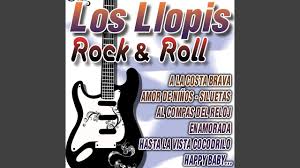
FRANK LLOPIS Y FELIPE DULZAIDES, PRECURSORES DEL ROCK Y EL JAZZ EN ESPAÑOL. LOS LLOPIS-DULZAIDES. VIDEOS.

Frank Llopis fue un destacado Compositor, arreglista, guitarrista, director, y quien es uno de los precursores del Rock en Español. Después de graduarse de ingeniero químico en la Universidad de Cornell, Estados Unidos, a finales de la década de 1940, regresó a Cuba y comenzó a trabajar en su profesión. Pero su verdadera pasión era la música.

Muy pronto se unió al también destacado músico cubano Felipe Dulzaides, Pianista, arreglista y compositor para formar el Cuarteto Llopis-Dulzaides. En 1948 Felipe y los Llópiz-Dulzaides, realizan una gira por América Latina y Estados Unidos. Este cuarteto, que hacía una música de carácter comercial, constituyó uno de los primeros grupos que incursionó en el rock y pop, en el cual Felipe tocaba el piano y el acordeón. El grupo estaba integrado por Dulzaides, los hermanos Frank y Manolo (Ñolo) Llopis y el saxofonista Leo Torres.

El cuarteto se especializó en la interpretación de boleros. Eran los primeros días de la televisión en Cuba.

En 1956, Dulzaides decide abandonar el grupo para dedicarse a otro tipo de música que lo apasionaba: el jazz. En ese momento, el cuarteto cambia de nombre a ‘Los Llopis’ y el cantante Manolo Vega se integra al mismo. La presentación oficial del grupo se hizo en el Show de las Siete y 30 de Radio Progreso, en febrero de 1957.

Graban sus primeros álbumes para el sello Discos MECA. Su particular interpretación del bolero “No pidas más perdón” fue un éxito espectacular. Esto se debió, precisamente, al sonido peculiar de la guitarra hawaiana que Frank Llopis tocaba magistralmente.

Sus apariciones en programas de la televisión cubana como ‘El Álbum Phillips’ se hicieron habituales. Posteriormente, Frank se dedicó a hacer arreglos y traducciones de grandes estrellas del rock como Elvis Presley y Bill Haley.

El grupo cobró nueva fuerza a finales de 1958 con grandes éxitos en Cuba y México con las versiones al español de reconocidos temas como ‘No seas cruel’, ‘Estremécete’ y ‘Al compás del reloj’, a finales de 1958. En 1959 un empresario español los lleva a Madrid, la capital de España, para presentar al grupo en la Sala Florida. En 1960, todavía en España, graban en una sola mañana 12 temas para el sello Zafiro.

Es cuando Frank Llopis, que fungía como director del grupo, decide no regresar a Cuba, donde la revolución popular de 1959 se había radicalizado al punto de suprimir importantes libertades públicas, confiscar propiedades privadas y controlar los medios de comunicación social. En 1964, el grupo llega a Perú, donde graba varios discos bajo el sello Virrey, y hace presentaciones públicas.

FELIPE DULZAIDES y LOS ARMONICOS.

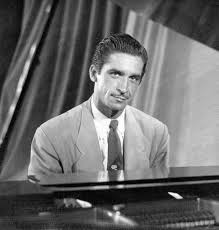
Felipe Dulzaides Badía, Pianista, arreglista y compositor. Fue uno de los impulsores del jazz en Cuba, su grupo fue una cantera de la que salieron muchos de los intérpretes del género.

Su influencia como intérprete y arreglista la recibió del pianista inglés George Shearing, a quién conoció en Chicago, Estados Unidos: “Me encantó el timbre, me enamoré de su forma de tocar, de la manera en que armonizaba y lo difícil que era lo que él hacía parecer fácil, siempre tocando detrás del ritmo, no junto a él.” Ese timbre fue el que hizo posible el sello sonoro de Los Armónicos, en el cual utilizaba al unisono piano, vibráfono y guitarra.

Cuando Felipe se separa de los Llópiz-Dulzaides funda ‘Los Armónicos’, integrado por Pablo Cano, guitarra; Doris de la Torre, cantante; Lucas de la Guardia, voz, y el argentino Luis Ortellano, trompeta. Este grupo se presenta en los cabarets Sans-Souci, Montmartre, Salón Panorámico del Cabaret Tropicana, Hotel Comodoro y Hotel Nacional así como en diversos programas televisivos de la época.

Este cuarteto es uno de los antecesores del boom de cuartetos que vendría en la década del 60. En sus inicios era un cuarteto vocal-instrumental, con el tiempo abandonó el formato vocal, se limitó a un solo cantante para finalmente convertirse en un grupo totalmente instrumental. Los Armónicos alternaron con el baterista de jazz Philly Joe Jones, el cantante Matt Denis y los pianistas Frank Emilio y Bebo Valdés, entre otros.

download (35)

En la década de los 60 Los Armónicos estuvieron compuestos por una nueva generación conviertiéndose así en un grupo escuela hasta mediados de los 80 en que la carrera de Felipe se vio interrumpida debido a una enfermedad. Estos nuevos Armónicos poseían un repertorio variado internacional que contaba con un gran éxito de audiencia joven. En muchas ocasiones se realizaban descargas en las que participaron músicos cubanos y extranjeros como el pianista Gonzalo Rubalcaba, el trompeta Jorge Varona, el flautista canadiense Moe Koffman y el baterista norteamericano Billy Cobham entre muchos otros. Dulzaides fue también uno de los fundadores del Festival de Jazz Plaza en el cual se presentó regularmente.

Junto a Armando Romeu (padre), Gustavo Más, Luis Escalante, el guitarrista Isidro Pérez (Isito) y otros, Felipe fue uno de los primeros en cultivar el jazz en Cuba.

De sus cualidades como músico, expresa Leonardo Acosta: “Uno de los secretos de Felipe es su innato oido musical y su entrenamiento armónico, unidos a una memoria fenomenal y su capacidad para tocar en cualquier tono los números más complejos desde el punto de vista armónico, lo cual a su vez requiere un don complementario del que rara vez se habla: una facilidad innata para la modulación, requisito doblemente necesario para la improvisación jazzística.

download (39)

Dentro de su repertorio internacional tenía temas de Monk, Parker, así como de Tom Jobim, John Lennon y Paul McCartney. La grandeza de este músico radicaba en su formación autodidacta, reconociendo él mismo, que no leía mucha música. Su discografía consta de 22 discos, los cuales no constituyen una muestra de su carrera como jazzista.

Como arreglista, a finales de los 50, Dulzaides realizó arreglos para el famoso disco de La Lupe ‘Con el Diablo en el cuerpo’ así como para el bolerista Fernando Álvarez.

Felipe muere en la Habana en 1991. Por otro lado Frank Llopez falleció en Irvine, California el 14 de junio de 2013 a la edad de 97 años. .

varadero-beach

logo-4 (1)

download (32)

FRANK LLOPIS AND FELIPE DULZAIDES, PRECURSORS OF ROCK AND JAZZ IN SPANISH. THE LLOPIS-DULZAIDES. VIDEOS.

Frank Llopis was an outstanding Composer, arranger, guitarist, director, and who is one of the forerunners of Rock en Español. After graduating as a chemical engineer from Cornell University, United States, in the late 1940s, he returned to Cuba and began working in his profession. But his true passion was music.

Very soon he joined the also outstanding Cuban musician Felipe Dulzaides, Pianist, arranger, and composer to form the Llopis-Dulzaides Quartet. In 1948 Felipe and the Llópiz-Dulzaides made a tour of Latin America and the United States. This quartet, which made commercial music, was one of the first groups to venture into rock and pop, in which Felipe played the piano and accordion. The group was made up of Dulzaides, brothers Frank and Manolo (Ñolo) Llopis, and saxophonist Leo Torres.

The quartet specialized in the interpretation of boleros. It was the first days of television in Cuba.

In 1956, Dulzaides decided to leave the group to dedicate himself to another type of music that he was passionate about: El jazz. At that time, the quartet changed its name to ‘Los Llopis’ and the singer Manolo Vega joined it. The official presentation of the group was made at the Radio Progreso Show at 7:30 in February 1957.

They record their first albums for the Discos MECA label. His particular interpretation of the bolero “Do not ask for more forgiveness” was a spectacular success. This was precisely due to the peculiar sound of the Hawaiian guitar that Frank Llopis played masterfully.

His appearances on Cuban television programs like ‘El Álbum Phillips’ became habitual. Later, Frank dedicated himself to making arrangements and translations of great rock stars such as Elvis Presley and Bill Haley.

The group gained new strength at the end of 1958 with great successes in Cuba and Mexico with the Spanish versions of well-known songs such as ‘Don’t be cruel’, ‘Estremécete’ and ‘Al compás del Reloj’, in late 1958. In 1959 a Spanish businessman takes them to Madrid, the capital of Spain, to present the group in the Florida Room. In 1960, still in Spain, they recorded 12 songs for the Zafiro label in a single morning.

It was when Frank Llopis, who was the group’s director, decided not to return to Cuba, where the popular revolution of 1959 had radicalized to the point of suppressing important public liberties, confiscating private property and controlling the media. In 1964, the group arrives in Peru, where it records several discs under the Virrey label, and makes public presentations.

FELIPE DULZAIDES and LOS ARMONICOS.

Felipe Dulzaides Badía, Pianist, arranger, and composer. He was one of the promoters of jazz in Cuba, his group was a quarry from which many of the interpreters of the genre came out.

His influence as a performer and arranger came from the English pianist George Shearing, whom he met in Chicago, United States: “I loved the timbre, I fell in love with its playing, the way it harmonized and how difficult it was He made it sound easy, always playing behind the beat, not next to him. ” That timbre was what made possible the sound seal of Los Armónicos, in which he used piano, vibraphone and guitar in unison.

When Felipe separated from the Llópiz-Dulzaides he founded ‘Los Armónicos’, made up of Pablo Cano, guitar; Doris de la Torre, singer; Lucas de la Guardia, voice, and the Argentine Luis Ortellano, trumpet. This group appears in the cabarets Sans-Souci, Montmartre, Panoramic Hall of the Tropicana Cabaret, Hotel Comodoro and Hotel Nacional as well as in various television programs of the time.

This quartet is one of the predecessors of the quartets boom that would come in the 60s. In its beginnings it was a vocal-instrumental quartet, over time it abandoned the vocal format, limited itself to a single singer, and finally became a fully-fledged group. instrumental. The Harmonics alternated with jazz drummer Philly Joe Jones, singer Matt Denis, and pianists Frank Emilio and Bebo Valdés, among others.

In the 1960s Los Armónicos was made up of a new generation, thus becoming a school group until the mid-1980s when Felipe’s career was interrupted due to illness. These new Harmonics had a varied international repertoire that had great success with a young audience. On many occasions, downloads were made in which Cuban and foreign musicians such as the pianist Gonzalo Rubalcaba, the trumpet Jorge Varona, the Canadian flutist Moe Koffman and the American drummer Billy Cobham among many others participated. Dulzaides was also one of the founders of the Jazz Plaza Festival in which he performed regularly.

Along with Armando Romeu (father), Gustavo Más, Luis Escalante, guitarist Isidro Pérez (Isito) and others, Felipe was one of the first to cultivate jazz in Cuba.

download (38)

Of his qualities as a musician, Leonardo Acosta expresses: “One of Felipe’s secrets is his innate musical ear and his harmonic training, together with a phenomenal memory and his ability to play in any tone the most complex numbers from the harmonic point of view, which in turn requires a complimentary gift that is rarely spoken of: an innate facility for modulation, a doubly necessary requirement for jazz improvisation.

Within his international repertoire, he had songs by Monk, Parker, as well as Tom Jobim, John Lennon, and Paul McCartney. The greatness of this musician lay in his self-taught training, admitting himself that he did not read much music. His discography consists of 22 discs, which do not constitute a sample of his career as a jazz player.

As an arranger, in the late 1950s, Dulzaides made arrangements for La Lupe’s famous album ‘Con el Diablo en el Cuerpo’ as well as for bolero singer Fernando Álvarez.

Felipe died in Havana in 1991. On the other hand, Frank Llopis died in Irvine, California on June 14, 2013, at the age of 97 years.

Agencies/ Contacto Mag./ Maria A. Vizcaino/ Internet Photos/ YouTube/ Arnoldo Varona/ www.TheCubanHistory.com
THE CUBAN HISTORY, HOLLYWOOD.
5c79a7a297d42

logo-4 (1)