– EL CUMPLEAÑOS 505 de Santiago de Cuba. Sus Calles. PHOTOS.

maxresdefault

EL CUMPLEAÑOS 505 DE SANTIAGO DE CUBA. SUS CALLES. PHOTOS.

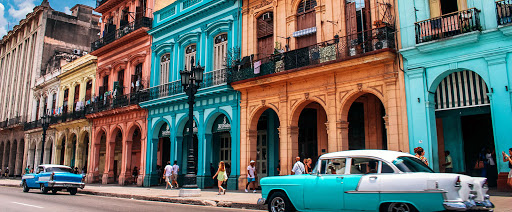
Fundada hace 505 años, la ciudad de Santiago de Cuba fue una de las ocho primeras villas fundada por Diego Velazquez y la primera capital de la Isla hasta 1556. Nuestra ciudad atesora siglos de historia y tradiciones signada por el mestizaje reconocido por la Unesco, que le otorgó categorías patrimoniales a la primera plantación de café en el sudeste cubano y a la tumba francesa.

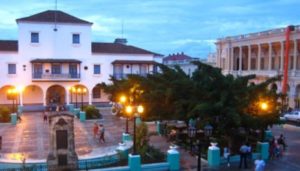
Dueña de estilos arquitectónicos que van desde el barroco más elemental hasta el neoclásico más refinado, sus calles nacieron del trazado de dos ejes direccionales: norte-sur y este-oeste y sus límites estaban, en el primer caso, en las iglesias de Santo Tomás y la de Santa Lucía.

El otro eje estuvo marcado por la iglesia de Santa Ana, más tarde la de Nuestra Señora de los Dolores, hasta el puerto situado en su hermosa bahía.
5612-santiago-de-cuba

Así creció la urbanización de las viejas calles, llenas de fango en tiempos de fuerte lluvia y de polvo en época de seca.

Y tocó al Gobernador español Carlos de Vargas Machuca (1854-1860) el comienzo de los primeros arreglos de calles intransitables del centro histórico de la añeja urbe.

Luego de construidas las primeras aceras y, a partir de los ejes iniciales, como puntos de partida, se extendió la trama urbana. La calle de Santo Tomás fijó el eje norte-sur y la de las Enramaderas o Enramadas señaló el este-oeste.

Pero no es hasta 1881, que se colocaron las primeras tarjas de bronce con los nombres de las calles en las esquinas y se enumeraron las casas, reservándose los números pares para las aceras derechas y los impares para la zona izquierda.

download

Fueron los lugareños quienes dieron primeros nombres a esas vías, a partir de acontecimientos locales, de personas con cierta connotación y en los que no faltaron los sacados del santoral católico.

Posteriormente, en la república mediatizada las calles fueron bautizadas con nombres de patriotas o personalidades, así como también de hechos históricos.

No sería hasta finales del siglo XVIII y principios del XX, cuando Don Emilio Bacardí, primer alcalde electo por votación popular, empedrara las calles; la de Enramadas fue la primera en recibir los beneficios; posteriormente le siguieron las de Estrada Palma o Santo Tomás, Corona y parte de la Marina, actualmente Francisco Vicente Aguilera.

La emblemática calle Enramadas, la más comercial y transitada, exhibe el viejo esplendor de la ciudad, en medio de la modernidad que brindan los hoteles, cines y restaurantes.

En tanto, las legendarias y atractivas calles Padre Pico, Aguilera, Heredia, San Pedro y Calvario entre otras acogen una parte importante de la vida socio económica y cultural de la urbe.

Tres importantes avenidas: la de los Libertadores, la de los Desfiles y la Avenida de las Américas. Alrededor se halla el Complejo Monumental “General Antonio Maceo”, la llamada Plaza de la Revolución de Santiago completan el entramado urbano. Esta explanada acoge los principales eventos masivos de la ciudad y su diseño se inspira en la Protesta de Baraguá, durante la Guerra de Independencia que marcó el carácter rebelde de los cubanos. Sobresale la figura de Maceo a caballo, protagonista de dicha protesta. A su alrededor hay 23 machetes gigantescos, que recuerdan la principal arma de combate de los mambises durante las guerras de independencia; su número alude al reinicio de los enfrentamientos tras la Protesta de Baraguá, el 23 de marzo de 1878.

santiago-pueblo-calle-estudios-revolucion

Y es precisamente del encantamiento de esas calles santiagueras provocado en el poeta español Federico García Lorca, que dejó constancia en los versos que le dedicó en el “Son a Santiago de Cuba” y la estrofa que reza: /Cuando llegue la luna llena/ Iré a Santiago de Cuba / Iré a Santiago/ En un coche de aguas negras/ Iré a Santiago/….

Esa es Nuestra Santiago, para todos los que vivimos hoy en sus calles y los que hemos tenido que salír de nuestra isla por pensar diferente de los que la gobiernan hoy, culpa de ellos, pero que siempre estará en nuestros corazones y en las generaciones futuras que sabrán poner en el lugar correcto, pero sin venganzas, todo lo que ha sido escondido y desterrado de nuestra hermosa herencia (AV).

images

logo (1)

calle-san-geronimo-cartel

SANTIAGO DE CUBA 505 BIRTHDAY. ITS STREETS. PHOTOS.

Founded 505 years ago, the city of Santiago de Cuba was one of the first eight towns founded by Diego Velazquez and the first capital of the Island until 1556, our city treasures centuries of history and traditions marked by the crossbreeding recognized by Unesco, which It gave patrimonial categories to the first coffee plantation in the Cuban southeast and to the French tomb.

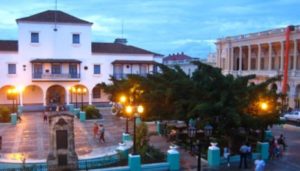
Owner of architectural styles ranging from the most elementary baroque to the most refined neoclassical, its streets were born from the layout of two-directional axes: north-south and east-west and its limits were, in the first case, in the churches of Santo Tomás and that of Saint Lucia.

The other axis was marked by the church of Santa Ana, later that of Nuestra Señora de Los Dolores, to the port located in its beautiful bay.

Thus grew the urbanization of the old streets, full of mud in times of heavy rain and dust in the dry season.

calle-heredia-santiago-de-cuba-3

And it touched the Spanish Governor Carlos de Vargas Machuca (1854-1860) the beginning of the first arrangements of impassable streets in the historic center of the old city.

After the first sidewalks were built and, from the initial axes, as starting points, the urban fabric was extended. Santo Tomás street fixed the north-south axis and that of las Enramaderas or Enramadas pointed east-west.

But it was not until 1881, that the first bronze plates with the names of the streets were placed in the corners and the houses were listed, reserving the even numbers for the right sidewalks and the odd ones for the left zone.

It was the locals who gave first names to these roads, based on local events, of people with a certain connotation and in whom there was no shortage of those taken from the Catholic saints.

maxresdefault

Later, in the mediatized republic, the streets were baptized with the names of patriots or personalities, as well as historical facts.

It would not be until the end of the 18th century and the beginning of the 20th, when Don Emilio Bacardí, the first mayor elected by popular vote, paved the streets; that of Enramadas was the first to receive the benefits; Later they were followed by those of Estrada Palma or Santo Tomás, Corona and part of the Navy, currently Francisco Vicente Aguilera.

The emblematic Enramadas street, the most commercial and busy, exhibits the old splendor of the city, amid the modernity offered by hotels, cinemas, and restaurants.

Meanwhile, the legendary and attractive streets Padre Pico, Aguilera, Heredia, San Pedro, and Calvario, among others, host an important part of the socio-economic and cultural life of the city.
5612-santiago-de-cuba

Three important avenues: that of the Liberators, that of the Parades and Avenida de las Américas. Around it is the Monumental Complex “General Antonio Maceo”, the so-called Plaza de la Revolución in Santiago complete the urban framework. This esplanade hosts the main massive events in the city and its design is inspired by the Baraguá Protest, during the War of Independence that marked the rebellious character of the Cubans. The figure of Maceo on a horse stands out, the protagonist of this protest. Around it is 23 gigantic machetes, which recall the main combat weapon of the Mambises during the wars of independence; their number alludes to the resumption of the confrontations after the Protest of Baraguá, on March 23, 1878.

santiago-en-mi_calle-las-enramadas-de-santiago-de-cuba

And it is precisely the enchantment of those Santiago streets caused by the Spanish poet Federico García Lorca, who recorded in the verses that he dedicated to him in the “Son a Santiago de Cuba” and the stanza that reads: / When the full moon arrives / I will go to Santiago de Cuba / I will go to Santiago / In a black water car / I will go to Santiago /….

That is Our Santiago, for all of us who live on its streets today and those of us who have had to leave our island for thinking differently from those who govern it today, their fault, but that will always be in our hearts and in future generations that they will know how to put in the right place, but without revenge, everything that has been hidden and banished from our beautiful heritage (AV).

Agencies/ RHC/ Guadalupe Yaujar/ Maite González/ Internet Photos/ Arnoldo Varona (AV)/ www.TheCubanHistory.com
THE CUBAN HISTORY, HOLLYWOOD.
la-isla-de-cuba

logo (1)

unnamed

– (OPINIÓN) La Historia de Una Oportunidad con EEUU que Cuba No Supo Aprovechar.

1051303750_0_0_5759_3116_1000x541_80_0_0_78388f7bdba2659d3bf59cb903df87da

(OPINIÓN) LA HISTORIA DE UNA OPORTUNIDAD CON EEUU QUE CUBA NO SUPO APROVECHAR.

El 20 de Julio del 2015 se establecieron las relaciones diplomaticas entre los Estados Unidos y Cuba despues de 54 años del rompimiento de estas.

Cinco años después, el académico cubano Carlos Alzugaray recuerda como si fuera ayer aquella mañana en que la bandera de las barras y las estrellas volvió a ondear en la misión estadounidense en el malecón de La Habana. “Fue un momento de ilusión y de esperanza, y también una gran sorpresa. Nunca pensé que lo vería”, admite este reputado investigador, experto en las relaciones entre Cuba y EE UU.

Ambos países habían cerrado sus respectivas embajadas el 3 de enero de 1961, y las papeletas en contra del acercamiento parecían demasiadas. “Después de medio siglo de hostilidad, para EE UU restablecer relaciones con un presidente de apellido Castro implicaba admitir el error de su política. En Cuba, que siempre dijo que terminar con el bloqueo era condición imprescindible para una normalización, podía leerse como una concesión”. Pero sucedió, y aquel día los medios persiguieron a Alzugaray —”me hicieron como 15 entrevistas”— para que valorara lo que estaba pasando. Lo ocurrido después es conocido: tras reabrir las embajadas, por primera vez en 55 años, se estableció un diálogo gubernamental entre ambos países y comenzó a destrabarse un engranaje político oxidado por tantos años de embargo.

COMIENZAN LOS PASOS DADOS POR EEUU.

Washington sacó a Cuba de su lista de países patrocinadores del terrorismo y comenzó la cooperación en diversas áreas, llegando a funcionar hasta 22 grupos de trabajo. Se trataron temas de seguridad —de lucha contra el narcotráfico y el terrorismo—, se incrementaron los intercambios científicos y culturales, y ambas naciones hasta trabajaron juntas a nivel regional en temas medioambientales.

A nivel académico, el estrecho de la Florida se convirtió en un puente —Alzugaray viajó a EE UU en más de 20 ocasiones a dar conferencias en Harvard y otras instituciones—. Se autorizaron los cruceros, los vuelos regulares y Obama abrió las puertas a los viajes de sus compatriotas. En un año 600.000 estadounidenses visitaron la isla y el viejo enemigo se convirtió en el segundo país emisor de turismo, después de Canadá.

Al calor de aquella apertura aumentaron el comercio y los negocios —Marriott abrió un hotel en La Habana—, y fue tal la avalancha de norteamericanos que hasta cambió la estrategia turística cubana. “Los estadounidenses nos son de encerrarse en un balneario, les gusta la ciudad, hablar con la gente, y nosotros teníamos pocas habitaciones en La Habana así que empezamos a construir hoteles a todo correr en la capital”, explica Alzugaray. Paralelamente, miles de cubanos abrieron hostalitos, restaurantes privados, bares y discotecas para aprovechar la coyuntura. Muchos emigrados se repatriaron e iniciaron emprendimientos en su país, y comenzó una peregrinación de mandatarios europeos e inversionistas extranjeros en busca de oportunidades.

Cuba se puso de moda. Un día desembarcó Beyoncé, otro las Kardashian y hasta Madonna vino a celebrar su cumpleaños en la paladar La Guarida, y en medio de aquella fiesta sonaron tres tracas que dejaron a los cubanos con la boca abierta, ante la inquietud de los sectores más ortodoxos de La Habana. Sólo tres días después de irse Obama, actuaron los Rolling Stones ante 200.000 personas, y al mes siguiente la capital se paralizó por el rodaje de la octava entrega de Fast and furious, con helicópteros filmando escenas de persecuciones de coches en el malecón, lo nunca visto. Unas semanas más tarde, Chanel puso la guinda de lujo con un gran desfile en el paseo del Prado.

El shock fue tal que un veterano observador, conocedor de las sensibilidades oficiales, comentó aquellos días: “Este país no aguanta otro golpe de éxito”. Los meses siguientes le dieron la razón. El Gobierno se tomó con más calma la normalización, y la justificación de los ortodoxos para echar el freno fue que si el bloqueo pretendía destruir la revolución por la fuerza, con su giro Obama trataba igualmente de impulsar un cambio en el sistema, pero por contaminación. En la isla, el presidente estadounidense se pronunció a favor de levantar el embargo, pero dijo: “Aunque lo levantáramos mañana, los cubanos no podrían alcanzar su potencial sin hacer los cambios necesarios aquí, en Cuba”. A continuación, enumeró los fundamentales: apertura económica, derecho de asociación, libertad para criticar al Gobierno, pluripartidismo, elecciones libres y democráticas…

unnamed (7)

LA OPORTUNIDAD QUE CUBA NO SUPO APROVECHAR.

Los cubanos más reformistas aseguran que aquello dio argumentos a quienes veían en el acercamiento el abrazo del oso y, por exceso de prevención, la isla perdió la oportunidad de haber avanzado más con Obama. Lo cierto es que en eso llegó Donald Trump y acabó con la filosofía del “qué bolá” de modo salvaje. Trump activó la ley Helms-Burton para desincentivar la inversión extranjera, incrementó la persecución financiera, canceló cruceros y vuelos, hizo listas negras de empresas, le dijo a Marriott que colorín colorado y trancó el people to people, la fórmula legal para que los norteamericanos viajaran a Cuba —solo el año pasado, el turismo en la isla cayó un 15%—. Por si fuera poco, restringió las remesas que los cubanoamericanos podían enviar a sus familias, algo que Obama había liberado. En tres años, su Administración adoptó más de 120 medidas para recrudecer el embargo y destruir todo lo que había construido Obama. La frágil iniciativa privada cubana fue golpeada duramente al esfumarse los 600.000 estadounidenses, y Washington además acabó con la normalización migratoria y cerró su consulado en La Habana. Un día Alzugaray volaba de Oslo a Nueva York para dar una conferencia y en el mostrador le dijeron que su visado de cinco años para entrar a EE UU había sido cancelado. Así no más.

Hoy, cuando la pandemia ha agravado dramáticamente la crisis de Cuba y para evitar el colapso el Gobierno anuncia que impulsará el sector privado, en La Habana se tiene la vista puesta en las elecciones de EE UU. Un triunfo de Trump sería devastador. Si gana Biden puede esperarse el regreso de la política de acercamiento de Obama, lo que significaría aire. Cuenta Alzugaray que en el momento de informar del deshielo, Obama dudó entre ser discreto o hacer un gran anuncio. Fue Biden, su vicepresidente entonces, quien le aconsejó: “Si nos van a crucificar, que sea en una cruz grande”. Cinco años después, como si fuera un martirio, se vuelve a empezar.

(OPINIÓN) – Mauricio Vicent, España.

DpD2pAaXoAAVsDO

logo (1)

1051303750_0_0_5759_3116_1000x541_80_0_0_78388f7bdba2659d3bf59cb903df87da

(OPINION) HISTORY OF AN OPPORTUNITY WITH U.S. THAT CUBA DIDN’T KNOW HOW TO TAKE ADVANTAGE OF.

On July 20, 2015, diplomatic relations between the United States and Cuba were established after 54 years of their breakdown.

Five years later, the Cuban academic Carlos Alzugaray remembers as if it were yesterday that morning when the stars and stripes flag flew again in the American mission on the Havana boardwalk. “It was a moment of hope and hope, and also a great surprise. I never thought I would see it, “admits this renowned researcher, an expert in relations between Cuba and the United States.

Both countries had closed their respective embassies on January 3, 1961, and the ballots against the approach seemed too many. “After half a century of hostility, for the US to re-establish relations with a president with the last name Castro implied admitting the error of his policy. In Cuba, which always said that ending the blockade was an essential condition for normalization, it could be read as a concession. ” But it happened, and that day the media chased Alzugaray – “they made me like 15 interviews” – to assess what was happening. What happened next is known: after reopening the embassies, for the first time in 55 years, a government dialogue was established between the two countries and a rusty political gear began to unravel after so many years of embargo.

THE STEPS TAKEN BY THE US BEGIN.

Washington removed Cuba from its list of countries sponsoring terrorism and began cooperation in various areas, with up to 22 working groups operating. Security issues —fighting drug trafficking and terrorism— were discussed, scientific and cultural exchanges increased, and both nations even worked together at the regional level on environmental issues.

At the academic level, the Florida Strait became a bridge — Alzugaray traveled to the United States more than 20 times to lecture at Harvard and other institutions. Cruises, regular flights were authorized and Obama opened the doors to the trips of his compatriots. In one year 600,000 Americans visited the island, and the old enemy became the second-largest tourism source, after Canada.

In the heat of that opening, commerce and business increased —Marriott opened a hotel in Havana—, and the avalanche of Americans was such that it even changed the Cuban tourist strategy. “The Americans are trying to shut us up in a spa, they like the city, they talk to people, and we had few rooms in Havana, so we started building hotels at full speed in the capital,” says Alzugaray. At the same time, thousands of Cubans opened hostalitos, private restaurants, bars, and clubs to take advantage of the situation. Many emigrants repatriated and started ventures in their country, and a pilgrimage of European leaders and foreign investors began in search of opportunities.

Cuba became fashionable. One day Beyoncé disembarked, another the Kardashians and even Madonna came to celebrate her birthday at the La Guarida palate, and in the middle of that party, three firecrackers sounded, leaving Cubans open-mouthed, to the concern of the most orthodox sectors of the world. Havana. Just three days after Obama left, the Rolling Stones performed before 200,000 people, and the following month the capital was paralyzed by the filming of the eighth installment of Fast and furious, with helicopters filming scenes of car chases on the boardwalk, never viewed. A few weeks later, Chanel put the icing on the cake with a grand parade on the Paseo del Prado.

The shock was such that a veteran observer, aware of official sensibilities, commented in those days: “This country cannot take another hit for success.” The following months proved him right. The government took normalization more calmly, and the justification of the Orthodox to put the brakes on was that if the blockade intended to destroy the revolution by force, with its turn Obama also tried to promote a change in the system, but by contamination. On the island, the US president spoke in favor of lifting the embargo, but said: “Even if we lift it tomorrow, Cubans could not reach their potential without making the necessary changes here in Cuba.” He then listed the fundamentals: economic openness, the right of association, freedom to criticize the Government, multi-party, free and democratic elections …

download (13)

THE OPPORTUNITY THAT CUBA DIDN’T KNOW HOW TO TAKE ADVANTAGE OF.

The most reformist Cubans assure that this gave arguments to those who saw the bear hug in the approach and, due to excessive prevention, the island lost the opportunity to have advanced further with Obama. The truth is that Donald Trump arrived at that and ended the “what a bolá” philosophy in a savage way. Trump activated the Helms-Burton law to discourage foreign investment, increased financial persecution, canceled cruises and flights, blacklisted companies, told Marriott that Colorado Colorado and blocked people to people, the legal formula for Americans they will travel to Cuba – just last year, tourism on the island fell by 15% -. To make matters worse, he restricted the remittances that Cuban-Americans could send to their families, something that Obama had released. In three years, his Administration took more than 120 steps to tighten the embargo and destroy everything Obama had built. The fragile Cuban private initiative was hit hard as the 600,000 Americans disappeared, and Washington also ended immigration normalization and closed its consulate in Havana. One day Alzugaray was flying from Oslo to New York to give a conference and was told at the counter that his five-year visa to enter the United States had been canceled. So no more.

Today, when the pandemic has dramatically aggravated the crisis in Cuba and to avoid collapse the government announces that it will boost the private sector, Havana has its sights set on the US elections, a Trump victory would be devastating. If Biden wins, the return of Obama’s rapprochement policy can be expected, which would mean air. Alzugaray says that at the time of reporting the thaw, Obama hesitated between being discreet or making a big announcement. It was Biden, his vice president then, who advised him: “If they are going to crucify us, let it be on a large cross.” Five years later, as if it were martyrdom, it begins again.

Agencies/ El Pais, España/ (OPINIÓN) Mauricio Vicent/ Extractos/ Excerpts/ Internet Photos/ Arnoldo Varona/ www.TheCubanHistory.com
THE CUBAN HISTORY, HOLLYWOOD.

la-isla-de-cuba

logo (1)

unnamed (5)

– VLADIMIR CRUZ, el Famoso David de “Fresa y Chocolate” Cumple Años. VIDEOS.

download (9)

VLADIMIR CRUZ, EL FAMOSO DAVID DE “FRESA Y CHOCOLATE” CUMPLE AÑOS. VIDEOS.

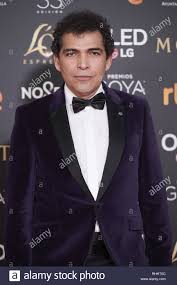
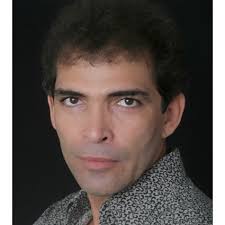
El famoso David del clásico cubano ‘Fresa y Chocolate’ llegó este domingo a sus 55 años.

Vladimir Cruz Marrero nacido el 26 de julio de 1965 en Placetas, Las Villas es un actor, guionista, dramaturgo, director de cine y teatro cubano. Quizás sea mejor conocido por su papel en la película Fresa y chocolate (1994).

Cruz hizo su debut como actor en el escenario como actor aficionado en 1981. Con solo 15 años participó en su primera obra y desde entonces quedó prendado de la actuación.Luego comenzó a estudiar en el Instituto Superior de Arte en 1983 y se graduó en 1988 con una licenciatura en artes escénicas.

LOS RECUERDOS DE SU VIDA ARTISTICA.

Aunque su gran salto lo dio con la película Fresa y Chocolate, en 1993, ya llevaba unos años no solo en el teatro, sino que también había participado en películas como Una novia para David y Capablanca.

Vladimir Cruz tiene una extensa trayectoria actoral en el cine, el teatro y la televisión, pero también ha escrito varios guiones y en 2010 compartió con su gran amigo Jorge Perugorría la dirección del filme Afinidades, que también protagonizan.

“Este año parecía difícil llegar a tu propio cumpleaños, pero aquí estamos… sumando una razón -doble- a las más de cincuenta que ya tengo para celebrar… Sin embargo, llegado a estas alturas de la vida, debo admitir una dura realidad: muchachos, la fiesta no ha hecho más que empezar!”, escribió el actor en sus redes sociales.

https://youtu.be/s9gEY7Cfotw

Entre las principales películas en las que ha trabajado están Un paraíso bajo las estrellas, Lista de espera, El cuerno de la abundancia, 7 días en La Habana y Los buenos demonios.

Tiene una extensa carrera en cine, teatro y televisión. En el 2018 apareció en la película ‘Los buenos demonios’ que le valió la Biznaga de Plata al Mejor Actor de Reparto en el Festival de Cine Español de Málaga.

Actualmente, se puede disfrutar en Netflix de su actuación en la serie Narcos México, en la que interpreta al excapo hondureño Juan Ramón Matta Ballesteros, quien fue dueño de una gran compañía de transporte aéreo y artífice de la conexión entre los productores de cocaína del cártel de Medellín y los narcos del cártel de Guadalajara en la década del 80.

download (8)

VIDA PERSONAL.
Csado con Raquel Ramos
Tienen dos (2) Hijos.

FILMOGRAFIA.
Director
2005: ¿Soy yo acaso el guardián de mi hermano?
2010: Afinidades (co-directed with Jorge Perugorría)

ACTOR.
Ultimas Presentaciones.
2010: Afinidades
2011: Las razones del corazón as Nicolás
2012: 7 días en La Habana (post-production)
2014: La ignorancia de la sangre

images (8)

CORTOS.
1999: Muertesita, una historia de amor as Vincent (short)
2004: Marco línea perdida (short)
2005: Civilizados (short)
2010: La ventaja del Sicario as Sicario (short)

PREMIOS Y NOMINACIONES.
1994: Won Golden Kikito for category “Best actor” at Gramado Film Festival for his role as David in Fresa y chocolate (joint award with Jorge Perugorría)
1994: Won UNEAC Award of “Best actor in a film” by Unión Nacional de Escritores y Artistas de Cuba
1994: Won Panambí Award as “best actor” at the Festival de Asunción (Paraguay)
1995: Won for category “Cinema – Best Supporting Actor” at Premios ACE for his role in Fresa y chocolate as David
2009: Won Special Jury Award for his role in Horn of Plenty as Jacinto at Mar del Plata Film Festival (joint with 8 other cast members)
2008: Nominated for category “Supporting Performance, Male” at the Spanish Actors Union Awards

la-isla-de-cuba

logo (1)

images (9)

VLADIMIR CRUZ, THE FAMOUS DAVID OF “STRAWBERRY AND CHOCOLATE” BIRTHDAY. VIDEOS.

The famous David of the Cuban classic ‘Strawberry and Chocolate’ arrived this Sunday at the age of 55.

Vladimir Cruz Marrero born on July 26, 1965, in Placetas, Las Villas is a Cuban actor, screenwriter, playwright, film and theater director. Perhaps he is best known for his role in the movie Strawberry and Chocolate (1994).

Cruz made his acting debut on stage as an amateur actor in 1981. At the age of 15, he participated in his first play and has since fallen in love with acting. He then began studying at the Instituto Superior de Arte in 1983 and graduated in 1988. with a degree in performing arts.

images (10)

MEMORIES OF HIS ARTISTIC LIFE.

Although he made his big leap with the movie Strawberry and Chocolate, in 1993, he had already spent a few years not only in the theater but had also participated in films such as A Bride for David and Capablanca.

Vladimir Cruz has an extensive acting career in film, theater, and television, but he has also written several scripts and in 2010 he shared with his great friend Jorge Perugorría the direction of the film Afinidades, which they also star.

“This year it seemed difficult to reach your own birthday, but here we are … adding a reason -double- to the more than fifty I already have to celebrate … However, at this point in life, I must admit one harsh reality: boys, the party has only just begun! “wrote the actor on his social networks.

download (6)

Among the main films he has worked on are A paradise under the stars, Waiting list, The horn of plenty, 7 days in Havana, and The good demons.

He has an extensive career in film, theater, and television. In 2018, he appeared in the movie ‘The Good Demons’, which earned him the Silver Biznaga for Best Supporting Actor at the Spanish Film Festival in Malaga.

Currently, you can enjoy on Netflix his performance in the series Narcos México, in which he plays the former Honduran boss Juan Ramón Matta Ballesteros, who was the owner of a large air transport company and creator of the connection between the cartel’s cocaine producers of Medellín and the drug traffickers of the Guadalajara cartel in the 1980s.

PERSONAL LIFE.
Csado with Raquel Ramos
They have two (2) Children.

(READ VLADIMIR CRUZ DISCOGRAPHY AND AWARDS IN THE SPANISH SECTION)

Agencies/ CiberCuba/ Internet Photos/ YouTube/ Arnoldo Varona/ www.TheCubanHistory.com
THE CUBAN HISTORY, HOLLYWOOD.

Vista del Yunque 2

logo (1)

varadero_playa_3