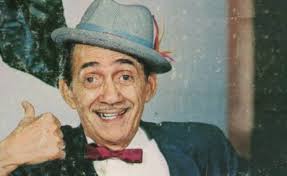
LEOPOLDO “Pototo” Fernández, Comedian, Performer and Actor. * LEOPOLDO “Pototo” Fernández, Comediante y Actor. PHOTOS/VIDEOS.

download (5)LEOPOLDO (POTOTO) FERNÁNDEZ, COMEDIAN, PERFORMER, AND ACTOR. PHOTOS/VIDEOS.

Leopoldo Augusto Fernández Salgado, alias “Tres Patines” was born on December 26, 1904 in Calimete, Provincia de Matanzas and was a Cuban comedian, known as Jose Candelario Tres Patines or Pototo, maker and performer of the radio and TV program ‘La Tremenda Corte’, which is still presented on radio and offered on CD, VHS, and DVD.

Although born in Calimete, Provincia Matanzas, Fernández’s birth was registered in the city of Güines, about 30 miles south of Havana. At an early age, the family moved from Güines to Havana. He left school to work and help his family since he was young. He delivered bread; after, he was a telegraphist, tobacco maker, and fortune-teller until 1926, when he founded a theatrical company with some of his friends.

download (4)

ARTISTIC CAREER
In the same year 1926, he was hired to go on a national tour with Blanquita Gomez. When the tour was over he went back to his hometown and returned to his company; he traveled to Havana. His performances took him to countries such as Puerto Rico, Venezuela, Colombia, Peru, Panama, and the Dominican Republic where people listened daily to La Tremenda Corte.

https://youtu.be/RIWv5TGMxiQ
(Press ^ Here)
Tres Patines en su Salsa.

His consecration came at the end of the ’40s with the radio program ‘La Tremenda Corte’ (The Tremendous Court) in which he played the arch comical character of Trespatines (Three-Skates) who made all Cuba laugh, next to another recognized actor Anibal de Mar interpreting the role of the Judge and a stellar comic cast composed of Mimi Cal as Nananina, Mario Barral as the Clerk, Adolfo Otero, Julito Diaz, Jesus Alvariño and Julita Muñoz, with scripts from Castor Vispo.

He created the character “Pototo”, who appeared on television in ‘El show de Pototo y Filomeno’.

With the arrival of television, ‘La Tremenda Corte’ was broadcasted at CMQ and taped during several seasons. These tapes are still very popular and are shown in Central and South American countries.

download (1)

His natural comic spark, a true expert in making people laugh, inserting his hilarious ad-libs against Nananina, was a symbol of his time during Cuba’s happy era. Afterward, Pototo and Filomeno would come, also with Anibal de Mar, filling a long period in Cuba’s free television era.

In his private life, he was a serious, measured, elegantly dressed man, a true democrat that made him leave his native country residing in Miami where he made long theatrical seasons, traveling also to New York, Los Angeles, and other cities in the United States, as well as Puerto Rico, Dominican Republic, Mexico, Central, and South America.

Leopoldo Fernandez died in Miami, Florida where he was exiled on November 11, 1985.

PERSONAL LIFE
Spouse(s) Maria Alfonso
Mimí Cal
Vilma Carbia
Children He had 8 and was survived by Miguel, Leopoldo ‘Pucho’ Fernandez, who also became a well known comedian, Lenia, Leopoldo ‘Polito’, Leonel, Leovardo, Leonora and Leonor.

(READ LEOPOLDO FERNÁNDEZ PERFORMANCES AND FILMOGRAPHY IN THE SPANISH SECTION)

playas-de-varadero-cuba

logo

tresPatinesLEOPOLDO (POTOTO) FERNÁNDEZ, COMEDIANTE, ACTOR Y ACTOR. FOTOS Y VIDEOS.

Leopoldo Augusto Fernández Salgado, alias “Tres Patines” nació el 26 de diciembre de 1904 en Calimete, Provincia de Matanzas y fue un comediante cubano, conocido como ‘José Candelario Tres Patines’ o ‘Pototo’, creador e intérprete del programa de radio y televisión ‘La Tremenda Corte’, que todavía se presenta en radio y se ofrece en CD, VHS y DVD.

Aunque nació en Calimete, Provincia Matanzas, el nacimiento de Fernández se registró en la ciudad de Güines, a unas 30 millas al sur de La Habana. A temprana edad, la familia se trasladó de Güines a La Habana. Dejó la escuela para trabajar y ayudar a su familia desde que era joven. Entregó pan; después fue telegrafista, tabacalero y adivino hasta 1926, cuando fundó una compañía teatral con algunos de sus amigos.

https://youtu.be/1pF9Yz6k56k
(Presione ^ Azul)
Pototo y Filomeno

CARRERA ARTÍSTICA
En el mismo año 1926 fue contratado para realizar una gira nacional con Blanquita Gómez. Cuando terminó la gira regresó a su ciudad natal y regresó a su compañía; viajó a La Habana. Sus actuaciones lo llevaron a países como Puerto Rico, Venezuela, Colombia, Perú, Panamá y República Dominicana donde la gente escuchaba diariamente La Tremenda Corte.

Su consagración llegó a finales de los años 40 con el programa de radio ‘La Tremenda Corte’ en el que interpretó al personaje archicómico de Trespatines que hizo reír a toda Cuba, junto a otro reconocido actor Aníbal. de Mar interpretando el papel del Juez y un reparto cómico estelar compuesto por Mimi Cal como Nananina, Mario Barral como el Escribano, Adolfo Otero, Julito Díaz, Jesús Alvariño y Julita Muñoz, con guiones de Castor Vispo.

https://youtu.be/1SXgrVLWHMY
(Presione ^ Azul)
La Tremenda Corte.

Creó el personaje “Pototo”, que apareció en televisión en ‘El show de Pototo y Filomeno’.

Con la llegada de la televisión, ‘La Tremenda Corte’ se retransmitió en CMQ y se grabó durante varias temporadas. Estas cintas siguen siendo muy populares y se muestran en países de América Central y del Sur.

Su chispa cómica natural, un verdadero experto en hacer reír a la gente, insertando sus divertidísimas improvisaciones contra Nananina, fue un símbolo de su época en la época feliz de Cuba. Luego vendrían Pototo y Filomeno, también con Anibal de Mar, ocupando un largo período en la era de la televisión libre en Cuba.

https://youtu.be/awFuF0A28eQ
(Presione ^ Azul)
Lo Mejor de La Tremenda Corte.

En su vida privada, fue un hombre serio, mesurado, elegantemente vestido, un verdadero demócrata que le hizo dejar su país natal residiendo en Miami donde realizó largas temporadas teatrales, viajando también a Nueva York, Los Ángeles y otras ciudades del país. Estados Unidos, así como Puerto Rico, República Dominicana, México, Centro y Sudamérica.

Leopoldo Fernández falleció en Miami, Florida donde se exilió el 11 de noviembre de 1985.

images (3)

VIDA PERSONAL
Cónyuge (s) María Alfonso
Mimí Cal
Vilma Carbia
Hijos Tuvo 8 y le sobrevivieron Miguel, Leopoldo ‘Pucho’ Fernández, quien también se convirtió en un conocido comediante, Lenia, Leopoldo ‘Polito’, Leonel, Leovardo, Leonora y Leonor.

https://youtu.be/4ulTt_pnVD0
(Presione ^ Azul)
Cantan Pototo y Filomeno “Parece que va a Llover”

FILMOGRAFIA
Hotel de Muchachas (1951)
Ole Cuba (1957)
Las Virgenes de la Nueva Ola (1969)
El Profeta Mimi (1973)
Tres Patines en Acción (1982)

DISCOGRAFIA
Pototo & Filomeno (Puchito, 1956)
Yo Pico un Pan (Puchito, 1957)

Agencies/ Wiki/ Various/ Internet Photos/ YouTube/ Arnoldo Varona/ www.TheCubanHistory.com
THE CUBAN HISTORY, HOLLYWOOD.

unnamed

logo

unnamed-4-1

SIAN CHIONG, Cuban Actor and Singer with a Successful Career Abroad. * SIAN CHIONG, Actor y Cantante Cubano con una Exitosa Carrera en el Extranjero. PHOTOS/VIDEOS.

download (19)SIAN CHIONG, CUBAN SINGER AND ACTOR WITH SUCCESSFUL CAREER ABROAD. PHOTOS/VIDEOS.

Sian Chiong Crehuet was born in Havana, on October 27, 1993, he is a Cuban actor and singer member of the musical group Ángeles.

He began his studies and graduated as an actor from the Higher Institute of Art in 2012, later he starred in a teleplay that opened the doors to music. His preferences include acting and manga cartoons.

download (25)

ARTISTIC CAREER
He began to sing with Osmany García, but since he was not satisfied with the genres interpreted by him, he began a search for identity and participated in an audition to form Los Angeles, a call in which he was selected as a member of the group. He was also an actor in the Cuban telenovela ‘Santa María del Porvenir’ playing the role of Alejandro (son of Félix). I work on a teleplay called “Neither few nor crazy”, which boosted his artistic life.

https://youtu.be/eIHF8ysqVdQ
(Press ^ Here)
Sian Chiong sings “Dime que me Amas”

After joining Los Angeles at the end of 2009, he began his artistic career. At the end of 2010, they had the opportunity to record an album of their own production, entitled: Confesión, marking their identity.

On this album, the songs are authored by the members themselves, who also arrange all the songs and have the help of various musicians. Months later, after his debut, his current international label ¨S.P. Latin Records¨, launched the Album on the international market in June 2011.

CAREER IN MEXICO.

For three years he has been conducting a successful artistic career in Mexico, which has opened his arms to him as he has always done with Cubans, who have developed their artistic careers there.

download (26)

Known for his performances in “El Corazón no se equivoca” (“The Heart Is Never Wrong” in 2019, “Súbete a mi Moto” and “La mexicana y el güero” in 2020.

‘Súbete a mi moto’ is a musical and biographical web series based on the youth group Menudo, which has a total of 15 one-hour chapters. and it premiered globally in streaming via Prime Video on October 9, 2020.

https://youtu.be/JCAcBfuPYfs
(Presione ^ Azul)
Sian Chiong canta “Señorita”.

Being the son of a television producer, Sian says that he has become a person who demands too much of himself, that is why he is very careful with the role he plays.

His character in the telenovela “La Mexicana y el güero” inspired him to finish the song with which he will return to music. Chiong began the melody and the lyrics of the song “Sentí” as a result of a very difficult personal moment, but it was not until he recorded the scenes of Diego, his homosexual character that, based on his experiences, he finished it.

Starring actor in the telenovela ‘La mexicana y el güero’, on Televisa, is filmed in the middle of the Covid-19 pandemic.

Also a year ago he started as a soloist with some ballads, but this is the first time that he does an acoustic song with which he wants to share a message of finding hope in love.

download (24)

“Your sexual preference does not define who you are, your actions are what make it”, says the actor.

Due to the pandemic, this year he learned to enjoy his solitude away from his family, he learned to cook better, he did exercise and music; He hopes for the New Year to be able to visit his mother in Cuba and will release other singles, including a duet with his countryman, Julio Camejo, with whom he has forged a good friendship within the telenovela forum.

la-isla-de-cuba

logo

images (10)SIAN CHIONG, CANTANTE Y ACTOR CUBANO QUE TRIUNFA EN EL EXTRANJERO.

Sian Chiong Crehuet nació en la Habana, el 27 de Octubre de 1993, es un actor y cantante cubano miembro de la agrupación musical Ángeles.

Inició sus estudios y se graduó como actor en el Instituto Superior de Arte en 2012 , posteriormente protagonizó un teleplay que le abrió las puertas a la música. Entre sus preferencias destacan la actuación y los dibujos animados manga.

CARRERA ARTISTICA
Comienza a cantar con Osmany García, pero al no satisfacerle los géneros interpretados por este, emprende una búsqueda de identidad y participa en una audición para formar Los Ángeles, convocatoria en la cual fue seleccionado como integrante del grupo. Además fue actor en la telenovela cubana ‘Santa María del Porvenir’ interpretando el papel de Alejandro (hijo de Félix). Trabajo en un teleplay llamado “Ni pocos ni locos”, el cual impulso su vida artistica.

https://youtu.be/kv_zSmjasVI
(Presione ^ Azul)
Sian Chiong canta “Senti”

Luego de integrarse en Los Ángeles a finales de 2009, empieza su trayectoria artística. A finales del año 2010 les llega la oportunidad de grabar un disco de producción propia, titulado: Confesión, marcando su identidad.

En este disco los temas son de la autoría de los propios integrantes, los que además hacen los arreglos de todas las canciones y cuentan con la ayuda de varios músicos. Meses más tardes, después de su debut, queda muy interesada su actual disquera internacional ¨S.P. Latin Records¨, la cual lanza al mercado internacional el Álbum en junio del año 2011.

images (9)

CARRERA EN MEXICO.

Desde hace tres años realiza una exitosa carrera artistica en México, que le ha abierto los brazos como siempre lo ha hecho con los cubanos, que han desarrollado sus carreras artisticas alli.

Conocido por sus actuaciones en “El Corazón no se equivoca” (“The Heart Is Never Wrong” en 2019, “Súbete a mi Moto” y “La mexicana y el güero” en 2020.

‘Súbete a mi moto’ es una serie web de género musical y biográfico basada en la agrupación juvenil Menudo, que cuenta con un total de 15 capítulos de una hora. y se estrenó de forma global en streaming a través de Prime Video el 9 de octubre de 2020.

https://youtu.be/4njGBsn6XB4
(Presione ^ Azul)
Sian Chiong recordando a “Menudo”.

Siendo hijo de un productor de televisión, Sian asegura que se ha convertido en una persona que se autoexige demasiado, por eso es muy cuidadoso con el papel que desempeña.

Su personaje en la telenovela “La mexicana y el güero” lo inspiró para terminar la canción con la que volverá a la música. Chiong comenzó la melodía y la letra del tema “Sentí” a raíz de un momento personal muy difícil, pero no fue hasta que grabó las escenas de Diego, su personaje homosexual que, basándose en sus vivencias, la terminó.

download (22)

Actor protagonico de la telenovela ‘La mexicana y el güero’, de Televisa, se graba en medio de la pandemia del Covid-19.

Tambien desde hace un año comenzó como solista con algunas baladas, pero esta es la primera vez que hace un tema acústico con el que quiere compartir un mensaje de encontrar esperanza en el amor.

“Tu preferencia sexual no define quién eres, tus acciones son las que lo hacen”, asegura el actor.

Debido a la pandemia, este año aprendió a disfrutar su soledad lejos de su familia, aprendió a cocinar mejor, hizo ejercicio y música; espera para Año Nuevo poder visitar a su mamá en Cuba y lanzará otros sencillos entre los que se incluye un dueto con su paisano, Julio Camejo, con quien ha forjado una buena amistad dentro de foro de la telenovela.

Agencies/ Wiki/ D’Cubanos/ Yucatan/ Extractos/ Excerpts/ Internet Photos/ YouTube/ Arnoldo Varona/ www.TheCubanHistory.com
THE CUBAN HISTORY, HOLLYWOOD.

Ciudades-de-Cuba.Varadero

logo

playas-de-varadero-cuba

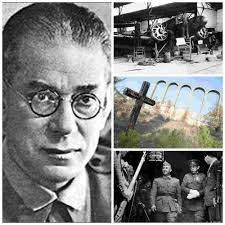
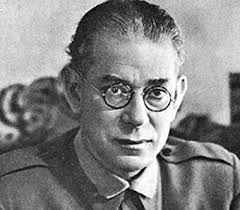
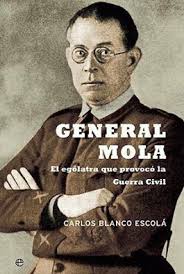
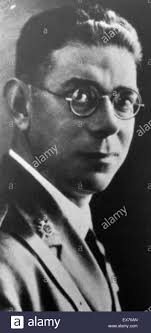
EMILIO MOLA, “El Director”. Coup leader (1936) of the Nationalist Spanish Army. (Born in Placetas, Cuba).* EMILIO MOLA, “El Director’. Lider del Golpe (1936) de las Fuerzas Nacionalistas Españolas (Nacido en Placetas). PHOTOS/ VIDEOS.

images (4)EMILIO MOLA, “EL DIRECTOR”. COUP LEADER (1936) OF THE NATIONALIST SPANISH ARMY.

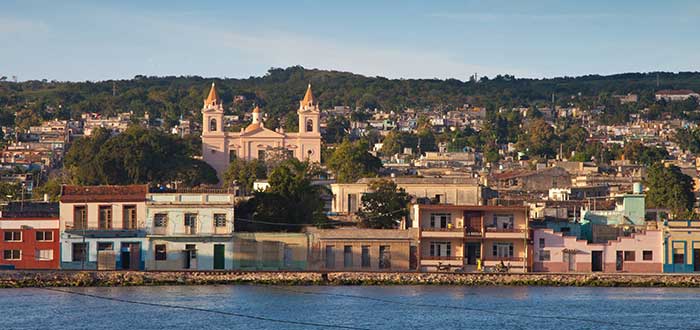
Emilio Mola Vidal was born in Placetas, Cuba on July 9, 1887, at that time an overseas Spanish province, where his father, an army officer, was stationed. The Cuban War of Independence split his family; while his father served in the Spanish forces, his maternal uncle Leoncio Vidal was a leading revolutionary fighter. He was one of the three leaders of the Nationalist coup of July 1936, which started the Spanish Civil War.

MILITARY CAREER.
In Spain, he enrolled in the Infantry Academy of Toledo in 1907. He served in Spain’s colonial war in Morocco where he received the Military Medal and became an authority on military affairs. He was wounded in action during the Kert campaign in May 1912 in the thigh and thus he was promoted to Captain. By 1927 he was a Brigadier-general.

220px-Emilio_Mola

Mola was made Director-General of Security in 1930, the last man to hold this post under Alfonso XIII. This was a political post and his conservative views made him unpopular with opposition liberal and socialist politicians. When the left-wing Popular Front government was elected in February 1936 Mola was made military governor of Pamplona in Navarre, which the government regarded as a backwater. But the area was a center of Carlist activity and Mola himself secretly collaborated with the movement. He worked with elements of the right-wing Spanish Military Union and by the end of April 1936 was acknowledged as its leader in north-central Spain.

Mola emerged as the chief planner among the plotters. While General José Sanjurjo, in exile in Portugal, remained the recognized leader, Mola was delegated the authority within the organization to plan operations in Spain. Known as “the Director”, Mola sent secret instructions to the various military units to be involved in the uprising and worked out a detailed plan for a post-coup government. In a memorandum dated 5 June 1936, Mola envisioned a “republican dictatorship” based on the Portuguese model. The initial government would consist of a “directory” that would oversee a semi-pluralist but authoritarian state. According to Mola: “The Directory will guarantee no change in the republican regime during its administration, with no change in any worker claims that have been legally obtained” but would “create a strong and disciplined state”. The 1931 constitution would be suspended and new elections would be held. Certain liberal elements, such as separation of church and state and freedom of worship, were to be maintained. Agrarian issues were to be resolved by regional commissions with the aim of developing smallholdings, but allowing for collective cultivation in some circumstances.

Despite extensive planning, Mola apparently doubted the chances for the coup’s success. His dim view of the capabilities of monarchist militias and the conservative Catholic party Spanish Confederation of the Autonomous Right (CEDA), as well as only limited support from the Falange, led him as late as 9 July to consider the possibility of having to flee to France if it failed.

download (17)

After several delays, 18 July 1936 was chosen as the date of the coup. Francisco Franco’s participation was not confirmed until early July. Although events ran ahead of schedule in the Spanish Protectorate of Morocco, Mola waited until 19 July to proclaim the revolt.

The Nationalist coup failed to gain control of either Madrid or other urban areas, though most of the armed forces supported it. As the situation devolved into civil war, Sanjurjo was killed in an air crash on 20 July. Mola then became Nationalist commander in the north, while Franco became commander in the south. With the death of Sanjurjo, Mola established a multi-member governing body for the so-called “Nationalist zone” (zona Nacional) called the National Defence Junta. Based in Burgos, it was nominally headed by Miguel Cabanellas, the most senior participating general.

After the death of Sanjurjo, Mola commanded the north, while Franco commanded the south. Attempting to take Madrid with his four columns, Mola praised local Nationalist sympathizers as a “fifth column”, the first use of that phrase. He died in an air crash in bad weather, leaving Franco as a sole leader for the rest of the war. Sabotage was suspected but has never been proved.

download (10)

On 5 September a Nationalist offensive sent by General Mola under Colonel Alfonso Beorlegui took Irún and closed the French border. Mola’s forces went on to secure the whole of the province of Guipúzcoa, isolating the remaining Republican provinces in the north.

A junta in Burgos proved unable to set overall strategy; thus, Franco was chosen commander-in-chief at a meeting of ranking generals on 21 September. Mola continued to command the Army of the North and led an unsuccessful effort to take Madrid in October. In a radio address, he described Nationalist sympathizers in the city as a “fifth column” that supplemented his four military columns. The Republican government then proceeded to carry out the mass execution of as many as 2,000 suspected civilian and military supporters of the Nationalists. What was later known as the Paracuellos massacres crushed any potential fifth column.

https://youtu.be/Z2JVyolVhLA
(Press ^ Here)
Emilio Mola Funeral.

DEATH
Mola died on 3 June 1937, when the Airspeed Envoy twin-engined aircraft in which he was traveling flew into the side of a mountain in bad weather while returning to Vitoria. The deaths of Sanjurjo, Mola, and Goded left Franco as the pre-eminent leader of the Nationalist cause. In the assessment of historian Stanley Payne, Mola had been “the only subordinate capable of talking back to Franco.” Although there have always been accusations that Franco arranged the deaths of his two rivals, so far no evidence has been produced.

In 1948, Franco, as Caudillo of the recently re-established Kingdom of Spain, posthumously granted Mola the title of Duke of Mola and Grandee of Spain. The title was immediately assumed by his son, Don Emilio Mola y Bascón.

Ciudades-de-Cuba.Matanzas

logo

images (5)EMILIO MOLA, “EL DIRECTOR”. LÍDER DEL GOLPE (1936) DEL EJÉRCITO NACIONALISTA ESPAÑOL.

Emilio Mola Vidal nació en Placetas, Cuba, el 9 de julio de 1887, en ese momento una provincia española de ultramar, donde estaba destinado su padre, un oficial del ejército. La Guerra de Independencia de Cuba dividió a su familia; mientras su padre sirvió en las fuerzas españolas, su tío materno Leoncio Vidal fue un destacado luchador revolucionario. Fue uno de los tres líderes del golpe nacionalista de julio de 1936, que inició la Guerra Civil española.

CARRERA MILITAR.
En España, se matriculó en la Academia de Infantería de Toledo en 1907. Sirvió en la guerra colonial de España en Marruecos, donde recibió la Medalla Militar y se convirtió en una autoridad en asuntos militares. Fue herido en acción durante la campaña de Kert en mayo de 1912 en el muslo y así fue ascendido a Capitán. En 1927 era general de brigada.

https://youtu.be/GiEz-bcCUzY
(Presione ^ Here)
Emilio Mola Resume

Mola fue nombrado Director General de Seguridad en 1930, el último hombre en ocupar este cargo bajo Alfonso XIII. Este era un puesto político y sus opiniones conservadoras lo hicieron impopular entre los políticos liberales y socialistas de la oposición. Cuando se eligió el gobierno de izquierda del Frente Popular en febrero de 1936, Mola fue nombrado gobernador militar de Pamplona en Navarra, lo que el gobierno consideraba un remanso. Pero la zona era un centro de actividad carlista y el propio Mola colaboraba en secreto con el movimiento. Trabajó con elementos de la Unión Militar Española de derecha y, a finales de abril de 1936, fue reconocido como su líder en el centro-norte de España.

Mola emergió como el principal planificador entre los conspiradores. Mientras que el general José Sanjurjo, exiliado en Portugal, seguía siendo el líder reconocido, a Mola se le delegó la autoridad dentro de la organización para planificar las operaciones en España. Conocido como “el Director”, Mola envió instrucciones secretas a las distintas unidades militares para que participaran en el levantamiento y elaboró ​​un plan detallado para un gobierno postgolpe. En un memorando fechado el 5 de junio de 1936, Mola imaginaba una “dictadura republicana” basada en el modelo portugués. El gobierno inicial consistiría en un “directorio” que supervisaría un estado semi-pluralista pero autoritario. Según Mola: “El Directorio no garantizará ningún cambio en el régimen republicano durante su administración, sin cambios en los reclamos de los trabajadores que se hayan obtenido legalmente” pero que “crearía un estado fuerte y disciplinado”. Se suspendería la constitución de 1931 y se celebrarían nuevas elecciones. Debían mantenerse ciertos elementos liberales, como la separación de la iglesia y el estado y la libertad de culto. Las cuestiones agrarias debían ser resueltas por comisiones regionales con el objetivo de desarrollar minifundios, pero permitiendo el cultivo colectivo en algunas circunstancias.

download (16)

A pesar de una extensa planificación, Mola aparentemente dudaba de las posibilidades de éxito del golpe. Su tenue visión de las capacidades de las milicias monárquicas y del conservador partido católico Confederación Española de la Derecha Autónoma (CEDA), así como el limitado apoyo de la Falange, lo llevaron hasta el 9 de julio a considerar la posibilidad de tener que huir a Francia si fallaba.

Después de varios retrasos, se eligió el 18 de julio de 1936 como fecha del golpe. La participación de Francisco Franco no se confirmó hasta principios de julio. Aunque los acontecimientos se adelantaron a lo previsto en el Protectorado español de Marruecos, Mola esperó hasta el 19 de julio para proclamar la revuelta.

El golpe nacionalista no logró hacerse con el control de Madrid ni de otras áreas urbanas, aunque la mayoría de las fuerzas armadas lo apoyaron. Cuando la situación se convirtió en una guerra civil, Sanjurjo murió en un accidente aéreo el 20 de julio. Mola luego se convirtió en comandante nacionalista en el norte, mientras que Franco se convirtió en comandante en el sur. Con la muerte de Sanjurjo, Mola estableció un órgano de gobierno de múltiples miembros para la llamada “Zona Nacional” (zona Nacional) llamada Junta de Defensa Nacional. Con sede en Burgos, estaba nominalmente encabezada por Miguel Cabanellas, el general participante de mayor rango.

download (17)

Tras la muerte de Sanjurjo, Mola comandó el norte, mientras que Franco comandó el sur. Intentando tomar Madrid con sus cuatro columnas, Mola elogió a los simpatizantes nacionalistas locales como una “quinta columna”, el primer uso de esa frase. Murió en un accidente aéreo con mal tiempo, dejando a Franco como líder único durante el resto de la guerra. Se sospechaba de sabotaje, pero nunca se ha probado.

El 5 de septiembre, una ofensiva nacionalista enviada por el general Mola al mando del coronel Alfonso Beorlegui tomó Irún y cerró la frontera francesa. Las fuerzas de Mola pasaron a asegurar la totalidad de la provincia de Guipúzcoa, aislando las restantes provincias republicanas del norte.

Una junta en Burgos resultó incapaz de establecer una estrategia general; así, Franco fue elegido comandante en jefe en una reunión de generales de rango el 21 de septiembre. Mola continuó al mando del Ejército del Norte y lideró un esfuerzo infructuoso para tomar Madrid en octubre. En un discurso radial, describió a los simpatizantes nacionalistas de la ciudad como una “quinta columna” que complementaba sus cuatro columnas militares. El gobierno republicano procedió entonces a llevar a cabo la ejecución masiva de hasta 2.000 presuntos partidarios civiles y militares de los nacionalistas. Lo que más tarde se conoció como las masacres de Paracuellos aplastó cualquier quinta columna potencial.

download (15)

MUERTE
Mola murió el 3 de junio de 1937, cuando el avión bimotor Airspeed Envoy en el que viajaba voló hacia la ladera de una montaña con mal tiempo mientras regresaba a Vitoria. Las muertes de Sanjurjo, Mola y Goded dejaron a Franco como el líder preeminente de la causa nacionalista. En la evaluación del historiador Stanley Payne, Mola había sido “el único subordinado capaz de responderle a Franco”. Aunque siempre ha habido acusaciones de que Franco dispuso la muerte de sus dos rivales, hasta el momento no se han aportado pruebas.

En 1948, Franco, como Caudillo del Reino de España recientemente restablecido, otorgó póstumamente a Mola el título de Duque de Mola y Grande de España. El título fue asumido inmediatamente por su hijo, Don Emilio Mola y Bascón.

Agencies/ Wiki/ Internet Photos/ Arnoldo Varona/ YouTube/ www.TheCubanHistory.com
THE CUBAN HISTORY, HOLLYWOOD.

Ciudades-de-Cuba.Varadero

logo

DpD2pAaXoAAVsDO