“LA CASA de la Guayabera” Closes in EEUU, due to the Pandemic. Ramón Puig Story. * CIERRA en EEUU por la Pandemia “LA CASA DE LA GUAYABERA”. Historia de Ramón Puig “EL REY DE LA GUAYABERA”. Photos.

unnamed (6)

CIERRA EN EEUU POR LA PANDEMIA “LA CASA DE LA GUAYABERA”. HISTORIA DE RAMÓN PUIG “EL REY DE LA GUAYABERA”

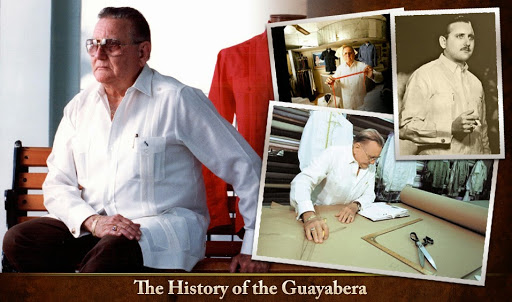
Con un breve mensaje en su página del Internet en Agosto del 2020 la famosa mundialmente “Casa de La Guayabera” de Ramon Puig en la Calle Ocho de Miami, Florida, cerró sus puertas para siempre, despues de 77 años sirviendo a una clientela internacional.

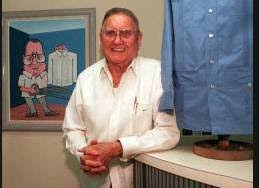
Fué Ramón Puig llamado el ‘Rey de las Guayaberas’ en Cuba y de hecho el fabricante conocido más importante. Puig, natural de Zaza del Medio en Sancti Spíritus y que emigró a Estados Unidos después de la Revolución y montó en la Calle 8 de Miami su famosa ‘Casa de las Guayaberas’ donde siguió cortando hasta su muerte a los 90 años de edad.

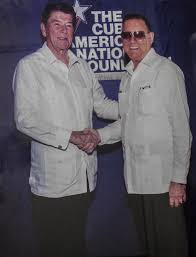
Abrió su primera tienda de venta de guayaberas en 1943 y desde hace 40 años radicaba en Miami. Por más de 70 años “el rey de la guayabera” diseño y confeccionó esta auténtica joya tropical cubana para Ernest Hemingway, Robert De Niro, Robert Duvall, Andy Garcia ,Alonzo Mourning, Sylvester Stallone y muchos líderes mundiales incluyendo a los presidentes de Estados Unidos Carter, Reagan, Clinton y Bush.
images (4)

Ramon Puig fue proclamado como “el maestro de la guayabera” y el más grande fabricante de guayaberas de todos los tiempos. Muchos han tratado de copiar esta prenda clásica cubana con imitaciones producidas masivamente, pero los conocedores no han podido ser engañados, e insisten en la autentica guayabera Ramón Puig. Sabiamente decia Ramón, “usted no fumaría falsos habanos, por lo tanto, no usaría una guayabera que no sea genuina.

ORIGEN DE LA GUAYABERA

La historia enseña las guayaberas se originaron en Sancti Spiritus, Cuba. En 1709 llegaron a dicha ciudad, procedentes de Granada, don José Pérez Rodríguez y su esposa Encarnación Núñez García. José era alfarero y le llamaban “Joselillo”. Después de estar trabajando un corto tiempo en su alfarería, o tejar como también comúnmente se le llama, los cuales abundan en la zona y tienen fama por su calidad, recibieron varias piezas de tejidos que sus familiares les enviaron desde España.

Fue inmensa la alegría que ambos experimentaron cuando les fue entregado el paquete de tela, porque Encarnación, como la mayoría de las mujeres en esos tiempos, era costurera. Tiempo más tarde Josélillo le pide a Encarnación, que le hicieras camisas largas con bolsillos grandes a los lados, “para poder llevar la fuma y otras cosillas al talle”. Después de varias pruebas Encarnación pudo coser una prenda de vestir que fue del agrado de su esposo. Josélillo, el cual la comenzó a usar con mucho orgullo. Los guajiros, como llaman en Cuba a los campesinos, viendo la comodidad y la economía que resultaba de esta prenda de vestir, también comenzaron a usarla.
download (3)

La primera denominación fue “yayabera”, por usarse en la zona del río Yayabo, en Sancti Spiritus. Pero se dice que los labriegos acostumbraban a acopiar guayabas y a guardarlas en sus grandes bolsillos. De ahí que cambiara pronto el nombre por el de guayabera.

Prácticamente todas las versiones coinciden en que el origen de la prenda es de la Cuba española.

LA GUAYABERA DE NACIONAL A INTERNACIONALMENTE CONOCIDA

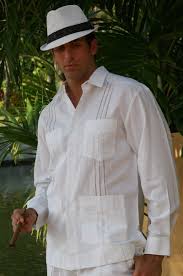
La guayabera, una camisa de mangas cortas o largas, cuatro bolsillos e hileras de alforzas al frente y en la espalda, es la prenda nacional de Cuba, muy difundida y usada en América Latina, sobre todo de color blanco y tejidos frescos, que la hace apropiada para el clima tropical.

En 1967, el cubano George Feldenkreis y su hermano Isaac, fundaron ‘Supreme International’. Comenzaron importando uniformes escolares de niños de Japón a Puerto Rico, y luego se centraron en las guayaberas, las camisas tropicales bordadas de cuatro bolsillos, uno de los símbolos más auténticos de la cultura latina. La empresa cambió su nombre de ‘Supreme International’ a ‘Perry Ellis International’ para reflejar mejor el reconocimiento del nombre que brinda esa marca. Perry Ellis International es una de las empresas de indumentaria deportiva para hombres más grande del mundo.

A partir del éxito de Perry Ellis International, George y Oscar Feldenkreis decidieron capitalizar el crecimiento, el potencial y el atractivo de la cultura latina llevándolo a una marca de estilo de vida. Y así fue como fundaron Cubavera en 2000.

En su visita de tres días a Cuba, el ex presidente estadounidense Jimmy Carter, vistió todo el tiempo guayaberas blancas de mangas largas. Cuba, donde usar cuello y corbata es una verdadera tortura térmica, acaba de establecer la guayabera, masculina o femenina, como prenda oficial para ceremonias diplomáticas o de Estado, en una resolución publicada.
images (2)

La verdad es que el uso de la guayabera por parte de los funcionarios públicos no es nuevo, porque ya en 1973, el coronel Molina, en su calidad de Presidente de El Salvador, oficializó esa vestimenta que fue aceptada por cómoda, fresca y porque ayudaba a contrarrestar lo caluroso del clima.

Por la misma época algo parecido sucedió en México, con el presidente Echeverría e incluso con esa prenda recibía a visitantes extranjeros, sobre todo cuando las reuniones eran en la costa o en zonas de altas temperaturas. La Cumbre de las Américas, celebrada en Cartagena en 2012 vistió con Guayaberas a los mandatarios participantes.

En Abril de 2014 se realizó la VI Cumbre de la Asociación de Estados del Caribe, en Mérida, Yucatan y todos vistieron de Guayabera. La moda, e incluso el protocolo, llevan a políticos de todas las gamas ideológicas a optar por la frescura y elegancia de la guayabera para ciertas actividades de sus cargos. Las han usado siendo Presidentes de México Luis Echeverría Álvarez, José López Portillo, Miguel de la Madrid, Felipe Calderón y Enrique Peña Nieto

Convertida en prenda cómoda, elegante y sencilla, los cantantes más afamados de Cuba, como el gran Benny Moré, empezaron a usarla en sus recorridos por América. Famosos del medio artístico como Ricky Martin ha llegado a usarlas en sus conciertos. Actores norteamericanos como Robert Duval, Robert de Niro o Sylvester Stallone aparecieron en algunas de sus películas con guayaberas.

Sin duda habrá a quien no le guste, habrá quien las considere antiguas u obsoletas, pero su elegancia, comodidad y frescura la hacen una prenda inimitable.
* RECOMIENDENOS A SUS AMISTADES * PREFIERA A NUESTROS SPONSORS.*

* RECOMIENDENOS A SUS AMISTADES * PREFIERA A NUESTROS SPONSORS.*

logo (1)

collage guayabera

“LA CASA DE LA GUAYABERA” CLOSES IN THE US DUE TO THE PANDEMIC. THE RAMÓN PUIG “THE KING OF GUAYABERA” STORY

With a brief message on his website in August 2020 the world-famous “Casa de La Guayabera” by Ramon Puig on Calle Ocho in Miami, Florida, closed its doors forever, after 77 years serving an international clientele.

Ramón Puig was called the ‘King of the Guayaberas’ in Cuba and in fact the most important known manufacturer. Puig, a native of Zaza del Medio in Sancti Spíritus and who emigrated to the United States after the Revolution and set up his famous ‘Casa de las Guayaberas’ on Calle 8 in Miami where he continued cutting until his death at 93 years of age. age.

He opened his first guayabera store in 1943 and has been in Miami for 40 years. For more than 70 years “the king of the guayabera” designed and made this authentic Cuban tropical jewel for Ernest Hemingway, Robert De Niro, Robert Duvall, Andy Garcia, Alonzo Mourning, Sylvester Stallone, and many world leaders including Presidents Reagan, Clinton, Obama, and Bush.

Ramon Puig was proclaimed as “the master of the guayabera” and the greatest manufacturer of guayaberas of all time. Many have tried to copy this classic Cuban garment with mass-produced imitations, but connoisseurs have not been fooled, and insist on the authentic Ramón Puig guayabera. Ramón wisely said, “you would not smoke fake cigars, therefore, you would not use a guayabera that is not genuine.

ORIGIN OF LA GUAYABERA

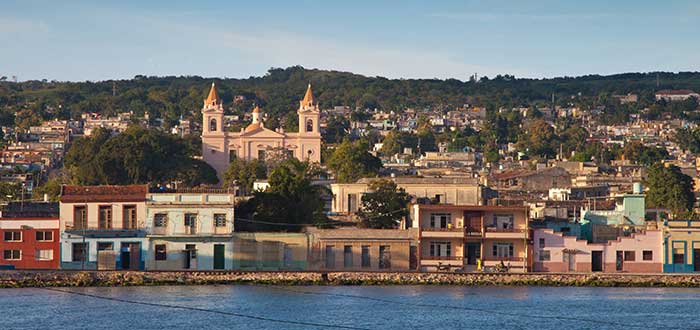
History teaches the guayaberas originated in Sancti Spiritus, Cuba. In 1709, Don José Pérez Rodríguez and his wife Encarnación Núñez García arrived in that city from Granada. José was a potter and they called him “Joselillo”. After working for a short time in their pottery, or weaving as it is also commonly called, which are abundant in the area and are famous for their quality, they received several pieces of fabrics that their relatives sent them from Spain.
download (1)

The joy they both experienced when the cloth package was delivered to them was immense, because Encarnación, like most women at that time, was a seamstress. Sometime later, Josélillo asked Encarnación to make him long shirts with large pockets on the sides, “to be able to wear the smoke and other things to the waist.” After several tests, Encarnación was able to sew a garment that her husband liked. Josélillo, who began to use it with great pride. The guajiro, as they call the peasants in Cuba, seeing the comfort and economy that resulted from this garment, also began to use it.

The first denomination was “yayabera”, to be used in the Yayabo river area, in Sancti Spiritus. But it is said that peasants used to collect guavas and store them in their large pockets. Hence, the name was soon changed to guayabera.

Virtually all versions agree that the origin of the garment is from Spanish Cuba.

LA GUAYABERA FROM NATIONAL TO INTERNATIONAL KNOWN

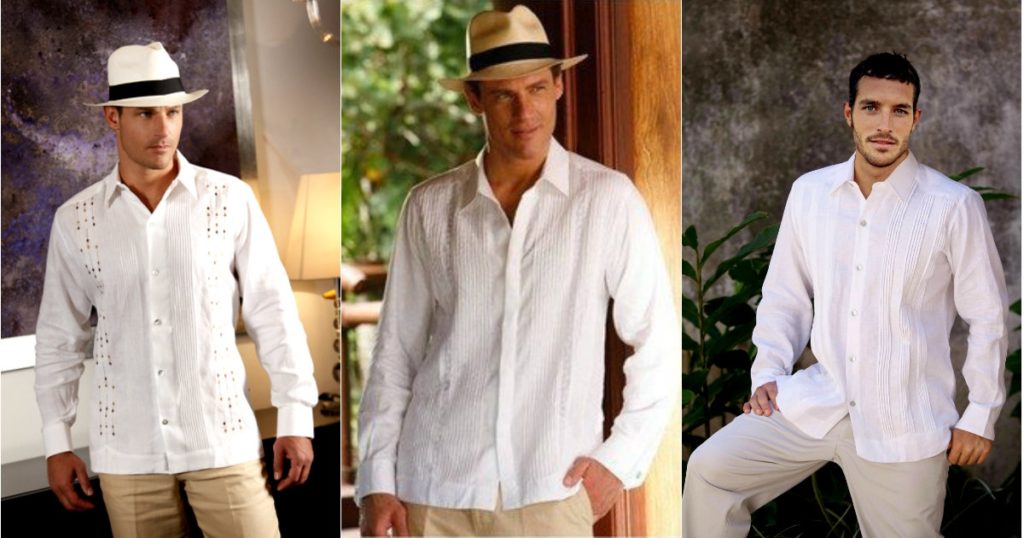
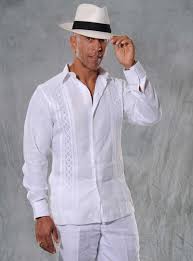
The guayabera, a shirt with short or long sleeves, four pockets, and rows of tucks on the front and back, is the national garment of Cuba, widely spread and used in Latin America, especially white in color and fresh fabrics, which makes it appropriate for the tropical climate.

In 1967, Cuban George Feldenkreis and his brother Isaac founded ‘Supreme International’. They began by importing children’s school uniforms from Japan to Puerto Rico and then focused on guayaberas, the four-pocket embroidered tropical shirts, one of the most authentic symbols of Latino culture. The company changed its name from ‘Supreme International’ to ‘Perry Ellis International’ to better reflect the name recognition provided by that brand. Perry Ellis International is one of the largest men’s sportswear companies in the world.

Building on the success of Perry Ellis International, George, and Oscar Feldenkreis decided to capitalize on the growth, potential, and appeal of Latino culture by bringing it to a lifestyle brand. And that’s how they founded Cubavera in 2000.
download (2)

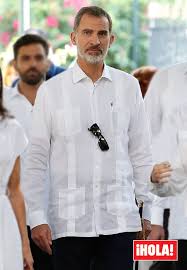
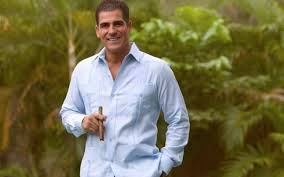
During his three-day visit to Cuba, former US President Jimmy Carter always wore long-sleeved white guayaberas. Cuba, where wearing a collar and tie is true thermal torture, has just established the guayabera, male or female, as an official garment for diplomatic or state ceremonies, in a published resolution.

The truth is that the use of the guayabera by public officials is not new, because already in 1973, Colonel Molina, in his capacity as President of El Salvador, made official this clothing that was accepted as comfortable, fresh, and because it helped to counteract the hot weather.

Around the same time, something similar happened in Mexico, with President Echeverría and even with that garment, he received foreign visitors, especially when the meetings were on the coast or in areas of high temperatures. The Summit of the Americas, held in Cartagena in 2012, dressed the participating leaders in Guayaberas.
download

In April 2014, the VI Summit of the Association of Caribbean States was held in Mérida, Yucatan and everyone wore Guayabera. Fashion, and even protocol, lead politicians of all ideological ranges to opt for the freshness and elegance of the guayabera for certain activities of their positions. They have been used as Presidents of Mexico Luis Echeverría Álvarez, José López Portillo, Miguel de la Madrid, Felipe Calderón, and Enrique Peña Nieto

Converted into a comfortable, elegant, and simple garment, the most famous singers of Cuba, such as the great Benny Moré, began to use it on their tours of America. Famous for artistic means like Ricky Martin has gotten to use them in the concerts him. American actors such as Robert Duval, Robert de Niro, or Sylvester Stallone appeared in some of his films with guayaberas.

Without a doubt there will be those who do not like it, there will be those who consider them old or obsolete, but their elegance, comfort, and freshness make them an inimitable garment.

Agencies/ Wiki/ Memorias Cubanas/ Carlos RodriguezB./ Internet Photos/ Extractos/ Excerpts/ Arnoldo Varona/ www.TheCubanHistory.com
THE CUBAN HISTORY, HOLLYWOOD.
* RECOMIENDENOS A SUS AMISTADES * PREFIERA A NUESTROS SPONSORS.*
* RECOMIENDENOS A SUS AMISTADES * PREFIERA A NUESTROS SPONSORS.*

logo (1)

unnamed (2)

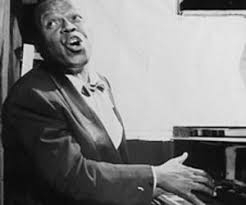
“BOLA DE NIEVE”, Cuban Singer and Composer defined as a “Black García Lorca”. * “BOLA DE NIEVE”, Cantante y Compositor Cubano definido como un “García Lorca Negro”. PHOTOS/VIDEOS.

download (5)

“BOLA DE NIEVE” (SNOWBALL), CUBAN SINGER AND COMPOSER DEFINED AS A “GARCÍA LORCA NEGRO”. PHOTOS/VIDEOS.

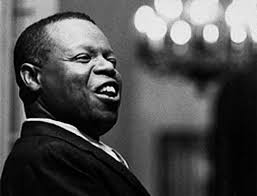
“Bola de Nieve” born Ignacio Jacinto Villa Fernández, was a Cuban singer-songwriter and singer-songwriter. His name originates from his round black face. He was born in Guanabacoa, Havana on September 11, 1911, and was a prolific performer of Boleros, Habaneras, and Son Cubano.

The Spanish poet Rafael Alberti once defined him as a “García Lorca Negro”. Another great of world poetry, Chilean Pablo Neruda defined it as follows: “Bola de Nieve married music and lives with it in that intimacy full of pianos and bells, throwing the keyboards of heaven over his head. Long live her earthly joy! Hail to his sonorous heart! “This could only have been written by Neruda.

Bola de Nieve is undoubtedly one of the greatest musicians that the Caribbean island has produced and a genuine icon of Cuban idiosyncrasy.

https://youtu.be/QD6ZC7Fo9Hs
Press ^ Here
BOLA DE NIEVE SINGS “NO TE PUEDO OLVIDAR”

Villa Fernández studied music theory and music theory at the Mateu Conservatory of Havana, at that time Ignacio Villa was called by his schoolmates Bola de Nieve (quite the opposite of how tight he was), a nickname that then disgusted. When he was older he enrolled in the Normal School for Teachers. He worked as a chauffeur and played the piano for silent films until his friend Rita Montaner hired him as an escort in the early 1930s on a trip to Mexico.

Villa Fernández remained in Mexico and developed an original playing style as a pianist and singer. He was an elite figure more than popular, a sophisticated cabaret stylist known for his tongue-in-cheek tapping, subtle musical performance of him, with a repertoire that included songs in French, English, Catalan, Portuguese, and Italian.

After successful tours, Ignacio Villa returned to Cuba in 1935, under the exclusive contract of Ernesto Lecuona. With the Master, he performed on prestigious stages throughout America and Spain, and the United States. In this last place, the newspaper The New York Times described it as a true revelation for his artistic personality. Radio, theater, and cabaret were his favorite places.

https://youtu.be/qUWiN688-70
Press ^ Here
BOLA DE NIEVE SINGS “MI TAMBOR”

They compared him to Maurice Chevaliér and Nat King Cole. At the famous Carnegie Hall, he received one of the great emotions of his life by receiving an endless ovation. In the 1950s he conquered France, Denmark, Nice, Rome, Venice, and Milan. He returned to Mexico, his second homeland, and there he shared with figures such as Pedro Vargas, Toña la Negra, and Agustín Lara. Around that time he met Edith Piaf, who said: “Nobody sings ‘La vida en rosa’ like Snowball.

Bola recorded for the Orfeón, Discmedi, RCA Victor Mexicana, Montilla, Sonotone, Kubaney, Modiner and Areito record companies.

El Bola had defined and perfected his style of saying the song. For him there was no improvisation: he studied and matured each theme. He dominated the cartoonish song, that of unalterable elaboration and that of folkloric inflections of any country. As expressive resources, he used melody, rhythm, and the message of the texts alike.

Bola de Nieve recreated songs in English (Be careful, it’s my heart), in French (La vie en rose), Italian, Catalan, and Portuguese; he dared with old Spanish romances like El caballero de Olmedo and also contributed his own compositions: If you could love me, Don’t let me forget you or that ¡Ay, amor! and a separate mention of her unique version of “La Flor de la Canela” by Chabuca Granda, which the author praised.

images (4)

He made numerous tours of Europe and America, and his friends included Andrés Segovia and Pablo Neruda. He identified as black and gay, had self-confidence in his personality, and accepted for who he was: a memorable talent.

In 1965 he renovated the restaurant “Monseñor” located in front of the Hotel Nacional de Cuba. The site became “Chez Bola”, an intimate place where the artist, in addition to singing and playing the piano, talked, told stories, jokes, anecdotes, and greeted from table to table. Bola lived in the National Hotel then.

He died in Mexico City during a musical visit on his way to Peru for performances on October 2, 1971 (age 60).

He was the subject of a documentary in 2003 that included interviews with fellow musicians, friends, family, and experts.

images (3)

DISCOGRAPHY

1933: Don’t let me forget you (Mexico).
1940: You have to love me (RCA Victor).
1941: Miss Chi Chi y Pampa (RCA Victor, from Argentina).
1947: Goat that breaks tambó, Drume, negrita, El dulcero, Mesié Julián (Coda, from Cuba).
1955: I can’t be happy, What would you say about me, You don’t love me anymore, The dove was wrong, Don’t tell me, If you could love me, Drume, Negrita, Mesié Julián, (LP, RCA Víctor; Mexico).
1956: Yambambó, Ay, amor y otros ten songs (RCA Victor, from Mexico).
1957: Snowball with his piano (Montilla, from Spain).
1960: This is Bola (Sonotone, from Cuba).

FILMOGRAPHY

Melodies of America (1941)

* RECOMIENDENOS A SUS AMISTADES * PREFIERA A NUESTROS SPONSORS.*

* RECOMIENDENOS A SUS AMISTADES * PREFIERA A NUESTROS SPONSORS.*

logo (1)

download (6)

BOLA DE NIEVE, CANTANTE Y COMPOSITOR CUBANO DEFINIDO COMO UN “GARCÍA LORCA NEGRO”

“Bola de Nieve” nacido como Ignacio Jacinto Villa Fernández, fue un cantautor y cantautor cubano. Su nombre se origina en su rostro negro y redondo. Nacio en Guanabacoa, La Habana el 11 de Septiembre de 1911 y fue un prolifico ejecutor de Boleros, Habaneras y el Son Cubano.
El poeta espanol Rafael Alberti lo definio una vez como un “García Lorca Negro”. Otro grande de la poesia mundial, el chileno Pablo Neruda lo definió así: “Bola de Nieve se casó con la música y vive con ella en esa intimidad llena de pianos y cascabeles, tirándose por la cabeza los teclados del cielo. ¡Viva su alegría terrestre!¡Salud a su corazón sonoro!”, esto solo podía haberlo escrito Neruda.

Bola de Nieve sin duda de uno de los más geniales músicos que ha dado la isla caribeña y un genuino icono de la idiosincrasia cubana.

https://youtu.be/dFQIacUgleo
Presione ^ Aqui
BOLA DE NIEVE CANTA “EL MANICERO”

Villa Fernández estudió en el Conservatorio Mateu de La Habana, estudios de solfeo y teoría de la música, hacia entonces Ignacio Villa fue llamado por sus compañeros de escuela Bola de Nieve (todo lo contrario a lo bien prieto que era), apodo que entonces le disgustaba. Ya mayor matriculó en la Escuela Normal para Maestros. Trabajó como chófer y tocó el piano para películas mudas hasta que su amiga Rita Montaner lo contrató como acompañante a principios de la década de 1930 en viaje a México.

Villa Fernández permaneció en México y desarrolló un estilo de interpretación original como pianista y cantante. Era una figura de élite más que popular, un sofisticado estilista de cabaret conocido por su golpeteo irónico, su interpretación musical sutil, con un repertorio que incluía canciones en francés, inglés, catalán, portugués e italiano.

https://youtu.be/QFoQNL6vvrc
Presione ^ Aqui
BOLA DE NIEVE CANTA “AY MAMA INES”

Después de exitosas giras, Ignacio Villa regresó a Cuba en 1935, bajo contrato exclusivo de Ernesto Lecuona. Con el Maestro se presentó en prestigiosos escenarios de toda América y España y Estados Unidos. En este último lugar el periódico The New York Times lo calificó como una verdadera revelación por su personalidad artística. La radio, el teatro y el cabaret eran sus plazas preferidas.

Le compararon con Maurice Chevaliér y Nat King Cole. En el famoso Carnegie Hall recibió una de las grandes emociones de su vida al recibir una ovación que no se acababa, interminable. En los años 50 conquistó Francia, Dinamarca, Niza, Roma, Venecia y Milán. Volvió a México, su segunda patria y allí compartió con figuras como Pedro Vargas, Toña la Negra y Agustín Lara. Por esa época conoció a Edith Piaf, quien dijo: “Nadie canta “La vida en rosa” como Bola de Nieve.

https://youtu.be/nBrNq8-rTVQ
Presione ^ Aqui
BOLA DE NIEVE CANTA “AY AMOR!”

Bola grabó para las Empresas Discograficas Orfeón, Discmedi, RCA Victor Mexicana, Montilla, Sonotone, Kubaney, Modiner y Areito.

El Bola había definido y perfeccionado su estilo de decir la canción. Para él no existía la improvisación: estudiaba y maduraba cada tema. Dominaba la canción caricaturesca, la de inalterable elaboración y la de inflexiones folclóricas de cualquier país. Como recursos expresivos utilizaba por igual la melodía, el ritmo y el mensaje de los textos.

Bola de Nieve recreaba canciones en inglés (Be careful, it´s my heart), en francés (La vie en rose) italiano, catalán y portugués; se atrevía con viejos romances españoles como El caballero de Olmedo y aportaba también sus propias composiciones: Si me pudieras querer, No dejes que te olvide o ese ¡Ay, amor!; y mención aparte de su inigualable versión de “la Flor de la Canela” de Chabuca Granda, la cual la autora alababa.

https://youtu.be/bDh9bDXJTJk
Presione ^ Aqui
BOLA DE NIEVE CANTA “LA FLOR DE LA CANELA”

Realizó numerosas giras por Europa y América, y entre sus amigos se encontraban Andrés Segovia y Pablo Neruda. Se identificó como negro y gay, tenía confianza en sí mismo en su personalidad y aceptó por lo que era: un talento memorable.

En 1965 se remozó el restaurante “Monseñor” situado enfrente del Hotel Nacional de Cuba. El sitio se convirtió en “Chez Bola”, íntimo lugar donde el artista además de cantar y tocar el piano, dialogaba, hacía cuentos, chistes anécdotas y saludaba de mesa en mesa. Bola, vivía en el Hotel Nacional entonces.

Murió en la Ciudad de México durante una visita musical en su paso para actuaciones en Perú el 2 de Octubre de 1971 (60 años).

Fue objeto de un documental en el 2003 que incluyó entrevistas con compañeros músicos, amigos, familiares y expertos.

images (2)

DISCOGRAFIA

1933: No dejes que te olvide (México).
1940: Tú me has de querer (RCA Victor).
1941: Señorita Chi Chi y Pampa (RCA Victor, de Argentina).
1947: Chivo que rompe tambó, Drume, negrita, El dulcero, Mesié Julián (Coda, de Cuba).
1955: No puedo ser feliz, Qué dirías de mí, Ya no me quieres, Se equivocó la paloma, No me platiques, Si me pudieras querer, Drume, negrita, Mesié Julián, (LP, RCA Víctor; México).
1956: Yambambó, Ay, amor y otros diez temas (RCA Victor, de México).
1957: Bola de Nieve con su piano (Montilla, de España).
1960: Este sí es Bola (Sonotone, de Cuba).

FILMOGRAFIA

Melodías de América (1941)

Agencies/ Wiki/ Memorias Cubanas/ Carlos RodriguezB./ Extractos/ Excerpts/ Internet Photos/ YouTube/ Arnoldo Varona/ www.TheCubanHistory.com
THE CUBAN HISTORY, HOLLYWOOD.

* RECOMIENDENOS A SUS AMISTADES * PREFIERA A NUESTROS SPONSORS.*
* RECOMIENDENOS A SUS AMISTADES * PREFIERA A NUESTROS SPONSORS.*

logo (1)

unnamed (1)

PABLO MILANÉS, Cuban Singer-Songwriter, Musician and Composer. * PABLO MILANÉS, Cantante, Músico y Compositor Cubano. PHOTOS/VIDEOS.

download (13)

PABLO MILANÉS, CUBAN SINGER-SONGWRITER, MUSICIAN AND COMPOSER. VIDEOS

Pablo Milanés Arias, one of the founders of the “Nueva Trova” was born in Bayamo on February 24, 1943. He is a Cuban singer-songwriter and guitar player. His music, originating in the Trova, Son, and other traditional styles of early 20th Century Cuban music, set him apart from the style of Silvio Rodríguez.

Pablo Milanés, widely known as Pablito, moved with his family from Bayamo to Havana in 1950. He studied in the Conservatorio Municipal de La Habana, at the time the most prestigious music school in the country. His first public performance was in 1956. By age 15, he was active in “bohemian” musical circles in Havana, associated with the so-called “filing” musicians.

https://youtu.be/sct0-7rs2zY
Press ^ Here
PABLO MILANES SINGS “YOLANDA”

Although he supported the Cuban Revolution, in 1965 he was sent to the UMAP agricultural forced-labor camp in Camagüey. In 1967, he escaped and fled to Havana to denounce the injustice of the labor camp. This resulted in his imprisonment, first for two months in La Cabaña, an 18th-century fortress in Havana, and then for a time in a prison camp. He was released when the prison camp was closed due to international pressure.

In 1969, he became part of the Grupo de Experimentación Sonora, a seminal group of young musicians, many of whom became founding members of the Nueva Trova, which started as a movement with a concert given by Pablo, Silvio Rodriguez, and Noel Nicola on February 18, 1968. Until the late 1980s, Nueva Trova was the unofficial musical style of the Cuban Revolution.

Since his first recording (“Versos sencillos de José Martí” in 1973), he has issued more than 40 solo records, and many more in collaboration with other artists from Cuba, elsewhere in Latin America, and Spain. His first record with original songs (the eponymous “Pablo Milanés”) was not issued until 1976. The heyday of his creativity occurred probably in the early 1980s, with his records “El Guerrero”, “Yo me quedo”, and “Comienzo y final de una verde mañana”.

https://youtu.be/ruKLb7Hax6A
Press ^ Here
PABLO MILANES SINGS

Within the context of the Nueva Trova, Pablo is widely considered one of the closest to the traditional roots of Cuban music, while being open to diverse musical influences from other contemporary traditions, such as Brazilian music and Blues. The range of his compositions extends from starkly political anthems to inspired love songs. He has set the poems of Cuban writers such as José Martí and Nicolás Guillén to music. Some of his most important musical influences have been María Teresa Vera, Lorenzo Hierrezuelo, Barbarito Diez, Benny Moré, Lucho Gatica, and Johann Sebastian Bach.

He has lived in Vigo, Spain, with his Spanish wife and two sons since 2004. In 2014, he received a kidney transplant, receiving an organ donated by his wife.

download (12)

Since relocating to Spain, Milanés has been publicly critical of some aspects of the Cuban government, though he remains dedicated to the Cuban Revolution. His willingness to speak openly about the failures of the revolution strained his relations with Silvio Rodriguez. Lately, he has not participated in pro-government campaigns.

(READ DISCOGRAPHY AND SELECTED WORKS IN THE SPANISH SECTION)

* RECOMIENDENOS A SUS AMISTADES * PREFIERA A NUESTROS SPONSORS.*

* RECOMIENDENOS A SUS AMISTADES * PREFIERA A NUESTROS SPONSORS.*

logo

download (10)

PABLO MILANES, CANTANTE-ESCRITOR, MÚSICO Y COMPOSITOR CUBANO. VIDEOS

Pablo Milanés Arias, uno de los fundadores de la “Nueva Trova” nació en Bayamo el 24 de febrero de 1943. Es un cantautor y guitarrista cubano. Su música, proveniente de la Trova, el Son y otros estilos tradicionales de la música cubana de principios del siglo XX, lo distingue del estilo de Silvio Rodríguez.

Pablo Milanés, conocido como Pablito, se mudó con su familia de Bayamo a La Habana en 1950. Estudió en el Conservatorio Municipal de La Habana, en ese momento la escuela de música más prestigiosa del país. Su primera actuación pública fue en 1956. A los 15 años, participó activamente en los círculos musicales “bohemios” de La Habana, asociado con los llamados músicos “filing”.

https://youtu.be/E5O8bcQ9BQw
Presione ^ Aqui
PABLO MILANES CANTA “ESPERANDO EL MILAGRO”
SU ÚLTIMA INTERPRETACION.

Aunque apoyó la Revolución Cubana, en 1965 fue enviado al campo de trabajos forzados agrícolas de la UMAP en Camagüey. En 1967, escapó y huyó a La Habana para denunciar la injusticia del campo de trabajo. Esto resultó en su encarcelamiento, primero durante dos meses en La Cabaña, una fortaleza del siglo XVIII en La Habana, y luego durante un tiempo en un campo de prisioneros. Fue puesto en libertad cuando se cerró el campo de prisioneros debido a la presión internacional.

En 1969, pasó a formar parte del Grupo de Experimentación Sonora, un grupo seminal de jóvenes músicos, muchos de los cuales se convirtieron en miembros fundadores de la Nueva Trova, que comenzó como un movimiento con un concierto de Pablo, Silvio Rodríguez y Noel Nicola en 18 de febrero de 1968. Hasta fines de la década de 1980, Nueva Trova fue el estilo musical no oficial de la Revolución Cubana.

Desde su primera grabación (“Versos sencillos de José Martí” en 1973), ha editado más de 40 discos en solitario, y muchos más en colaboración con otros artistas de Cuba, otros lugares de América Latina y España. Su primer disco con canciones originales (el epónimo “Pablo Milanés”) no se editó hasta 1976. El apogeo de su creatividad ocurrió probablemente a principios de los años 80, con sus discos “El Guerrero”, “Yo me quedo” y “Comienzo y final de una verde mañana “.

https://youtu.be/J_9gu-baH-M
Presione ^ Aqui
PABLO MILANES CANTA “EL AMOR DE MI VIDA”

Dentro del contexto de la Nueva Trova, Pablo es ampliamente considerado como uno de los más cercanos a las raíces tradicionales de la música cubana, al mismo tiempo que está abierto a diversas influencias musicales de otras tradiciones contemporáneas, como la música brasileña y el Blues. La gama de sus composiciones se extiende desde crudos himnos políticos hasta inspiradas canciones de amor. Ha puesto música a poemas de escritores cubanos como José Martí y Nicolás Guillén. Algunas de sus influencias musicales más importantes han sido María Teresa Vera, Lorenzo Hierrezuelo, Barbarito Diez, Benny Moré, Lucho Gatica y Johann Sebastian Bach.

Ha vivido en Vigo, España, con su esposa española y dos hijos desde 2004. En 2014, recibió un trasplante de riñón, recibiendo un órgano donado por su esposa.

images (4)

Desde que se mudó a España, Milanés ha criticado públicamente algunos aspectos del gobierno cubano, aunque sigue dedicado a la Revolución Cubana. Su disposición a hablar abiertamente sobre los fracasos de la revolución tensó sus relaciones con Silvio Rodríguez. Últimamente no ha participado en campañas progubernamentales.

DISCOGRAFÍA
Selecionados y Ultimos Trabajos
2000 – Días de gloria
2000 – Live from New York City
2002 – Pablo querido
2005 – Como un campo de maíz
2005 – Líneas paralelas with Andy Montañez
2007 – Regalo
2007 – Pablo Milanés en vivo: Amor y desamor
2008 – Raúl y Pablo with Raúl Torres
2008 – Más allá de todo with Chuco Valdés
2008 – Feeling 6
2011 – Pablo y Lynn Milanés en concierto with daughter Lynn Milanés
2013 – Renacimiento
2014 – Canción de otoño
2015 – 50 de 22
2016 – Flores del futuro with Miguel Núñez
2017 – Amor with daughter Haydée Milanés

Agencies/ Wiki/ Various/ Extratos/ Excerpts/ Internet Photos/ YouTube/ Arnoldo Varona/ www.TheCubanHistory.com
THE CUBAN HISTORY, HOLLYWOOD.

* RECOMIENDENOS A SUS AMISTADES * PREFIERA A NUESTROS SPONSORS.*
* RECOMIENDENOS A SUS AMISTADES * PREFIERA A NUESTROS SPONSORS.*
logo

unnamed (2)