

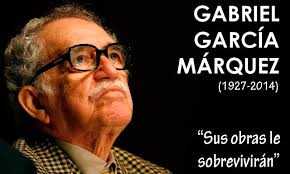
The journalistic work that Gabriel García Márquez wrote and published from 1959 to 1960 in Prensa Latina -the news agency of the Cuban revolution, which the Colombian writer co-founded- ended up destroyed “under ideological suspicion” by the Fidel Castro government.
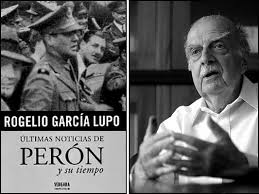
The revelation came to light in the mouth of Rogelio García Lupo, the most famous Argentine investigative journalist and historian, two years before his death, August 2016 in his ‘beloved Argentina’. García Lupo was a colleague of Gabo in Prensa Latina, designed by Ernesto Che Guevara as the voice of the revolution and also integrated by two other Argentines, Jorge Masetti and Rodolfo Walsh.
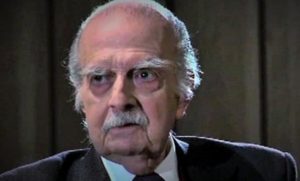
Rogelio García Lupo, then 82 years old, when this article was published.
Both Che and Masetti and Walsh would pass that stage and, years later, they would die fighting in other Latin American guerrilla experiences that tried unsuccessfully to emulate the Cuban revolution in La Higuera (Bolivia), Salta (Argentina) and Buenos Aires (Argentina), respectively.
At that time, according to the French philosopher Regis Debray, a collaborator of Ernesto “Che” Guevara in his Bolivian adventure, Fidel Castro was not very convinced of the writer’s (García Marquez) “revolutionary firmness”, despite the fact that the future Nobel had tiptoed by the “Stalinist process” of the 70s against the poet Heberto Padilla, which supposed the rupture of many intellectuals with Havana.
García Lupo reminded the Buenos Aires newspaper ‘Clarín’ that he was called to work in Prensa Latina and arrived in Havana in August 1959, when the revolution had already defeated Fulgencio Batista’s dictatorship and had not yet proclaimed itself a communist. arcía Márquez was a correspondent, first in Bogotá and then in New York.
“Masetti had been in the Sierra Maestra in 1958 – he had made the first big interview with Fidel there – and he had brought a series of certainties, he told us: ‘(The Castroites) They are not communists, they want to do a democratic thing, they are nationalists, anti-imperialists’ “, has evoked García Lupo.
According to the story of the octogenarian then Garcia Lupo, the journalists who worked in that editorial office in the capital of the island “ideologically we were not more than that”, that is, anti-imperialists. We were not communists at all! We were ideologically stagnant, according to the communists. ”
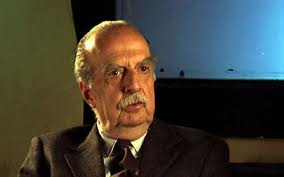
Rogelio García Lupo, historian and Investigative Journalist.
Died in 2016.
Towards the end of 1960, a sector of the Cuban government began to brand Guevara as a Trotskyist. “It was a stigma, they were sawing the floor, Che was difficult to saw, but Masetti was easier, and if he was sawed, I fell, Walsh fell, Heberto Padilla fell. enormous pressure for the group of Argentines to lose power. ”
With the proclamation in 1961 of the Government of Cuba as a socialist regime allied to the USSR “the Cuban Communists – he explained – occupied positions and those who went on to lead the Prensa Latina agency were the most closed Stalinism”. And then, the veteran professional continued, “Gabo’s work, our work, all the journalism of the 59s and 60s was destroyed, that material is nowhere to be found.” So much so, Garcia Lupo has pointed out, “many years later, Gabo gathered his press briefs and there is not a single agency office between them, they were destroyed.”
“When the agency turned 40 or 50 years old, they invited us to a commemoration party and Gabo told me: ‘I’m not going to that party until they give me an explanation of why they destroyed my chronicles,'” he revealed.
For García Lupo, his friend and colleague Gabo never maintained links with the Cuban communists, but rather a personal relationship with Fidel Castro. Therefore, in his opinion, he did not sign the request for the release in 1971 of the then imprisoned poet Heberto Padilla. “It was a sacrifice for the ideological unity of the revolution,” he said.
The author of ‘One Hundred Years of Solitude’ was not convinced by Soviet communism. “I had made a trip for a magazine to the countries of the East and brought a critical opinion of the communist regimes of Eastern Europe, then we said: ‘You know what? What I can not forget about the socialist world is toothpaste. Toothpaste “Hard as cement.” We had fun with his stories, he was always a great oral narrator, “Garcia Lupo concluded.
His silence in the face of the denunciations of human rights violations and the exodus of the “rafters” attracted the criticism of many intellectuals, among them Susan Sontag, who during a visit to Bogota lamented: “He is the great writer of this country and I admire him a lot, but it is unforgivable that he has not spoken out against the latest measures of the Cuban regime. ”
In these days, the anniversary of his birth more than 90 years ago. García Márquez is also remembered, who always had an argument to deal with criticism: “I could not calculate the number of prisoners, dissidents and conspirators, who have helped me, in absolute silence, to leave prison or emigrate. of Cuba in no less than twenty years “.
“The work of Gabo, our work, García Lupo said, all the journalism of the 59 and 60 was destroyed when we left Prensa Latina, under ideological suspicion. Those who happened to direct the agency were of the most closed Stalinism. Many years later, Gabo gathered his press briefs and there is not a single dispatch from the agency. They were destroyed”.

LAS CRONICA PERIODISTICAS DE GABRIEL GARCÍA MARQUEZ EL PUBLICÓ EN PRENSA LATINA (1959-60) DESAPARECIERON.
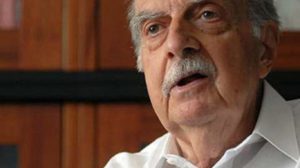
La obra periodística que Gabriel García Márquez escribió y publicó de 1959 a 1960 en Prensa Latina -la agencia informativa de la revolución cubana, que el escritor colombiano cofundó- terminó destruida “bajo sospecha ideológica” por el Gobierno de Fidel Castro.
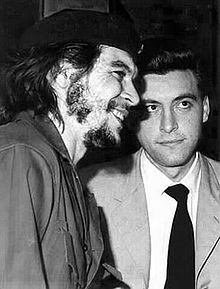
La revelación salió a la luz en por boca de Rogelio García Lupo, el más afamado periodista argentino de investigación e historiador, dos años antes de su muerte en Agosto 2016 en Argentina. García Lupo fue compañero de Gabo en Prensa Latina, ideada por Ernesto Che Guevara como voz de la revolución e integrada, además, por otros dos argentinos, Jorge Masetti y Rodolfo Walsh.
Tanto el Che como Masetti y Walsh pasarían aquella etapa y, años más tarde, morirían combatiendo en otras experiencias guerrilleras latinoamericanas que pretendieron emular sin éxito a la revolución cubana en La Higuera (Bolivia), Salta (Argentina) y Buenos Aires (Argentina), respectivamente.
Por aquella época, según el filósofo francés Regis Debray, colaborador de Ernesto “Che” Guevara en su aventura de Bolivia, Fidel Castro no estaba muy convencido de la “firmeza revolucionaria” del escritor (García Marquez), a pesar de que el futuro Nobel había pasado de puntillas por el “proceso stalinista” de los años 70 contra el poeta Heberto Padilla, que supuso la ruptura de muchos intelectuales con La Habana.
García Lupo ha recordado al diario porteño ‘Clarín’ que fue llamado a trabajar en Prensa Latina y que llegó a La Habana en agosto de 1959, cuando la revolución ya había vencido a la dictadura de Fulgencio Batista y aún no se había proclamado comunista. García Márquez era corresponsal, primero en Bogotá y luego en Nueva York.
“Masetti había estado en Sierra Maestra en el 1958 -le había hecho la primera gran entrevista a Fidel ahí- y había traído una serie de certezas. Él nos decía: ‘(Los castristas) No son comunistas, quieren hacer una cosa democrática, son nacionalistas, antiimperialistas'”, ha evocado García Lupo.
Según el relato del octogenario entonces Garcia Lupo, los periodistas que trabajaban en aquella redacción en la capital de la isla “ideológicamente no éramos más que eso”, es decir, antiimperialistas. ¡No éramos nada comunistas! Estábamos estancados ideológicamente, según decían los comunistas”.
Hacia finales de 1960, un sector del gobierno cubano empezó a tildar a Guevara de troskista. “Era un estigma, le estaban serruchando el piso. El Che era difícil de serruchar, pero Masetti era más fácil. Y si lo serruchaban a él, caía yo, caía Walsh, caía Heberto Padilla. Me fui -ha sostenido- porque había una enorme presión para que el grupo de argentinos perdiera poder”.
Con la proclamación en 1961 del Gobierno de Cuba como régimen socialista aliado a la URSS “los comunistas cubanos -explicó- ocuparon posiciones y quienes pasaron a dirigir la agencia Prensa Latina eran del más cerrado estalinismo”. Y entonces, prosiguió el veterano profesional, “el trabajo de Gabo, nuestro trabajo, todo el periodismo de los años 59 y 60 fue destruido. Ese material no está en ningún lado”. Tan es así, ha acotado García Lupo, que “muchos años después, Gabo reunió sus escritos de prensa y no hay entre ellos un solo despacho de la agencia. Fueron destruidos”.
“Cuando la agencia cumplió 40 ó 50 años nos invitaron a una fiesta de conmemoración. Gabo me dijo: ‘No voy a esa fiesta mientras no me den una explicación de por qué destruyeron mis crónicas'”, ha revelado.
Para García Lupo su amigo y colega Gabo nunca mantuvo vinculación con los comunistas cubanos, sino una relación personal con Fidel Castro. Por eso, a su juicio, no firmó la petición de liberación en 1971 del entonces encarcelado poeta Heberto Padilla. “Fue un sacrificio por la unidad ideológica de la revolución”, ha dicho.
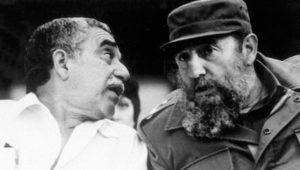
Al autor de ‘Cien años de soledad’ no le convencía el comunismo soviético. “Había hecho un viaje para una revista a los países del Este y trai una opinion critica de los regimenes comunistas de Europa del Este, entonces nos decía: ‘¿Sabes una cosa? Lo que no puedo olvidar del mundo socialista es el dentífrico. ¿Dentífrico? Duro como el cemento’. Nos divertíamos con sus relatos, siempre fue un gran narrador oral”, concluyó Garcia Lupo.
Su silencio ante las denuncias sobre violaciones a los derechos humanos y el éxodo de los “balseros” le atrajo la crítica de muchos intelectuales, entre ellos de Susan Sontag, quien durante una visita a Bogotá lamentó: “Es el gran escritor de este país y lo admiro mucho, pero es imperdonable que no se haya pronunciado frente a las últimas medidas del régimen cubano”.
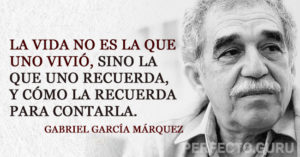
En estos dias fecha del Aniversario de su nacimiento hace más de 90 años. Tambien se recuerda el García Márquez que siempre tuvo a la mano un argumento para hacer frente a las críticas: “No podría calcular la cantidad de presos, de disidentes y conspiradores, que he ayudado, en absoluto silencio, a salir de la cárcel o a emigrar de Cuba en no menos de veinte años”.
“El trabajo de Gabo, nuestro trabajo, diria García Lupo, todo el periodismo de los años 59 y 60 fue destruido cuando salimos de Prensa Latina, bajo sospecha ideológica. Quienes pasaron a dirigir la agencia eran del más cerrado stalinismo. Muchos años después, Gabo reunió sus escritos de prensa y no hay entre ellos un solo despacho de la agencia. Fueron destruidos”.
Agencies/ElMundo/Juan Ignacio Irigaray/ Excerpts/ Internet Photos/ Arnoldo Varona/ thecubanhistory.com
THE CUBAN HISTORY, HOLLYWOOD.
